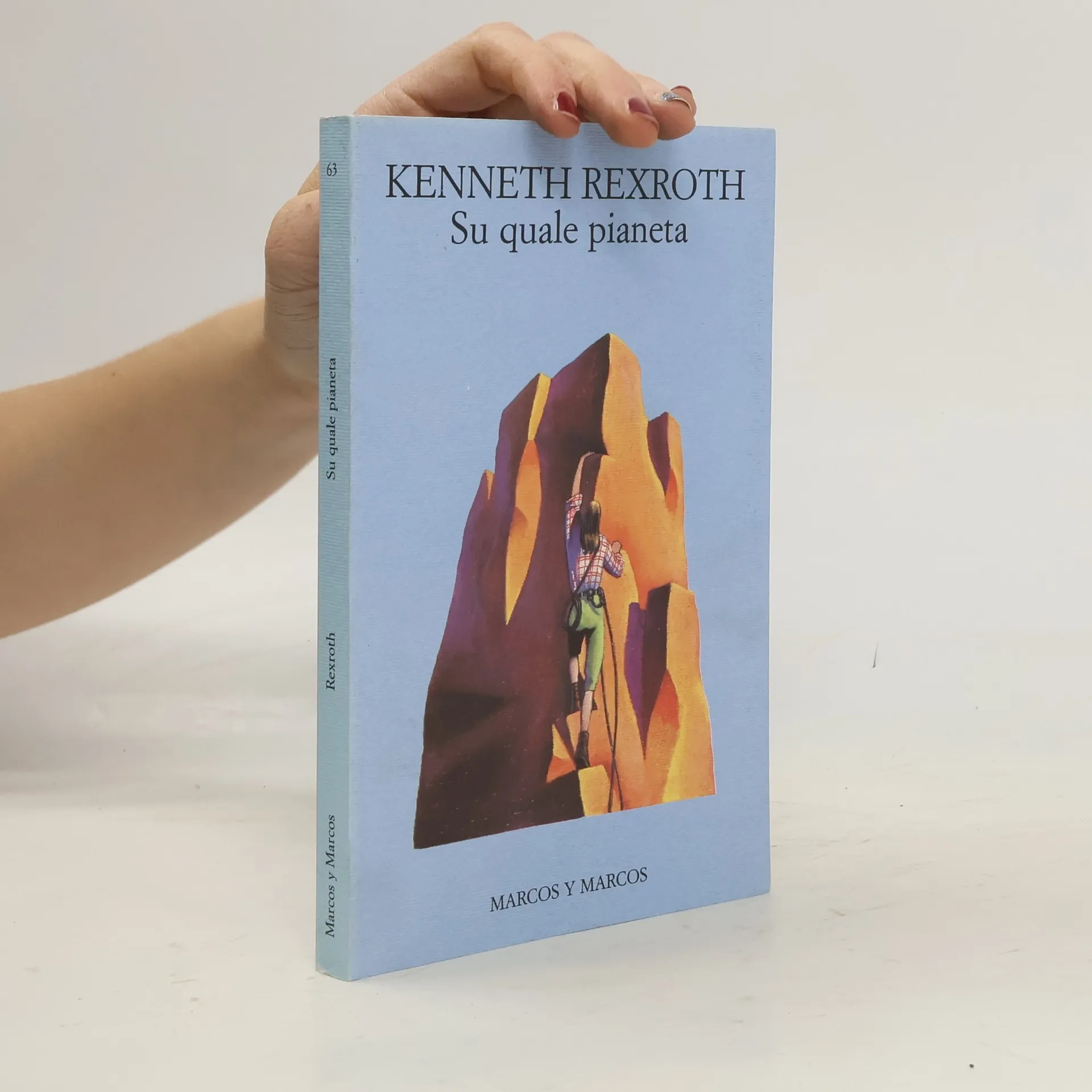
Su quale pianeta
- 203 pages
- 8 hours of reading


Kenneth Rexroth was an American poet, translator, and critical essayist, recognized as a chief figure in the San Francisco Renaissance. He was among the first American poets to delve into traditional Japanese poetic themes and forms. His work is marked by a deep engagement with Eastern philosophy and aesthetics, offering readers a unique cross-cultural perspective. Rexroth's literary contributions bridge distinct traditions, creating a rich and insightful body of work.

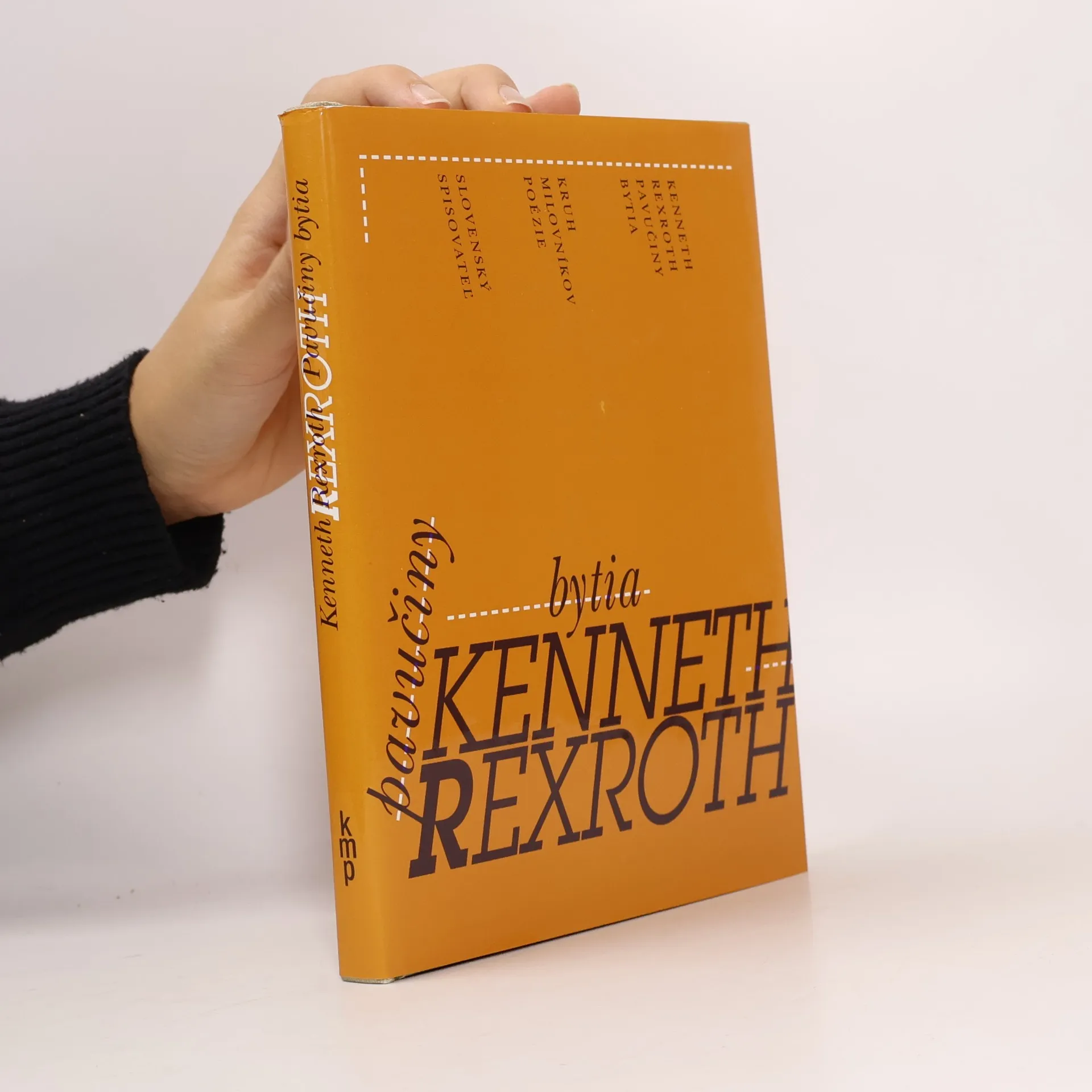
Výber z poézie Kennetha Rexrotha v preklade Jána Kvapila.
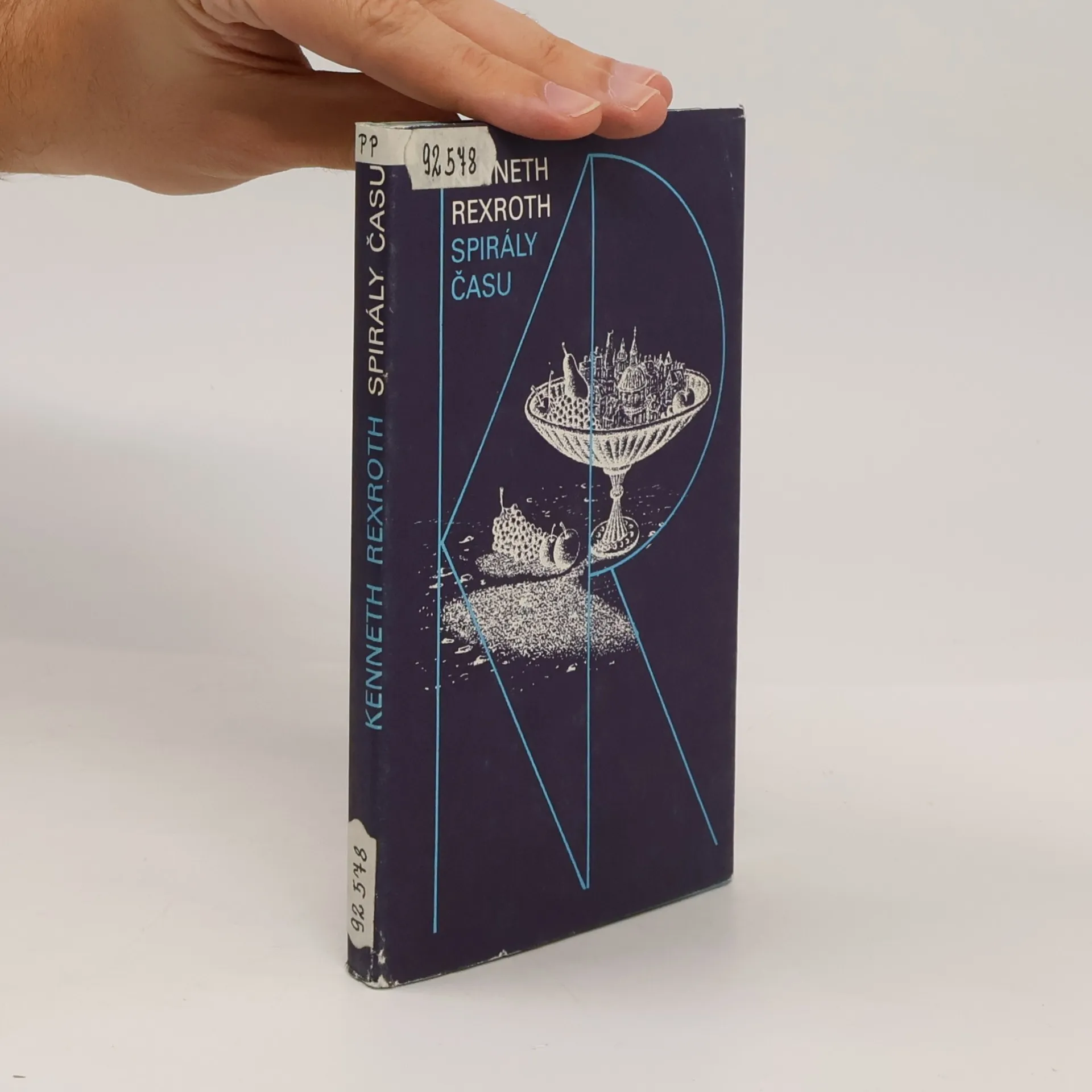
Výbor z díla předního soudobého amerického básníka.
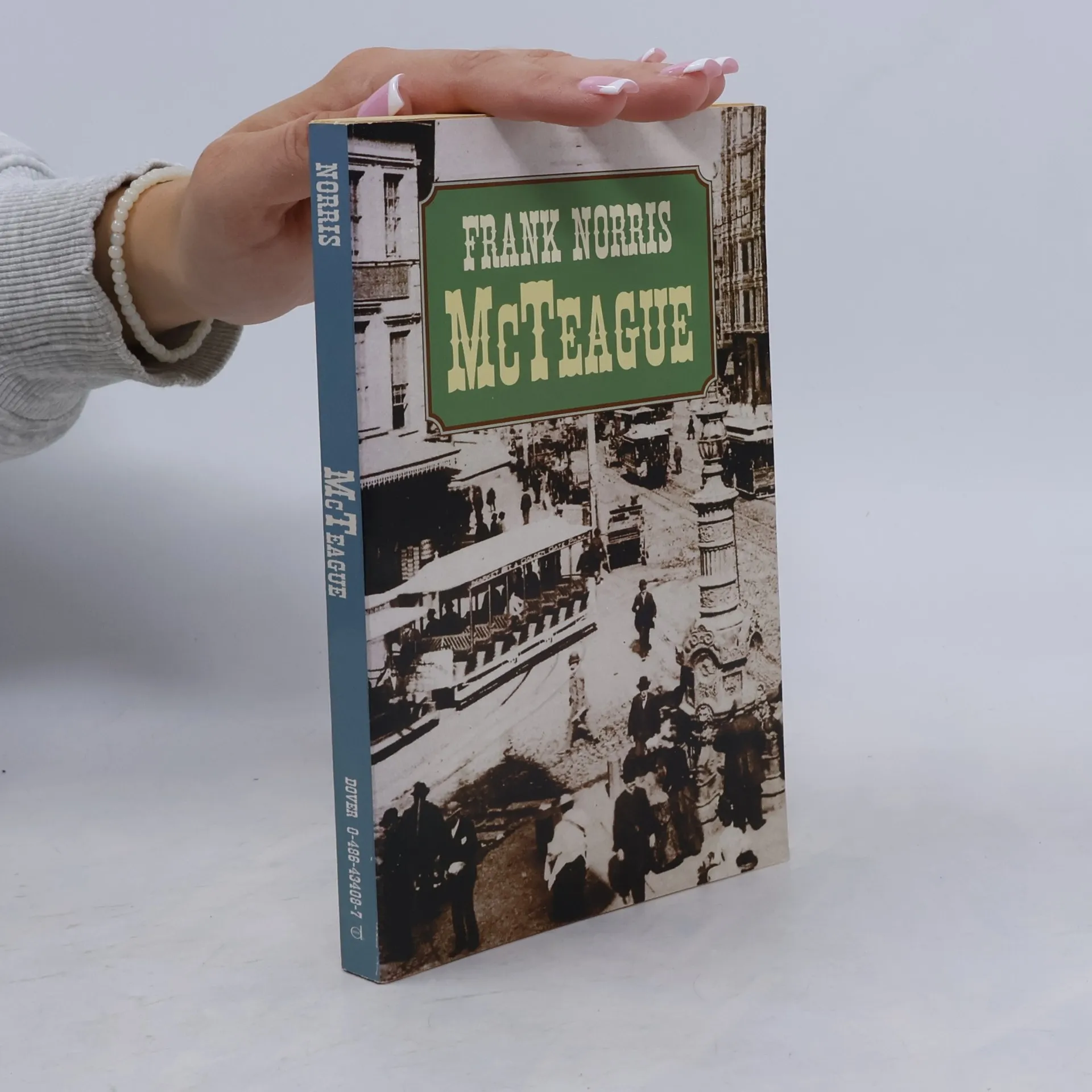
The novelist Frank Norris is almost forgotten today, but in books like McTeague he paved the way for a whole generation of American writers—a generation including Theodore Dreiser, Sinclair Lewis, and, less directly, Hemingway and Fitzgerald. McTeague is a dentist saddled with a grasping wife. The book chronicles his rise and fall in awkward but powerful prose. This type of social realism, so contrary to the uplifting entertainment of the day (and to Mark Twain's more fanciful novels), provided turn-of-the-century America a disturbing mirror in which to view itself.
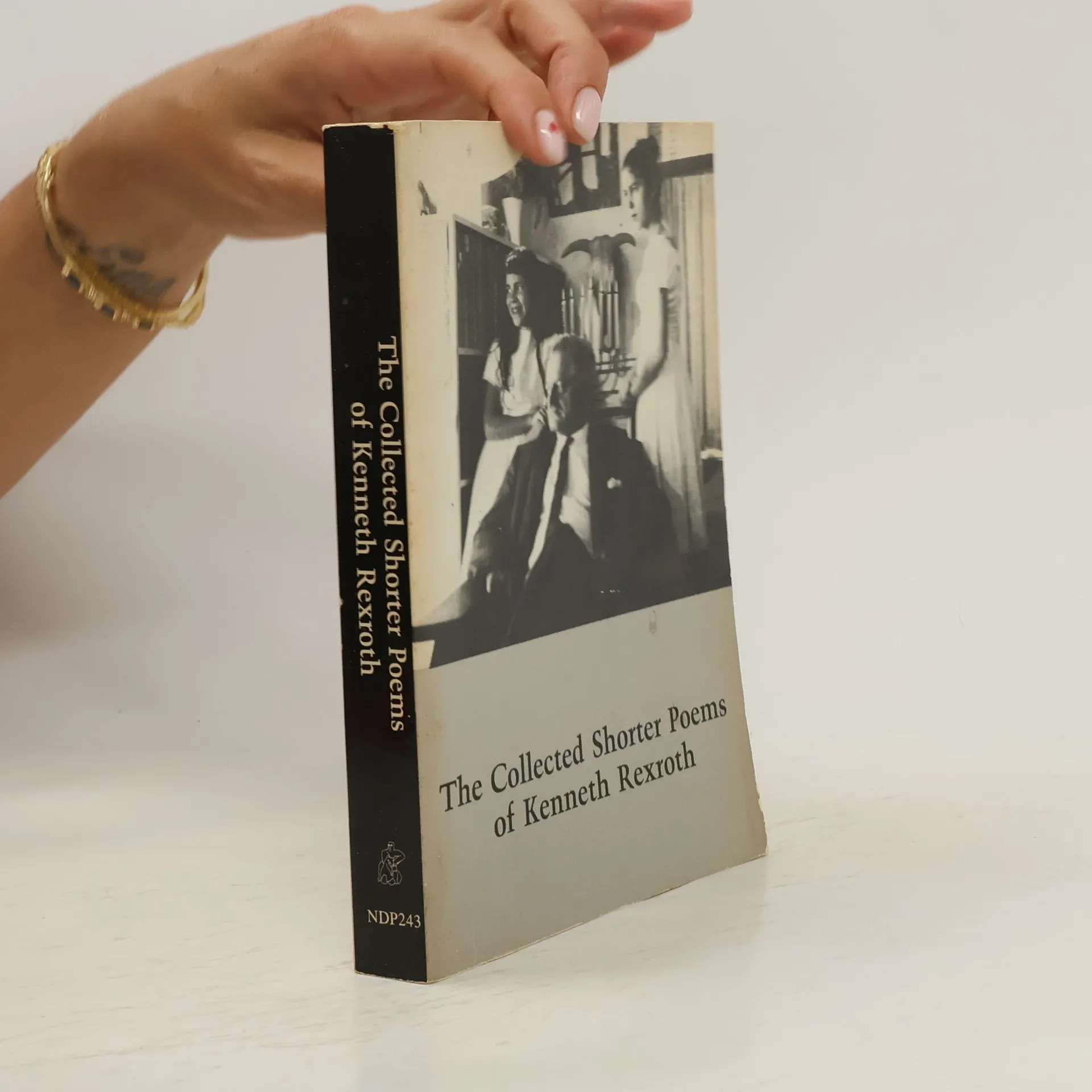
This volume brings together all of Kenneth Rexroth’s shorter poems from 1920 to the present, including a group of new poems written since the publication of Natural Numbers, drawn from seven earlier books. This volume brings together all of Kenneth Rexroth’s shorter poems from 1920 to the present, including a group of new poems written since the publication of Natural Numbers, drawn from seven earlier books. Among the American poets of the generation that came to prominence in the Forties, Kenneth Rexroth has been notable both for the independence of his personal voice and for his accessibility to the tradition of international avant-garde literature. He began writing and publishing in magazines at fifteen. His earliest work was personal and concrete, much like that of the Imagists. In his twenties he wrote in the disassociative style––sometimes called "literary cubism "––developed by Mallarmé, Apollinaire, and Reverdy. This was not free association, but the conscious disassociation and recombination of the elements of the poem to achieve the highest possible level of significance. With his later books Rexroth moved back to a direct and classically simple form of personal statement. In this period he wrote the great nature poems, the love poems, and the contemplative lyrics that have established his reputation as one of the most important American poets.