Queen Sybil of Jerusalem, queen in her own right, was ruler of the kingdom of
Jerusalem from 1186 to 1190. This study traces Sybil's life, from her
childhood as the daughter of the heir to the throne of Jerusalem to her death
in the crusading force outside the city of Acre. číst celé
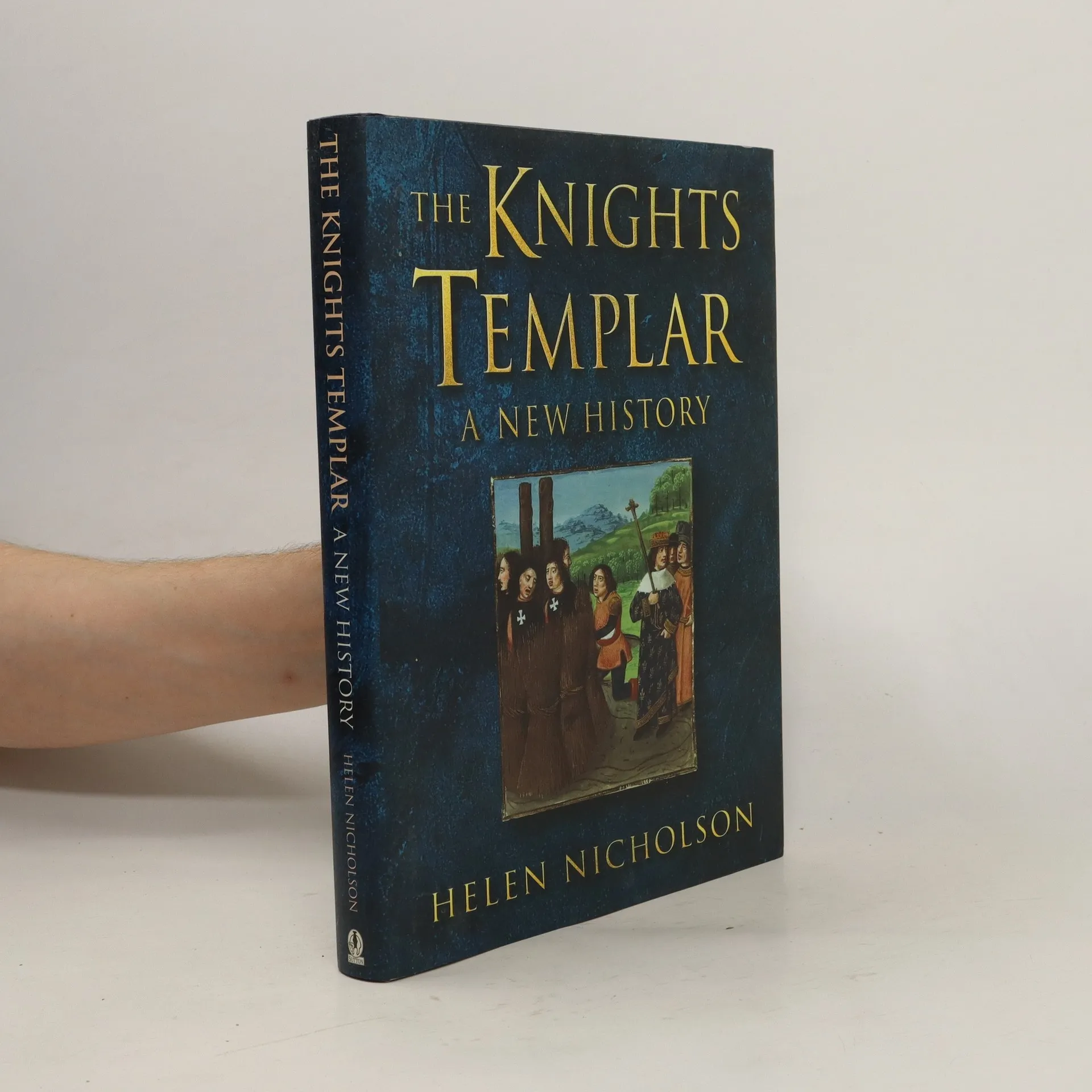
"Founded in the early twelfth century, the Knights of the Order of the Temple of Solomon united the knightly and religious roles which were at the core of medieval society. Bernard of Clairvaux played a part in drawing up the Rule of the Order, and the knights wore white cloaks to symbolise their dedication to chastity. However, many contemporaries said that money was their only love. They were involved in banking and commercial concerns that brought huge wealth, and were confidants to kings and popes. Indeed, Henry II entrusted to them the money he was forced to pay in expiation for the murder of Thomas Becket, which was to support 200 knights in the Holy Land for a year. But this wealth, combined with the failure of the Crusades in the Holy Land, led to their downfall, as Philip IV of France used the Order's shortcomings as a pretext for accusing the brothers of heresy. In 1307 the Brothers of the Order were arrested and charged with denying Christ, spitting on the crucifix, indecency and idol worship. The trial lasted until 1312, when the Order was dissolved. How did this respected religious Order, which had operated in the Holy Land and throughout Europe for over two hundred years, meet such a undignified end?"--Jacket
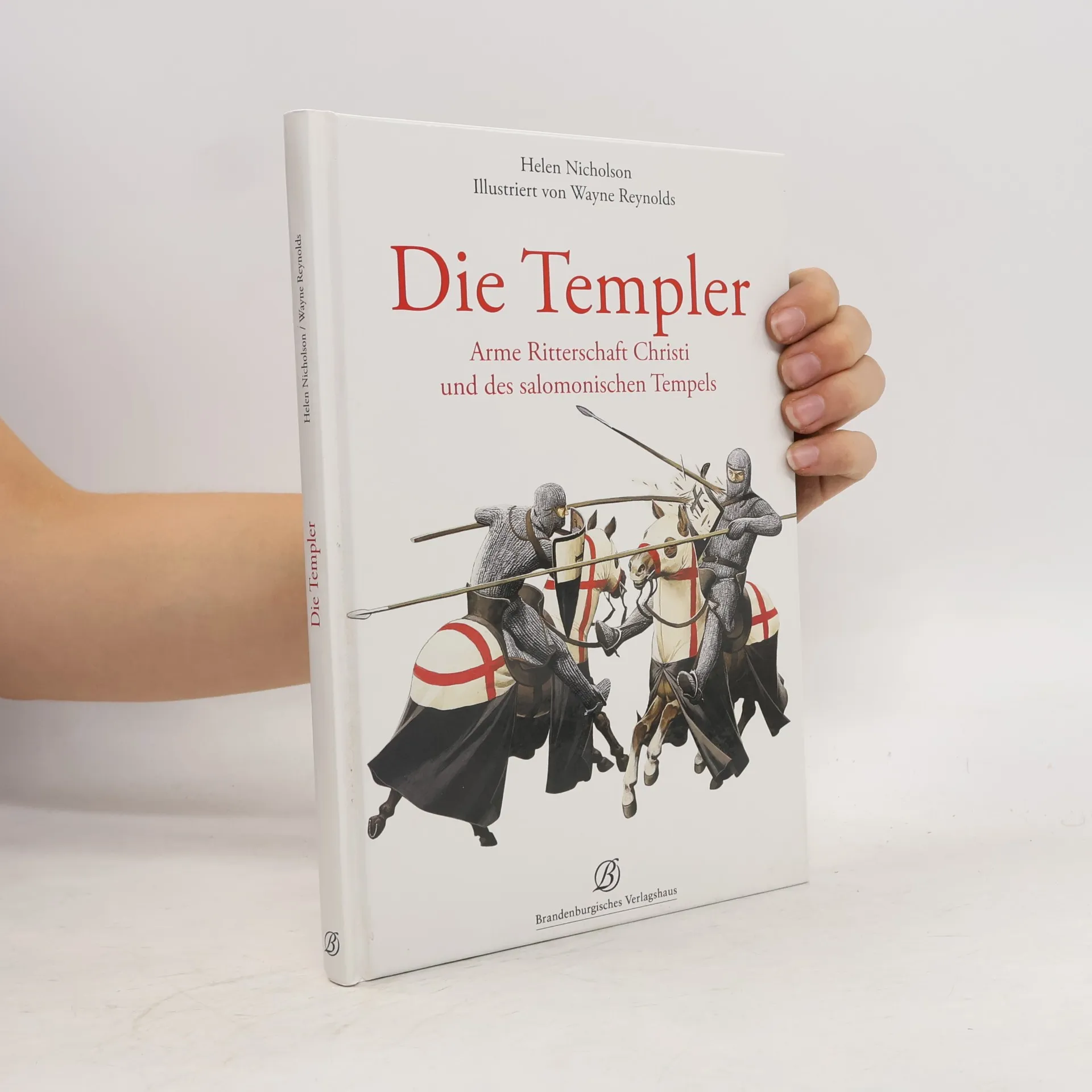
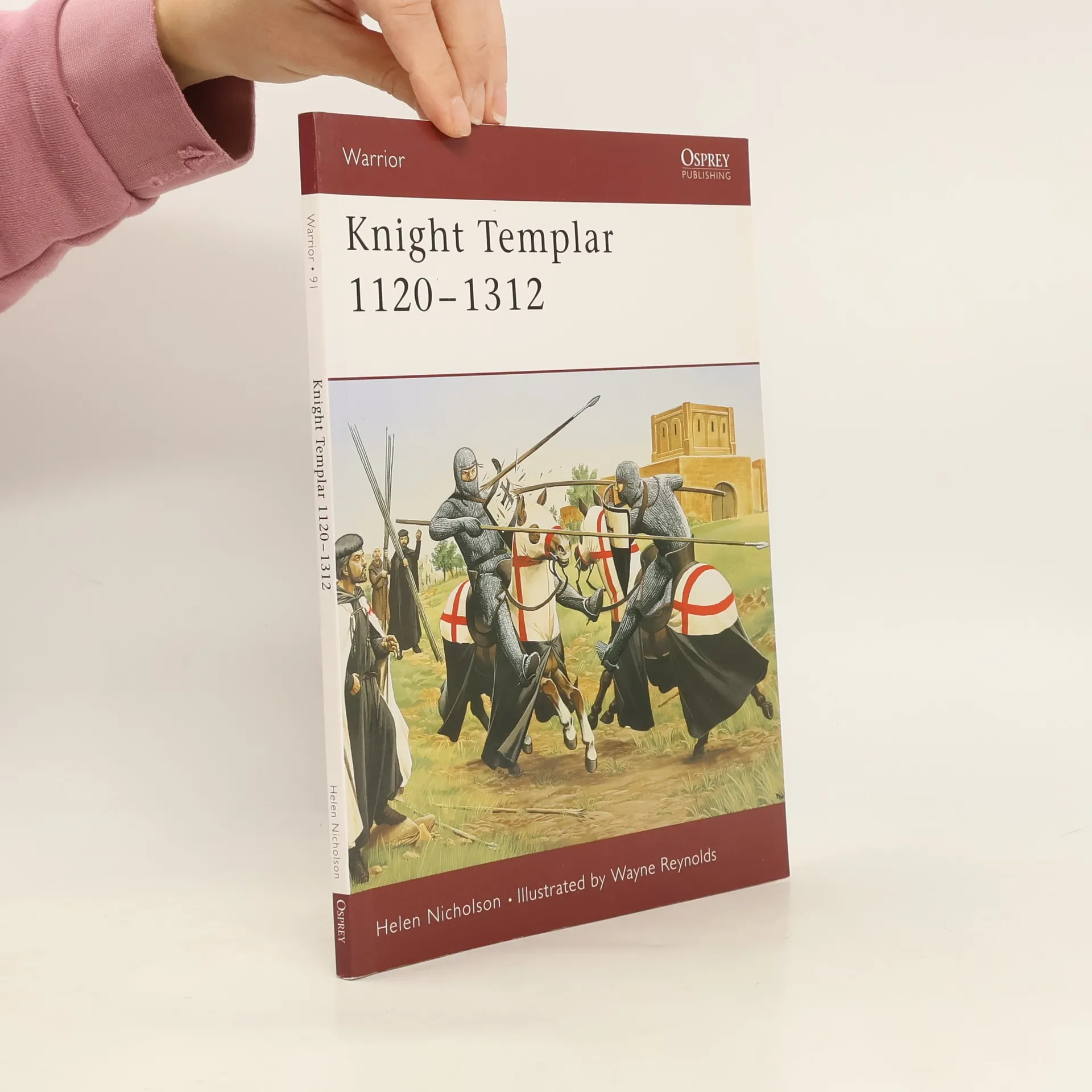
The order of the Temple was a military-religious organisation that was set up to protect pilgrims and settlers in the Holy Land. The Templars believed they were God's warriors fighting on God's behalf and developed a fearsome reputation among the neighbouring Muslim rulers. This book examines the men who joined the order and why they joined it, focusing on those who fought in the Holy Land. Based on contemporary sources it provides an effective insight into the daily lives of the warriors, from their admission ceremony to their training, organisation in the field, and how they fought in battle.
Combines material previously published as Campaign 19: Hattin 1187, Warrior 10: Saracen Faris 1050-1250, Warrior 91: Knight Templar 1120-1312, with new images, and a new introduction and conclusion.This book tells the story of the momentous campaign that led to the Muslim capture of Jerusalem in 1187, following the disastrous Crusader defeat at Hattin, where Saladin’s troops destroyed the Christian army. These events resulted in the collapse of the kingdom of Jerusalem and sparked off the Third Crusade under Richard I. The authors take a close look at the two most intriguing warrior types involved in the the Knight Templar and the Saracen Faris. Their motivation, training and combat experiences are examined, as the authors explore what it was really like to fight in the Crusades.
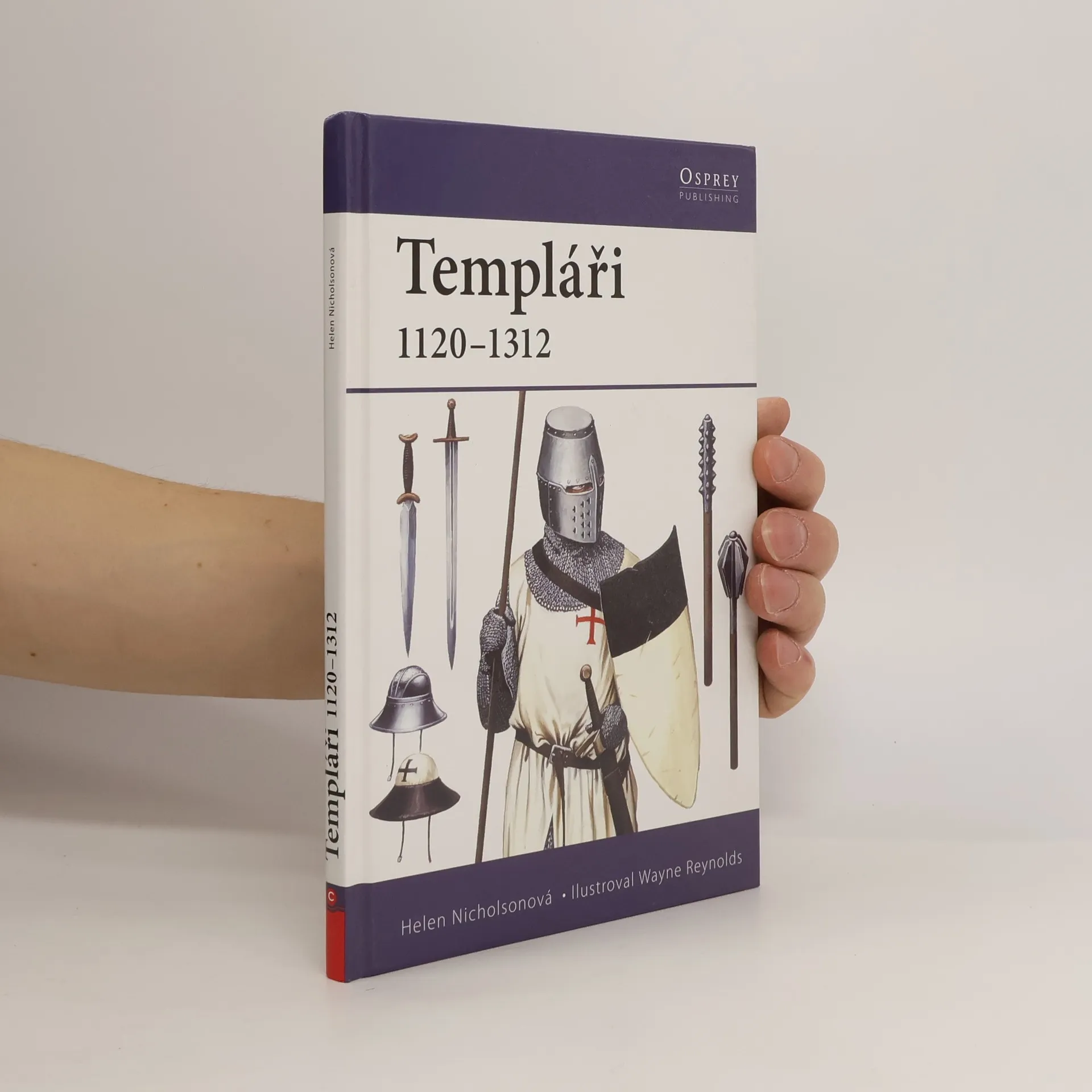
Templářský řád byl řeholní vojenskou organizací založenou k ochraně poutníků a osadníků ve Svaté zemi. Templáři věřili, že bojují na straně Boha, a vytvořili si velkou reputaci mezi sousedními muslimskými vladaři. Tato kniha se zabývá motivací těchto mužů ke vstupu do řádu, hlavní důraz je kladen na Svatou zemi. Na základě soudobých materiálů přináší přesný pohled na jejich každodenní činnost, zaměřuje se na přijímací obřad, výcvik, organizaci v poli a způsob jejich boje.
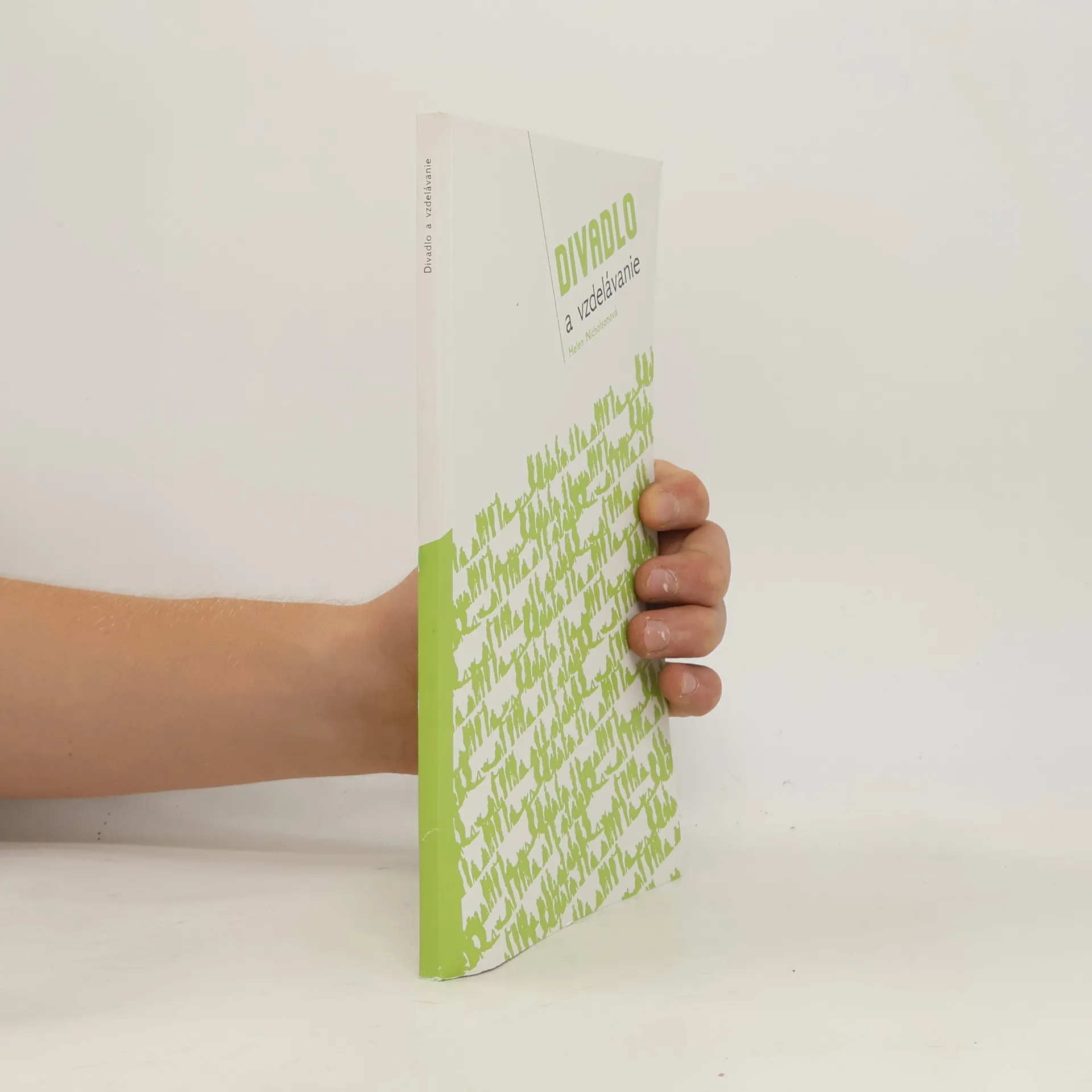
Čo motivuje divadelníkov, ktorí pracujú v oblasti vzdelávania? Ako môže divadlo reflektovať prežívanie ľudí v globalizovanom svete? Divadlo a vzdelanie ponúka pohľad na to, aká energia, vášeň a presvedčenie inšpirovali najinvenčnejších divadelníkov pri práci s mladými ľuďmi vo vzdelávacích procesoch. Mapuje úvodné diskusie, ktoré v dvadsiatom storočí primäli osobnosti divadla pracovať s mládežou, a analyzuje súčasnú prax. Zdôrazňuje, že estetické hodnoty a ideály, ktoré formujú divadlo a vzdelávanie, siahajú až k samotnej podstate a zmyslu divadla. „Ide o rozsiahle a precízne zobrazenie vývoja kreatívnych aktivít divadla pre mladé publikum. Zaznamenáva jeho históriu a skúma jeho rôznu, často protichodnú, filozofiu,“ analyzuje knihu Edward Bond. Autorka publikácie Helen Nicholsonová prednáša na Royal Holloway Londýnskej univerzity, kde sa špecializuje na aplikovanú drámu a súčasné divadlo. Je editorkou časopisu RIDE: The Journal of Applied Theatre and Performance a autorkou publikácie Applied Drama.