Jahre im Feuer: Die Zerstörung der Ukraine
- 280 pages
- 10 hours of reading


Andrei Kurkov is a writer of Ukrainian origin whose work often explores the absurdity of life and the complexities of Ukrainian identity through a distinctive, slightly surreal style. His prose is marked by incisive humor and a profound understanding of human nature, frequently set against post-Soviet backdrops. Kurkov masterfully blends satire with existential themes, making his narratives resonate with readers seeking deeper meaning in the everyday. His writing offers a fresh perspective on cultural and political shifts.



Kriminalroman
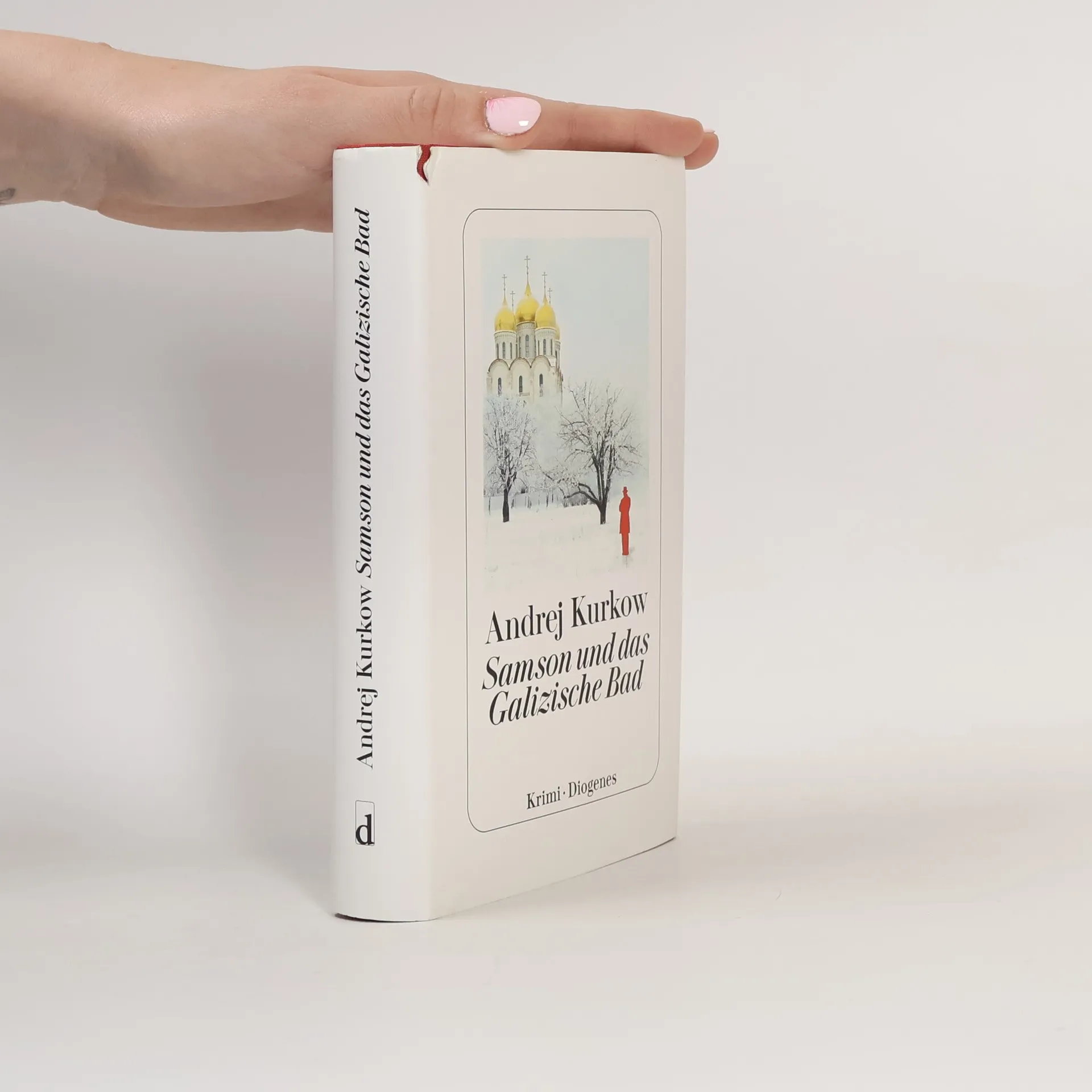
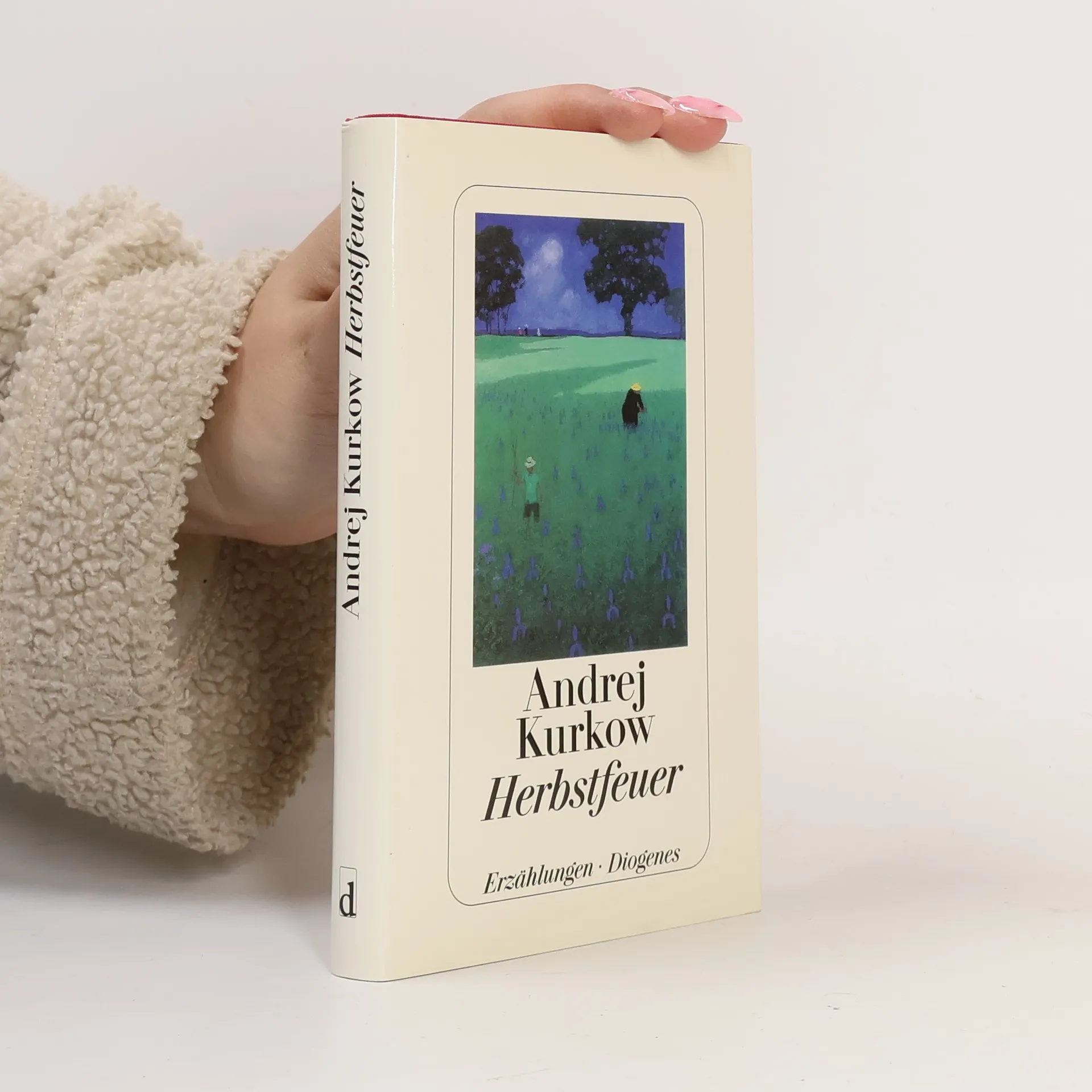
Kiew, 1919: Ein Trupp Rotarmisten ist spurlos verschwunden, mitten in der Stadt, während eines Banjabesuchs. Als Samson im Heizofen des Badehauses Knochenreste findet, kommt er einem finsteren Komplott auf die Spur. Auch im dritten Band um den herzensguten Samson und die kluge Nadjeschda lässt der ukrainische Meister absurder Erzählkunst das Kiew der frühen Zwanzigerjahre lebendig werden. Voller politischer Turbulenzen und schräger Charaktere und spielerischer Parallelen zum Heute.
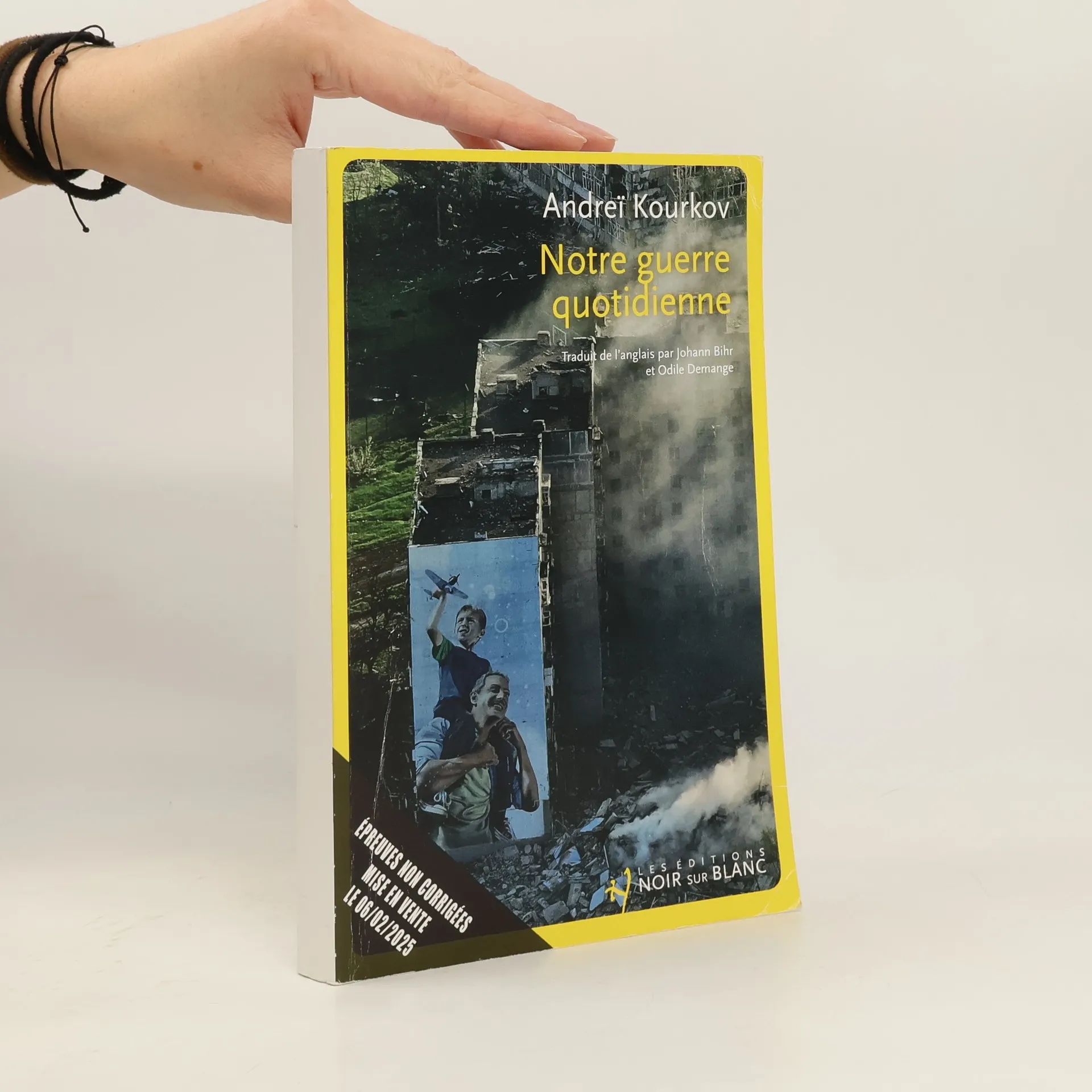
Un récit vivant et émouvant de la vie durant l'invasion de la Russie, cette œuvre offre une perspective encourageante sur le conflit en cours. Les Ukrainiens ont résisté pendant des siècles aux efforts visant à effacer leur langue et leur histoire, affrontant près de 400 ans d'agression russe. Dix ans après l'annexion de la Crimée et deux ans après le début de l'invasion à grande échelle, le peuple ukrainien continue de lutter pour son identité et sa survie. Le deuxième volume des journaux de guerre d'Andrey Kurkov chroniques les expériences variées des Ukrainiens face à l'hostilité russe, allant des alertes aériennes aux célébrations de Noël, tout en partageant des recettes de bougies de tranchée. La perspective humaine de Kurkov mêle satire, tragédie, humour et émotion sincère, offrant des aperçus précieux sur l'histoire, la politique et la culture ukrainiennes. Ce récit est essentiel pour comprendre la vie contemporaine en Ukraine, transformant la vie ordinaire en quelque chose d'extraordinaire, avec des thèmes de survie, d'espoir et d'humanité. Avec une voix amicale et passionnée, Kurkov défend la culture ukrainienne contre les tentatives d'effacement de Poutine, affirmant que l'avenir de l'Ukraine dépend de sa liberté. Son espoir de victoire résonne tout au long de ce récit captivant.
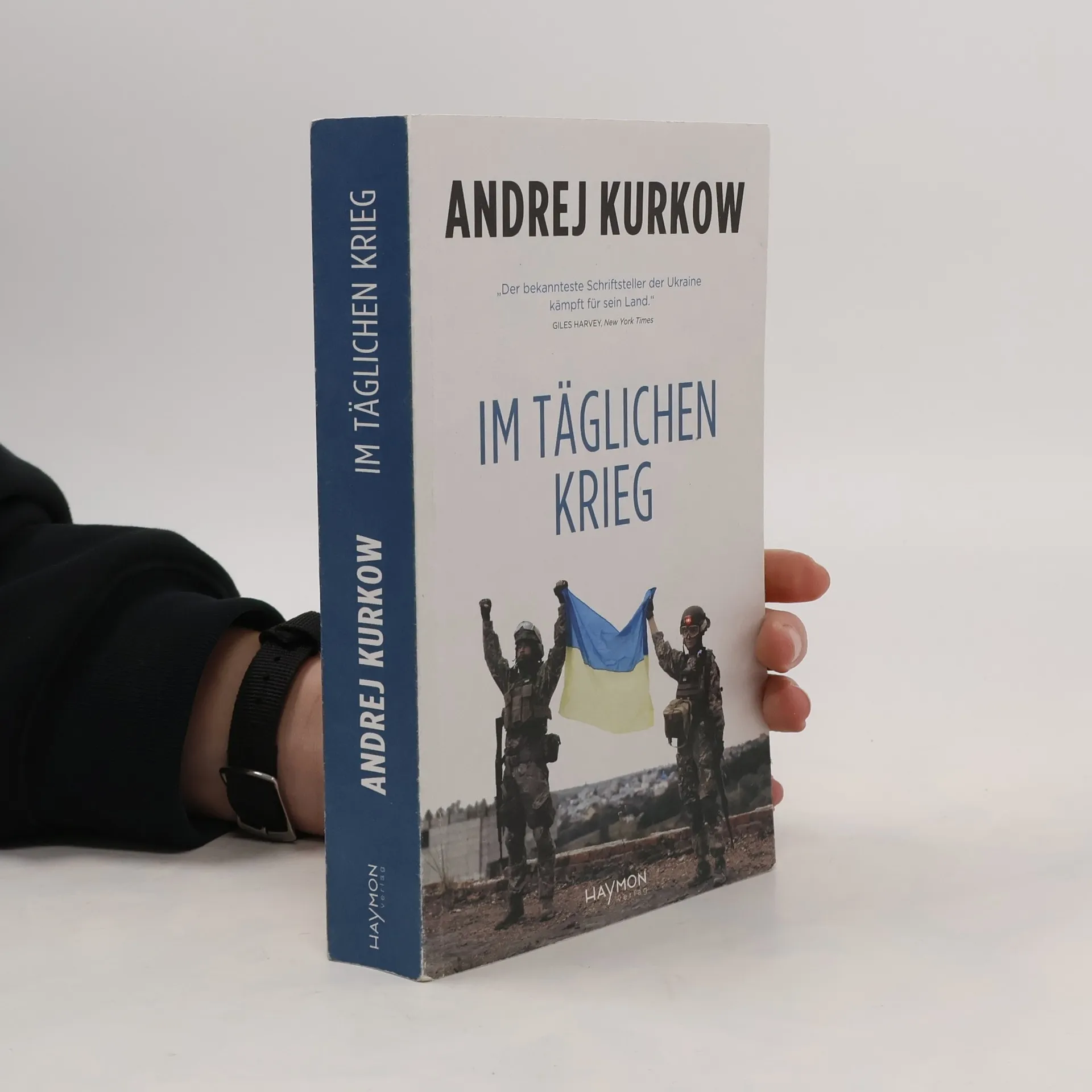
Andrej Kurkow, der bekannteste Autor der Ukraine, dokumentiert den Alltag im Krieg seit dem russischen Angriff 2022. Seine journalistischen Texte zeigen, wie der Krieg das Leben der Menschen prägt, während sie Hoffnung und Resilienz bewahren. Er schreibt über die kleinen Momente des Lebens, den Zusammenhalt und den unaufhörlichen Kampf um Freiheit und Identität.
Together with his colleague Cholodnij, Samson is tasked with investigating illegal meat sales. However, as they begin their work, Samson's girlfriend Nadjeschda is taken captive by striking railway workers. Samson immediately sets out to rescue her. But what is the motive of the railway workers? And why has the enigmatic Chekist Abjasow been assigned to the police? These are questions Samson must answer if he hopes to solve his case and save Nadjeschda.
Ein modernes Märchen als Waffe. Der Erbsenzar baut Jahr für Jahr seine Militärkapazitäten auf und richtet eines Tages seine Kanonen auf das Land der Pilze. Die dort lebenden Milchlinge bekämpfen mit ihrem Heerführer, dem Steinpilz, die aggressiven, aber feigen Erbsen und verteidigen ihr Land gegen die Eindringlinge. Dieses aus 36 Bildern bestehende einzigartige Kunstbuch ist eine geschickte und ästhetische Hommage an Heorhij Narbut (1886-1920), den Klassiker der ukrainischen Kunst und einer wichtigen Figur in der Geschichte des ukrainischen Modernismus. Sein kleines Buch „Der Krieg der Pilze“ von 1906, war eine märchenhafte Metapher eines sinnlosen Eroberungskrieges, an dem niemand teilnehmen mag, und nahm die humanitären Katastrophen des 20. Jahrhunderts vorweg. Die Zusammenarbeit von zwei begnadeten Künstlern, dem Zeichner Nikita Kravtsov und dem Schriftsteller Andrij Kurkov, führt das Märchen auf mehrere politische Bedeutungsebenen voller Symbolik und Verweise auf die aktuelle ukrainische Wirklichkeit und den Vernichtungskrieg, den Russland gegen die Ukraine führt.
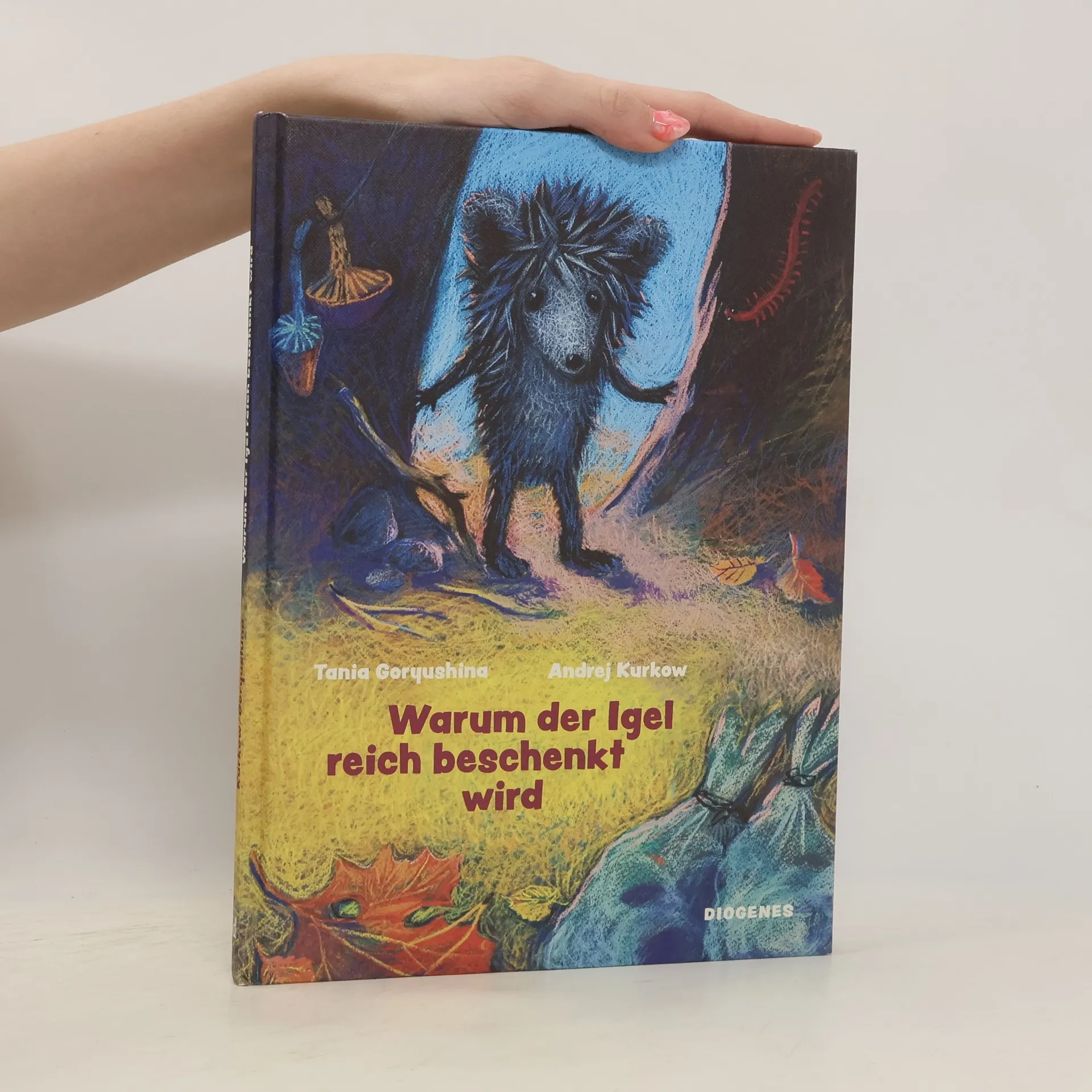
"Der kleine Igel ist zurück! Im Herbst sonnt er sich gern auf einem Hügel und beobachtet die Menschen im Dorf. Als er in sein Baumstumpfhaus zurückkehrt, findet er dort drei Säckchen gefüllt mit kleinen Äpfeln. Was er für ein Geschenk der grauen Maus hält, stellt sich bald als Wintervorrat des roten Eichhörnchens heraus. Das macht aber nichts, denn der Wald ist voller Geschenke für alle.
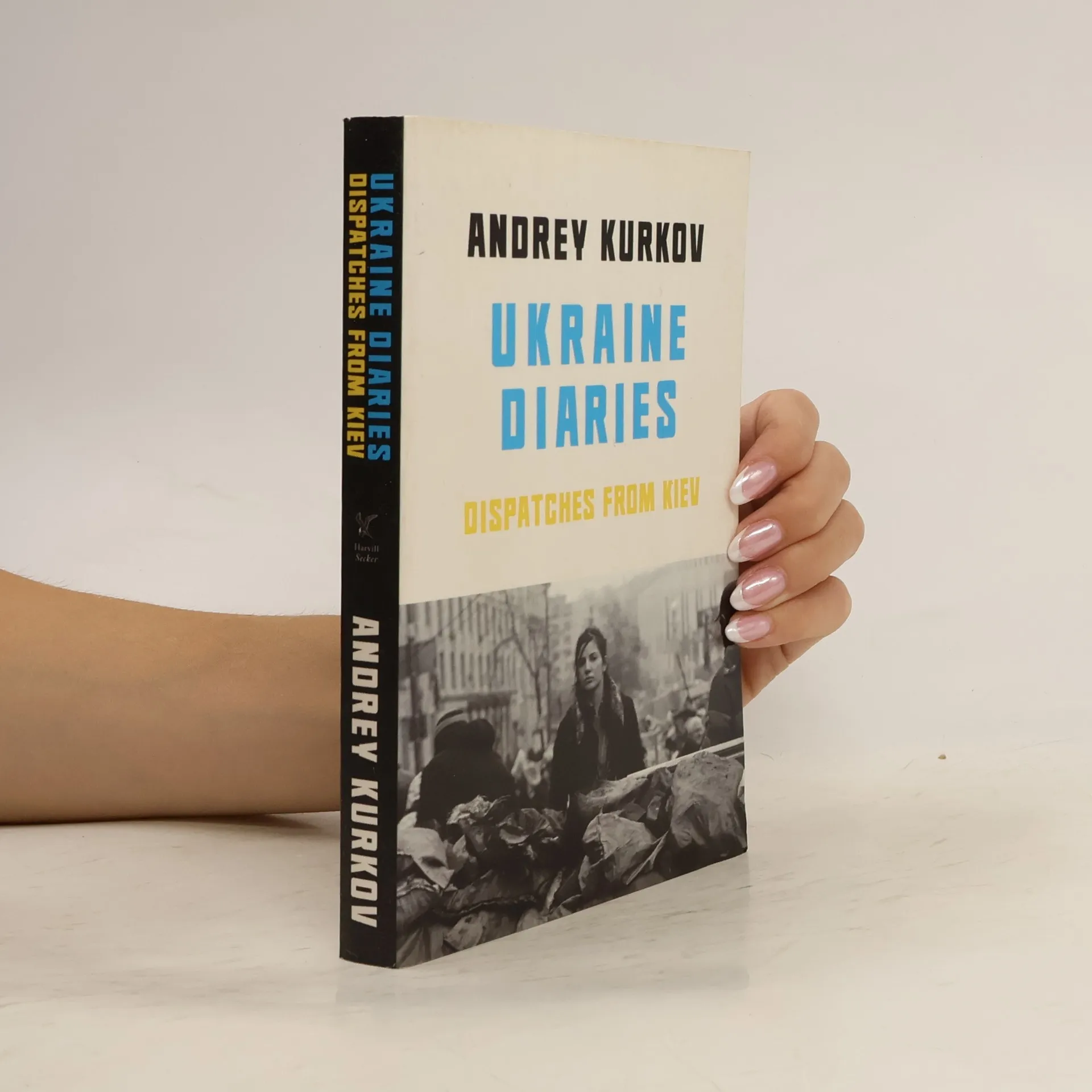
This journal of Russia's 2022 invasion of Ukraine is a collection of Andrey Kurkov's writings and broadcasts from Kyiv.
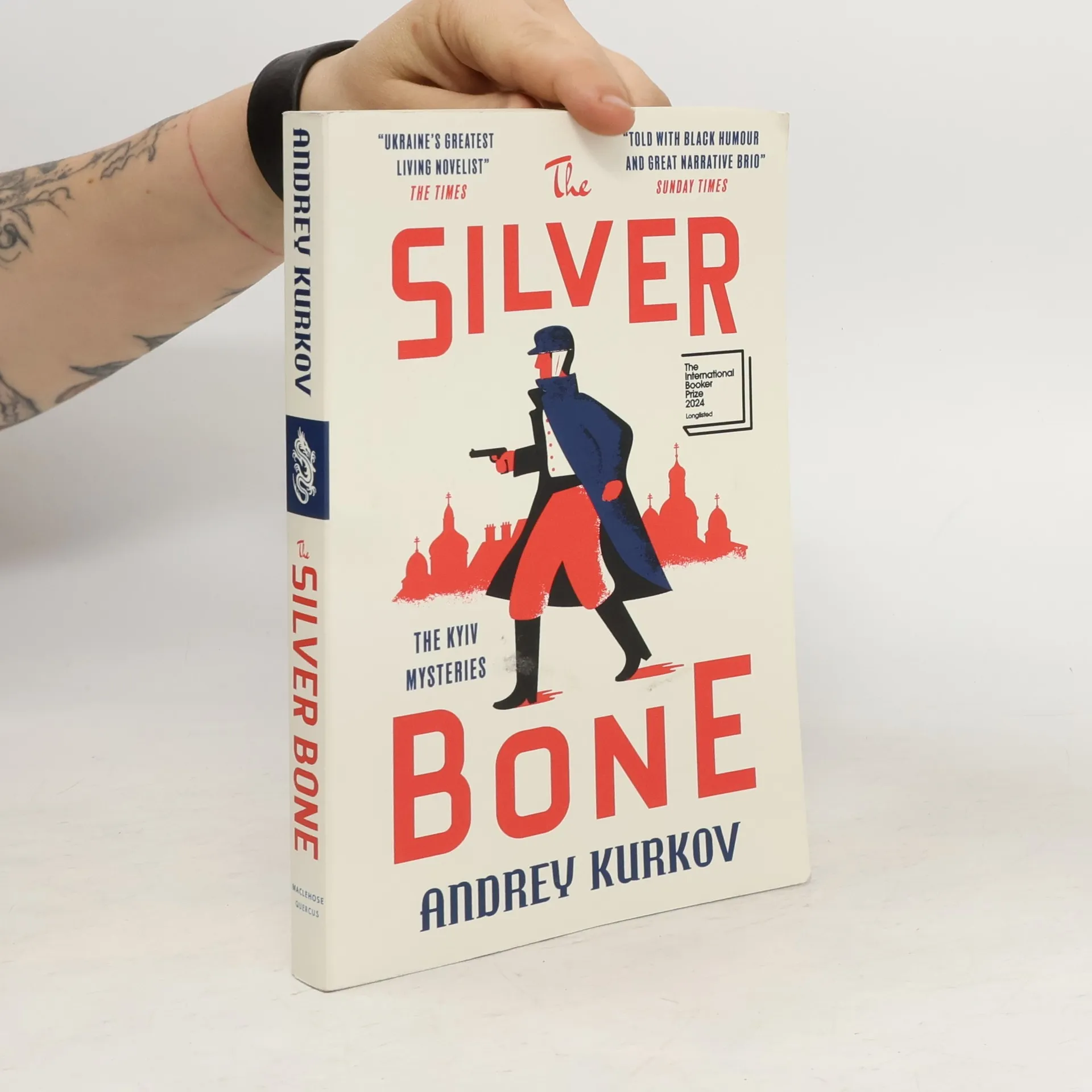
**A Summer 2024 pick in the Times Literary Supplement and the Financial Times** "Andrey Kurkov is often called Ukraine's greatest living writer, and it is a gift for crime fiction fans that he writes in this genre" New York Times "A very intriguing and atmospheric novel by a highly accomplished writer . . . A fascinating read in the light of contemporary events" Alexander McCall Smith, Bestselling Author of The No. 1 Ladies' Detective Agency Kyiv, 1919. The Soviets control the city, but White armies menace them from the West. No man trusts his neighbour and any spark of resistance may ignite into open rebellion. When Samson Kolechko's father is murdered, his last act is to save his son from a falling Cossack sabre. Deprived of his right ear instead of his head, Samson is left an orphan, with only his father's collection of abacuses for company. Until, that is, his flat is requisitioned by two Red Army soldiers, whose secret plans Samson is somehow able to overhear with uncanny clarity. Eager to thwart them, he stumbles into a world of murder and intrigue that will either be the making of him - or finish what the Cossack started. Inflected with Kurkov's signature humour and magical realism, The Silver Bone takes inspiration from the real life archives of crime enforcement agencies in Kyiv, crafting a propulsive narrative that bursts to life with rich historical detail. Translated from the Russian by Boris Dralyuk
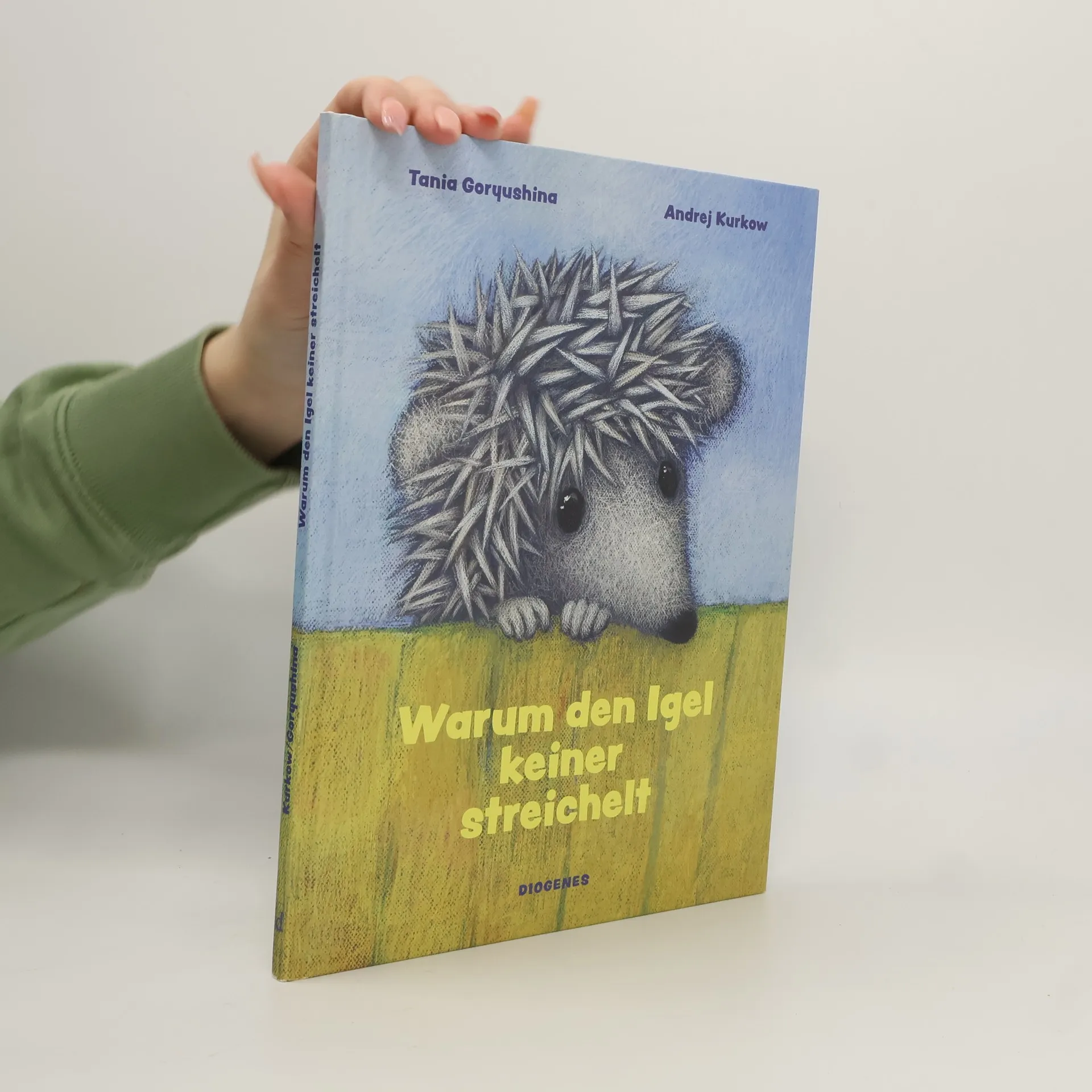
Der kleine Igel ist traurig. Die anderen Tiere werden immer gestreichelt, die Hunde, die Katzen und die Pferde. Nur um ihn kümmert sich niemand. Doch dann begegnet er der klugen grauen Maus, die ihm zeigt: Wir alle werden geliebt, so wie wir sind. Und manchmal ist es ein Glück, wild und frei zu sein.
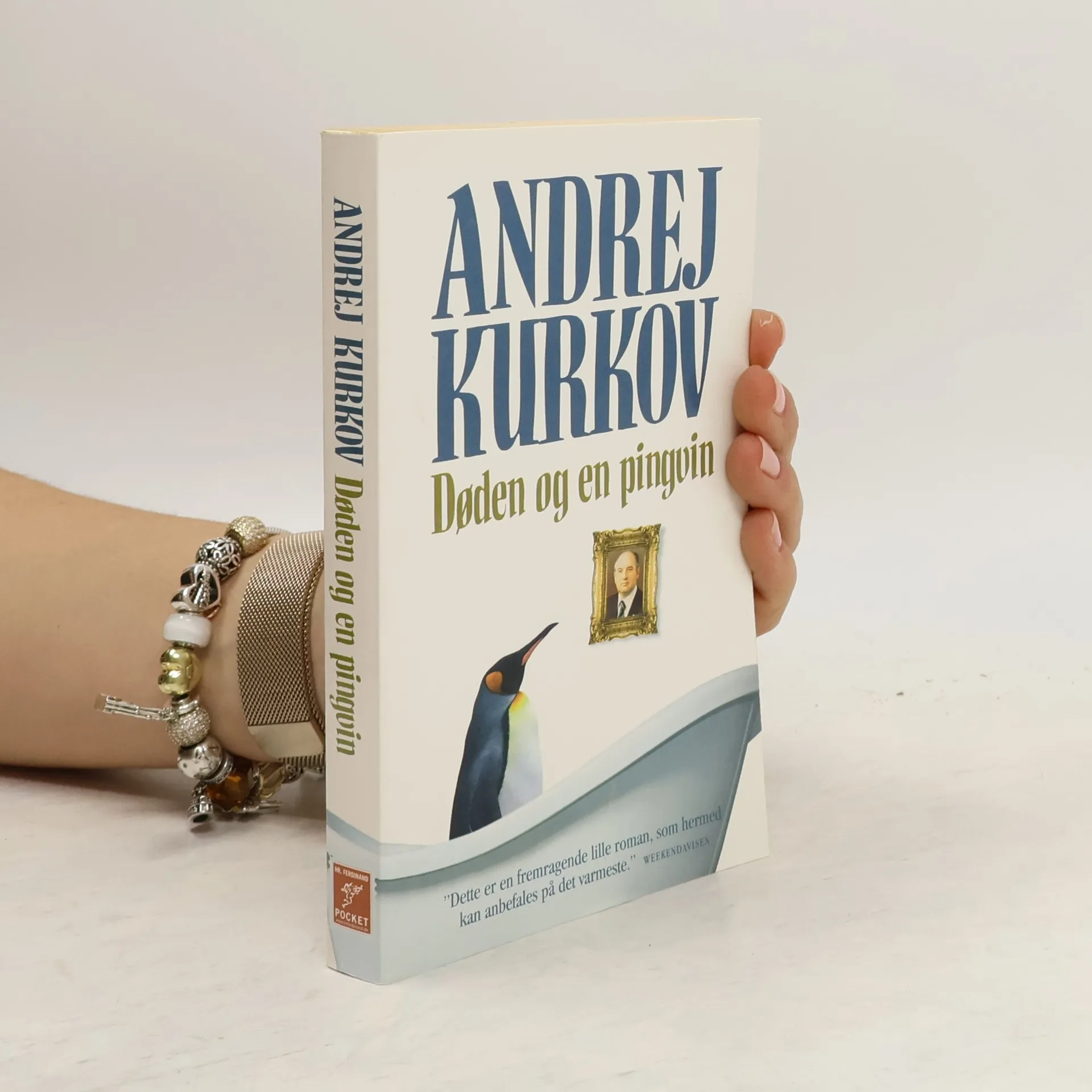
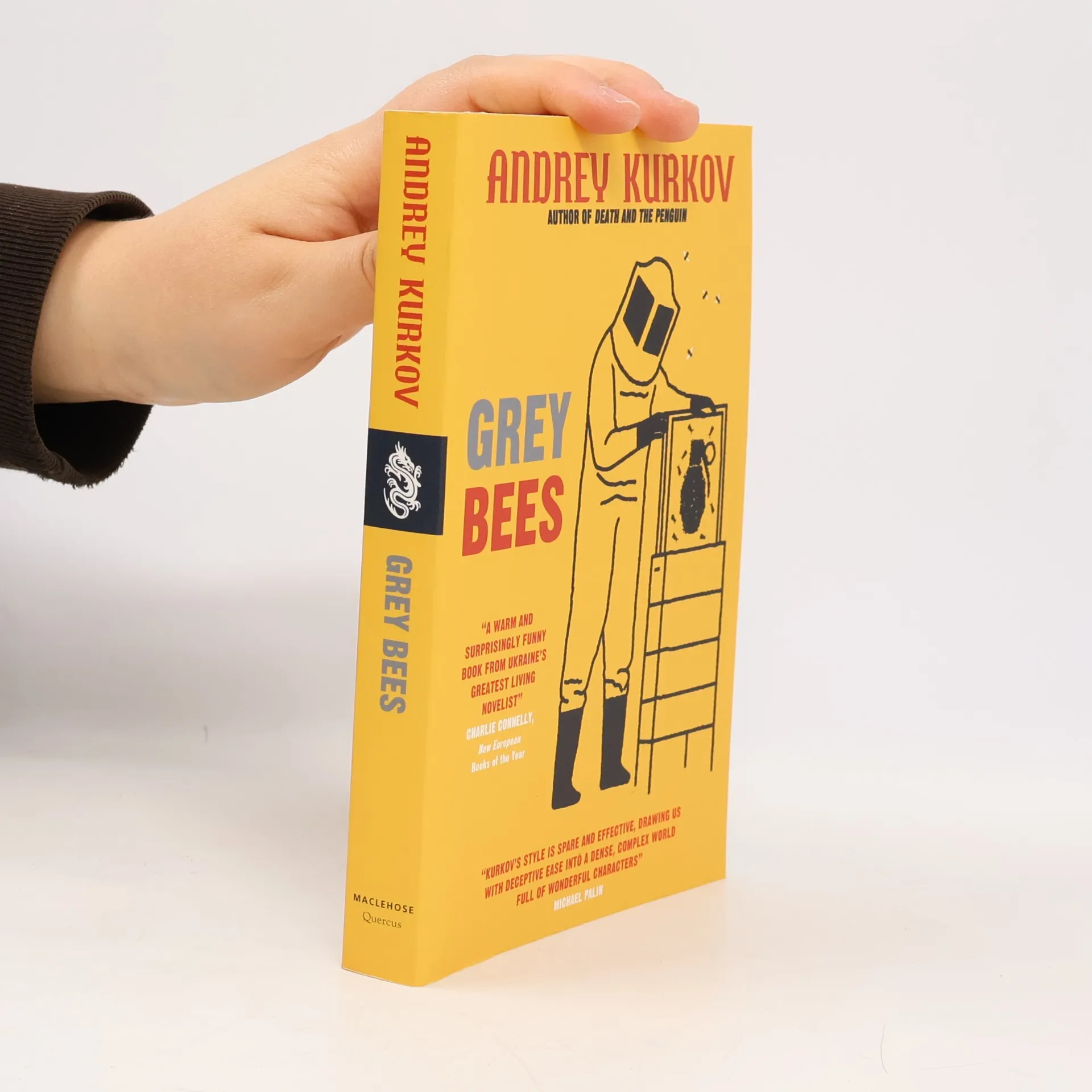
Ukraine's most famous novelist dramatises the conflict raging in his country through the adventures of a mild-mannered beekeeper. From the author of the bestselling Death and the Penguin.
In der letzten Nacht vor Litauens Aufnahme in den Schengenraum beschließen drei Paare, ihr Leben zu verändern: eines zieht nach London, ein anderes nach Paris, und das dritte bleibt im Baltikum, um mit einer originellen Geschäftsidee sein Glück zu versuchen. Diese jungen Menschen wollen den europäischen Traum von einer besseren Zukunft verwirklichen und erwarten mehr als Reisefreiheit und Roaming-freies Telefonieren. Doch kann Europa sein Versprechen von Freiheit und Gemeinschaft tatsächlich einlösen? Die Paare hoffen auf eine offene Gesellschaft, die ihnen berufliche Chancen und gesicherte Lebensverhältnisse bietet. Als sie jedoch erkennen, wie nah Erfüllung und Enttäuschung beieinanderliegen und wie wenig Westeuropa ihnen zu bieten hat, wird die Aufbruchsstimmung gedämpft. Sie erfahren schmerzlich, dass die europäische Gemeinschaft nicht das Ideal eines grenzenlosen Europas verkörpert, sondern sich in „alte“ und „neue“ Europäer*innen spaltet. Plötzlich finden sich die Paare am gesellschaftlichen Rand wieder, bedroht von finanziellen und persönlichen Ruinen. Der Traum eines besseren Lebens rückt in weite Ferne. Der Autor, Andrej Kurkow, beleuchtet die Hoffnungen und Enttäuschungen der Osteuropäer*innen und fragt nach der Rolle der europäischen Idee für Identität und Gemeinschaft. Ein mutiger und aufrüttelnder Roman, der die Wunden Europas aufzeigt.
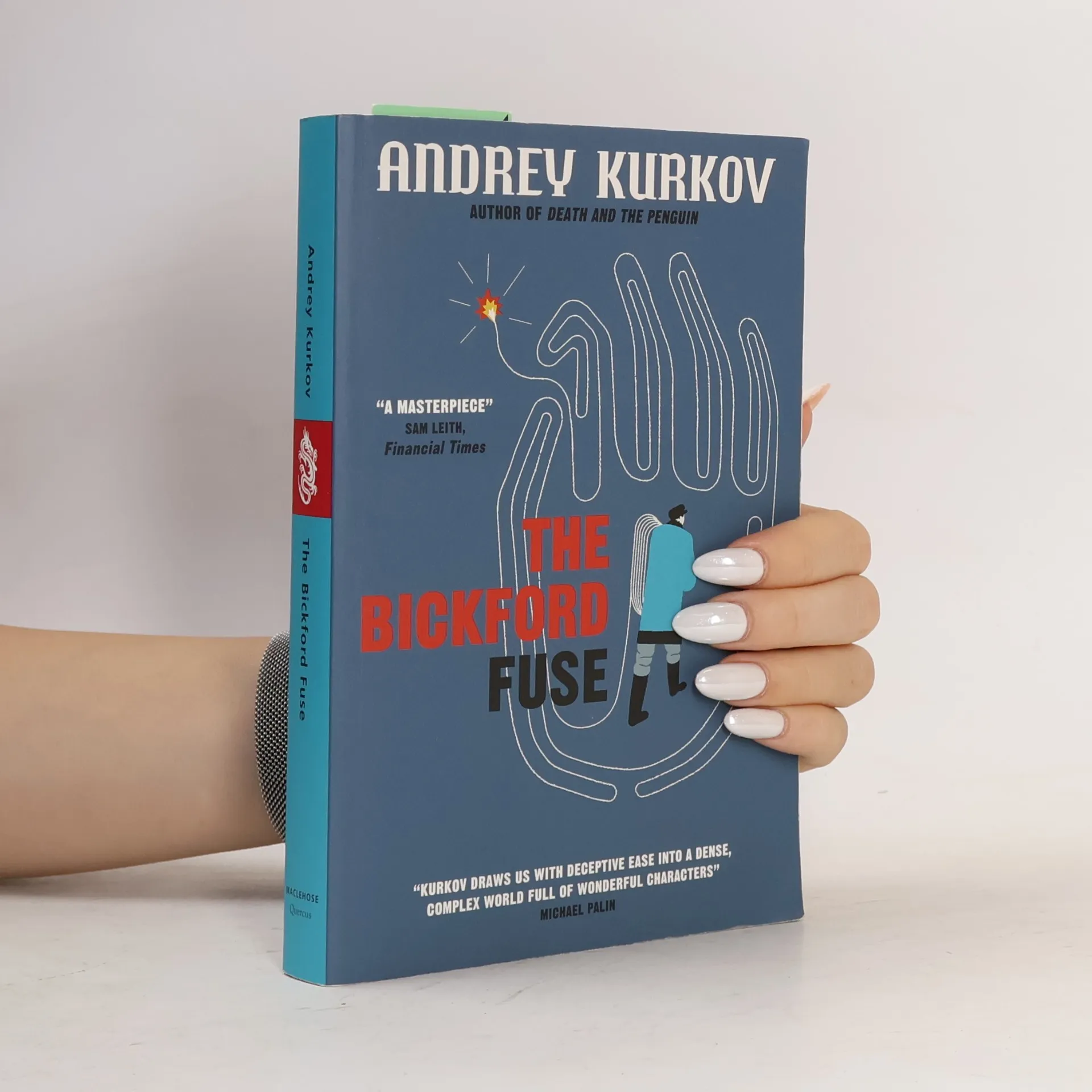
Kurkov's style is spare and effective, drawing us with deceptive ease into a dense, complex world full of wonderful characters. Michael Palin.
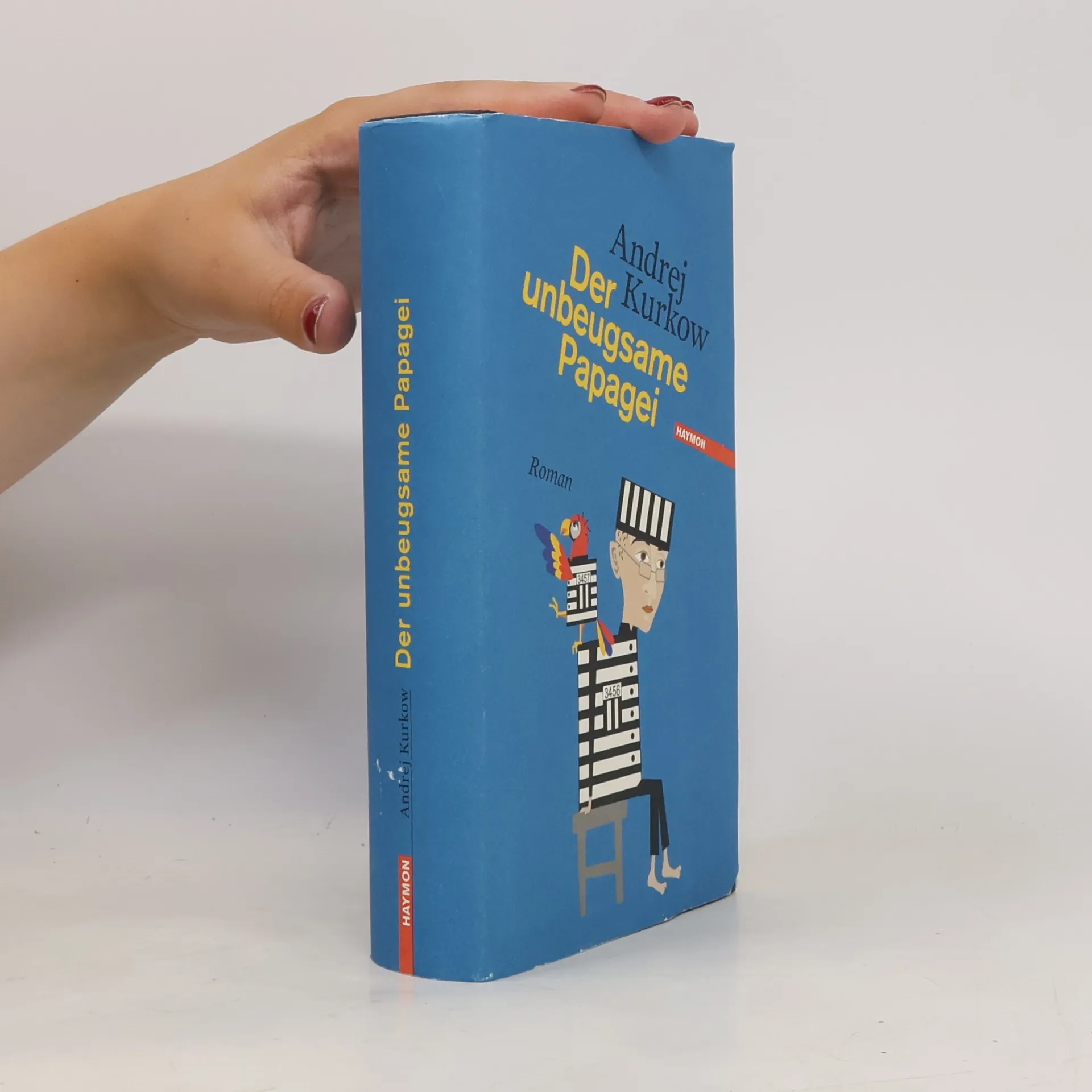
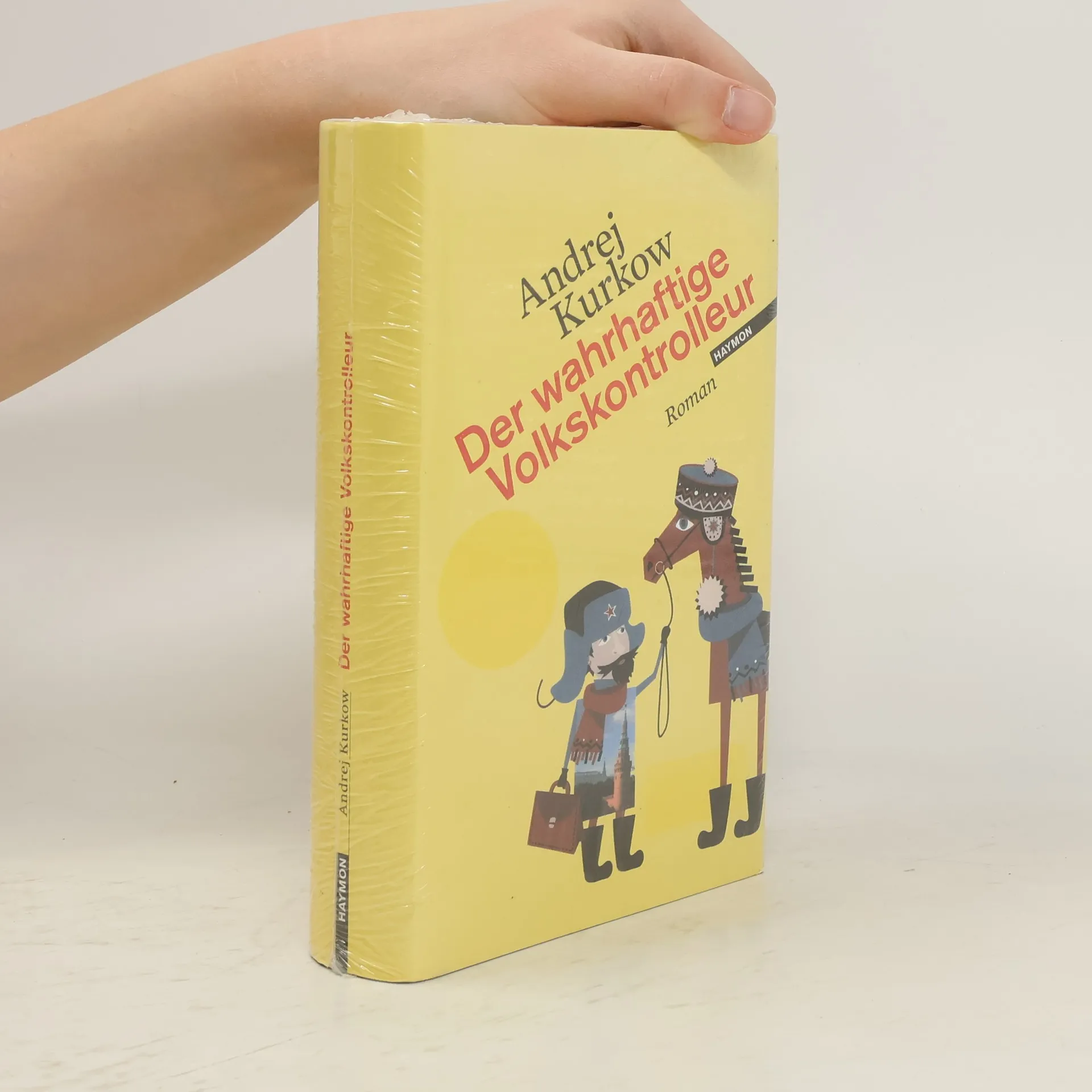
Skurril und leichtfüßig: Das Finale von Andrej Kurkows Panorama einer magisch-fantastischen Sowjetunion. Pawel Dobrynin, einst als ehrlicher Bauer auserkoren, lebt nun in Krasnoretschensk und wird an einen abgelegenen Ort in den Bergen versetzt, um die Herstellung künstlicher Meteoriten zu überwachen, die der Sowjetunion Macht sichern sollen. Der ehemalige Schuldirektor Banow führt ein spartanisches Leben mit Lenin, wo er Briefe beantwortet und Gespräche mit dem Revolutionär führt. Der Papagei Kusma, der Gedichte aufsagt, fliegt nach Jalta, wo ein Literaturwissenschaftler glaubt, die Handschrift eines unbekannten Dichters entdeckt zu haben. Währenddessen befinden sich eine Pistolenkugel und ein Engel in einem Wettlauf gegen die Zeit, um den Gerechten zu erreichen. Die Kugel will ihm das Leben nehmen, während der Engel ihn ins Paradies bringen möchte. Der Roman ist voller Witz, Absurditäten und unerwarteter Wendungen und erzählt von den Aufbaujahren nach dem Krieg in einer fantastischen Sowjetunion, geplatzten Träumen und unbeugsamen Menschen. Kurkow reflektiert über die sowjetische Geschichte und Mentalität, wobei er betont, dass vieles in der Geschichte nicht Fiktion, sondern eine logische Fortsetzung der sowjetischen Realität ist.
Ukraine's greatest living novelist New EuropeanA Ukrainian Murakami GuardianA hugely entertaining romp through the beautiful city of Lviv, by the author of Death and the Penguin and Grey Bees, now reporting widely on the Russian invasion of Ukraine, his home country.Strange things are happening in the cosmopolitan town of Lviv, western Ukraine. Seagulls are circling and the air smells salty, though Lviv is a long way from the sea . . .A group of ageing hippies meets at the cemetery in the middle of the night, gathered around a mysterious grave. Among them the ex-KGB officer who means to apologise to all those he spied on; the woman who is allergic to banknotes, and yet works at the money exchange; and Taras, who makes a living driving at top speed over cobblestones in his ancient Opel Vectra, curing paying passengers of their kidney stones.Kurkov's novels are often populated by lonely people going through difficult times, and by his own brand of black humour combined with magic realism (occasionally vodka-fuelled). All those ingredients are found in Jimi Hendrix Live in Lviv.Translated from the Russian by Reuben Woolley
Going beyond the headlines, this title gives an insight into what it's like to live through - and try to make sense of - times of intense political unrest
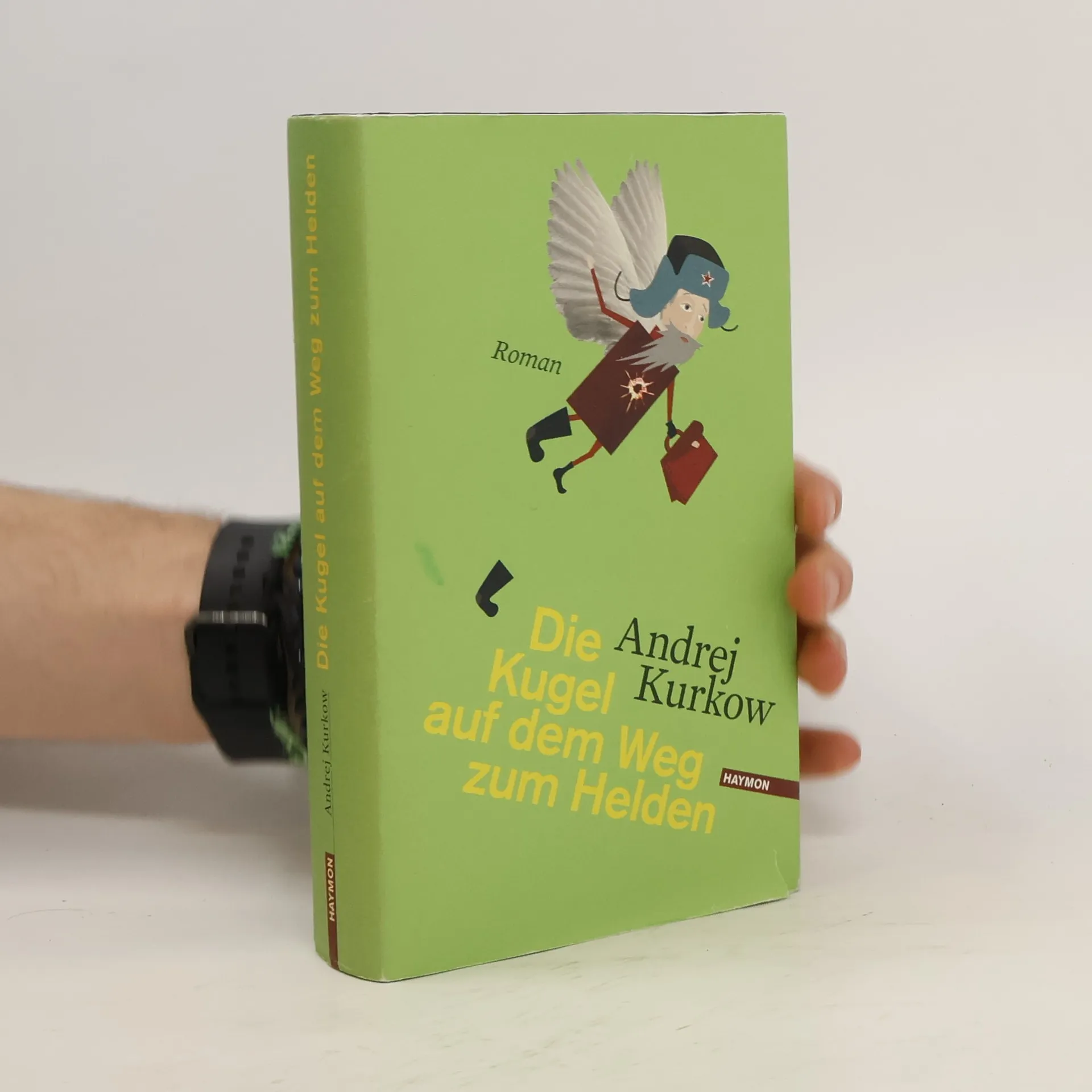
Im zweiten Teil von Andrej Kurkows großem Sowjetunion-Roman ist Pawel Dobrynin als Volkskontrolleur auf Lebenszeit unterwegs und wird von einem sprechenden Papagei namens Kusma begleitet. Pawel, ein bescheidener Mann, findet sich in Sibirien wieder, wo er die Pelzbereitung überprüfen soll, bleibt jedoch bei einer Geologen-Expedition stecken. Erst als eine neue Eisenbahnstrecke verlegt wird, gelangt er zurück zur Zivilisation, die jedoch im Krieg versinkt. Dort sind Kusma und sein Besitzer Mark mit der Truppenbetreuung beschäftigt, bis Kusma einen verhängnisvollen Fehler macht. Währenddessen sucht eine Pistolenkugel nach dem wahren Helden. Die Suche nach dem Paradies auf Erden geht weiter! Kurkow entwirft erneut ein buntes Panorama alltäglicher Absurditäten in seinem fantastischen Sowjetland – abenteuerlich, berührend und hinreißend. Er betont, dass es sich nicht um einen historischen Roman handelt, sondern um ein Märchen, in dem das „sowjetische Gute“ gegen das „sowjetische Böse“ kämpft. Das Gute überwiegt in einer Welt, die reich, bunt und verlockend ist, auch wenn Gefahren lauern. Aus dem Russischen von Sabine Grebing.
Jedes Mal, wenn Igor in die alte Uniform samt Stiefeln und Mütze schlüpft, reist er durch die Zeit und landet in Otschakow am Schwarzen Meer, im Jahr 1957. Dort trifft er auf Weindiebe und andere Gauner, und auf eine schöne, rothaarige Marktfrau, bei deren Anblick Igor die Gegenwart beinahe vergessen möchte "
Andrej Kurkows großer Roman erzählt von der Suche nach dem Paradies auf Erden, einem sprechenden Papagei und Lenins Laubhütte hinter dem Kreml. Pawel Dobrynin wird unerwartet zum „Volkskontrolleur auf Lebenszeit für die ganze Sowjetunion“ gewählt und begibt sich auf eine außergewöhnliche Reise durch die Sowjetunion, begleitet von schillernden Figuren wie einem geheimnisvollen Kremlträumer, dem poetischen Papagei Kusma und einem Engel, der aus dem Paradies desertiert ist. Der Engel sucht einen Gerechten, um gemeinsam ins Paradies zurückzukehren, denn bisher hat es kein Sowjetbürger dorthin geschafft. Die Erzählung beleuchtet die Entstehung der sowjetischen Nation aus einer Vielzahl von Menschen und deren Entwicklung, die völlig abgeschnitten von der restlichen Welt stattfand. Ein „Sowjetmensch“ konnte die Gedanken und Lebensweisen seiner Zeitgenossen verstehen, während Ausländer dies nicht vermochten. Der Autor möchte die Leser dazu anregen, die echten Sowjetmenschen zu verstehen und zu schätzen, auch wenn sie nicht mehr existieren. Er erinnert sich an sie und hofft, dass die Leser eine Verbindung zu diesen Menschen aufbauen können. Übersetzt von Kerstin Monschein.
roman
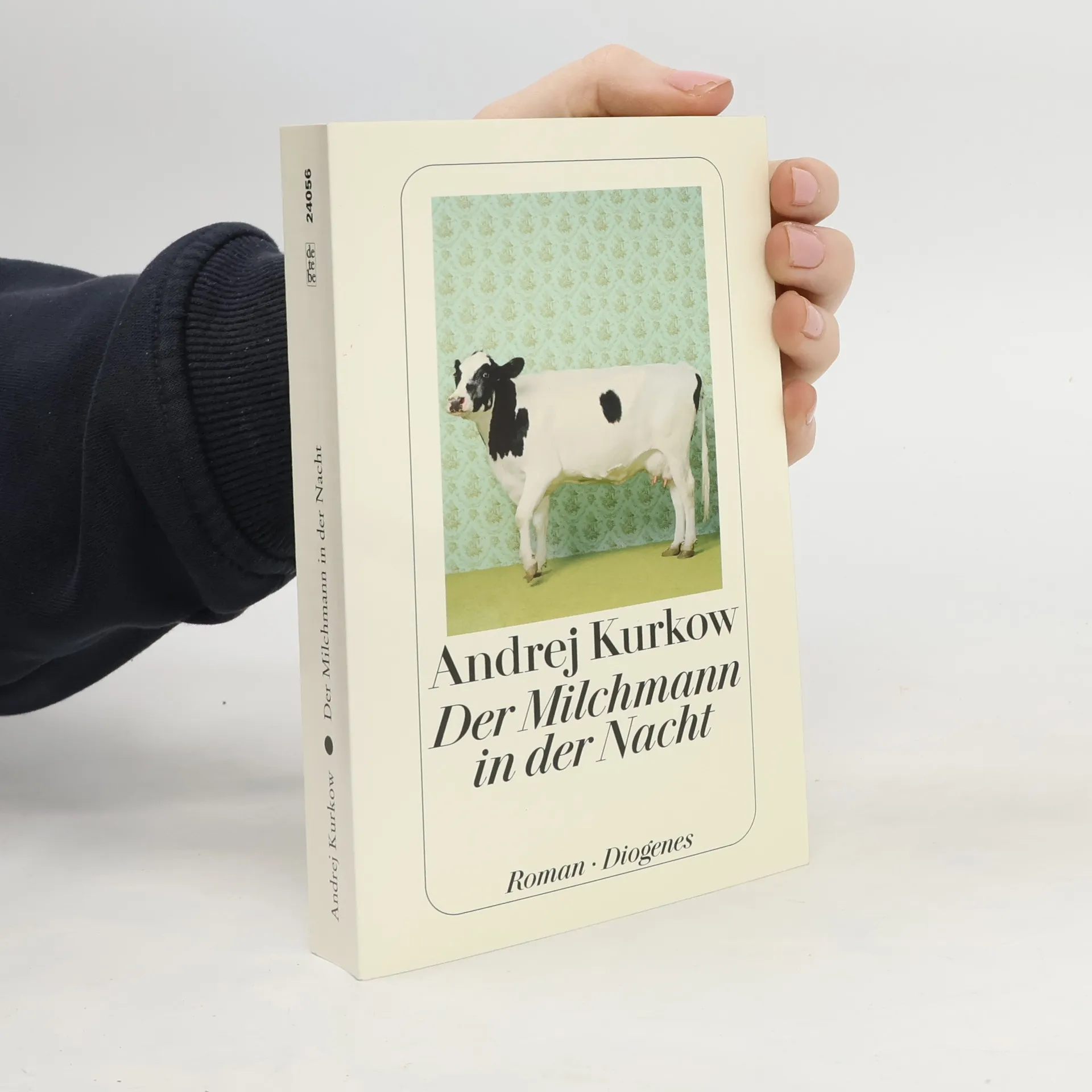
›Der Milchmann in der Nacht‹ ist dreifache Liebesgeschichte, schwarze Komödie, Krimi und politische Satire zugleich – ein Roman mit so vielen Pointen, Wendungen und Geschichten wie Sterne in der Milchstraße.
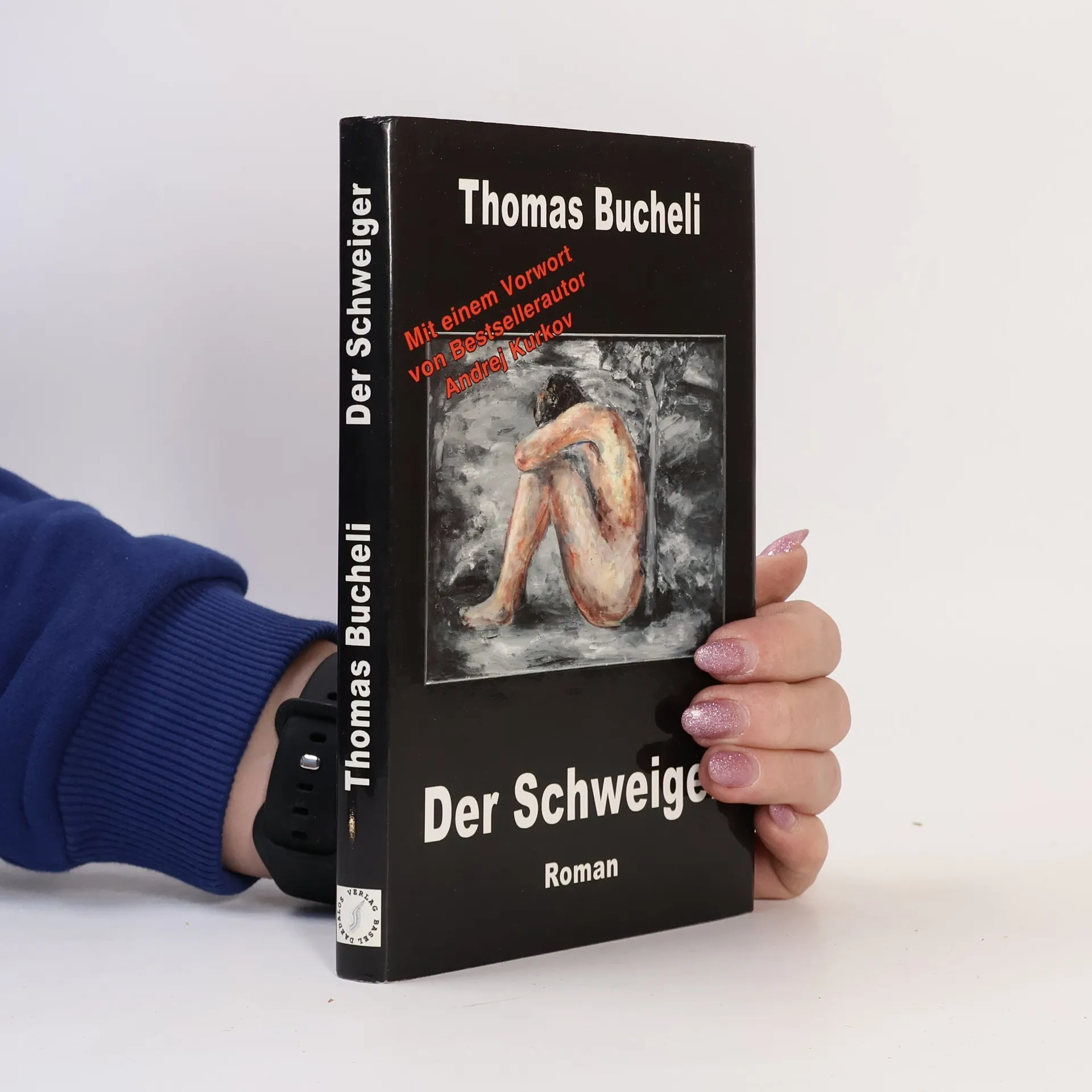
Richard Kaufmann, ein erfolgreicher Jungbanker, wird durch gesundheitliche Gründe gezwungen sich in den Valser Bergen zu erholen. In dieser neuen Umgebung findet er im philosophierenden Schweigen Ruhe und Zufriedenheit. Doch aufgerüttelt durch die Abreise von Angela bricht er erneut auf und entdeckt schliesslich im gewöhnlichen menschlichen Leben noch höhere Ebenen der Erfüllung. Der Schweiger ist auch ein Sucher. Ein Vorwärtsschreiter. Ein Lerner und Wandler. So wird er schliesslich zum Finder. In all dem ist er aber auch ein Mutmacher im Leben und ein aussergewöhnlicher, eigenwilliger Denker. Der Schweiger ist ein echter, ein gelebter Charakter. S. E. Christian Faessler, Schweizer Botschafter, Kyiv: „Jeder Leser, der nach dem Sinn des Lebens sucht, findet sich in diesem feinfühligen, elegant und konzis geschriebenen Werk von Thomas Bucheli. Der Autor zeigt in unerwarteter Weise, dass sich Grundwerte wie Liebe und Freiheit in harmonischer und dauerhafter Weise verbinden lassen und versprüht somit auch für den modernen Menschen Optimismus und Hoffnung.“ Heidrun, Gräfin von der Schulenburg, Berlin: „Einfühlsam und reich an Assoziationen nimmt Thomas Bucheli den Leser mit auf eine Entdeckungsreise zu den existentiellen Fragen. Meisterlich geschrieben und ein wahrer Lesegenuss!“
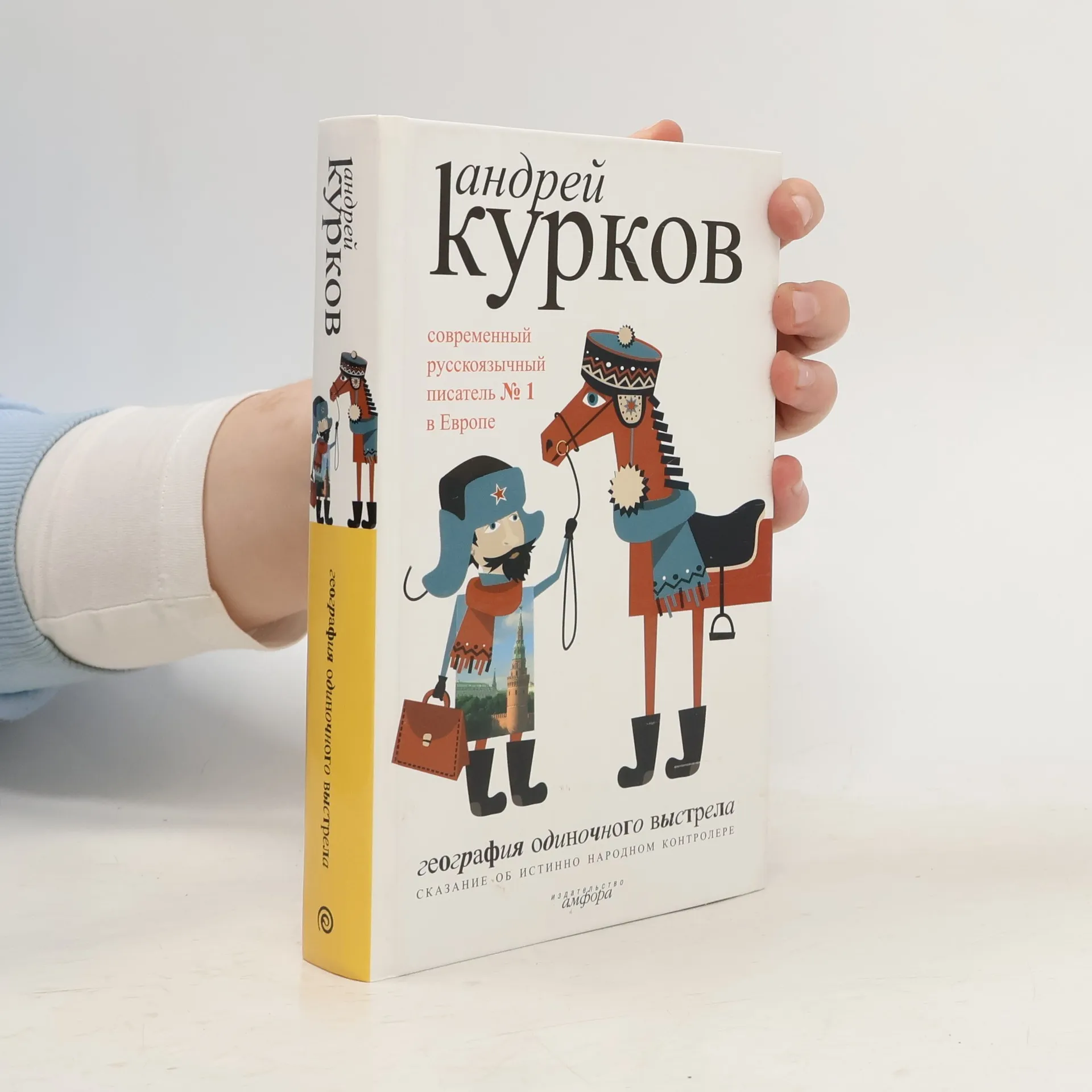
Andrej Kurkov - edinstvennyj avtor iz SNG, chi proizvedenija znachatsja v pervoj desjatke evropejskikh bestsellerov. Trilogija "Geografija odinochnogo vystrela" napisana v prisuschem tolko emu stile, tonko sochetajuschem neozhidannuju intrigu, dokumentalnuju realnost i absurdnuju fantaziju. Geroi romana suschestvujut v nekoj sovetskoj virtualnosti, ochen napominajuschej nashu zhizn i napolnennoj neverojatnymi prikljuchenijami.
Iwan wird Stammkunde in einem kleinen Feinschmeckerlokal, dessen Chefkoch Dymitsch er kennen und schätzen lernt. Eines Tages ist Dymitsch verschwunden, doch hat er extra für Iwan eine Folge von Gerichten hinterlassen, die ihm seine Nichte Vera kochen und an fünf Abenden hintereinander servieren soll. Alles schmeckt köstlich, doch wieso hat Iwan später winzige Sandkörnchen zwischen den Zähnen? Und was will der Rechtsanwalt, der am fünften Tag zum Abendessen erscheint? Poetisches, Humorvolles und Skurriles aus der Ukraine vor und nach der orangen Revolution .
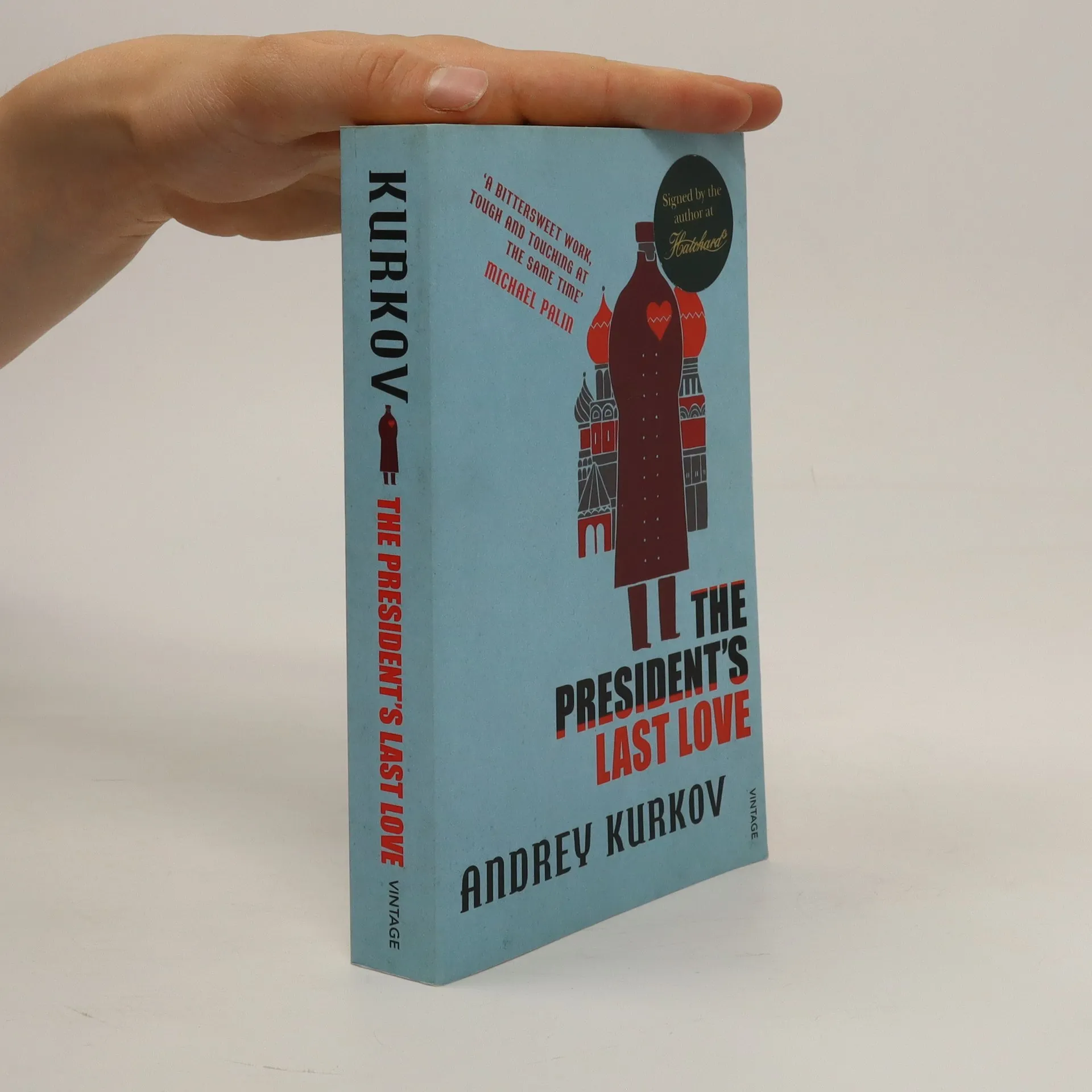
'A bittersweet work, tough and touching at the same time. Kurkov's style is spare and effective, drawing us with deceptive ease into a dense, complex world full of wonderful characters' Michael Palin A sharp, engaging satire that delves into Ukraine's history. Moscow, 2013. Bunin, the Ukrainian President, has joined other heads of state in an open air swimming pool to drink vodka and celebrate with Putin. During his rise to power Bunin has juggled with formidable and eccentric political and personal challenges. His troubles with his family and his women combine with his difficulties with corrupt businessmen and demanding international allies, but it is his recent heart transplant that worries him most. Since the operation he has started to develop freckles, and his heart donor's mysterious widow seems to have moved in with him... Spanning forty years, The President's Last Love is a hilarious satire on love, lies and life before and after the Iron Curtain.
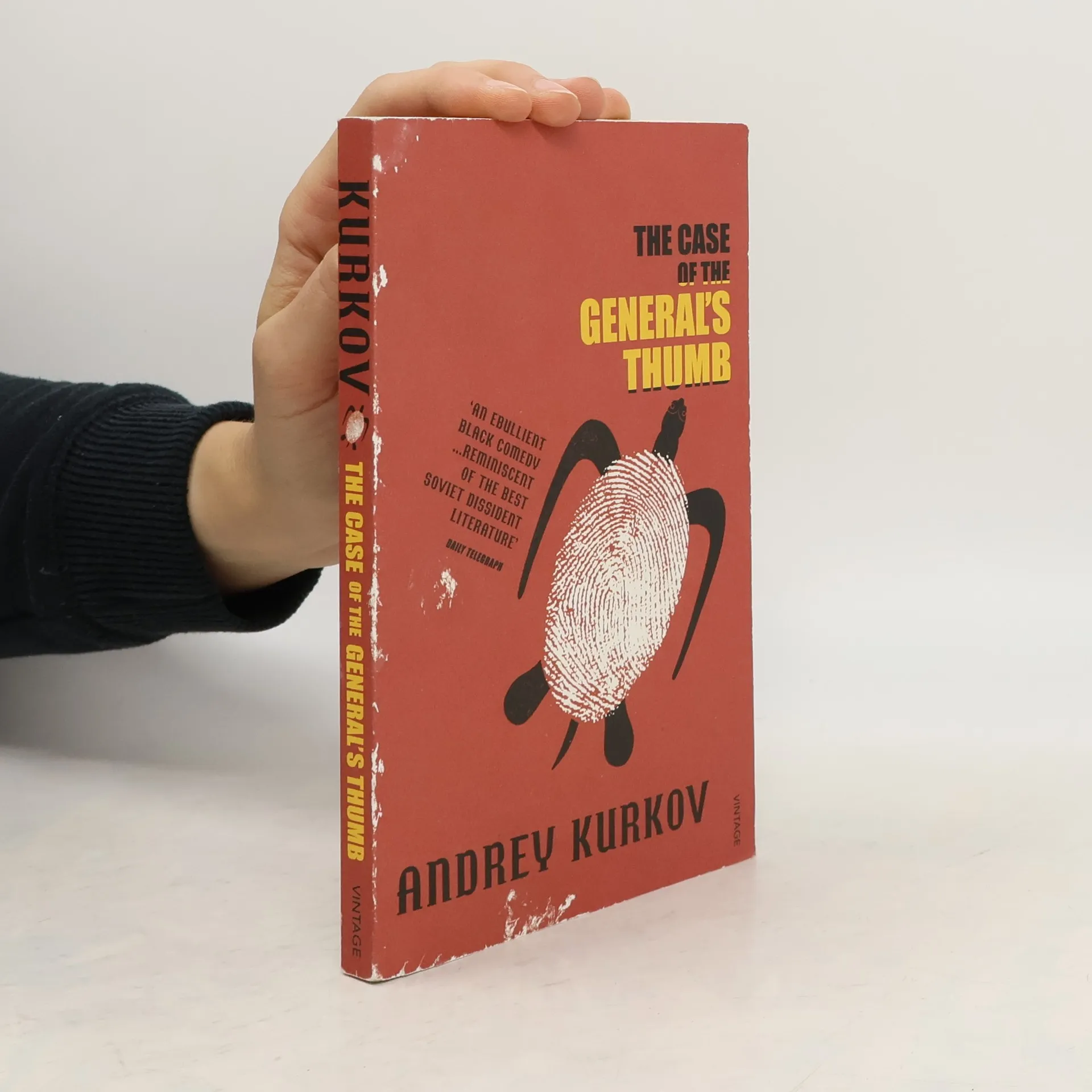
The corpse of a distinguished general is found attached to an advertising balloon—and minus his thumb. Police Lieutenant Viktor Slutsky is sent in to investigate. So, too, is KGB officer Nik Tsensky. They begin their investigations unbeknownst to each other, but quickly find themselves mystified about developments caused by the other.Thus begins a comedy of very dangerous errors as the two crisscross Europe, Russia, and the Ukraine, catalysts in a bizarre battle between the Russian and Ukrainian secret services.What ensues is simultaneously hilarious, tragic, and suspenseful, with a fascinating cast of characters who would seem absurd if they weren’t so compelling: a larger-than-life hitman, a deaf-and-dumb blonde, and a turtle. Then there’s the gun that shoots backwards...And as the two faithful investigators find themselves to be pawns in a story of post-Soviet collapse, it becomes—as usual in the work of this modern Russian master—an inspiring tale of resilience against the dark forces of the day.
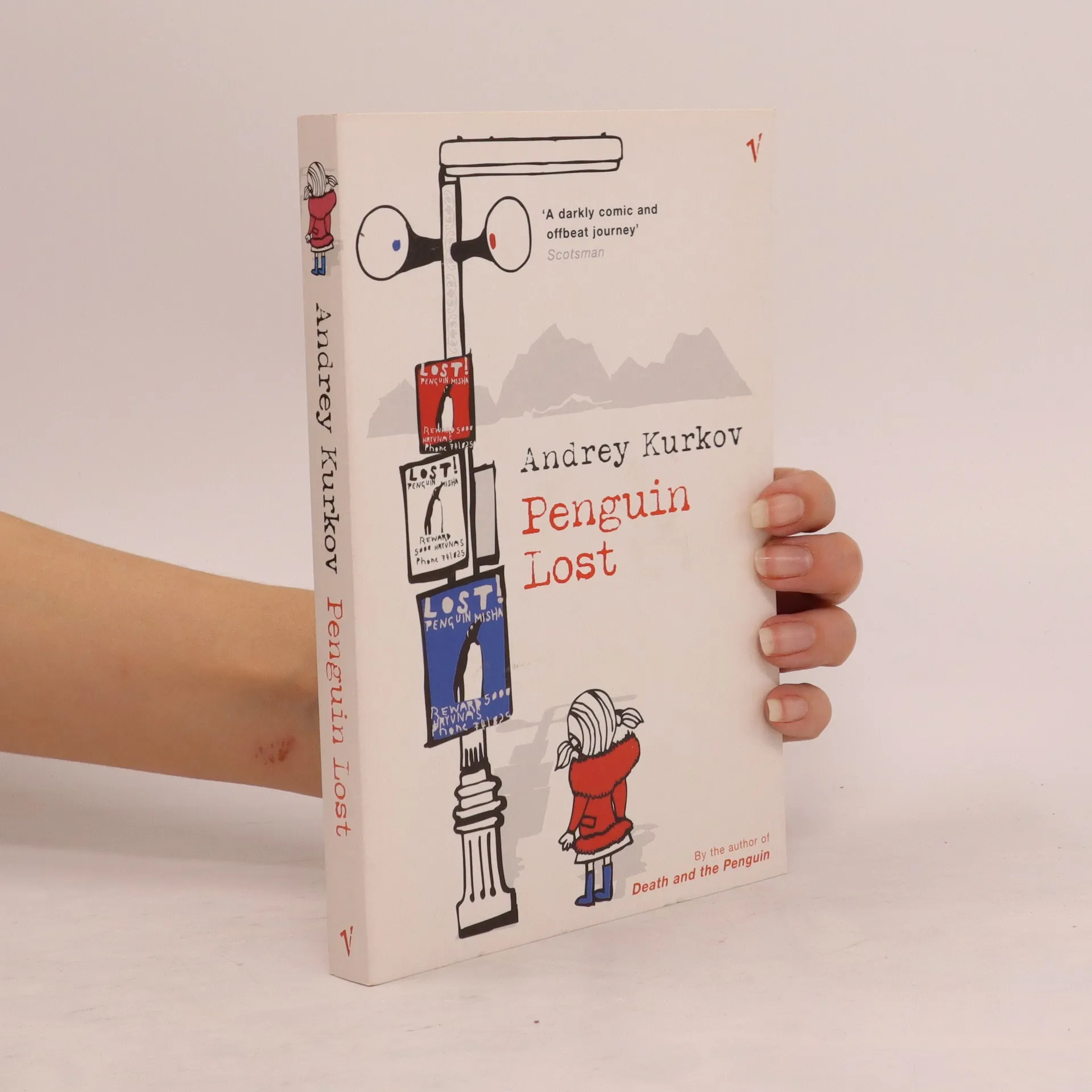
'Rich, authentic and entertaining' New Statesman Discover the darkly funny follow-up to cult classic Death and the Penguin Viktor - last seen in Death and the Penguin fleeing Mafia vengeance on an Antarctica-bound flight booked for Penguin Misha - seizes a heaven-sent opportunity to return to Kiev with a new identity. Clear now as to the enormity of abandoning Misha, then convalescent from a heart-transplant, Viktor determines to make amends. Viktor falls in with a Mafia boss who engages him to help in his election campaign, then introduces him to men who might further his search for Misha, said to be in a private zoo in Chechnya. What ensues is for Viktor both a quest and an odyssey of atonement, and, for the reader, an experience as rich, topical and illuminating as Death and the Penguin.
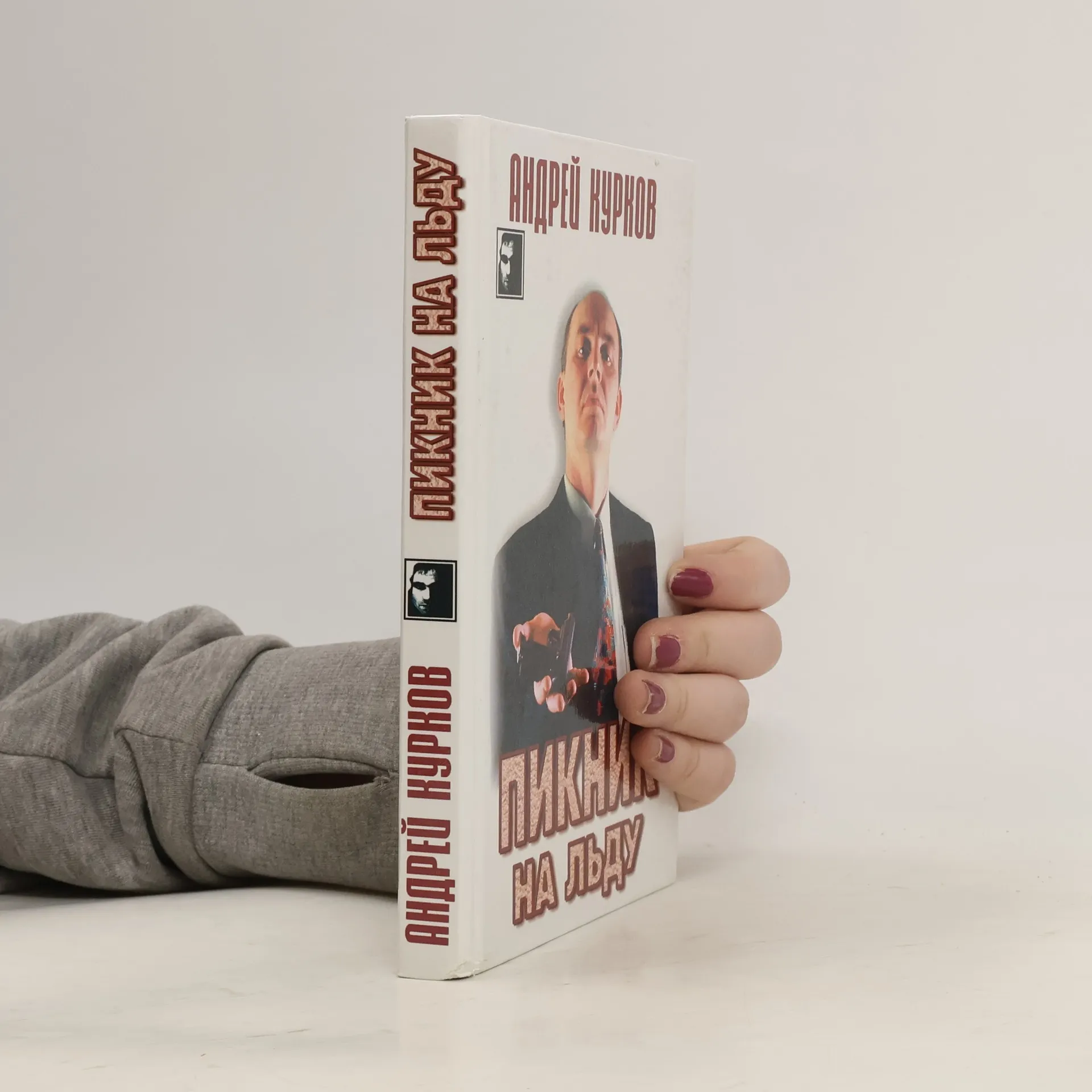
Tolja möchte am liebsten Selbstmord begehen, aber er weiß, dass er dafür zu feige ist. Darum vergibt er den Auftrag per Postfach an einen professionellen Killer. Als er aber Lena trifft, will er plötzlich nicht mehr sterben. Doch der Profi ist bereits unterwegs.
Die abenteuerliche Suche des Lehrers Kolja nach den versteckten Tagebüchern des ukrainischen Nationaldichters Schewtschenko übertrifft alle seine Erwartungen. - Eine witzig-ironische Abrechnung mit dem Nationalismus.
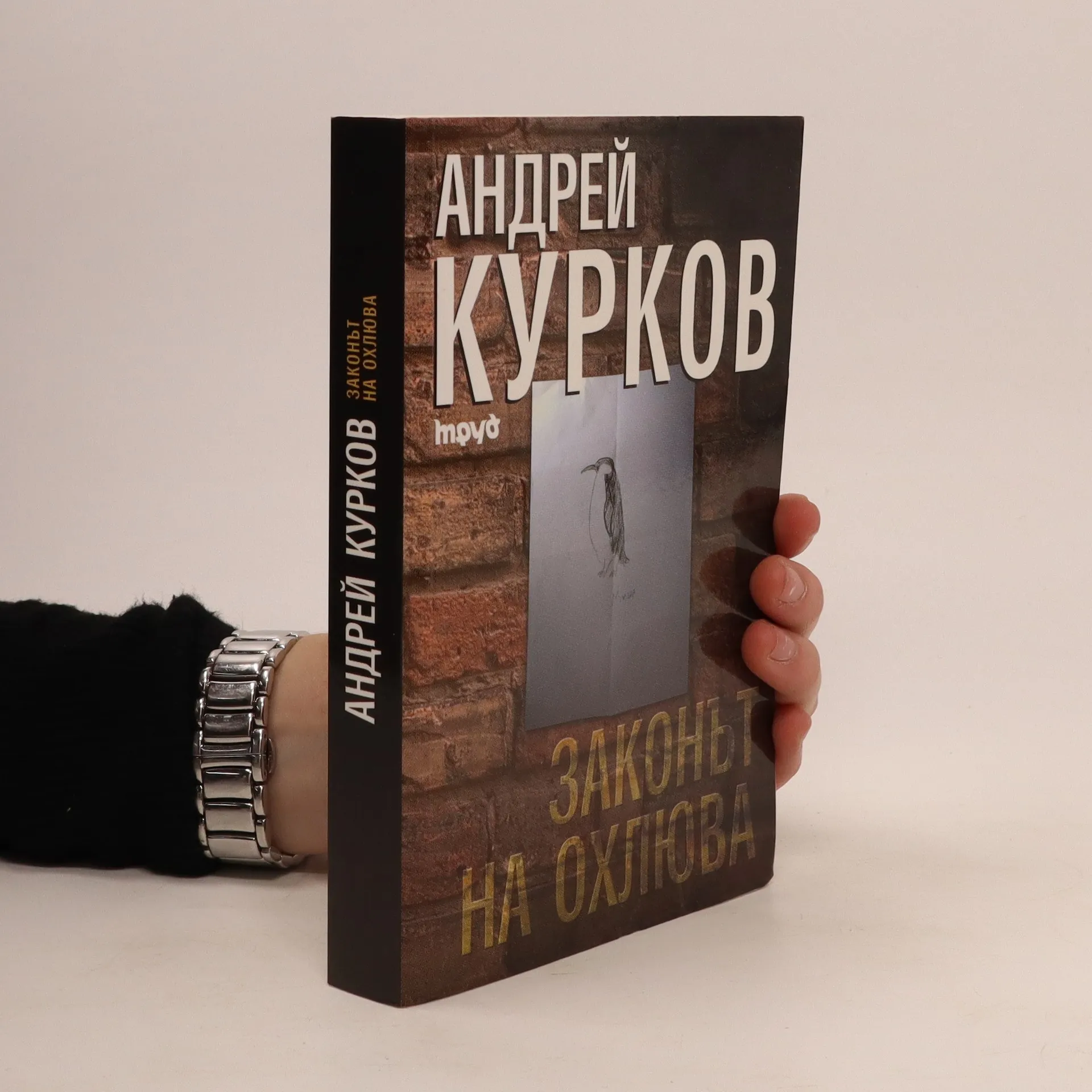
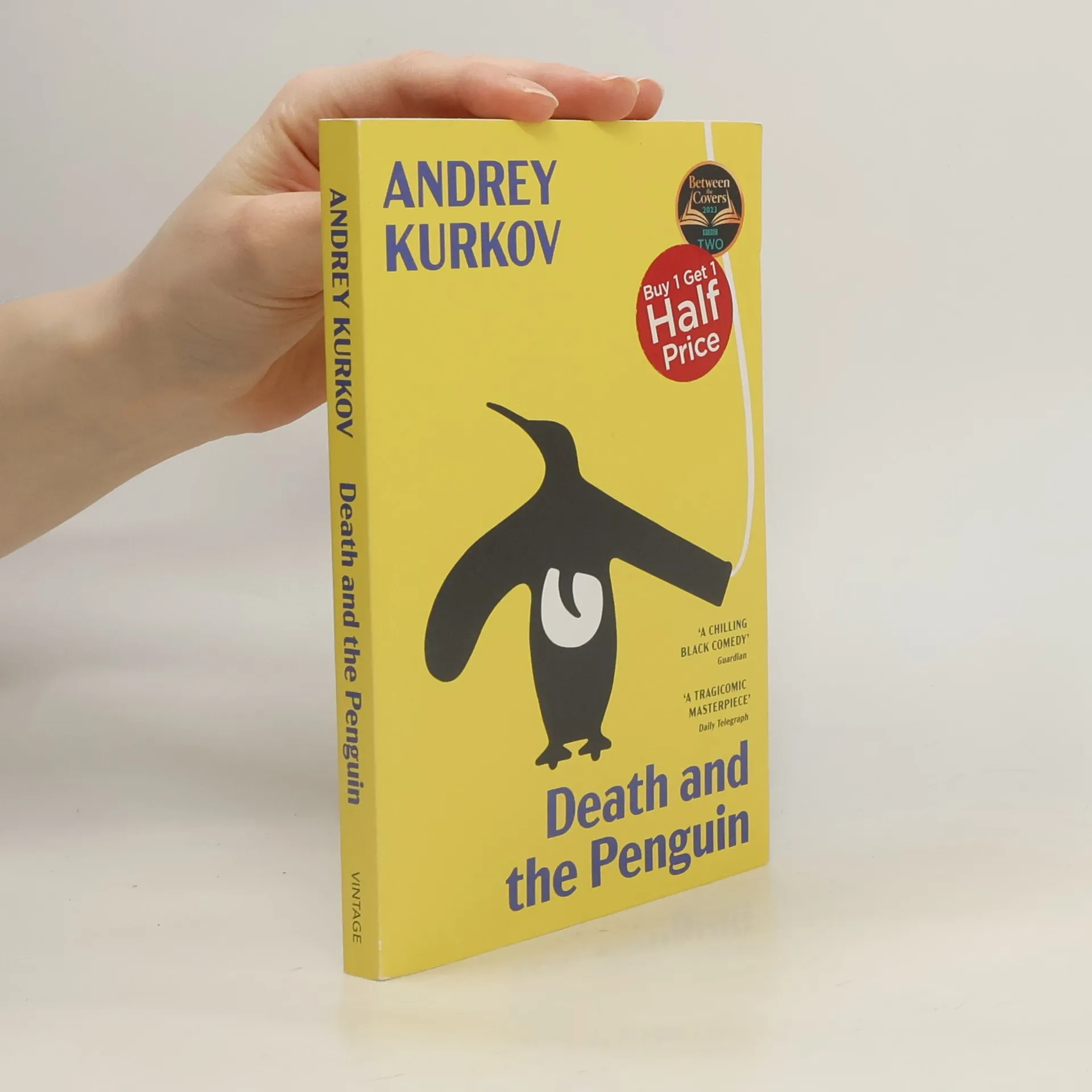
Viktor is an aspiring writer with only Misha, his pet penguin, for company. Although Viktor would prefer to write short stories, he earns a living composing obituaries for a newspaper. He longs to see his work published, yet the subjects of his obituaries continue to cling to life. But when he opens the newspaper to see his work in print for the first time, his pride swiftly turns to terror. He and Misha have been drawn into a trap from which there appears to be no escape.