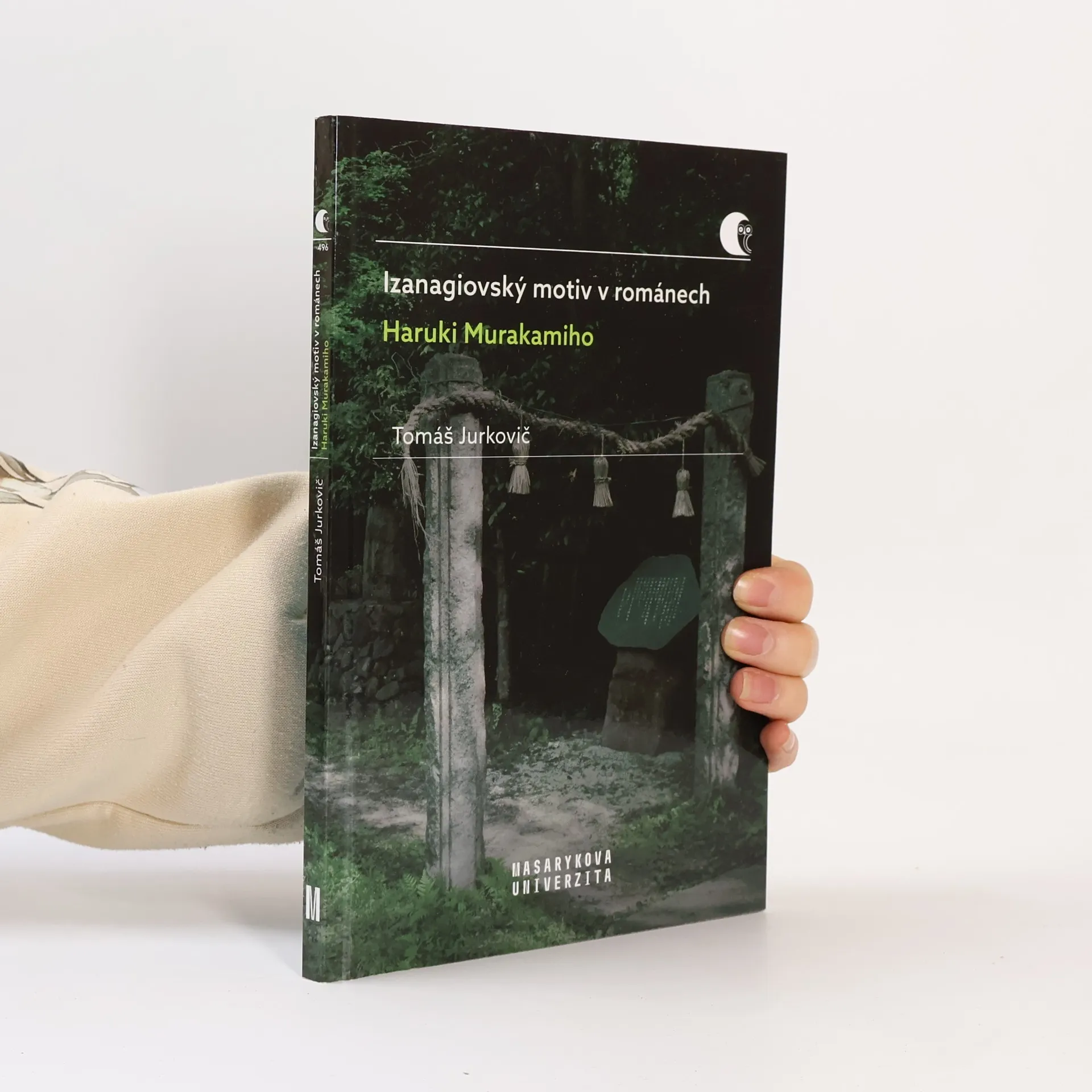
O japonském spisovateli Haruki Murakamim se občas soudí, že se beze zbytku zhlédl v západní literatuře a následně píše „nejaponské“ texty. Pokud ovšem podrobíme rozboru příběhy, které se odehrávají v jeho literárních dílech, musíme podobné soudy odmítnout jako neopodstatněné. Tato publikace provádí čtenáře v chronologickém sledu barvitým světem Murakamiho románových příběhů a krůček po krůčku před ním odkrývá další, zastřešující příběh, sahající od počátků a inspiračních zdrojů autorovy tvorby až po moment, kdy se Murakamimu daří poprvé úspěšně vyrovnat se svým velkým tématem – temnými stíny moderní japonské historie.
Tomáš Jurkovič Books
March 15, 1976

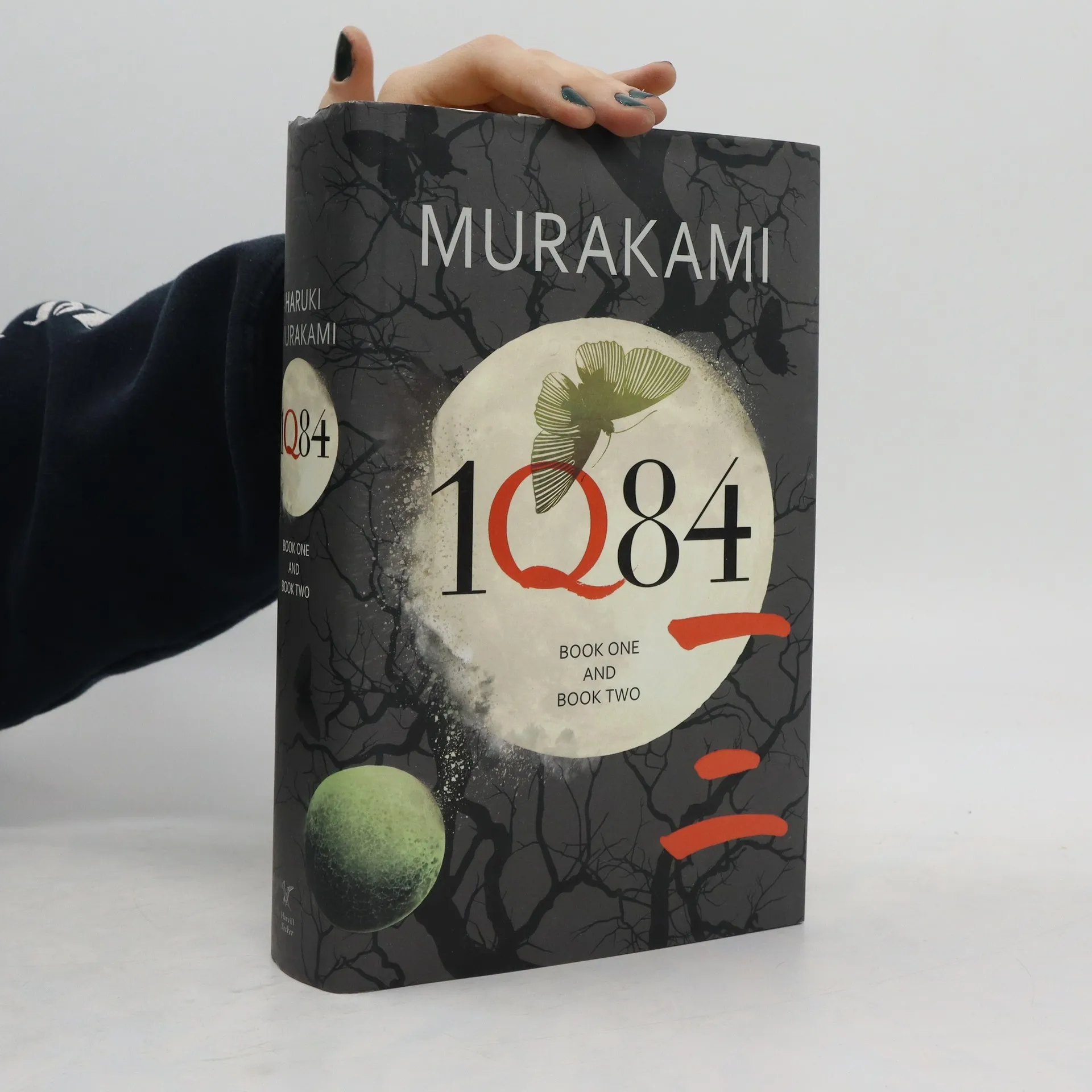
1Q84: Book One and Book Two
- 623 pages
- 22 hours of reading
Vol. 2: book three translated from the Japanese by Philip Gabriel
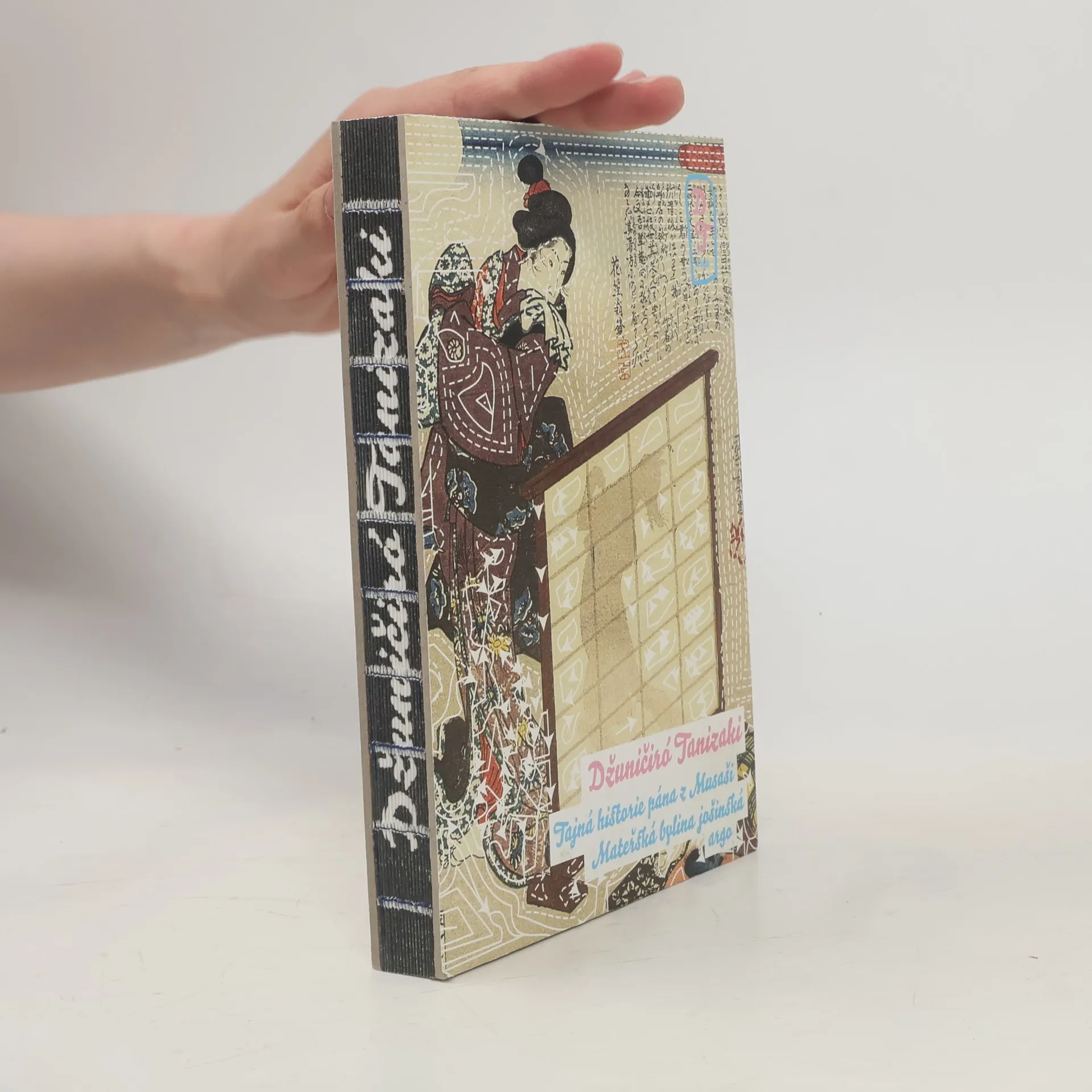
Slavné postavy národních dějin bývají obvykle představovány jako výlupky všech ctností a dávány za příklad dalším generacím. Ale co když jsou takové oficiální verze až příliš krásné, než aby byly i pravdivé, ptá se Tanizaki v Tajné historii pána z Musaši a odpovídá překvapujícím způsobem. Kudy vede hranice mezi hrdinstvím a perverzí? Jedním z…
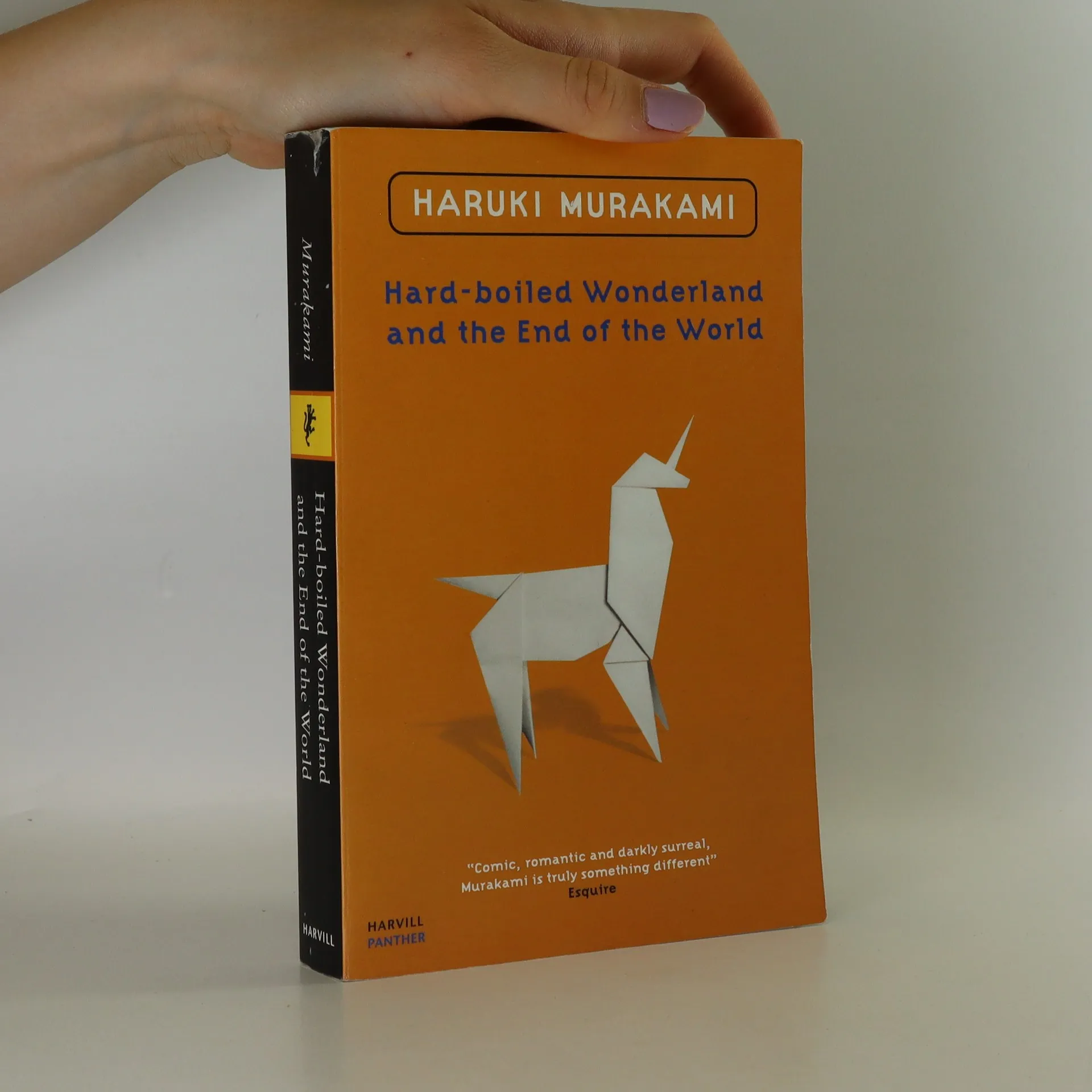
From the #1 New York Times bestselling author of 1Q84 and The Wind-Up Bird Chronicle comes a relentlessly inventive novel that dives deep into the very nature of consciousness. “Fantastical, mysterious, and funny . . . a fantasy world that might have been penned by Franz Kafka.”—The Philadelphia Inquirer Across two parallel narratives, Murakami draws readers into a mind-bending universe in which Lauren Bacall, Bob Dylan, a split-brained data processor, a deranged scientist, his shockingly undemure granddaughter, and various thugs, librarians, and subterranean monsters collide to dazzling effect. What emerges is a hyperkinetic novel that is at once hilariously funny and a deeply serious meditation on the nature and uses of the mind.
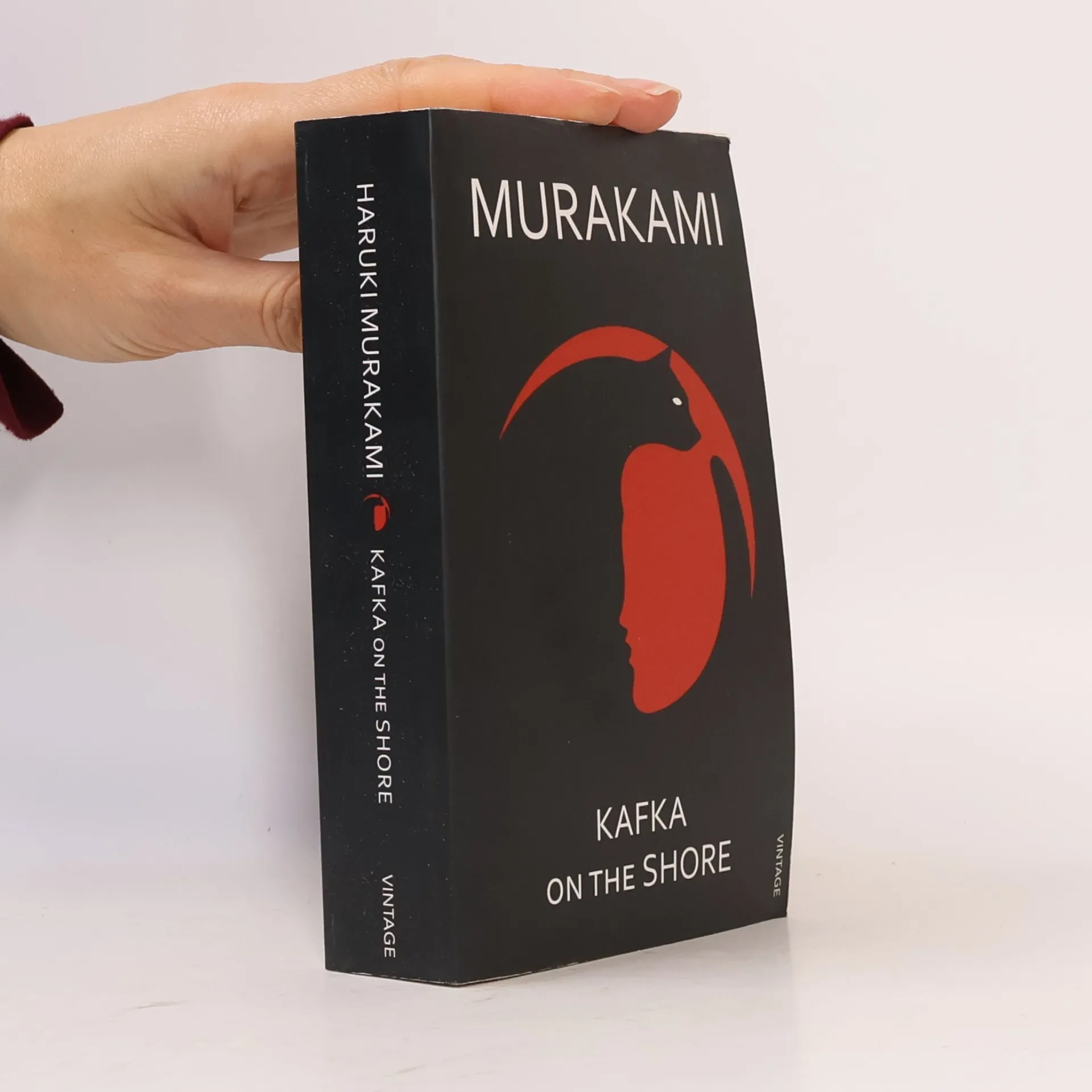
Kafka on the Shore
- 615 pages
- 22 hours of reading
" ... A novel of metaphysical reality, it is powered by two remarkable characters: a teenage boy, Kafka Tamura, who runs away from home either to escape a gruesome oedipal prophecy or to search for his long-missing mother and sister; and an aging simpleton called Nakata, who never recovered from a wartime affliction and now is drawn toward Kafka for reasons that, like the most basic activities of daily life, he cannot fathom."--Publisher's description
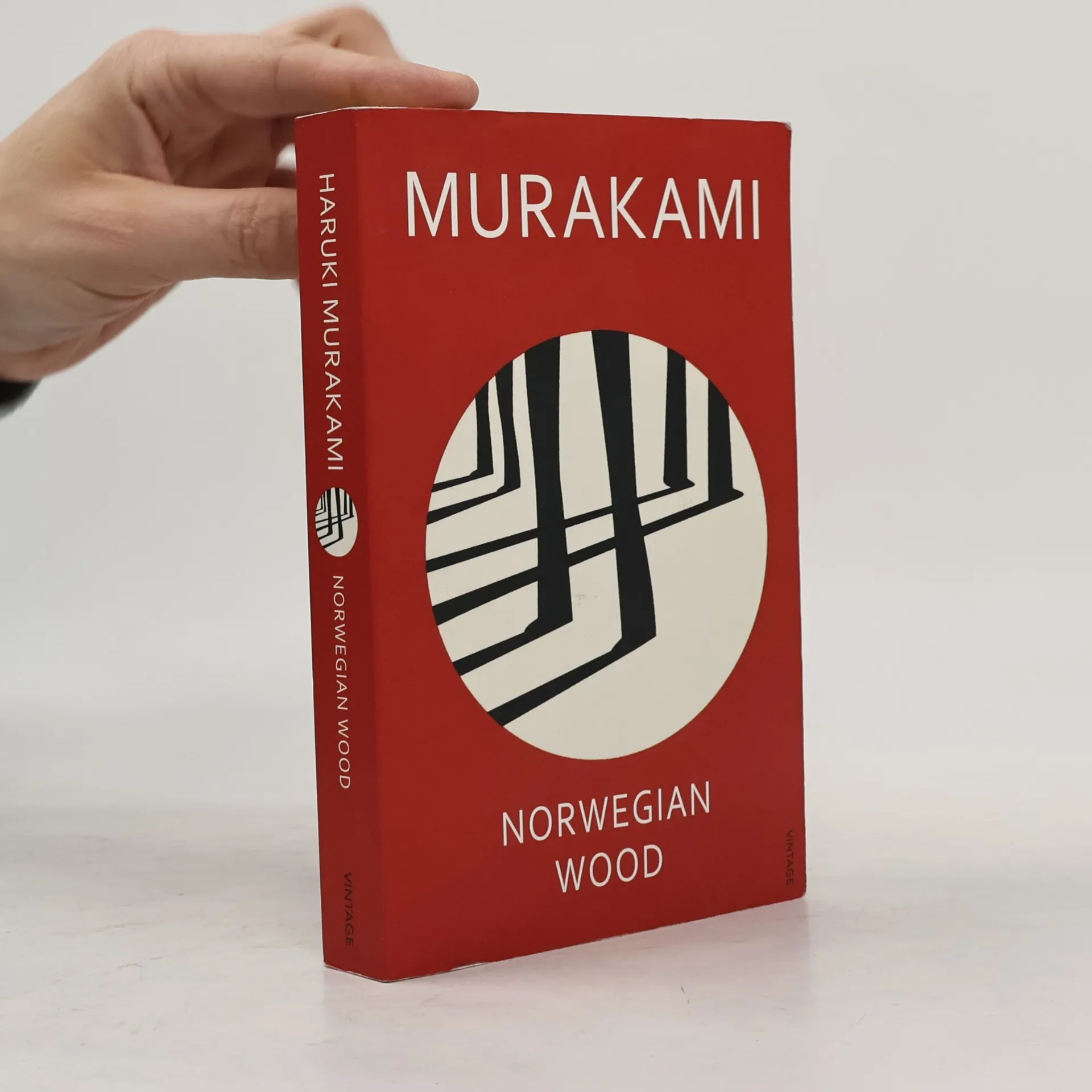
When he hears her favourite Beatles song, Toru Watanabe recalls his first love Naoko, the girlfriend of his best friend Kizuki. Immediately he is transported back almost twenty years to his student days in Tokyo, adrift in a world of uneasy friendships, casual sex, passion, loss and desire - to a time when an impetuous young woman called Midori marches into his life and he has to choose between the future and the past. 'Evocative, entertaining, sexy and funny; but then Murakami is one of the best writers around' Time Out 'Such is the exquisite, gossamer construction of Murakami's writing that everything he chooses to describe trembles with symbolic possibility' Guardian 'This book is undeniably hip, full of student uprisings, free love, booze and 1960s pop, it's also genuinely emotionally engaging, and describes the highs of adolescence as well as the lows' Independent on Sunday 'Catches the absorption and giddy rush of adolescent love... It is also, for all the tragic momentum and the apparently kamikaze consciousness of many of its characters, often funny and quirkily observed' Times Literary Supplement 'A heart-stoppingly moving story... Murakami is, without a doubt, one of the world's finest novelists' Glasgow Herald
His life was like his recurring nightmare: a train to nowhere. But an ordinary life has a way of taking an extraordinary turn. Add a girl whose ears are so exquisite that, when uncovered, they improve sex a thousand-fold, a runaway friend, a rightwing politico, an ovine-obsessed professor and a manic depressive in a sheep outfit, implicate them in a hunt for a sheep. that may or may not be running the world, and the upshot is another singular masterpiece from Japan's finest novelist.
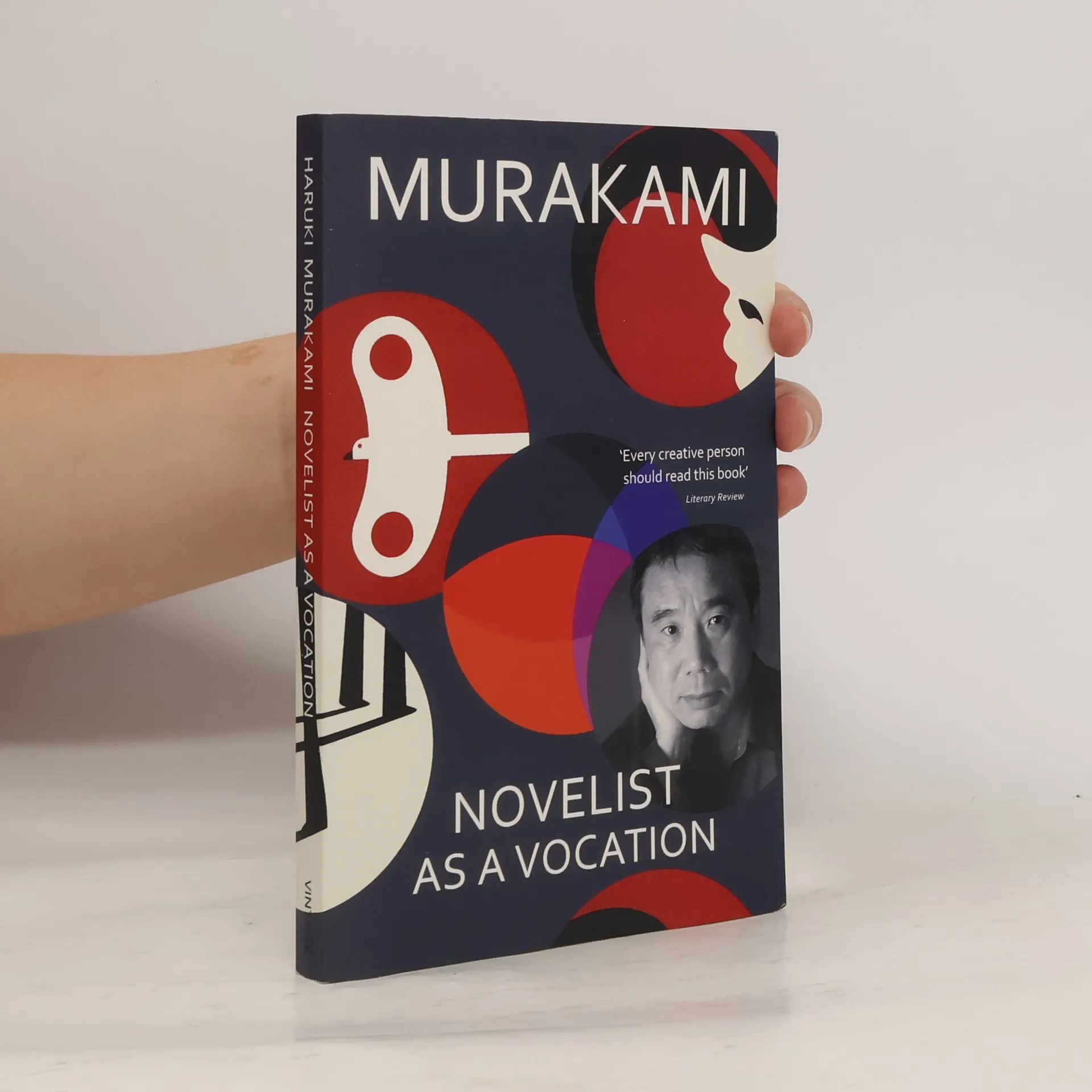
A unique look at the craft of writing from a bestelling master of storytelling. In this engaging book, the internationally best-selling author shares with readers what he thinks about being a novelist; his thoughts on the role of the novel in our society; his own origins as a writer; and his musings on the sparks of creativity that inspire other writers, artists, and musicians. Readers who have long wondered where the mysterious novelist gets his ideas and what inspires his strangely surreal worlds will be fascinated by this highly personal look at the craft of writing. 'An insightful collection of essays on his work and methods... You end this collection of beautiful essays vowing to never let life, or writing, get so complicated again' Guardian 'Murakami is like a magician who explains what he's doing as he performs the trick and still makes you believe he has supernatural powers' New York Times Book Review 'A fascinating glimpse of the peculiar writerly life' Sunday Times ** A TIMES, SUNDAY TIMES and NEW STATESMAN BOOK OF THE YEAR**
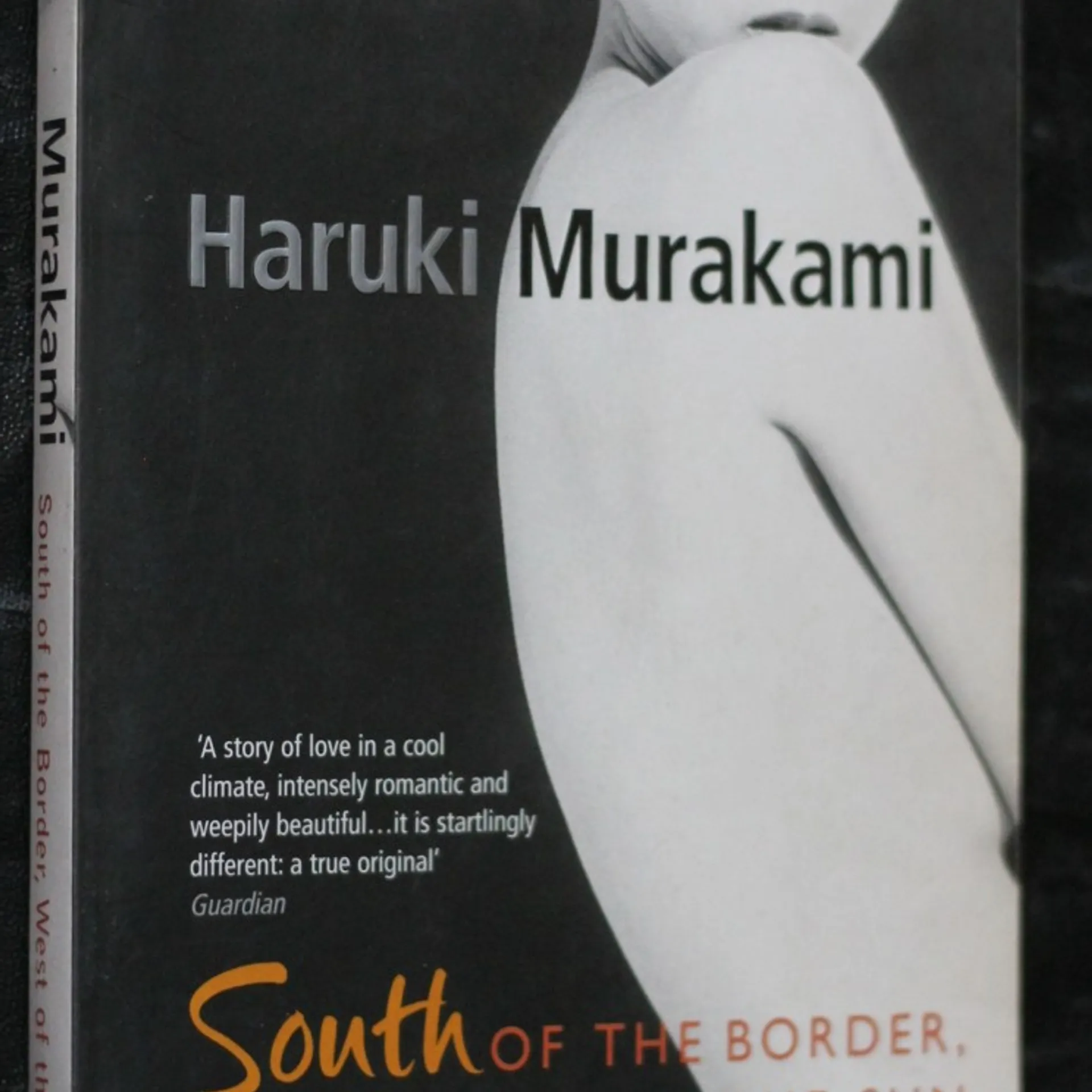
Growing up in the suburbs in post-war Japan, it seemed to Hajime that everyone but him had brothers and sisters. His sole companion was Shimamoto, also an only child. Together they spent long afternoons listening to her father's record collection. But when his family moved away, the two lost touch. Now Hajime is in his thirties. After a decade of drifting he has found happiness with his loving wife and two daughters, and success running a jazz bar. Then Shimamoto reappears. She is beautiful, intense, enveloped in mystery. Hajime is catapulted into the past, putting at risk all he has in the present. 'A story of love in a cool climate, intensely romantic and weepily beautiful...it is startlingly different: a true original' Guardian 'Casablanca remade Japanese style...It is dream-like writing, laden with scenes which have the radiance of a poem' The Times 'This wise and beautiful book is full of hidden truths' New York Times 'This book aches...an eloquent treatise on the vertiginous, irrational powers of love and desire' Independent on Sunday 'A beautiful, atmospheric novel sustained by Murakami's flair for philosophical mediation at its most human' Irish Times
Killing commendatore
- 704 pages
- 25 hours of reading
We all live our lives carrying secrets we cannot disclose. 'Beguiling... Murakami is brilliant at folding the humdrum alongside the supernatural; finding the magic that's nested in life's quotidian details' Guardian When a thirty-something portrait painter is abandoned by his wife, he holes up in the mountain home of a famous artist. The days drift by, spent painting, listening to music and drinking whiskey in the evenings. But then he discovers a strange painting in the attic and unintentionally begins a strange journey of self-discovery that involves a mysterious ringing bell, a precocious thirteen-year-old girl, a Nazi assassination attempt and a haunted underworld. A stunning work of imagination, Killing Commendatore is a surreal tale of love and loneliness, war and art.
Královská hra 1.
- 180 pages
- 7 hours of reading
Někdo, kdo si říká Král, začne přes mobily posílat tajemné SMS-ky žákům jedné třídy. Posílá jim úkoly, které musejí splnit. Kdo je nesplní – zemře. Zpočátku je to čistě legrace, ale jen do chvíle, kdy přijde první smrt. Pak už je to souboj s časem. Odhalí se dřív totožnost Krále, nebo umřou další lidé?
What I Talk About When I Talk About Running
- 179 pages
- 7 hours of reading
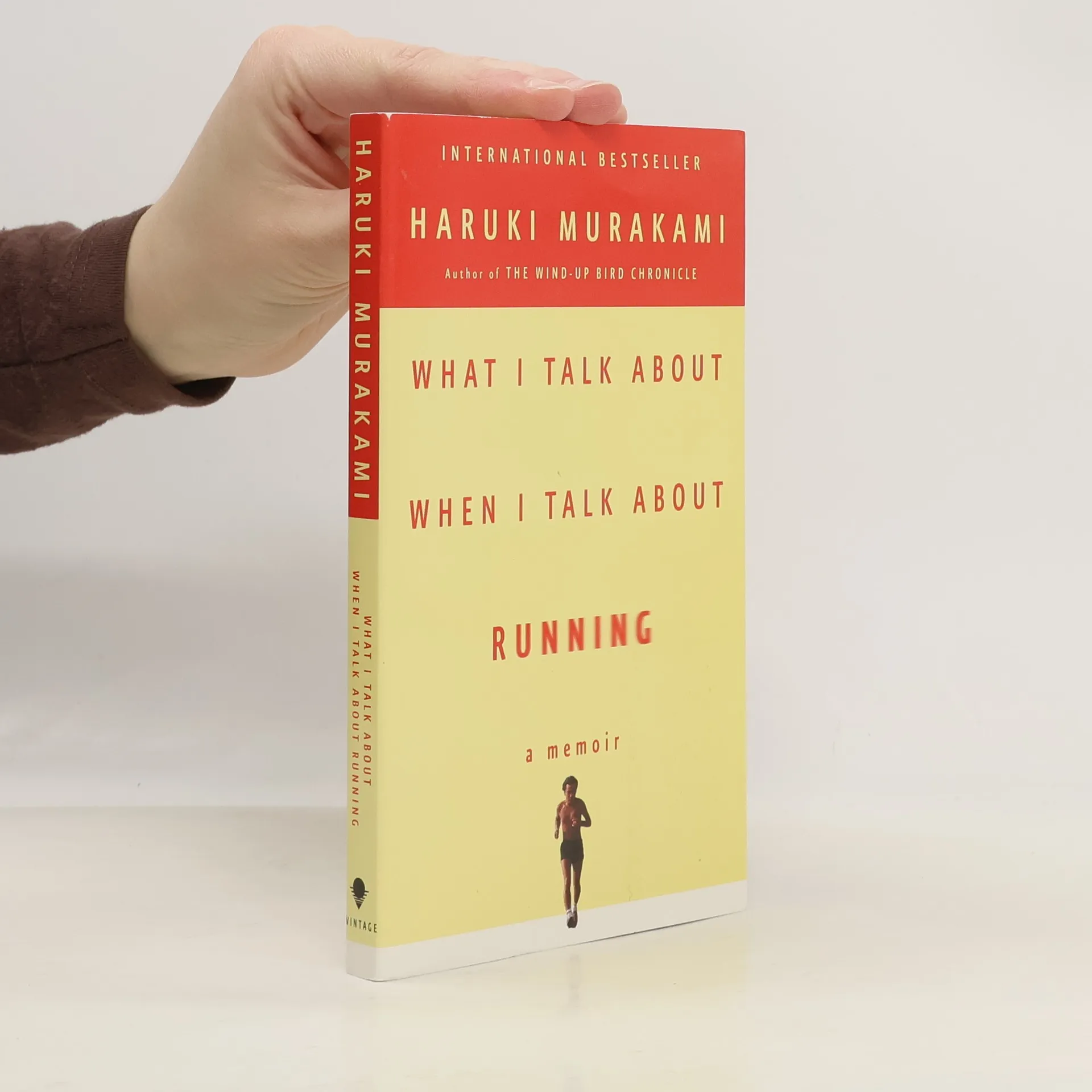
An intimate look at writing, running, and the incredible way they intersect, from the incomparable, bestselling author Haruki Murakami. While simply training for the New York City Marathon would be enough for most people, Haruki Murakami decided to write about it as well. The result is a beautiful memoir about his intertwined obsessions with running and writing, full of vivid memories and insights, including the eureka moment when he decided to become a writer. By turns funny and sobering, playful and phulosophical, What I Talk About When I Talk About Running is rich and revelatory, both for fans of this masterful yet guardedly private writer and for the exploding population of athletes who find similar satisfaction in athletic pursuit.
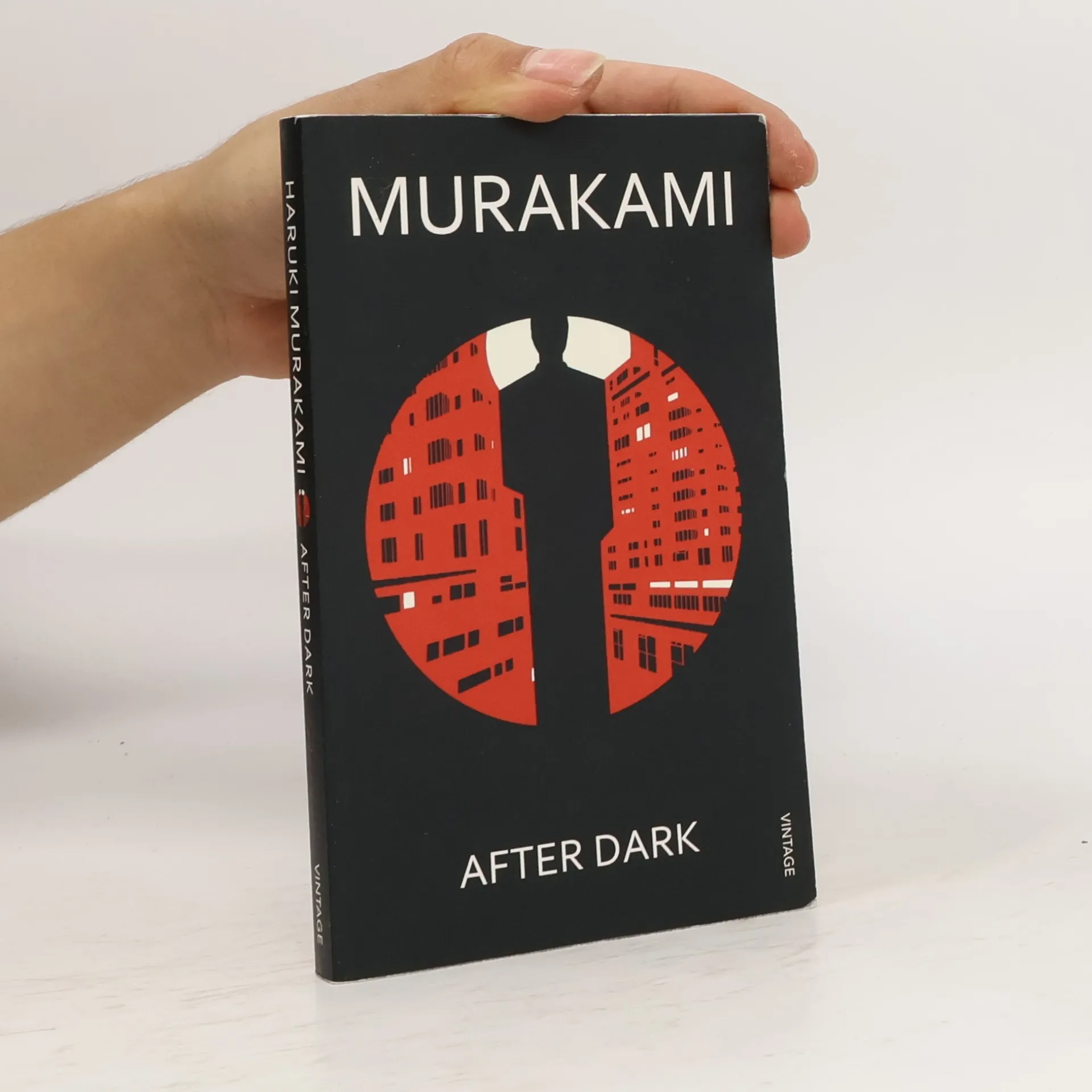
Reality bends all the more acutely with lack of sleep in this stunning novel from the master of the surreal.Eyes mark the shape of the cityThe midnight hour approaches in an almost-empty diner. Mari sips her coffee and reads a book, but soon her solitude is disturbed: a girl has been beaten up at the Alphaville hotel, and needs Mari's help.Meanwhile Mari's beautiful sister Eri lies in a deep, heavy sleep that is 'too perfect, too pure' to be normal; it has lasted for two months. But tonight as the digital clock displays 00:00, a hint of life flickers across the television screen in her room, even though it's plug has been pulled out.Strange nocturnal happenings, or a trick of the night?
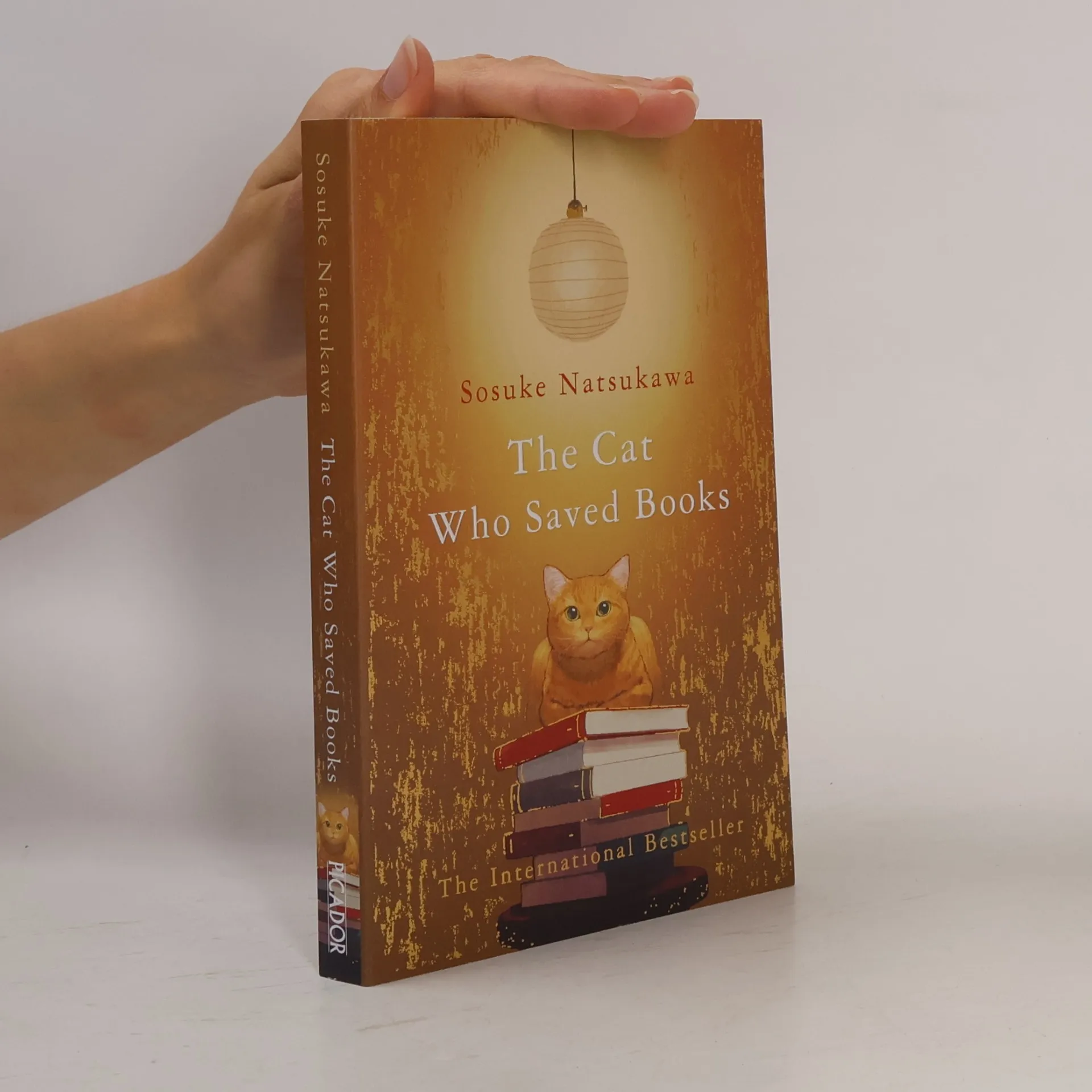
The cat who saved books
- 224 pages
- 8 hours of reading
Bookish high school student Rintaro Natsuki is about to close the secondhand bookshop he inherited from his beloved grandfather. Then, a talking cat named Tiger appears with an unusual request. The cat needs Rintaro's help to save books that have been imprisoned, destroyed and unloved. Their mission sends this odd couple on an amazing journey, where they enter different labyrinths to set books free. Through their travels, Tiger and Rintaro meet a man who locks up his books, an unwitting book torturer who cuts the pages of books into snippets to help people speed read, and a publisher who only wants to sell books like disposable products. Then, finally, there is a mission that Rintaro must complete alone...
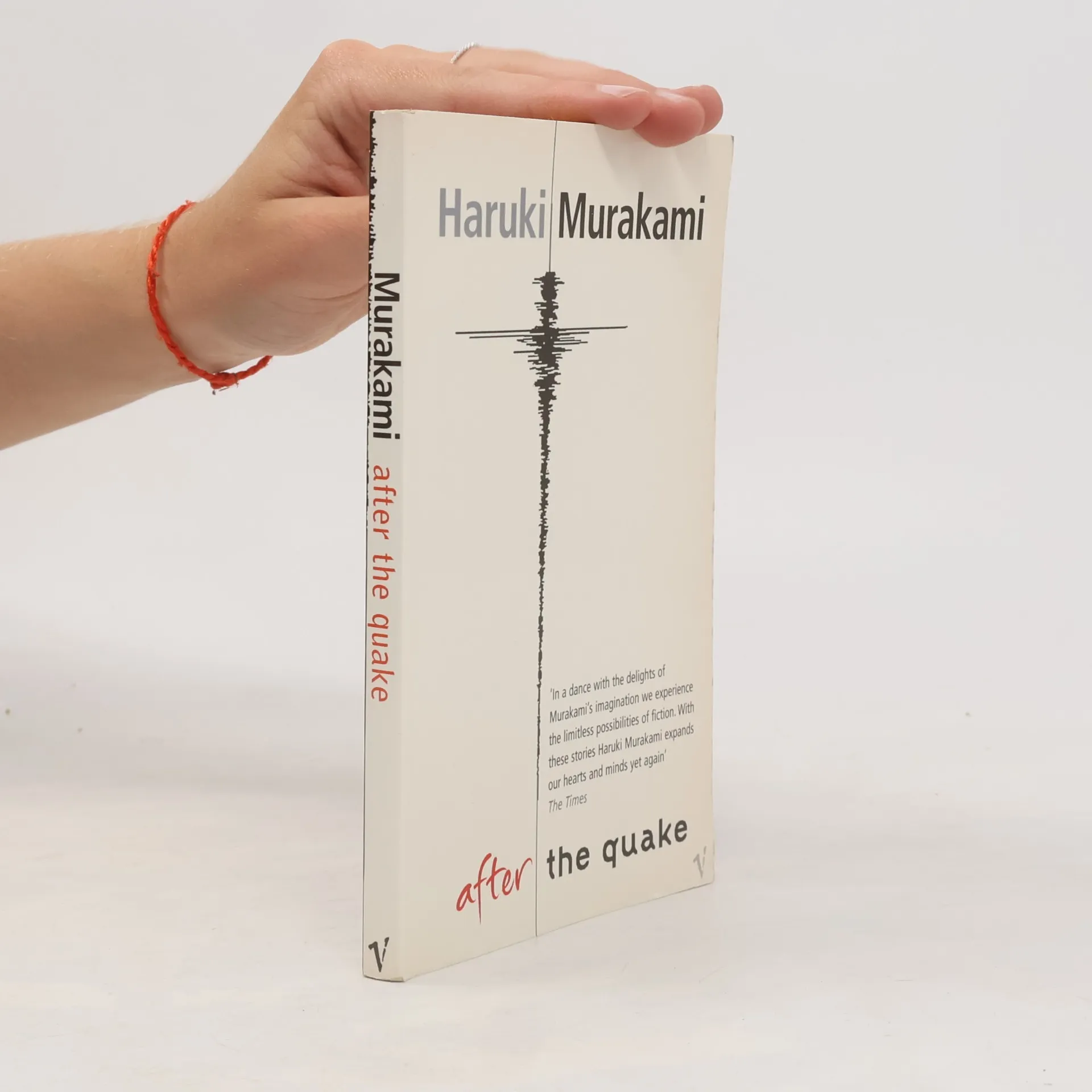
The economy was booming. People had more money than they knew what to do with. And then the earthquake struck. For the characters in After the Quake, the Kobe earthquake is an echo from a past they buried long ago. Satsuki has spent thirty years hating one man: a lover who destroyed her chances of having children. Did her desire for revenge cause the earthquake? Junpei's estranged parents live in Kobe. Should he contact them? Miyake left his family in Kobe to make midnight bonfires on a beach hundreds of miles away. Fourteen-year-old Sala has nightmares that the Earthquake Man is trying to stuff her inside a little box. Katagiri returns home to find a giant frog in his apartment on a mission to save Tokyo from a massive burrowing worm. 'When he gets angry, he causes earthquakes,' says Frog. 'And right now he is very, very angry.'This new collection of stories, from one of the world's greatest living writers, dissects the violence beneath the surface of modern Japan.
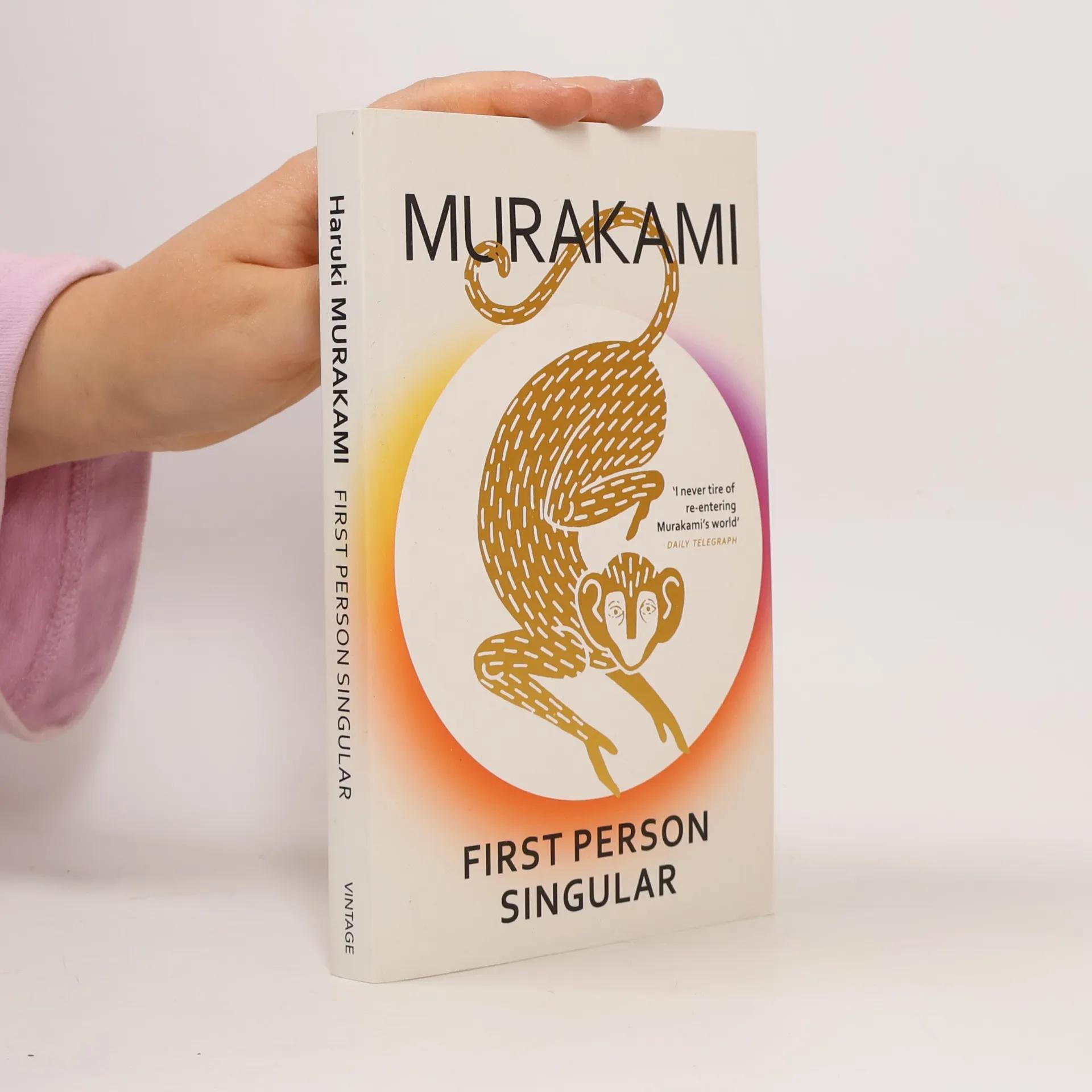
First person singular
- 240 pages
- 9 hours of reading
The eight stories in this new book are all told in the first person by a classic Murakami narrator. From memories of youth, meditations on music, and an ardent love of baseball, to dreamlike scenarios and invented jazz albums, together these stories challenge the boundaries between our minds and the exterior world. Occasionally, a narrator may or may not be Murakami himself. Is it memoir or fiction? The reader decides. Philosophical and mysterious, the stories in First Person Singular all touch beautifully on love and solitude, childhood and memory. . . all with a signature Murakami twist.
She waited on tables as usual that day, her twentieth birthday. She always worked Fridays, but if things had gone according to plan on that particular Friday, she would have had the night off. One rainy Tokyo night, a waitress's uneventful twentieth birthday takes a strange and fateful turn when she's asked to deliver dinner to the restaurant's reclusive owner. Birthday Girl is a beguiling, exquisitely satisfying taste of master storytelling, published to celebrate Murakami's 70th birthday.
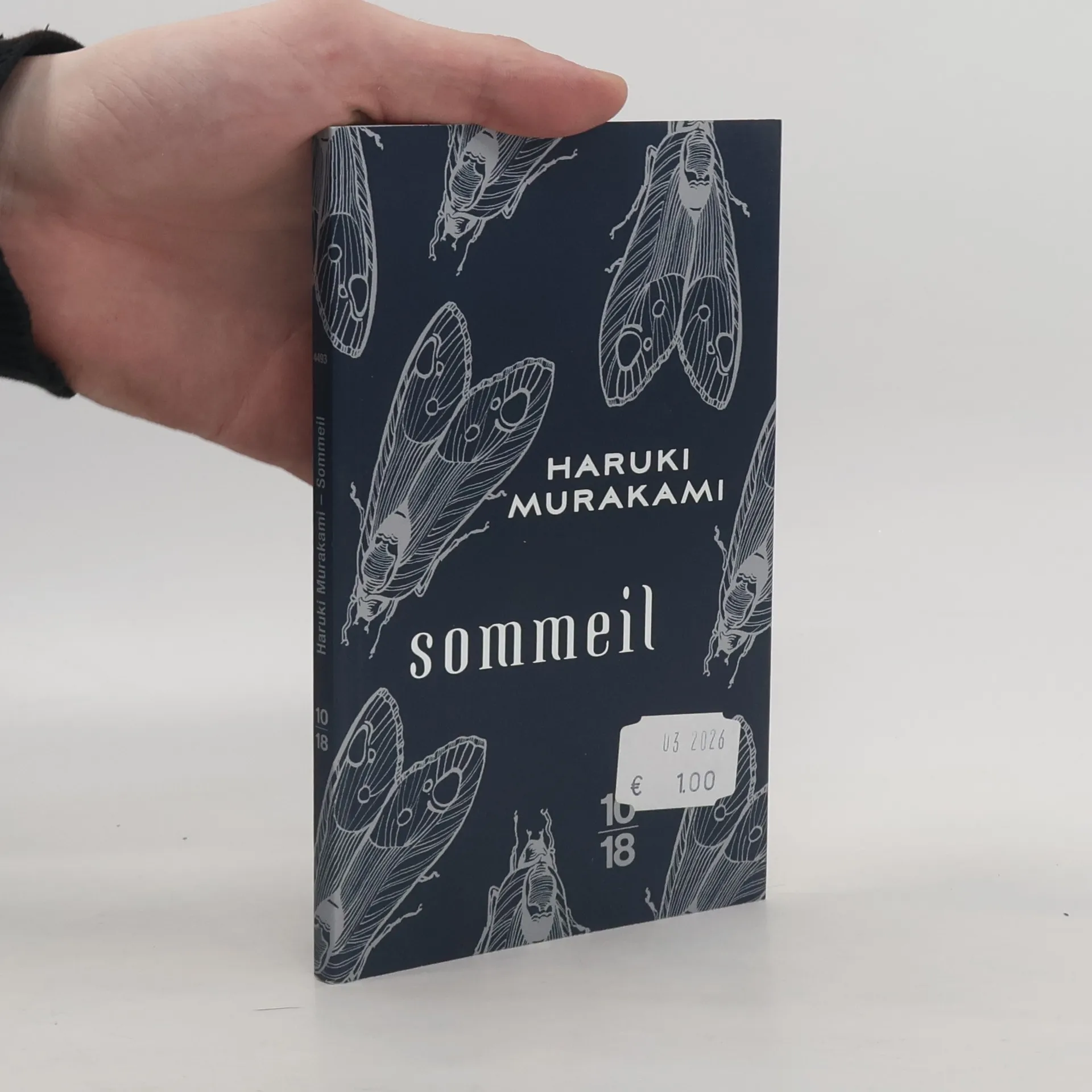
Sommeil
- 92 pages
- 4 hours of reading
Envoûtante et onirique, une des nouvelles les plus énigmatiques de Haruki Murakami, superbement illustrée aux couleurs de nuit, par Kat Menschik. Dans un style pur et cristallin, une plongée obsédante dans les dix-sept nuits sans sommeil d?une femme, pour pénétrer tout le mystère et la magie de l'univers du maître. « Du pur Murakami. » Elle Traduit du japonaispar Corinne Atlan Né à Kyoto en 1949, Haruki Murakami est le traducteur japonais de Scott Fitzgerald, Raymond Carver et John Irving. Ne supportant pas le conformisme de la société japonaise, il s'est expatrié en Grèce, en Italie puis aux États-Unis. En 1995, après le tremblement de terre de Kobe et l'attentat du métro de Tokyo, il a décidé de rentrer au Japon. Haruki Murakami a rencontré le succès dès la parution de son premier roman, Écoute le chant du vent (1979), qui lui a valu le prix Gunzo. Suivront notamment Chroniques de l'oiseau à ressort, Au sud de la frontière, à l'ouest du soleil, Les Amants du Spoutnik, Kafka sur le rivage et Le Passage de la nuit. Il signe aujourd?hui une trilogie, 1Q84, dont les deux premiers tomes paraissent chez Belfond en 2011 et le dernier tome en 2012. Plusieurs fois favori pour le prix Nobel de littérature, Haruki Murakami est aujourd'hui un auteur culte au Japon et son ?uvre est traduite dans plus de trente pays.
»Hunger hatten wir, so viel stand fest. Allerdings keinen gewöhnlichen, nein – uns kam es so vor, als hätten wir ein kosmisches Vakuum verschluckt.« Zwei Freunde marschieren mit Messern bewaffnet los, um in der nächsten Bäckerei ihren Hunger zu stillen. Doch sie haben die Rechnung ohne den Bäcker gemacht. Der untermalt das Croissantballett mit Wagnerklängen und schlägt ein ungewöhnliches Tauschgeschäft vor. Das verlangt nach einem zweiten Bäckereiüberfall … Murakamis legendäre ›Bäckereiüberfälle‹ sind ein Musterstück surrealistisch-existentialistischer Erzählkunst, in dem der Weltbestsellerautor seinem unnachahmlichen Humor freien Lauf lässt. Nachdem Murakamis Erzählung ›Schlaf‹ weltweit mit Kat Menschiks Zeichnungen erschien, traf Murakami seine Illustratorin in Berlin und wünschte sich, dass sie weitere seiner Geschichten bebildert. Das Ergebnis sind ›Die Bäckereiüberfälle‹ – wie man sie noch niemals gesehen hat.