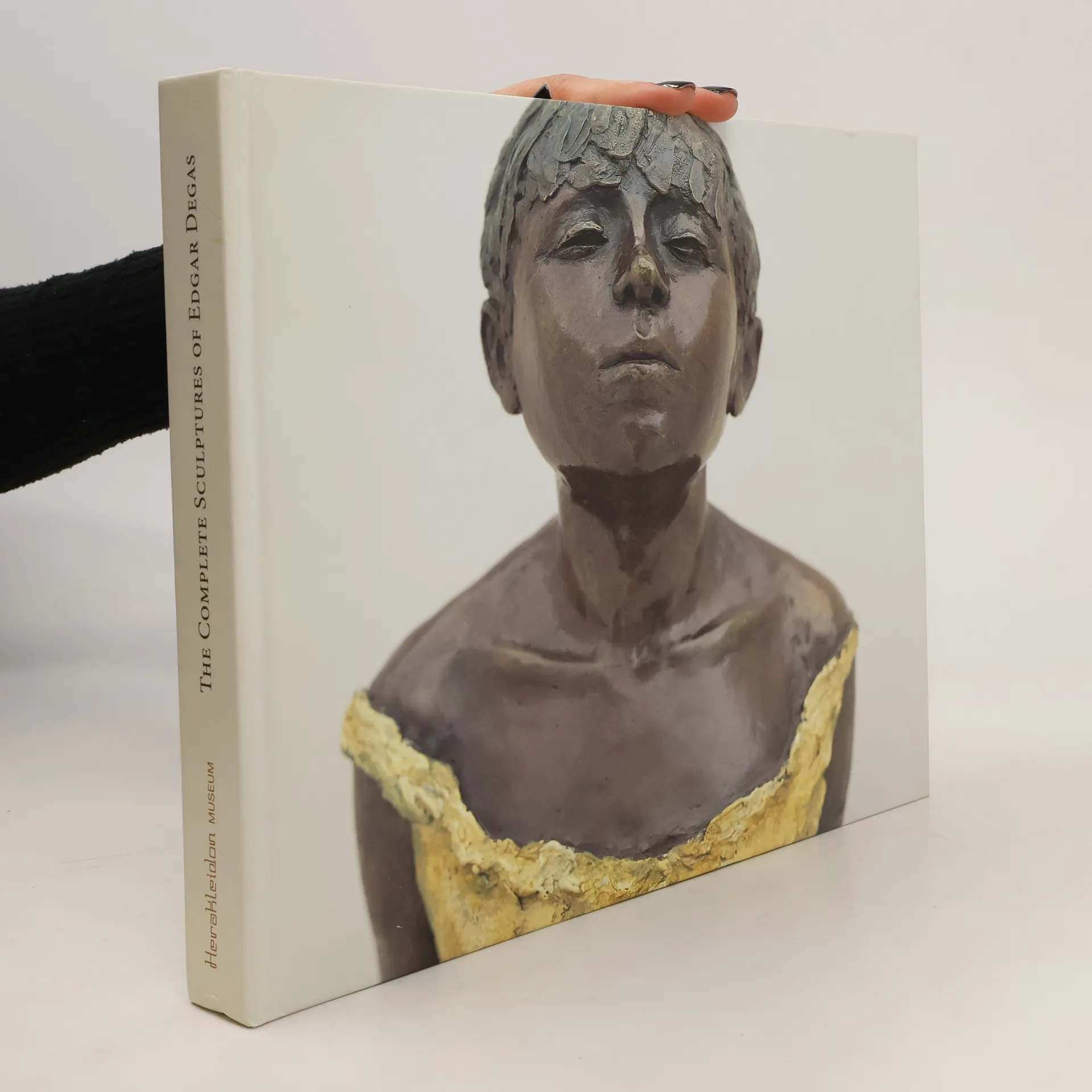
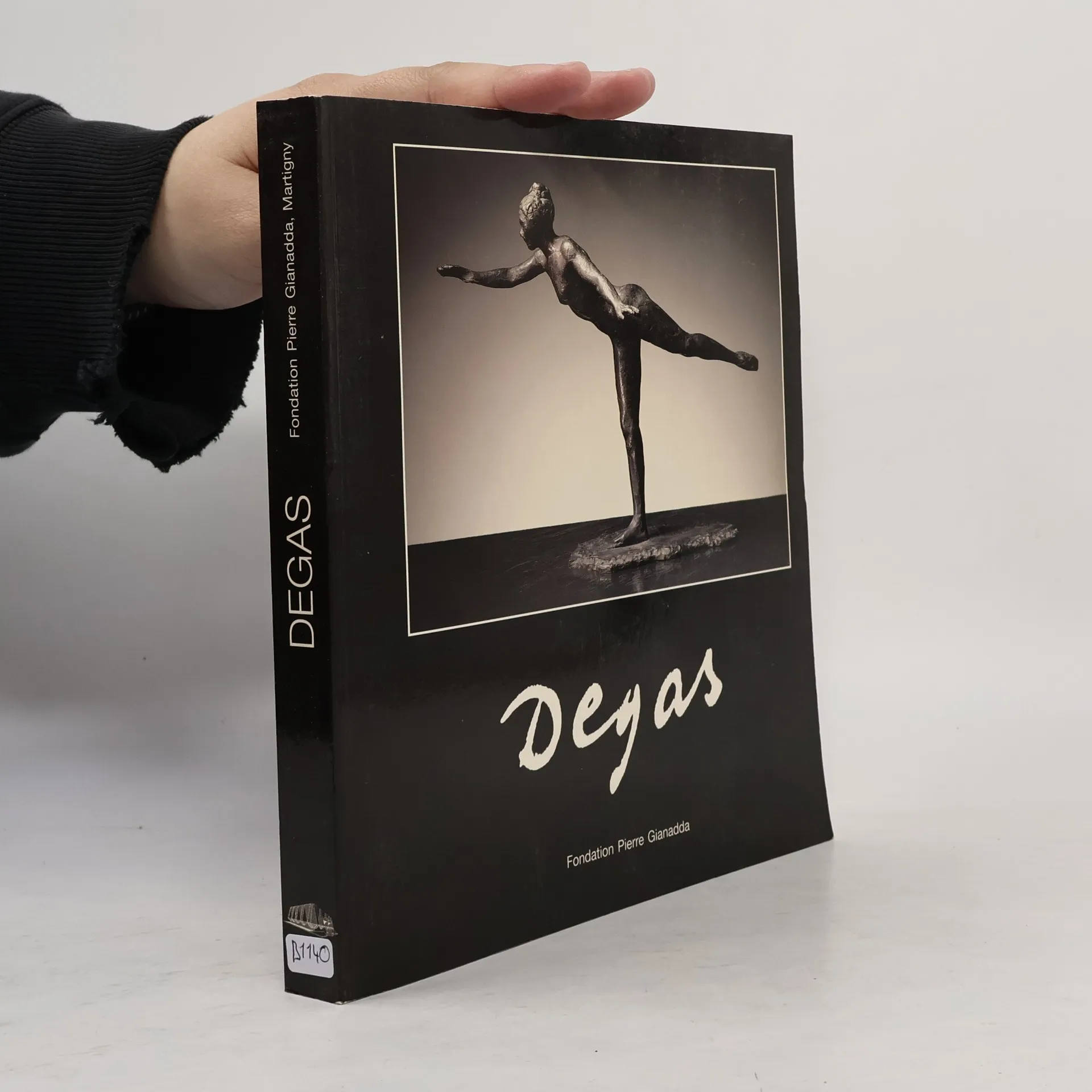
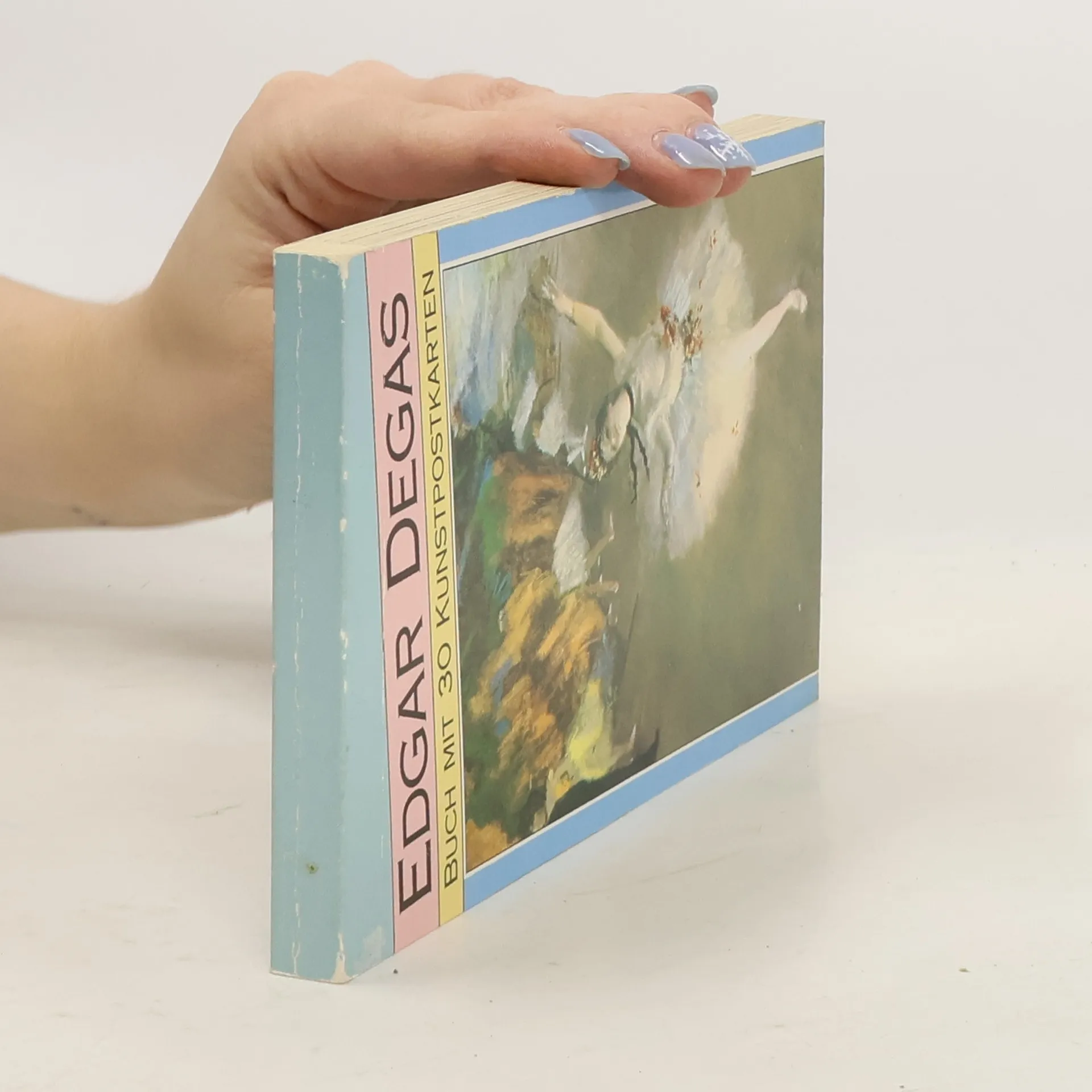
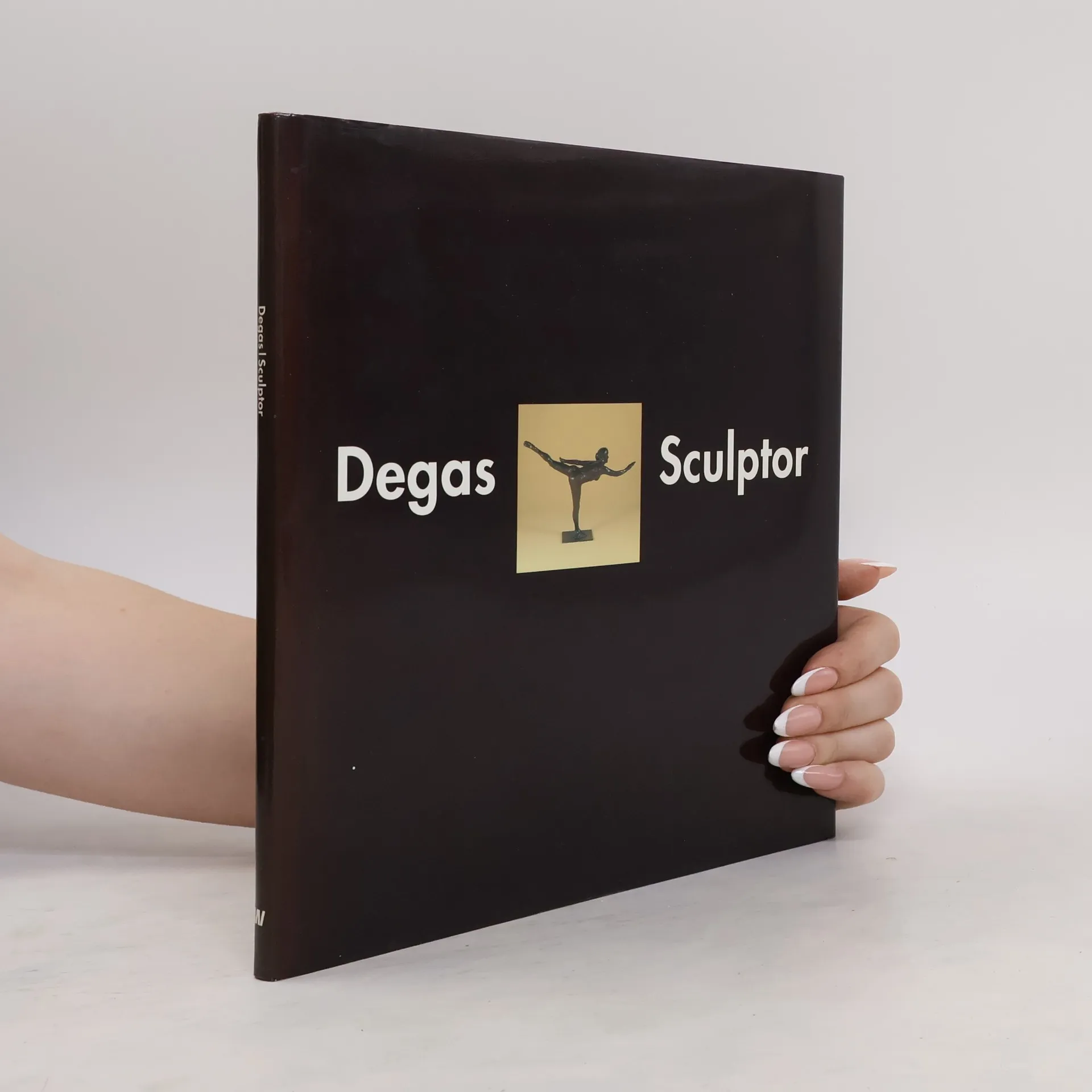
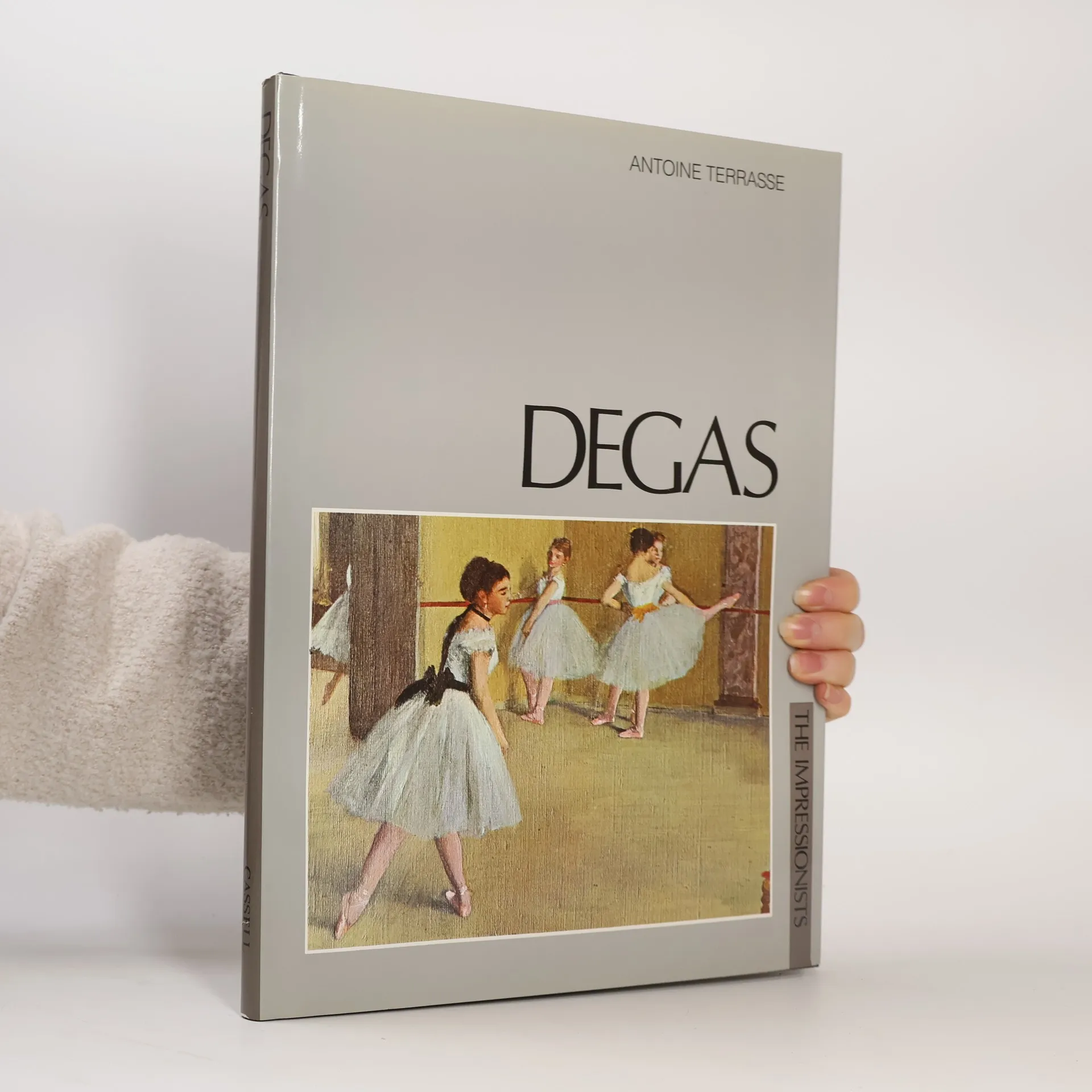
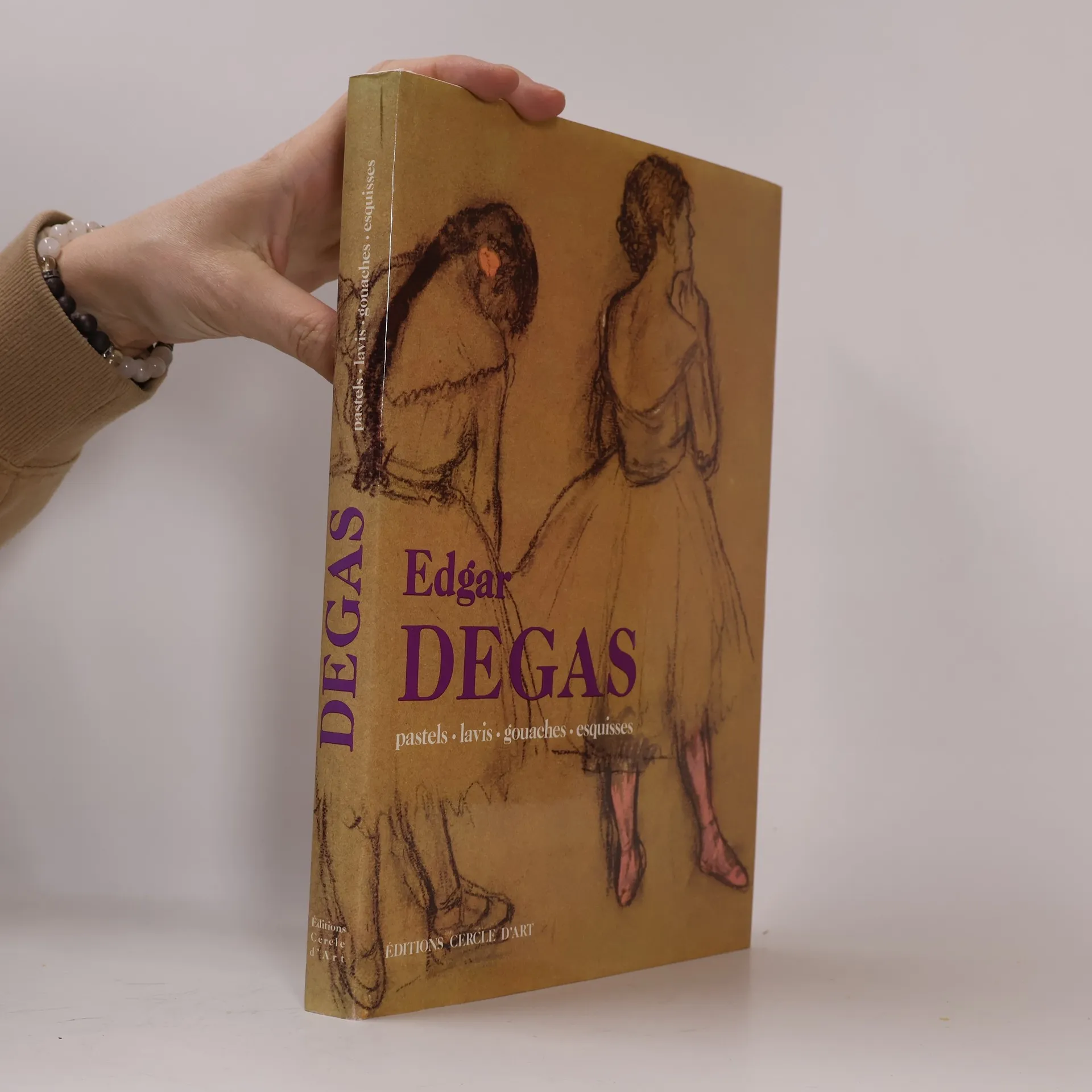
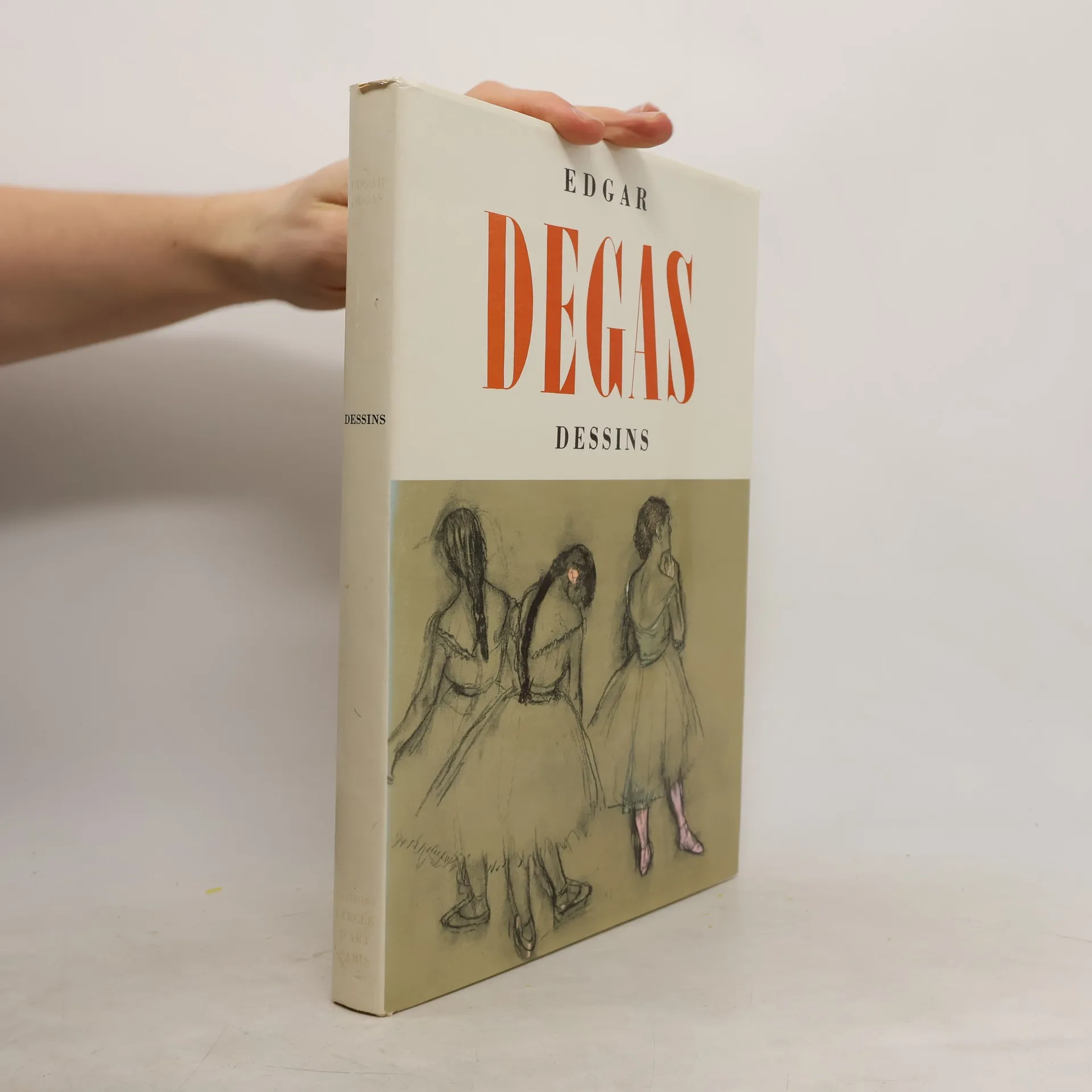
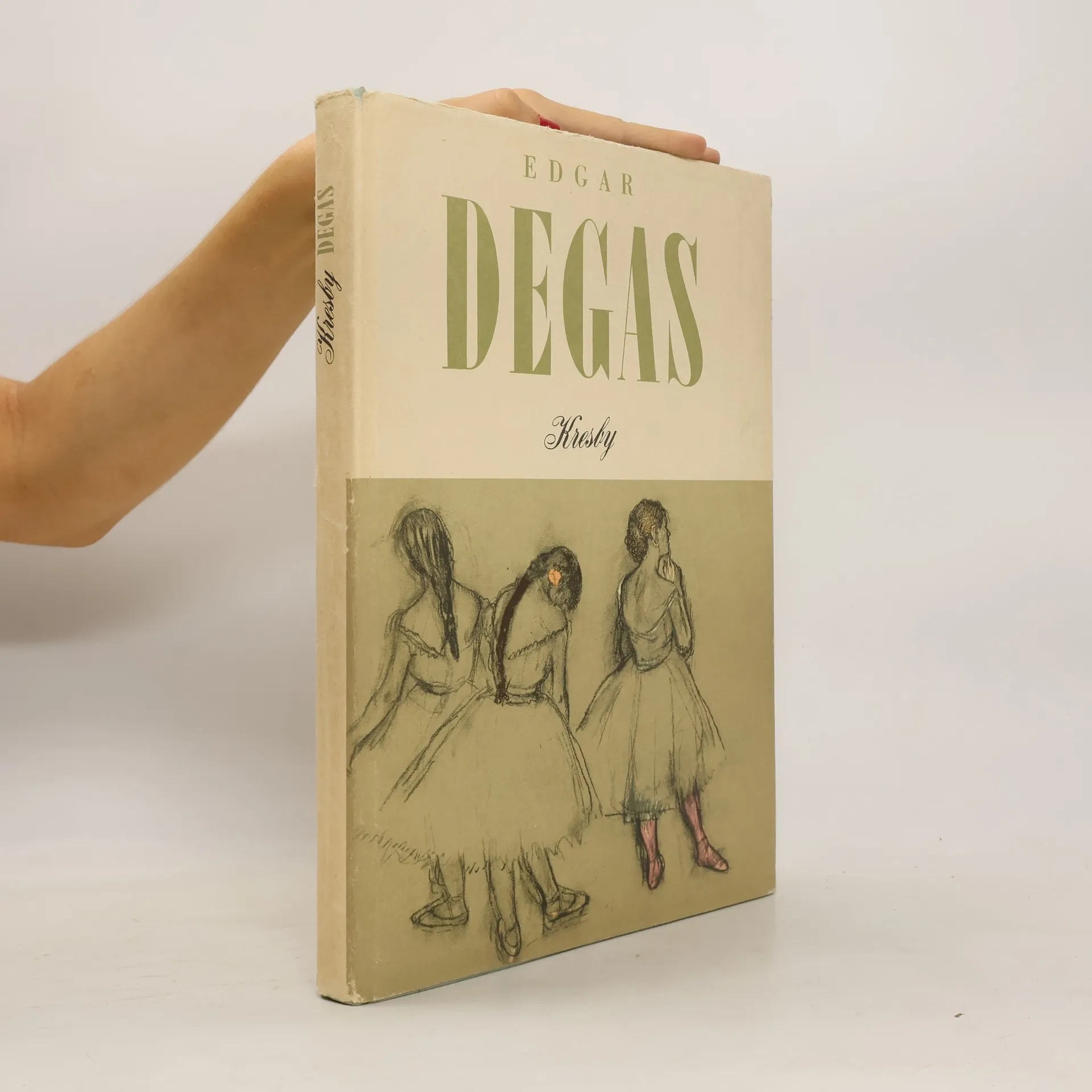
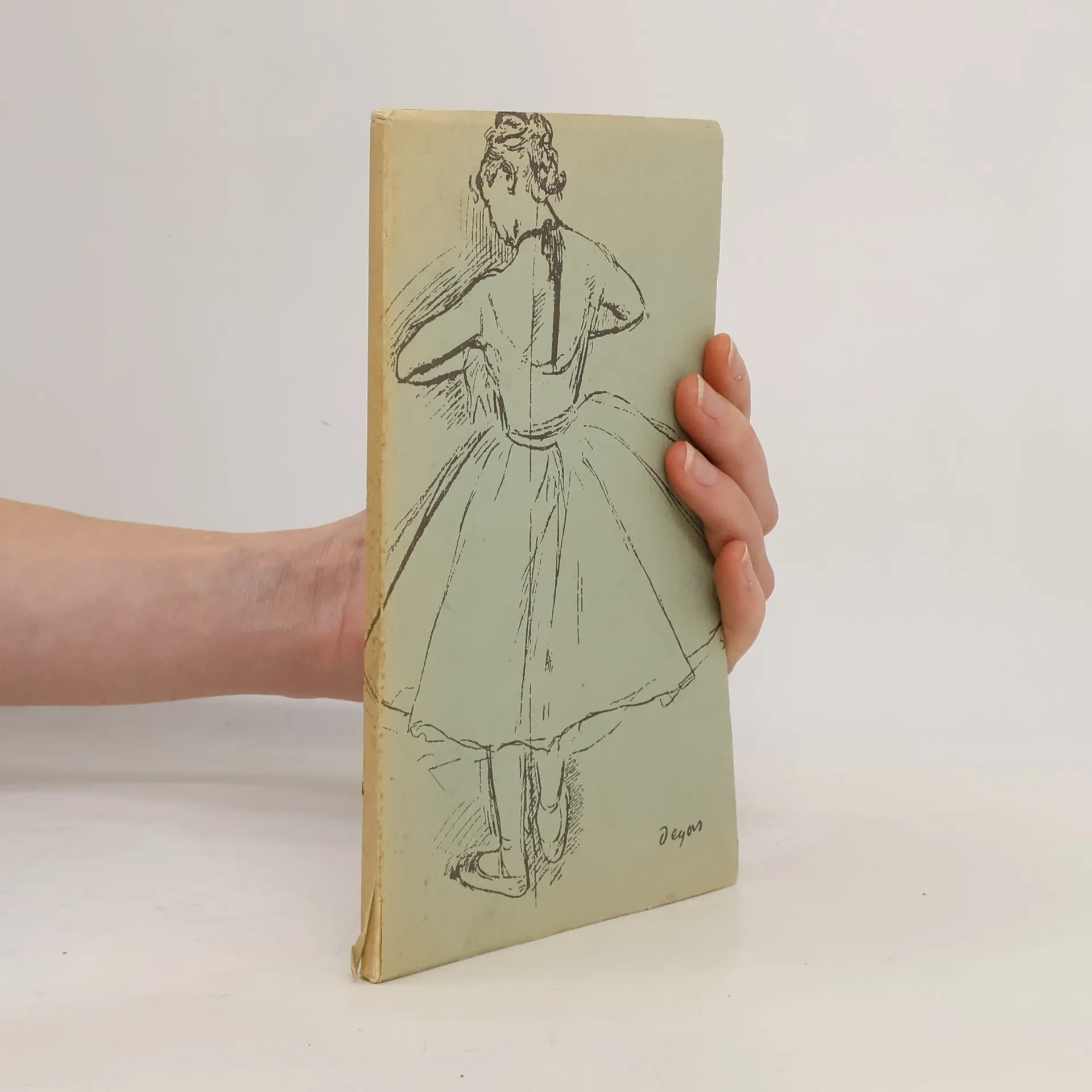
The complete sculptures of Edgar Degas
- 224 pages
- 8 hours of reading


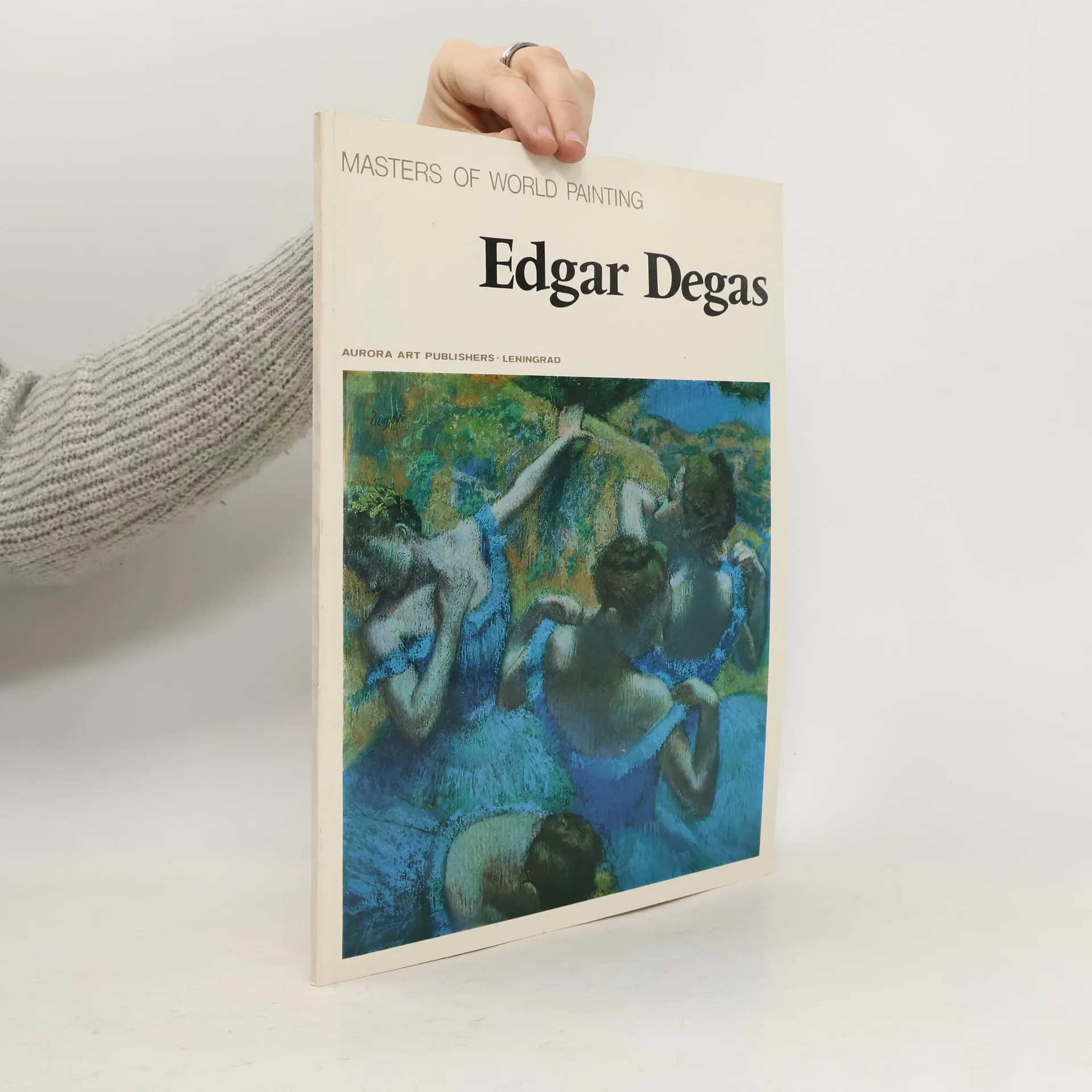
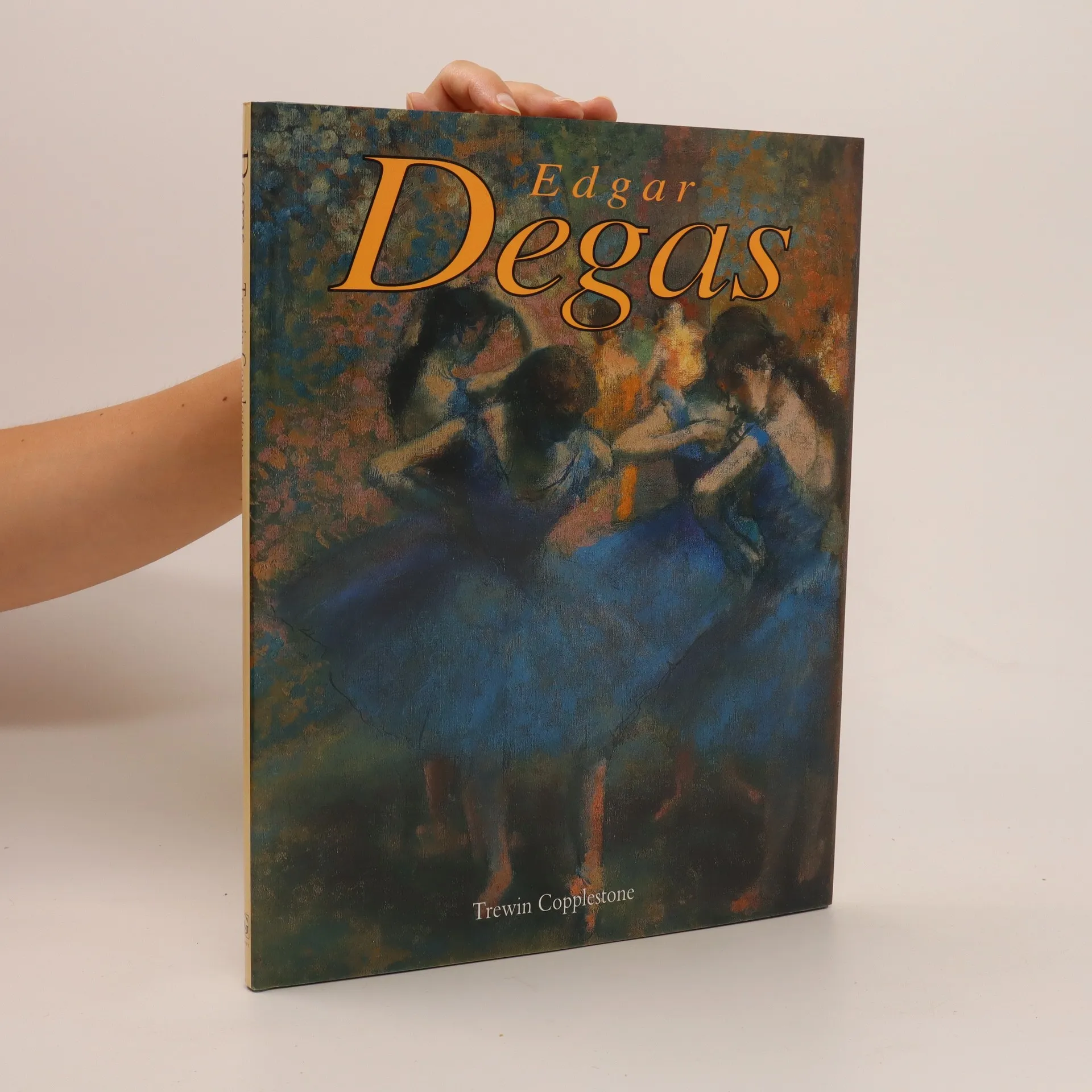
Edgar Degas was a French artist renowned for his masterful depictions of movement, particularly in his paintings of dancers, racehorses, and nudes. While considered a founder of Impressionism, he preferred to be called a realist. His ambition shifted from history painting to capturing contemporary life with classical techniques. His portraits are celebrated as some of the finest in art history, showcasing his superb draughtsmanship and unique artistic vision.


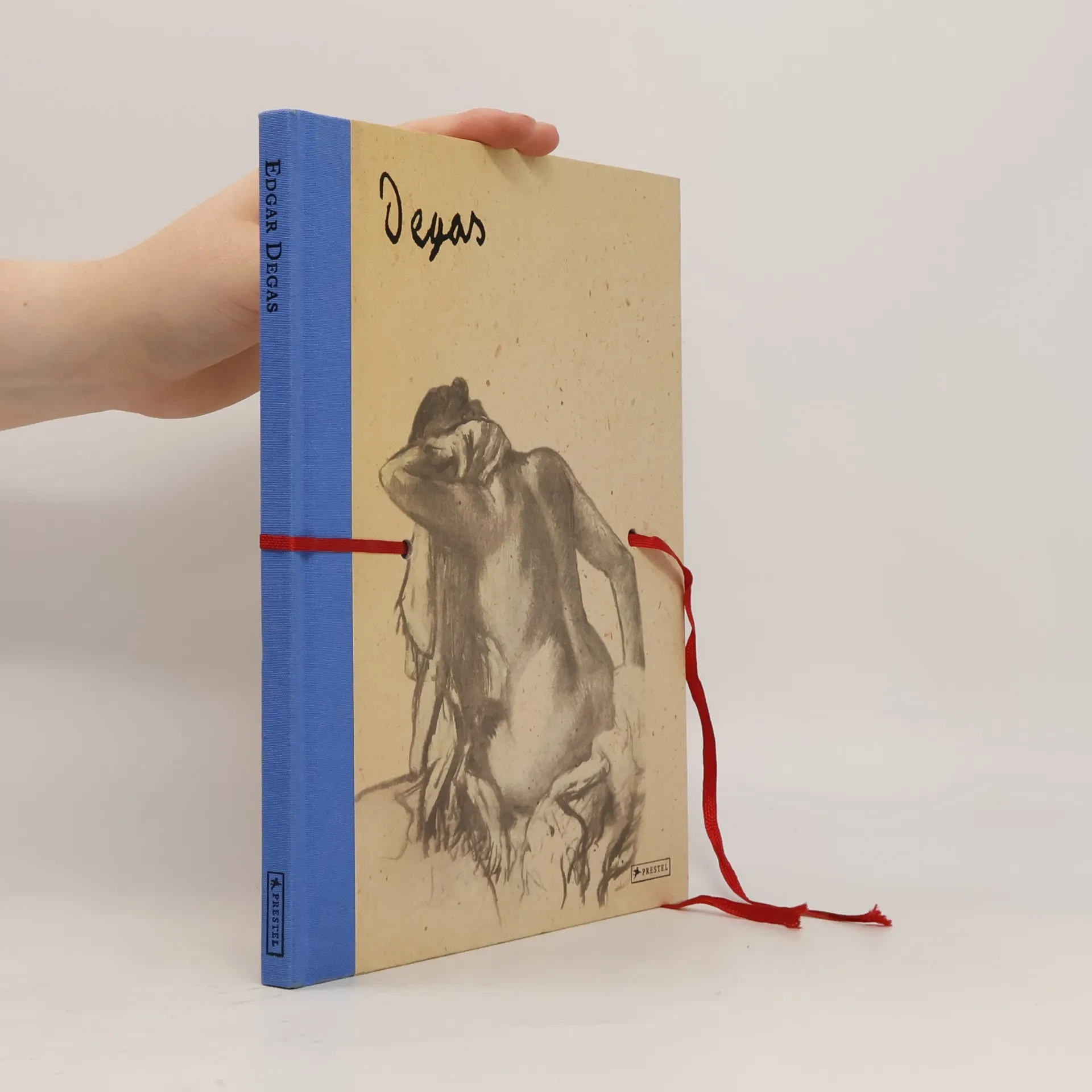
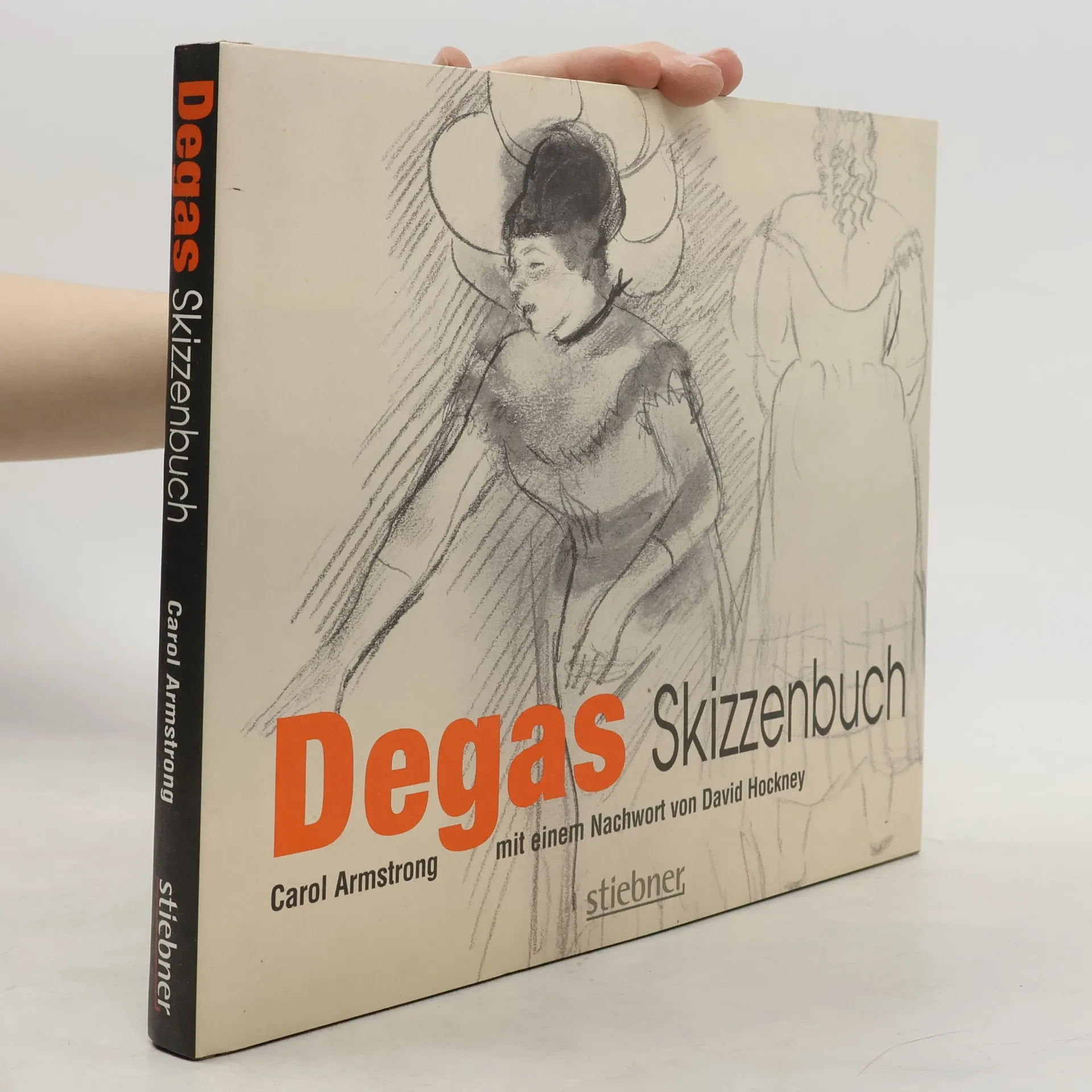
Der neue Band der erotischen Skizzenbücher zeigt über 30 selten gezeigte Aktstudien des französischen Ballett-Malers Edgar Degas. Er war ein geradezu körpervernarrter Frauenmaler, der mit seinen erotischen Skizzen, die er überwiegend in den Pariser Bordellen anfertigte, freimütige und selbstvergessene Momente seiner Modelle einfing. Nicht zuletzt durch die außergewöhnliche Gestaltung, die an ein Originalskizzenbuch erinnert, wird aus diesem Band ein ganz besonderer Kunstgenuss.
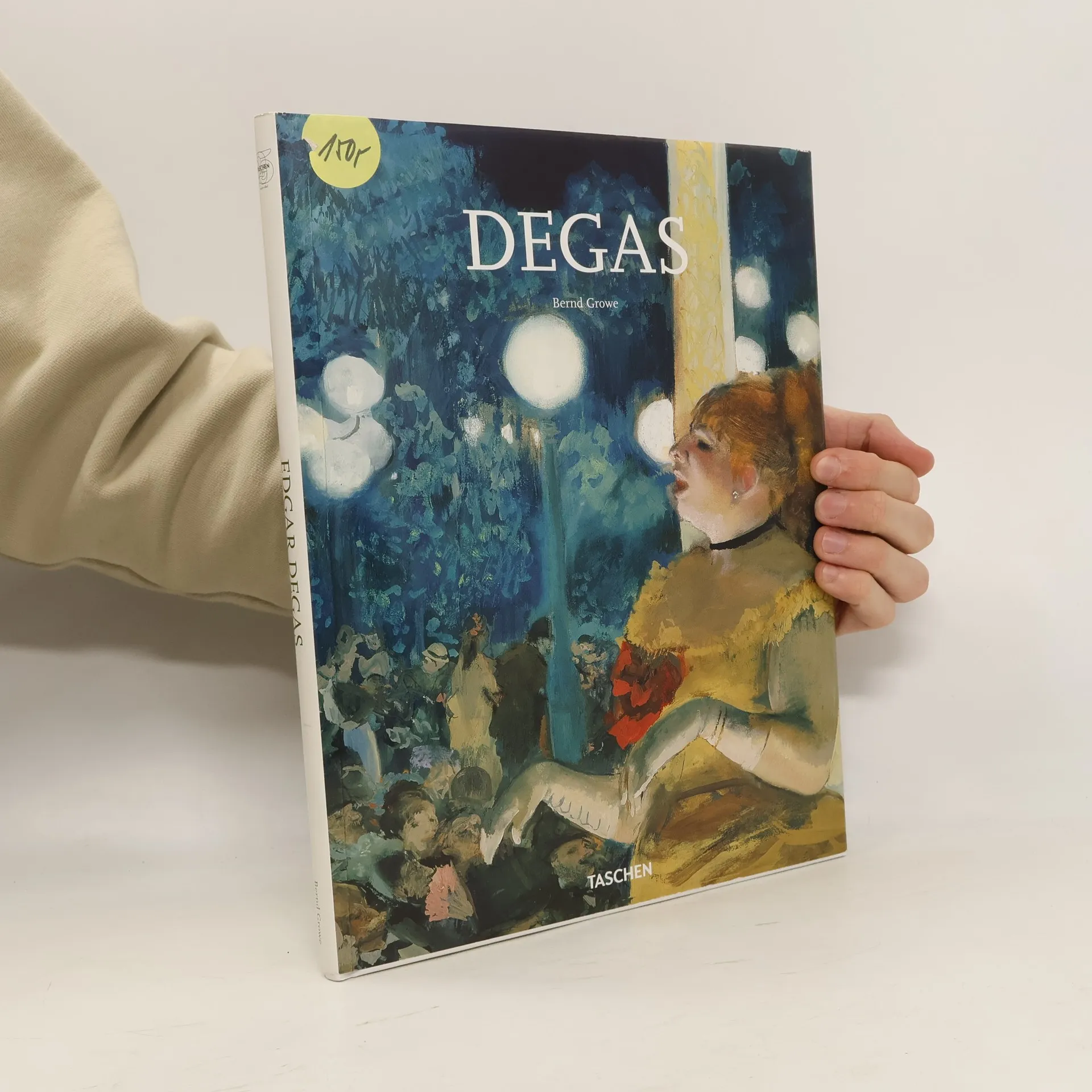
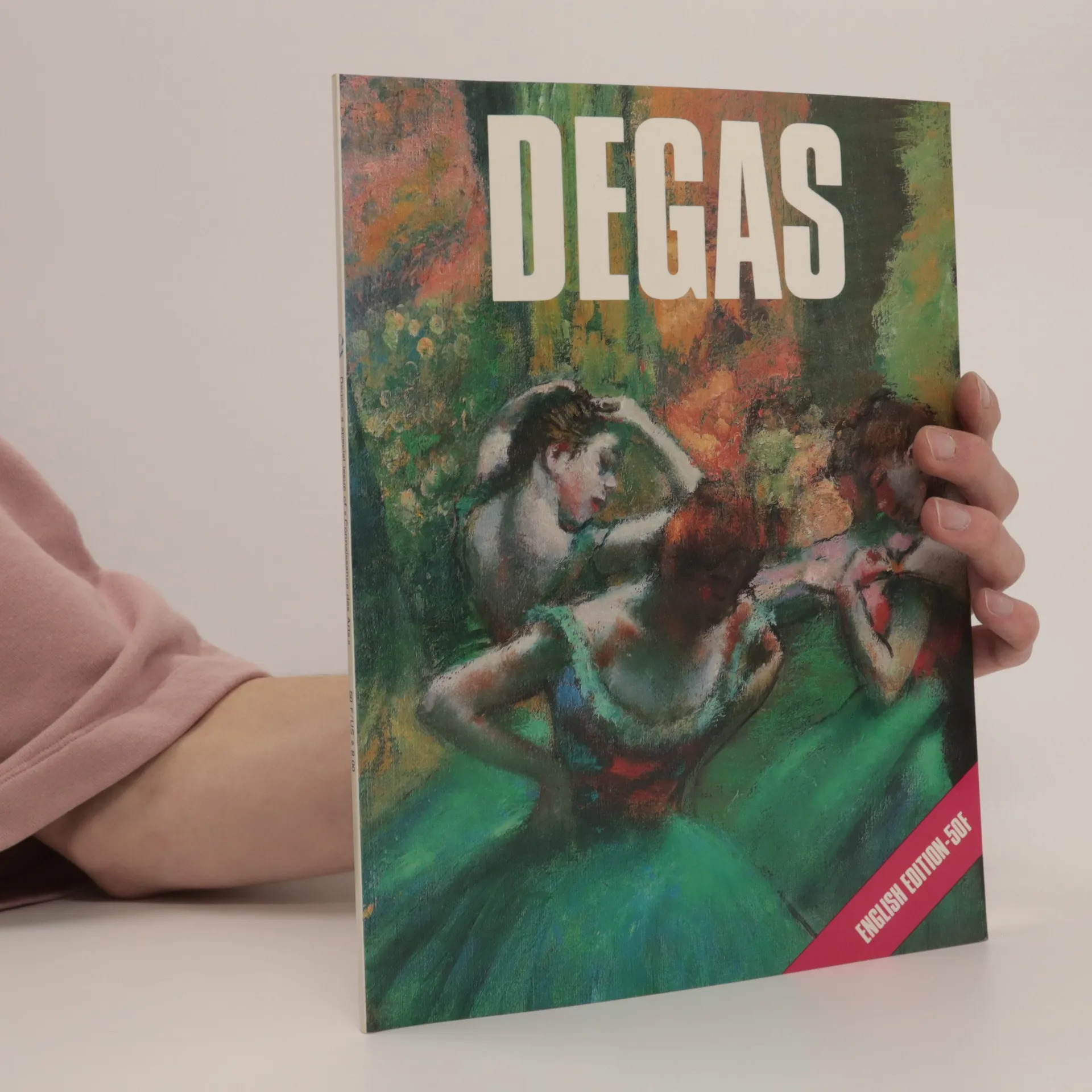
Degas's mastery in the depiction of movement ""No art could be less spontaneous than mine. Inspiration, spontaneity, temperament are unknown to me. One has to do the same subject ten times, even a hundred times over. In art, nothing should look like chance, not even movement.""—Edgar Degas In terms of both theme and technique, the key to understanding the early work of Edgar Degas (1834–1917) is classical painting. Although he was eventually associated with the Impressionists and even participated in their joint exhibitions, Degas never adopted a purely Impressionist approach. Degas's work, reflecting an extremely personal and psychological perspective, emphasizes the scenic or concentrates on the detail. Thus, Degas's painting is often discussed with reference to the rise of short-exposure photography. Thematically, nature proved less interesting to the artist than the life and inhabitants of the modern metropolis. Degas primarily sought his motifs at the race track or circus, in bedrooms, or in ballet salons—and dancers always remained his favorite theme. About the Series: Every book in TASCHEN's Basic Art Series features: a detailed chronological summary of the artist's life and work, covering the cultural and historical importance of the artist approximately 100 color illustrations with explanatory captions a concise biography
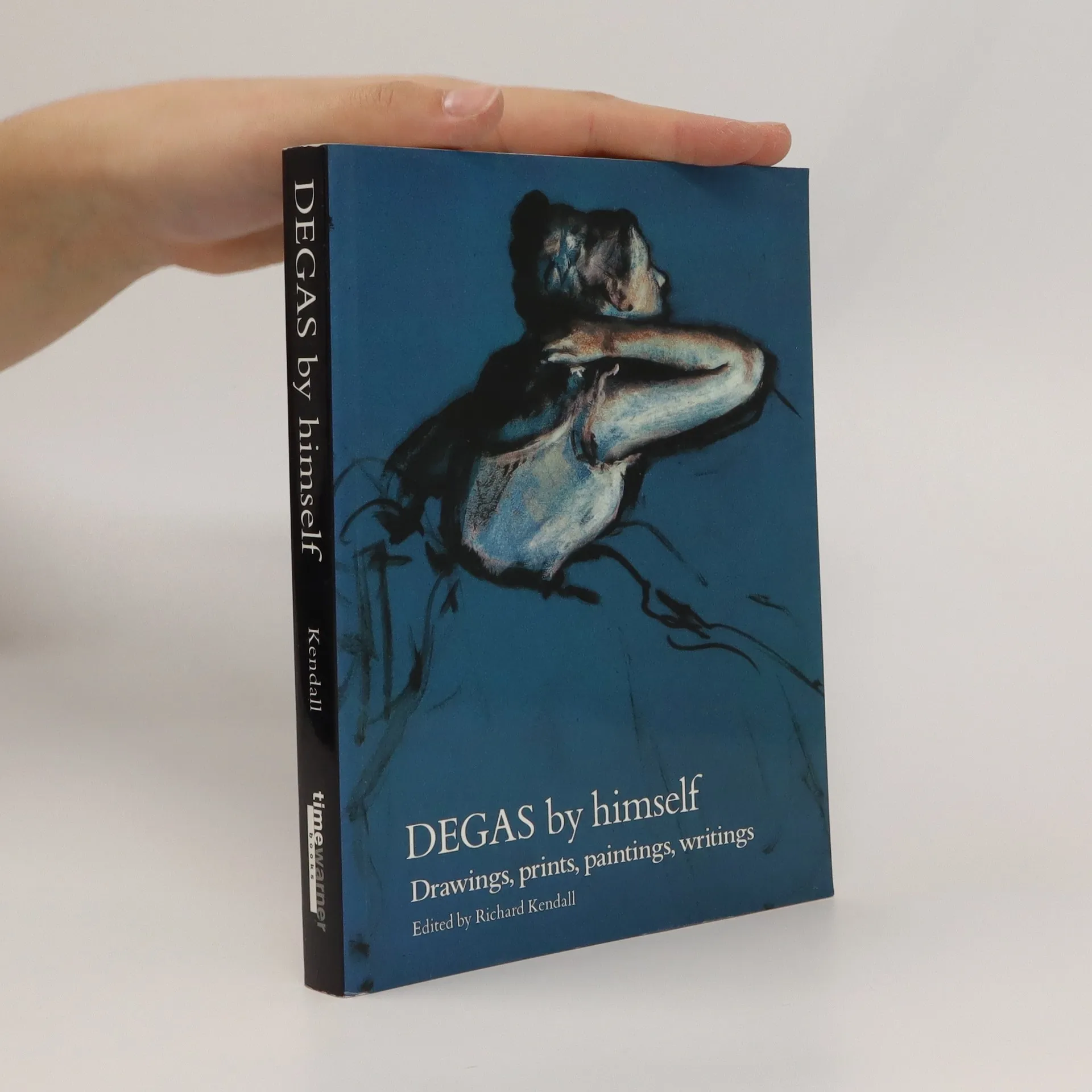
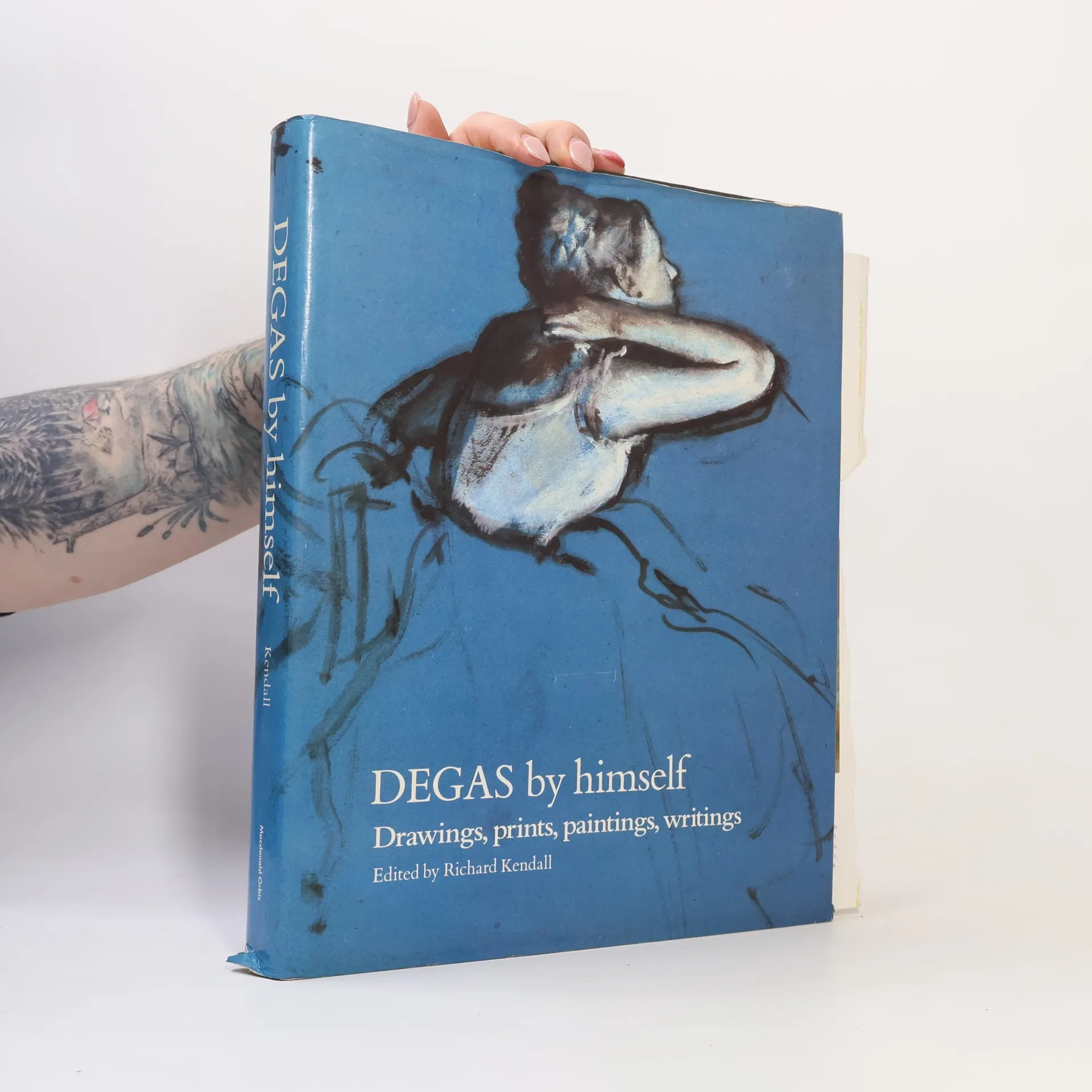
Including more than two hundred full-color reproductions of his famous works and a collection of writings from his diaries and textbooks, a portrait of Degas reveals his discipline, intense self-criticism, artistic struggles, and reflective side.
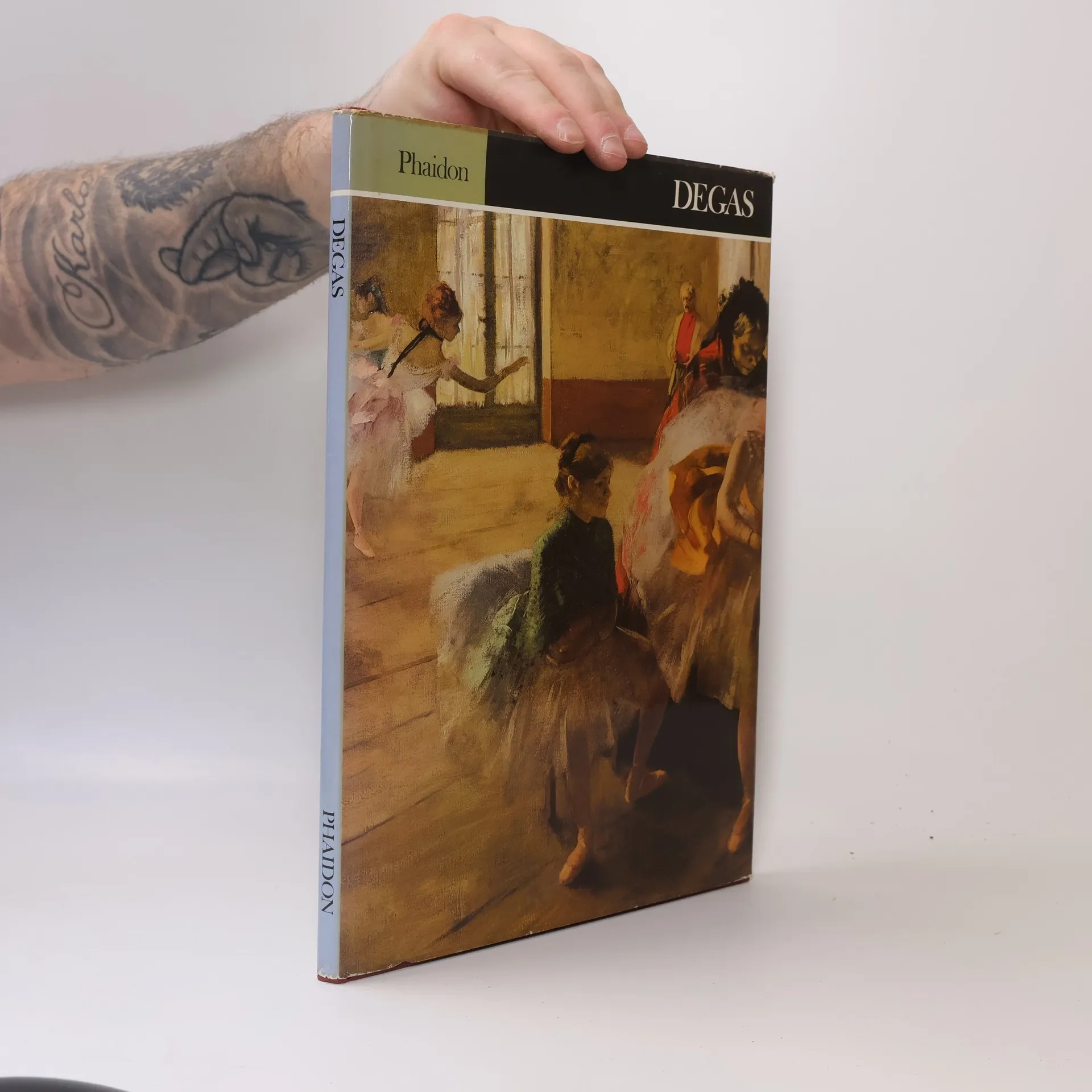
EDGAR DEGAS (1834-1917) became a professional painter through a change in his family's fortunes. He grew up the privileged son of wealthy and cultured parents and despite his interest in art was destined for a career in law until the failure of the family bank. More than any of his famous contemporaries, while possibly excluding Manet, Degas was a traditionalist painter. He was dismissive of the Impressionist technique as a method, although he participated in most of the group's early exhibitions. As a result, he is more closely allied in popular understanding with Impressionism than he himself ever wished to be. Best known for his paintings of ballet Dancers, Degas was an urbane and savagely witty man, choosing his subjects from the cultured society life of Paris in which he was a well known figure.
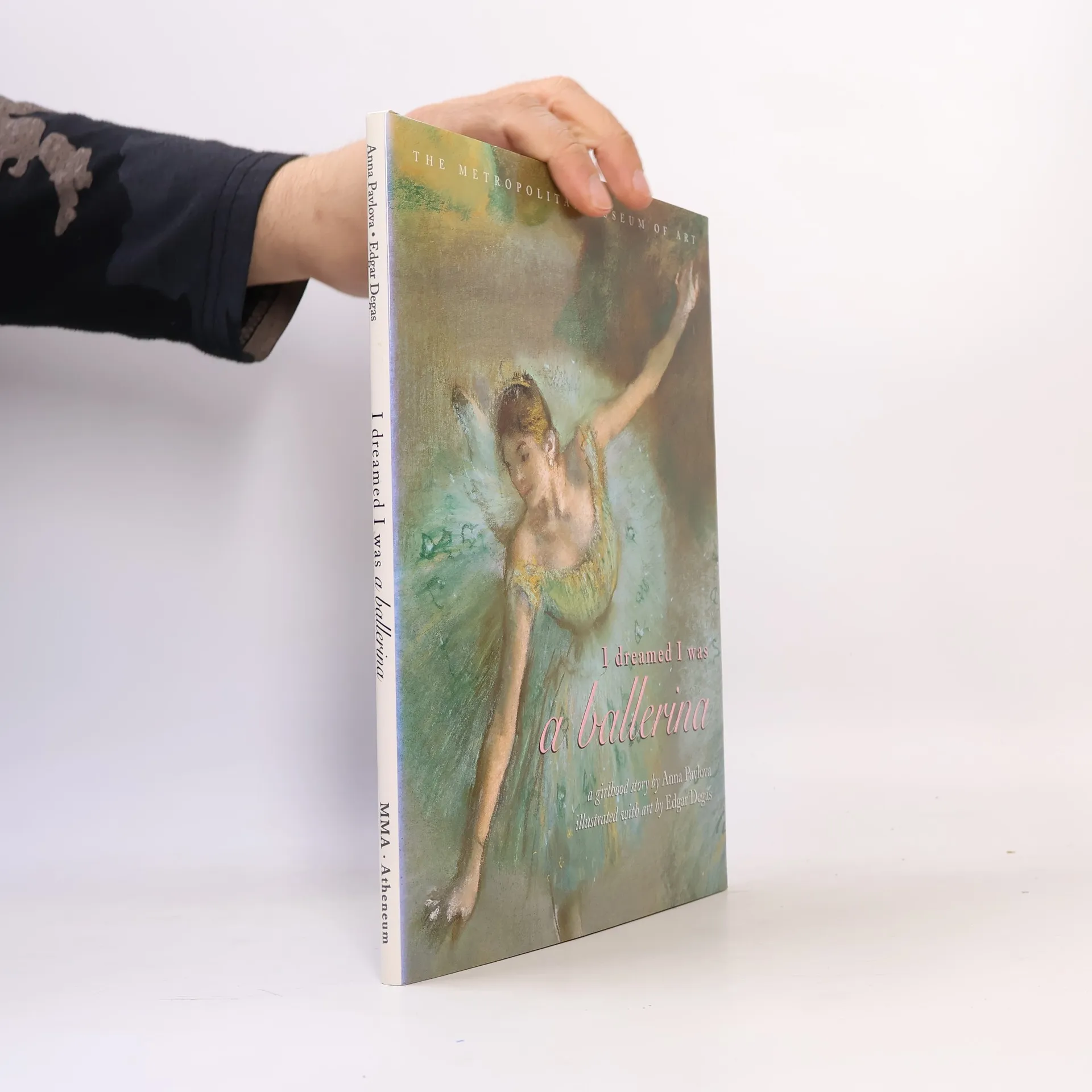
Enhanced with paintings from Impressionist Edgar Degas, Anna Pavlova's story of becoming a ballerina and her passion toward the dance are expressed in this brilliantly illustrated picture book.
16 Art Stickers (Fine Art Stickers)
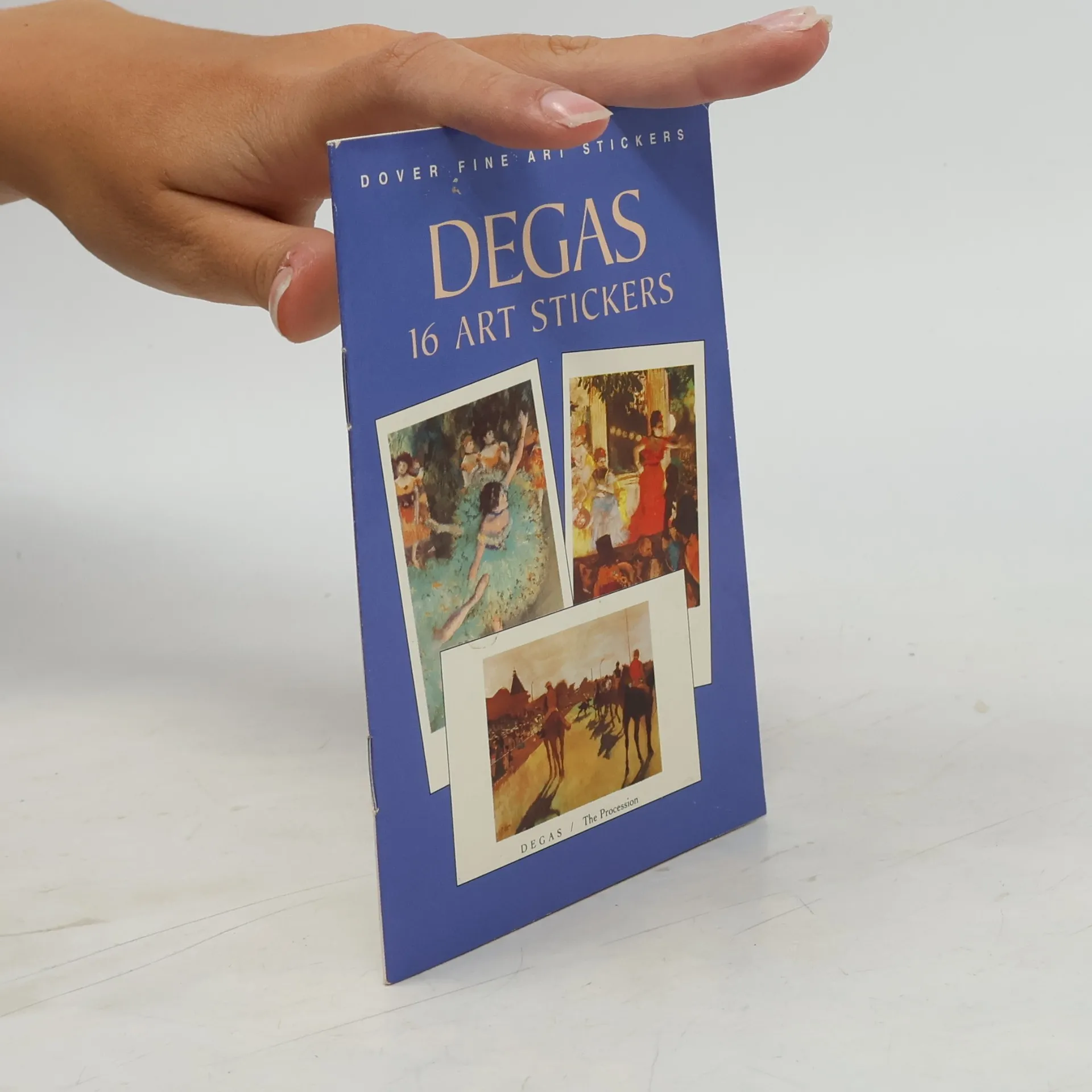
This splendid collection of artworks in miniature spotlights the talents of one of the most important―and popular―French artists of the 19th century. Sixteen of Edgar Degas's most famous paintings, appearing here in sticker format, include The Dance Examination, After the Bath, Ballet Dancers on the Stage, Singer with a Glove, L'Absinthe, and 11 others. Perfect for enhancing stationery items or simply adding to a personal collection, these stunning reproductions will delight lovers of fine art and admirers of works by this major Impressionist. Original Dover (1998) publication.
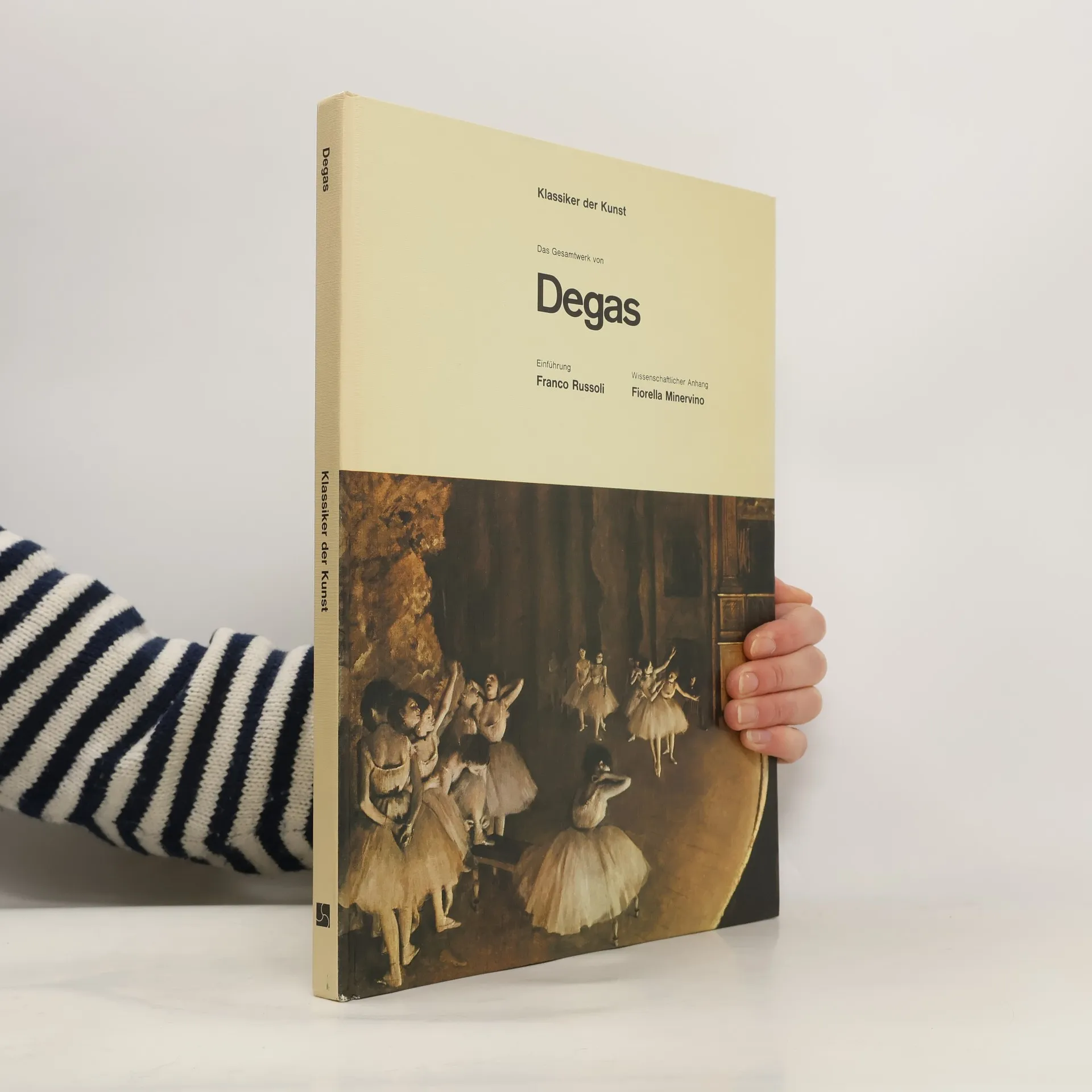
Degas's scenes of the ballet seem to summarize the vitality and the fragile glamour of the modern spectacle. The text which accompanies the illustrations looks at Degas's varied use of media and discusses the in-between world of theatre wings where fact and fiction collide.
RO60110628. DEGAS AS A COLLECTOR. 1996. In-4. Broché. Bon état, Couv. convenable, Dos satisfaisant, Intérieur frais. 77 pages. Photo en couleur en frontispice. Illustré de nombreuses photos en couleur et en noir et blanc, dans et hors texte. Texte sur 3 colonnes.. . . . Classification Dewey : 420-Langue anglaise. Anglo-saxon
Martigny, Suisse, 19 juin-21 novembre 1993
paper back copy, excellent book
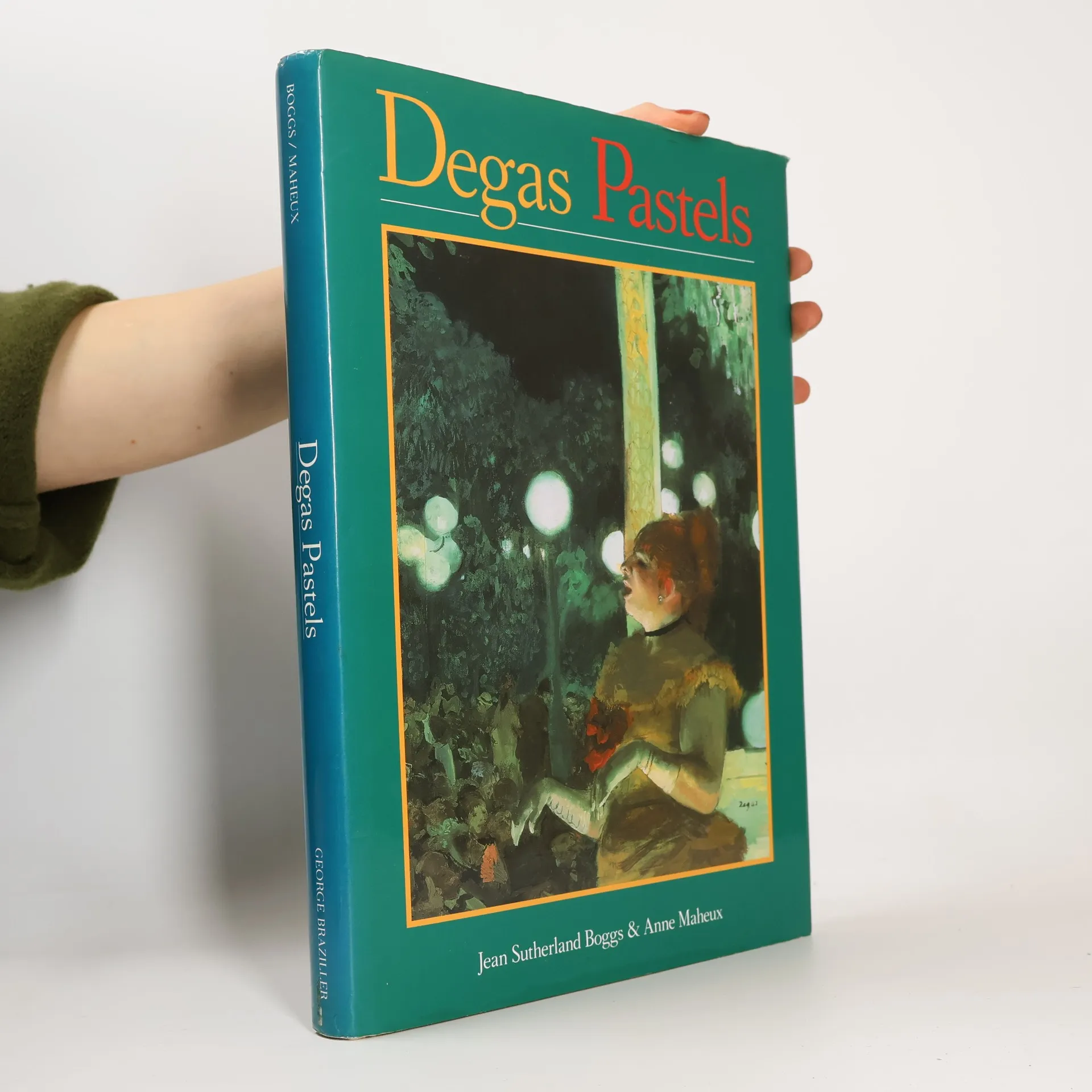
This book includes seventy reproductions of pastels from various collections worldwide as well as essay with historical context,and the working methods and materials that Degas employed, focusing on innovative techniques that incorporated the use of fixative and of the pastel medium wet.
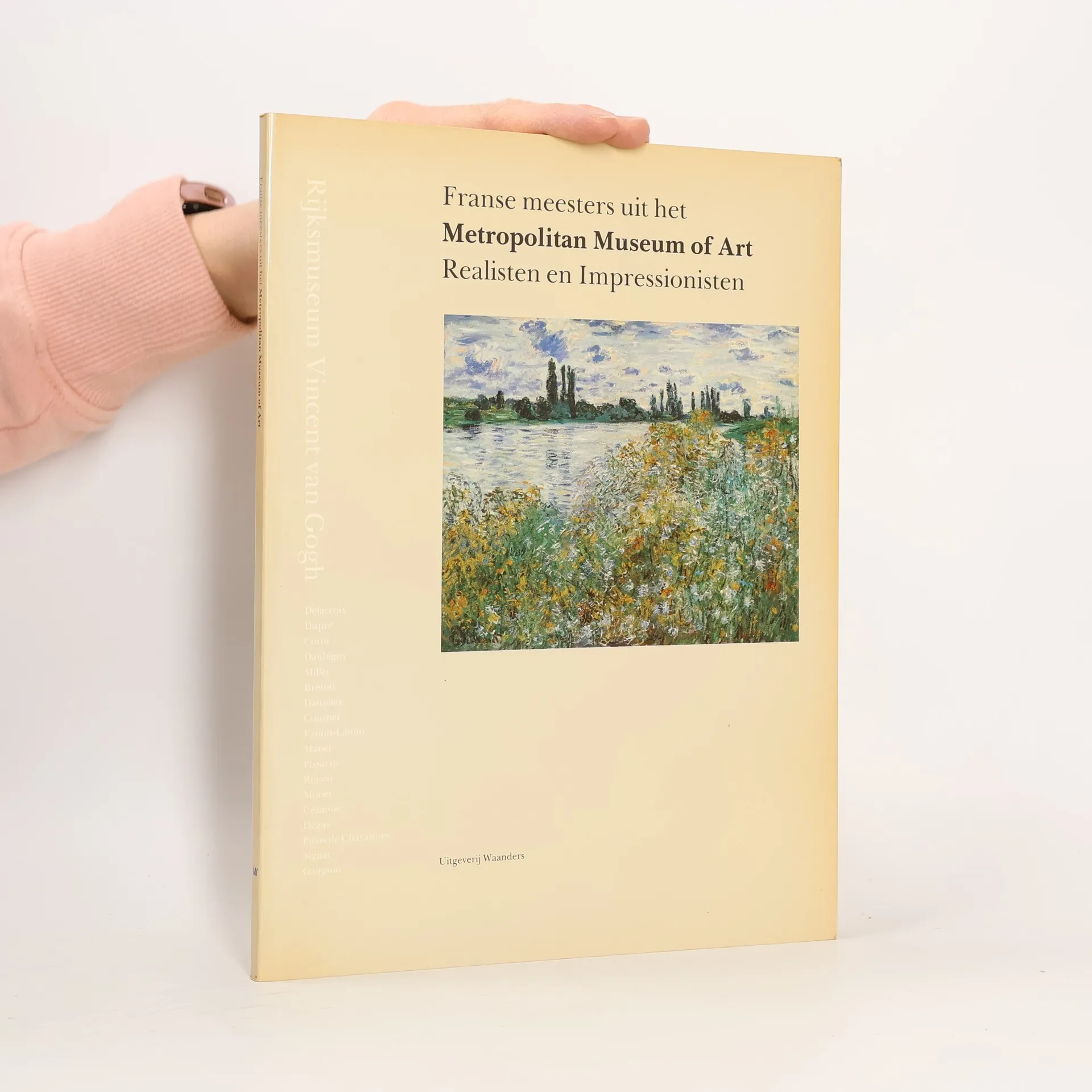
Realisten en Impressionisten
Catalogus met uitgebreide beschrijvingen van de tentoongestelde schilderijen.
Explores Degas' artistic personality and personal interests and reproduces examples of his work.
Reproduces works of a major nineteenth-century artist, who did much to synthesize classical themes, modern subjects, and Impressionist technique
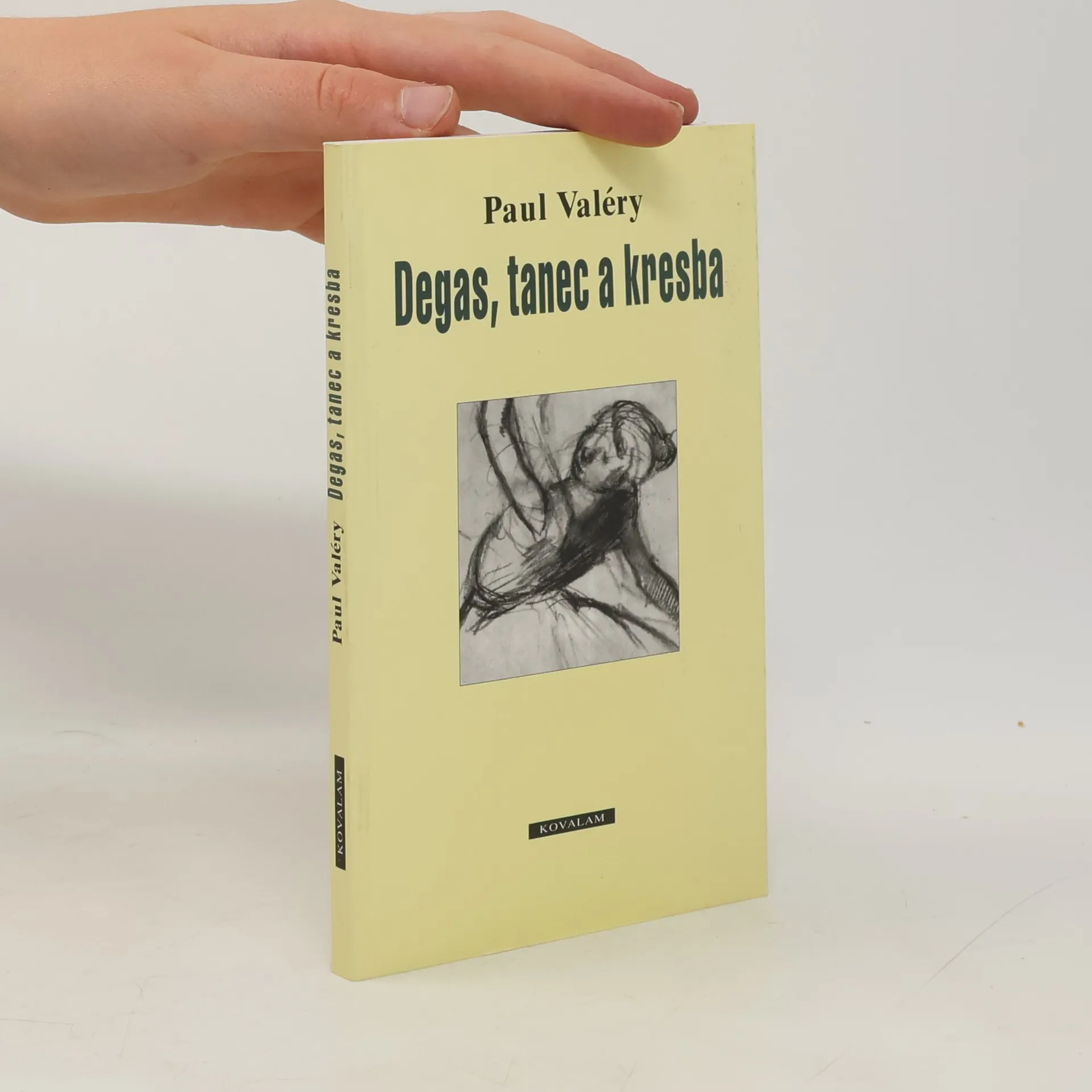
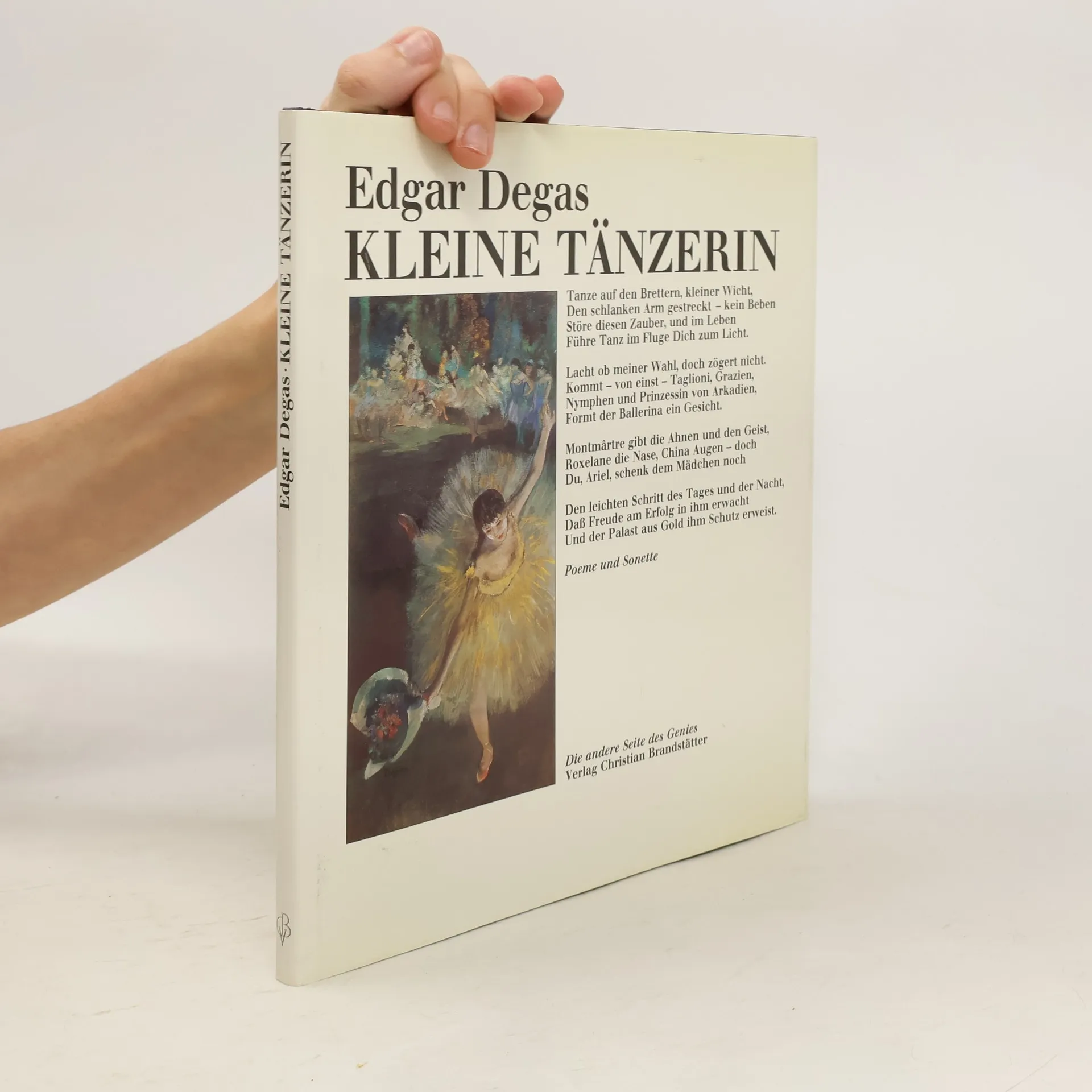
Sbírka obsahuje přibližně jednu třetinu sonetů v originále i v překladu, které doprovázejí reprodukce obrazů autora, čelného představitele francouzského impresionismu v malířství a sochařství. Podobně jako jeho výtvarné dílo zachycují i básně především svět divadla, tanečnic a koňských závodišť, viděný malířovými smysly, vnímajícími hlavně pohyb, barvy a světla.
Svazek 40
Kunstmuseum Bern