"Knowing how we know" is the subject of this book. Its authors present a new view of cognition that has important social and ethical implications, for, they assert, the only world we humans can have is the one we create together through the actions of our coexistence. Written for a general audience as well as for students, scholars, and scientists and abundantly illustrated with examples from biology, linguistics, and new social and cultural phenomena, this revised edition includes a new afterword by Dr. Varela, in which he discusses the effect the book has had in the years since its first publication.
Humberto R. Maturana Books
September 14, 1928 – May 6, 2021
Humberto Maturana, a Chilean biologist, is recognized as a significant figure in second-order cybernetics. Alongside Francisco Varela and Ricardo B. Uribe, he coined the term "autopoiesis" to describe the self-generating, self-maintaining structures within living systems. His work delves into the biology of cognition, introducing concepts such as structural determinism and structure coupling. Maturana's influential thought has profoundly shaped systems thinking and cybernetics.


From being to doing
- 208 pages
- 8 hours of reading
At the beginning of the last century, physicists revolutionised the scientific view of the world. Today biologists are radically transforming our understanding of the processes of life and cognition. Probing the mysteries of the mind, they have been able to prove that, in the act of knowing, the observer and the observed, subject and object, are inextricably enmeshed. The world we live in is not independent from us; we literally bring it forth ourselves. One of the protagonists of this new kind of thinking is the internationally renowned neurobiologist and systems theorist Humberto R. Maturana who was interviewed for several weeks by Bernhard Poerksen, journalist, and communication scientist. In this book, they explore the limits of our cognitive powers, discuss the truth in perception, the biology of love, and give, all in all, an introduction to systemic thinking that is down to earth, imaginative, and rich in anecdote.
Biologie der Realität
- 390 pages
- 14 hours of reading
Die in diesem Band versammelten Texte repräsentieren die Entwicklung der biologischen Theorie des Erkennens von Humberto R. Maturana. Sein besonderes Interesse gilt dabei der Anatomie und Physiologie des Nervensystems, der Physiologie der Wahrnehmung und dem Phänomen der Erkenntnis. Der von ihm entwickelte Begriff der Autopoiesis und seine Betrachtungsweise der Operationen des Nervensystems als eines geschlossenen Systems sind für die Systemtheorie und den Konstruktivismus von entscheidender Bedeutung.
Die Welt, in der wir leben, ist nicht unabhängig von uns. Wir erschaffen sie gemeinsam im Prozeß des Erkennens und im Verwandeln der Erkenntnis in Sprache. Diese und andere zentrale Thesen seiner Erkenntnistheorie vermittelt der chilenische Biologe Humberto Maturana hier sehr konkret, humorvoll und vorallem leicht verständlich.§
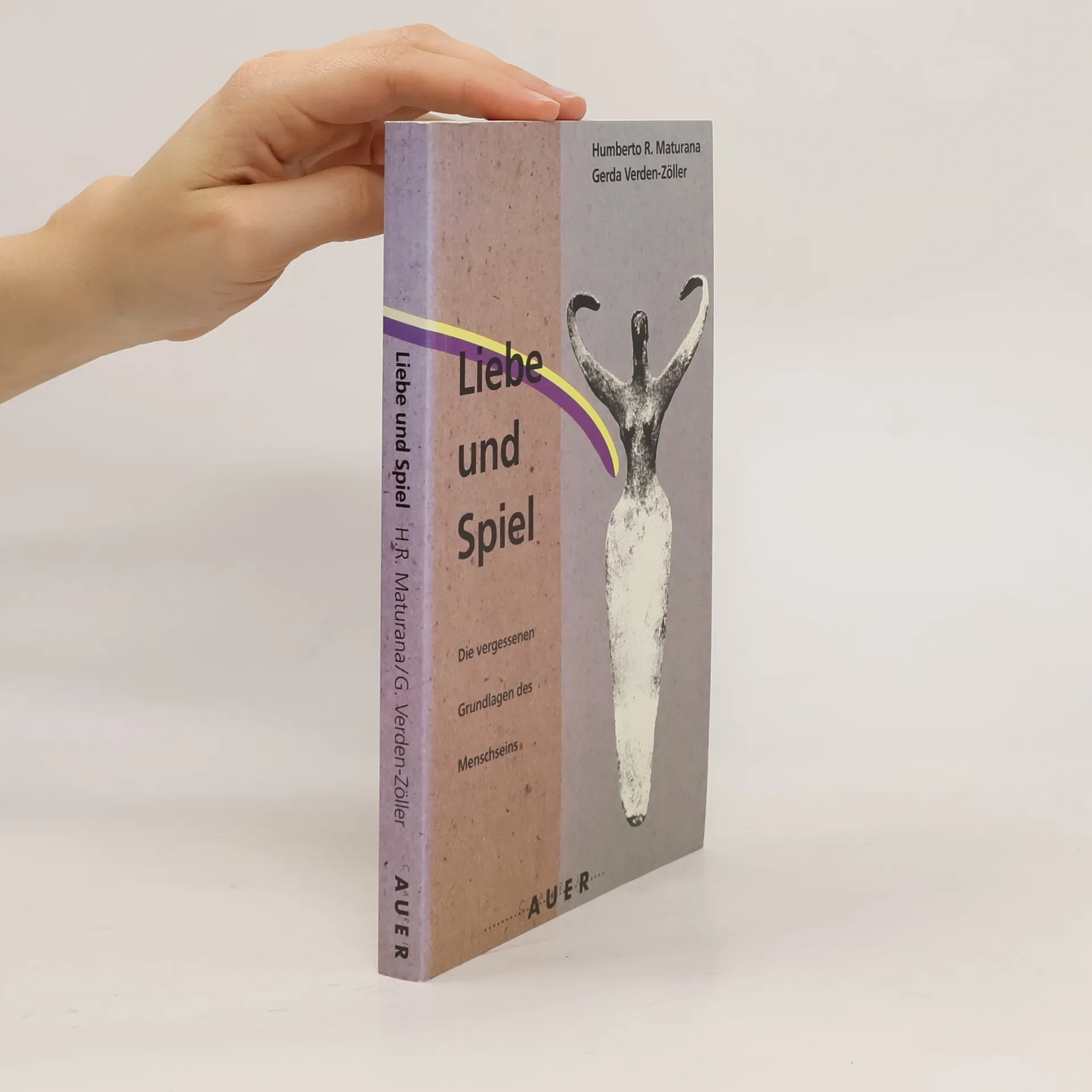
Liebe und Spiel
- 201 pages
- 8 hours of reading
Wir fühlen heute alle, dass wir in gefährlicher Weise gegen die Natur leben, gegen unsere eigene und gegen die Natur unseres Miteinanderumgehens. Die Autoren versuchen diesen beiden Naturen auf die Spur zu kommen. Sie erkennen Liebe und Spiel als die fundamentale Emotion bzw. Tätigkeit, die Menschsein ausmacht.
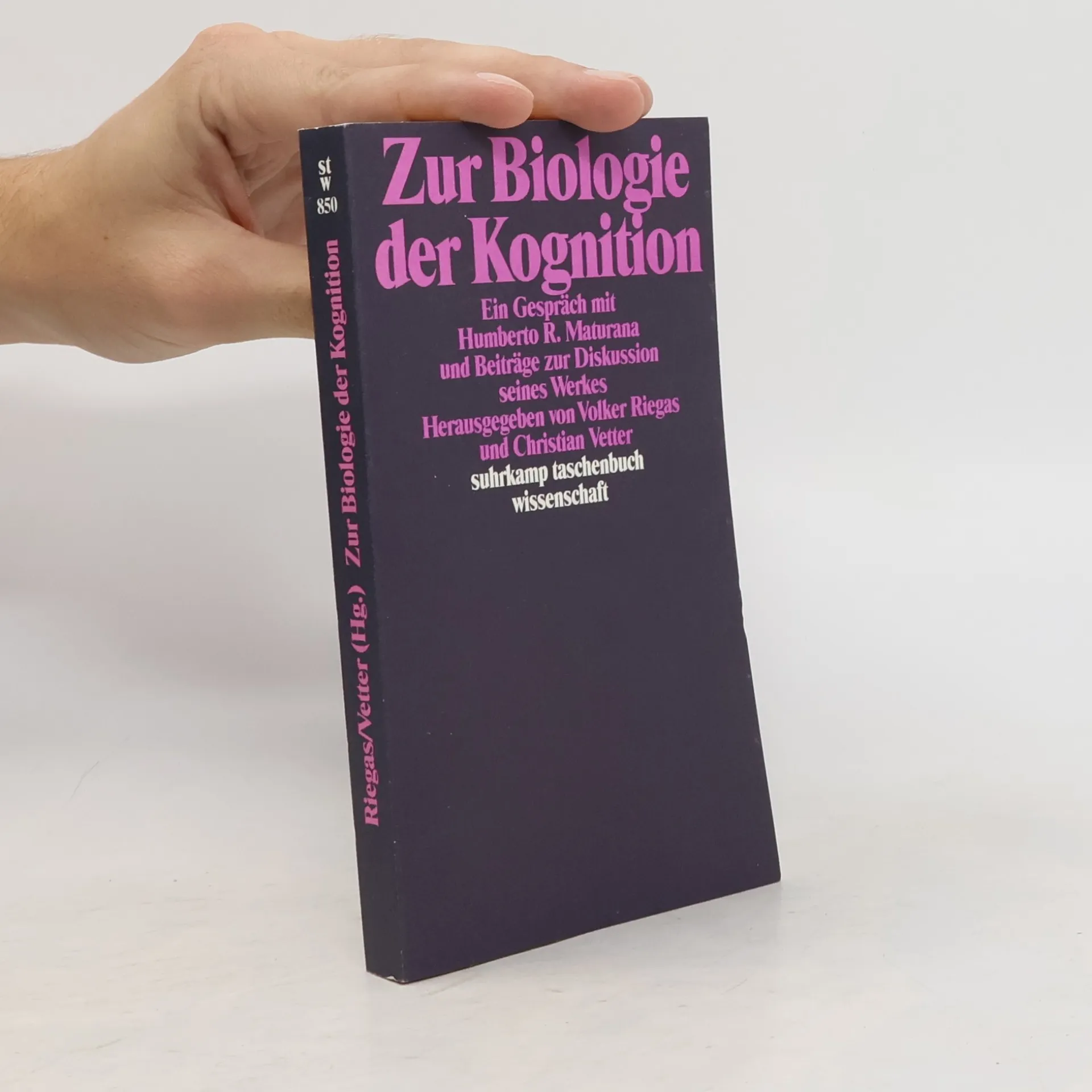
Suhrkamp Taschenbuch Wissenschaft - 850: Zur Biologie der Kognition
Ein Gespräch mit Humberto R. Maturana und Beiträge zur Diskussion seines Werkes
- 343 pages
- 13 hours of reading
Das Werk des chilenischen Neurophysiologen und konstruktivistischen Erkenntnistheoretikers Humberto R. Maturana hat wie fast kein anderes der Gegenwart das Denken zahlreicher Wissenschaftler ganz unterschiedlicher Disziplinen beeinflußt. In dem vorliegenden Band erläutert Maturana selbst in verständlicher Form die grundlegenden Annahmen und Hauptthesen seines Denkens in einem ausführlichen Gespräch mit den beiden Herausgebern. Anhand ausgewählter Beiträge namhafter Autoren wird darüber hinaus ein umfassender Einblick in die aktuelle Diskussion seines Werkes vermittelt.
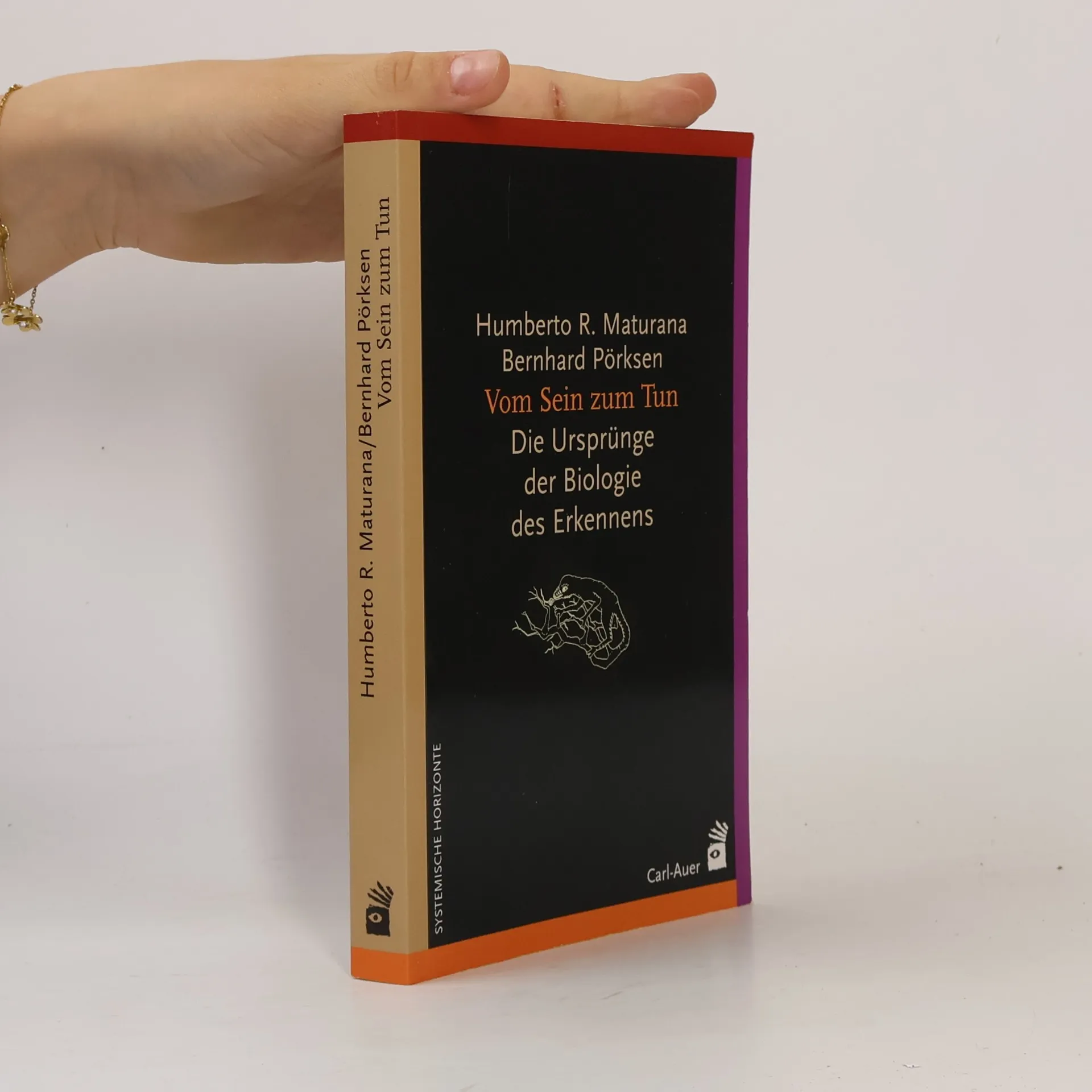
Systemische Horizonte: Vom Sein zum Tun
Die Ursprünge der Biologie des Erkennens
- 223 pages
- 8 hours of reading
„An welcher Stelle auch immer man dieses so gelungene Buch aufschlägt, man wird es bereichert und angeregt wieder schließen.“ Heinz von Foerster. In diesem Werk gelingt es Pörksen, ein lesbares und verständliches Buch zu schaffen; im Interview mit Humberto Maturana wird dessen Leben und Werk auf wertschätzende Weise lebendig. „Verblüffend, verständlich und sehr lesenswert“ (Welt am Sonntag). Maturana, ein bedeutender Neurobiologe und Systemtheoretiker, gehört zu den Protagonisten, die unser Verständnis von Erkenntnis- und Lebensprozessen transformieren. Er zeigt, dass Beobachter und Beobachtetes im Akt des Erkennens untrennbar verbunden sind und dass wir die Welt aktiv hervorbringen. In Gesprächen mit Pörksen erkunden sie die Grenzen unseres Erkenntnisvermögens, diskutieren Wahrnehmung und die Biologie der Liebe und entwerfen eine anschauliche Anleitung zum systemischen Denken. Maturana, der am MIT arbeitete und an der Universität Santiago lehrte, ist Autor zahlreicher Werke, darunter „Der Baum der Erkenntnis“. Pörksen, Professor für Medienwissenschaft, untersucht die Macht der öffentlichen Empörung und die Zukunft der Reputation, und wurde 2008 zum „Professor des Jahres“ gewählt. Seine Publikationen umfassen Essays und wissenschaftliche Arbeiten, die sich mit Kommunikation und Erkenntnistheorie befassen.
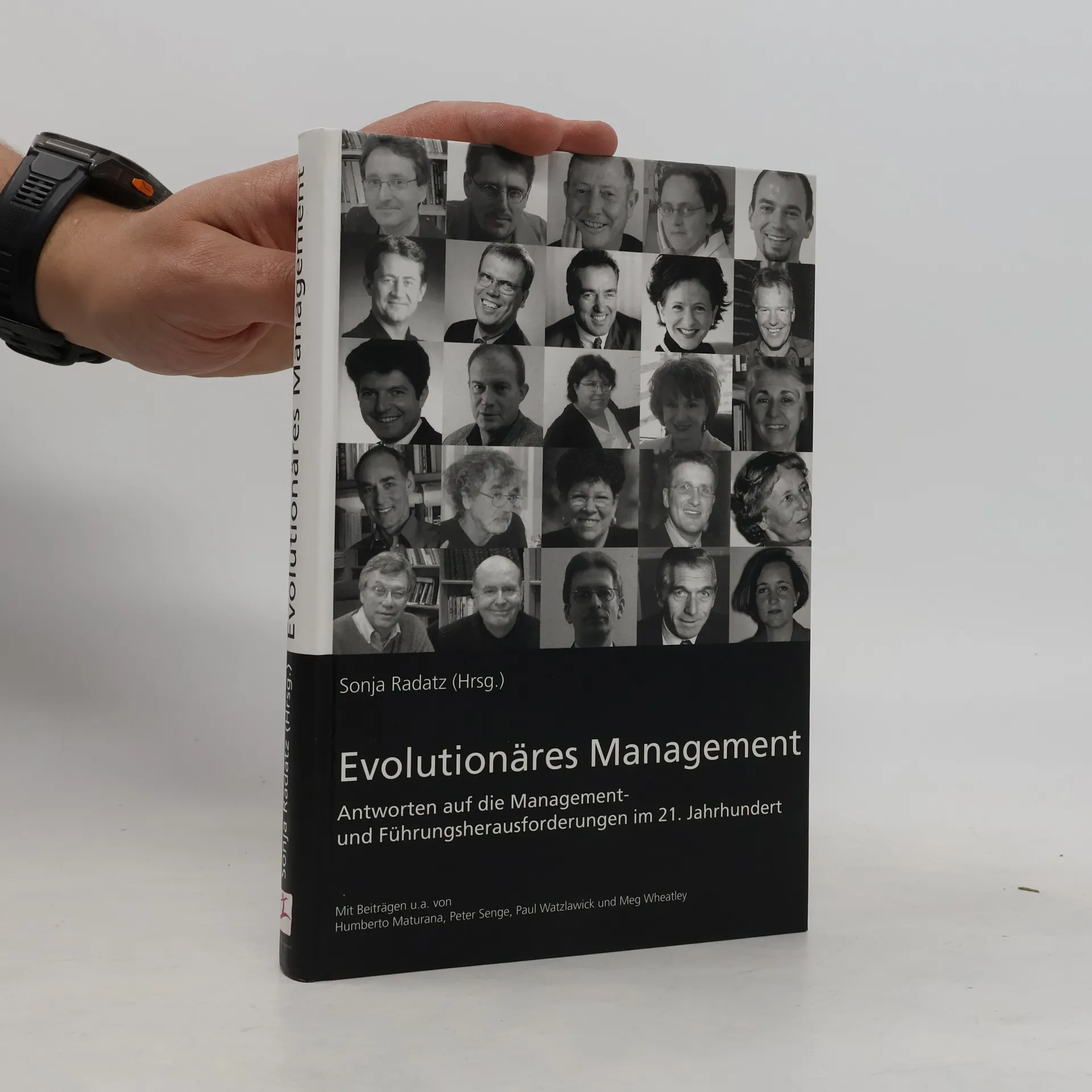
Evolutionäres Management
Antworten auf die Management- und Führungsherausforderungen im 21. Jahrhundert. Mit Beiträgen u.a. von Humberto Maturana, Peter Senge, Paul Watzlawick und Meg Wheatley
- 368 pages
- 13 hours of reading