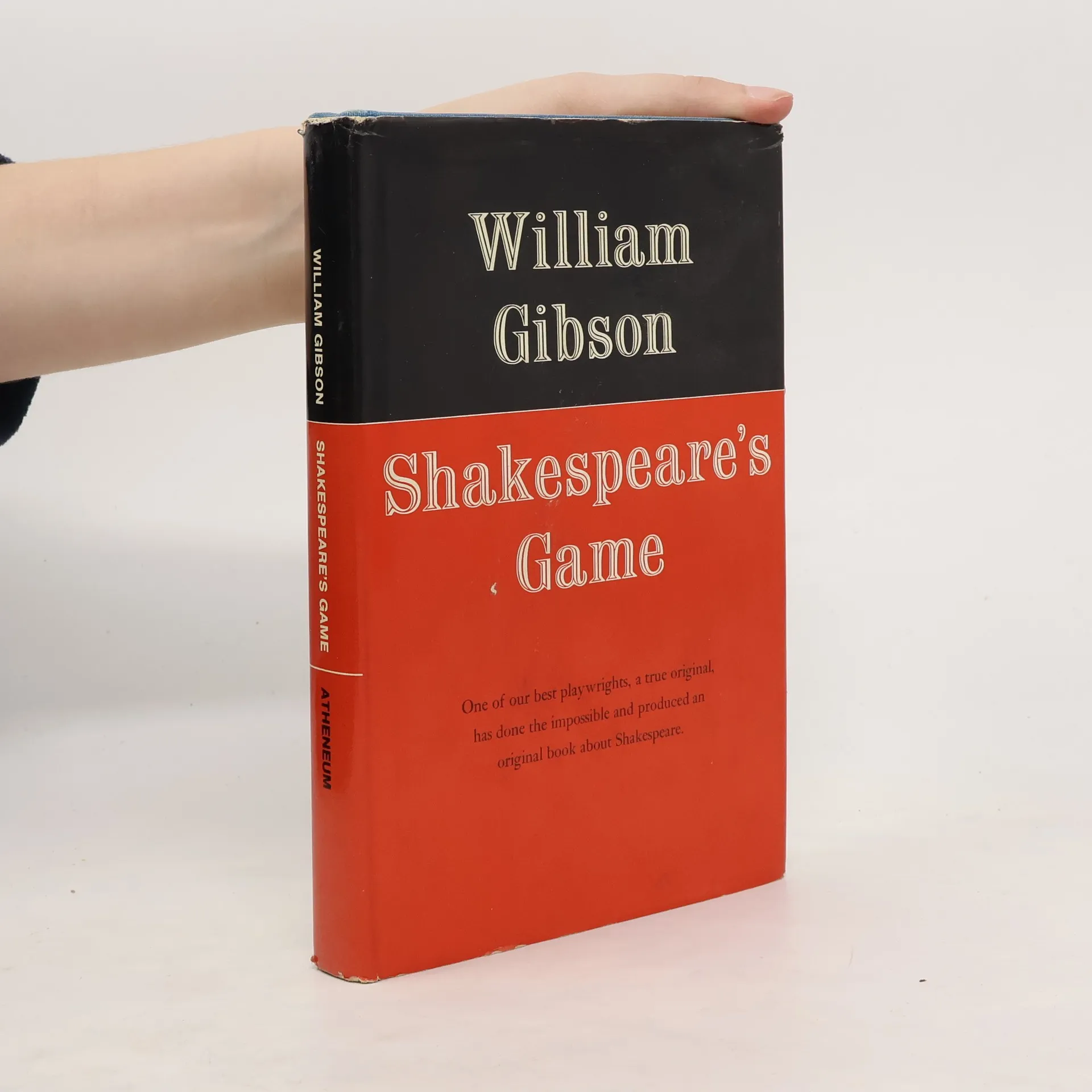
Shakespeare's Game
- 226 pages
- 8 hours of reading
This is not a primer to Shakespeare: not all the plays are discussed in any detail. For the theater department, however, it should be considered indispensable




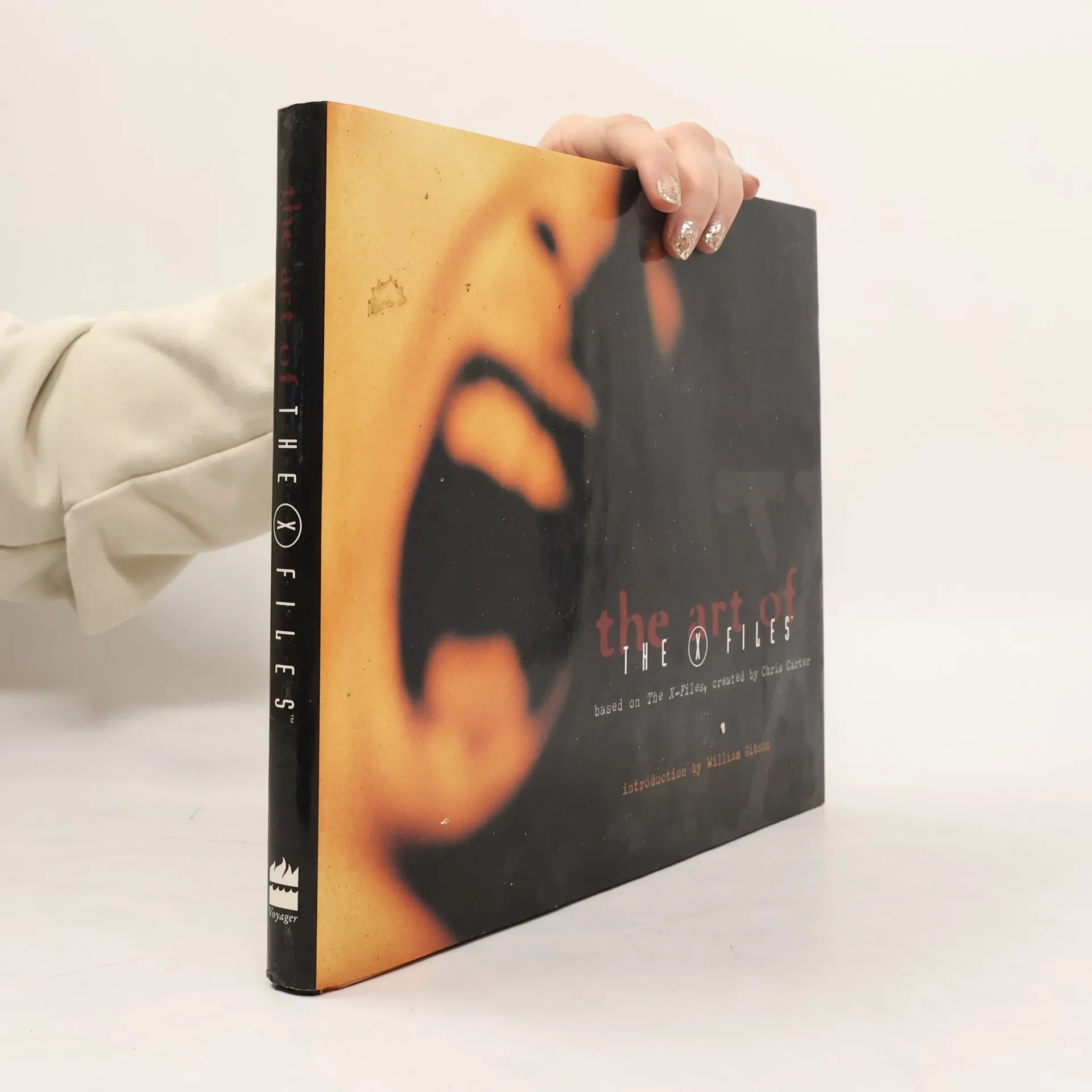
This is not a primer to Shakespeare: not all the plays are discussed in any detail. For the theater department, however, it should be considered indispensable
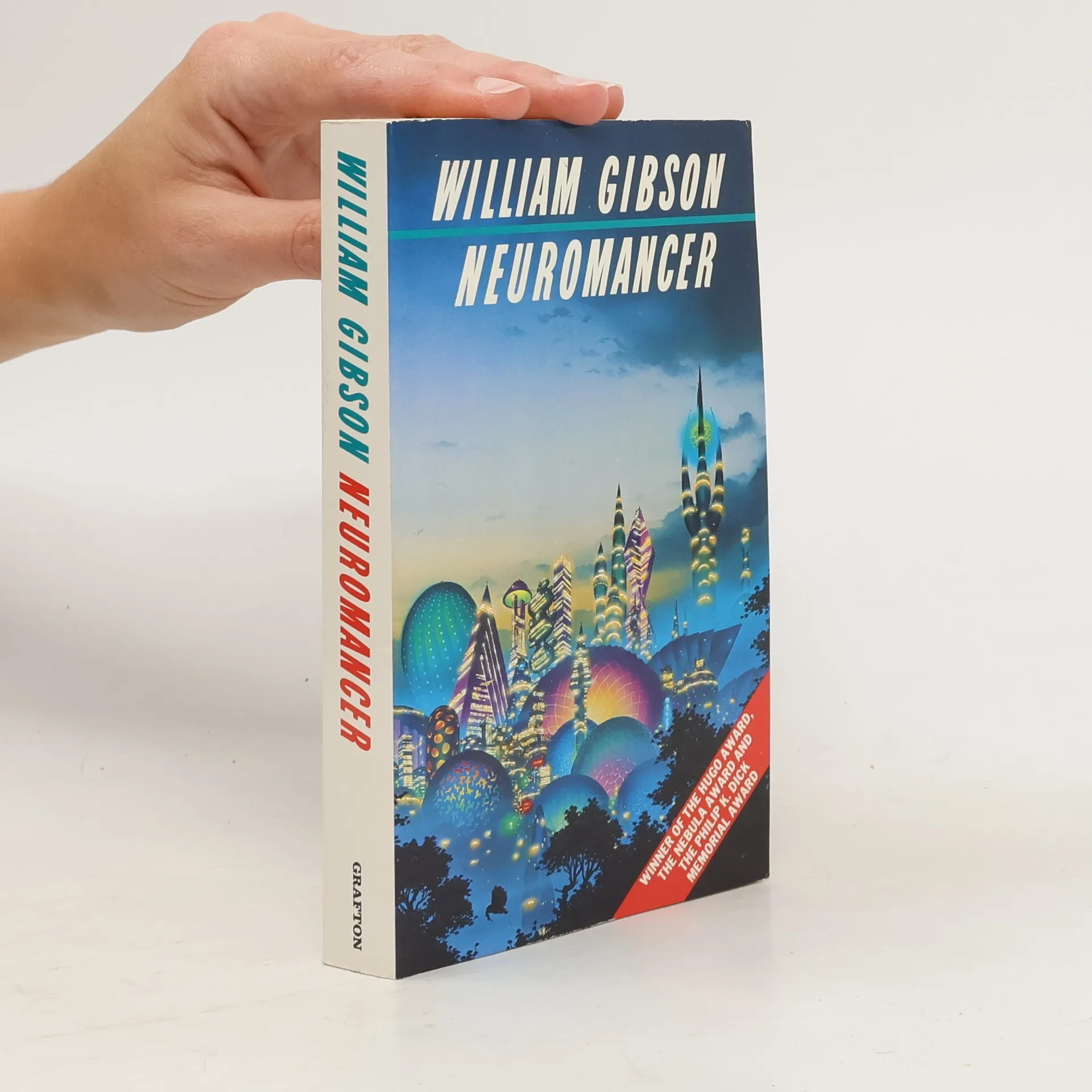
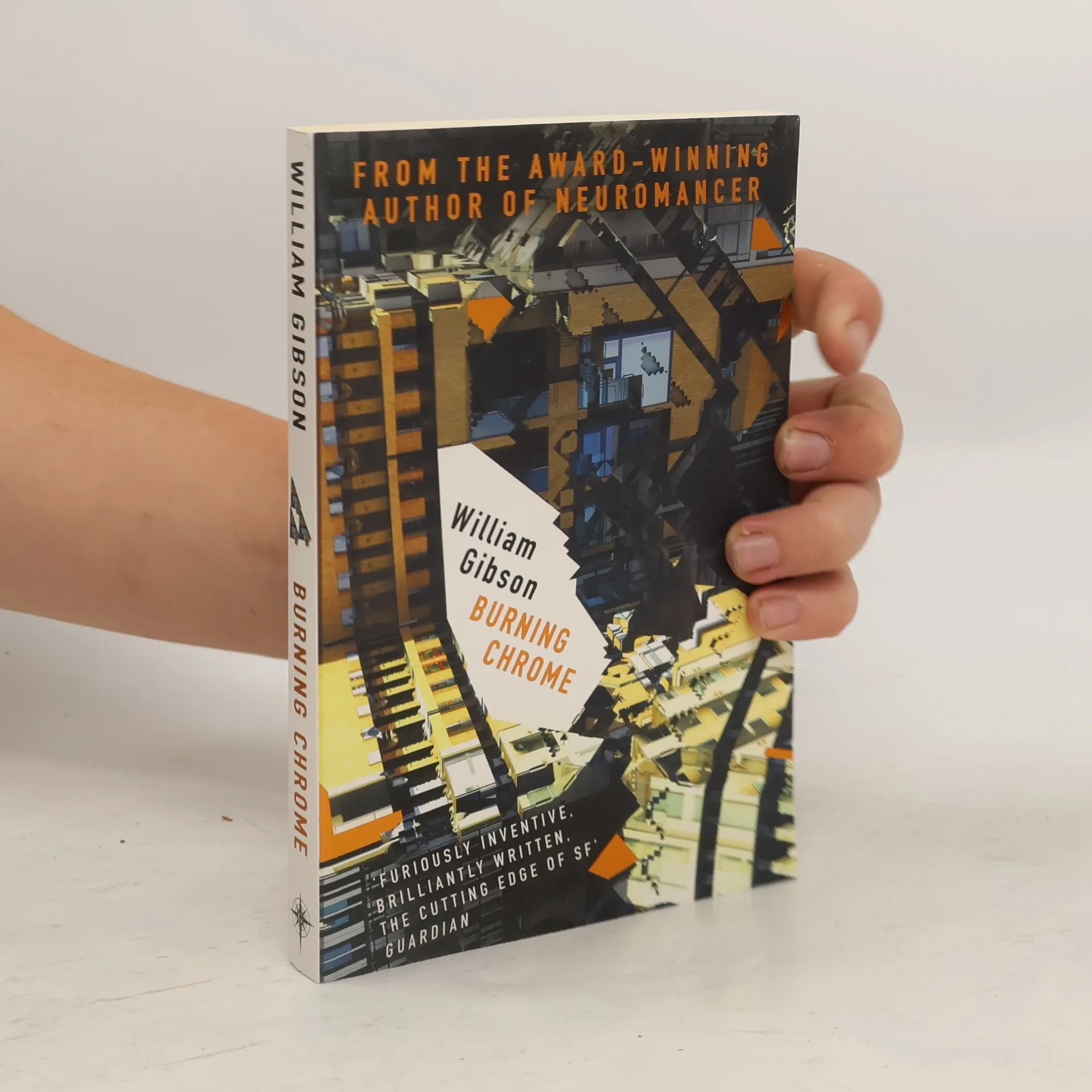
Best-known for his seminal sf novel NEUROMANCER, William Gibson is also a master of short fiction. Tautly-written and suspenseful, BURNING CHROME collects 10 of his best short stories with a preface from Bruce Sterling, co-Cyberpunk and editor of the seminal anthology MIRRORSHADES. These brilliant, high-resolution stories show Gibson's characters and intensely-realized worlds at his absolute best. Contains 'Johnny Mnemonic' (filmed starring Keanu Reeves) and title story 'Burning Chrome' - both nominated for the Nebula Award - as well as the Hugo-and-Nebula-nominated stories 'Dogfight' and 'The Winter Market'.
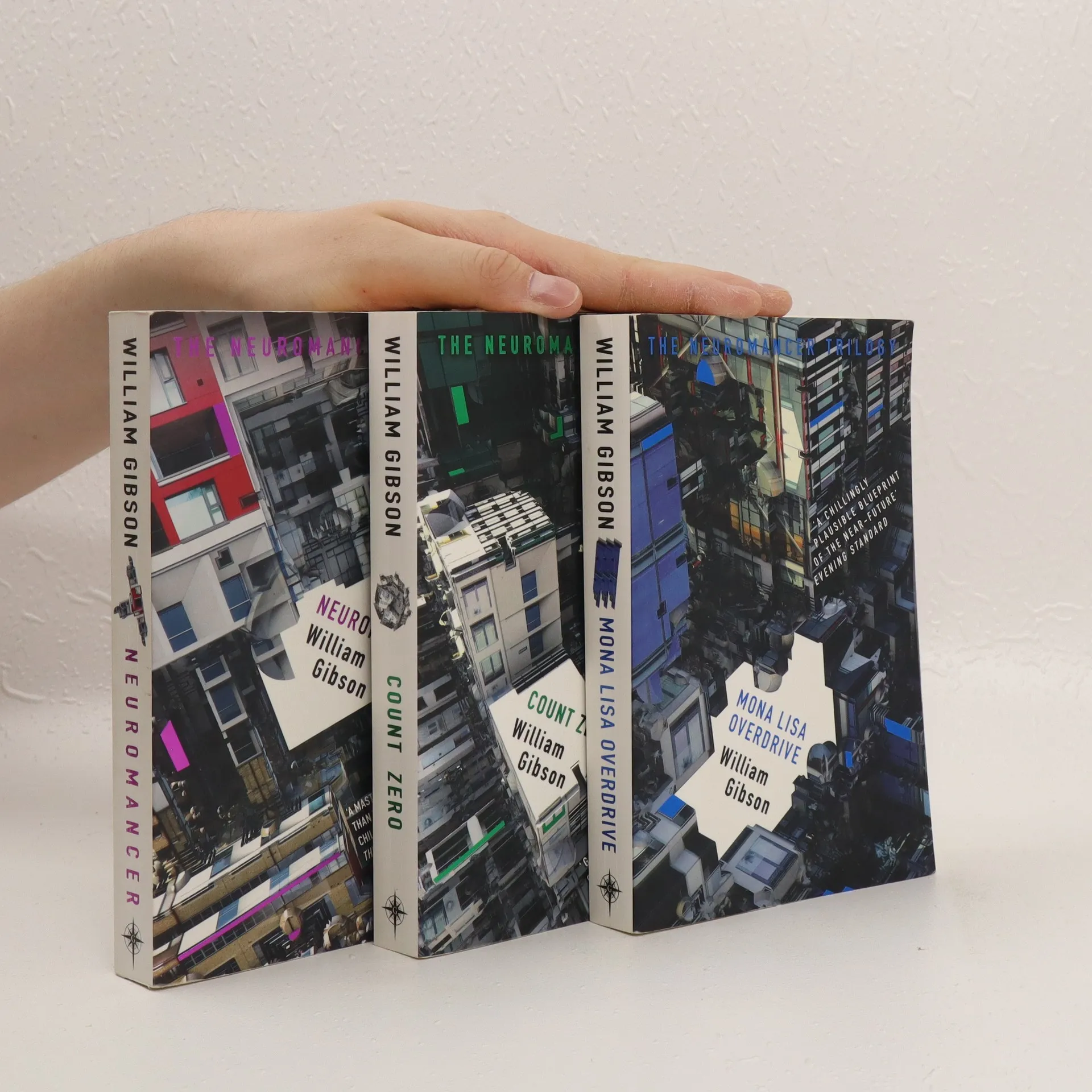
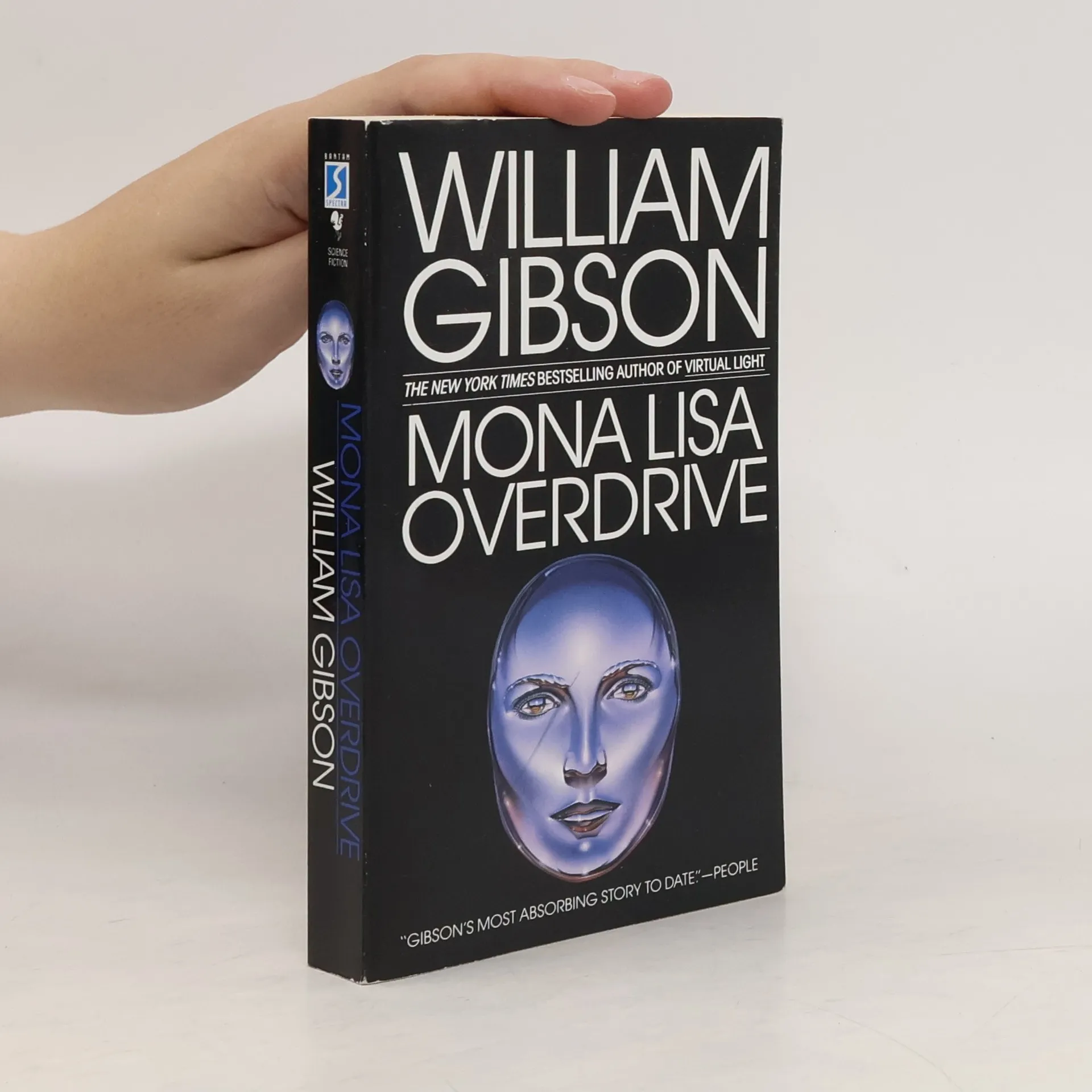
Living in the vast computer landscape of cyberspace, young Mona taps into the mind of world-famous Sense/Net star Angie Mitchell who deciphers cyberspace plans, including those devised by Japanese underworld
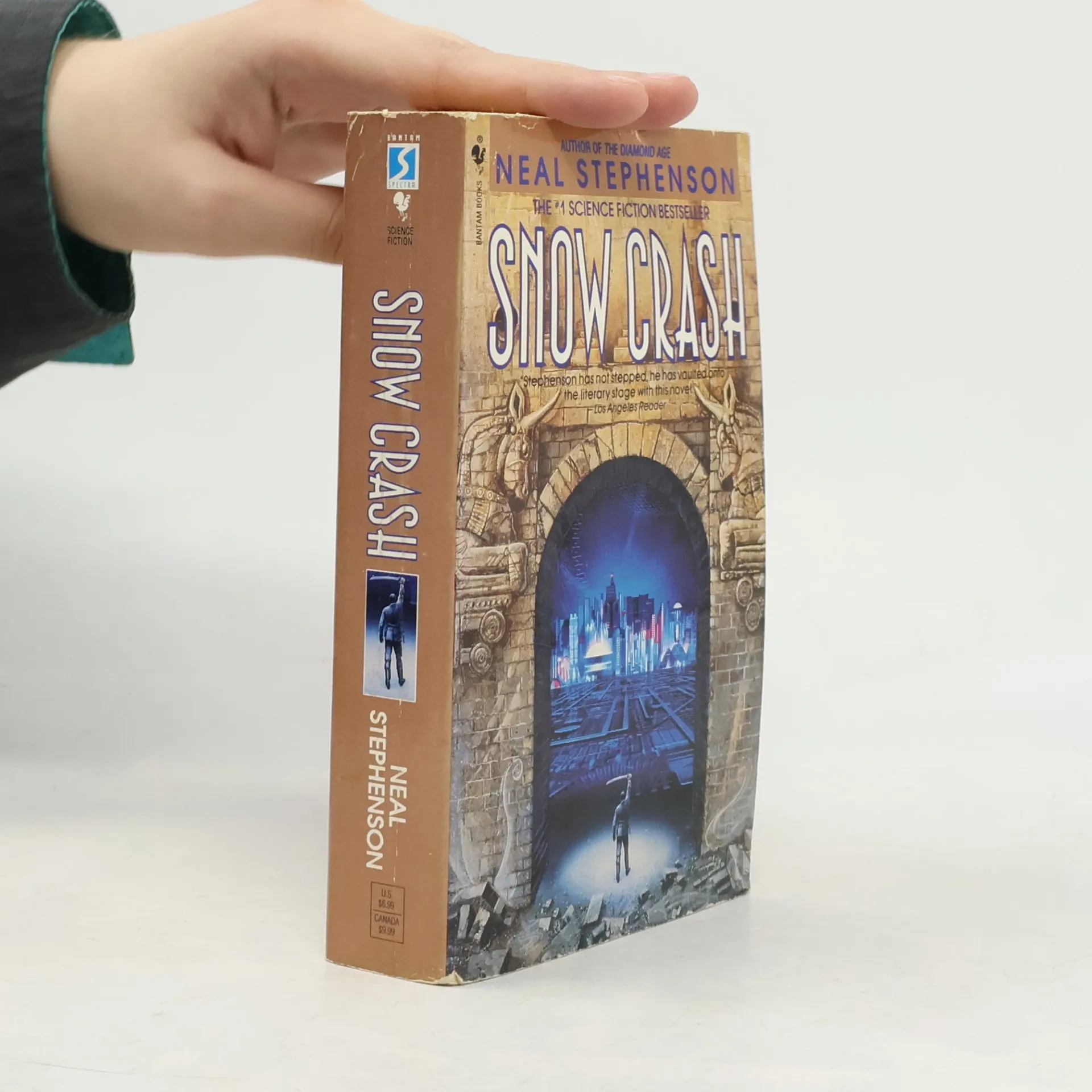
Only once in a great while does a writer come along who defies comparison -- a writer so original he redefines the way we look at the world. Neal Stephenson is such a writer and Snow Crash is such a novel, weaving virtual reality, Sumerian myth, and just about everything in between with a cool, hip cyber-sensibility to bring us the gigantic thriller of the information age. In reality, Hiro Protagonist delivers pizza for Uncle Enzo's Cosa Nostra Inc., but in the Metaverse he's a warrior prince. Plunging headlong into the enigma of a new computer virus that's striking down hackers everywhere, he races along the neon-lit streets on a search-and-destroy mission for the shadowy virtual villain threatening to bring about infocalypse. Snow Crash is a mind-altering romp through a future America so bizarre, so outrageous... you'll recognize it immediately.
Text of the play of the story of Helen Keller and her teacher, Anne Sullivan.
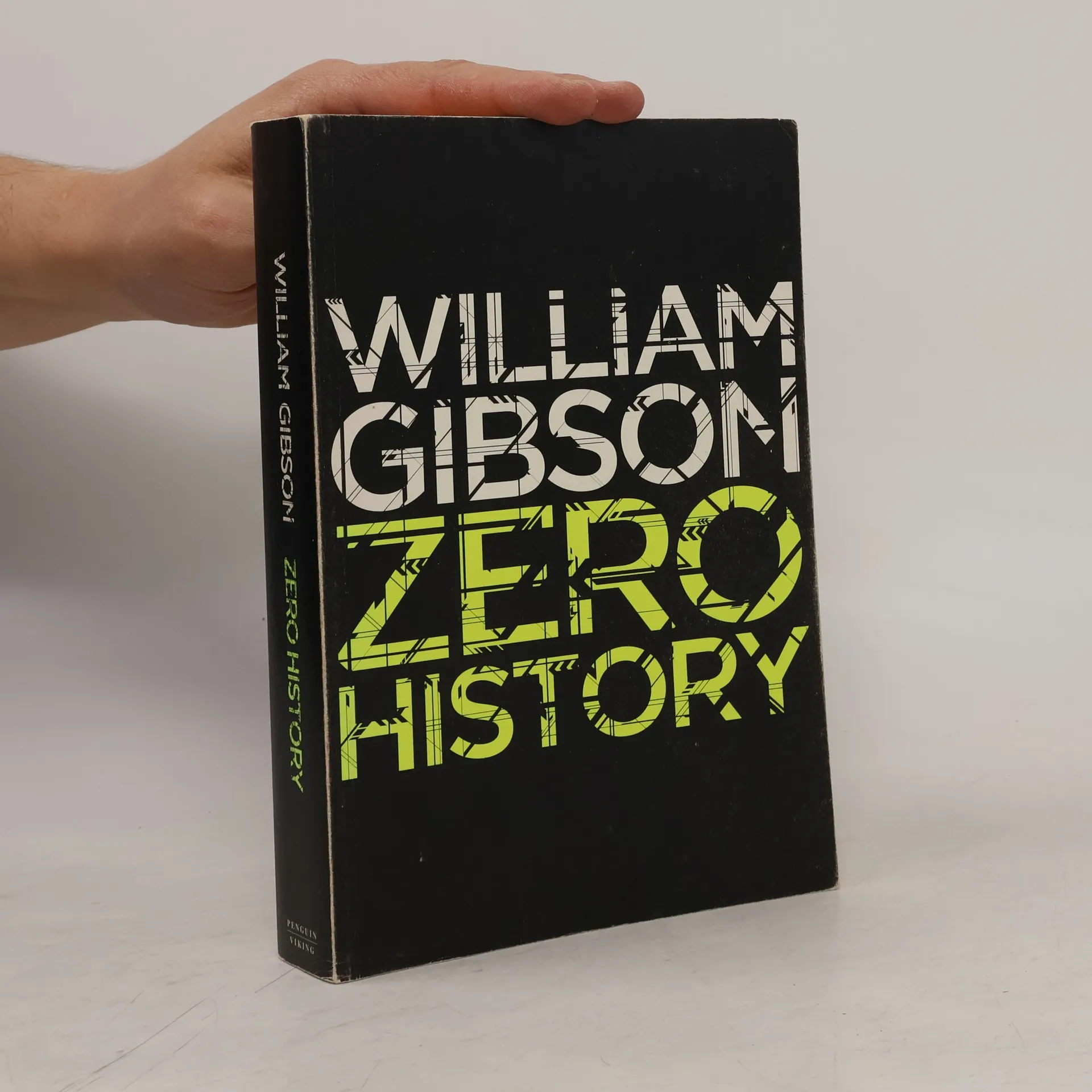
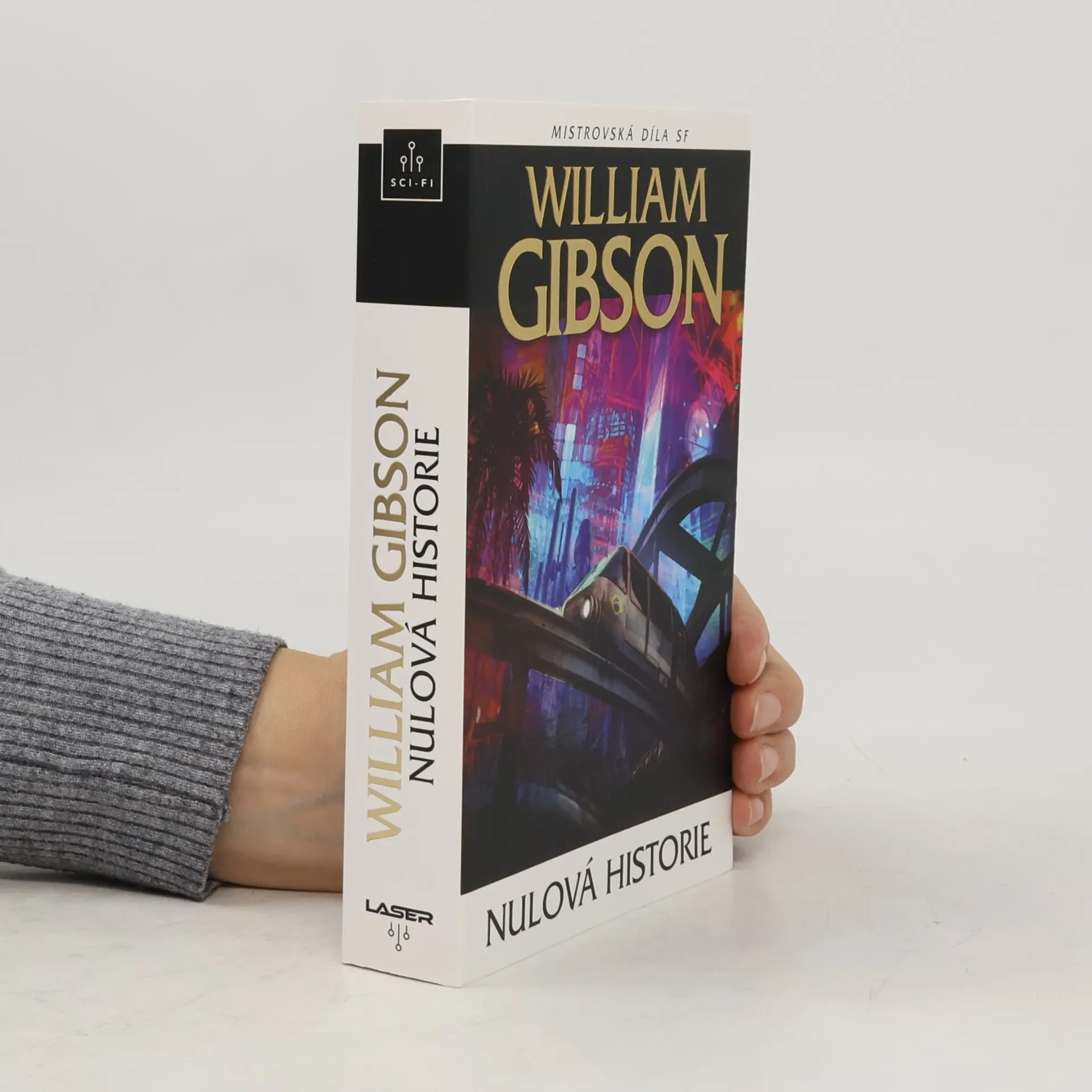
Semi-famous former hit-singer Hollis Henry is running on empty. Lacking whatever it is that made her life tick, she agrees to work again for sinister Belgian businessman Hubertus Bigend, proprietor of the mysterious Blue Ant agency. Ex-junkie Milgrim's also on the payroll, Bigend appreciates Milgrim's knowledge of the street and his linguistic skills so much that he's paid for his costly rehab, and now he has him on a project working on something to do with military designs. Milgrim doesn't know why - and Bigend isn't saying. But then Milgrim's also not telling Bigend about the US agent on his trail. Soon it's clear to Hollis and Milgrim that Bigend and Blue Ant are in deep trouble. Powerful and threatening groups want Blue Ant to back off. And anyone considered a footsoldier for Bigend is liable to find themselves caught in the crossfire. Set among London's dark and tangled streets after the money-crash, Zero History is a brilliant thriller about the hidden webs and patterns that underlie the new century.
Living a down-and-out existence in Tokyo, Colin Laney is determined to make his way back to the United States and to San Francisco, where, thanks to his special sensitivities about people and events, he believes a pivotal moment in human history will take place sometime in the future.
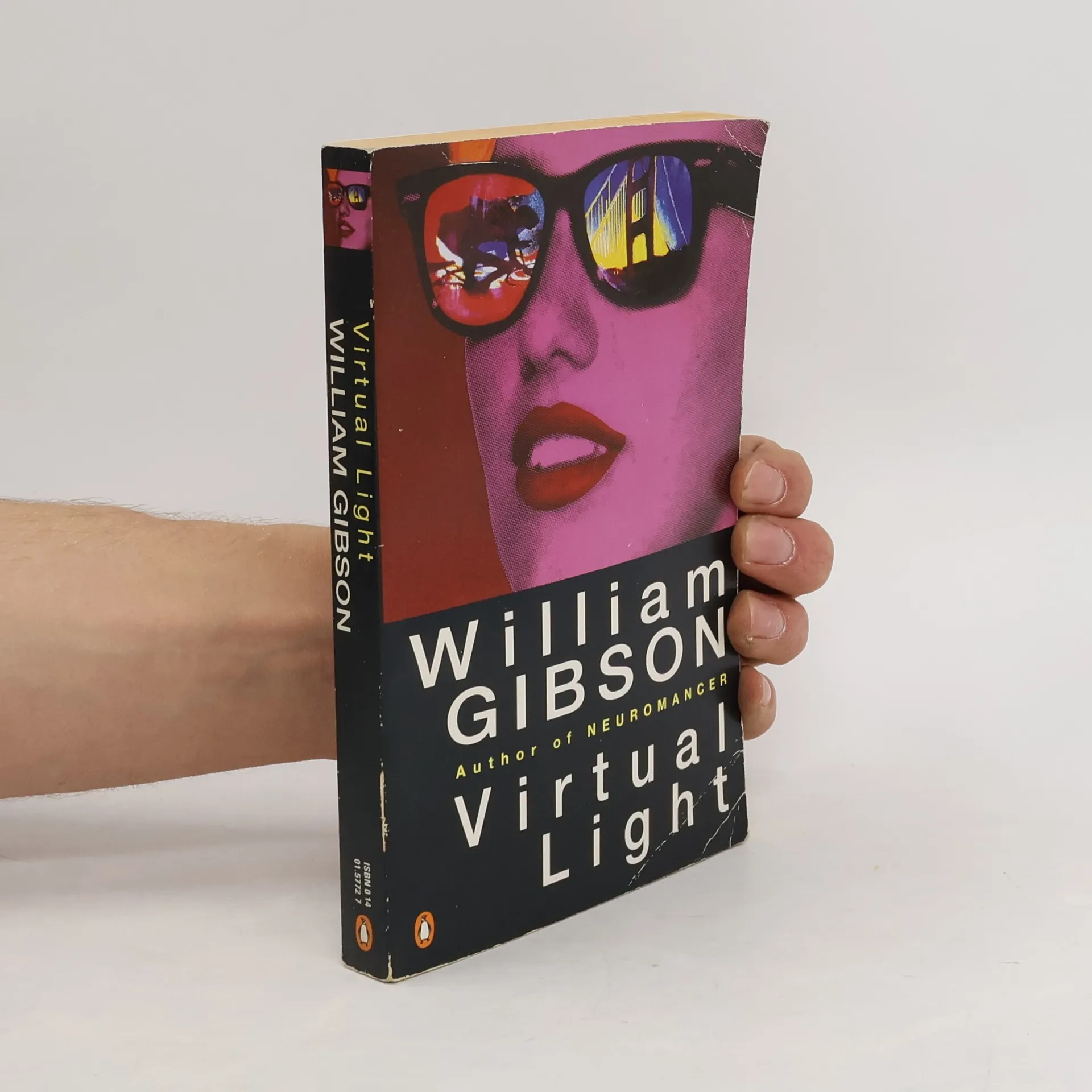
2005: Welcome to NoCal and SoCal, the uneasy sister-states of what used to be California. Here the millennium has come and gone, leaving in its wake only stunned survivors. In Los Angeles, Berry Rydell is a former armed-response rentacop now working for a bounty hunter. Chevette Washington is a bicycle messenger turned pickpocket who impulsively snatches a pair of innocent-looking sunglasses. But these are no ordinary shades. What you can see through these high-tech specs can make you rich--or get you killed. Now Berry and Chevette are on the run, zeroing in on the digitalized heart of DatAmerica, where pure information is the greatest high. And a mind can be a terrible thing to crash...
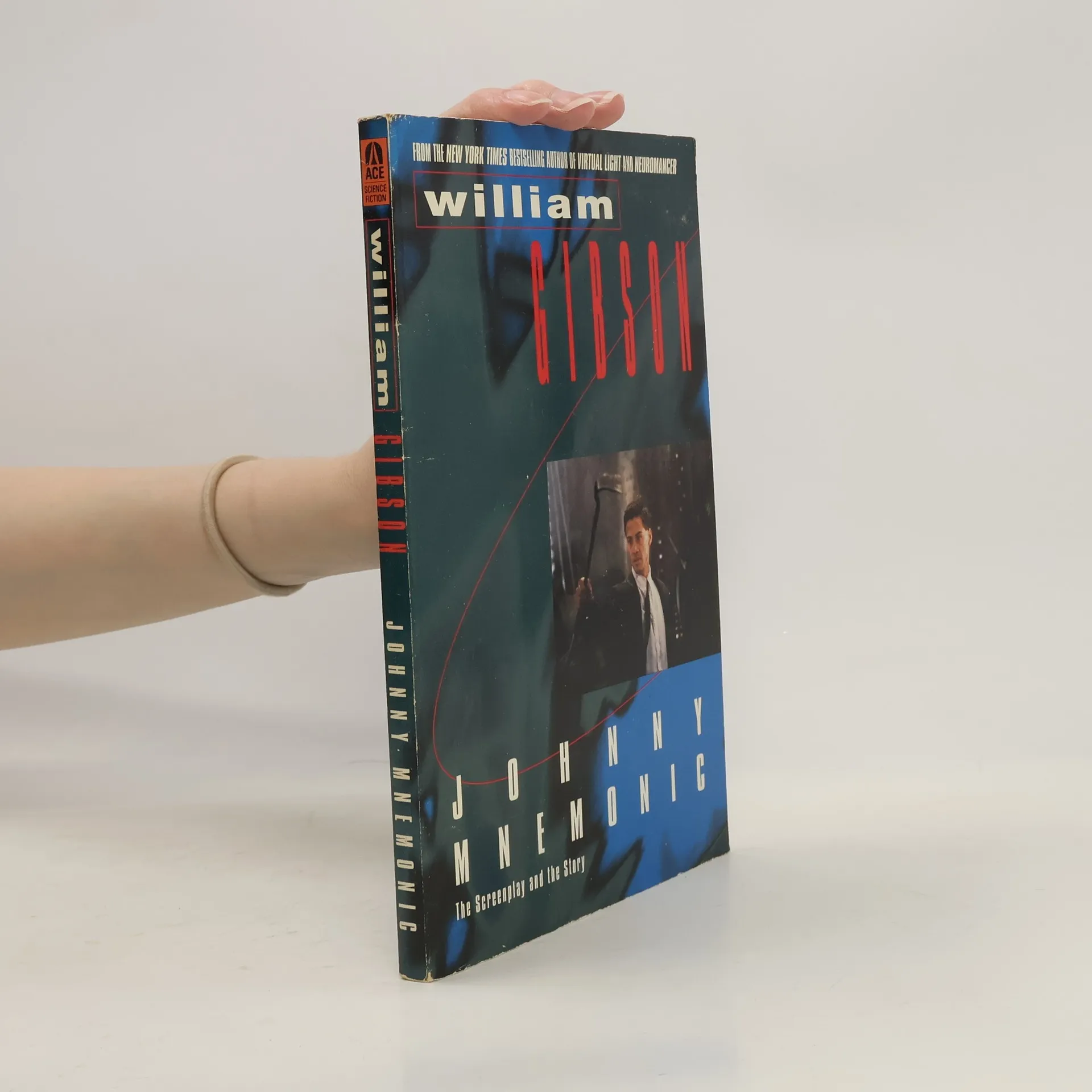
Provides the screenplay for the film about a smuggler of the future who uses a computer chip implanted in his brain to transfer valuable information
It's only called paranoia if you can't prove it. Cayce is in London to work. Her pathological sensitivity to brands makes her the perfect divining rod for an ad agency that wants to east a new logo. But when she is co-opted into the search for the creator of a strangely addictive on-line film, Cayce wonders if she has done the right - or indeed, safe - thing. And that's before violence, Japanese computer crazies and Russian Mafia men are in the mix. But she wants to discover the source of the film too, and the truth of her father's disappearance in New York, two years ago. And from the way people are trying to stop her, it looks like she's getting close . . .
'Fast, witty and cleverly politicized' Guardian Tokyo, post-event: After an attack of scruples, Colin Laney's skipped out on his former employer Slitscan - avoiding the rash of media lawyers sent his way - and taken a job for the outfit managing Japanese rock duo, Lo/Rez. Rez has announced he's going to marry an 'idoru' by the name of Rei Toi - she exists only in virtual reality - and this creates complications that Laney, a net runner, is supposed to sort out. But when Chai, part of Lo/Rez's fan club, turns up unaware that she's carrying illegal nanoware for the Russian Kombinat, Laney's scruples nudge him towards trouble all over again. And this time lawyers'll be the least of his worries . . . 'Sharp, fast, bright . . . a must' Arena 'A classic technothriller . . . lean, evocative, tense' Wired
Science fiction-roman fra Cyperspace, det 21. århundredes computerskabte parallelverden
San Francisco, 2017. In an alternate time track, Hillary Clinton won the election and Donald Trump's political ambitions were thwarted. London, 22nd century. Decades of cataclysmic events have killed 80 per cent of humanity. A shadowy start-up hires a young woman named Verity to test a new product- a 'cross-platform personal avatar' that was developed by the military as a form of artificial intelligence. Meanwhile, characters in the distant future are using technological time travel to interfere with the election unfolding in 2017 . . .
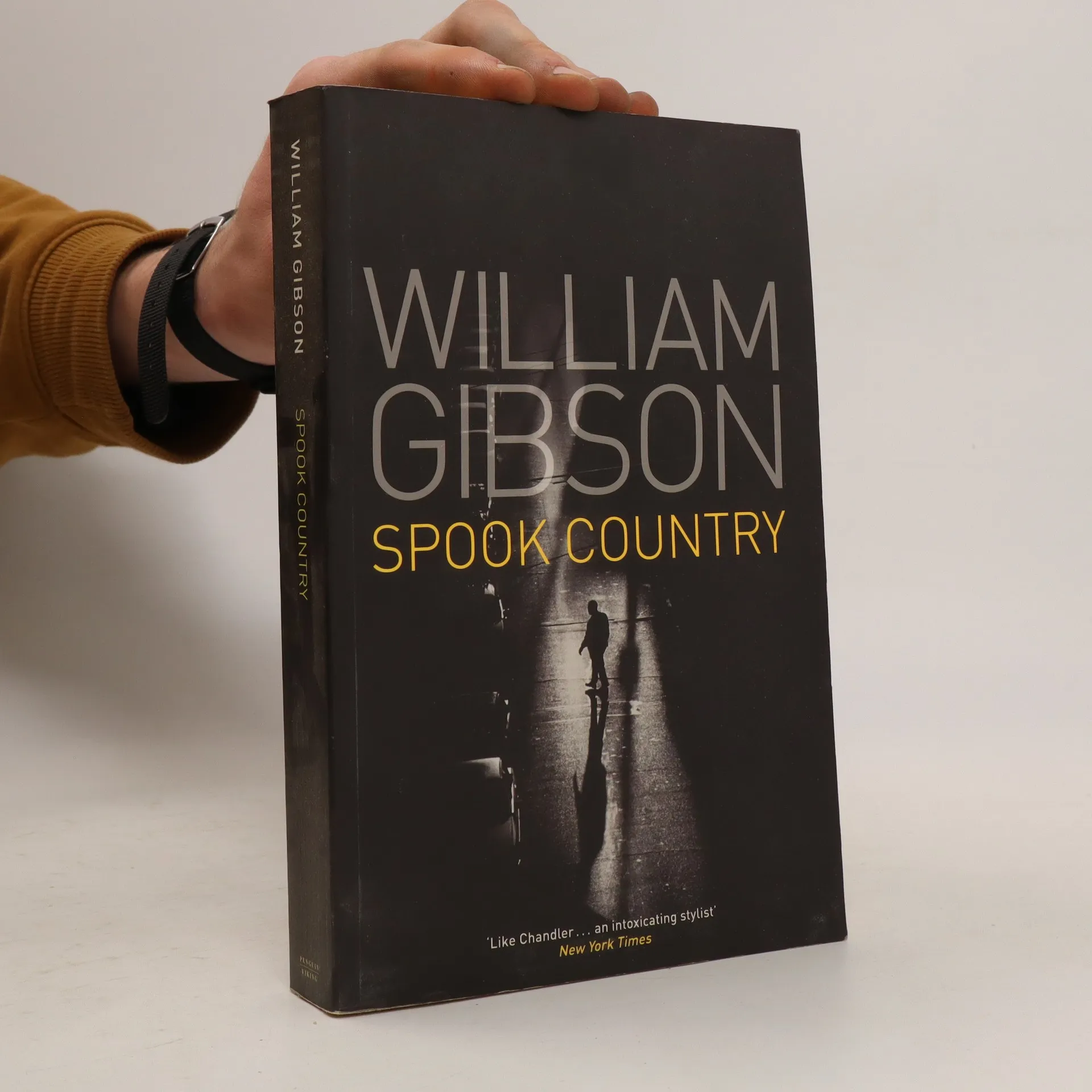
In New York, what you've got on your iPod can be bad for your health . . . Tito, a young and athletic Cuban, has been asked to pass iPods to the 'old man' in Washington Square. He doesn't know why and he's not stupid enough to ask, either. But the old man likes to speak Russian, and he knows a great deal about Tito's family; reason enough for Tito to make sure the old man gets what he wants. Across the country in LA, journalist Hollis Henry has been asked to investigate Bobby Chombo, a man who knows the ins and outs of military navigation systems - and who never sleeps in the same space twice. Unfortunately for Hollis and one or two other interested parties - Bobby has very good reasons for not wanting to be found. Reasons that involve iPods and nothing whatsoever to do with music . . . Spook Country is a thriller of the here and now, of what happens when old spies come out of the woodwork to play one last game.
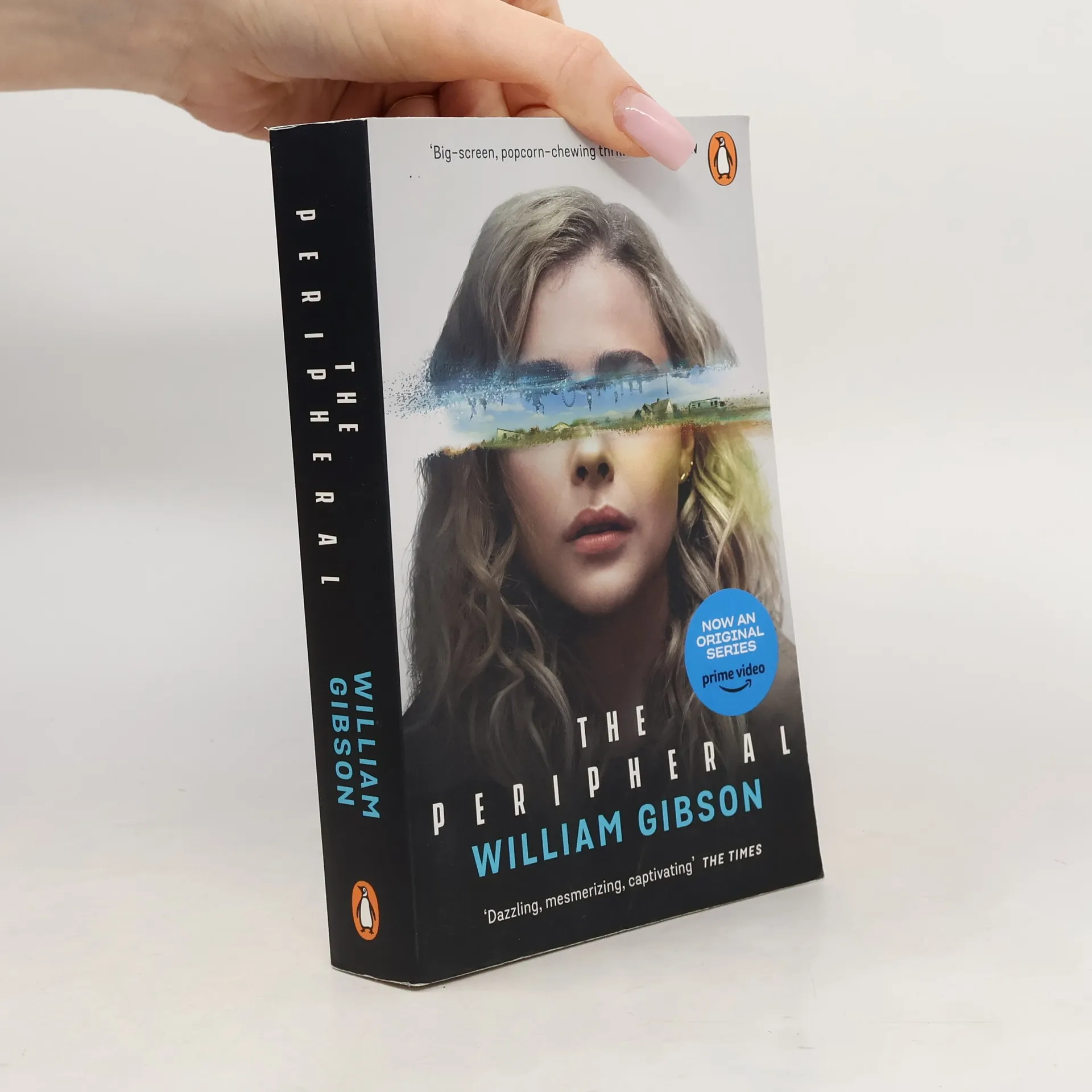
Flynne Fisher lives in the rural American South, working at the local 3D printing shop, while earning much needed extra money playing VR games for rich people. One night she dons a headset and finds herself in futuristic London-a sleek and mysterious world, alluringly different from her own hardscrabble existence. But this isn't like any game she's ever played before -- Flynne begins to realise it isn't virtual reality ... it's real. Someone in London, seventy years in the future, has found a way to open a door to Flynne's world. And as utterly beguiling as London is ... it's also dangerous. As Flynne searches to discover who has connected their worlds, and for what purpose, her presence here sets dangerous forces into motion ... forces intent on destroying Flynne and her family in her own world
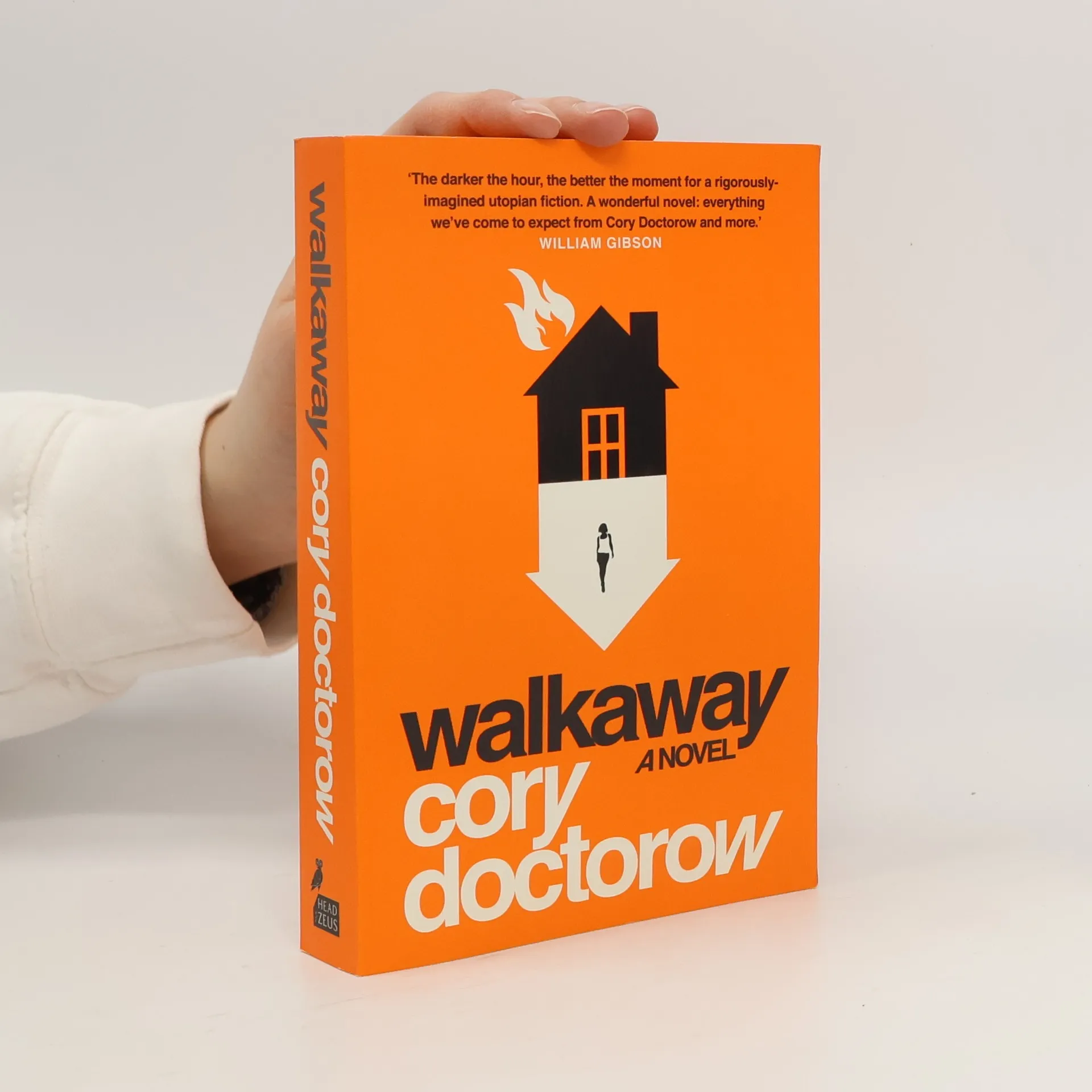
'The tech may be more advanced, but the politics feel familiar ... The overwhelming message of Walkaway is hope [and] right now, that could not feel more timely' SciFiNow .
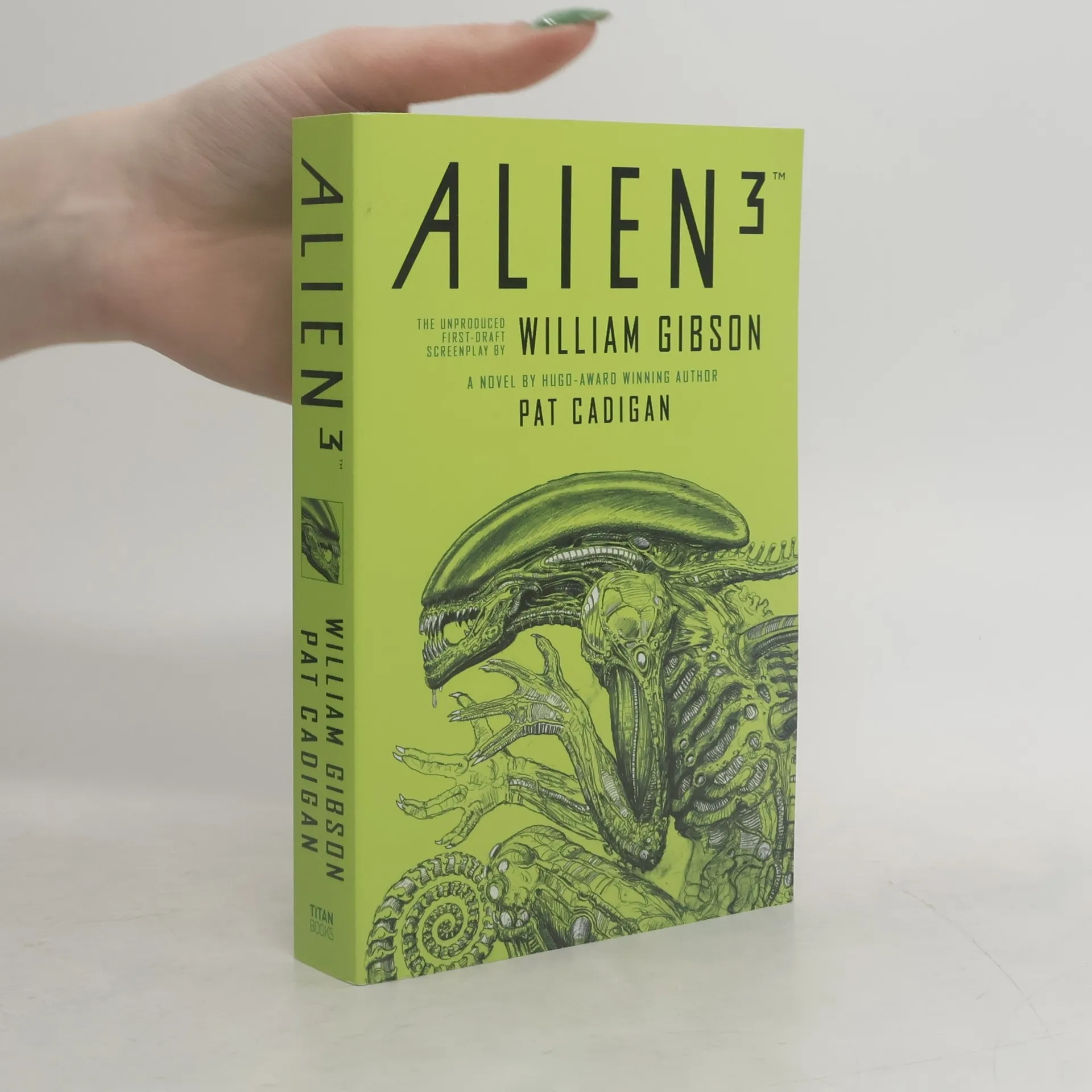
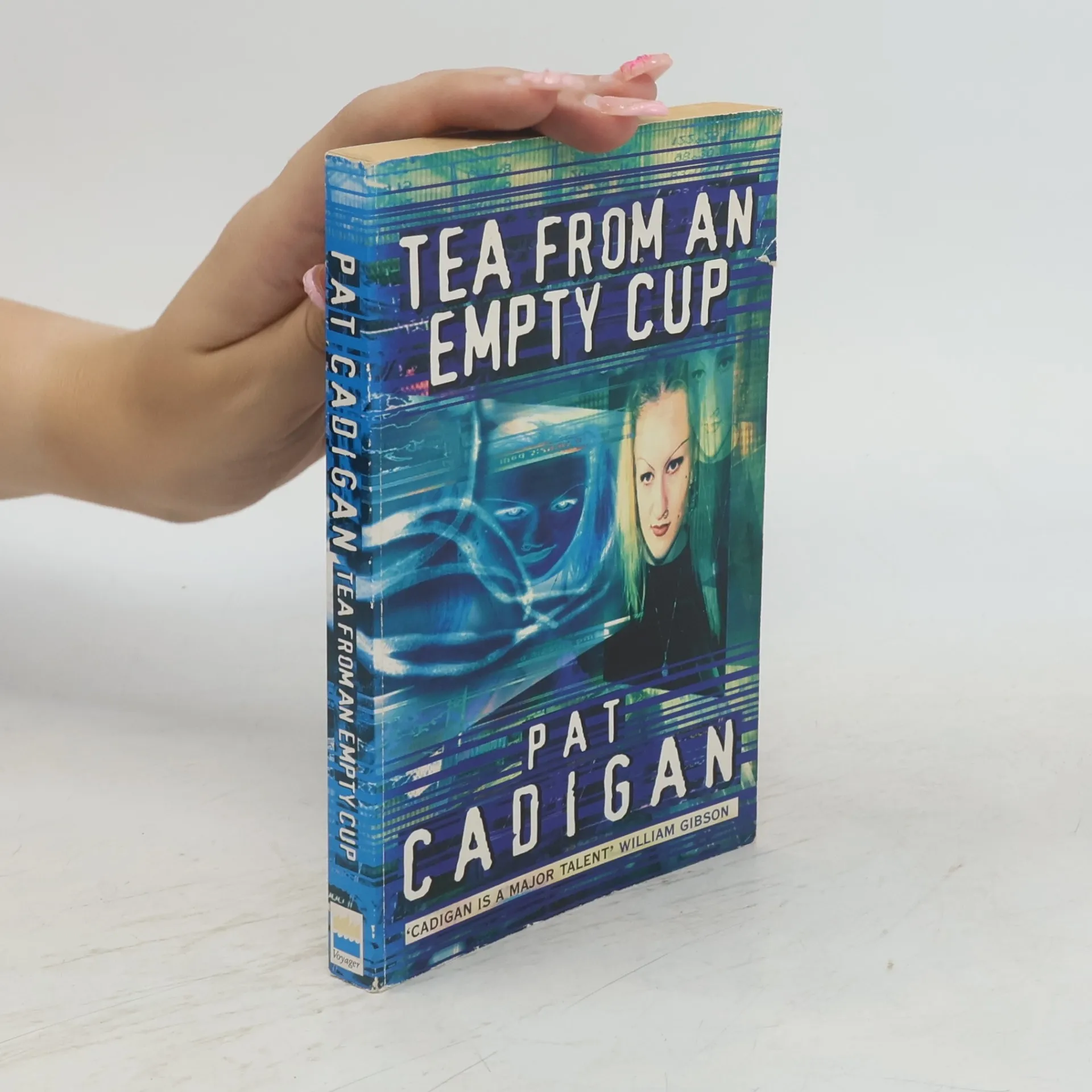
The first-draft Alien screenplay by William Gibson, the founder of cyberpunk, turned into a novel by Pat Cadigan, the Hugo Award-Winning “Queen of Cyberpunk.”
Science fiction. Kunstige intelligenser kæmper om magten i en datastyret parallelverden i det 21. århundrede
The best of Christmas--past, present, and yet to come Christmas is a time for miracle, scientific and otherwise, and for surprises that can only occur at this time of the year. But what marvels will the holidays bring to the far future--or to alien worlds light-years from the North Pole? In this celebratory collection, many of today's finest writers of fantasy and science fiction unwrap startling visions of the future of Christmas. An unusual Christmas spirit brings confusion-and romance-to a modern young woman. A father's gift opens up the universe for all humanity. And a devout researcher uncovers the shattering secret of the original Star of Bethlehem. These and other stories shine like sparkling, unearthly ornaments on a fresh green tree of holiday traditions. 'Twas the night before tomorrow, and all through the galaxy, nothing burns as bright as... Christmas Stars.
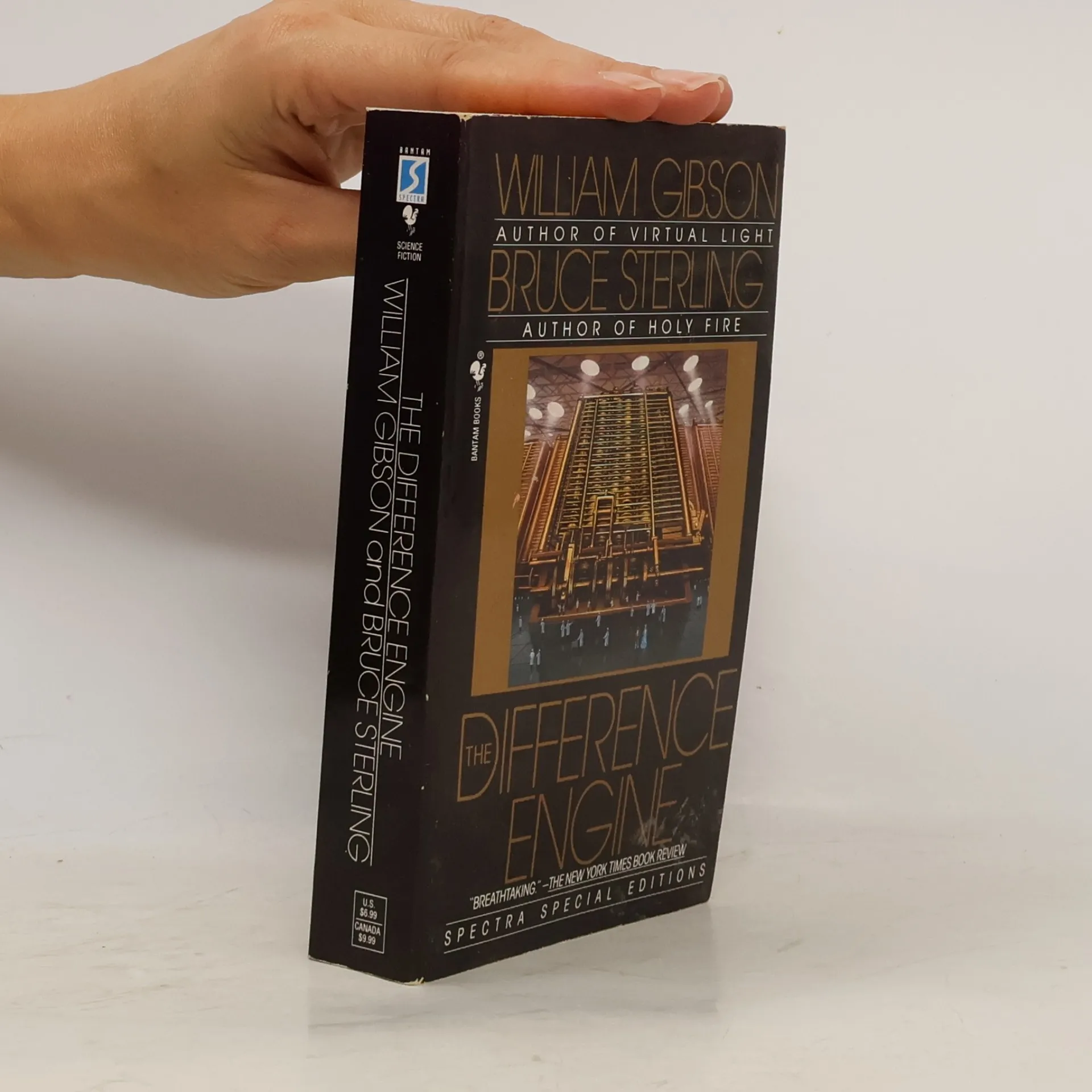
Fictional speculation on what would have happened if the computer had been invented in the 19th century.
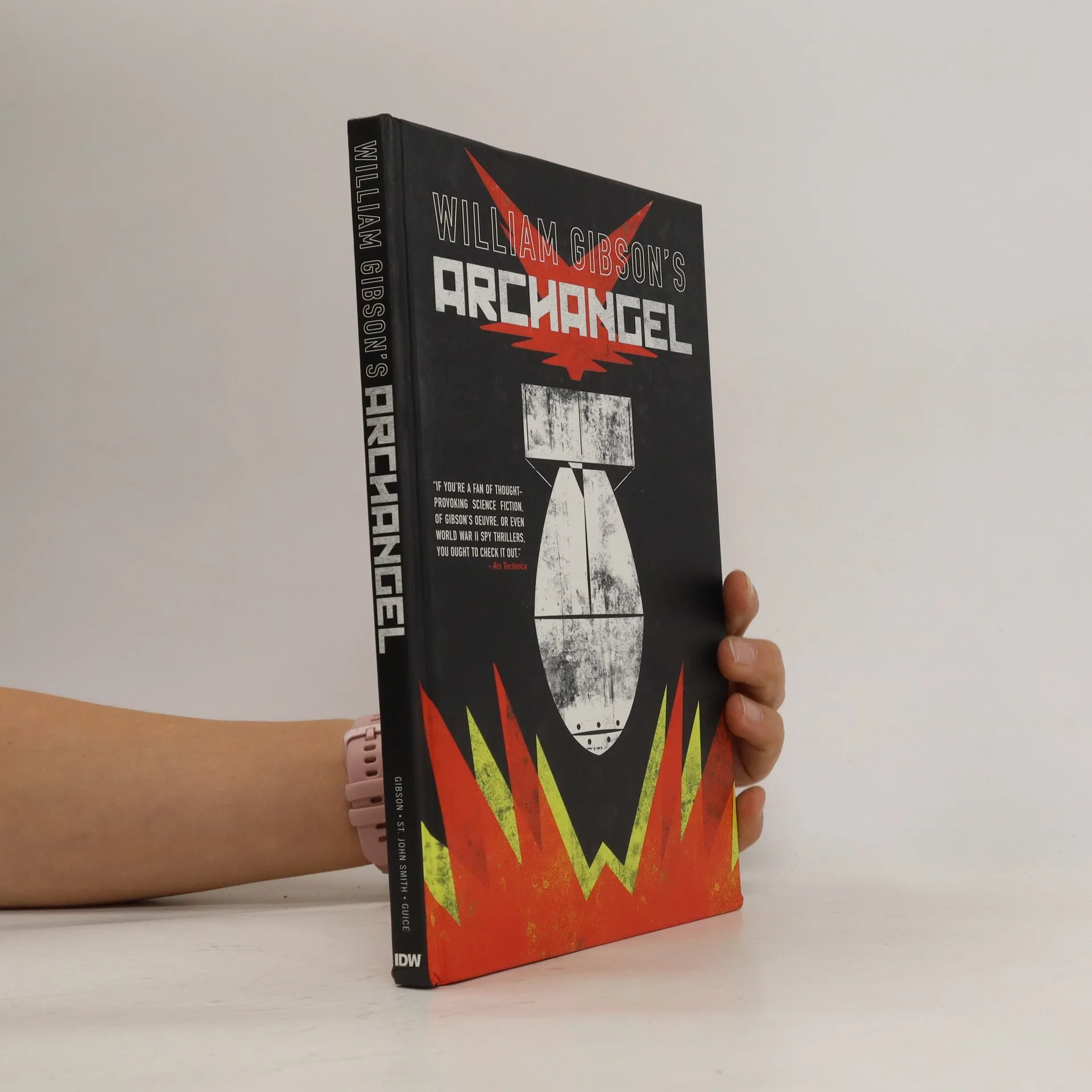
"Originally published as Archangel issues #1-5"--Page facing title page.
"This is the official adaptation of the original screenplay for Alien 3, written by William Gibson, the award-winning science fiction author of the cyberpunk cult classic Neuromancer. You'll see familiar characters and places--but not all is the same in this horrifying Cold War thriller! After the deadly events of the film Aliens, the spaceship Sulaco carrying the sleeping bodies of Ripley, Hicks, Newt, and Bishop are intercepted by the Union of Progressive Peoples. What the U.P.P forces don't expect is another deadly passenger that is about to unleash chaos between two governmental titans intent on developing the ultimate cold war weapon of mass destruction."-- Provided by publisher
The book explores the life and influence of Benjamin Hoadly, an 18th-century Anglican bishop known for his controversial views. His sermon on Christ's kingdom ignited the Bangorian controversy, leading to a prolific exchange of writings from 1717 to 1720. Hoadly's support for the Whigs and religious tolerance for Dissenters positioned him against many of his peers, challenging the perceptions of him as a negligent bishop. This work delves into his significant yet contentious role in shaping church politics and theology during his time.
The story follows Roy Warner, an airmail pilot whose loyalty to a friend leads to his downfall, leaving him jobless despite his previous accolades. A secret society of pilots, 'The Quiet Birdmen,' aids him in discovering a new airline in Peru. Relocating there, he resumes his flying career with Condor Airlines from 1937 to 1942, finding love and camaraderie in the Andes. However, his life takes a dramatic turn as the shadow of war looms over him, altering his path and relationships.
From ‘the queen of cyberpunk’ (Guardian), a vision of post-apocalyptic AR chic, mayhem and murder featuring the luckless Lieutenant Konstantin.
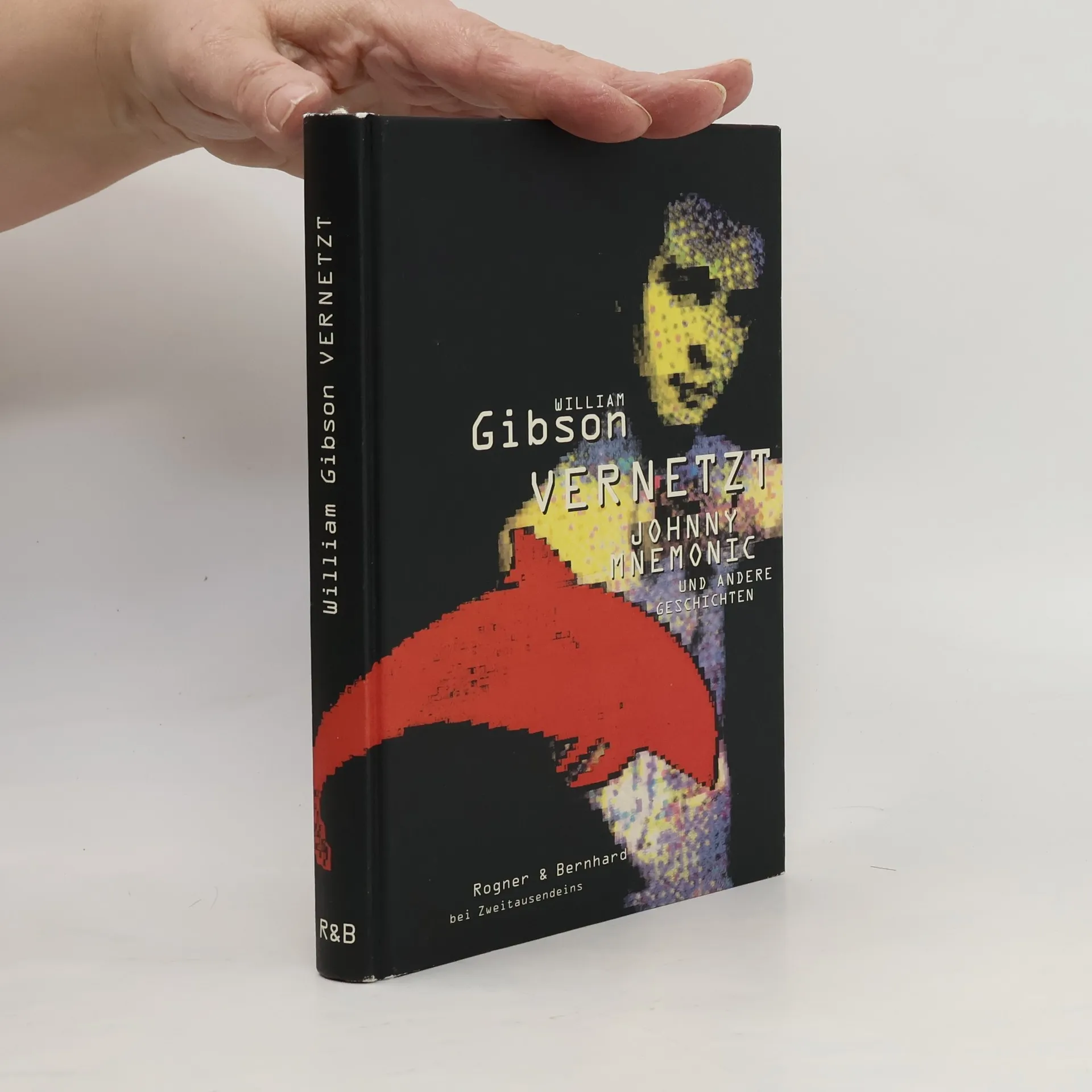
Gedanken über eine Zukunft als Gegenwart
Seine Romane zeugen von visionärer Kraft, von Ideenreichtum und seiner Brillanz als scharfsichtiger Beobachter unserer modernen Gesellschaft.Genau diese Fähigkeit zeichnet seine Beiträge für Zeitschriften wie »Wired«, »New York Times Magazine« oder »Rolling Stone« aus. Einprägsam beschreibt der Erfinder des »Cyberspace« in einer Rede in New York die neue interaktive Beziehung zwischen Autor und Leser. Nachdrücklich warnt er davor, dieser »Schönen neuen Virtualität« zu vertrauen, denn sie stellt abstrakte, aber keine persönlichen und menschlichen Beziehungen her. William Gibson wagt Voraussagen zu Gegenwart und Zukunft, die bisher immer von der Wirklichkeit überholt wurden und aufhorchen lassen. Faszinierend, überraschend und stets am Puls der Zeit!
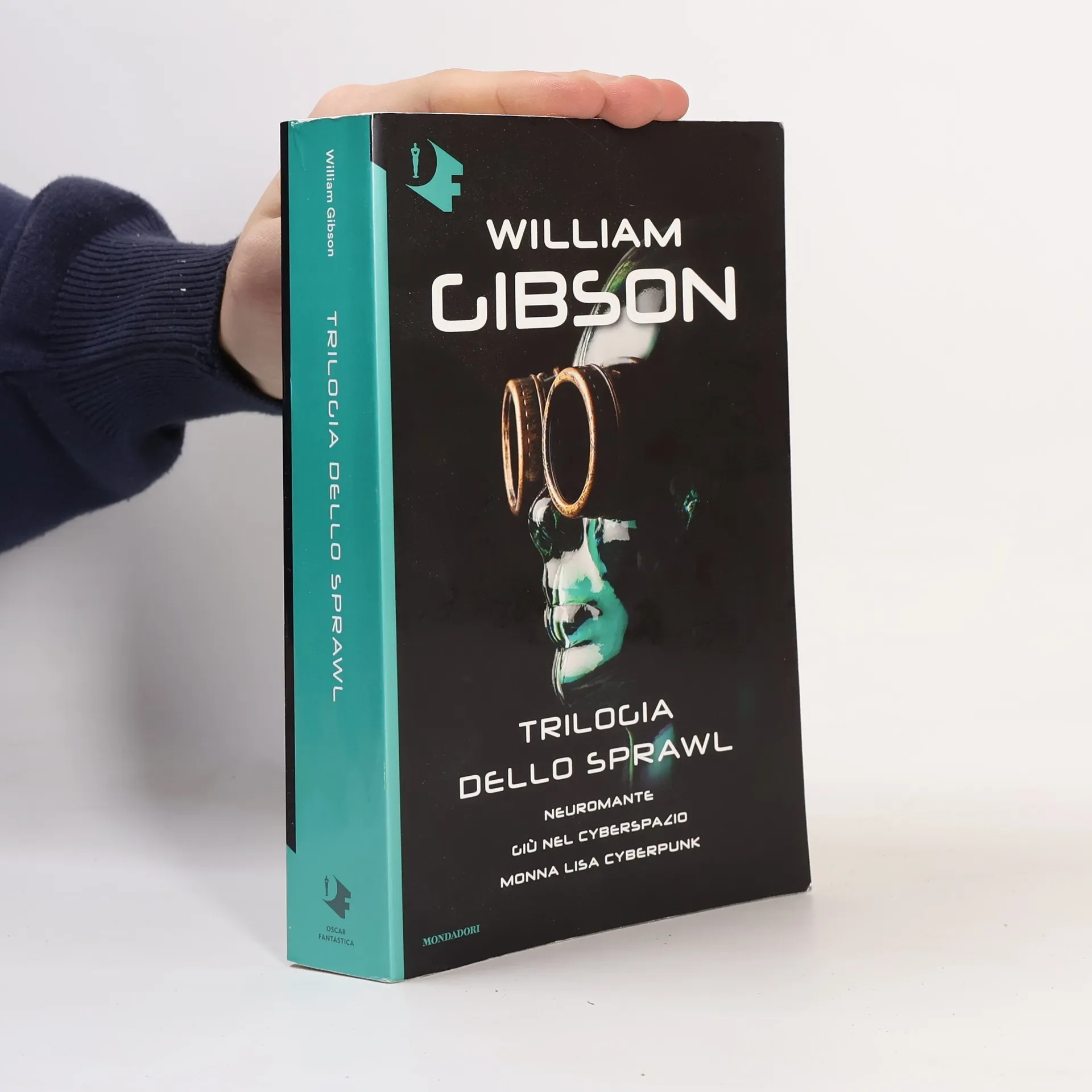
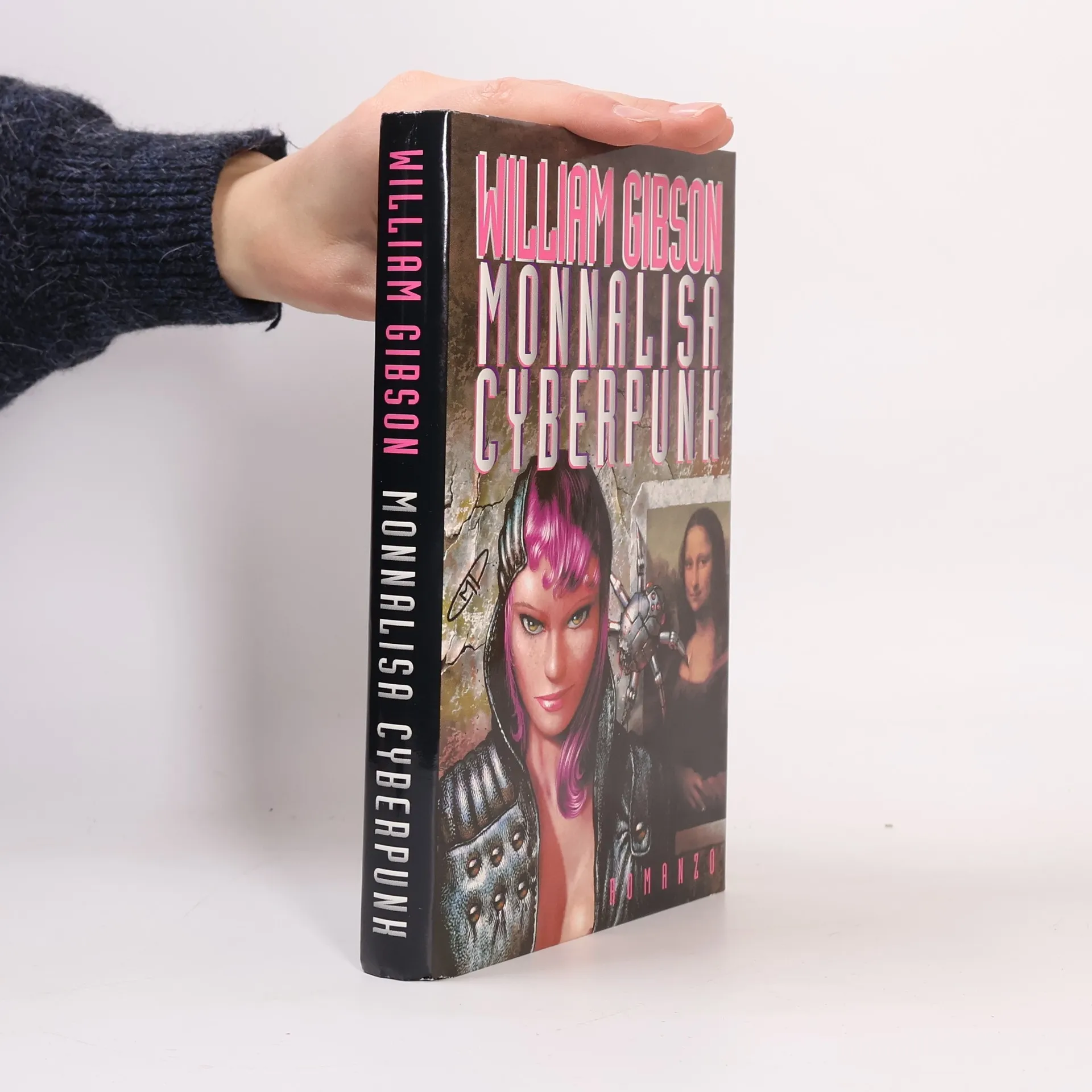
Neuromante-Giù nel cyberspazio-Monna Lisa cyberpunk
2035, o giù di lì. Un mondo popolato da avventurieri e lottatrici, prostitute e mercenari, schiavi della società di massa e delle droghe; soprattutto, un mondo dominato dalla tecnocrazia e dalla corruzione. È l'universo narrativo immaginato da William Gibson nella sua Trilogia dello Sprawl. In questo futuro non così lontano dal nostro presente, gli unici a opporsi allo strapotere delle multinazionali e della Yakuza sono i "cowboy della tastiera", anarchici e solitari, geni ribelli dell'informatica che passano la loro esistenza nella realtà virtuale del cyberspazio, intenti a carpire i segreti della matrice.
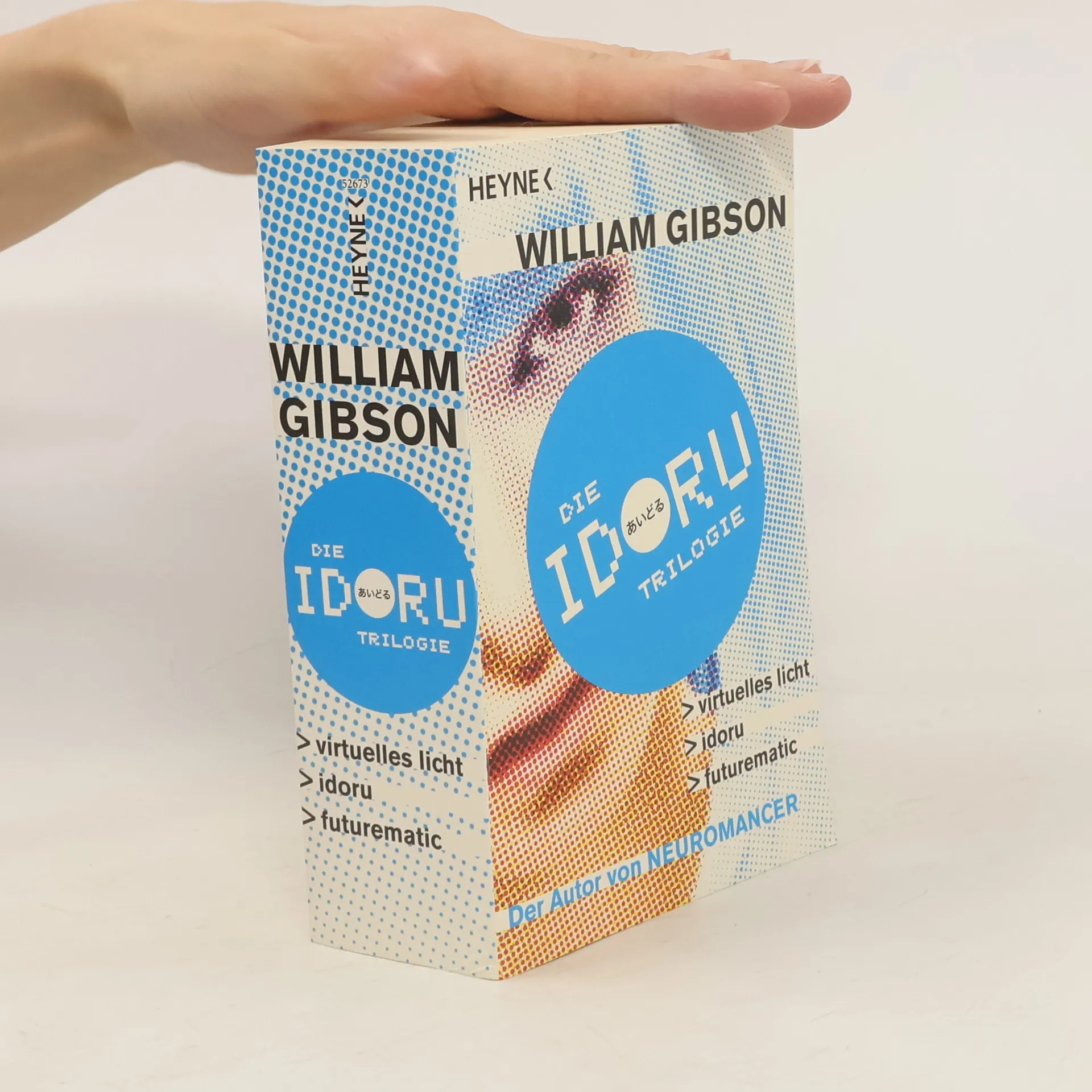
Die Metropolen der Zukunft wimmeln von realen und virtuellen Bewohnern. Während in San Francisco eine Fahrradkurierin einer geheimnisvollen Hightech-Brille auf der Spur ist, will ein berühmter Popstar in Tokio nichts sehnlicher, als eine Computerfigur zu heiraten …
bevat: Robert A. Heinlein - Aan zijn veters omhoog (by his bootstraps, 1941)Jack Vance - De wereld tussenin (The world between, 1963)Larrry Niven - Neutronster (Neutron star, 1968)Peter Cuijpers - God op aardeWim Gijsen- Hoedt u voor protocollen!Tanith Lee - De ring vaarwel (Perfidious amber, 1979)Orson Scott Card - De porseleinen salamander (The porcelain salamander, 1981)Greg Bear- Rotssteen (Petra, 1982)Peter Schaap - De markt van MendesarchBruce Sterling & William Gibson - Rode ster, winterse omloopbaan (Red star, winter orbit, 1985)
C'est un monde crépitant et précipité, ivre et bariolé. Saturé de drogues synthétiques, d'informations truquées, de rebuts technologiques. Là-bas, les adolescents se font greffer des yeux artificiels, des crocs de doberman. On y trafique tout : secrets militaires et tranches de silicium, hallucinations et gènes mutants, espoir et oubli... Vivre fort, vivre vite, sous le regard froid des multinationales qui orchestrent le moindre soubresaut de ce grand bazar hystérique et rutilant. Cinq nouvelles signées William Gibson, le chaman cyberpunk. Vision électrique d'un futur enfiévré, immergé dans les murmures bruissants de la technologie, comme un constant bruit de fond subliminal... Ce livre contient 5 nouvelles extraites de Gravé sur chrome : - Johnny Mnemonic (Johnny Mnemonic, 1981) - Fragments de rose en hologramme (Fragments of a Hologram Rose, 1977) - Hinterland (Hinterlands, 1981) - Hôtel New Rose (New Rose Hotel, 1981) - Le marché d'hiver (The Winter Market, 1986)
Quando uno psicanalista non riesce a dominare il proprio amore
Urania 002 Collezione
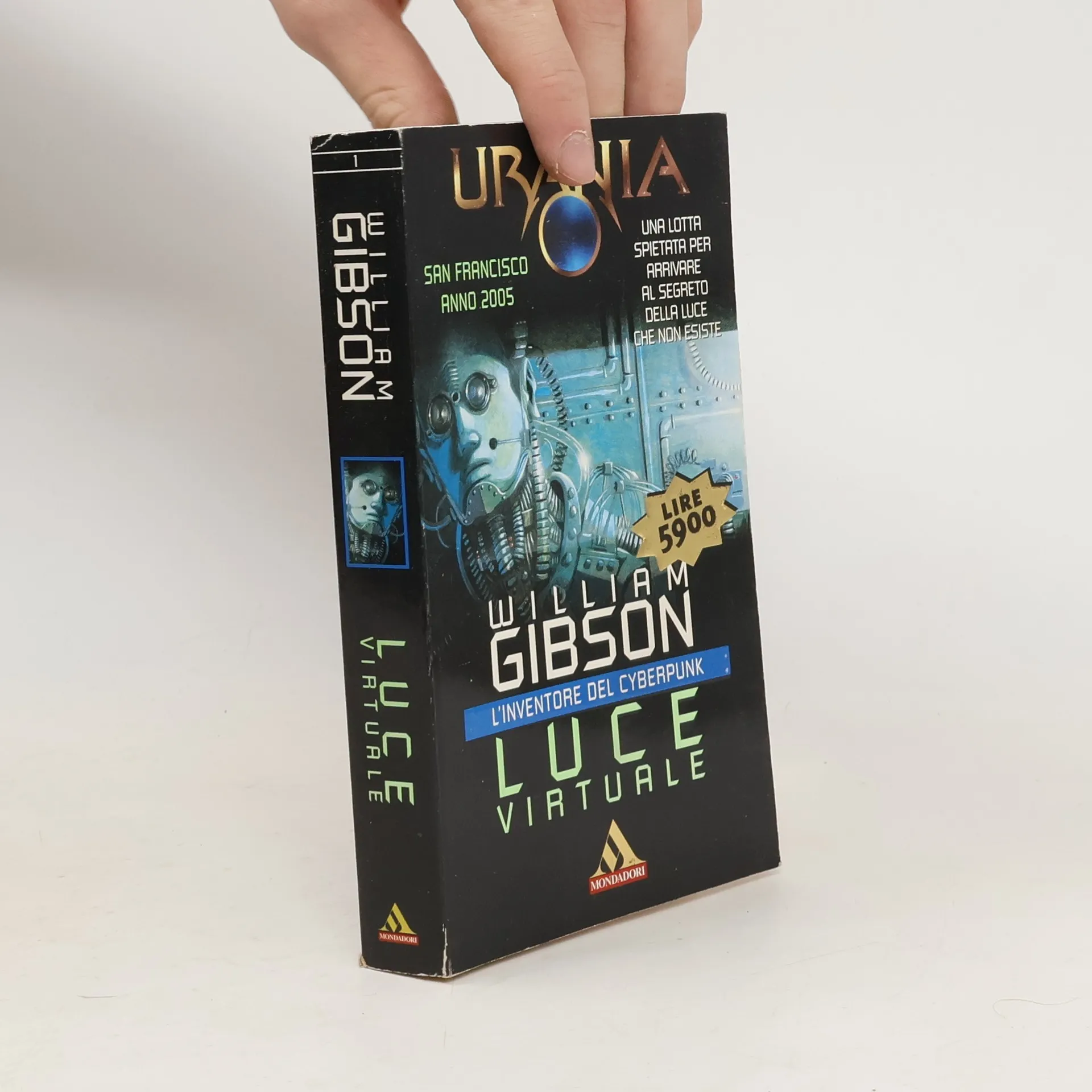
San francisco anno 2005: una lotta spietata per arrivare al segreto della luce che non esiste. Sembrano semplici occhiali ma nascondono un segreto rivoluzionario. Chevette Washington, corriere informatico, per quel segreto è pronta a rischiare la vita. Ma quella città è troppo brutale per una donna. L.V. è la sigla di "Luce Virtuale" il procedimento che permette di vedere il mondo non come è, ma come potrebbe diventare. Chi porterà queste lenti speciali sarà il padrone del XXI secolo, il signore della realtà. Copertina di Jacopo Bruno
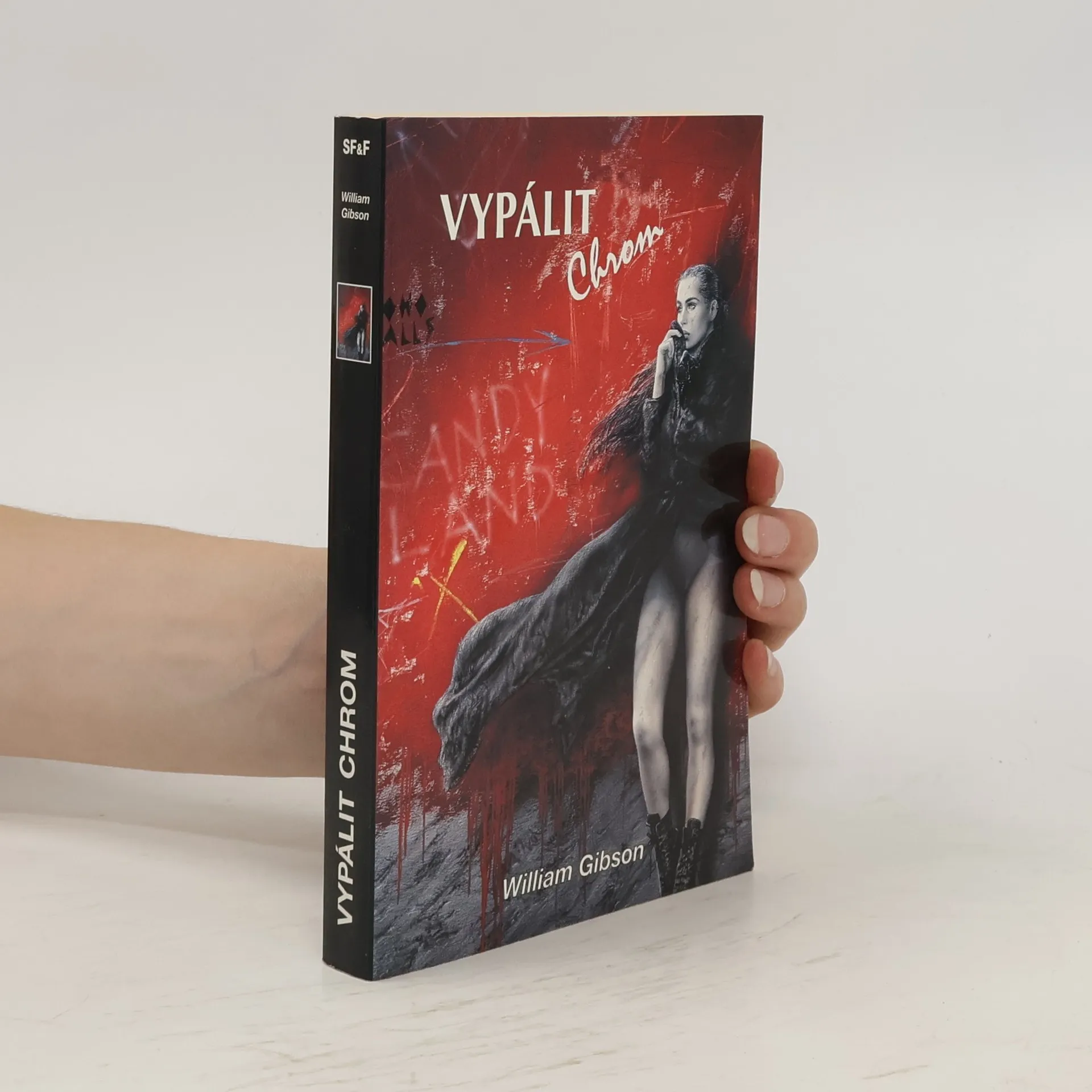
Temná vize počítačových kovbojů, biologicky zdokonalených vojáků štěstí a hi-techových jedinců vyřazených z normálního života získala Williamu Gibsonovi nebývalou chválu. Obsahem této sbírky jsou jeho nejlepší povídky a příběhy z oblasti fikce. Jsou kritické, nemilosrdné, vášnivé. Mají Gibsonův nezaměnitelný punc.
Pokud máš umělecké sklony, všechno, co děláš, vede vždycky k dalšímu tvůrčímu projektu... Když Hollis Henryová zpívala s Curfew, znal její tvář celý svět. Dodnes tu a tam narazí na někoho, kdo si pamatuje ten plakát s její fotkou. Jenže kultovními sběratelskými kousky se bohužel v pokrachové ekonomice nájem zaplatit nedá a z Hollis je teď nezaměstnaná novinářka. Zvrácený génius globálního marketingu Hubertus Bigend je tím posledním, pro koho by chtěla pracovat, ale lidem jeho typu prostě nevysvětlíte, že s nimi nechcete mít nic společného. Milgrim je poprvé po deseti letech čistý a nebere drogy. Bylo třeba osm měsíců na jedné basilejské klinice. Patnáctkrát mu vyměnili veškerou krev. Všechno zaplatil Bigend. Milgrim mluví bezchybnou osobitou ruštinou a lecčeho si všimne. Jeho si přitom nevšimne nikdo. To z něj dělá člověka za všechny peníze. Ostatně Bigend za něj zaplatil víc než za své pancéřované superauto kartelových proporcí. Na ulici začíná prosakovat armádní kultura. Bigendovi to neuniklo a hodlá vymyslet, jak z toho něco vytřískat. Překvapuje ho ovšem, že tuhle situaci už má pod palcem někdo jiný. To nečekal. Hrozně rád hledí do propasti globálního trhu, jen není zvyklý, aby mu pohled oplácela...