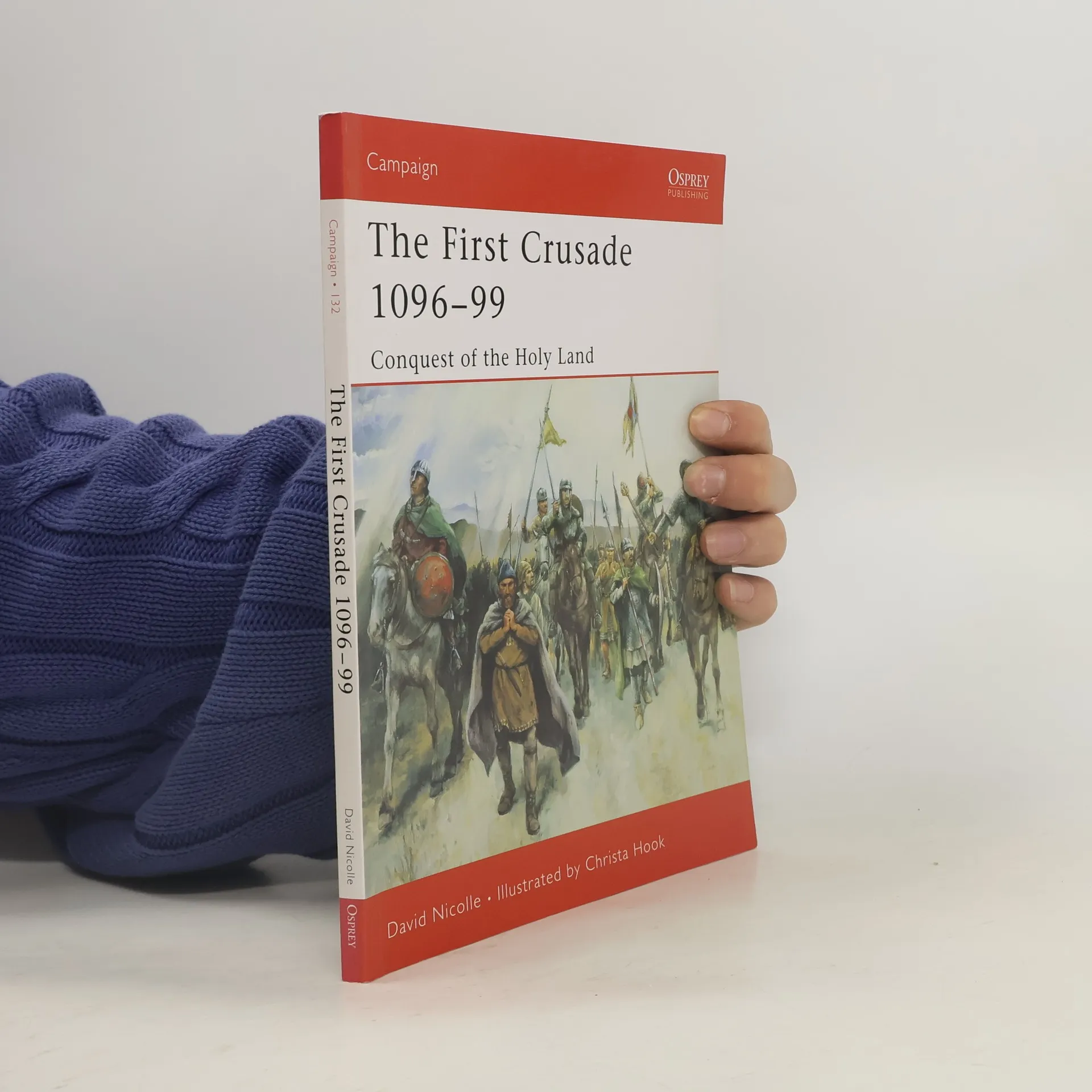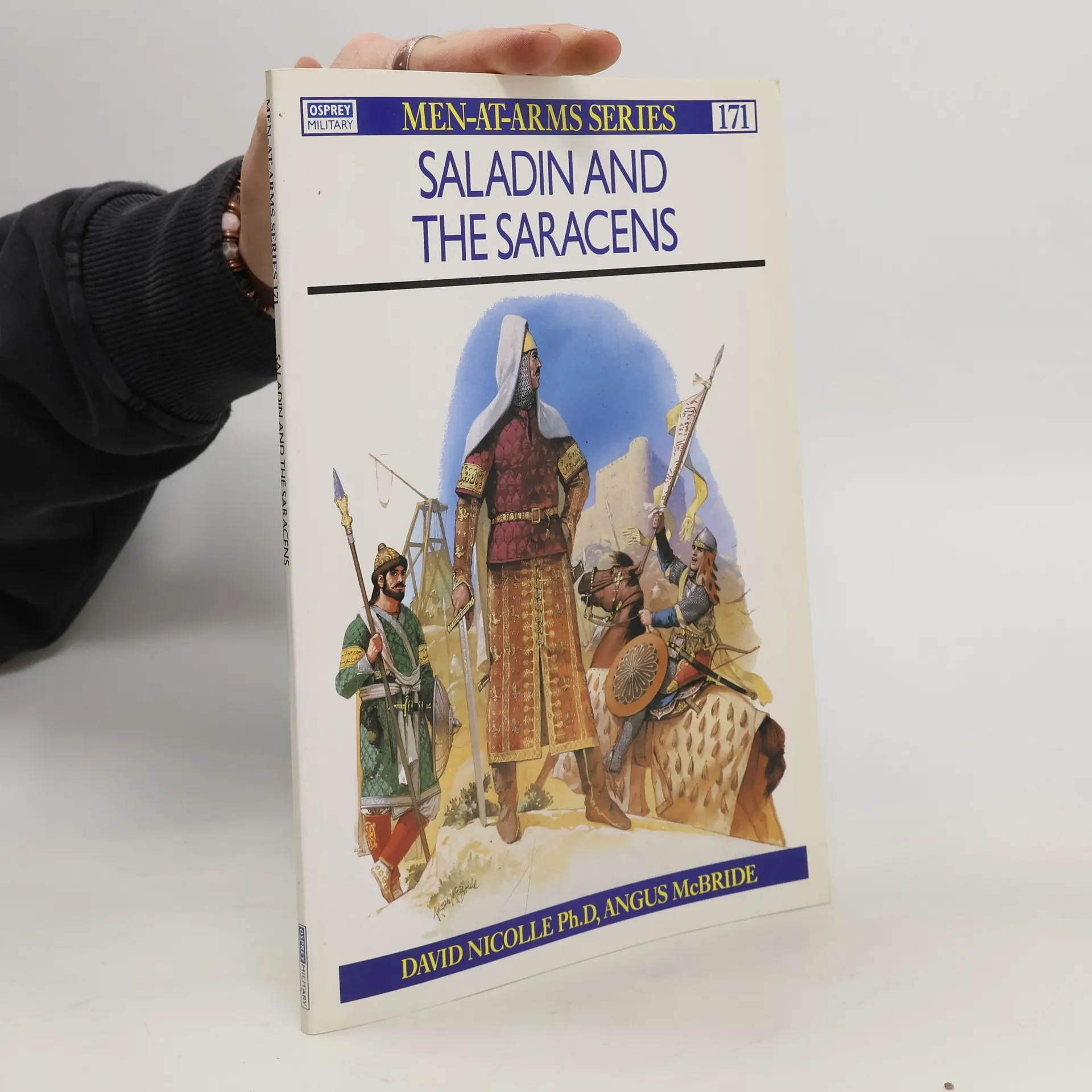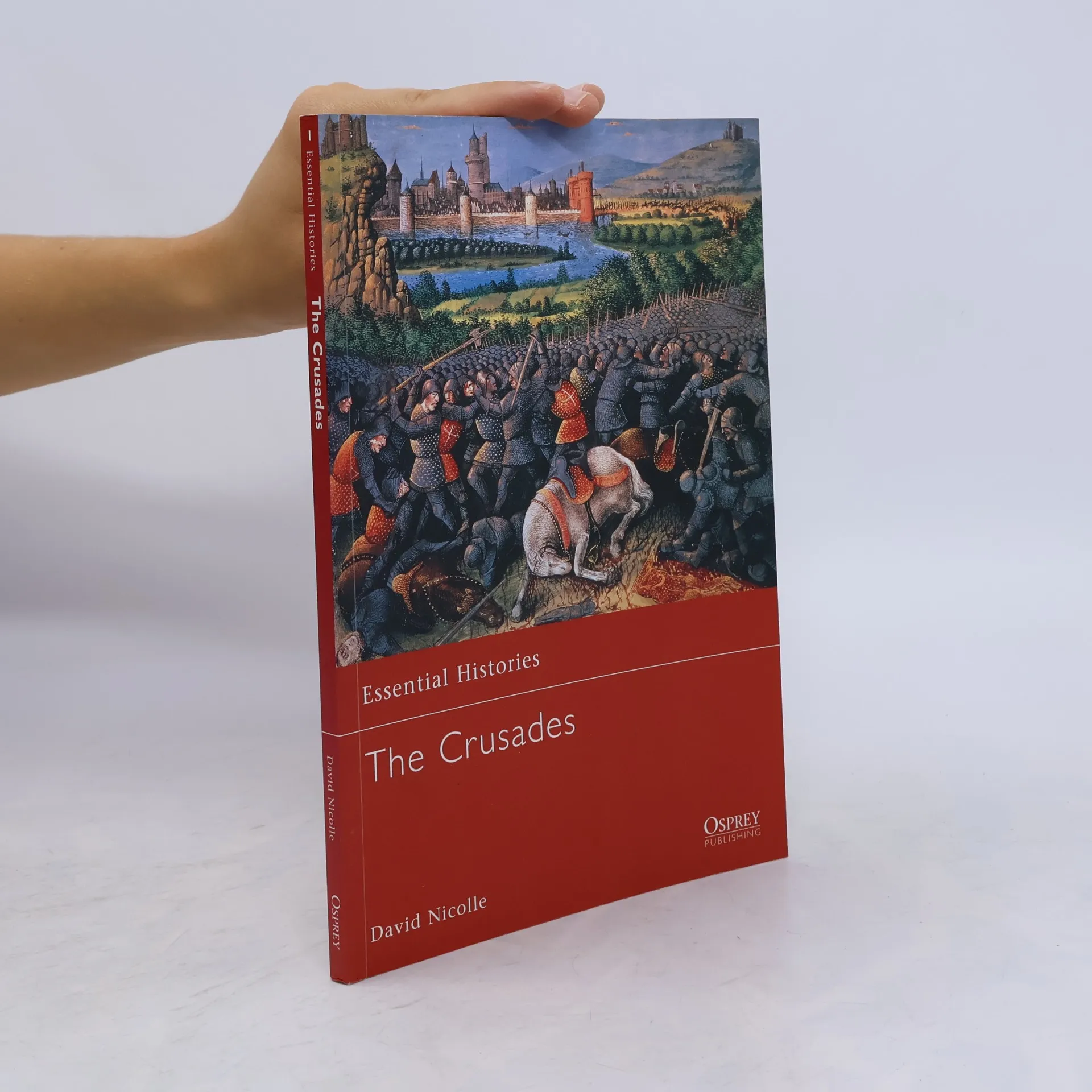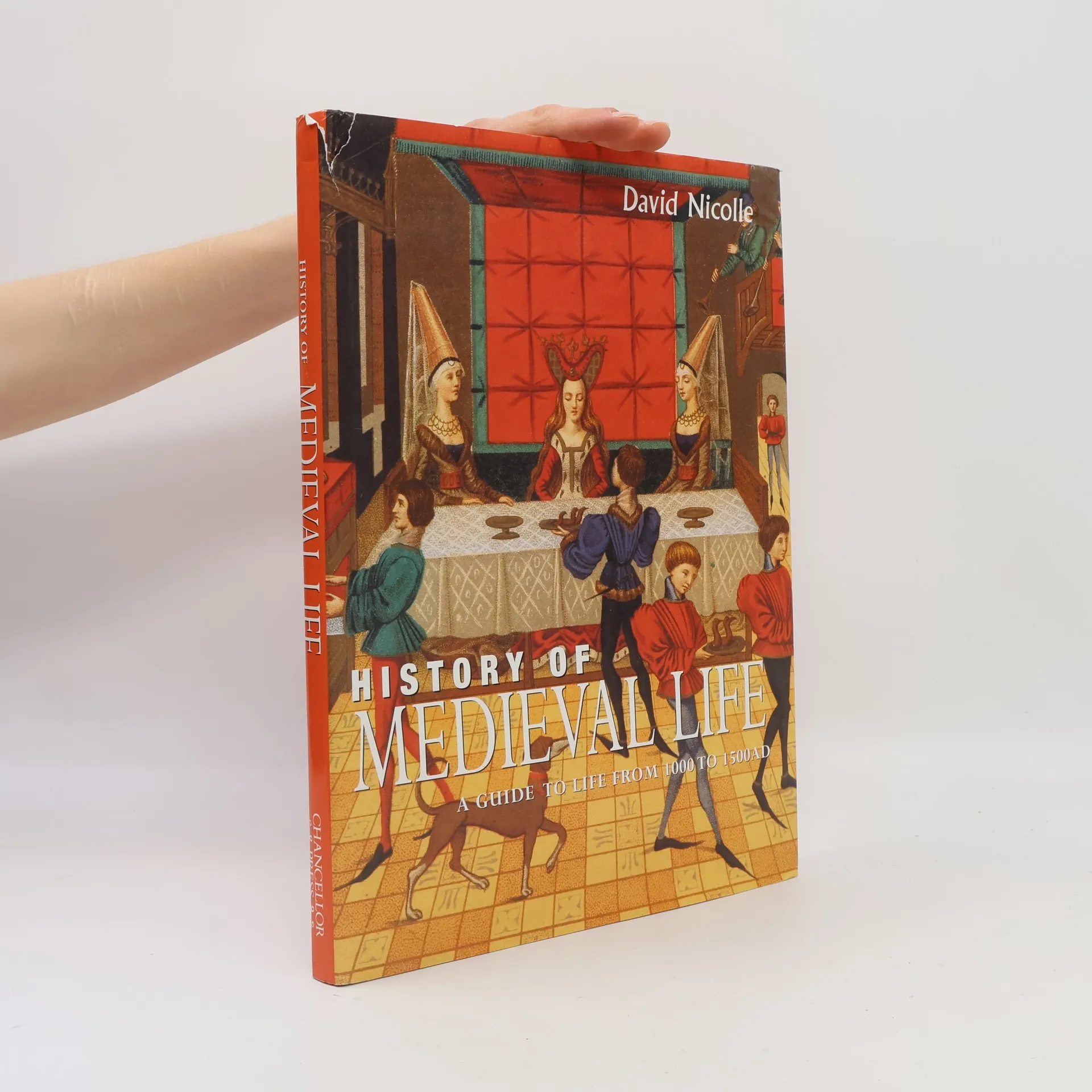

A British historian whose work centers on the military history of the Middle Ages, with a distinct focus on the Middle East. His extensive knowledge has been applied in his work for BBC Arabic and subsequently as a lecturer in world and Islamic art and architecture. His scholarship delves into detailed analyses of military conflicts and their cultural contexts, offering readers a deeper understanding of this pivotal historical era.
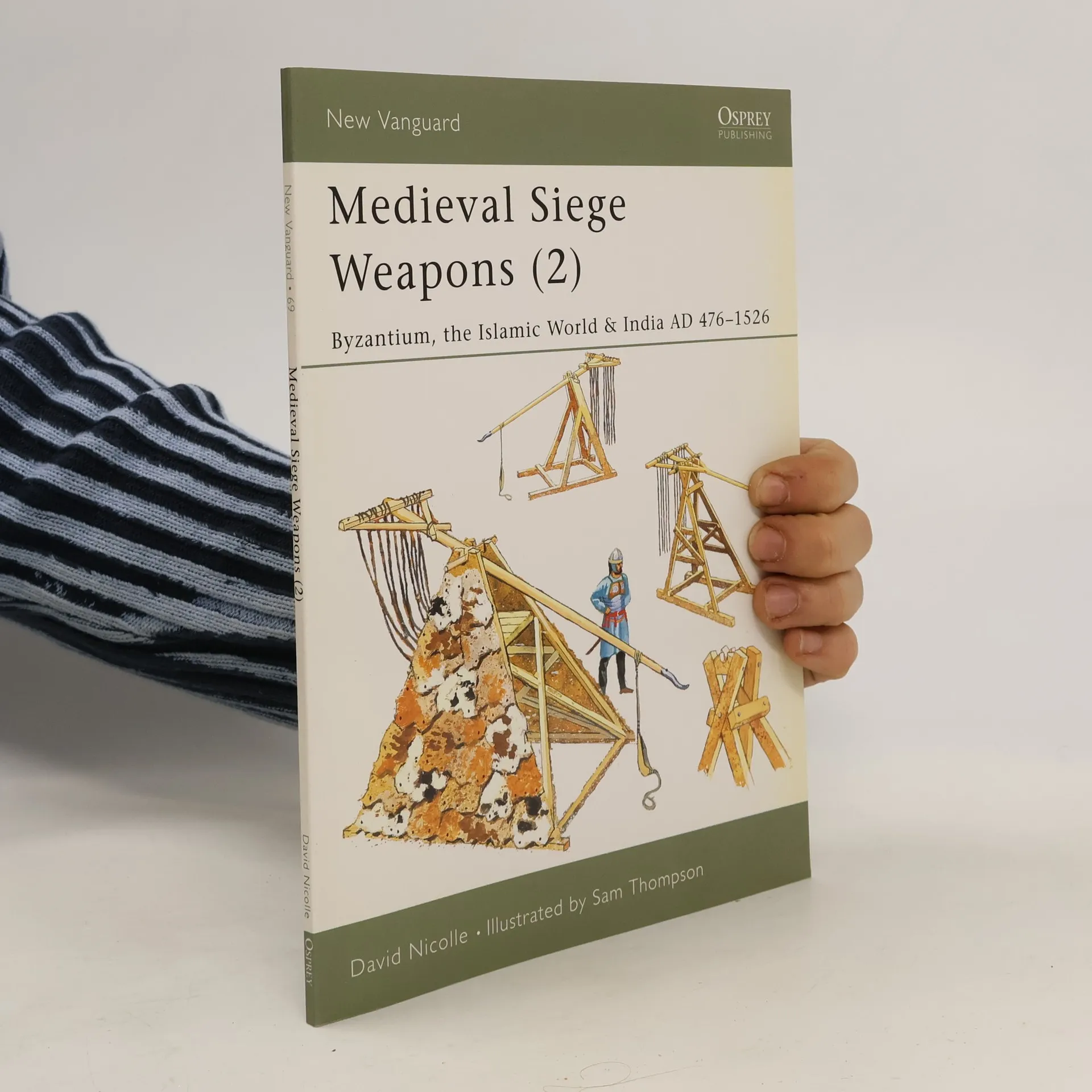
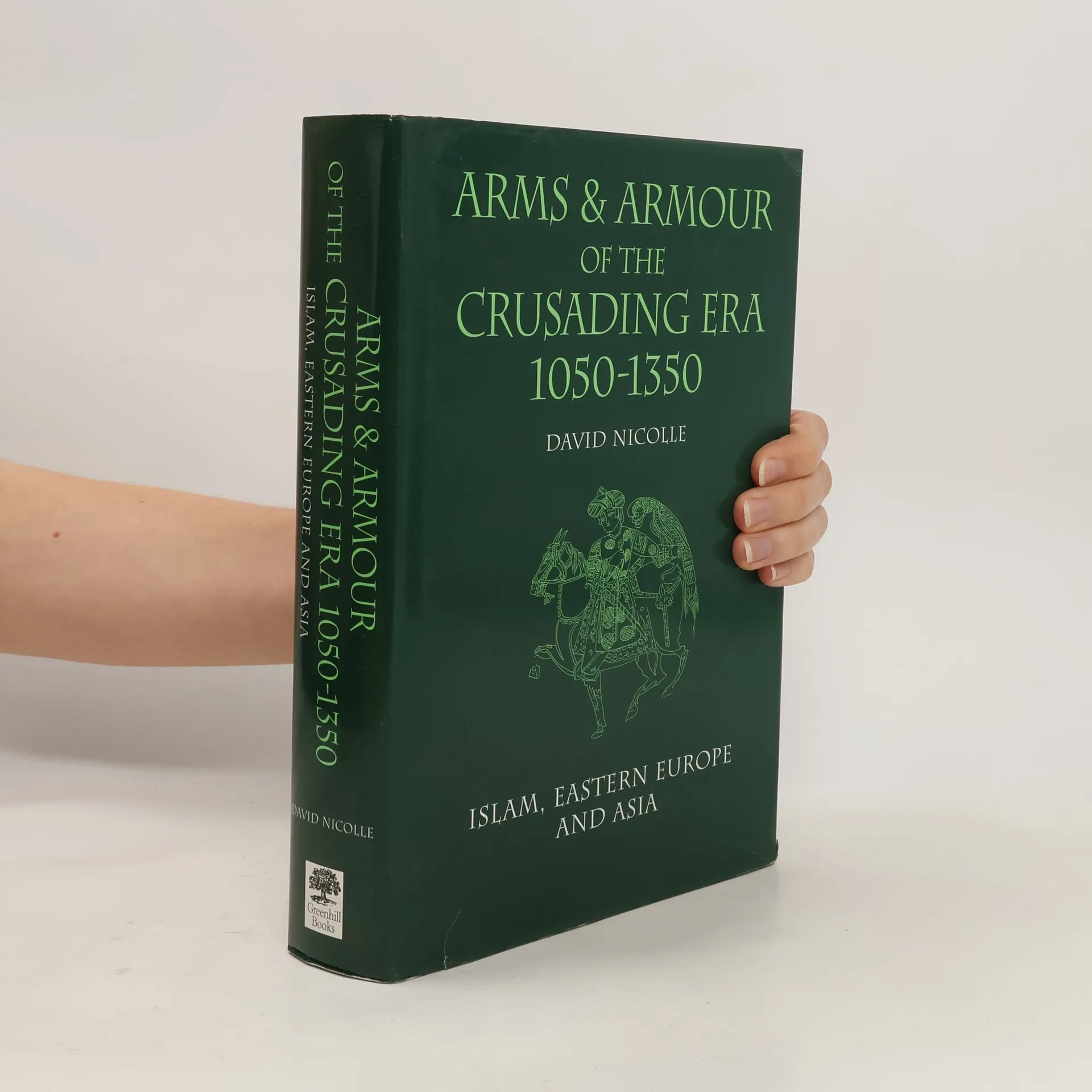
A second volume in the study of military weapons and equipment at the time of the Crusades. This book covers the arms and armour used by Muslim, Orthodox Christian, and Mongol armies, and emphasises the evolution of military technology, fashion, and science during the period.
"Hundreds of fighter-bombers of Soviet design and manufacture served in the air forces of multiple frontline Arab states during the first half of the 1960s. Not only older Mikoyan i Gurevich MiG-15s and MiG-17s, but also newer types such as the MiG-19 and MiG-21 were acquired in continuously increasing numbers, concurrently with Ilyushin Il-28- and Tupolev Tu-16 bombers, transport types such as the Antonov An-12 and Ilyushin Il-14, and trainers designed by Yakovlev. Nowhere else did they - and their pilots - play as important a role for the future of the local air forces - or entire nations - as in Egypt and Syria from 1963 until 1967. Whilst the period in question is still frequently described as a 'peaceful decade' in Israel and the West, they saw almost uninterrupted action: in Egypt, in Syria, as well as in Yemen, and especially in continuous incidents with Israel."
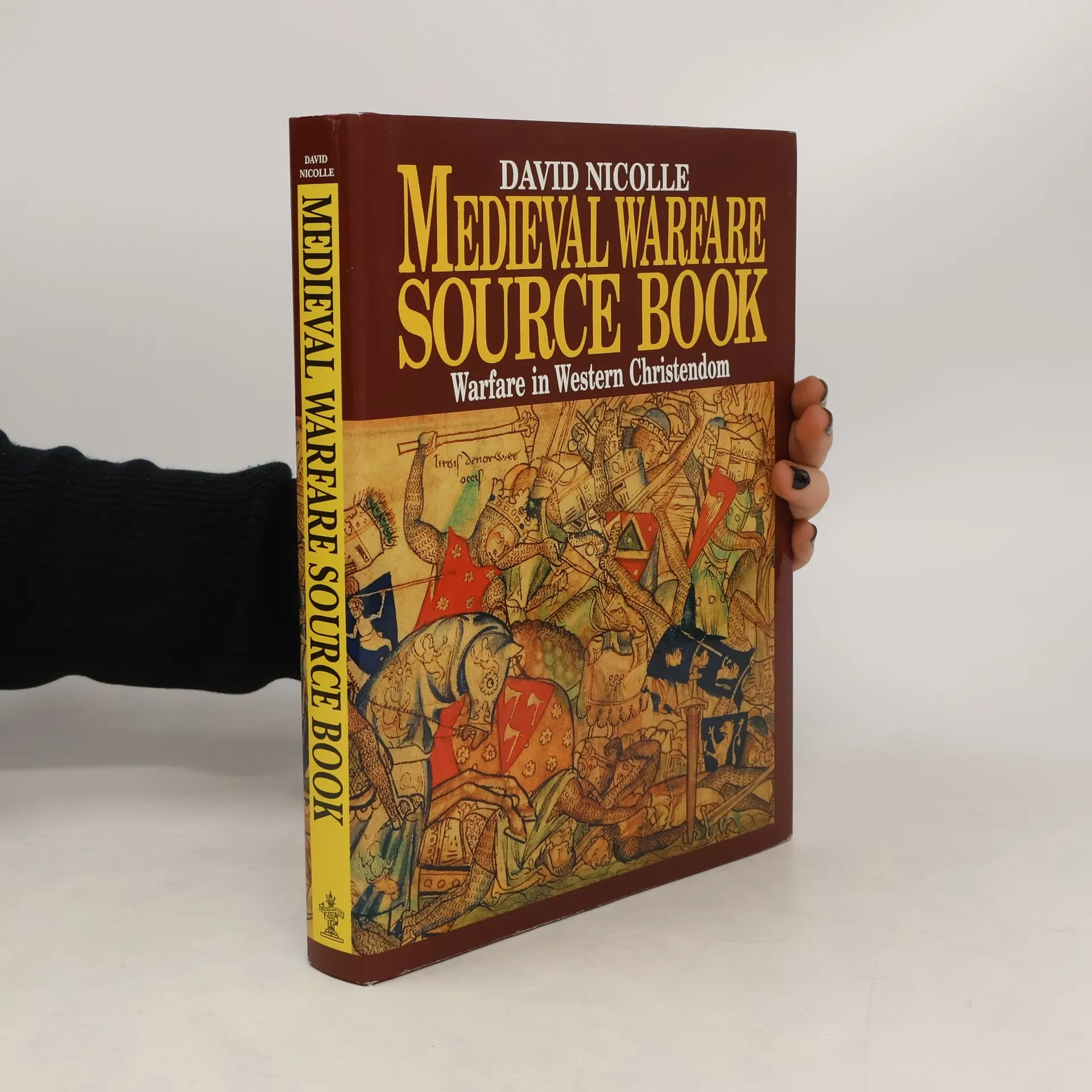
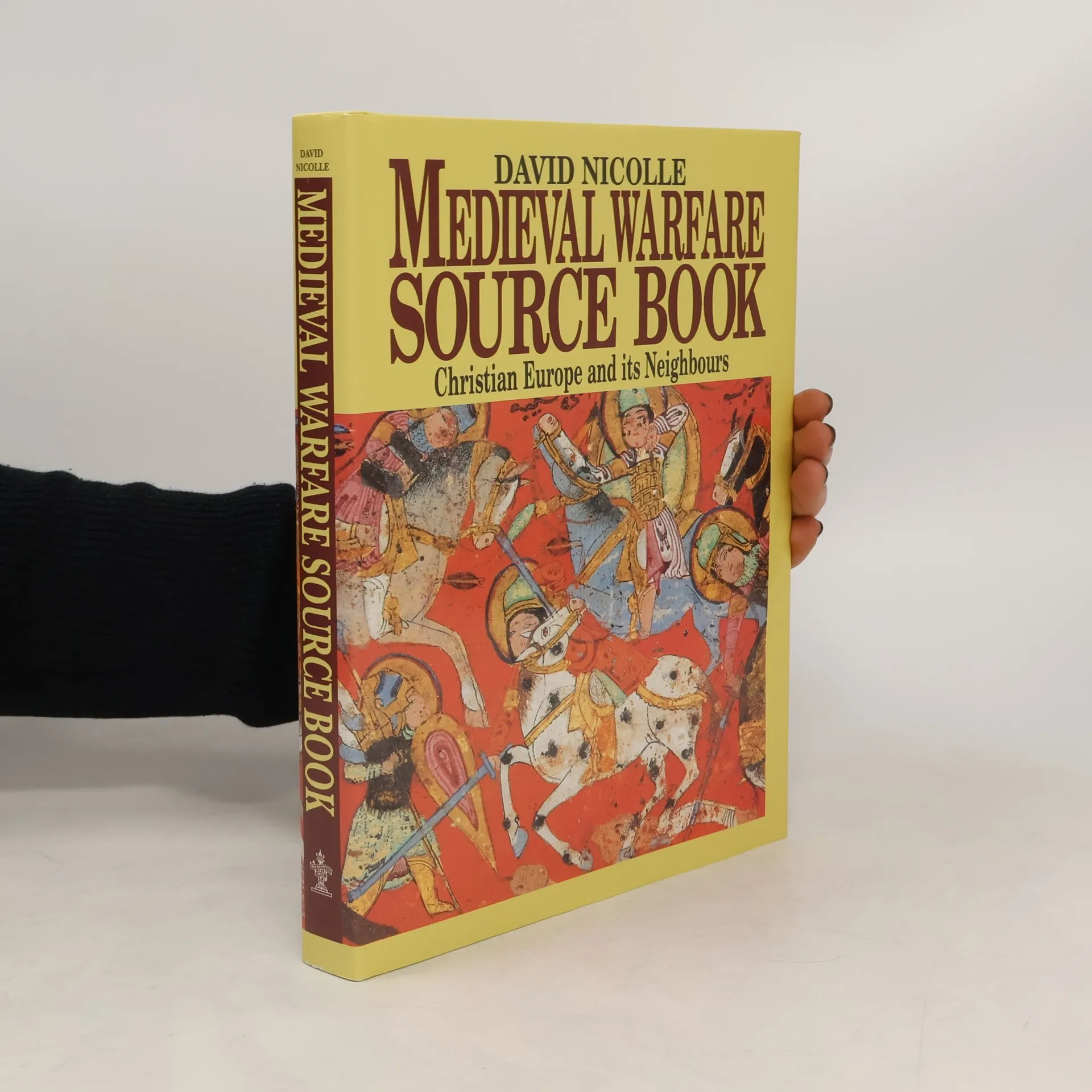
This is the first in a two volume work that divides its coverage of warfare between the fifth and fourteenth centuries into those seen in internal European and those campaigns waged by European nations beyond their boundaries and wars in other continents. The author supplements his informative text with illustrations and line drawings, extensive source notes and appendixes. He divides this first volume into: 'Barbarian' invasions and and the barbarian states. Early Medieval Europe; The High Middle Ages; Late Medieval Europe; In each section he covers the peoples, campaigns, battles, armies - their recruitment, organisation, tactics, strategy, weaponry, fortification, siege warfare and naval campaigns. This part of the book is followed by biographies of the leading characters of the period.
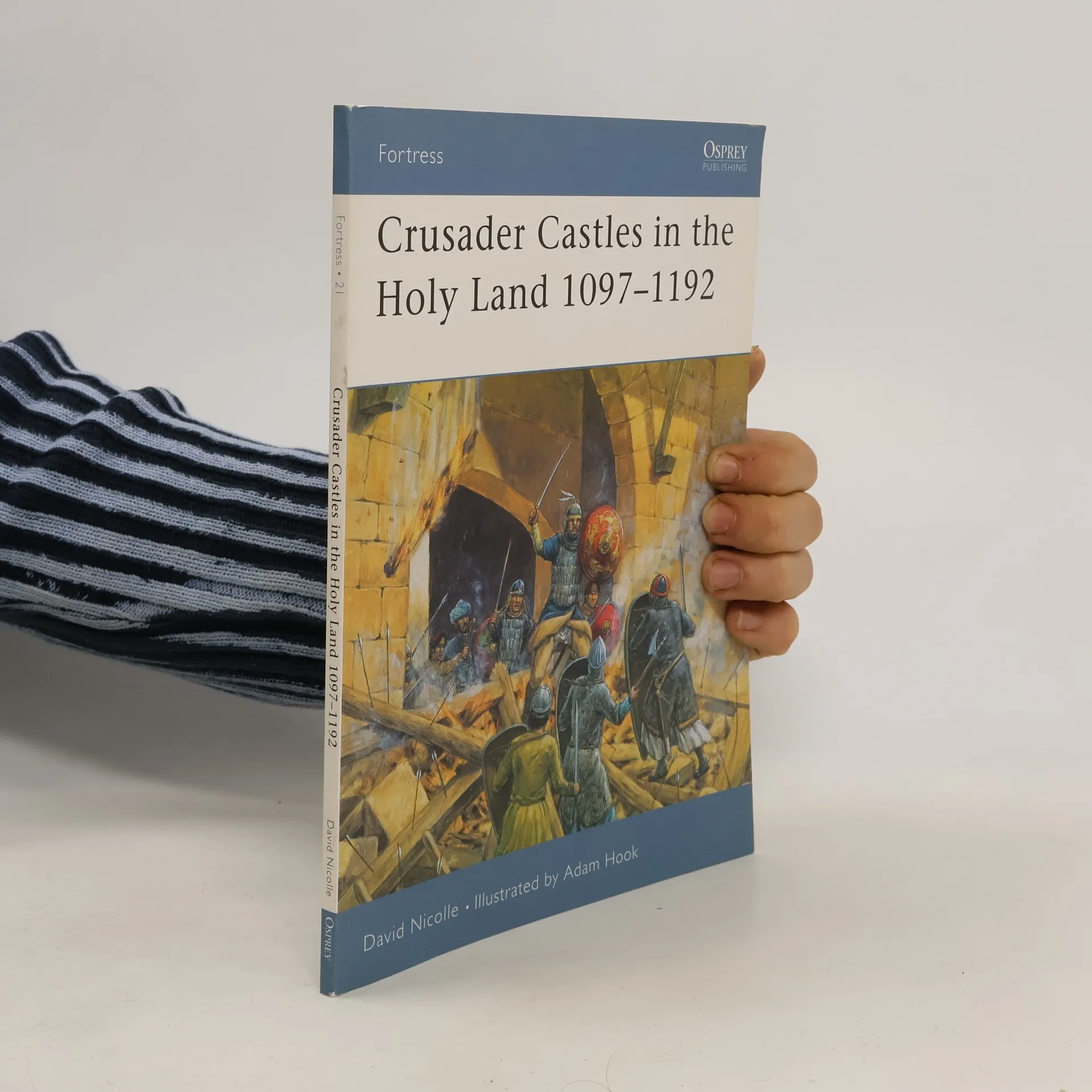
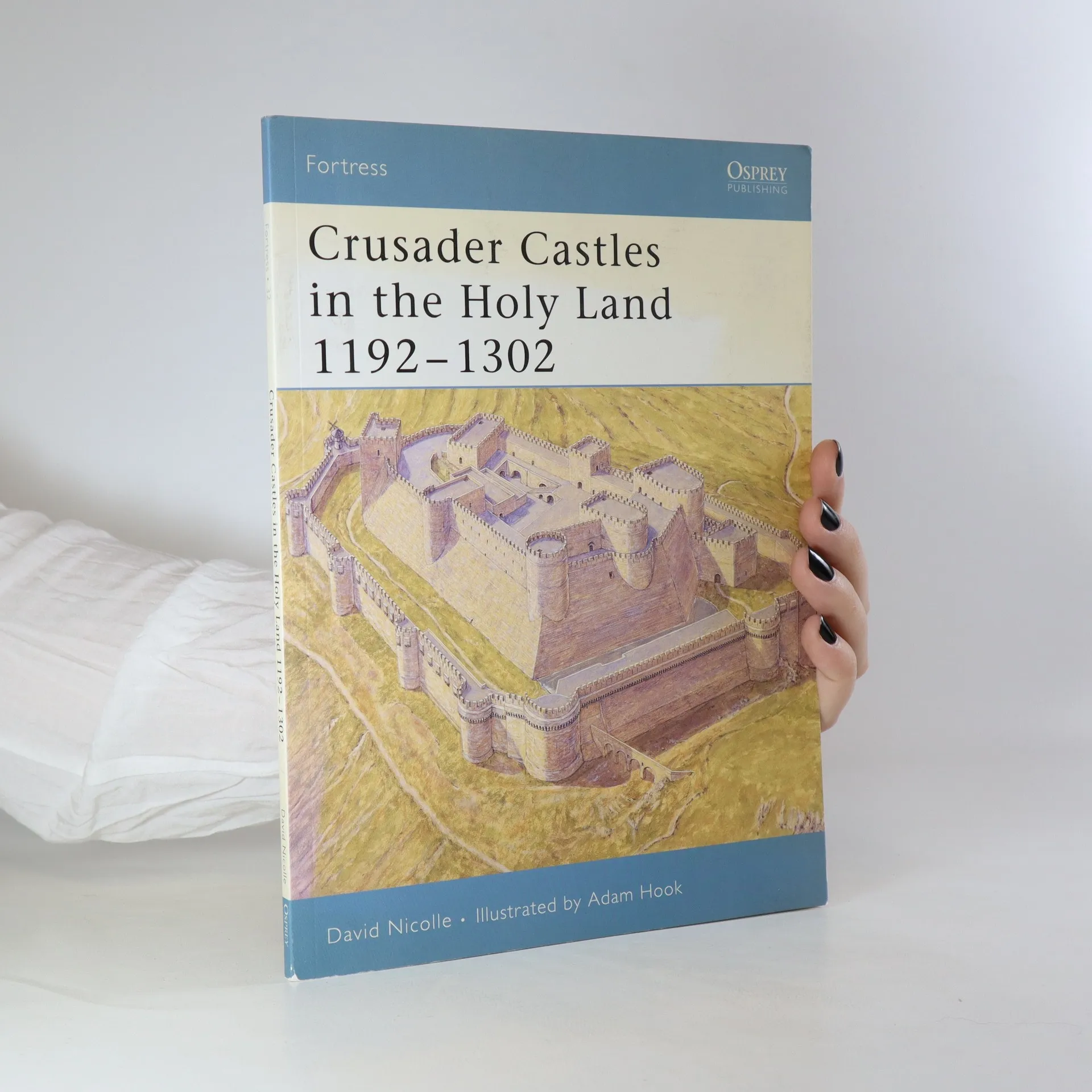
After the Second Crusade in 1148 the Crusader States embarked on a period of caution and consolidation and, in an increasingly hostile environment, began strengthening existing fortifications and building new castles.
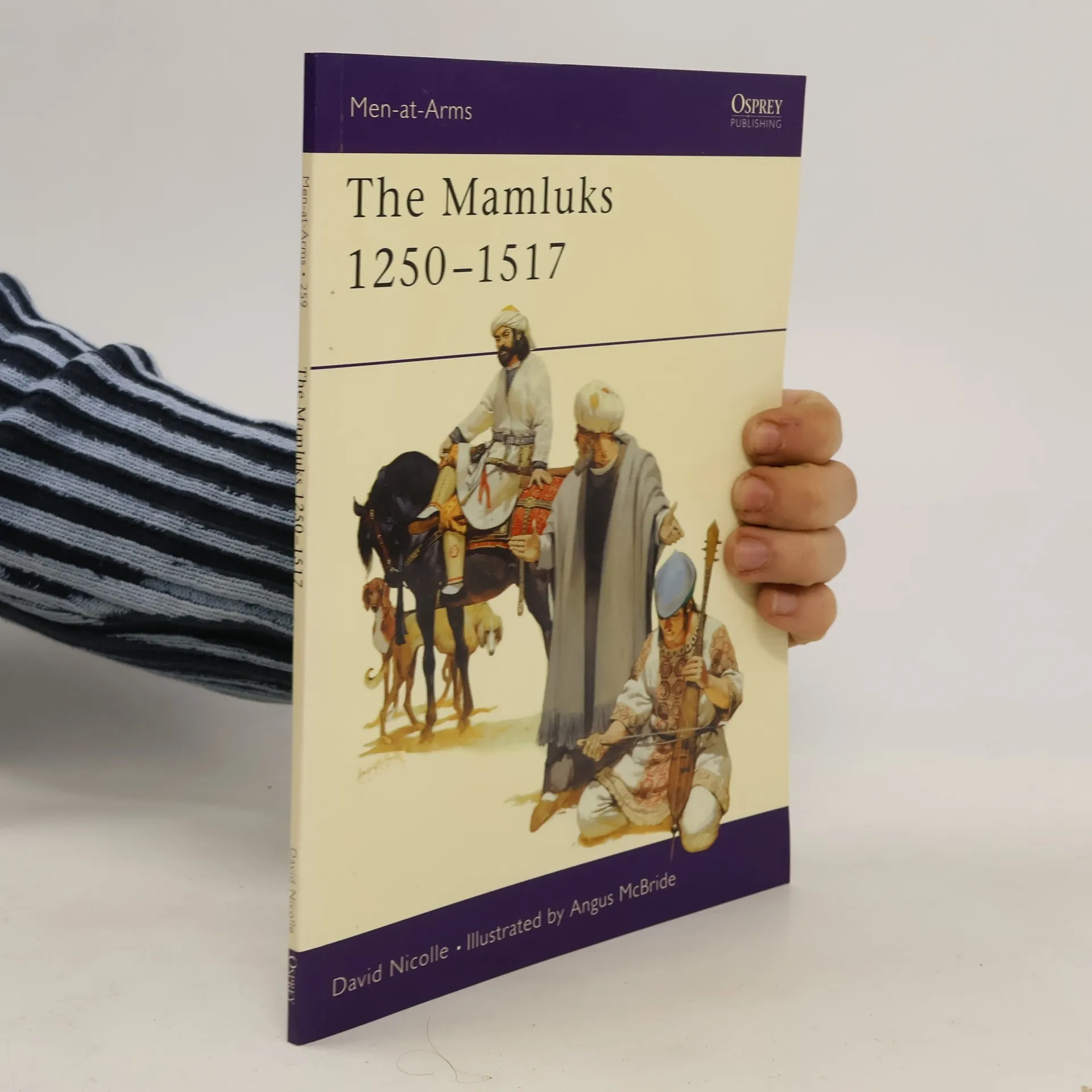
In Europe the Mamluks of Egypt are remembered as so-called 'Slave Kings' who drove out the Crusaders from the Holy Land; but they were far more than that. Though its frontiers barely changed, the Mamluk Sultanate remained a 'great power' for two and a half centuries. Its armies were the culmination of a military tradition stretching back to the 8th century, and provided a model for the early Ottoman Empire, whose own armies reached the gates of Vienna only twelve years after the Mamluks were overthrown. This absorbing text by David Nicolle explores the organisation and tactics of these fascinating people.
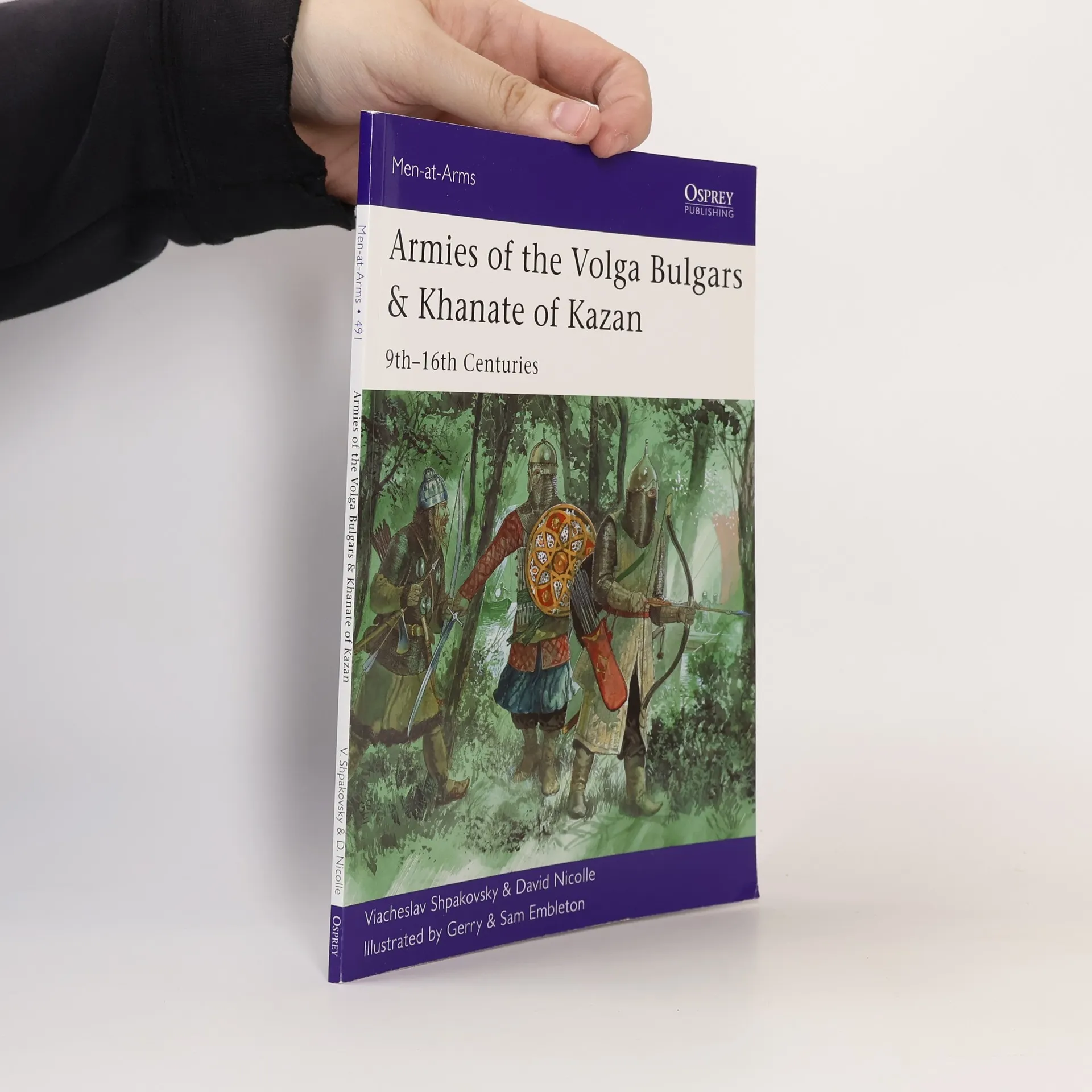
The Bulgars were a Turkic people who established a state north of the Black Sea. Their state fragmented under pressure from the Khazars; one group moved south, but the rest moved north during the 7th and 8th centuries to the basin of the Volga river. This book explores the costumes, armament, armour and fighting methods of the Volga Bulgars.