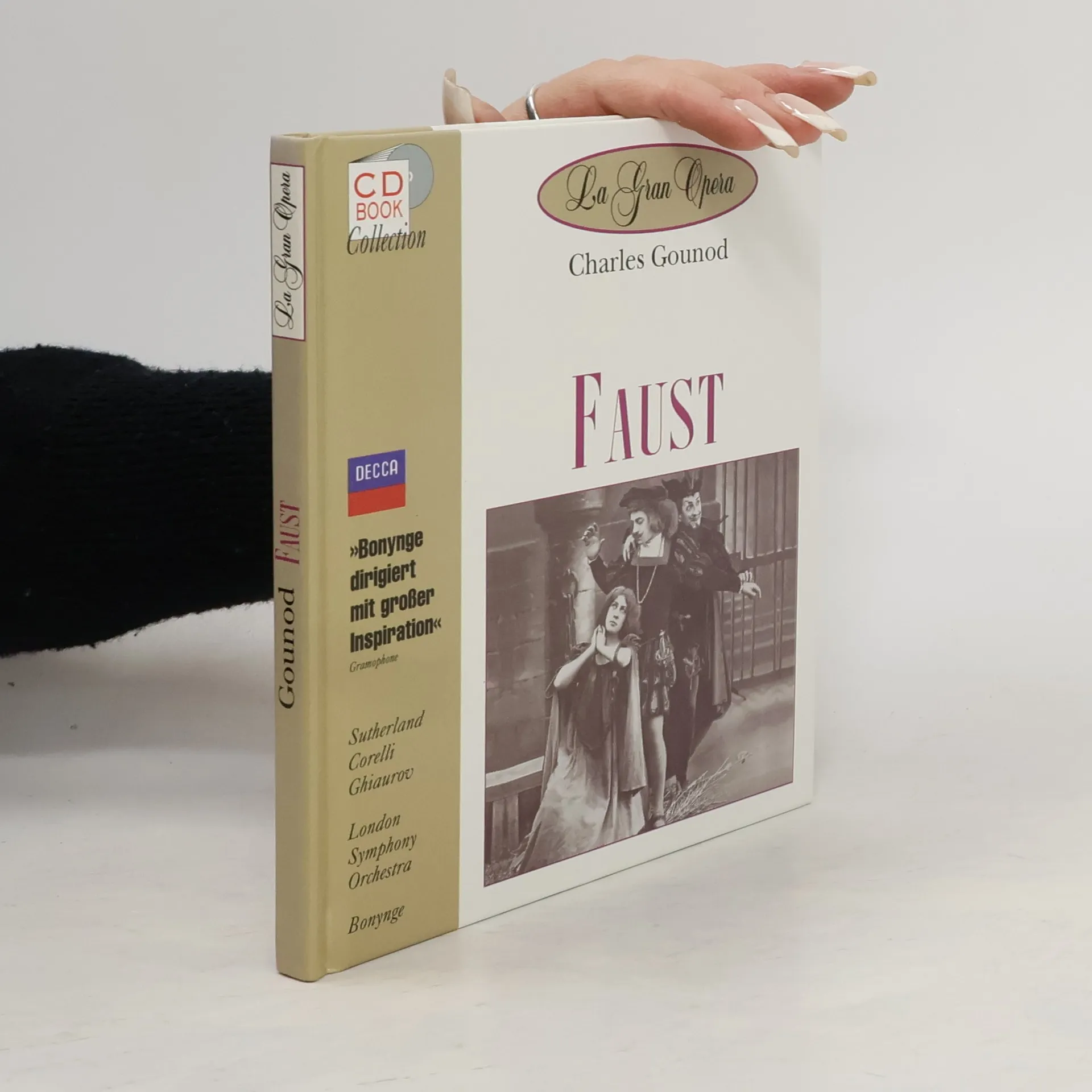
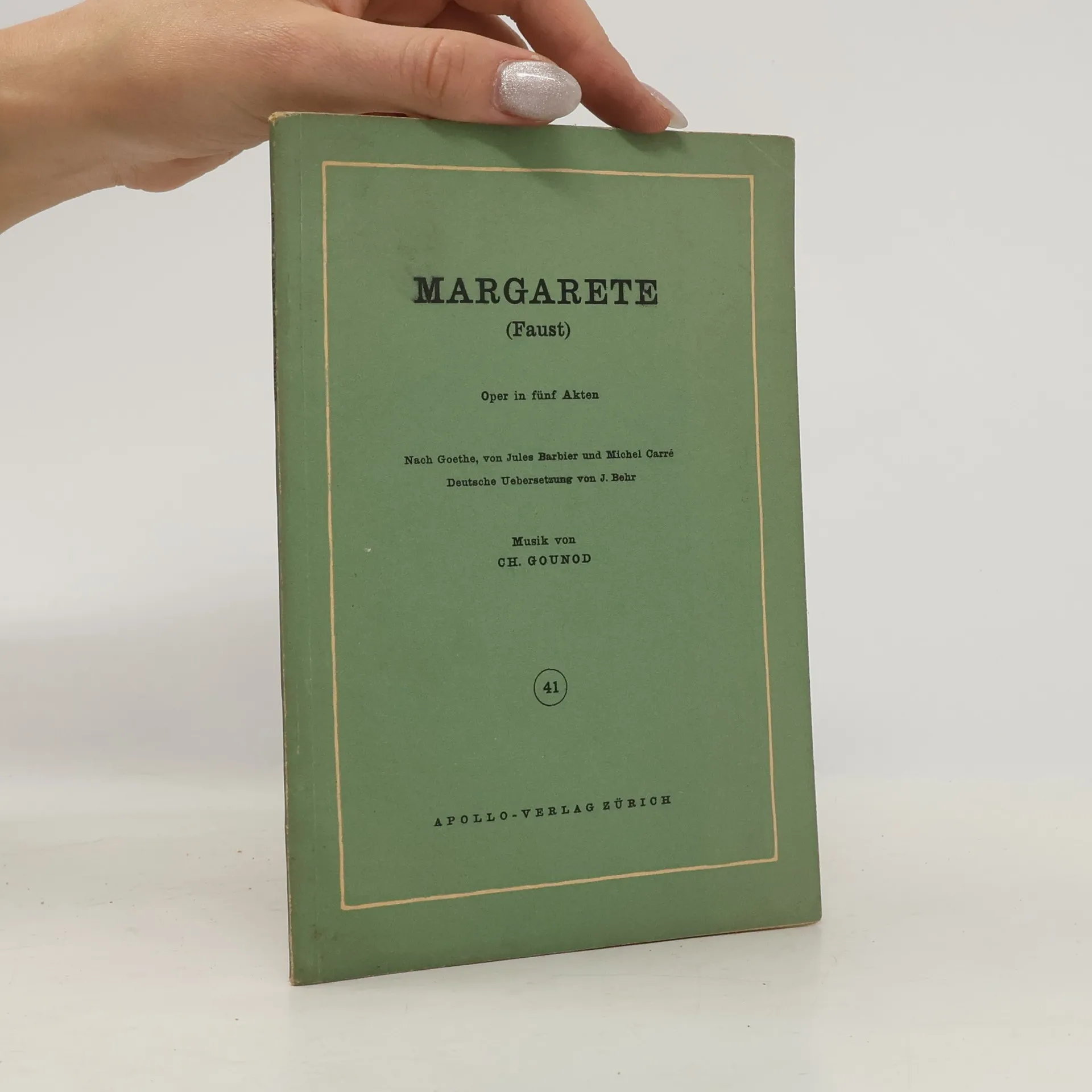
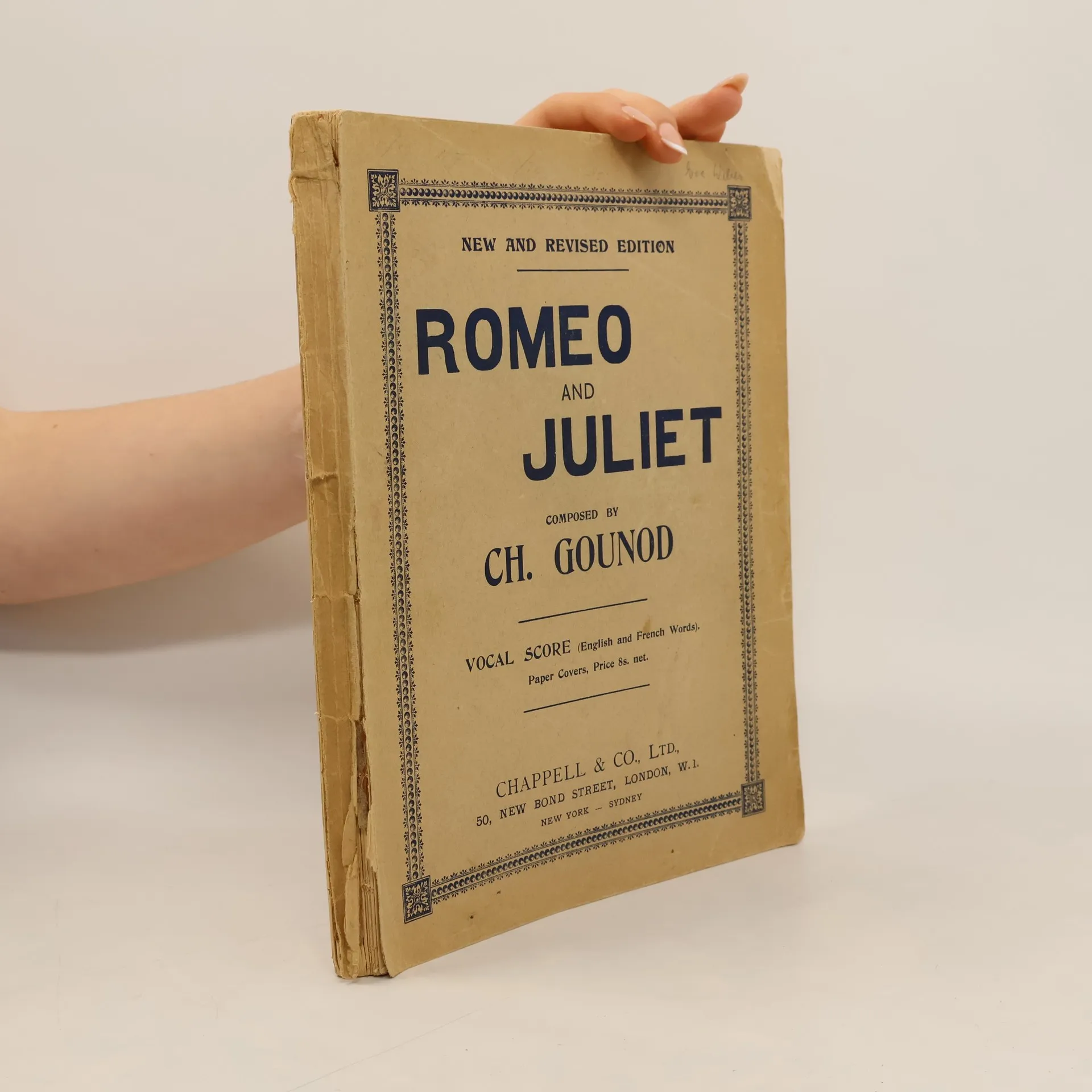

Soldiers' Chorus (from Faust): Score & Parts
- 999 pages
- 35 hours of reading
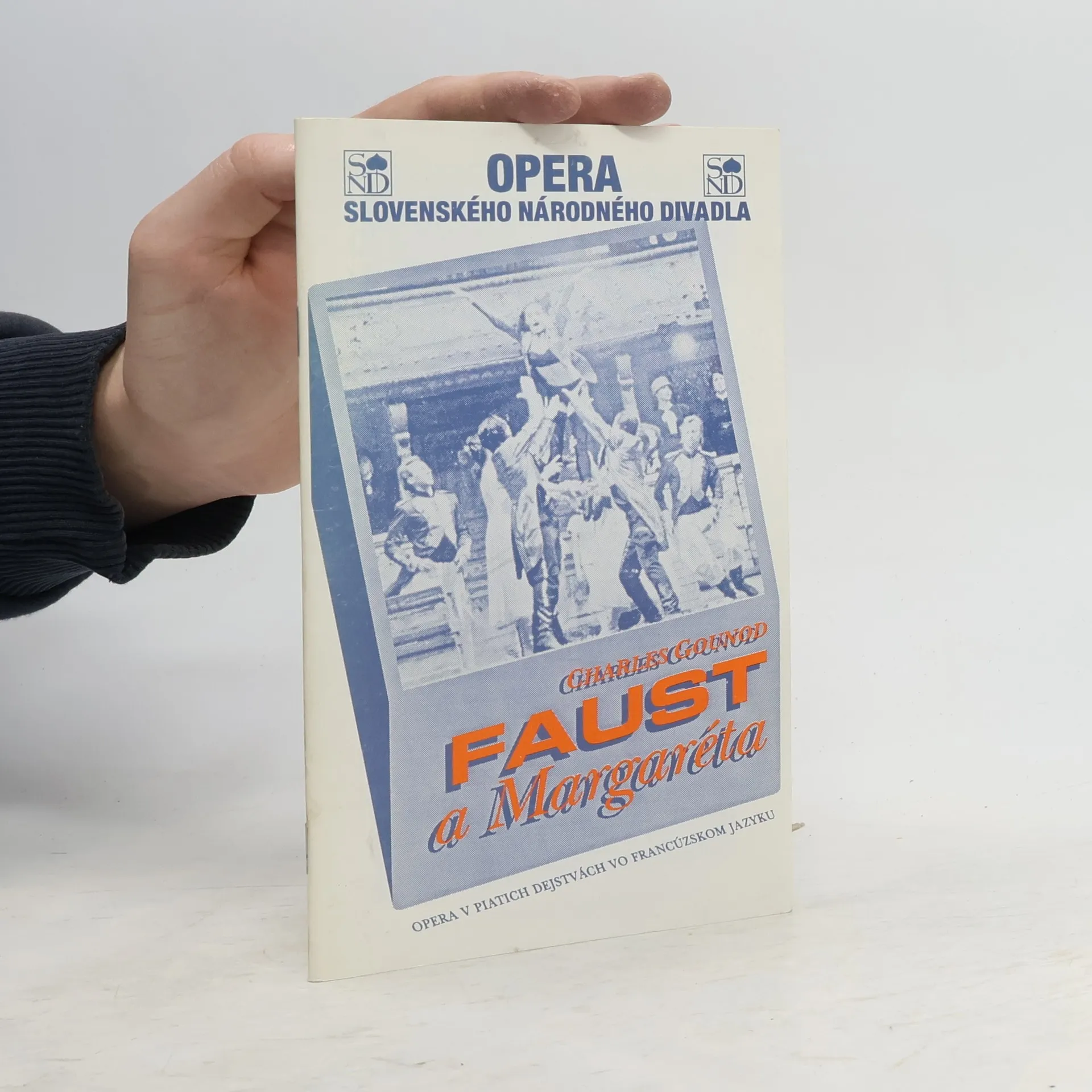
This composer's work is deeply infused with a passion for 16th-century church music, a foundation that informs his dramatic operas, most notably his celebrated adaptation of Goethe's epic. His music is characterized by its flowing melodies and remarkable stagecraft, earning him enduring popularity. Beyond opera, his output includes profound oratorios and evocative songs, all of which garnered significant acclaim during his lifetime.


Instrumentation: 1.2.2.2: 2.0.0.0 This charming work in four movements was requested by Charles Gounod by a Parisian wind ensemble called Societe de Musique Pout Instruments a Vent led by famed flautist Paul Taffanel. Written for flute, two oboes, two clarinets, two horns, and two bassoo
Written during a creative break from opera, this symphony by Gouod premiered in 1855 in Paris. Its publication included scores and arrangements, notably one for piano duet by a young Georges Bizet. This arrangement likely inspired Bizet to compose his own Symphony in C major, which remained largely overlooked until after his death. The work reflects the interconnectedness of composers and their influences during the 19th century, showcasing the evolution of symphonic music during that period.
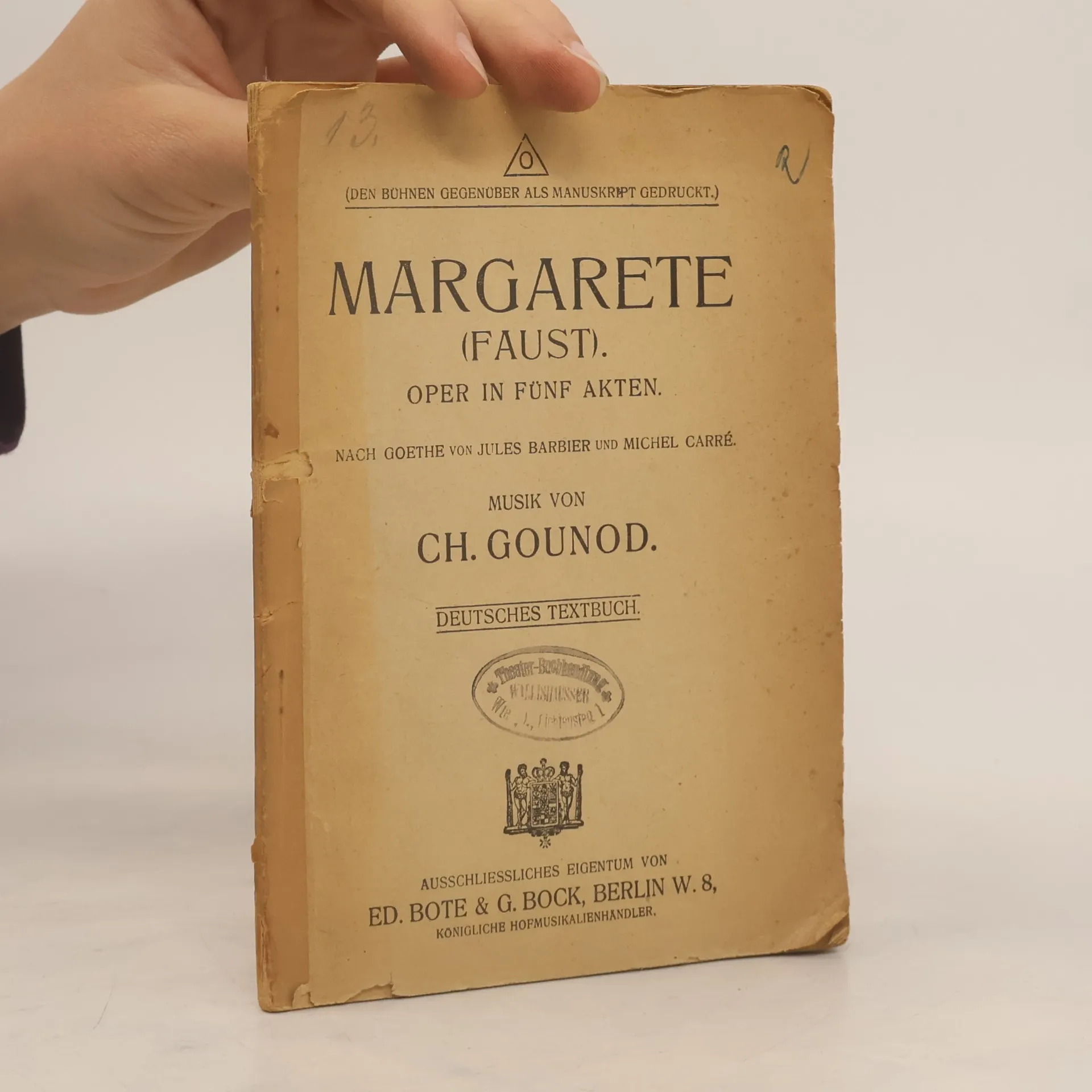
Oper in fünf Akten
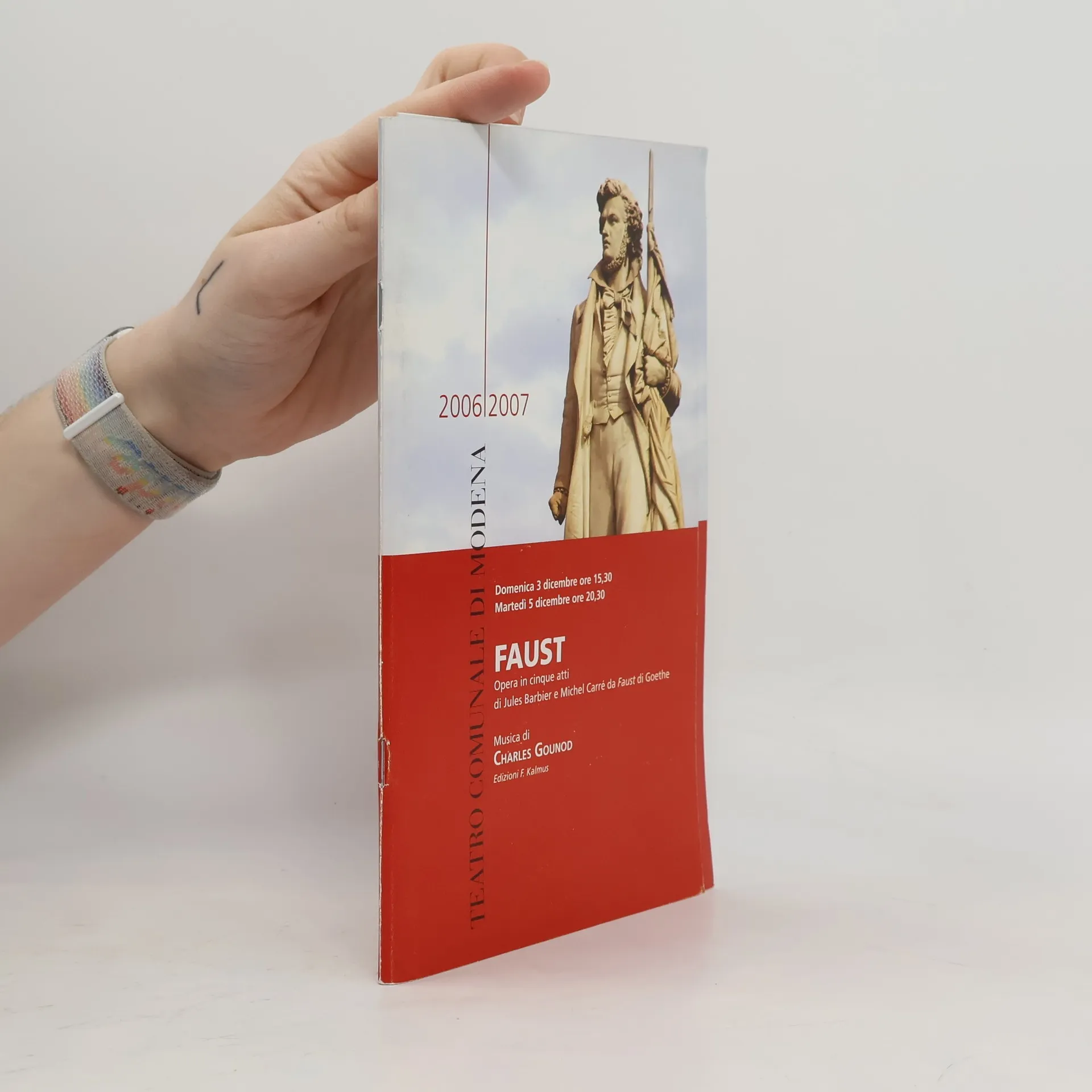
Faust