Exploring the intricate relationship between Islam and democracy, this book delves into the reasons behind the scarcity of democracies in Islamic-dominated states. It questions whether the challenges stem from a fundamental incompatibility between Islamic principles and democratic governance. Through critical analysis, the author examines historical, cultural, and political factors that influence the democratic landscape in these regions, offering insights into the complexities of faith and governance.
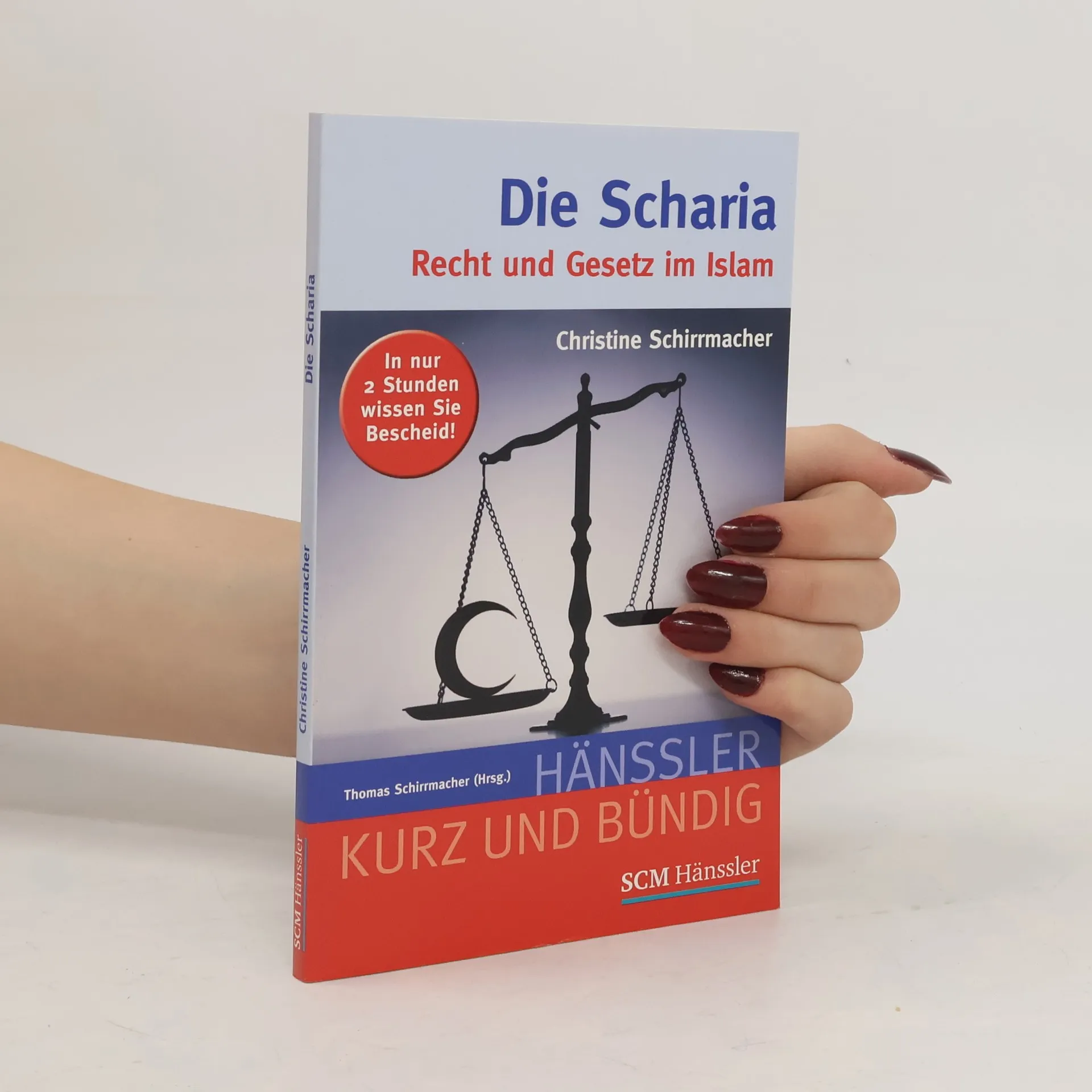
Englische Übersetzung des Buches „Die Scharia – eine kurze Einführung in das islamische Recht“ What is Sharia law? Centuries ago the West might have been indifferent to the question of how the Islamic legal system operates. But in our time of globalization we can no longer afford to ignore the legal approach that is perceived as valid in Muslim majority countries and is important to as many as one billion Muslims. The Sharia encompasses comprehensive legal guidelines for all areas of life that are justified by Islam. This means the entirety of the commands of Allah, as they were laid down in the Koran and Islamic tradition and then interpreted by leading theologians. “The Sharia – Law and Order in Islam” also explains the practical consequences for the life of minorities, converts, and women.
Essays: The Challenge of Muslim Immigration to Europe The Challenge of Islam: Are we Equipped? Is Multi(Culti) at an End? Islam – Religion of Peace? How Muslims view Christians What is a Fatwa? Islamic “Mission” (Da’wa) Apostasy and Sharia The Significance of Islamic Tradition Women in Islam “Islam” is not just “Islam” Suicide, Martyrdom and Jihad Honor Killings and Ideas of Honor Christine Schirrmacher, born 1962 (MA in Islamic Studies 1988, Dr. phil. Islamic Studies 1991) has studied Arabic, Persian and Turkish and is presently Professor of Islamic Studies at the Department “Religious Studies and Missiology“ of the “Evangelisch-Theologische Faculteit” (Protestant University) in Leuven/Belgium. She is director of the “Institut für Islamfragen“ (Institute of Islamic Studies) of the German Evangelical Alliance as well as an official speaker and advisor on Islam for the World Evangelical Alliance (WEA). She lectures on Islam and security issues to authorities, is author of several books on Islam, sharia and family issues in Islam, has visited many countries of the Muslim world and is engaged in current dialogue initiatives, like the conference “Loving God and Neighbour in Word and Deed: Implications for Muslims and Christians” of the Yale Centre for Faith and Culture, Yale University, New Haven/Connecticut, in July 2008.
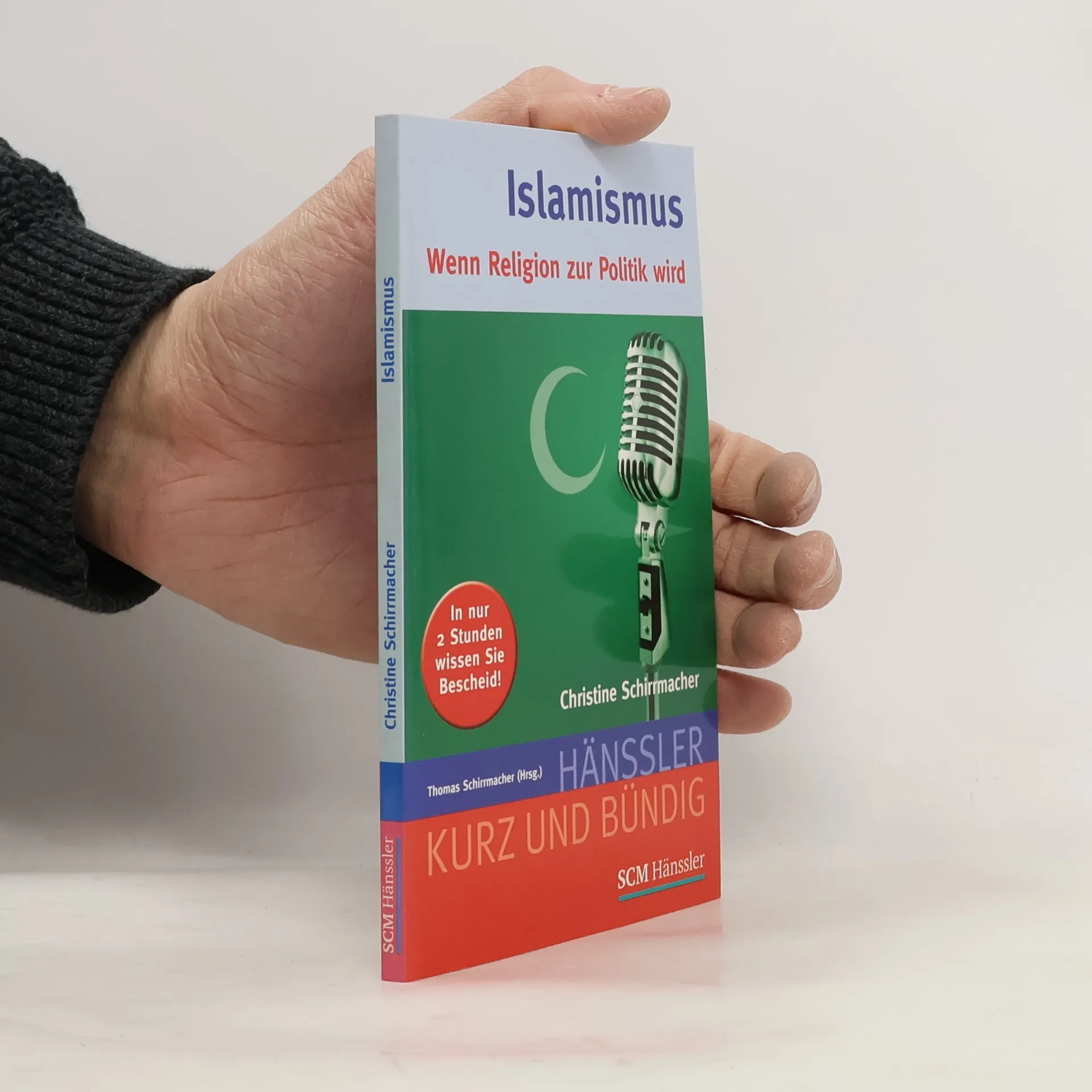
Political Islam or Islamism – in contrast to Jihadism or terrorism – does not necessarily first and foremost have anything to do with violence. On the contrary, the large majority in the Islamic movement turned away from the use of violence long ago and is instead attempting to peacefully exert political and societal influence. Representatives of political Islam are well-trained political strategists who, in suits and ties and via organized Islam and Islamic organizations conduct resolute lobbying activities in Europe in order to promote the implementation of Islamic society. Christine Schirrmacher provides a sophisticated overview of the genesis of this global movement, its view of the world, and its goals, and she demonstrates that it is essentially a product of the twentieth century. The reader will additionally gain insight into the Muslim Brotherhood, the first institutionalized form of political Islam. At present it is the most interconnected and successful movement in the world.
Essays: The Koran and the Bible Compared Allah – God of Love? The Fall of Man and the Redemption of Mankind The Meaning of Sin in the Koran and the Bible Repentance and Forgiveness in Islam Abraham in the Koran Jesus Christ in the Koran The Crucifixion of Jesus The Koran on the Trinity Apostasy in Islam and others Christine Schirrmacher, born 1962 (MA in Islamic Studies 1988, Dr. phil. Islamic Studies 1991) has studied Arabic, Persian and Turkish and is presently Professor of Islamic Studies at the Department “Religious Studies and Missiology“ of the “Evangelisch-Theologische Faculteit” (Protestant University) in Leuven/Belgium. She is director of the “Institut für Islamfragen“ (Institute of Islamic Studies) of the German Evangelical Alliance as well as an official speaker and advisor on Islam for the World Evangelical Alliance (WEA). She lectures on Islam and security issues to authorities, is author of several books on Islam, sharia and family issues in Islam, has visited many countries of the Muslim world and is engaged in current dialogue initiatives, like the conference “Loving God and Neighbour in Word and Deed: Implications for Muslims and Christians” of the Yale Centre for Faith and Culture, Yale University, New Haven/Connecticut, in July 2008.
In an increasingly globalized world, diverse nations, cultures, and religions coexist more closely than ever, with Muslims in the West forming a significant minority advocating for equal political rights. Globally, Islam has expanded its presence through student organizations, scholarships, and the construction of large mosques, highlighting our multireligious reality. Christine Schirrmacher provides a concise introduction to the fundamental teachings of Islam, its sources, cultural aspects, and political objectives. Born in 1962, Schirrmacher holds an MA and a doctorate in Islamic Studies from the University of Bonn. She has studied Arabic, Persian, Turkish, and Urdu and currently serves as a Professor of Islamic Studies at the Protestant University in Leuven, Belgium, while also teaching at the State University of Bonn, Germany. As the director of the International Institute of Islamic Studies of the World Evangelical Alliance and its German counterpart, she plays a key role in fostering dialogue on Islam. Schirrmacher lectures on Islam and security issues to governments and security agencies and has authored several works on Islam, Islamism, sharia, and family matters within the faith. Her engagement in dialogue initiatives, such as the 2008 conference at Yale University, underscores her commitment to fostering understanding between Muslims and Christians.
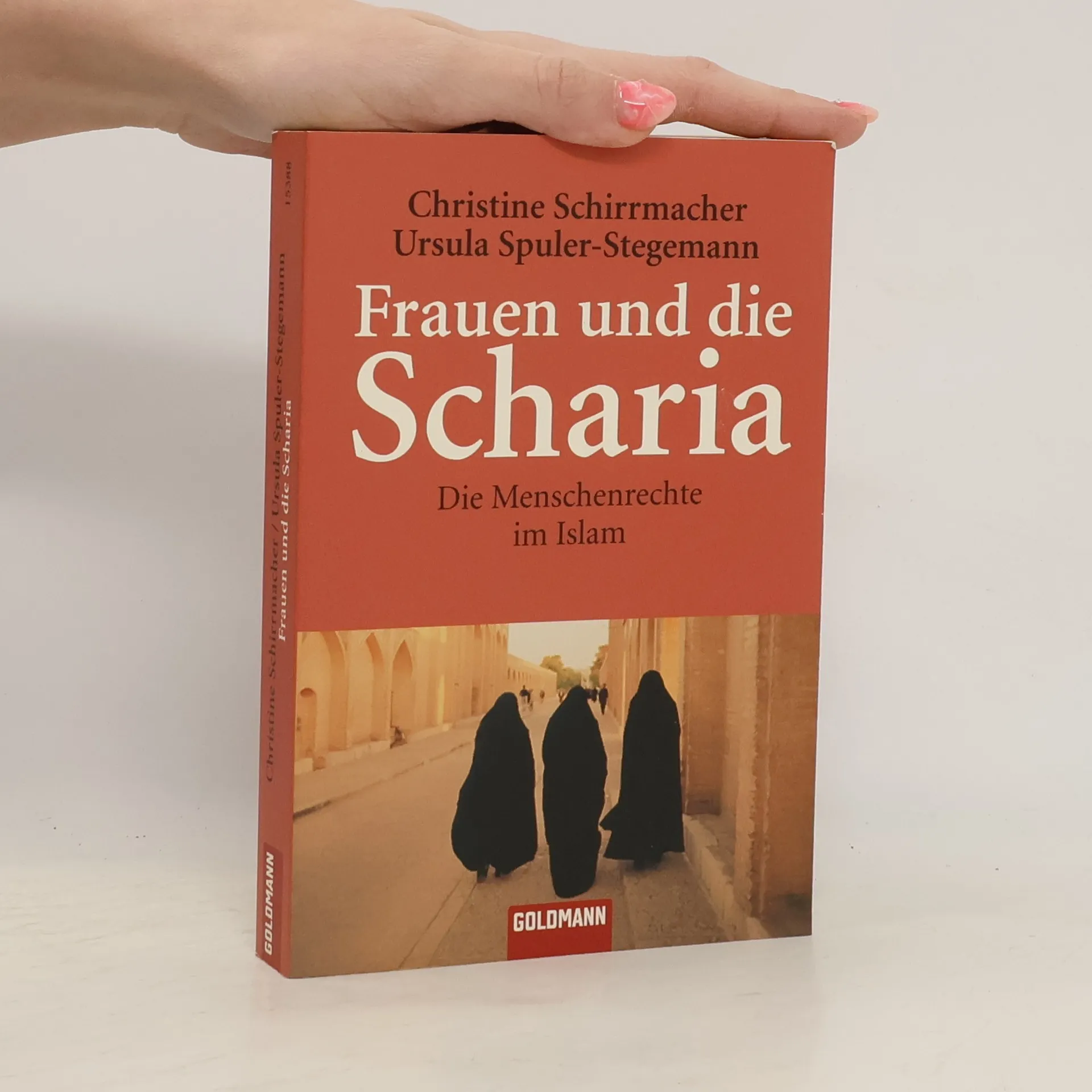
Zwischen Kopftuchstreit und Ehrenmord: Im Namen der Scharia werden Frauen geschlagen, beschnitten, zwangsverheiratet, vergewaltigt, eingesperrt und für „die Ehre“ ermordet. Die Islamwissenschaftlerinnen Schirrmacher und Spuler-Stegemann beleuchten, welche Rechte die Scharia Frauen zugesteht und welche sie ihnen abspricht. Wer legt das islamische Recht aus? Und ist die Scharia mit den Menschenrechten vereinbar?
Ein fundierter Überblick über die Stellung der Frau im Islam und ein wichtiger Beitrag zur Menschenrechtsdiskussion von zwei führenden Scharia-Expertinnen.
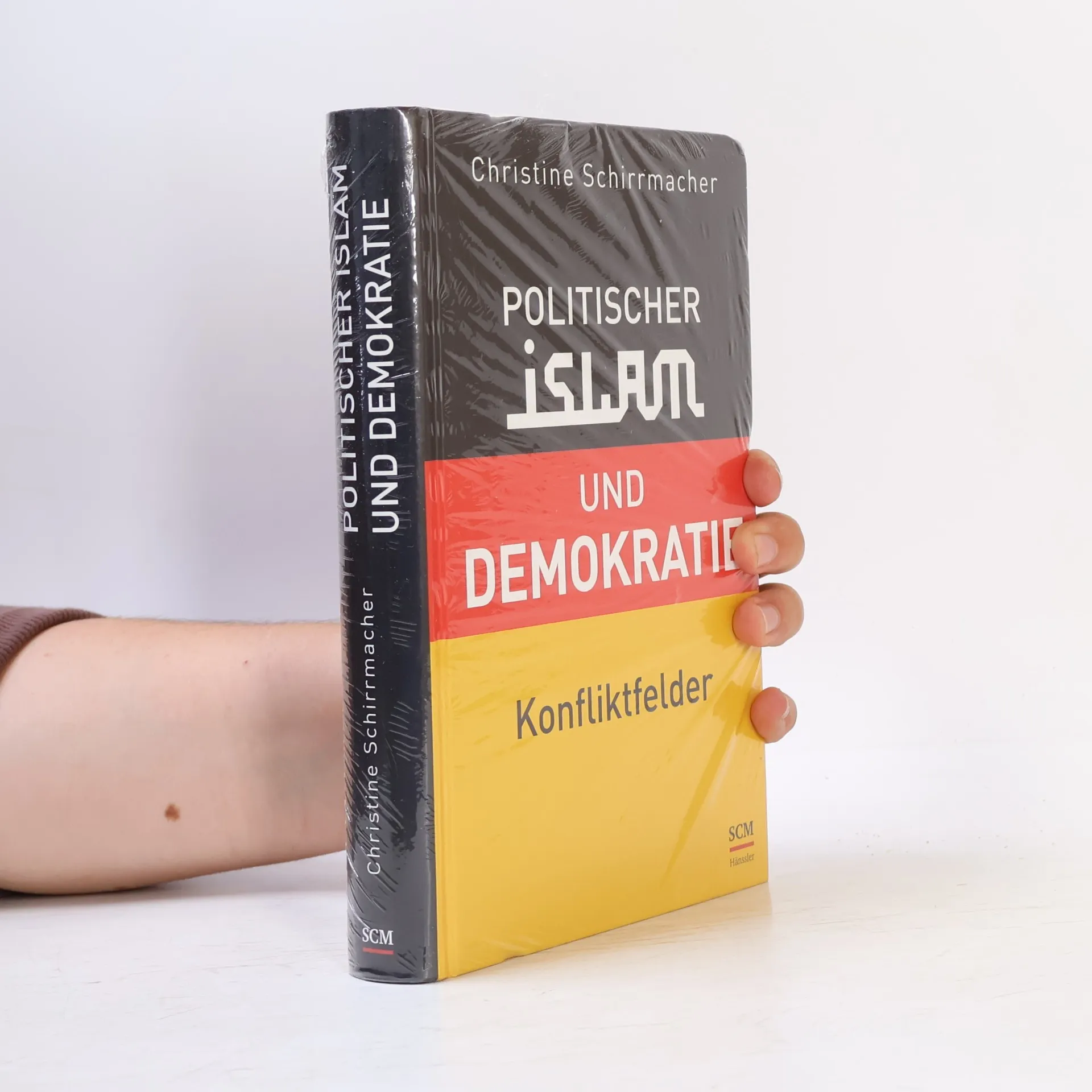
Auch wenn der politische Islam nur ein Aspekt des Islam darstellt, ist er häufig DAS Thema in unseren Wie steht er zu Zwangsehen? Erlaubt er die Anwendung von Gewalt? Wodurch werden Jugendliche radikalisiert? Sind Islam und Menschenrechte miteinander vereinbar? Die Islamwissenschaftlerin Christine Schirrmacher erläutert fundiert die geschichtlichen, religiösen und politischen Hintergründe der Thematik und zeigt den gesellschaftlichen Anspruch des politischen Islam auf.
Wie stellt sich die Lage in islamisch geprägten Ländern beim Thema Religionsfreiheit, Religionskritik und dem Abfall vom Islam, der Apostasie, dar? Per Gesetz bekennen sich die meisten dieser Länder ausdrücklich zur Religionsfreiheit - praktisch aber erleiden kritische Intellektuelle, progressive Koranwissenschaftler, Frauen- und Menschenrechtler, Konvertiten vom Islam sowie Angehörige nicht-anerkannter Minderheiten vielerorts Diskriminierung, Ächtung, Bedrohung, Inhaftierung oder sogar den Tod. Bei der Ursachenforschung für diese Diskrepanz werden die drei heute vertretenen Hauptpositionen islamischer Gelehrter zur Apostasie erläutert, die von deren global einflussreichsten Vertretern, Yusuf al-Qaradawi (geb. 1926), Abdullah Saeed (geb. 1960) und Abu l-A'la Maududi (1903-1979), verfochten werden. Die Studie beschäftigt sich anhand ihrer Veröffentlichungen zu Religionsfreiheit und Apostasie mit dem ideengeschichtlichen Transfer der „Saat ihrer Worte“ (Hrant Dink) in die Gesellschaft sowie mit ihrem weltweit immensen Einfluss auf Theologie, Recht und Politik. Am Ende steht die Frage, welche Voraussetzungen erfüllt werden müssen, damit Verfechter unbeschränkter Religionsfreiheit und Menschenrechte in diesem Teil der Welt vermehrt Gehör finden.
Seit fast 50 Jahren leben Muslime in Deutschland. Nicht alle sind auch in unserer Gesellschaft "angekommen". Manche von ihnen sind für islamistische Gruppen leichte Beute. Islamismus steht nicht für die gewaltbereite Form des Islam, sondern für einen Islam, der Politik im Namen der Religion macht. Mit differenziertem Blick schreibt die Expertin Prof. Dr. Christine Schirrmacher von den Wurzeln, Ursachen und möglichen Lösungswegen eines voranschreitenden Islamismus.
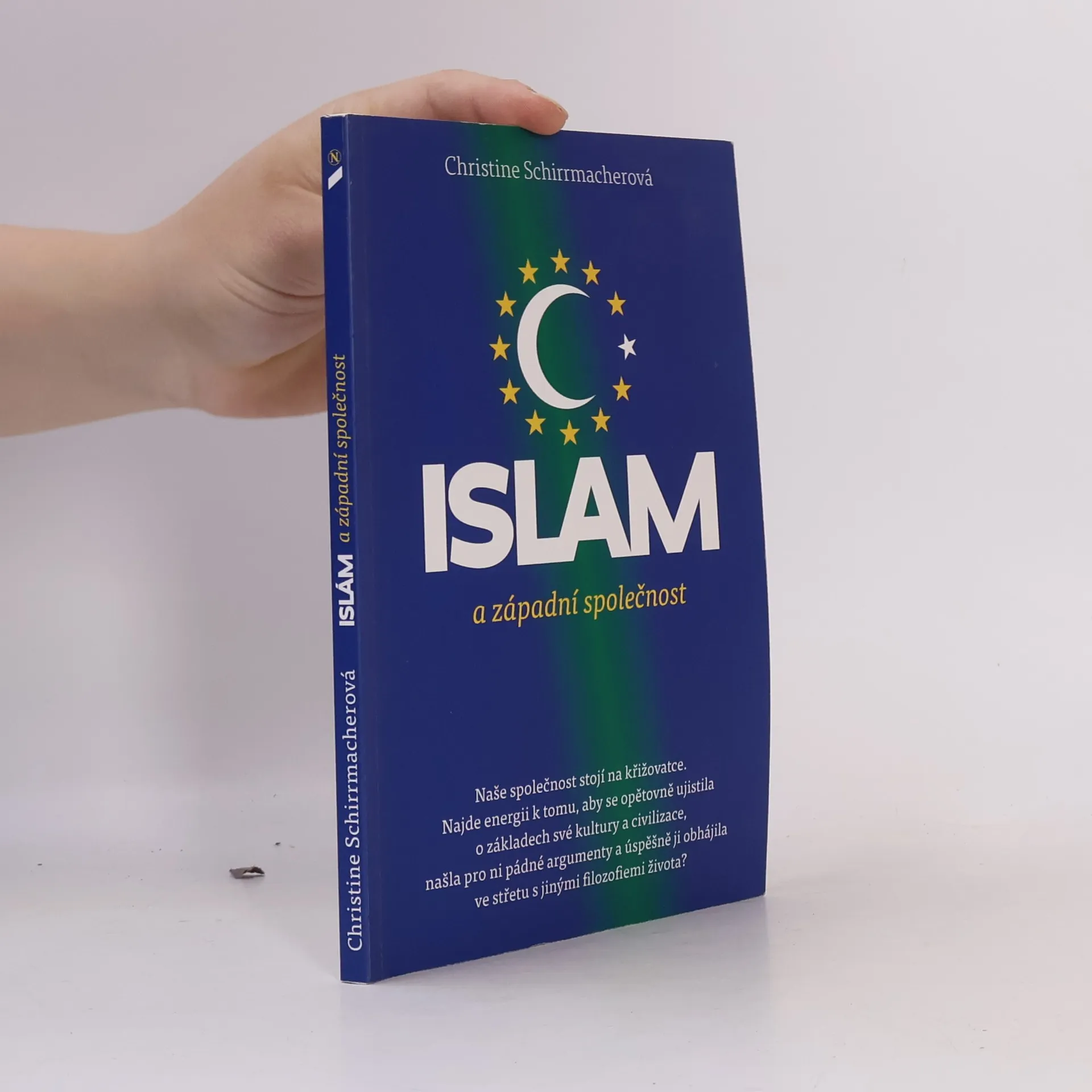
Profesorka islamistiky Christine Schirrmacherová nabízí střízlivě věcnou analýzu palčivých problémů dnešní doby. Jejím cílem ale není shromáždit polemické nebo nepřátelské argumenty proti islámu a muslimům. Snaží se co nejlépe porozumět složité problematice vztahu mezi islámem a západní společností, bez pošetilé naivity, ale také bez bojovných vášní. Ukazuje cestu k moudrému a odpovědnému jednání tváří v tvář výzvě, kterou představuje islám a jeho stoupenci v současné Evropě.