

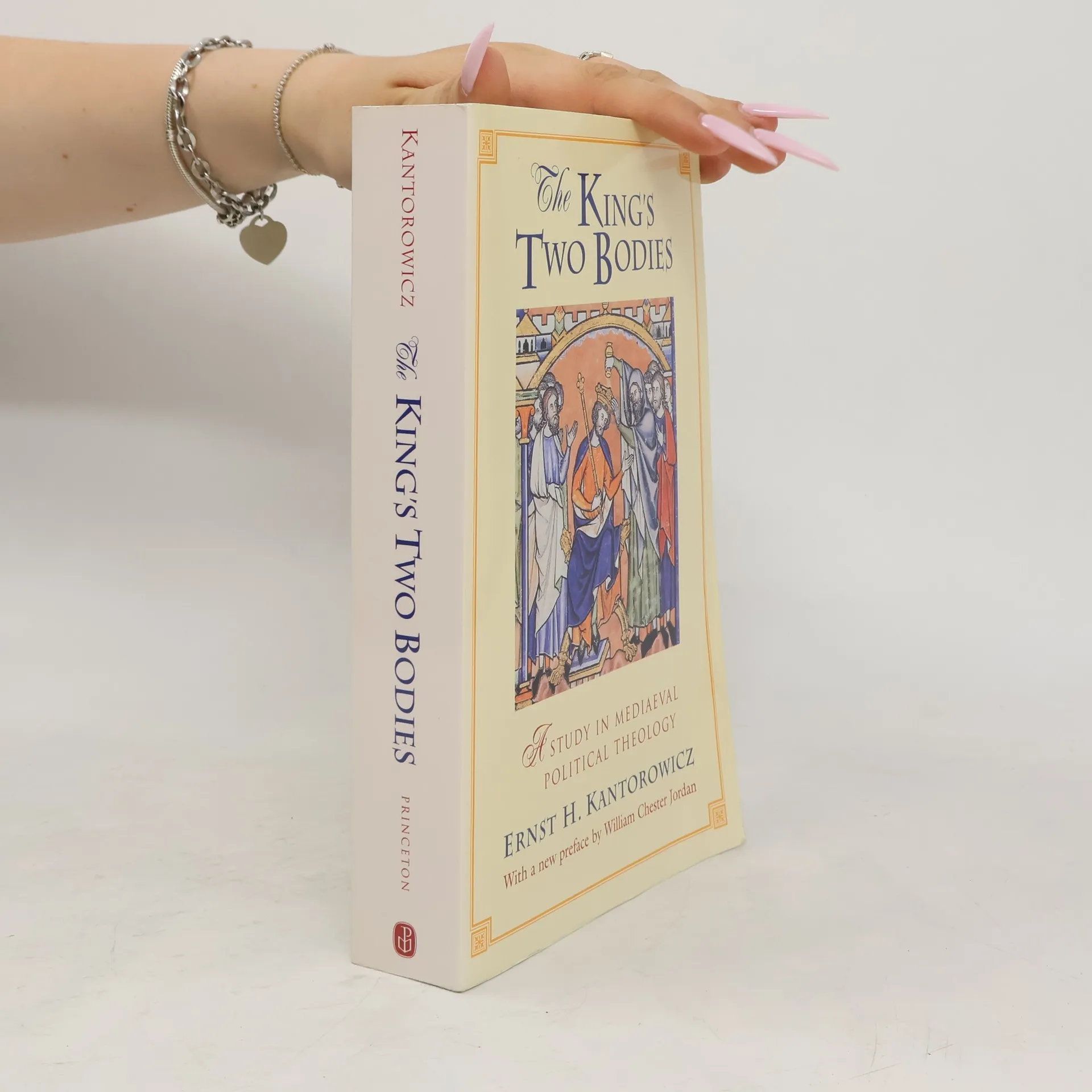
First published in 1957, Ernst Kantorowicz's THE KING'S TWO BODIES traces the "King's two bodies", the body politic and the body natural, back to the Middle Ages. By placing the concept in its proper setting of medieval thought and political theory, Kantorowicz demonstrates how the early-modern Western monarchies gradually began to develop a "political theology". illustrations.
Ernst Kantorowicz Books
May 3, 1895 – September 9, 1963
Ernst Kantorowicz, born into an assimilated German-Jewish family, turned from business after World War I to pursue philosophy and history. His early work on Emperor Frederick II adopted an unorthodox, poetic approach, portraying the ruler as an idealized spiritual leader and sparking debate within the historical community. Deeply influenced by the aesthetics and mysticism of the Georgekreis group, Kantorowicz focused on the poetic and cultural dimensions of history rather than conventional political narratives. His later masterpiece explored medieval political theology, tracing the concept of royal power as a union of the person and the embodiment of the community, leaving an indelible mark on the field.

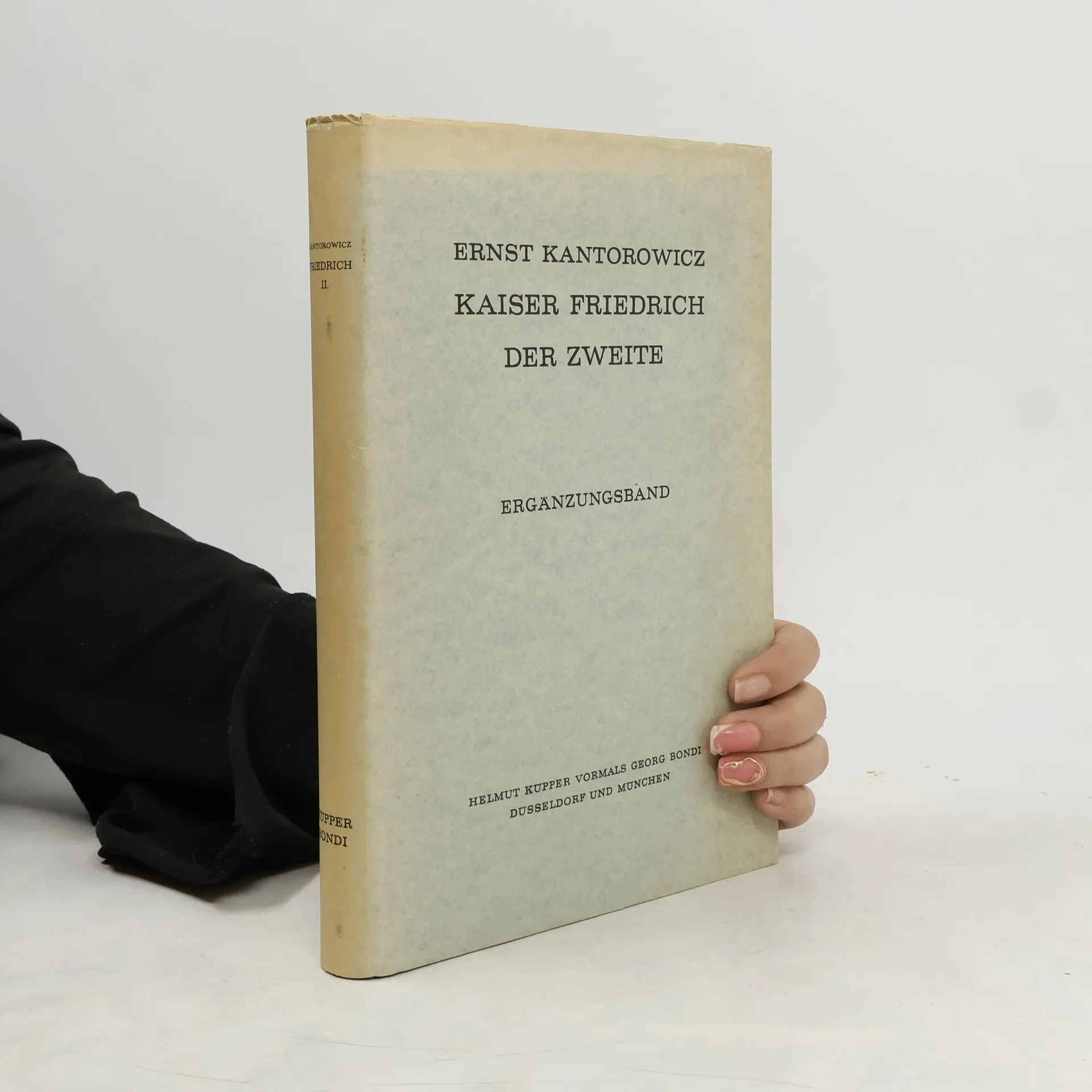
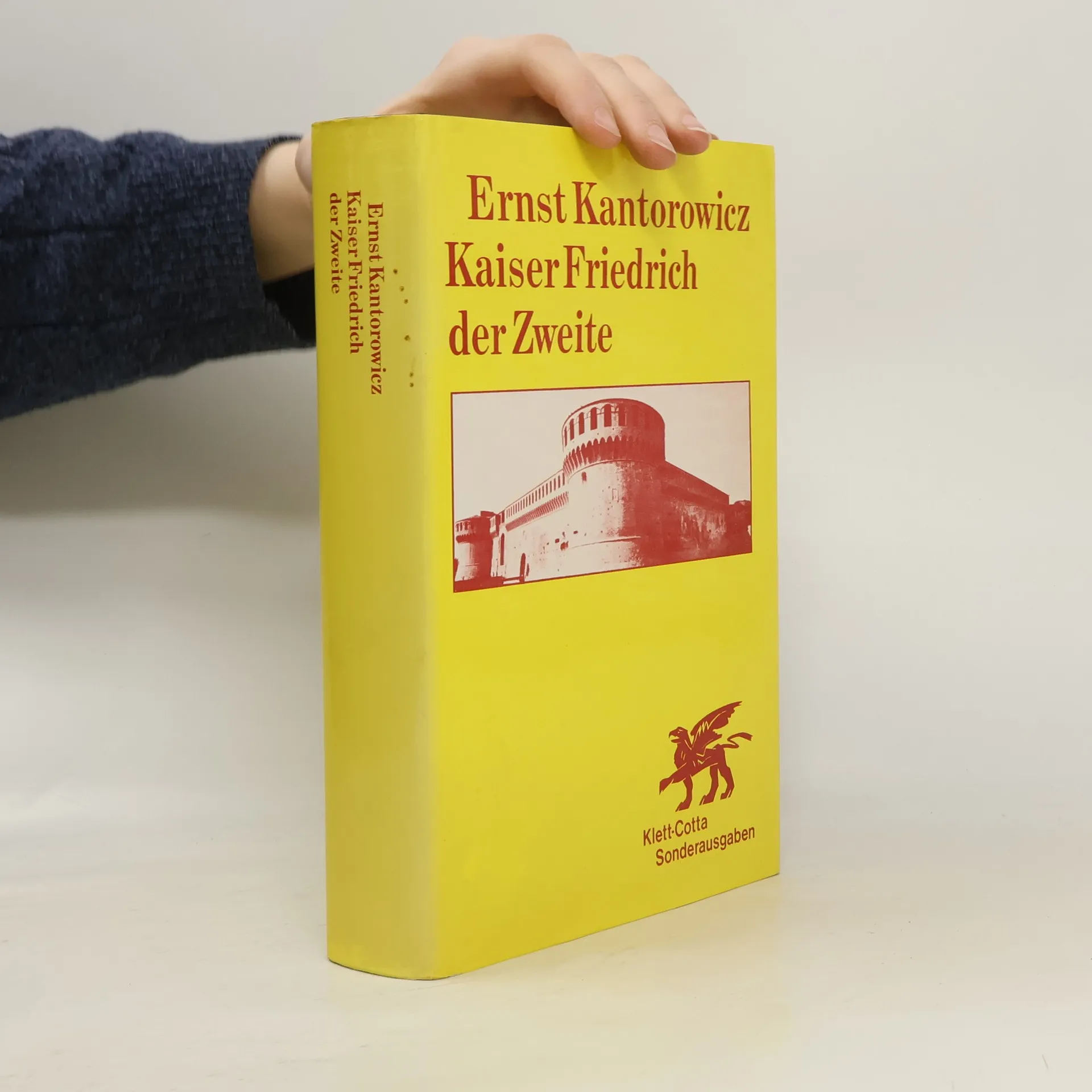

Frederick the Second
- 656 pages
- 23 hours of reading
A reissue of the bestselling life of the Holy Roman Emperor, Frederick the Second, with a new introduction by Dan Jones.
Kaiser Friedrich der Zweite. Sonderausgabe
- 651 pages
- 23 hours of reading