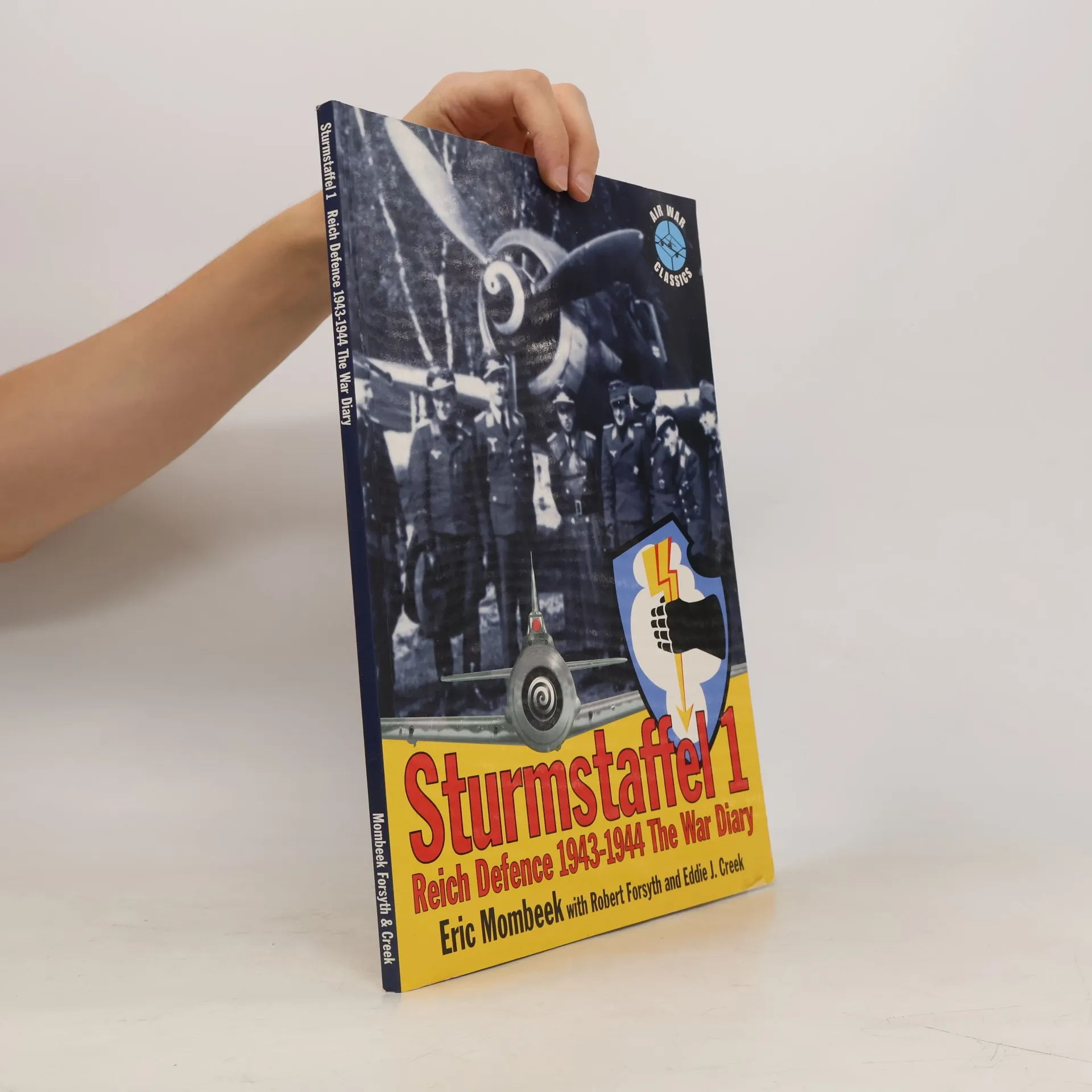
An illustrated account of the dramatic engagement between the Luftwaffe's Me 163 units and Allied bombers during the closing years of World War II. In the summer of 1944, US Army Air Force (USAAF) aircrews flying over the Third Reich reported observing small, high-speed 'batlike' aircraft flying close to their formations. The Luftwaffe's extraordinary Messerschmitt Me 163 rocket-powered interceptor was making its devastating debut with Jagdgeschwader (JG) 400. Capable of reaching high altitudes in the shortest possible time by using a volatile rocket fuel, the Me 163 was the Luftwaffe's most impressive yet dangerous aircraft, and the fastest in the world. Luftwaffe expert Robert Forsyth details the testing of the aircraft and its lethal SG 500 'Fighter Fist' weapons system, as well as its deployment against the B17s and B24s of the USAAF's Eighth Air Force and, from late 1944, the Lancasters and Halifaxes of RAF Bomber Command. These duels started a deadly form of warfare, with the bomber squadrons striking at Germany's synthetic oil refineries and jet airfields, and the Me 163s of JG 400 trying to stop them using cutting-edge aeronautical technology. Using specially commissioned artwork, original photographs and rare first-hand interviews with the pilots that fought the decisive dogfights, this exciting book describes the pivotal encounters over Northern Europe.
Robert Forsyth Books


Arado Ar 234 Bomber and Reconnaissance Units
- 96 pages
- 4 hours of reading
This illustrated title explores the design, evolution, and deployment of the Arado Ar 234, the world's first truly operational jet bomber and first reconnaissance jet.
Junkers Ju 188 Units of World War 2
- 96 pages
- 4 hours of reading
The Junkers Ju 188 was the epitome of mid-war German twin-engined aircraft design, representing the enhancement of an earlier type and incorporating increased performance and technological sophistication. As part of the 1939 “Bomber B” program, it was intended as a replacement for the Ju 88 and He 111 medium bombers, taking advantage of uprated Jumo and BMW engines and incorporating a radically redesigned cockpit area with all-round visibility for high-speed bombing, torpedo-bomber carrying, FuG 200 radar, and camera-equipped reconnaissance operations. What emerged, from the autumn of 1943, was a sophisticated bomber and reconnaissance aircraft -- and intended night fighter. After operational trials, the Ju 188 equipped three bomber Geschwader and several long-range reconnaissance Staffeln in the East and Italy, conducting operations over Britain and the Western Front as well as Russia and the Mediterranean.This comprehensive title charts the design, development, and deployment of an advanced aircraft which was ultimately overshadowed by improvements to the airplane it was designed to replace. Supported by specially commissioned illustrations and contemporary photography, this is the essential guide to the Junkers Ju 188.
Using rare first-hand accounts from Me 262 pilots, Robert Forsyth examines what it was like to fly the world's most advanced interceptor in the deadly skies over Germany in 1944–45. Right from its operational debut in the summer of 1944, the Me 262 outclassed anything the Allies had in terms of speed and firepower ratio, offering a formidable punch with four 30 mm Mk 108 nose-mounted cannon, and a Jumo 004 jet engine. The problem the Luftwaffe faced, however, was one of numbers. Towards the end of the war, availability of machines and trained pilots was scarce, and it is only thanks to the exploits of a handful of veteran Jagdwaffe aces such as Adolf Galland, Walter Krupinski and Johannes Steinhoff, that the aircraft made a significant impact on the air war and was the source of considerable concern to the Allies. Filled with specially commissioned artwork including action-packed ribbon diagrams, battlescenes, armament views and maps, Robert Forsyth offers the definitive technical and historical guide to the state-of-the-art Me 262, using rare photographs and pilots' first-hand accounts.
Messerschmitt Me 264 Amerika Bomber : the Luftwaffe's lost transatlantic bomber
- 128 pages
- 5 hours of reading
In 1939, the German Air Ministry asked aircraft manufacturers for proposals for an "Amerikabomber," an ultra-long-range, four-engined aircraft capable of attacking the United States from airfields in Germany. Projects were tendered by Junkers, Focke-Wulf, and Messerschmitt. The latter proposed the Me 264 and Messerschmitt's personal influence was such that he was not only allowed to go ahead with the design, but was also given an immediate order for three aircraft. Using original German documentation and rare photographs, this book details the story of the remarkable Amerikabomber projects. Aircraft types featured in the book include the Me 264, the Ta 400, Fw 238, Ju 390 and the jet-powered Ho XVIII B flying wing. The book also examines the reality behind the myth associated with Germany's atomic bomb carrier.
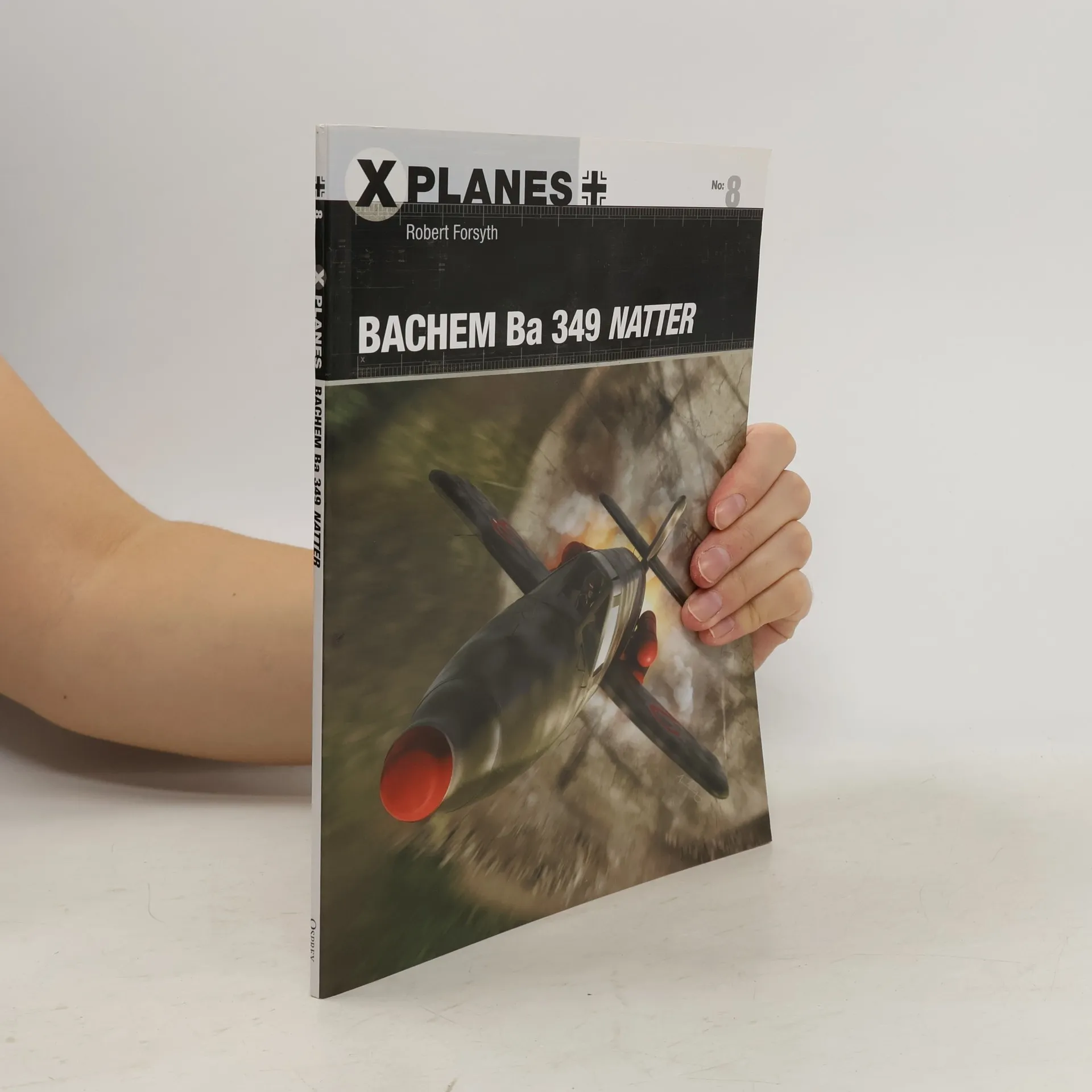
X-Planes - 8: Bachem Ba 349 Natter
- 80 pages
- 3 hours of reading
The Bachem Ba 349 Natter was a secretive, vertical take-off, single-seat rocket interceptor intended to offer high-speed defense of key targets. This radical aircraft offered Luftwaffe an inexpensive means with which to intercept and attack Allied heavy bombers using a vertically-launched, semi-expendable machine built of wood and armed with a nose-mounted "honeycomb" battery of spin-stabilized air-to-air rockets, as well as cannon armament. Launched vertically at 36,000 feet per minute, the pilot was expected to fly within range of the enemy bombers, fire his rockets at them, ram another bomber, eject, and parachute to the ground. Illustrated with contemporary photographs and stunning commissioned artwork, this study examines this inventive yet ultimately unsuccessful attempt by the Luftwaffe to defend against the tide of Allied aircraft that was bombing German cities into the ground.
Ju 87 Stuka vs Royal Navy Carriers
- 80 pages
- 3 hours of reading
Ju 87 dive-bombers, initially designed for precise bombing missions against land targets and Allied naval vessels, were utilized by both the Luftwaffe and the Regia Aeronautica against Allied forces. Among their targets were British aircraft carriers, a coveted prize for Stuka pilots. This beautifully illustrated work explores the conflict between the Ju 87 Stuka and the Royal Navy's aircraft carriers. Despite their defensive armament and fighter squadrons, these formidable vessels became irresistible targets for skilled Stuka aces aiming to thwart British naval operations in Norway, Malta, and Crete. By 1941, the Ju 87 was feared by the British, particularly after its notable actions in France at Dunkirk and in the Balkans. The Luftwaffe maintained confidence in the aircraft despite its losses during the Battle of Britain in 1940. The book delves into the strengths and weaknesses of both the Stuka and the carriers, highlighting significant events such as the attacks on Ark Royal by Stukageschwader 1 off Norway in April 1940 and the strikes on Illustrious in Malta harbor. Featuring exceptional photography and artwork, it also includes personal stories from Stuka crews, carrier-based fighter pilots, and sailors aboard the attacked carriers.
Fw 190D-9
- 80 pages
- 3 hours of reading
Focusing on Germany's innovative 'Mistel' concept, this revised edition explores the origins, development, and operations of composite aircraft during World War II. Initially designed to enhance aircraft range in peacetime, the study delves into the unique adaptations and military applications of these aircraft. This comprehensive analysis sheds light on a lesser-known aspect of aviation history, providing insights into the technological advancements and strategic implications of this wartime innovation.
Heinkel He162 Volksjager
From Drawing Board to Destruction: The Volksjager Spatz
- 208 pages
- 8 hours of reading
Set against the backdrop of late World War II, this detailed study offers a rich exploration of the era, appealing to history buffs and enthusiasts alike. It delves into the intricacies of military strategies, technological advancements, and the socio-political climate of the time, providing a comprehensive understanding of the period's significance. With its lavish presentation and in-depth analysis, the book serves as both an informative resource and a visual feast for those passionate about WWII history.
An illustrated account of how the USAAF's might was challenged by the Jagdflieger and their heavily armed, and armoured, Fw 190A-8 Sturmjäger. Developed from one of the finest fighters of World War II, the radial-engined Fw 190A-8 was conceived as a heavy assault aircraft and armed accordingly. Its mission was to provide a response to the increasing numbers of USAAF B-17 and B-24 bombers operating against targets in the western and central Reich. This book explores the fascinating feats of the men flying the Fw 190A-8 and its subvariants. These pilots were given exceptional training and many were volunteers, some of whom were willing to sign oaths that they would bring down a bomber at all costs – even if it meant ramming the enemy aircraft. Using first-hand accounts, archival photos, full-colour illustrations, maps and tactical diagrams, acclaimed Luftwaffe expert Robert Forsyth puts readers in the cockpit of a Sturmjäger defending the Fatherland from USAAF bombers protected by powerful Allied escort fighters.
R. C. ('Dick') Riley (1921-2006) was a prominent railway photographer who began with monochrome images before transitioning to color in the early 1950s, during a time when color film was both costly and slow. His career in banking allowed him to travel extensively, and with a trackside pass and industry contacts, he gained access to exclusive locations. From his early work until the end of main line steam in 1968, he captured countless transparencies, many of which remain unpublished. This large landscape format book features over 200 color images taken by Riley between the early 1950s and 1968, primarily focusing on the Southern and Western regions, while also including notable illustrations from the Eastern and London Midland regions. Additionally, Riley was an avid photographer of industrial railways, and the book presents a selection of these sites, along with details often overlooked by others. Vignettes accompany the photographs, and the text is compiled by his close friend and executor Rodney Lissenden, who drew from Riley's personal diaries to share anecdotal tales related to the images.
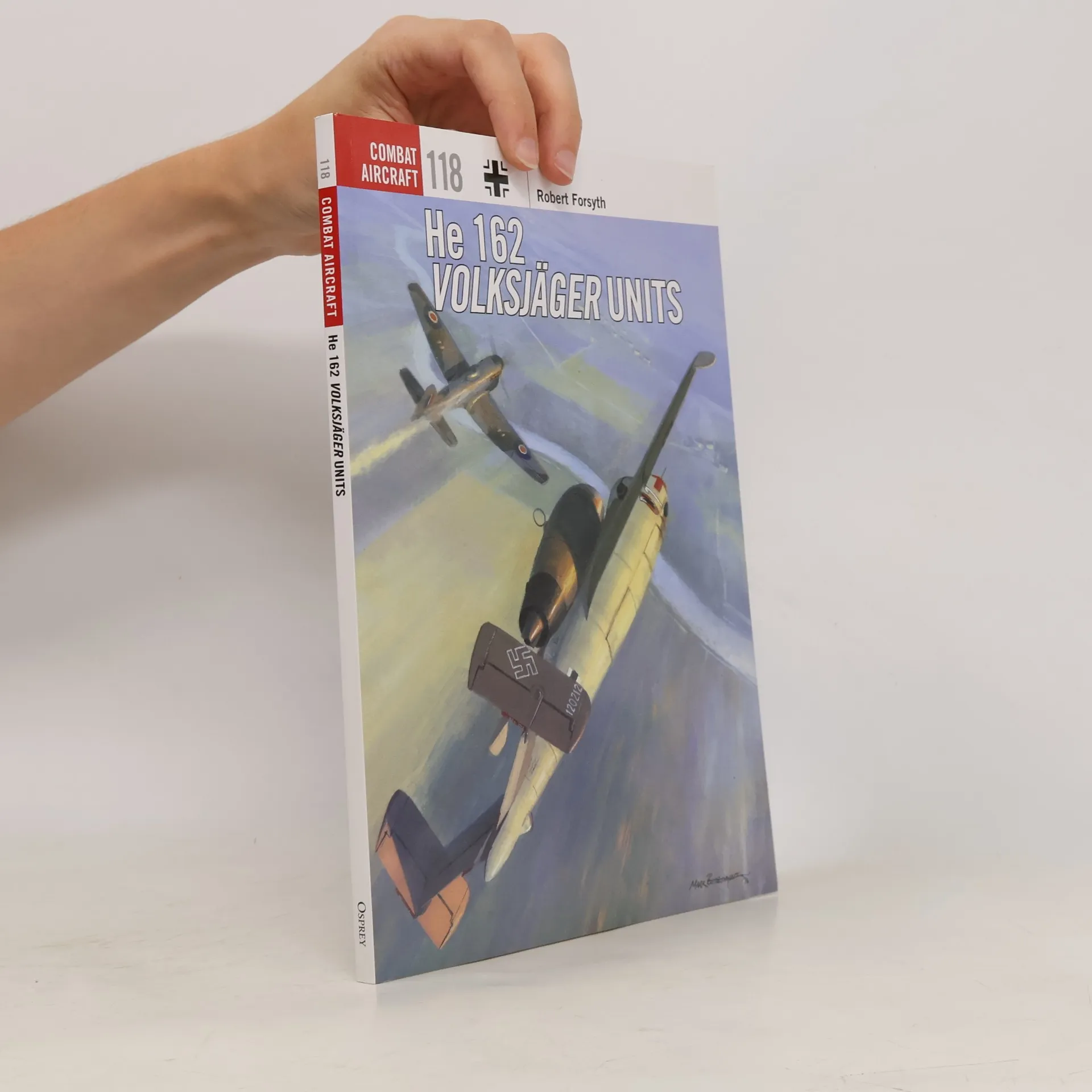
Combat Aircraft - 118: He 162 Volksjager Units
- 96 pages
- 4 hours of reading
The Volksjager was an interceptor cheaply manufactured for Germany s final stand. For aviation and World War II enthusiasts, this study explores the operational history of the He 162.
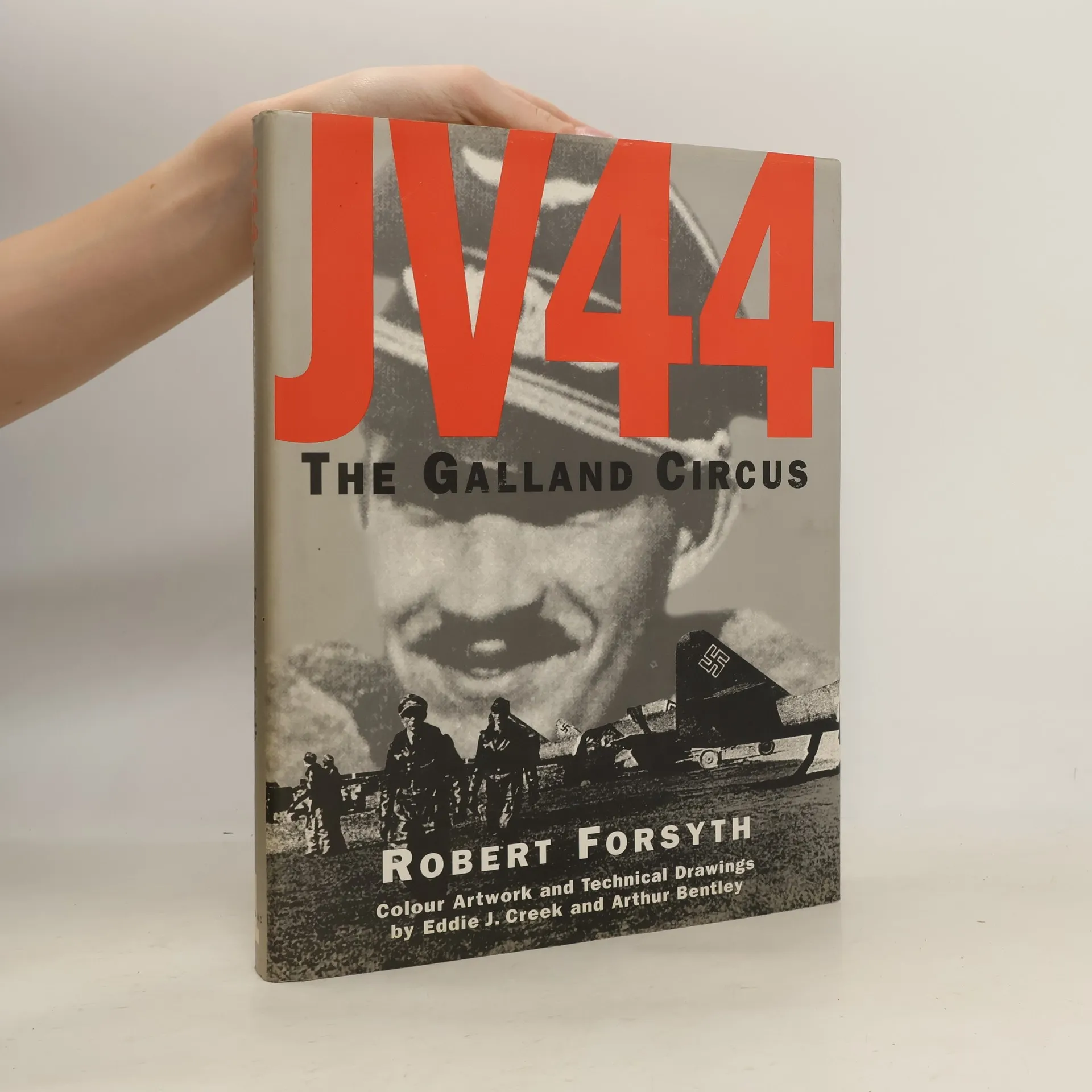
, 356 pages, with illustrations throughout in both colour and black & white, SIGNED by the author Robert Forsyth, and also Signed by illustrator Arthur Bentley, and contributor Nick Beale, plus signatures of 8 others on half title page
Ein sensationell geschriebener und bebilderter Band über das geheimnisumwitterte Mistel-Konzept. Ursprünglich bekannt war es als Mistelschlepp, bei dem zunächst ein kleineres Motorflugzeug auf einen größeren Lastensegler aufgesetzt wurde. Im Laufe der Entwicklung wurde der Lastensegler durch umgerüstete Bomber mit eigenem Antrieb ersetzt. Der Fokus liegt auf den deutschen Entwicklungen des Zweiten Weltkrieges, wo das Verfahren militärisch sehr weit entwickelt und auch zum Einsatz gebracht wurde. In dieser Tiefe und Detailgetreue noch nie beschrieben, wartet der Band mit unglaublich gutem Bild- und Grafikmaterial auf!
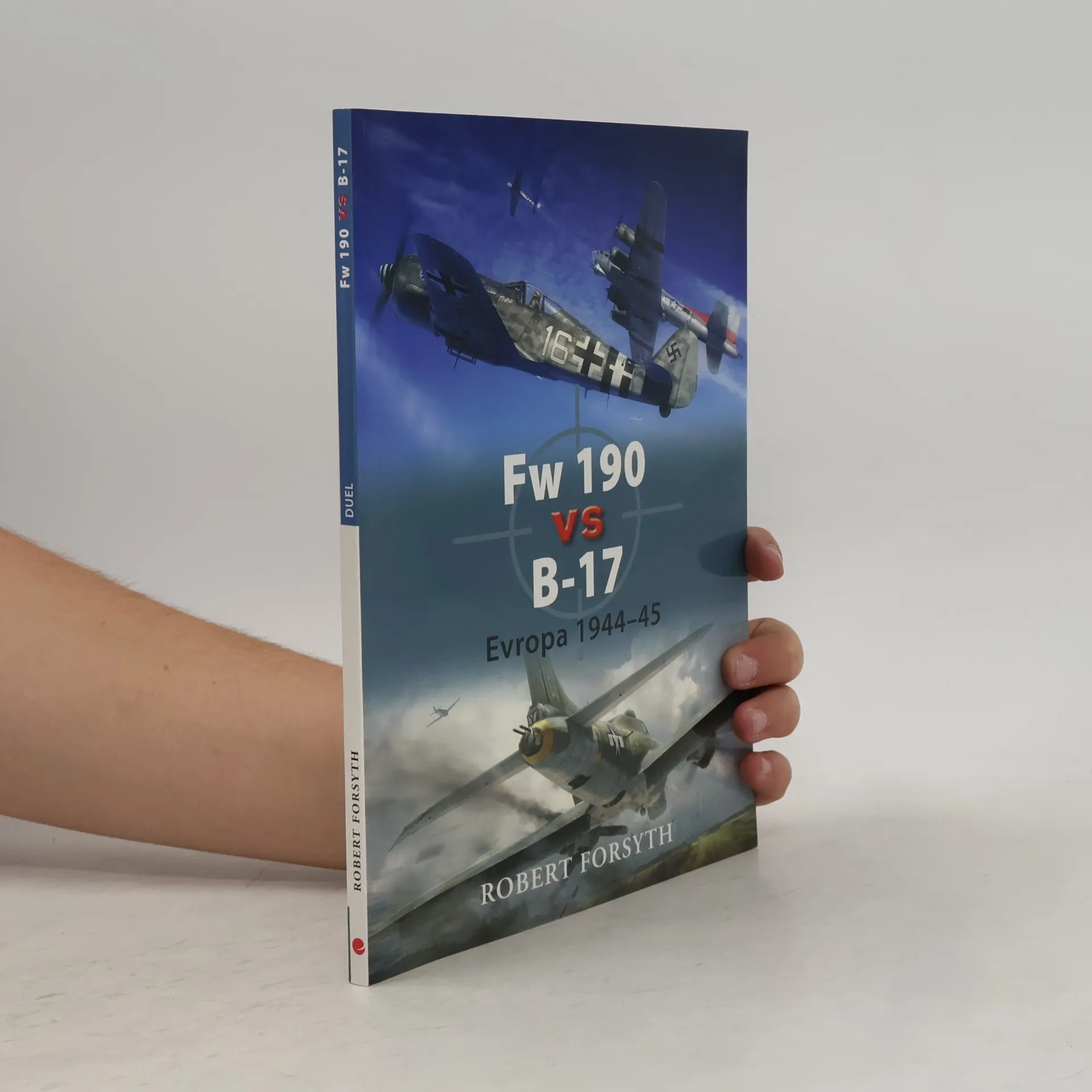
Fw 190 vs B-17 - Evropa 1944-45
- 80 pages
- 3 hours of reading
Autor se ve své knize zaměřil na popis dvou leteckých ikon, které výrazně ovlivnily vzdušné souboje v závěrečných fázích druhé světové války. Fw 190 byl jedním z nejlepších stíhacích letadel pro vybojování nadvlády ve vzduchu. Když se v roce 1941 poprvé objevil u kanálu La Manche, byl to pro spojenecké velení šok. V roce 1944 tato stíhací letadla se zesílenou výzbrojí sloužila v první linii při obraně Třetí říše před spojeneckým bombardováním. Jejich největšími protivníky byly B-17 Armádního letectva Spojených států. Tyto těžké bombardéry, jimž se přezdívalo Flying Fortress (Létající pevnosti) byly schopné nést až 1816 kg bomb, ježily se hlavněmi 12,7mm kulometů a dokázaly rozsévat smrt všemi směry. Díky precizním kresbám a výpovědím přímých účastníků tato publikace velice výstižně čtenářům vykresluje smrtelná dramata, která se odehrávala na nebi nad Německem. (Evropa 1944-45)