


Explore the latest books of this year!
Bookbot

Muhammad Iqbal

    November 9, 1877 – April 21, 1938

    Sir Muhammad Iqbal was a distinguished poet, philosopher, and thinker whose work delves into the profound questions of Islamic thought and the modern world. His literary legacy lies in his synthesis of Western philosophy with Islamic scholarship, inspiring a revival of genuine Islamic philosophical inquiry. Iqbal's poetry and prose essays explore themes of identity, spirituality, and the future of the Muslim community. His vision and ideas continue to resonate, prompting reflection on contemporary challenges.

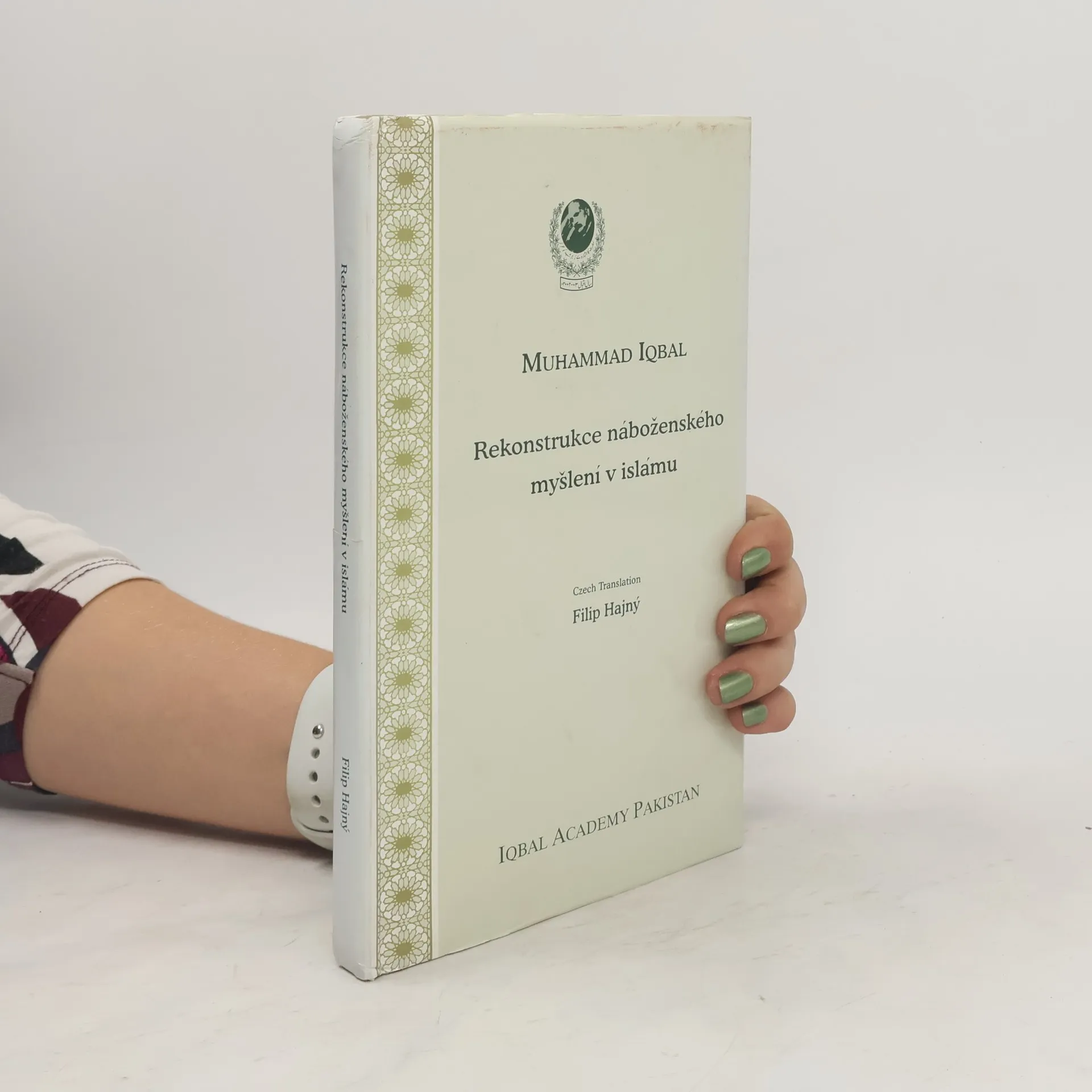
    Rekonstrukce náboženského myšlení v islámu
    Worte wie Oasen
    Die Wiederbelebung des religiösen Denkens im Islam
    Iblees KI Majlis-E-Shoora: The Devil's Advisory Council
    Husayn: A Symbol and a Warning
    Shikwa & Jawab Shikwa: THE COMPLAINT AND THE ANSWER: The Human Grievance and the Divine Response
    • In these two poems, Iqbal discusses the fall of the Muslim ummah, probes into its causes, shows his bereavement and offers a solution along with a message of hope. In the first poem, Iqbal complains to God about the deplorable condition of the Muslim world and society and prays for divine help. In the second poem, which he wrote a few years later, he relays a response to the complaints on behalf of God. In elaborating the causes of the rise and fall of the Muslim ummah, Iqbal hoped that Muslims would use them as a springboard for reviving their former status of prestige and glory. Iqbal’s poetry has such great variety that several anthologies of it could be compiled, each quite different from the other. The series aims at introducing Iqbal’s poetry to the English-speaking world. While scholars and students will benefit from the work, it is hoped that general readers, both Muslim and non-Muslim, will find this series useful and interesting

      Shikwa & Jawab Shikwa: THE COMPLAINT AND THE ANSWER: The Human Grievance and the Divine Response
    • Husayn: A Symbol and a Warning

      • 130 pages
      • 5 hours of reading

      There is no disagreement between Sunnis and Shias that Imam Ḥusayn's martyrdom in Karbala was a historical event illustrating true Islamic leadership and the exemplary character of someone who made a sincere attempt at safeguarding the ideology of Islam with the intention to retain it as an exact replica of the setup of the Prophetic era. But of late we see attempts by some to make Ḥusayn's martyrdom a Sunni-Shia polemic.This book is in response to that, it contains four essays on Karbala by four highly respected Sunni scholars and leaders, and we have added a new foreword to expand the story and give the reader a more comprehensive understanding of the importance of this heart-rending tragedy in Islamic history.

      Husayn: A Symbol and a Warning
    • Iblees ki Majlis-e-Shoora is a conversation between Iblees (the devil) and the five members of his advisory council. It is one of the final works of Allama Iqbal. The work consists of 64 amazingly dramatized, well composed couplets. Here, Iblees presides over the clandestine session and leads the conversation. He boasts how successfully he has mislead Mankind throughout history by introducing ideas and doctrines such as Imperialism, Capitalism, Fascism etc., which have ultimately landed the human society in ruins. His advisers point towards a few emerging trends such as Western democracy and Marxism that they saw as potential threats to the evil regime of Iblees. Summarily dismissing all these apprehensions of his advisers, Iblees concludes, that the revolutionary spirit of Islam is the greatest threat to his evil empire and hence the most crucial task ahead was to stop the waves of Muslim resurgence. He instructs them to keep the followers of Islam totally preoccupied with vain spiritual rituals, complex philosophical debates and narrow theological intricacies.Allama Iqbal, an advocate of universal human fraternity, envisaged the revival of the original Islamic civilization, globally. His works, exposed the limitations of the socio-political and economic concepts introduced by the West.

      Iblees KI Majlis-E-Shoora: The Devil's Advisory Council
    • Allama Muhammad Iqbal (1877-1938) war der erste muslimische Intellektuelle, dessen Schwerpunkt der Forschung westlich ausgerichtet war. Für ihn war der innere dynamische Geist der westlichen Kultur islamischen Ursprungs. Er argumentiert, dass die europäische Kultur auf ihrer intellektuellen Seite nichts als eine Fortentwicklung einiger der wichtigsten Phasen der Kultur des Islam ist. „Drei Reichen des Geistes gehört Sir Muhammad Iqbal an, drei Reiche des Geistes sind Quellen seines gewaltigen Werkes: die Welt Indiens, die Welt des Islam und die des abendländischen Denkes.“ (Hermann Hesse, Geleitwort zur deutschen Übersetzung des Javidname, 1957)

      Die Wiederbelebung des religiösen Denkens im Islam
    • Muslimský básník a filozof píšící v 1. pol. 20. stol. se snaží přiblížit myšlenky i filozofii islámu a nalézt nové cesty ke sblížení s evropskou kulturou, filozofií a vědou. Autor je přesvědčen, že takové úsilí má smysl a že dialog Západu a Východu je nejen možný, ale též nezbytný.

      Rekonstrukce náboženského myšlení v islámu