


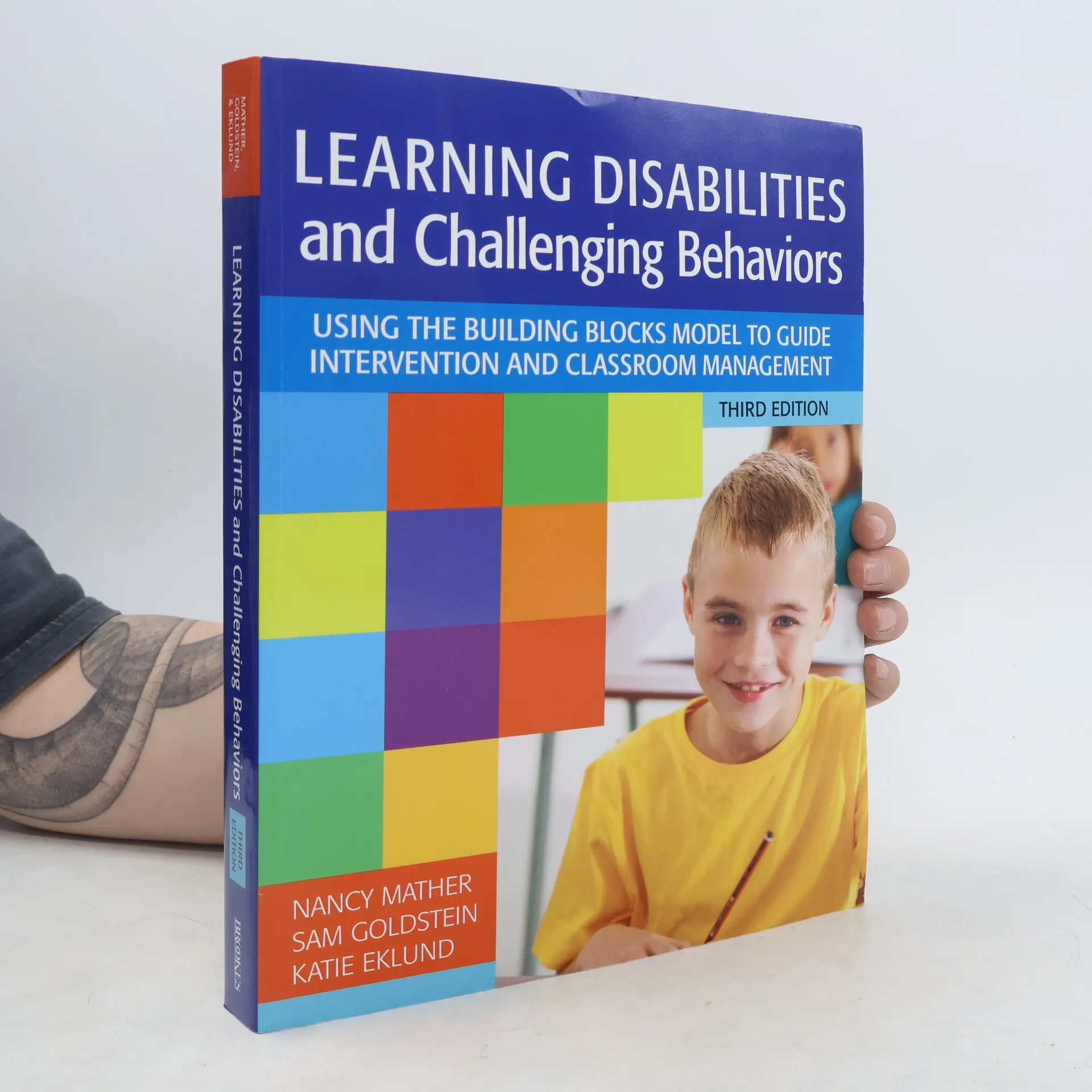
Learning Disabilities and Challenging Behaviors
Using the Building Blocks Model to Guide Intervention and Classroom Management - Third Edition
- 568 pages
- 20 hours of reading
Why do students in Grades K–12 struggle with social and academic skills, and how can teachers help them develop the competence and confidence they need to succeed? Get practical answers in the new edition of this bestselling book, a staple of teacher training since 2001. It's structured like the popular previous editions: a detailed questionnaire pinpoints each student's individual strengths and needs, and an updated version of the highly effective Building Blocks model helps educators target 12 school success factors with proven strategies and guidelines they can use right away. Reliable, up-to-date research makes this a perfect preservice textbook, and the classroom-ready strategies are a lifeline for in-service teachers as they work toward better outcomes for struggling students. HELP STUDENTS MASTER 12 BUILDING BLOCKS OF LEARNING: Self-Regulation Behavior Emotions Resilience Phonological Orthographic Memory Motor Automaticity/Efficiency Verbal Nonverbal Executive Functions WHAT'S NEW: New in–depth information on today's most critical topics, including school climate, multi tiered systems of support (MTSS), positive behavior interventions and supports (PBIS), social emotional learning, and student—teacher interactions. You'll also get fresh contributions from experts on learning disabilities and behavior challenges, plus lists of helpful apps and other online resources.