Les Misérables
- 528 pages
- 19 hours of reading
"Les Miserables" is a magisterial work which is rich in both character portrayal and meticulous historical description.





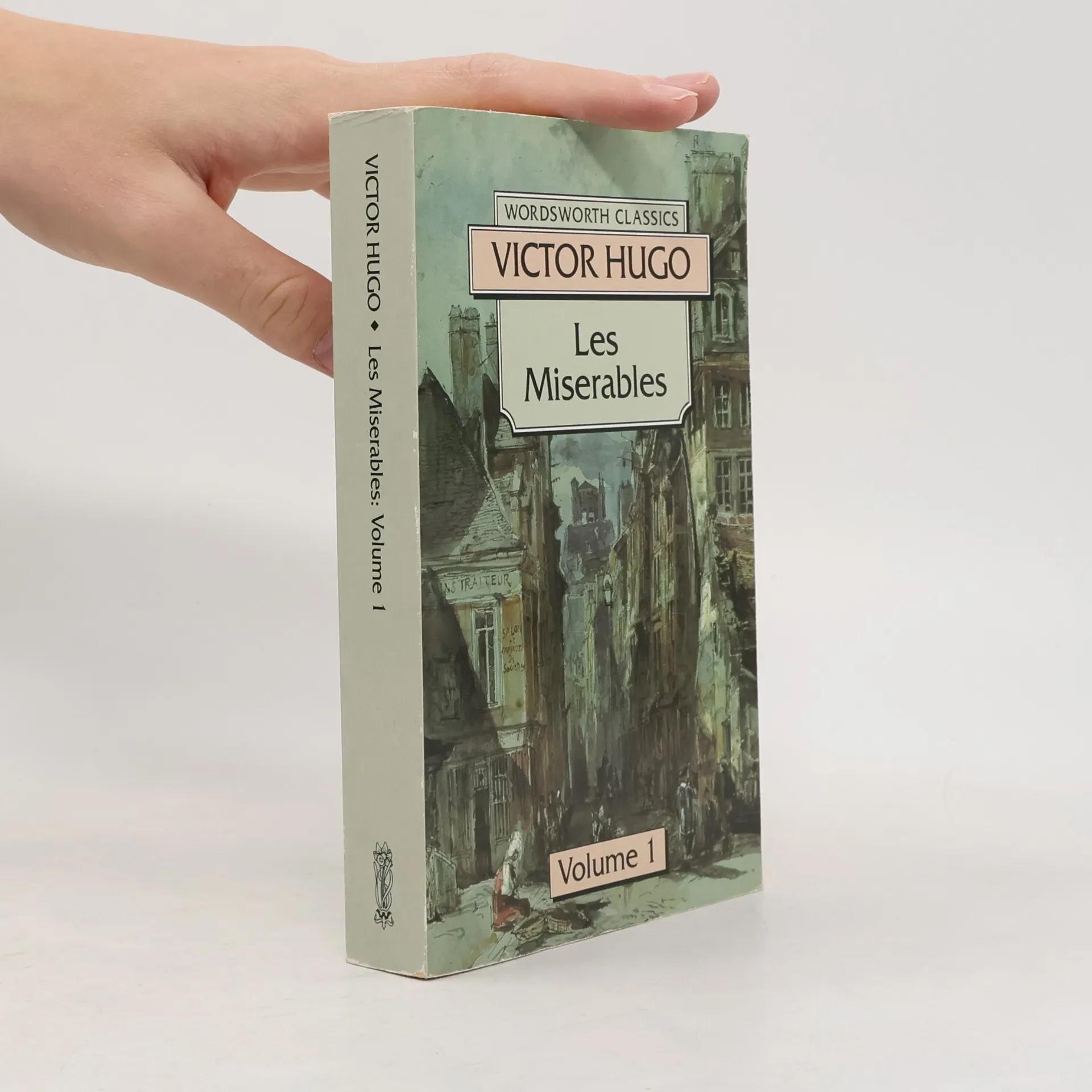
"Les Miserables" is a magisterial work which is rich in both character portrayal and meticulous historical description.
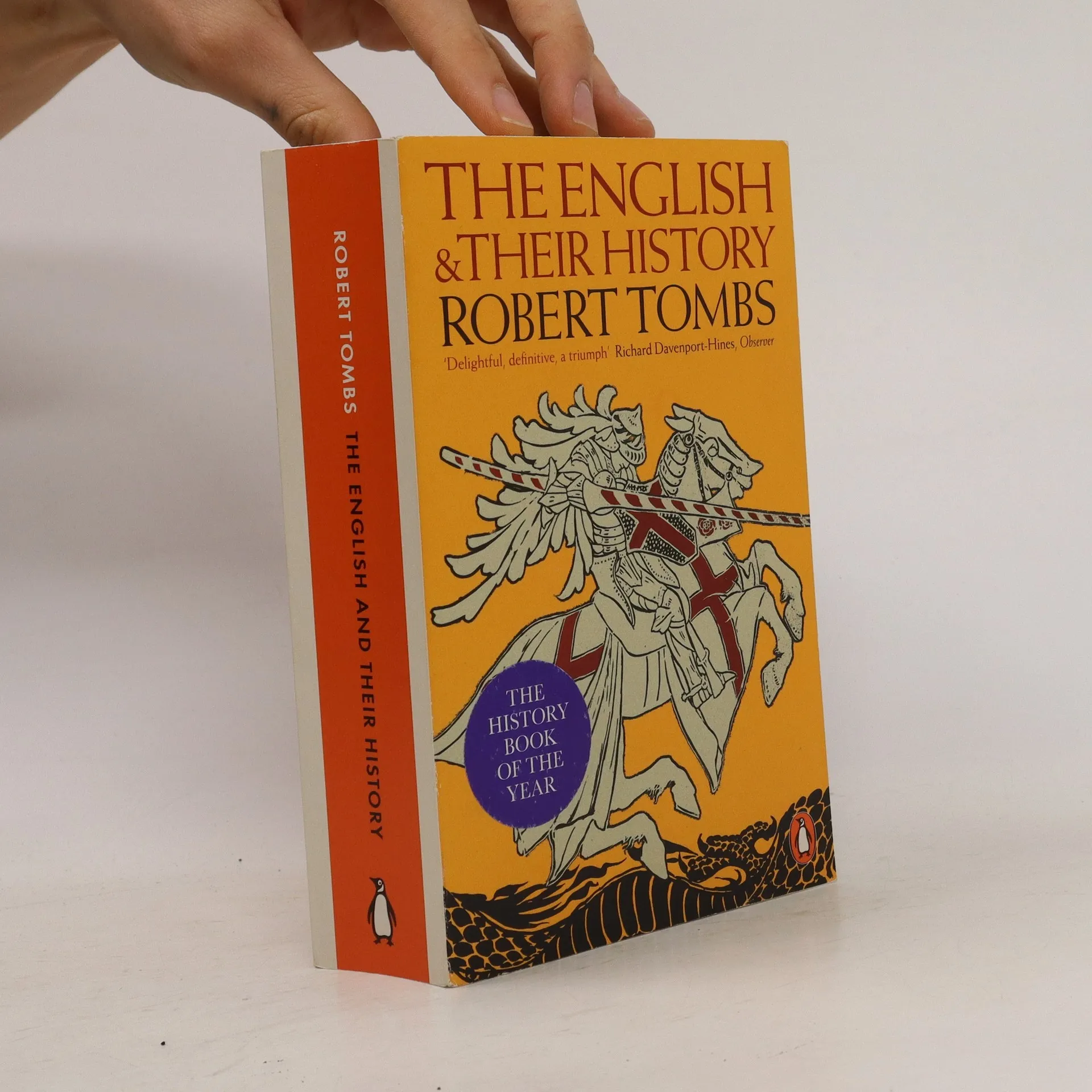
The English first came into existence as an idea, before they had a common ruler and before the country they lived in even had a name. They have lasted as a recognizable entity ever since, and their defining national institutions can be traced back to the earliest years of their history. Since those precarious days of invasion and conquest, with many spectacular changes of fortune, their political, economic and cultural contacts have left traces for good and ill across the world. This book describes the history of the English and its meanings, from the earliest beginnings in wetlands and monasteries to the cosmopolitan energy of today's England. Robert Tombs draws out important threads running through the story, including participatory government, language, law, religion, ever-changing relations with other peoples, and the diverse and sometimes conflicting ways the English have understood their own history. This book, the first single-volume work on this scale for more than half a century, presents a challenging modern account, bringing out the strength and resilience of English government, the deep patterns of division, and yet also the persistent capacity to come together in the face of danger.
Focusing on nineteenth-century France, this book serves as an essential resource for specialists while also being accessible to students and general readers. It combines rich historical insights with engaging narrative, making it a dynamic and comprehensive overview of the period. Its lively approach ensures that readers will find both depth of knowledge and an enjoyable reading experience.
The authors present a definitive study of the unique and endlessly fascinating relationship between France and Britain - and its effects on the world
THE TOP TEN SUNDAY TIMES BESTSELLER Geography comes before history. Islands cannot have the same history as continental plains. The United Kingdom is a European country, but not the same kind of European country as Germany, Poland or Hungary. For most of the 150 centuries during which Britain has been inhabited it has been on the edge, culturally and literally, of mainland Europe. In this succinct book, Tombs shows that the decision to leave the EU is historically explicable - though not made historically inevitable - by Britain's very different historical experience, especially in the twentieth century, and because of our more extensive and deeper ties outside Europe. He challenges the orthodox view that Brexit was due solely to British or English exceptionalism: in choosing to leave the EU, the British, he argues, were in many ways voting as typical Europeans.