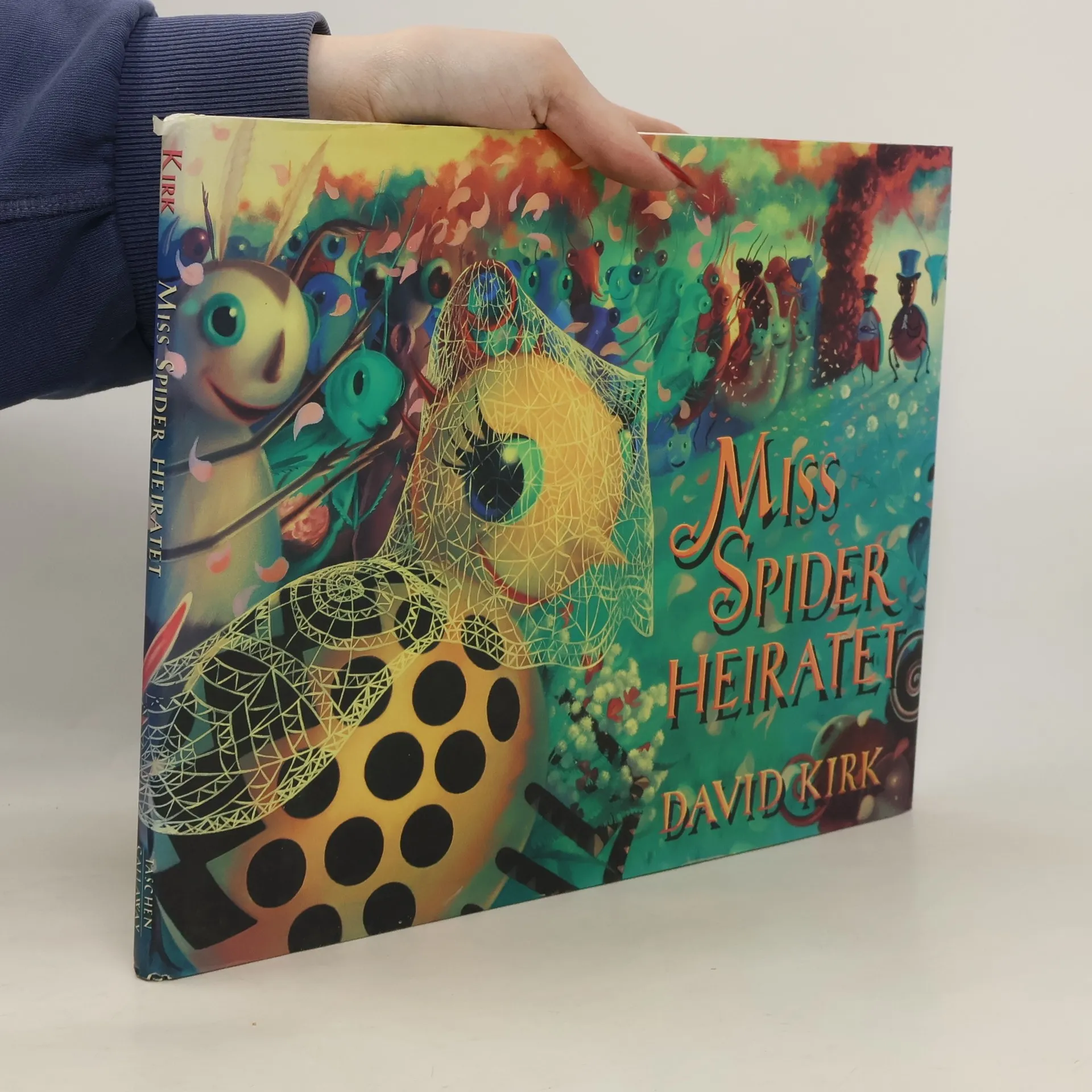
David Kirk delves into the rich tapestry of Japanese history and culture, with a particular fascination for samurai cinema. His academic pursuits led him to explore this subject in depth, shaping his unique literary perspective. Now residing in Japan, he draws inspiration directly from the environment he studies, infusing his work with authentic insight.
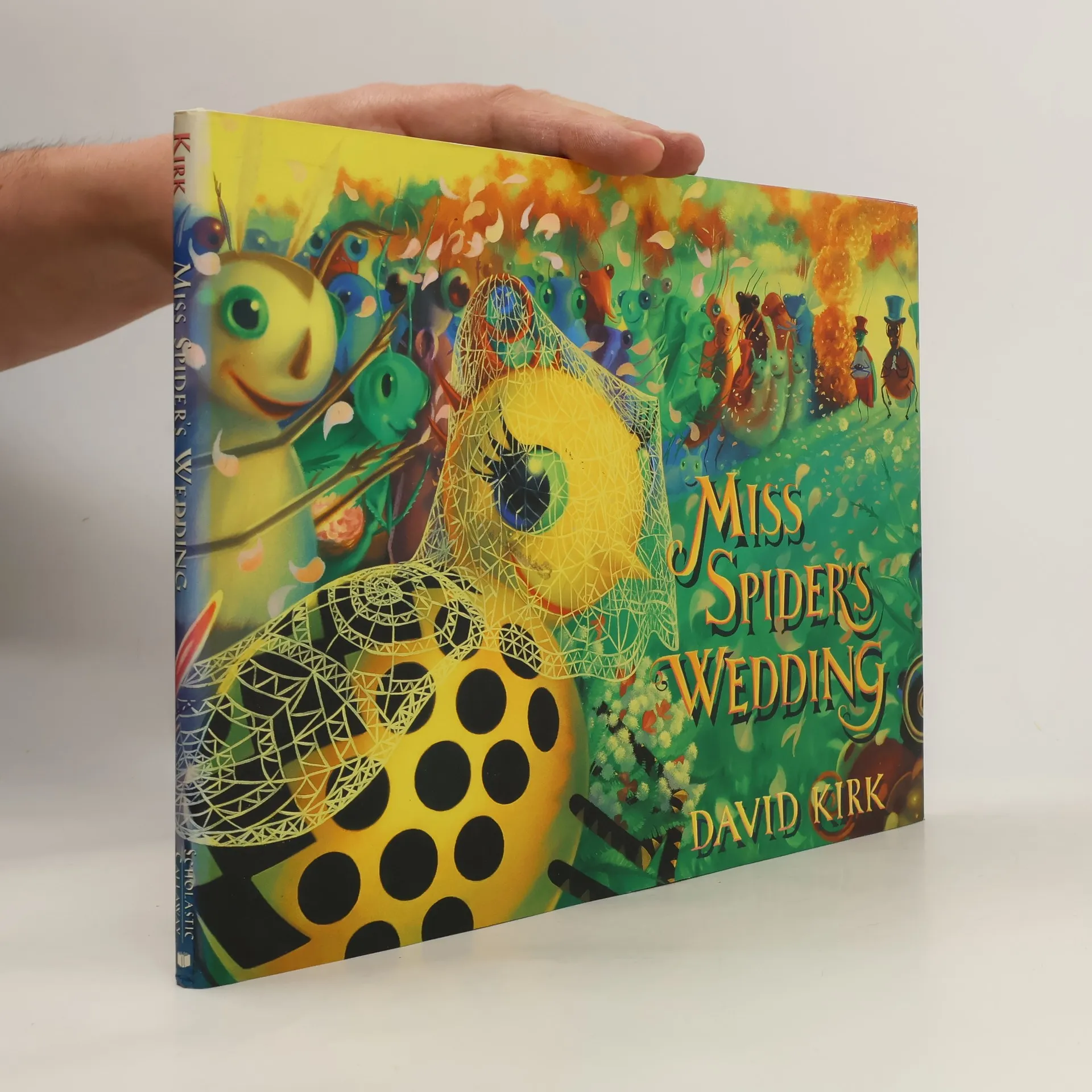
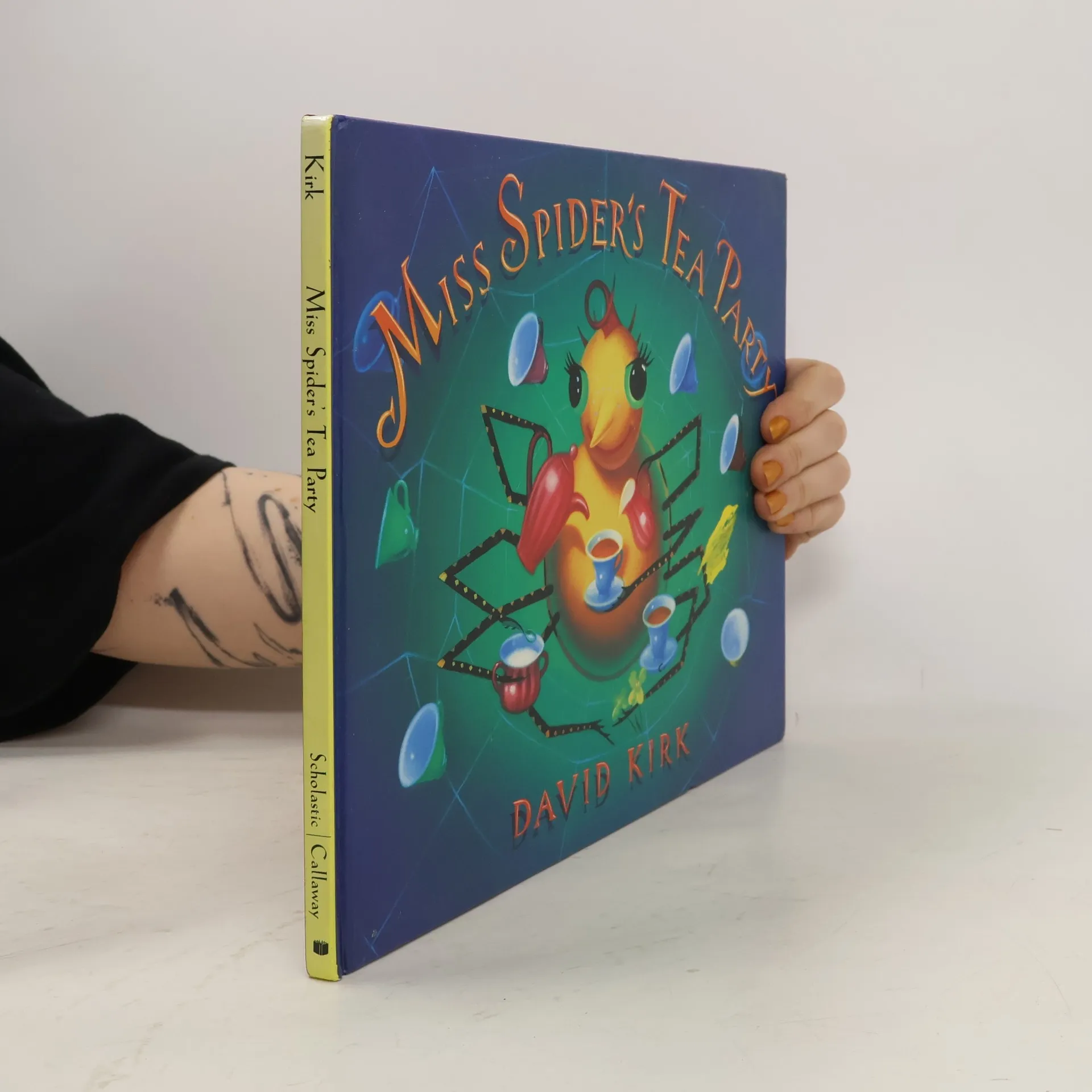
Go the flying aces The bugs are dizzy with excitement when the dynamic dragonfly team visit Sunny Patch to perform their amazing flying feats. Miss Spider's adopted son Dragon is desperate to fly away with them and join his own kind but is he ready to leave his family?
It's Shimmer's eighth hatchday and what better way to celebrate than with the biggest party ever? But when a thunderstorm threatens to ruin Shimmer's big day, it's up to Miss Spider and the rest of the family to chase away the birthday blues.
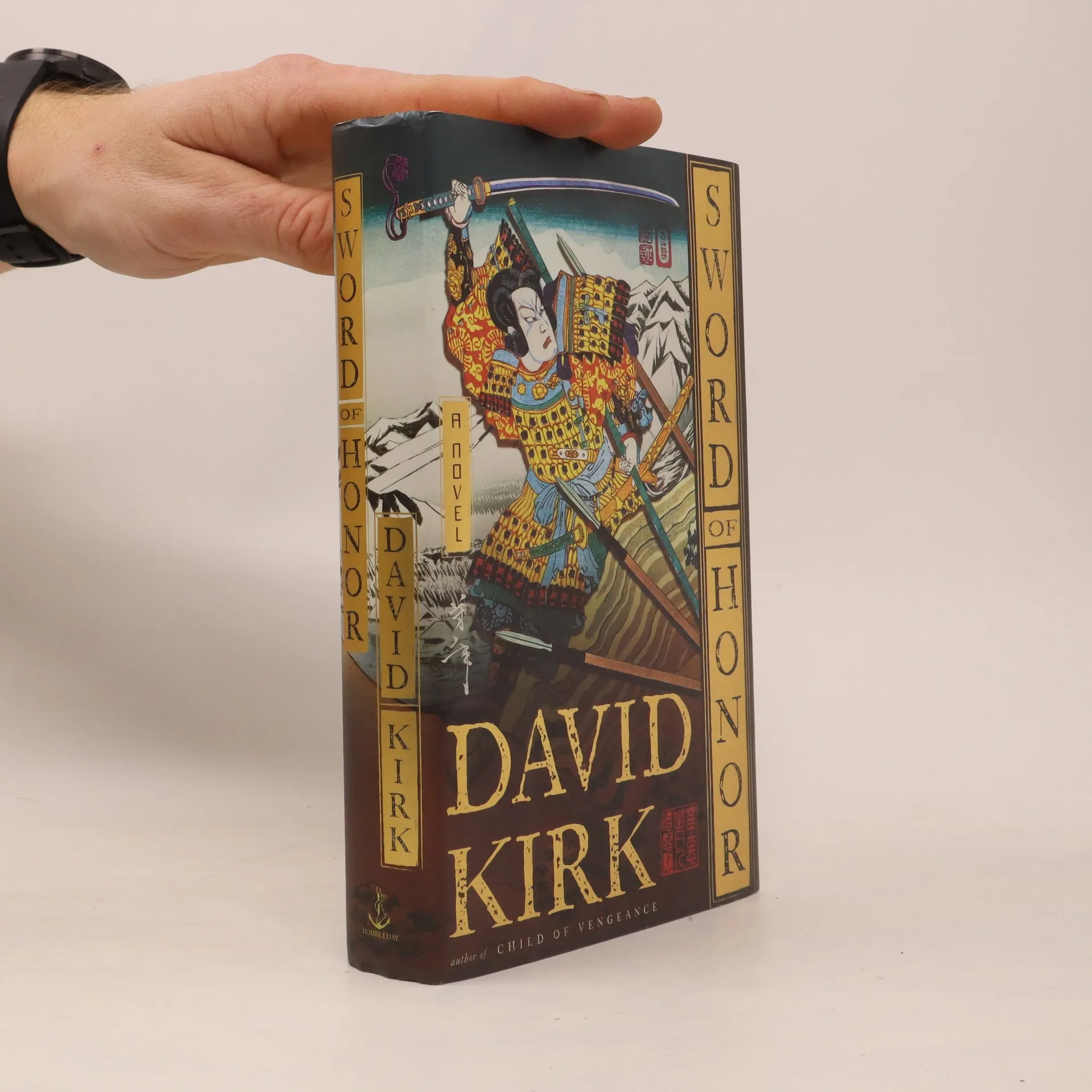
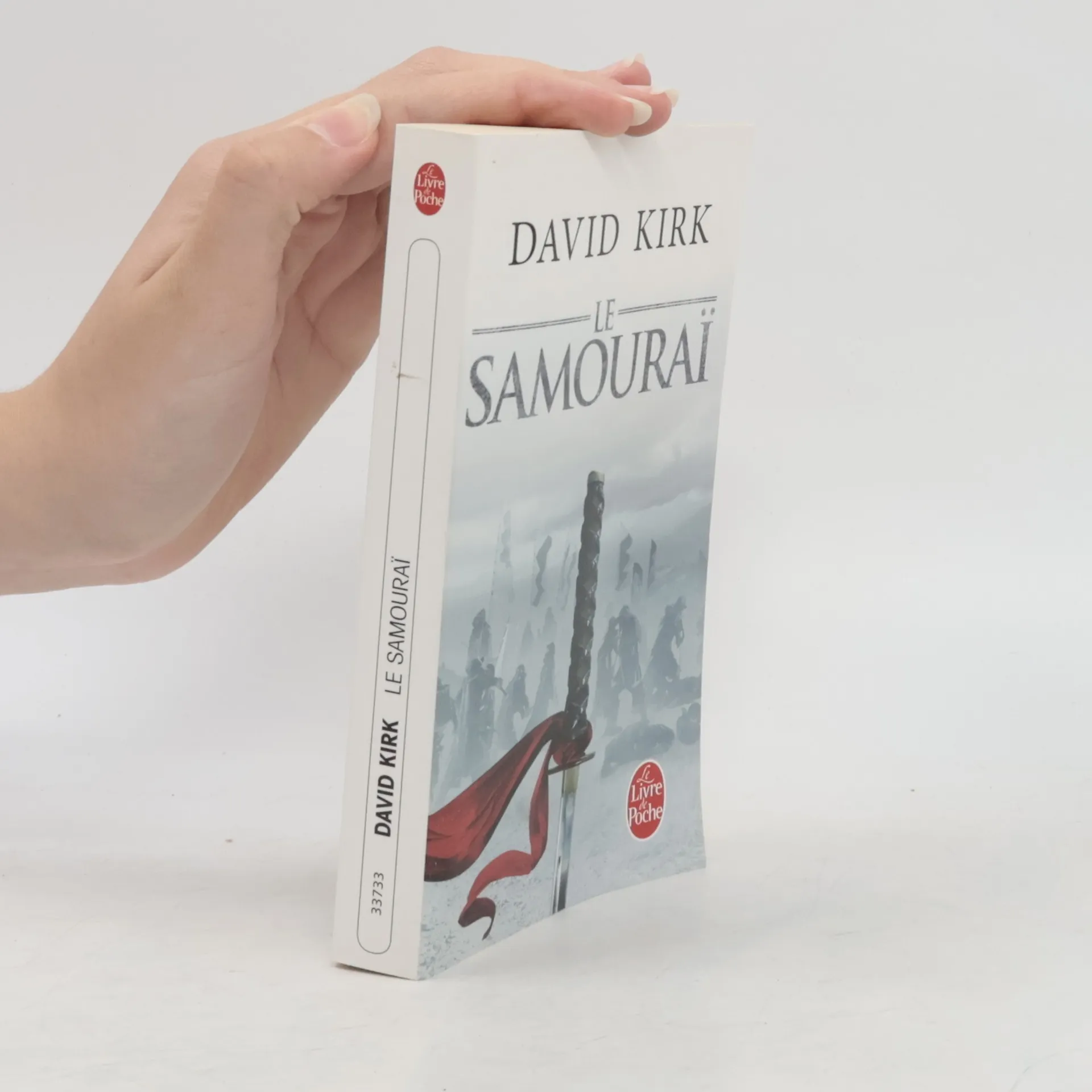
Scholar. Warrior. Samurai. His name was Bennosuke, son of the great Munisai Shinmen, known throughout the empire as one of the greatest warriors who ever lived. His destiny was to become a great warrior like his father - a Samurai, one of the most feared and respected in the world. But before fame comes action, and Bennosuke must prove himself on the battlefield before he can claim his inheritance. And in his way stands the vengeful Hayato, son of Lord Nakata, the face of the enemy, a man who is determined to kill Bennosuke. It is a battle between honour and vengeance, pride and reputation. And Bennosuke must look death in the eye before he can call himself a warrior. Before he can call himself Musashi, the greatest warrior of all time…
The story follows Musashi Miyamoto as he confronts the deadly Yoshioka school of warriors in Kyoto, seeking to dismantle the oppressive "way of the sword" that enforces loyalty among samurai. Despite his exceptional swordsmanship, Musashi faces formidable adversaries, including powerful lords who will stop at nothing to eliminate him. As he navigates this treacherous landscape, he must weigh the risks of his quest against the cunning strategies of his enemies, making for a gripping tale of honor, rivalry, and survival.
With over 40 years of research, the book introduces Models-based Practice (MbP) as a forward-thinking approach to physical education. It emphasizes the importance of integrating pedagogical models into physical education programs, outlining the optimal conditions necessary for MbP to thrive. This synthesis not only highlights the evolution of teaching methods but also aims to reshape the future of physical education by prioritizing effective instructional strategies.
Bestselling author and Miss Spider creator David Kirk brings us this amazingly intricate pop-up version of his beloved fable Nova’s Ark. This hardcover, with eight spreads and eight gatefolds bursting with 3-D images of Nova, his many spaceships, and his metallic menagerie of friends, will be treasured by children (and adults) for years to come.