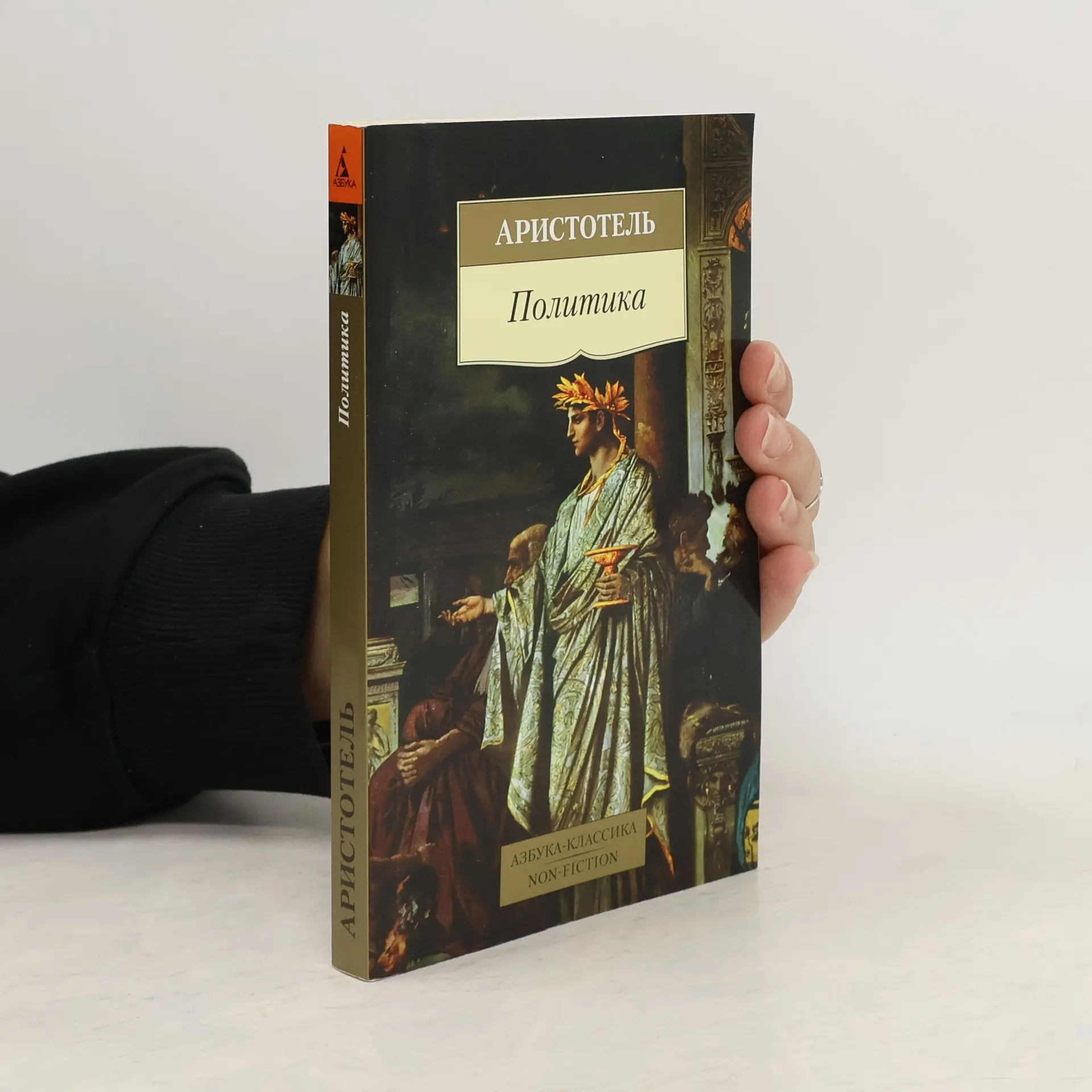
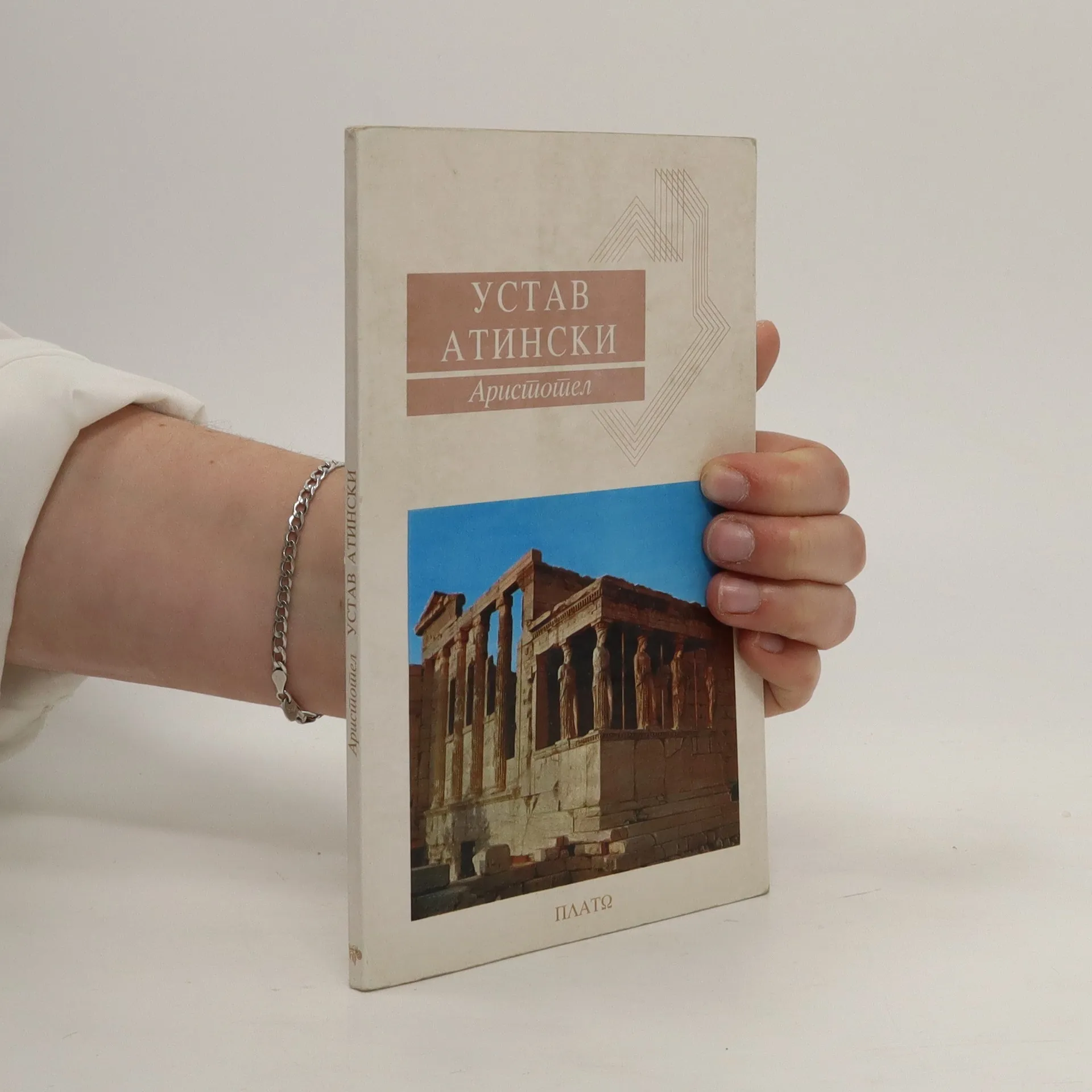
Exploring the nature of human communities and governance, this political philosophy delves into the organization of city-states and the role of citizens. Aristotle examines various political systems, emphasizing the importance of virtue and justice in leadership. His analysis covers the ideal state, the function of the middle class, and the significance of civic participation, making it a foundational text in Western political thought. The work invites readers to consider the relationship between ethics and politics in the pursuit of the common good.
Aristotle Book order (chronological)
The author's work delves into the fundamental questions of existence, exploring themes of ethics, metaphysics, and logic. Through rigorous analysis and systematic inquiry, their writings offer a profound framework for understanding the natural world and the human condition. Their philosophical approach emphasizes empirical observation and rational deduction, shaping the course of Western thought. This enduring legacy continues to influence diverse fields, inviting readers to engage with timeless intellectual pursuits.



This publication focuses on making historical works accessible through large print, catering specifically to individuals with impaired vision. Megali, the publishing house behind this initiative, emphasizes the importance of preserving and sharing historical texts while ensuring they are easy to read for a wider audience.
Das Organon
- 452 pages
- 16 hours of reading
Das Organon ist eine Sammlung von Aristoteles' Schriften zur Logik als Wissenschaftsinstrument. Es umfasst sechs Werke, die wahrscheinlich von byzantinischen Gelehrten zusammengestellt wurden, die auch den Titel prägten.
Ancient Greek Philosophers Plato Aristotle Collection
Plato's Phaedrus, Symposium, Euthyphro, Apology, Crito, Meno, Phaedo & Aristotle's Poetics, Politics
- 482 pages
- 17 hours of reading
Poetics - Aristotle
- 64 pages
- 3 hours of reading
The collection showcases Aristotle's relentless pursuit of knowledge and keen observations that highlight the complexities of the human condition. His insights remain influential, shaping contemporary understanding across various fields. Ideal for scholars, students, and curious readers alike, this compilation invites engagement with the profound wisdom of one of history's greatest thinkers, making it an essential resource for anyone interested in philosophy and intellectual exploration.
This book is a reproduction of a historical work, published by Megali, a house dedicated to creating large print editions. The focus on accessibility aims to assist readers with impaired vision, ensuring that important texts remain available to a wider audience.
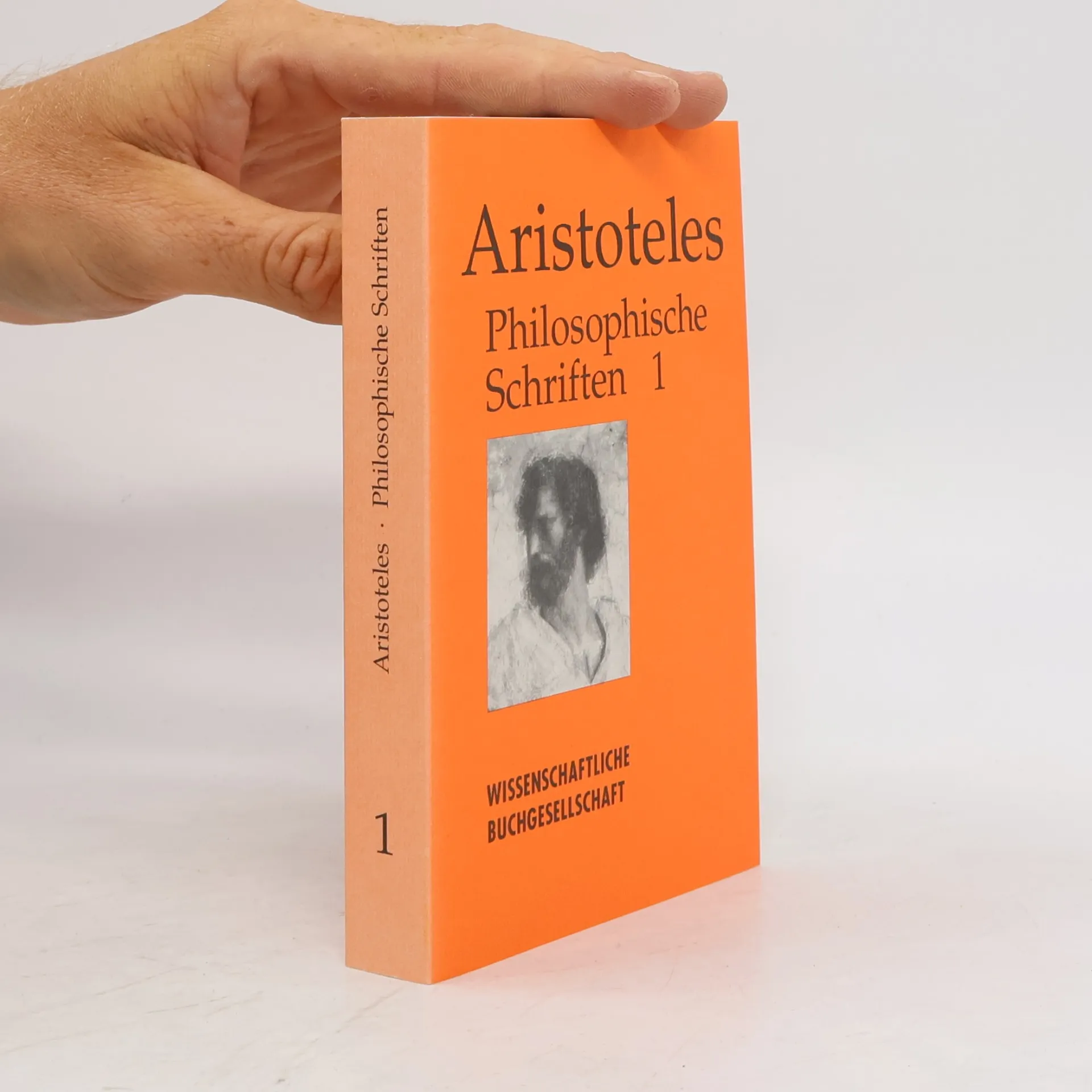
Philosophische Schriften. Band 1
Porphyrios: Einführung in die Kategorien des Aristoteles (Isagoge) / Kategorien / Hermeneutik oder vom sprachlichen Ausdruck (De interpretatione) / Erste Analytik / Zweite Analytik
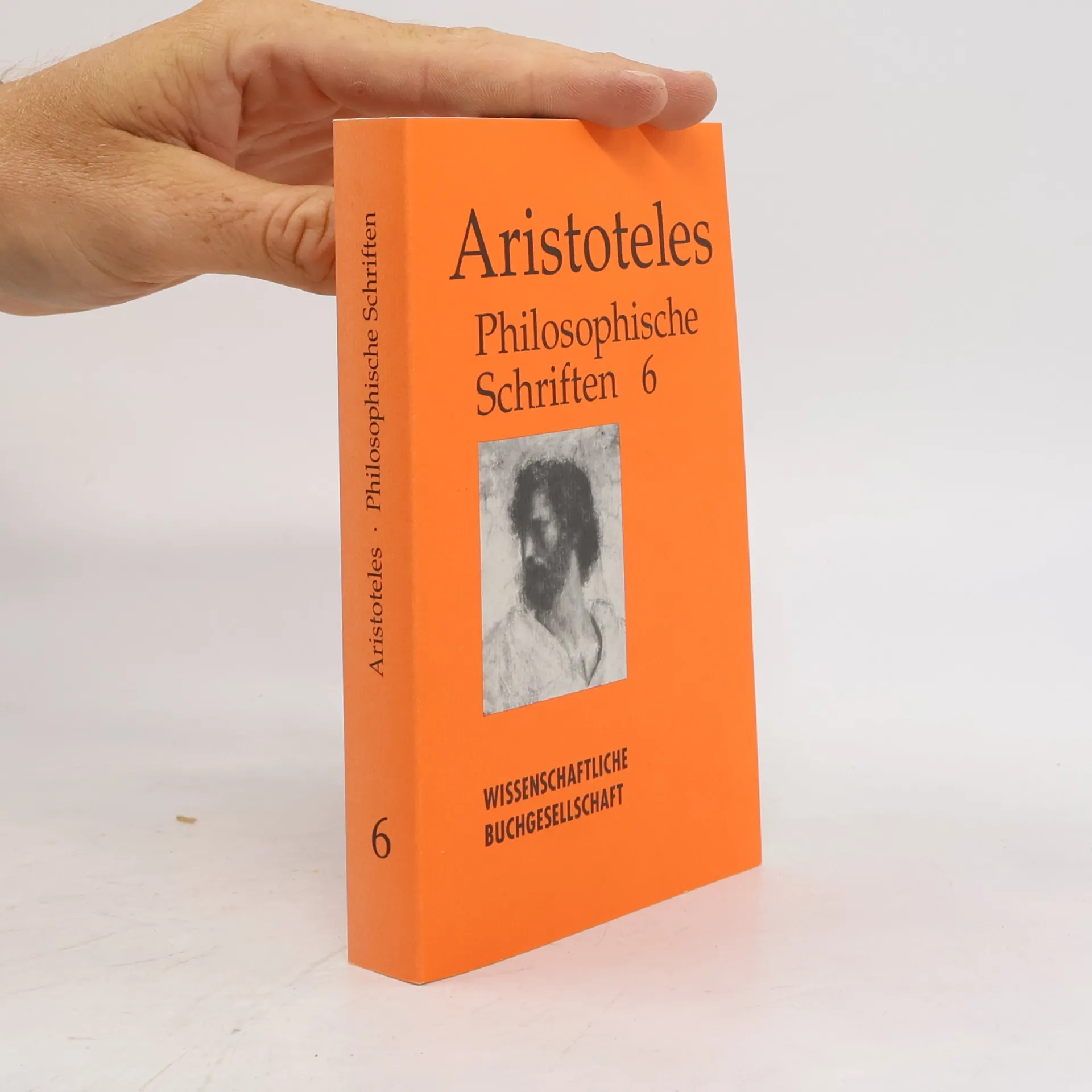
Philosophische Schriften. Band 6
Physik. Vorlesung über Natur / Über die Seele
The book is a reprint of a classic work originally published in 1862, offering readers a chance to explore the themes and ideas from that era. It captures the historical context and literary style of the time, providing insights into the culture and societal norms of the 19th century. This edition may appeal to those interested in historical literature or the evolution of storytelling.
O duši - Malé spisy o prírode
- 222 pages
- 8 hours of reading
Aristoteles sa vo svojom bádání zameriava na prírodu a prírodné javy, skúma živočíchy a rastliny, pričom sa usiluje o ich klasifikáciu a zamýšľa nad podstatou ich existencie. Na základe svojich skúseností sa snaží odhaliť najvyššiu podstatu, ktorá je základom života, čo spracoval najmä v diele O duši a v Malých spisoch o prírode. V týchto prácach Aristoteles zrozumiteľne objasňuje predstavy o duši a iných aspektoch, pričom využíva príklady na vysvetlenie zložitých tém. Zameriava sa na prirodzené možnosti človeka pri objasňovaní problémov a vyhýba sa mystike. V diele O duši prezentuje názory starších filozofov, definuje dušu a jej časti, pričom sa sústreďuje na vnímanie, myslenie a činnosť duše. Malé spisy o prírode dopĺňajú tieto úvahy špecifickými témami, ako sú vnímanie, pamäť, spánok, sny, dĺžka života a ďalšie. Tieto diela umožňujú čitateľovi získať prehľad o antickom pohľade na dušu a jej chápaní od starších mysliteľov až po Aristotela a nielen po ňom. Publikácia obsahuje aj štúdie o milétskych filozofoch prírody a Aristotelovi.
Politics (Royal Collector's Edition) (Case Laminate Hardcover with Jacket)
- 276 pages
- 10 hours of reading
Aristotle presents the city as a fundamental natural community, positing that it precedes both the family and the individual. He emphasizes that rationality distinguishes humans from other animals, highlighting the importance of reason in societal development and organization. This exploration of political philosophy delves into the interconnectedness of community and individual identity.
Die aristotelische "Physik" behandelt Naturwissenschaften und klärt philosophische Vorfragen zu Erkenntnissen über Naturdinge. Themen sind Prinzipien wie Bewegung, Zeit und leere Räume. Gottfried Heinemann präsentiert eine neue Übersetzung mit umfassender Einleitung, Anmerkungen und Registern.
Über die Dichtkunst beim Aristoteles
- 100 pages
- 4 hours of reading
Alfred Gudeman überarbeitete Ueberwegs Übersetzung von Aristoteles' "Poetik" und schuf eine neue, da die alte unzureichend war. Er weicht an fast 300 Stellen von der Vahlens-Ausgabe ab, was auf eine ungenügend genutzte syrisch-arabische Übersetzung zurückzuführen ist. Der Text folgt der Ausgabe von 1921 und wurde an die aktuelle Rechtschreibung angepasst.
Über die Dichtkunst
- 104 pages
- 4 hours of reading
Aristoteles' unvollständige Schrift "Über die Dichtkunst" aus dem Jahr 330 behandelt Poesie, Tragödie und Epos, während Informationen über Komödie verloren gingen. Der Text weist Lücken und Mängel auf, die durch sorgfältige Analyse behoben werden können. Uewegs 1869er Übersetzung gilt als eine der besten. Der Originaltext wurde aktualisiert.
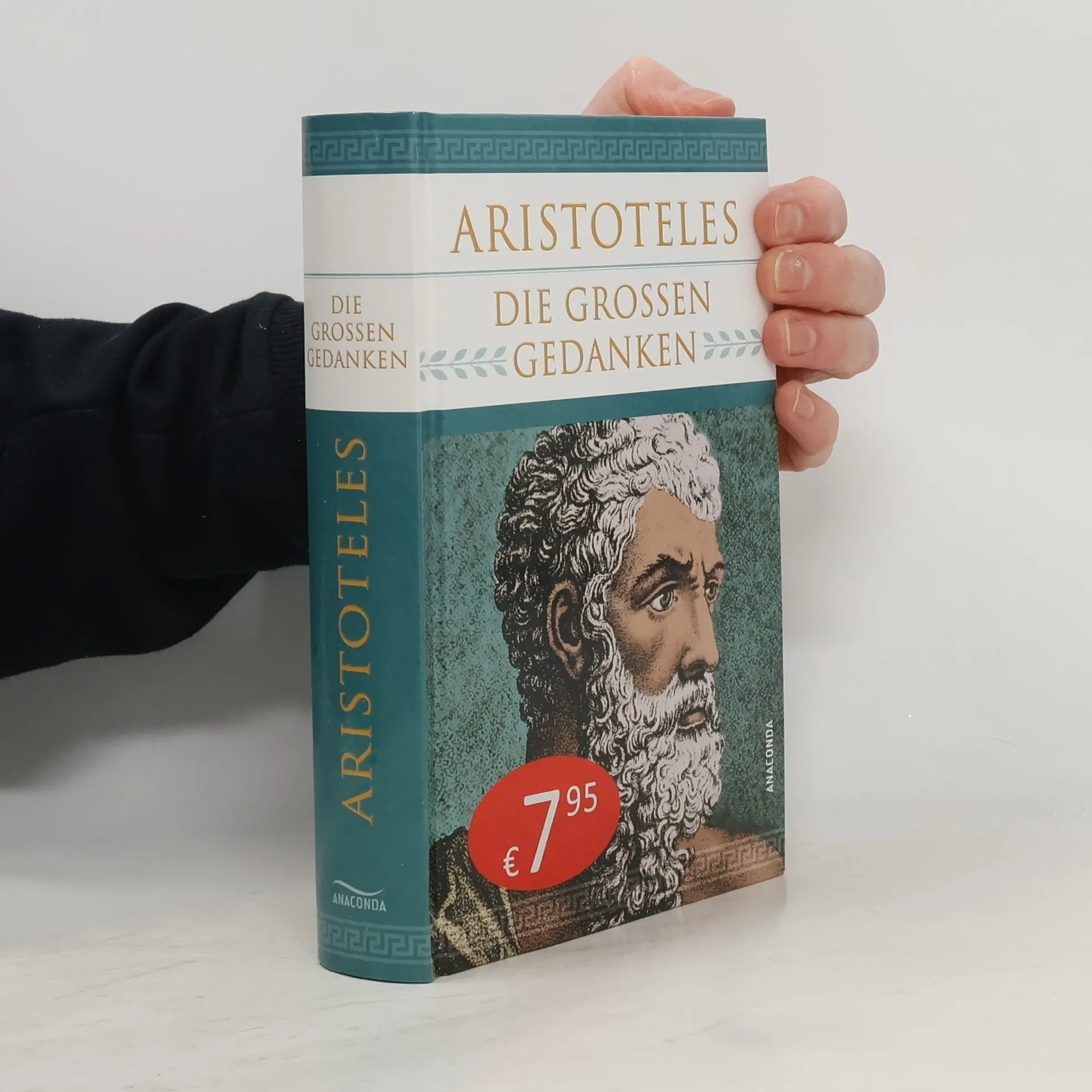
Ein Einstieg in das Werk des großen Philosophen Aristoteles hat wie kein Zweiter die Geschichte der westlichen Philosophie geprägt. Die Denker des Mittelalters schrieben anstelle seines Namens schlicht der Philosoph . Beinahe ungläubig macht heute die schiere Vielfalt seines Werks. Von Ontologie bis Zoologie, von Ethik zu Poetik, Wissenschafts- zur Staatstheorie hat sich der Universalgelehrte beinahe jeder Wissensdisziplin gewidmet. Der Herausgeber Erich Ackermann hat grundlegende Passagen aus der ganzen Fülle dieses Werks zusammengestellt und erleichtert mit kenntnisreichen Kommentaren den Zugang zu Aristoteles großen Gedanken..
Etika Eudémova
- 168 pages
- 6 hours of reading
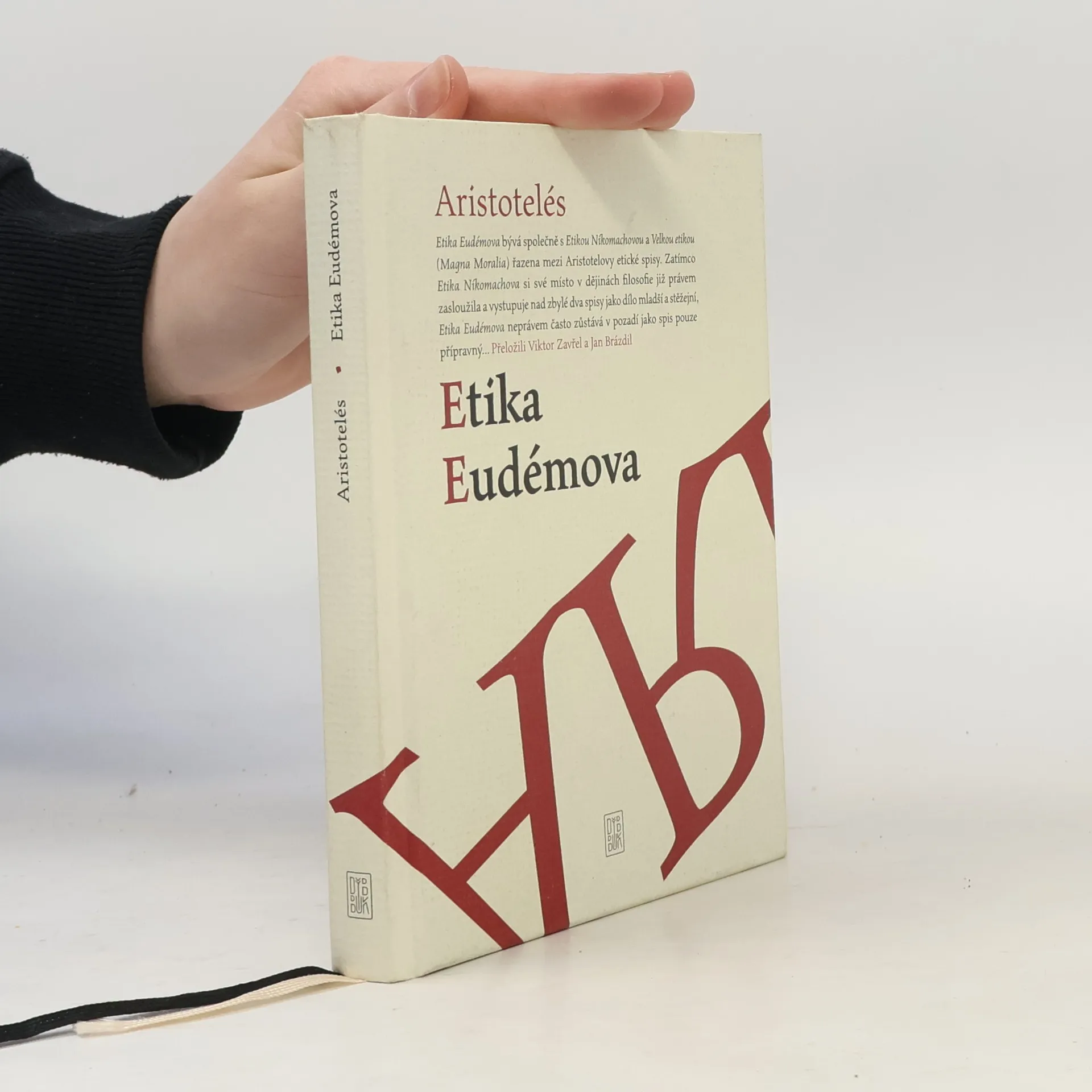
Etika Eudémova bývá společně s Etikou Níkomachovou a Velkou etikou (Magna Moralia) řazena mezi Aristotelovy etické spisy. Zatímco Etika Níkomachova si své místo v dějinách filosofie již právem zasloužila a vystupuje nad zbylé dva spisy jako dílo mladší a stěžejní, Etika Eudémova neprávem často zůstává v pozadí jako spis starší či pouze přípravný, z něhož bylo později vyňato několik knih pro Etiku Níkomachovu. V našem prostředí se upozadění tohoto díla projevuje i v absenci českých překladů. Na rozdíl od spisu Magna Moralia přitom nemůžeme jakkoli pochybovat o Aristotelově autorství tohoto jedinečného díla. I když se přikloníme k většinovému názoru, že jde o spis, který byl časem překonán, zůstává cenný nejen jako svědectví o vývoji Aristotelova myšlení. Může totiž představovat i alternativní výklad autorovy nauky o ctnosti. Navzdory množství dochovaných materiálů a nejrůznějších komentářů zůstává Aristotelova etika předmětem stále trvajících sporů. Téma ctnosti ve spojitosti s Aristotelovými etickými myšlenkami je v 21. století stále živě diskutováno. Tímto prvním českým překladem Etiky Eudémovy bychom chtěli přispět k možnosti proniknout do jednoho z nejinspirativnějších systémů antického myšlení.
Podivuhodné zvěsti neboli koniny
- 56 pages
- 2 hours of reading
Podivnost nesmyslu, protimluvu, paradoxu přináší překvapení. Být zaskočen je prvním předpokladem myšlení. Objev podivnosti zostřuje náš zrak, úžas nad podivností je pak předstupněm otázky. Tak soudil i autor sbírky podivuhodností přisuzované Aristotelovi. Česko-řecké vydání doprovází 25 ilustrací Jiřího Stacha. Třista číslovaných výtisků.
Политика. Politika
- 352 pages
- 13 hours of reading
Lüfte den Schleier der Dualität
Ihr Leitfaden zu einem urteilsfreien Leben - Extra: Mit gechannelten Botschaften von Lady Diana, Albert Einstein, Edgar Cayce, Mutter Teresa, Mahatma Gandhi, Abraham Lincoln, Apostel Paulus, Merlin, Aristoteles, Oliver Wendell Holmes und anderen
Publikace, jež vyšla k 220. výročí založení Společnosti vlasteneckých přátel umění, předchůdkyně Národní galerie v Praze, je souborem esejů představujících jakousi autobiografii Národní galerie v Praze, jejíž existence je mimo jiné založená na aktu velkorysých gest dávání a sdílení. Eseje vzdávají hold otcům zakladatelům, jednotlivým donátorům a institucím, umělcům a sběratelům, kteří galerijním sbírkám poskytli ničím nepodmíněný dar či dočasnou výpůjčku, provedli směnu nebo galerijním sbírkám – od starých mistrů přes grafiku a kresbu, umění Asie a Afriky až po umění 19. století a moderní a současné umění včetně architektury – a návštěvníkům prospěli jakýmkoli jiným způsobem. Kniha zahrnuje také texty věnované historii sběratelství a formativní roli štědrosti a velkorysosti v procesu vzniku sbírkových institucí. Komplexní obrázek dokreslují výňatky z filozofických, literárních a básnických děl, které problematiku velkorysosti zasazují do širších ideových souvislostí.
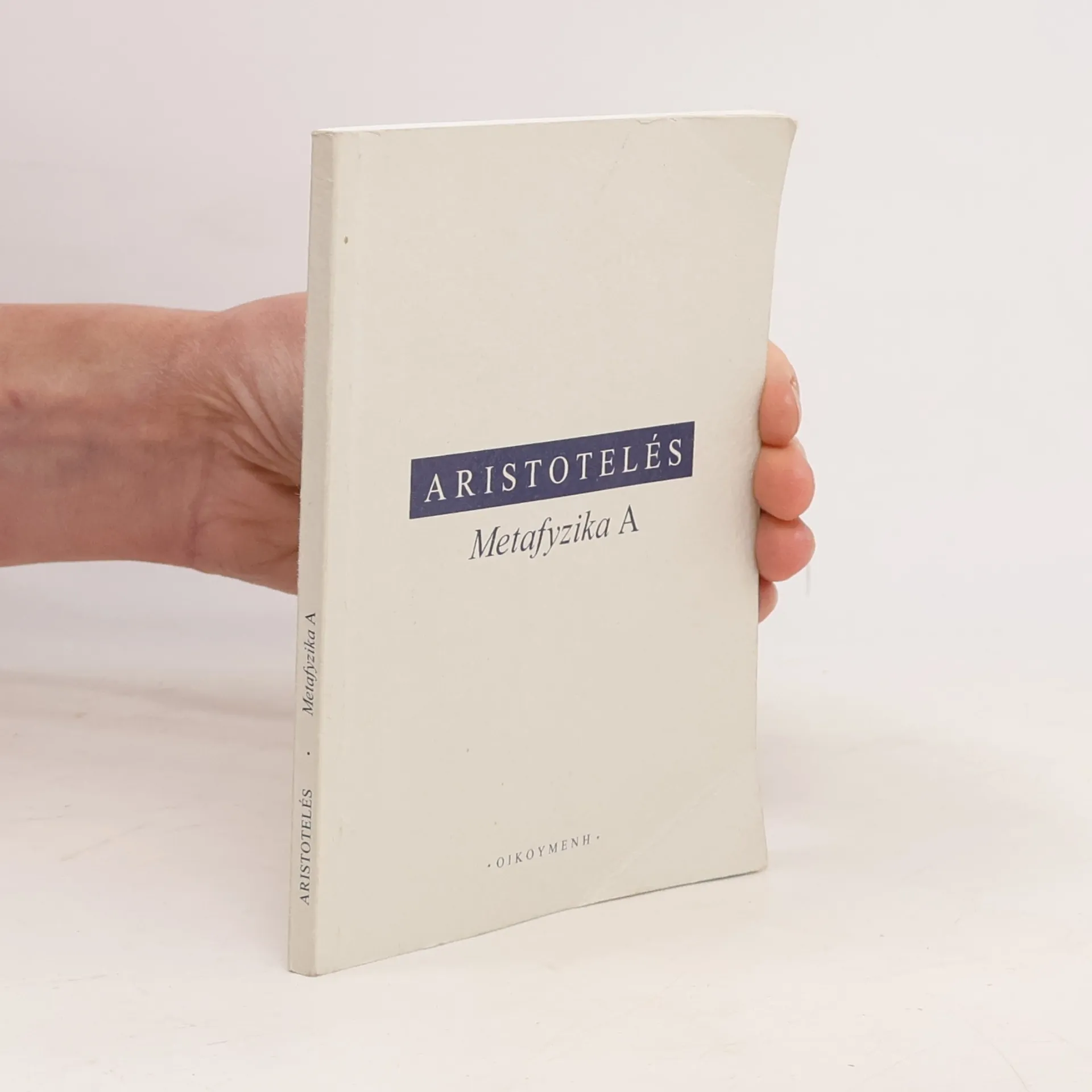
Metafyzika A je úvodní knihou souboru Aristotelových spisů věnovaných otázkám první filosofie. Aristotelés zde definuje filosofii jako vědu o prvních počátcích a příčinách. Na pozadí své vlastní nauky o příčinách podává přehled názorů svých předchůdců od Thaléta přes pythagorejce až po Platóna a podrobuje je kritice. Nový český překlad F. Karfíka.
Biologische Schriften
- 301 pages
- 11 hours of reading
Seit 1923 erscheinen in der Sammlung Tusculum ma gebende Editionen griechischer und lateinischer Werke mit deutscher bersetzung. Die Originaltexte werden zudem eingeleitet und umfassend kommentiert; nach der neuen Konzeption bieten schlie lich thematische Essays tiefere Einblicke in das Werk, seinen historischen Kontext und sein Nachleben. Die hohe wissenschaftliche Qualit t der Ausgaben, gepaart mit dem leserfreundlichen Sprachstil der Einf hrungs- und Kommentarteile, macht jeden Tusculum-Band zu einer fundamentalen Lekt re nicht nur f r Studierende, die sich zum ersten Mal einem antiken Autor n hern, und f r Wissenschaftler, die spezifische Aspekte eines Werkes vertiefen m chten, sondern f r alle, die sich durch vertrauensw rdige bersetzungen einen Zugang zur Antiken Welt verschaffen wollen. In der Reihe wurden bisher ber 270 Titel publiziert, alle erh ltlich als Buch und eBook. Dadruch werden bislang vergriffene Titel und Rarit ten wieder vollst ndig verf gbar gemacht. Zus tzlich zu der Buchreihe erscheint bei De Gruyter zum 90-j hrigen Jubil um das eBook-PaketTusculum Online, eine digitale Sammlung aller von 1923 bis 2013 erschienenen Titel -eine geb hrende W rdigung eines wichtigen St cks deutscher Verlagsgeschichte.
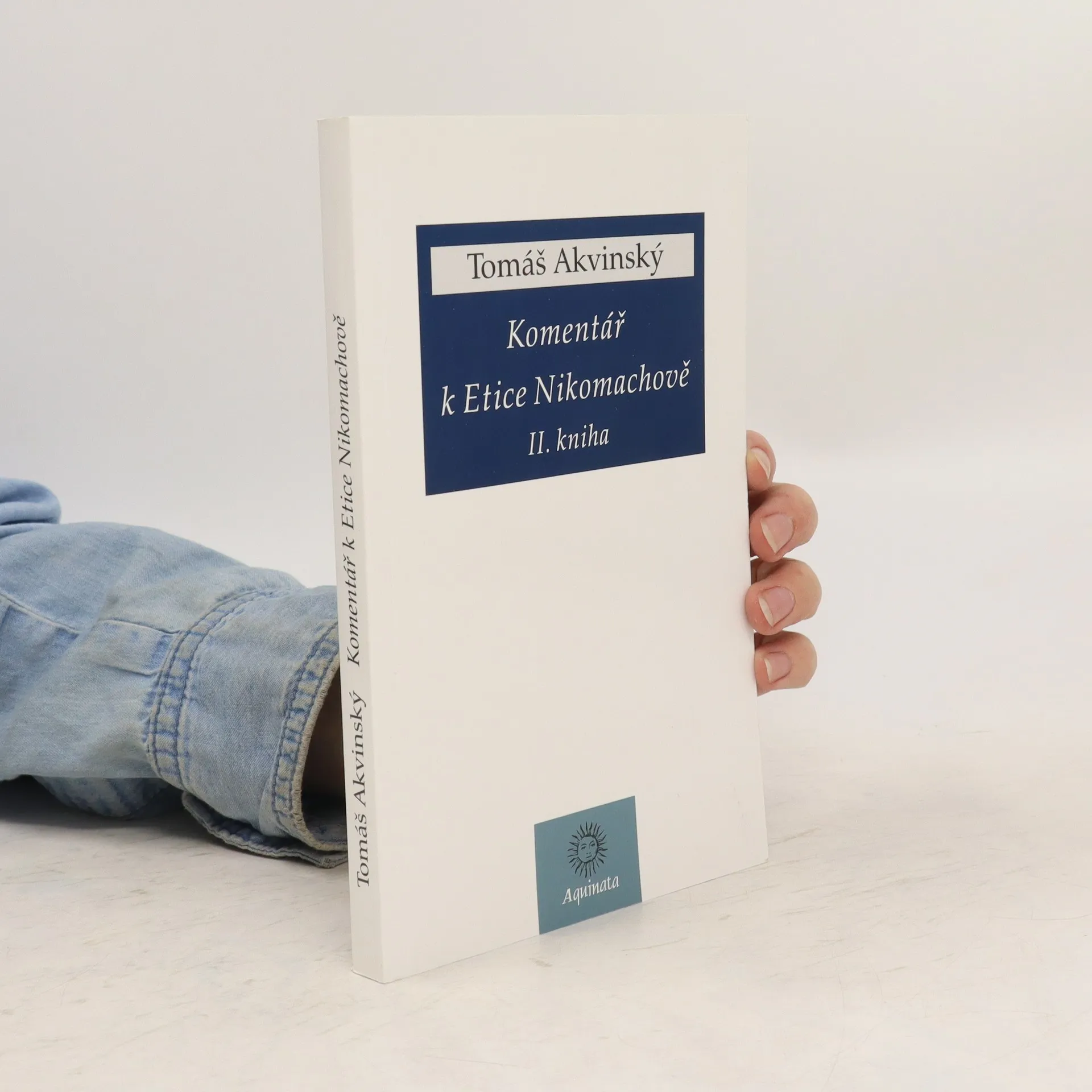
Komentář k Etice Nikomachově II. kniha
- 233 pages
- 9 hours of reading
Pro Aristotelovu etiku je klíčové téma ctnosti. Probírá se porůznu v celé Etice Nikomachově, nicméně její 2. kniha představuje východisko, kde je morální ctnost definována a uvedena do kontextu lidského života a jednání. Tomáš svým výkladem zasazuje antické pojetí ctnosti do křesťanského kontextu. Pro něho je vzorovým příkladem ctnostného člověka především Kristus a světci, ale z filosofického hlediska musí věc uchopit jinak, proto definuje ctnostného člověka jako toho, kdo neuhýbá z cesty, na niž ho postavila jeho přirozenost: „člověk, jaký má být“. Pro dnešní společnost není podvědomým vzorem vznešený Athéňan jako pro Aristotela, tím méně Kristus a svatí, ale už ani zákon lidské přirozenosti. O to důležitější je přemýšlet o těchto věcech explicitně: v čem spočívá ctnost, kam ji zařadit v celku lidské přirozenosti, jak ji získat a rozvíjet, a jaké jsou jednotlivé ctnosti a jim odpovídající neřesti? To vše je tématem druhé knihy Aristotelovy Etiky Nikomachovy (v knížce uvedený latinský i řecký text) a potažmo komentáře sv. Tomáše.
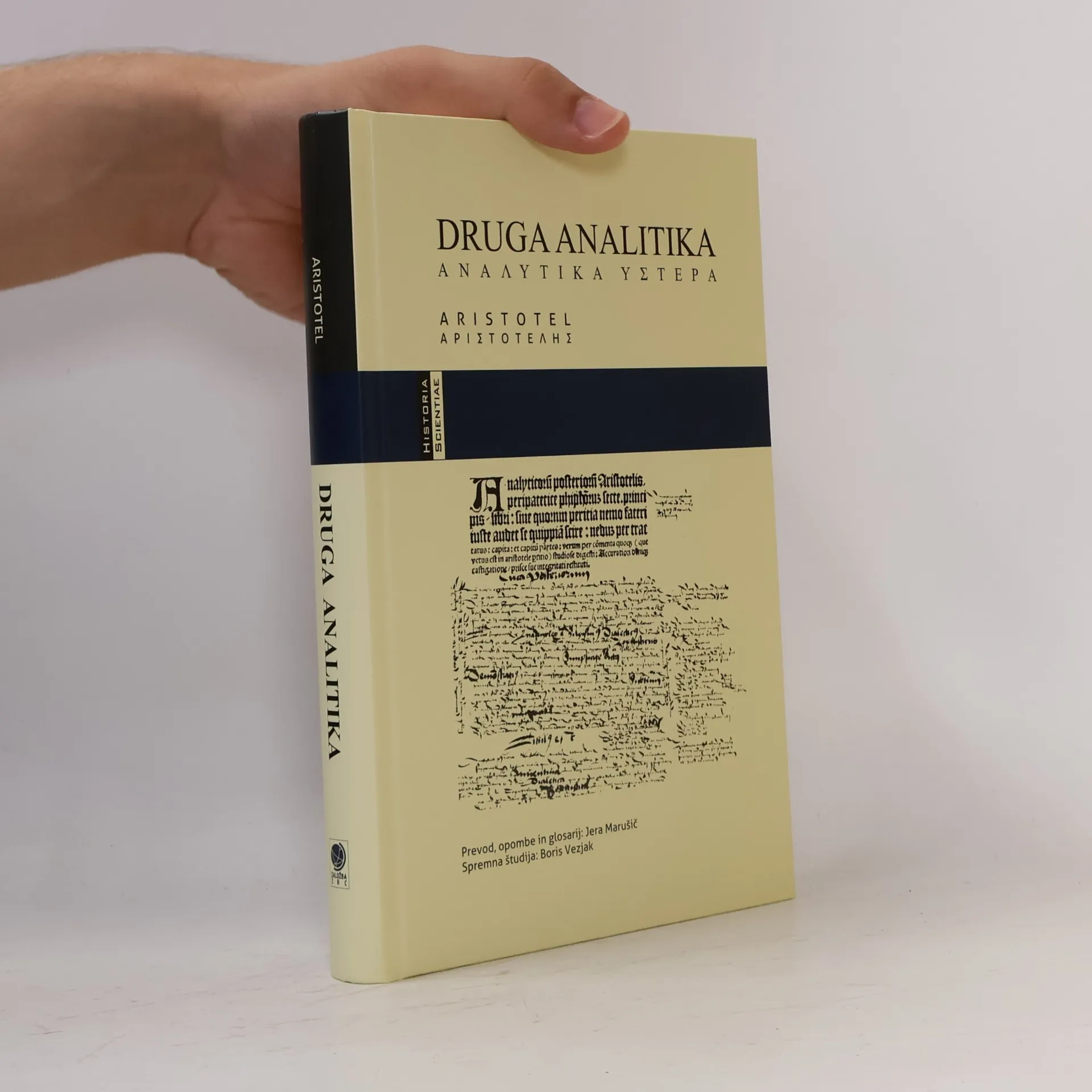
Druga analitika / Analytika hystera
- 265 pages
- 10 hours of reading
Aristotelova Druga analitika, eno izmed del, ki tvorijo sklop njegovih logiških spisov, imenovan Organon, velja v dolgi tradiciji evropske misli za prvo fokusirano razmišljanje s področja teorije in filozofije znanosti. Če je Prva analitika postregla z analizo silogizma kot obliko logičnega sklepanja, se je v njenem »nadaljevanju« Aristotel soočil z vprašanjem, kako slednje uporabiti v znanosti (epistēmē) in ga povezal s tem, kdaj kaj vemo in kakšni so pogoji za njen obstoj. Pri tem izhaja iz stališča, da kaj vemo takrat, ko vemo, zakaj je tisto, kar vemo, nujno takšno~razlago razume kot dokaz o tem. Ta ima zato strukturo sklepanja, osrednja vprašanja v Drugi analitiki pa so zato povezana z opredelitvami znanosti oz. znanstvenega razumevanja, dokaza, definicije in npr. vzročnosti. Delo, napisano z nezgrešljivo natančnostjo in »analitičnostjo« antičnega filozofskega velemojstra, v slovenski prostor vnaša potrebno svežino dragocene zgodovinske perspektive za vse, ki se ukvarjajo s področji epistemologije, logike ali npr. znanstvene metodologije.
The Nicomachean Ethics of Aristotle
- 122 pages
- 5 hours of reading
The Nicomachean Ethics is one of Aristotle's most widely read and influential works.
Этика. Etika
- 492 pages
- 18 hours of reading
The Categories
- 48 pages
- 2 hours of reading
Focusing on the classification of entities, this work by Aristotle outlines ten categories that encompass all possible subjects or predicates in propositions. Known for its significance in Aristotelian philosophy, it aims to categorize every object of human understanding without complex structure. The text has inspired extensive discussion and analysis, influencing later scholastic philosophers who explored its implications. This foundational work remains essential for understanding the framework of logic and categorization in philosophical discourse.
Gute Zeit: 365 Gedanken der Freundschaft
- 404 pages
- 15 hours of reading
Werke in deutscher Übersetzung - 1: Analytica Priora. Buch I (German Edition)
- 924 pages
- 33 hours of reading
Mit den Ersten Analytiken macht Aristoteles erstmalig in der europäischen Wissenschaftsgeschichte das logisch zwingende Argumentieren zum Gegenstand einer systematischen Untersuchung. Dabei gewinnt er im ersten Buch der aus zwei Büchern bestehenden Schrift wichtige Einsichten in die Natur logischer Gültigkeit. Weiter führt er die Idee einer axiomatischen Organisation logischer Theoreme ein, analysiert logisch-semantische Beziehungen zwischen verschiedenen Modalbegriffen sowie Typen von Modalaussagen und beschäftigt sich auch mit heuristischen Aspekten deduktiven Argumentierens. Aristoteles schränkt seine Untersuchung auf Argumentationsweisen in der Form sogenannter Syllogismen ein. Innerhalb dieses aus heutiger Sicht eher eng gezogenen logischen Rahmens gelingt ihm gleichwohl ein Theoriestück von hohem Niveau, das auf die spätere Wissenschaftsentwicklung einen erheblichen Einfluss ausübte. Die Bedeutung, die den Ersten Analytiken zugemessen worden ist, zeigt sich nicht zuletzt in einer zweitausendjährigen, keineswegs auf den abendländischen Raum beschränkten Kommentierungstradition.
Politica
- 280 pages
- 10 hours of reading
Aristotle's Theory Of Poetry And Fine Art
With A Critical Text And Translation Of The Poetics
- 460 pages
- 17 hours of reading
The book is a facsimile reprint of a scarce antiquarian work, preserving its historical significance despite potential imperfections like marks and notations. It aims to protect and promote cultural literature by providing a high-quality, affordable edition that remains true to the original.
A New Translation of the Nichomachean Ethics of Aristotle
- 276 pages
- 10 hours of reading
The book explores Aristotle's significant influence on philosophical and scientific thought in the Western world, highlighting his contributions and enduring legacy. It delves into his ideas and theories, illustrating how they shaped various fields and continue to impact contemporary thought. Through an examination of his work, the text underscores the pivotal role Aristotle played in the evolution of intellectual discourse.
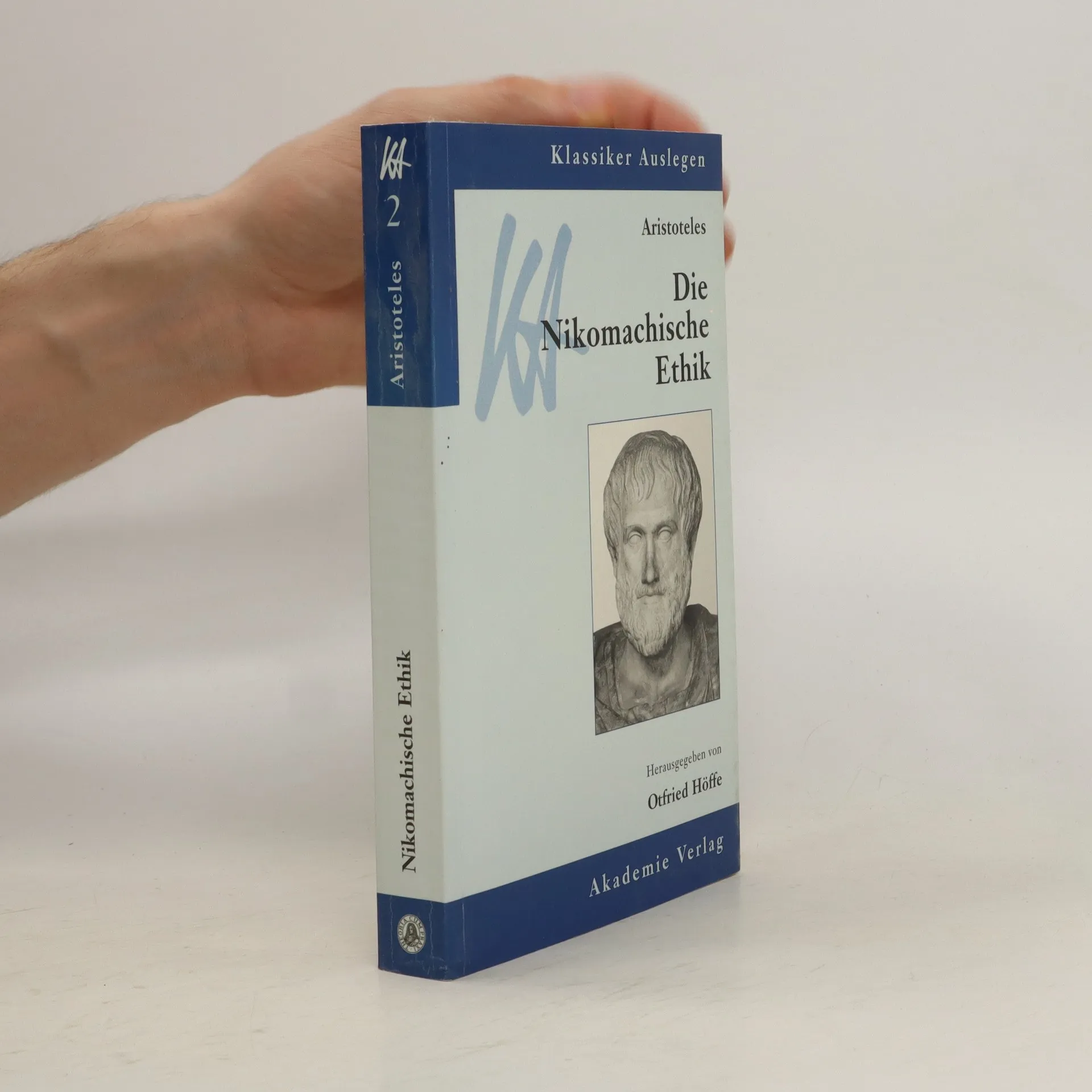
Aristoteles, die Nikomachische Ethik
- 318 pages
- 12 hours of reading
Wer auch immer sich für eine Theorie moralischer bzw. humaner Praxis interessiert, findet in der "Nikomachischen Ethik" des Aristoteles eines der wenigen bis heute einschlägigen Grundmodelle. Im Mittelpunkt der ebenso nüchternen wie umsichtigen Analyse stehen u. a. die Begriffe Glück, Tugend, Entscheidung, Klugheit, Unbeherrschtheit, Lust und Freundschaft. Die Aristotelischen Ausführungen sind keineswegs nur von historischem Interesse, sondern üben auch auf die ethische Debatte der Gegenwart entscheidenden Einfluß aus. Die 13 Beiträge dieses Bandes legen in Form eines kooperativen Kommentars, dem Aufbau des Klassikerwerkes folgend, die Grundlagen der Aristotelischen Untersuchung ebenso dar wie den modernen Hintergrund ihrer Rezeption.
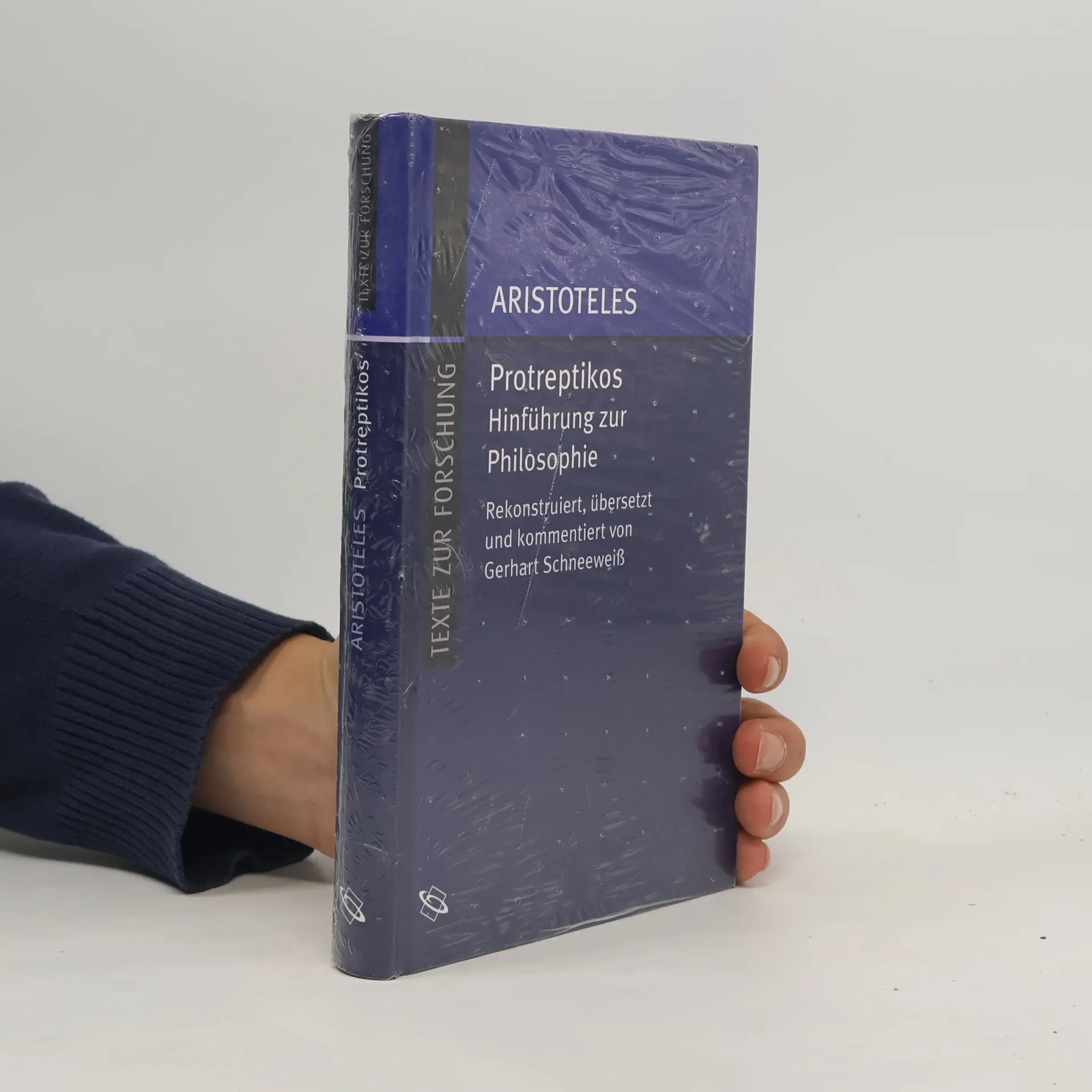
Der 'Protreptikos' des Aristoteles(384–322 v. Chr.) gehört zu den wichtigsten und am häufigsten gelesenen philosophischen Büchern der Antike. Diese allgemein verständliche 'Hinführung zur Philosophie' ist eine leidenschaftliche Werbung für grundsätzliches Denken. Es handelt sich um ein Werk, das den großen antiken Philosophen von einer für uns ›neuen‹, für die Antike aber ursprünglich bestimmenden Seite zeigt, keineswegs als ›nüchternen Logiker‹, sondern als Verfasser philosophischer Kunstprosa für eine breite, geistig aufgeschlossene Leserschaft. Die genaue Übersetzung neben dem griechischen Original macht den aristotelischen Gedanken in neu ansprechender Weise gut lesbar.
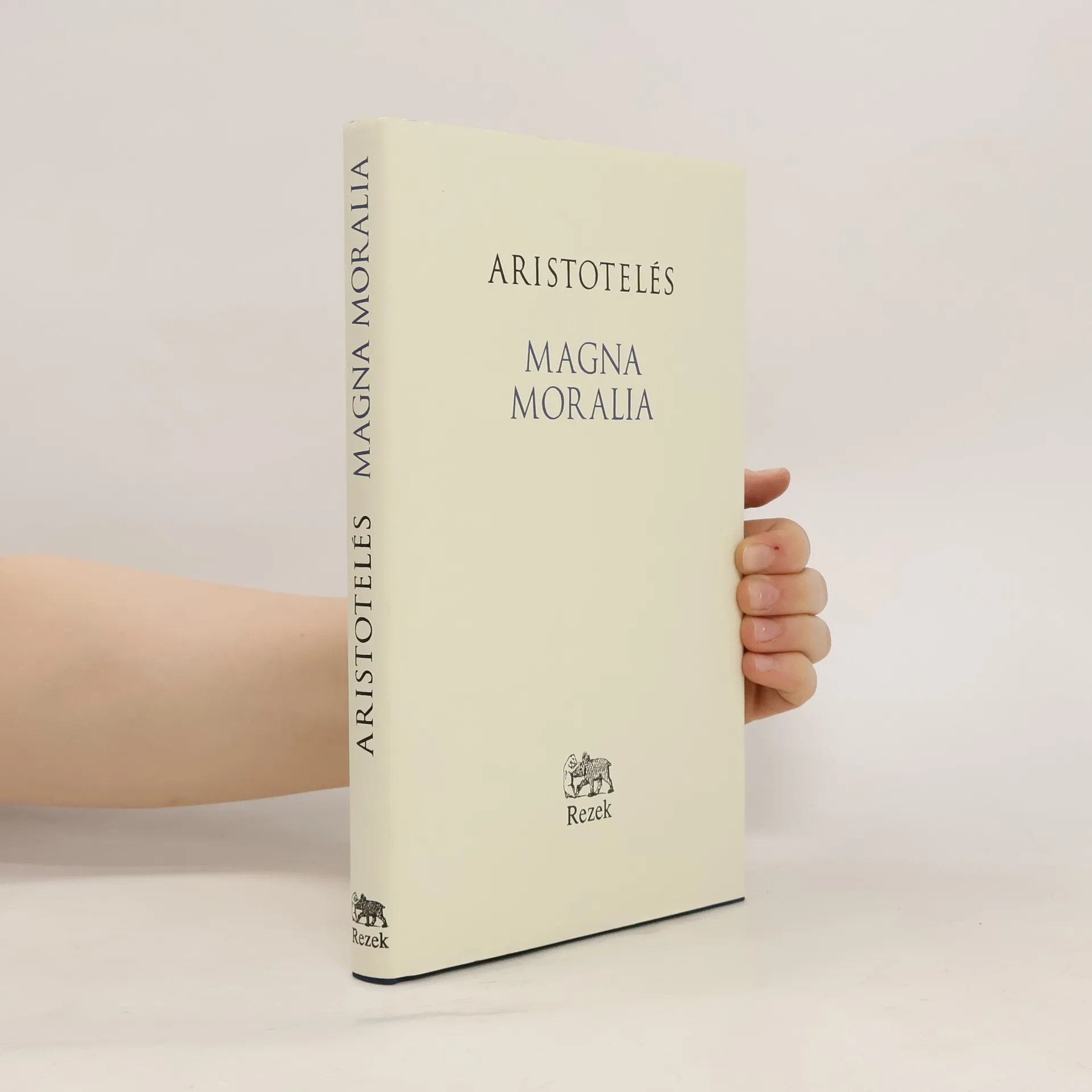
Aristotelova Velká etika (Magna Moralia) v upraveném překladu Antonína Kříže. Její velikost týká se rozsahu pojednávaných témat; dva oddíly o eutychii a kalokagathii nemají paralelu v Aristotelově Etice Níkomachově.
Aforismy, citáty, myšlenky
- 170 pages
- 6 hours of reading
Politika II.
- 231 pages
- 9 hours of reading
Jedna z nejdůležitějších knih evropské tradice politické filosofie. Nový český překlad Milana Mráze v zrcadlovém řecko-českém vydání, opatřený úvodní studií a poznámkami.
Meteorology
- 100 pages
- 4 hours of reading
The book is a facsimile reprint of a rare antiquarian work, preserving its historical significance despite potential imperfections like marks and notations. It aims to protect and promote cultural literature by providing affordable, high-quality editions that remain faithful to the original text.
De Caelo
- 328 pages
- 12 hours of reading
This new translation of De Caelo (On the Heavens) fits seamlessly with other volumes in the New Hackett Aristotle series, enabling Anglophone readers to study Aristotle's work in a way previously not possible. The Introduction describes the book that lies ahead, explaining what it is about, what it is trying to do, how it goes about doing it, and what sort of audience it presupposes. Sequentially numbered endnotes provide the information most needed at each juncture, while a detailed Index indicates the places where focused discussion of key notions occurs.
Aristotle
- 344 pages
- 13 hours of reading
Each volume in this series has a full Introduction, including biographical details and a further reading list.
The complete edition presents Aristotle's Ethics, featuring the esteemed English translation by W. D. Ross. This work delves into Aristotle's exploration of moral philosophy, emphasizing virtue ethics and the pursuit of the good life. It serves as a foundational text in understanding ethical principles and the nature of happiness, making it essential for students and scholars alike.
Die nikomachische Ethik
- 558 pages
- 20 hours of reading
Aristoteles, Politik
- 218 pages
- 8 hours of reading
Die „Politik“ des Aristoteles ist der Gründungstext der politischen Philosophie: die erste systematische Abhandlung über den Staat, seine Verfassung und seine ökonomischen Grundlagen. Nach einer Analyse des Begriffs der Herrschaft entfaltet Aristoteles die These, dass der Mensch von Natur aus ein politisches Lebewesen sei. Die staatliche Gemeinschaft wird als eine autarke Einheit verstanden, die das gute Leben ihrer Bürger ermöglichen soll. In Auseinandersetzung mit anderen theoretischen Entwürfen und der Vielfalt bestehender staatlicher Ordnungen untersucht Aristoteles ein weites Themenspektrum, das von Bürgertugenden und Gesetzen über die Einrichtung, den Wandel und die Erhaltung von Verfassungen bis zum Entwurf eines Idealstaates reicht. Der kooperative Kommentar rekonstruiert in 12 Originalbeiträgen die Argumentation des vielschichtigen Textes, bettet die zentralen Fragen in den historischen und systematischen Zusammenhang ein und fordert dazu heraus, die Aristotelischen Lehrstücke kritisch weiterzudenken.
Edited by Richard McKeon, with an introduction by C.D.C. Reeve Preserved by Arabic mathematicians and canonized by Christian scholars, Aristotle’s works have shaped Western thought, science, and religion for nearly two thousand years. Richard McKeon’s The Basic Works of Aristotle—constituted out of the definitive Oxford translation and in print as a Random House hardcover for sixty years—has long been considered the best available one-volume Aristotle. Appearing in paperback at long last, this edition includes selections from the Organon, On the Heavens, The Short Physical Treatises, Rhetoric, among others, and On the Soul, On Generation and Corruption, Physics, Metaphysics, Nicomachean Ethics, Politics, and Poetics in their entirety.
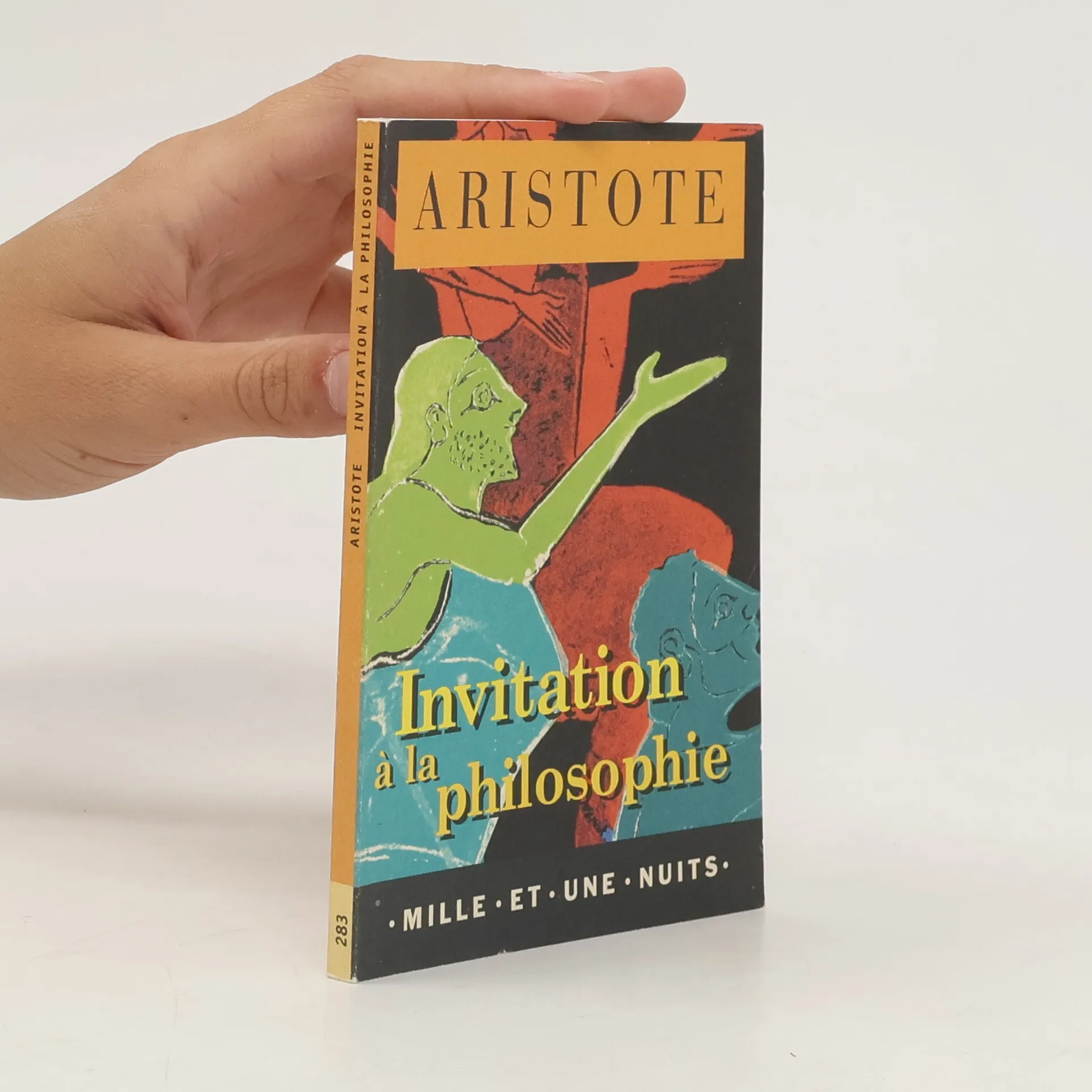
Mille et une nuits - 283: Invitation à la philosophie
- 64 pages
- 3 hours of reading
Aristote meurt en 322 avant J.-C.. exilé à Chalcis. On ne saurait rien de cette Invitation à la philosophie si un philosophe néo-platonicien, Jamblique (vers 250), ne s'était senti obligé d'en reprendre littéralement un très long fragment, qu'exhume notre édition, au sein de son œuvre.On y découvre un jeune Aristote encore à l'Académie, sous l'influence de l'enseignement de Platon. Il s'adresse à Thémison, roi d'une cité-État de Chypre pour le convertir à la philosophie.Très populaire dans l'Antiquité, ce texte exerça une profonde influence sur Épicure et sur Cicéron : il modela la grande tradition philosophique occidentale.
Politics
- 355 pages
- 13 hours of reading
Presents a English language translation of Aristotle's book about the nature of the state, constitutions, revolutions, democracy, and oligarchy.
Metaphysics: Books B and K 1-2
- 232 pages
- 9 hours of reading
The book features a new translation of Aristotle's Metaphysics, specifically the third book (Beta) and two chapters from the eleventh book (Kappa). It includes an introduction and commentary by Arthur Madigan, which provide detailed insights into the text. Aristotle explores fundamental metaphysical questions and evaluates various philosophical answers, making this work an essential resource for understanding both Aristotle's contributions and the broader context of classical metaphysics.
Focusing on practical politics, this translation of Books V and VI of Aristotle's Politics offers clarity and accuracy, enhanced by David Keyt's insightful commentary. The commentary aids in navigating Aristotle's historical references, making it a valuable resource for readers seeking a deeper understanding of this foundational work in political philosophy.
Aristotle: Nicomachean Ethics, Books VIII and IX
- 254 pages
- 9 hours of reading
In books VIII and IX of his work on moral philosophy, Aristotle gives perhaps the most famous of all philosophical discussions of friendship. Michael Pakaluk presents a systematic study of these books, showing how important Aristotle's treatment of friendship is to his ethics as a whole.
Rétorika. Poetika
- 555 pages
- 20 hours of reading
Jako filosofická odpověď na dobovou výzvu sofistiky Rétorika tvoří nevyčerpatelný zdroj poučení pro prakticky orientované činitele ve sféře veřejné, ale ve svých rozborech duševních pohnutek podává základy ontologie lidského jednání. Poetika přináší základní Aristotelovy myšlenky k dramatickému umění, jeho srovnání s epickým básnictvím a dějepisectvím; je pramenem k počátkům řeckého divadla.
Nikomachische Ethik VI
- 70 pages
- 3 hours of reading
Mit dem VI. Buch der „Nikomachischen Ethik“ legt Hans-Georg Gadamer nach der im gleichen Verlag erschienenen Studienausgabe des XII. Buches der „Metaphysik“ einen weiteren Haupttext der aristotelischen Philosophie in neuer Übersetzung vor. Mit diesem Gründungstext der praktischen Philosophie, in dessen Zentrum die Klärung des praktischen Wissens der „Phronesis“ steht, präsentiert Gadamer einen entscheidenden Bezugspunkt seines eigenen Denkens und damit der von ihm begründeten philosophischen Hermeneutik. Darüber hinaus stellt die aristotelische Konzeption der „Phronesis“ auch die maßgebende Grundlage der „Rehabilitierung der praktischen Philosophie“ (Rüdiger Bubner) unserer Tage dar. Diese Rehabilitierung setzt schon mit Heideggers Phänomenologie des Daseins ein. Ihr geht es um die zeitgemäße Aneignung der aristotelischen Ethik, geleitet von der Frage, ob nicht die auf die konkrete Situation bezogene praktische Philosophie des Aristoteles der Kantischen Moralbegründung im Rahmen einer am reinen Sollen orientierten Pflichtethik vorzuziehen sei. Diese Fragestellung bildet den Hintergrund einer ausführlichen Einleitung sowie eines Nachwortes zur „Begründung der praktischen Philosophie bei Aristoteles“, in dem Gadamer die philosophiegeschichtliche Einordnung und inhaltliche Erläuterung eines Textes unternimmt, der sein eigenes Denken entscheidend geprägt hat.
Retòrica. Poètica
- 408 pages
- 15 hours of reading
La Poètica (en grec: Περὶ ποιητικῆς / Perì poiêtikês, « De la poètica ») és un treball d'Aristòtil que tracta sobre l'art poètic i, més concretament, sobre les nocions de tragèdia, d'èpica i d'imitació. Va ser redactat probablement al voltant del 335 aC. Ha influït en la reflexió occidental sobre l'art durant segles i ha suscitat nombrosos debats. Els vincles entre la Poètica i la Retòrica són molt estrets. En aquests dos textos, Aristòtil s'endinsa en les mateixes nocions: persuasió, metàfora, expressió (lexis). De manera més general, aquests dos textos tenen com a objecte l'eficàcia que poden tenir les produccions verbals sobre els oients (en el cas de la retòrica) o sobre els espectadors (en el cas dels arts poètics). Algunes nocions com la metàfora i l'expressió són, no obstant això, tractades de manera més extensa en la Retòrica. Però també es poden relacionar la Poètica i la Política d'Aristòtil en la mesura que la noció clau que és la catarsi fa la seva aparició en aquests dos llibres.
Myšlienky
- 344 pages
- 13 hours of reading
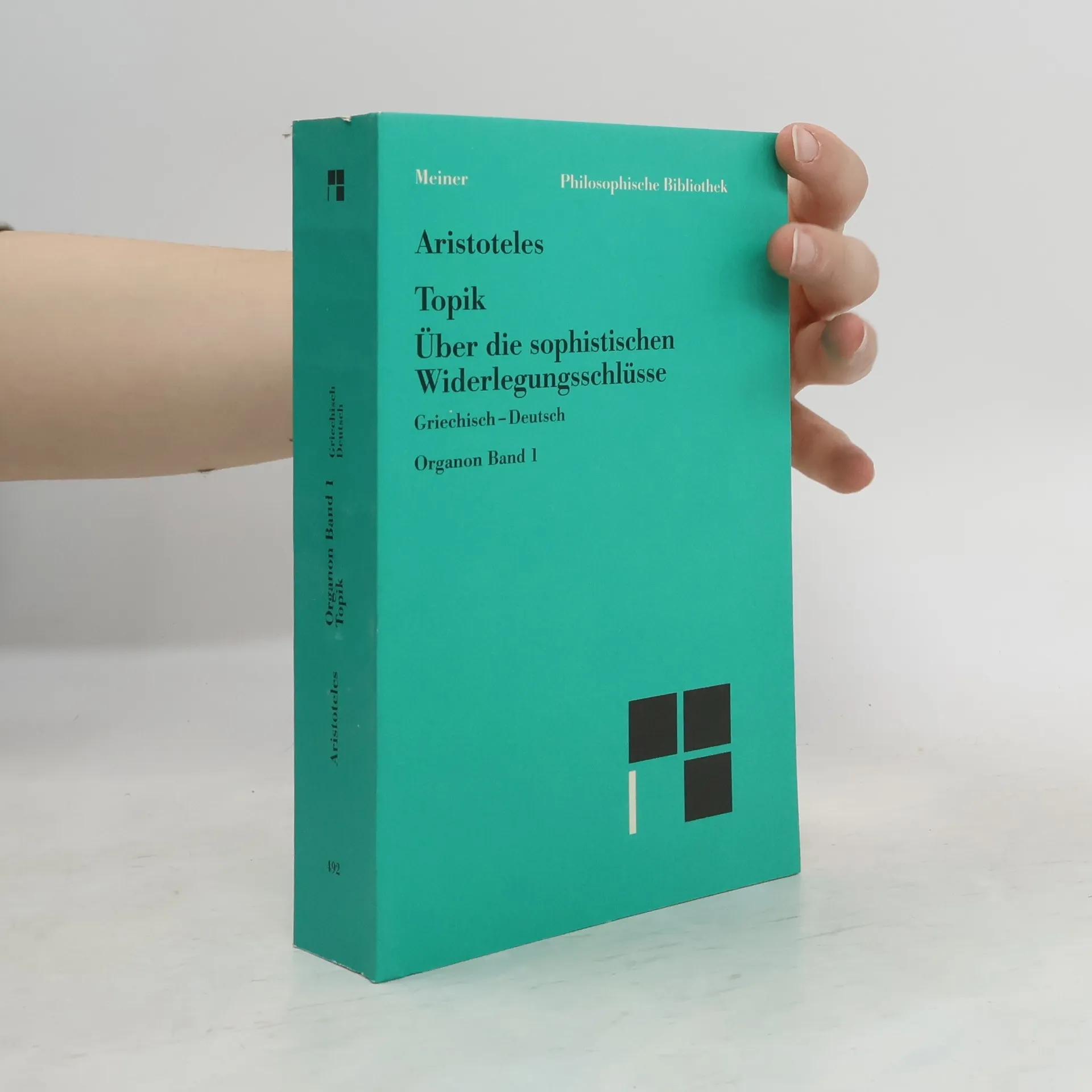
Topik. Über die sophistischen Widerlegungsschlüsse. Band 1
- 806 pages
- 29 hours of reading
Die Zusammenfassung der logischen Schriften unter dem Titel Organon (Werkzeug) geht nicht unmittelbar auf Aristoteles zurück, sondern auf Andronikos von Rhodos, den ersten Herausgeber dieser Texte. Die hier angezeigte Neuübersetzung stellt - unter Berufung auf den Stand der Forschung - die Topik, die vordem als Schlußstein des Organon angesehen wurde, an den Anfang. Der griechische Text der Topik und der Analytiken folgt Ross, die Texte der Kategorien und der Hermeneutik Minio-Paluello. Die Übersetzung ist gänzlich neu angefertigt. Sie bleibt näher am Aristotelischen Wortlaut, will ihn nicht abstrakter machen, als er ist, und keine neue Systematik einfügen, die es erst später gab; sie will die Unterschiede und die Fremdheit für den heutigen Leser nicht verschwinden lassen. Denn diese Texte stehen noch auf der Grenze zwischen Mündlichkeit und Schriftlichkeit. In den neun Büchern der Topik untersucht und entwickelt Aristoteles die Grundlagen und Regeln der sachgerechten Erörterung eines Gegenstandes in Rede und Gespräch. Das Werk gibt eine methodische Einführung in die allgemeinen Bedingungen der folgerichtigen Argumentation. Im Buch IX geht es der äußeren Form nach um die Kritik an der Sophistik; die eigentliche Bedeutung der Abhandlung liegt aber in der Beibringung von Kriterien für die genaue Bestimmung und begründete Aussonderung logischer Fehler.
Aristoteles' Erste Analytik gilt als sein Meisterwerk, in dem er die Logik als Wissenschaft begründet und vollendet. In der Zweiten Analytik beschreibt er, wie Wissen aus Sinneswahrnehmung entsteht und legt die Grundlagen für die Entwicklung analytischer Wissenschaften im Abendland.
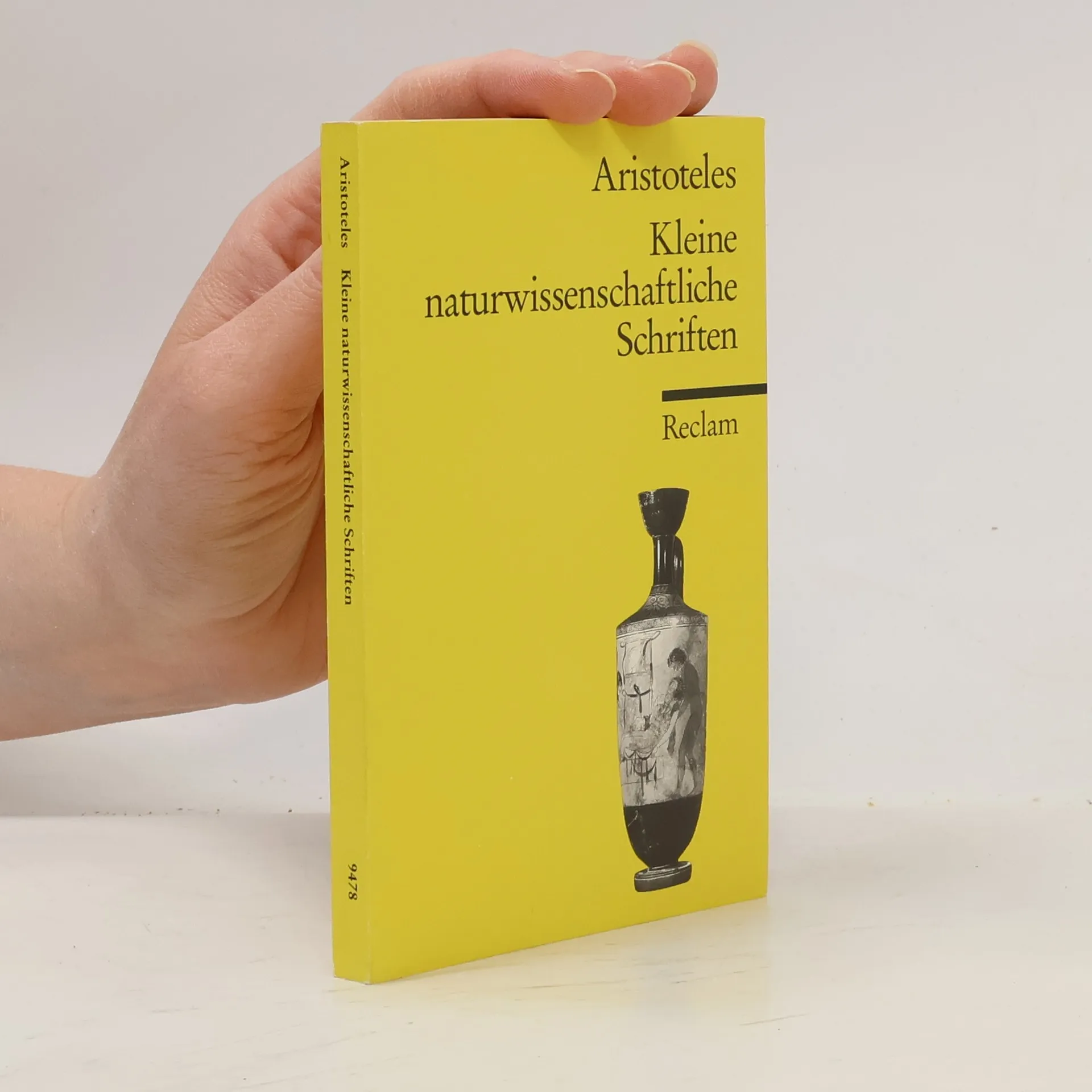
Kleine naturwissenschaftliche Schriften
- 207 pages
- 8 hours of reading
Unter dem Titel „Parva naturalia“ werden traditionell folgende Texte des Philosophen zusammengefasst: Über die Wahrnehmung und die Gegenstände der Wahrnehmung - Über Gedächtnis und Erinnerung - Über Wachen und Schlafen - Über Träume - Über Traumdeutung - Über die Länge und Kürze des Lebens - Über Jugend und Alter, Leben und Tod - Über die Atmung. In diesen biologisch-physiologischen Arbeiten nimmt Aristoteles zu den Problemen des Lebens und des Lebendigen souverän Stellung. Hier zeigt er die Einheit in der Mannigfaltigkeit am deutlichsten, vollzieht er die größtmögliche Annäherung der Philosophie an die Naturwissenschaften.
Von der Seele
- 122 pages
- 5 hours of reading
This is a complete English translation of Aristotle's key work on science. It presents Aristotle's thought accurately, while at the same time simplifying and expanding the often crabbed and elliptical style of the original, in order to make the text more lucid.
Η παρούσα εργασία περιλαμβάνει τη διδασκαλία του Αριστοτέλη σχετικά με τις αρχές της ερμηνείας της φύσης και μια λεπτομερή ανάλυση των εννοιών της τύχης, της αναγκαιότητας, της αυθαιρεσίας και της αιτίας. Ο συστηματικός αναστοχασμός της διαδικασίας-κίνησης, η σχέση του περιορισμένου με το απεριόριστο, καθώς και η ανάλυση του χώρου και του χρόνου, ανήκουν στις κλασικές ερμηνείες που στηρίζουν όλη τη μετέπειτα φιλοσοφική παράδοση, συμπεριλαμβανομένων σημαντικών ρευμάτων της φιλοσοφίας του εικοστού αιώνα. Η polemica με τις απόψεις των προγενέστερων καθιστά τη Φυσική επίσης σημαντική πηγή για την κατανόηση της φυσικής φιλοσοφίας πριν από τον Αριστοτέλη. Το έργο αυτό είναι αναγκαία πηγή για φιλοσόφους, καλλιτέχνες, θεολόγους, αστρονόμους, οικολόγους, ιστορικούς της επιστήμης κ.ά.
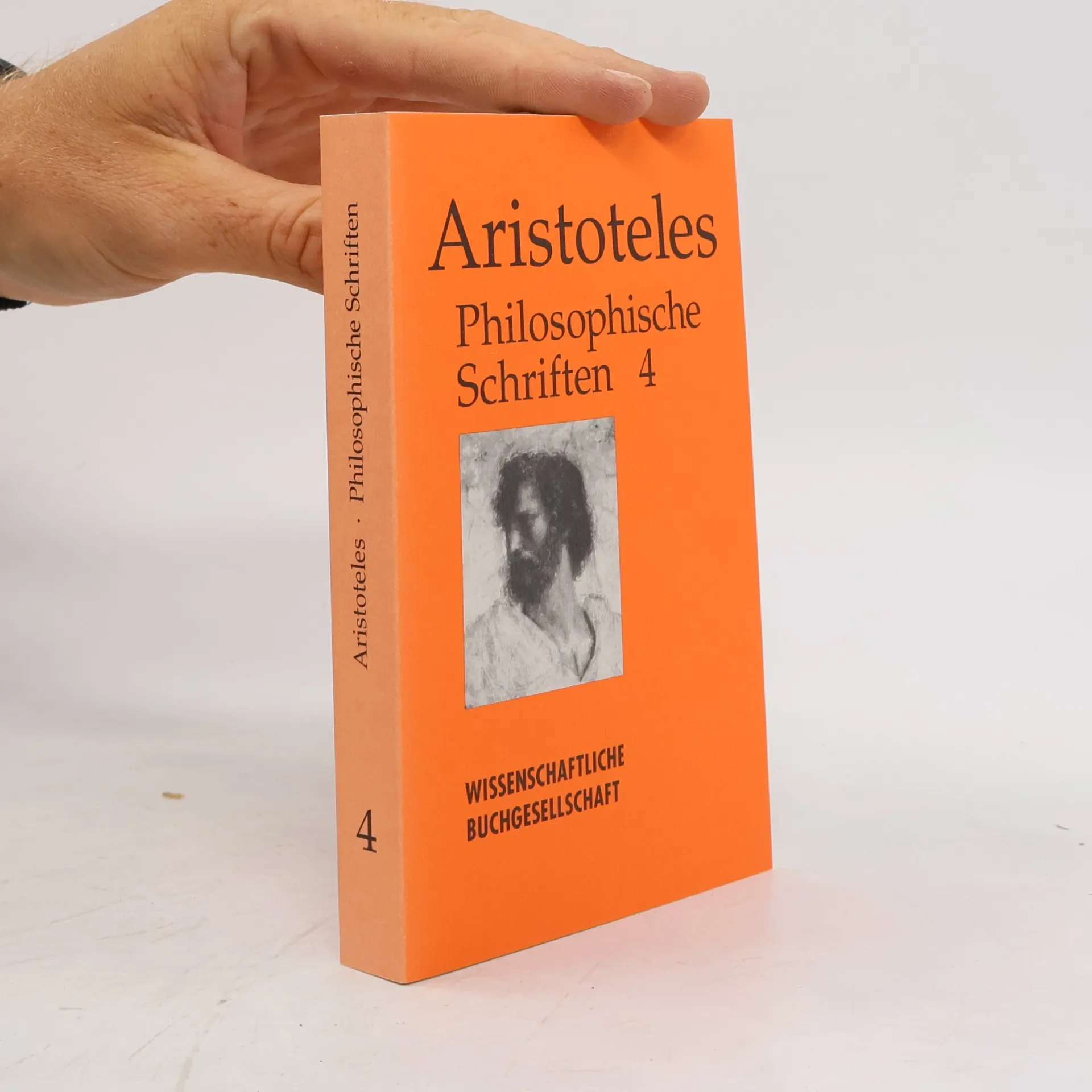
Philosophische Schriften
- 2076 pages
- 73 hours of reading
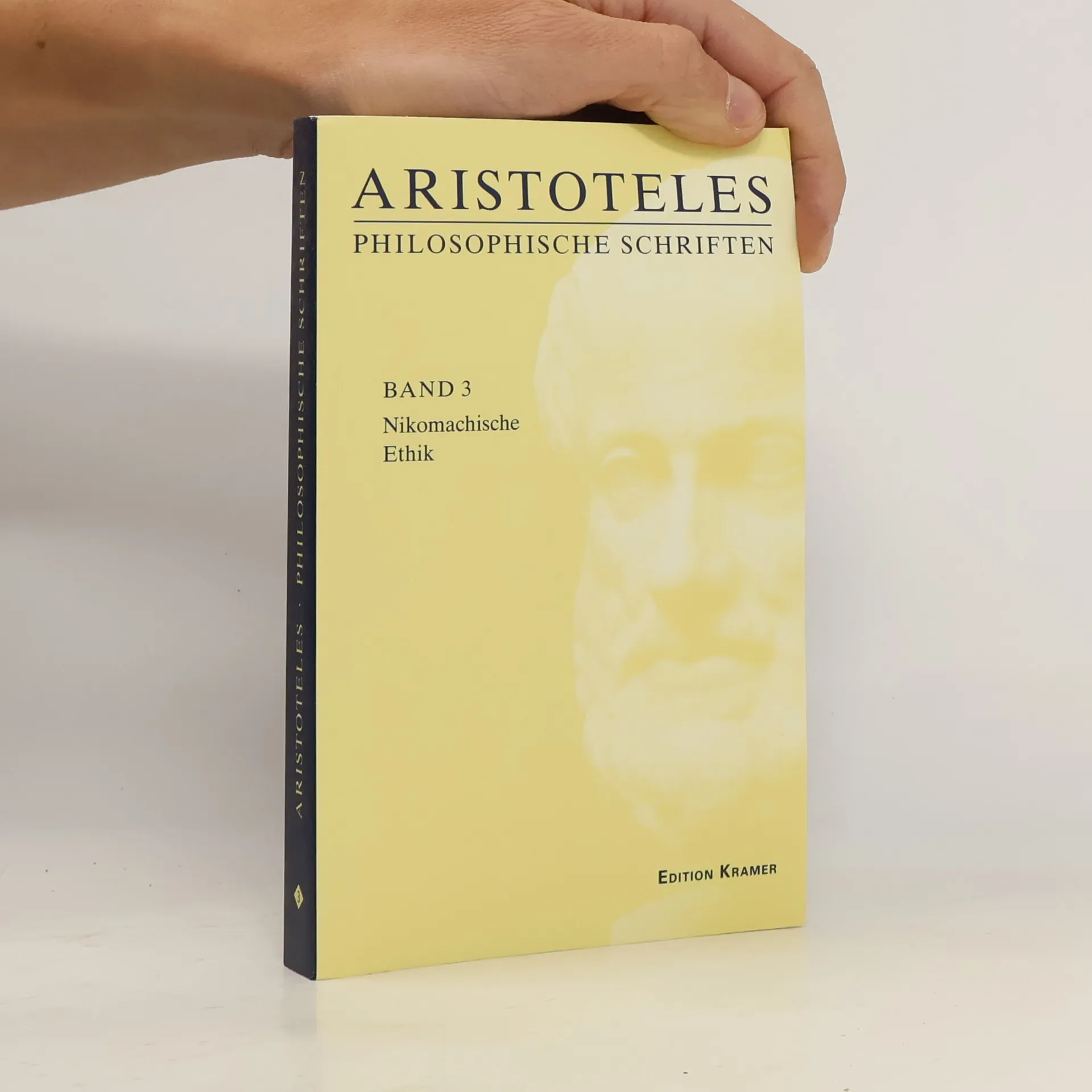
In dieser Leseausgabe werden die philosophischen Schriften von Aristoteles in der heute eingeführten Abfolge präsentiert. Als Grundlage dienten die vorhandenen Bände der Philosophischen Bibliothek, wobei auf den Abdruck des griechischen Textes verzichtet wurde. Kurze Vorbemerkungen zu den einzelnen Bänden geben eine erste Orientierung, Register erschließen die einzelnen Schriften. Die Randverweise auf die Paginierung der Gesamtausgabe der überlieferten Werke Aristoteles' von Immanuel Bekker (Berlin 1831-1870), nach der üblicherweise zitiert wird, ermöglichen ein leichtes und schnelles Auffinden gesuchter Textstellen. (source publisher)Bd. 1: Des Porphyrius Einleitung in die Kategorien, Kategorien (Organon I), Lehre vom Satz (Peri hermeneias) (Organon II), Lehre vom Schluß oder Erste Analytik (Organon III), Lehre vom Beweis oder Zweite Analytik (Organon IV). Bd. 2: Topik (Organon V), Sophistische Widerlegungen (Organon VI). Bd. 3: Nikomachische Ethik.Bd. 4: Politik. Bd. 5: Metaphysik (Bücher I-XIV). Bd. 6: Physik (Bücher I-VIII), Über die Seele
L'amministrazione della casa
- 175 pages
- 7 hours of reading
Philosophische Schriften 1-6
- 6 volumes
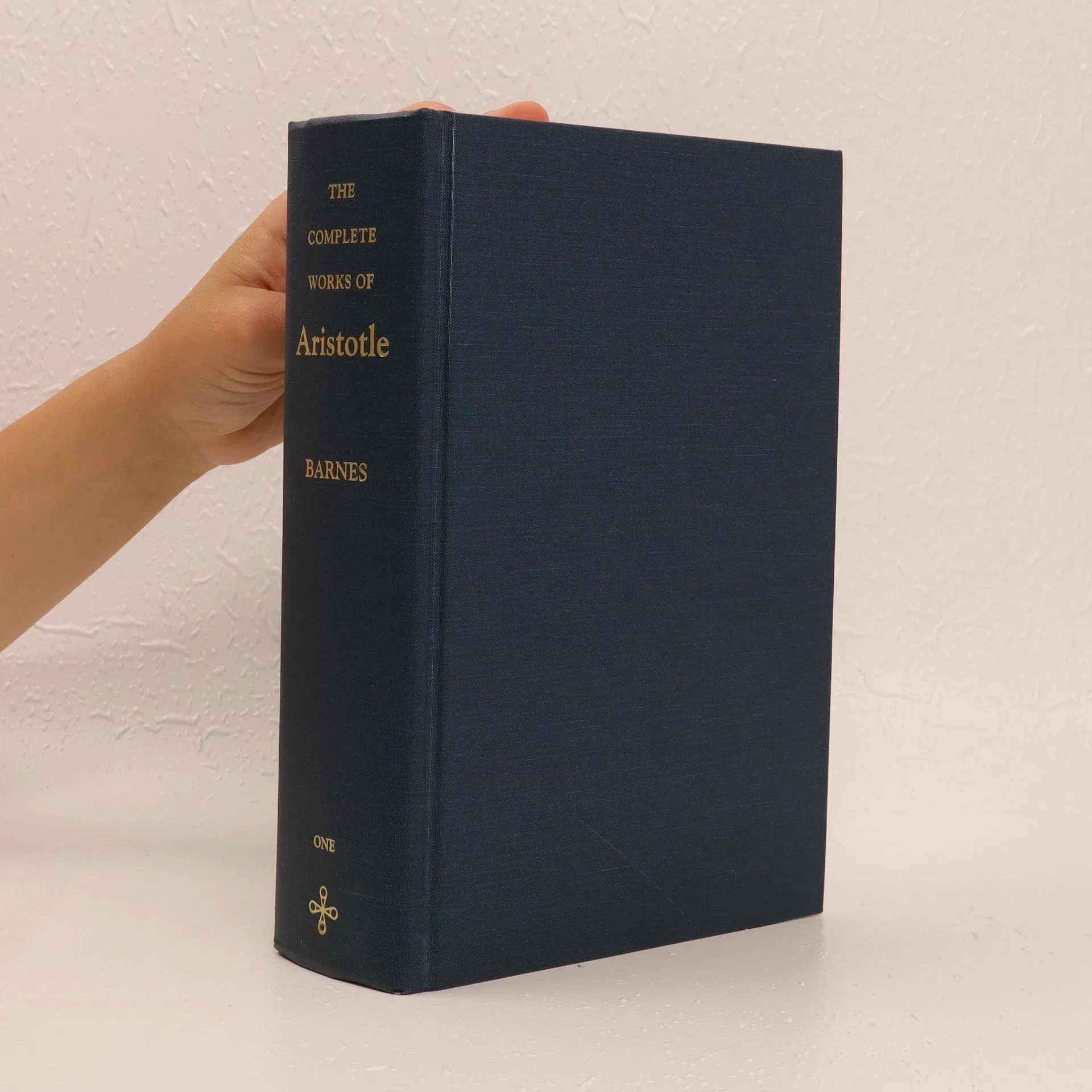
The complete works of Aristotle : Volume 2 (the revised Oxford translation)
- 1246 pages
- 44 hours of reading
The Oxford Translation of Aristotle was originally published in 12 volumes between 1912 & 1954. It is universally recognized as the standard English version of Aristotle. This revised edition contains the substance of the original Translation, slightly emended in light of recent scholarship; three of the original versions have been replaced by new translations; and a new and enlarged selection of Fragments has been added. The aim of the translation remains the same: to make the surviving works of Aristotle readily accessible to English speaking readers.