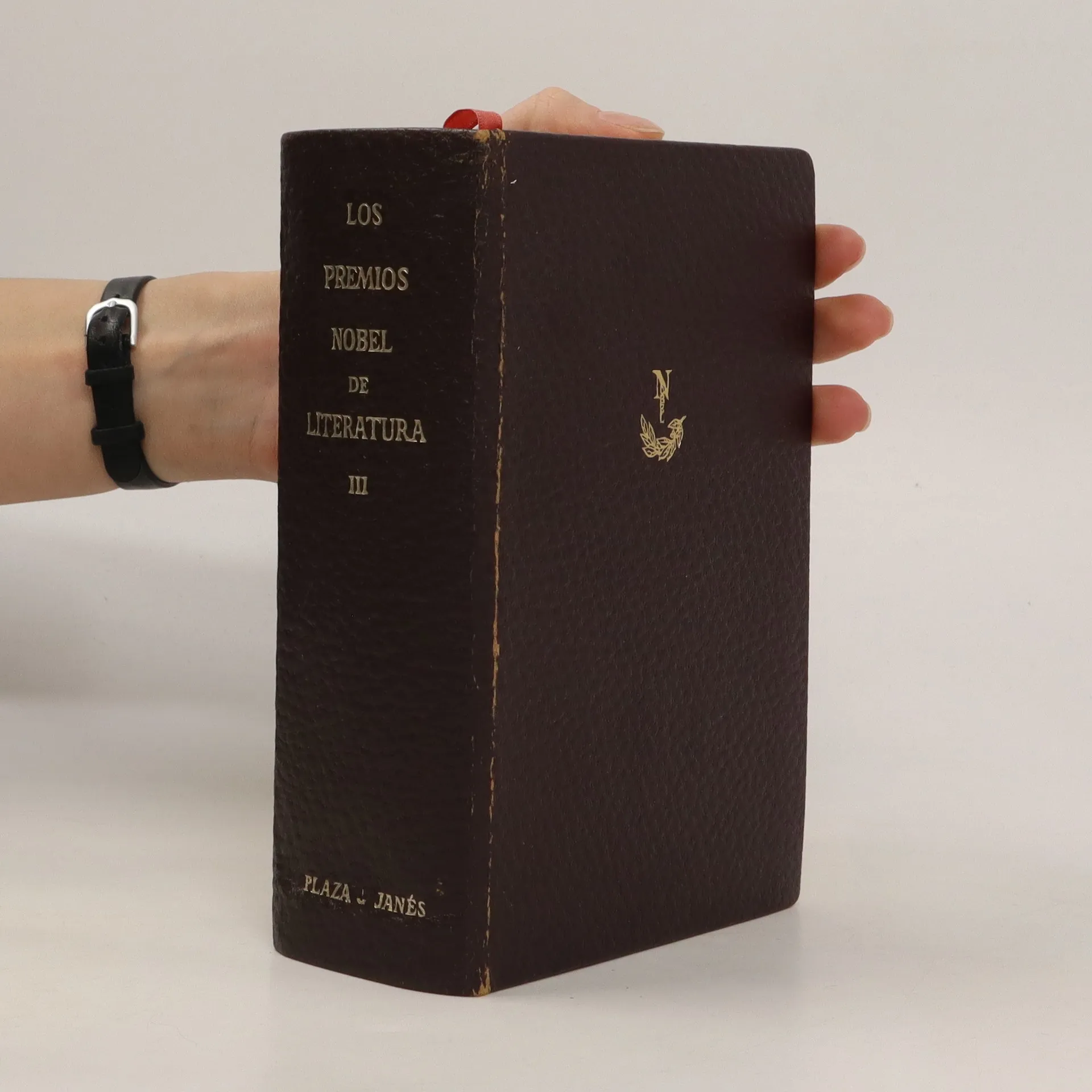
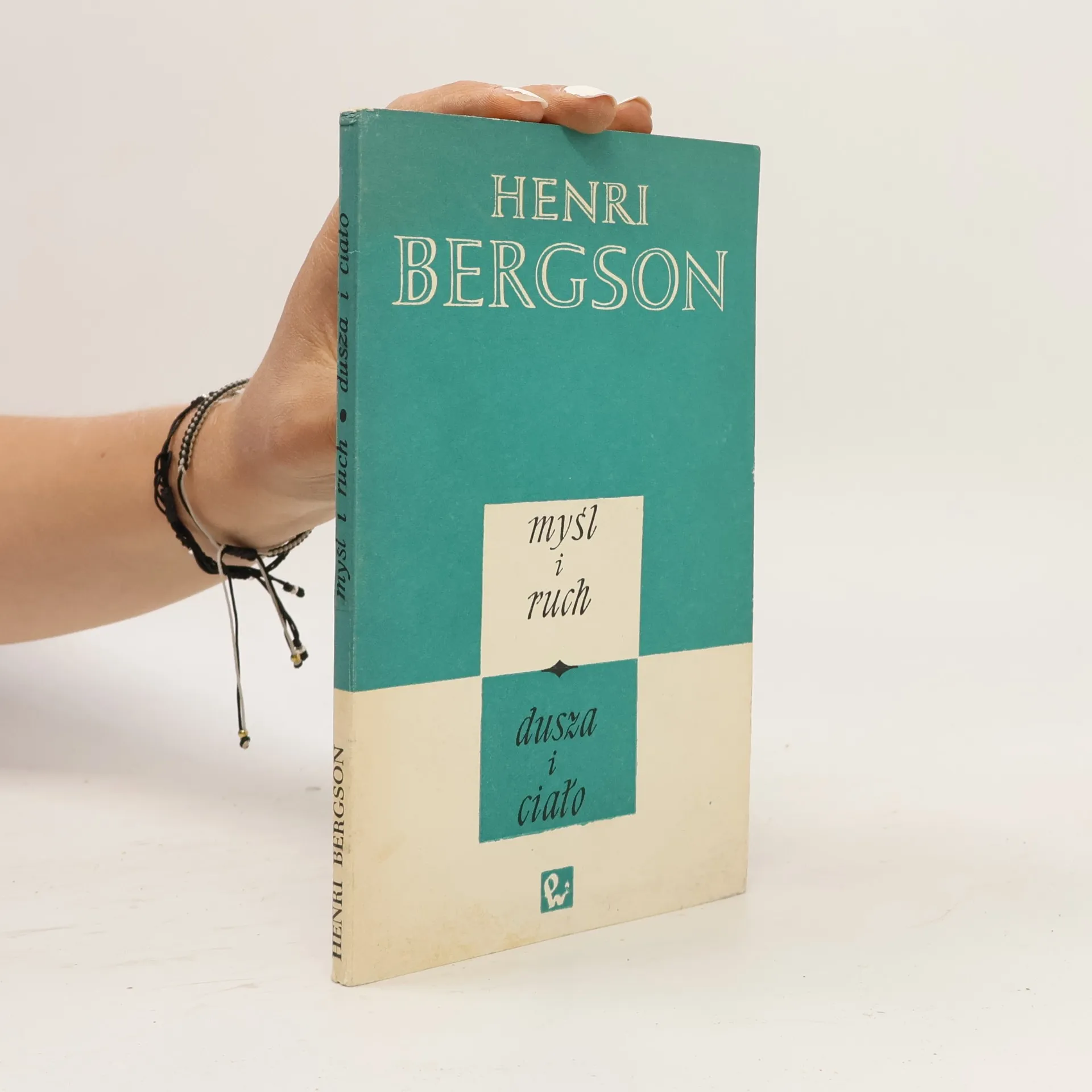
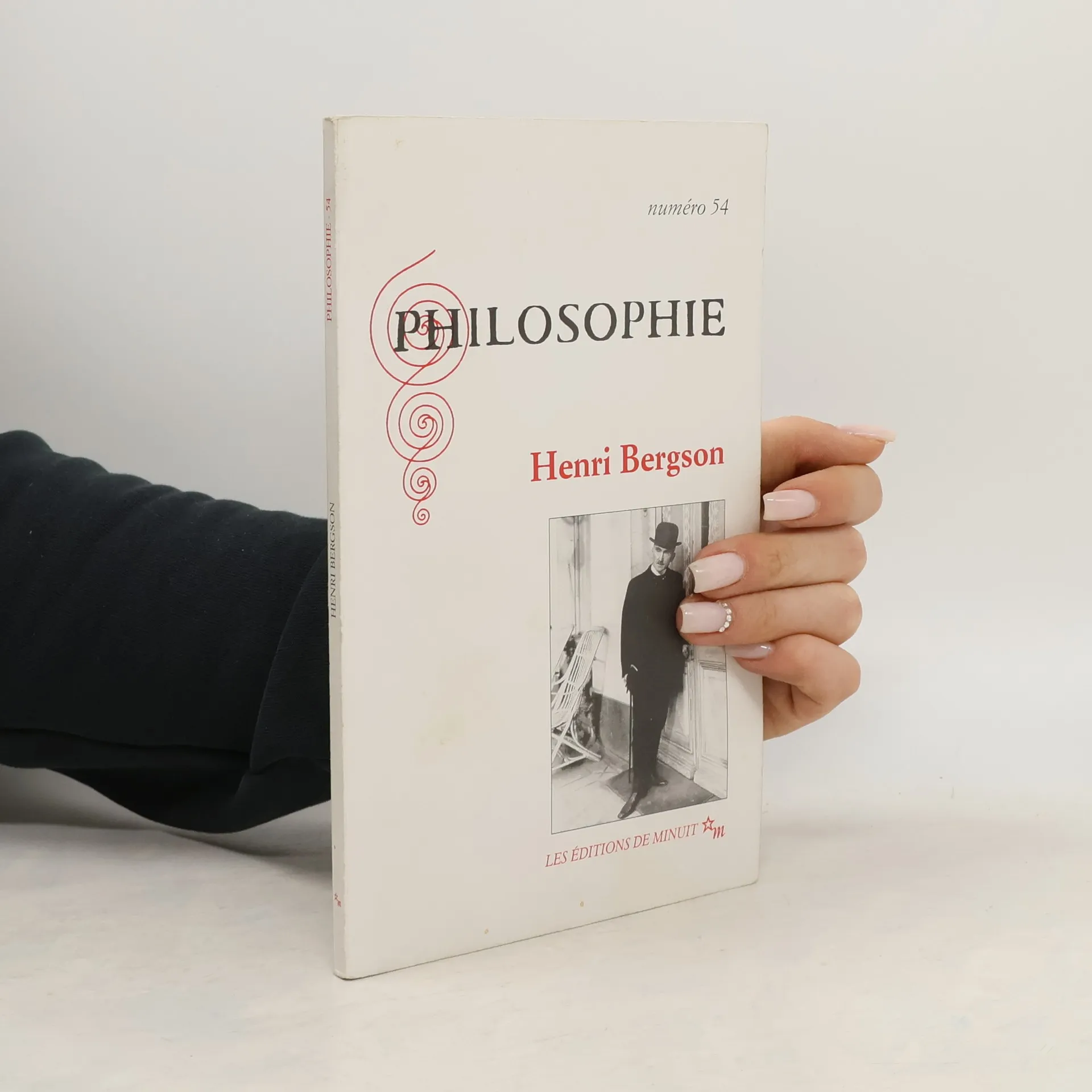
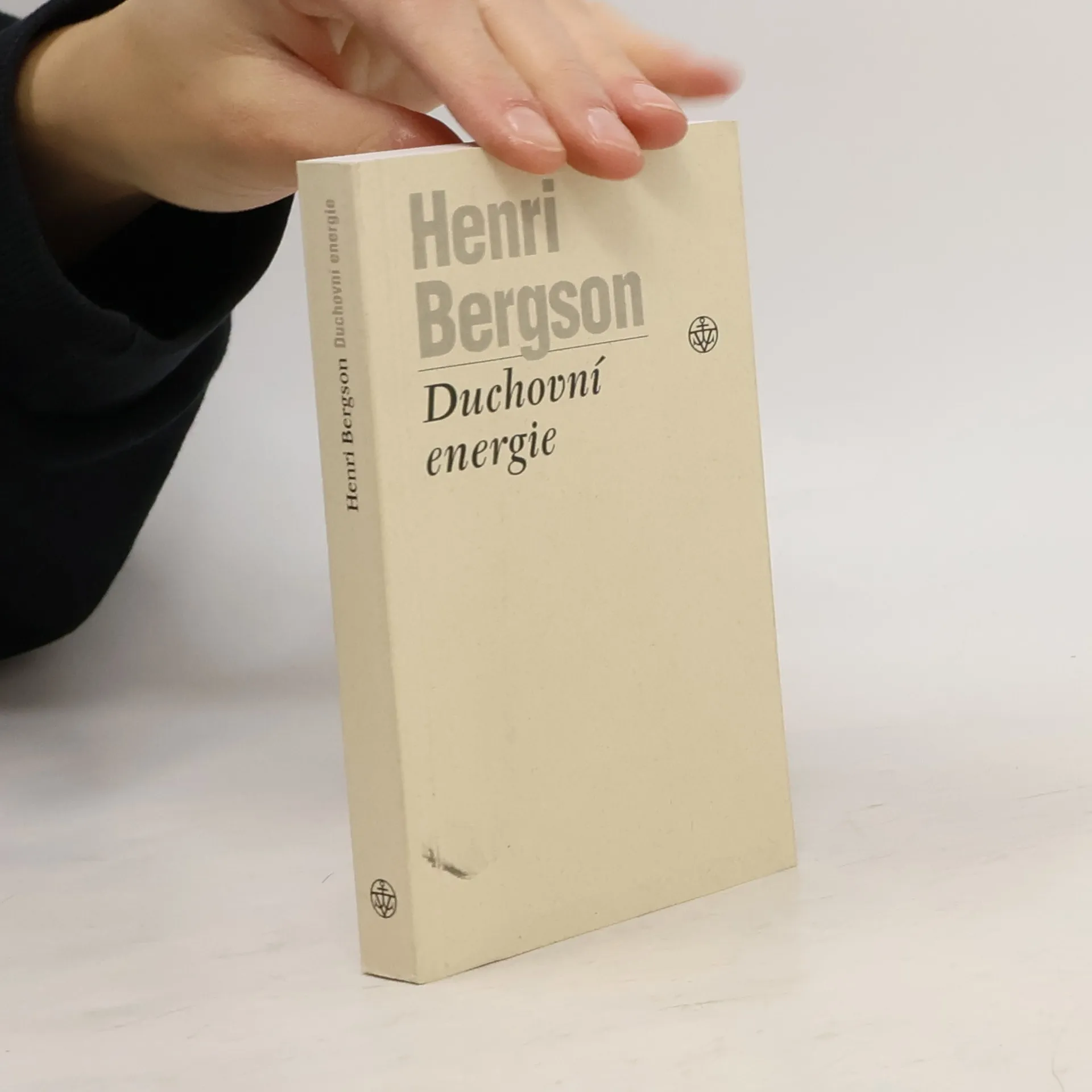
The book is a facsimile reprint of a scarce antiquarian work, preserving its historical significance and cultural importance. Readers should be aware that due to its age, it may contain imperfections such as marks, notations, and flawed pages. This edition aims to protect and promote classic literature, offering an affordable and high-quality version that remains faithful to the original text.
Henri Bergson Books
October 18, 1859 – January 4, 1941
Henri Bergson stands as one of the most influential French philosophers of the late 19th and early 20th centuries. His most enduring contribution to philosophical thought lies in his concept of multiplicity, which seeks to unify seemingly contradictory features: heterogeneity and continuity. Though often challenging, this concept is widely regarded as revolutionary for paving the way toward a new understanding of community.


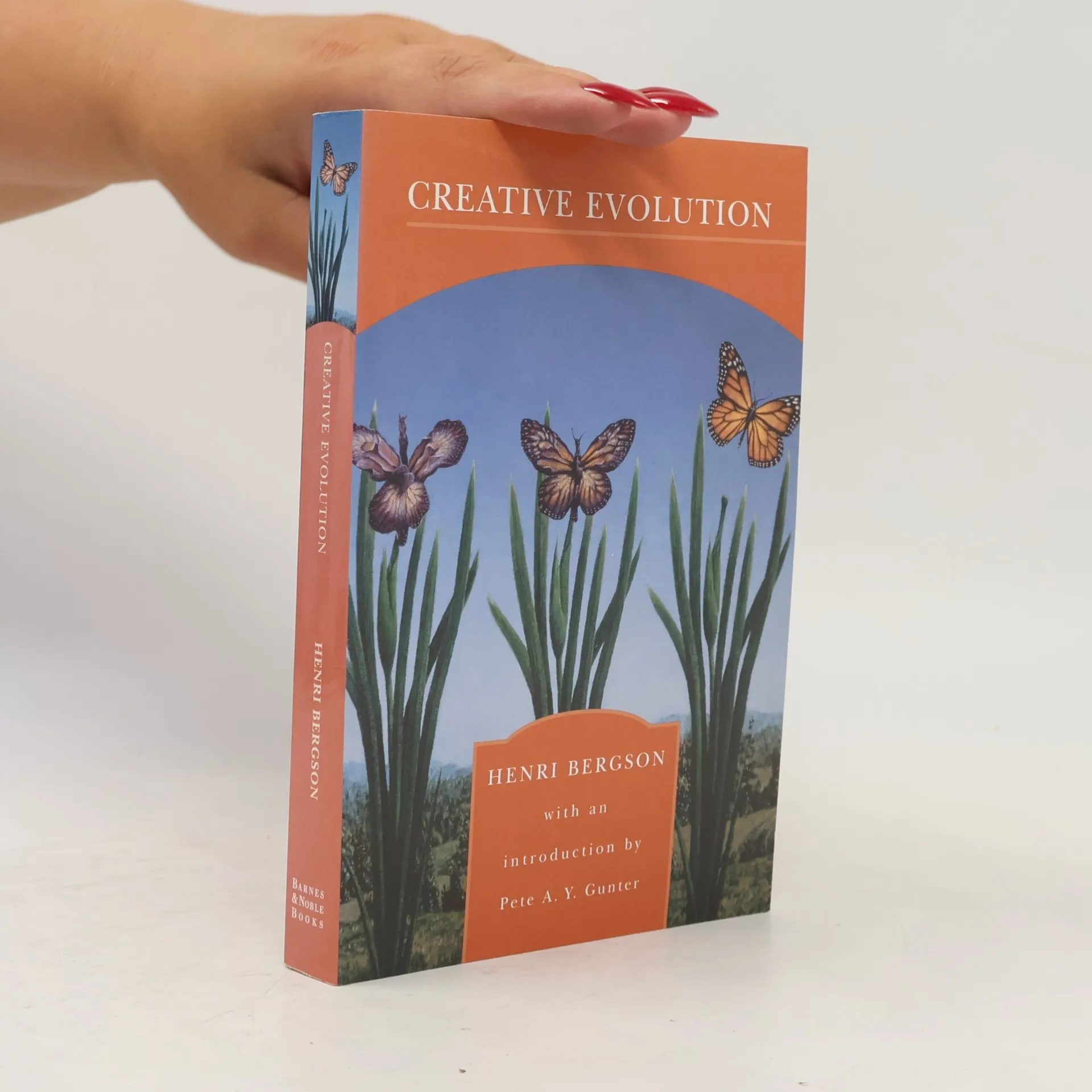
While intelligence treats everything mechanically, instinct proceeds, so to speak, organically. If...we could ask and it could reply, it would give up to us the most intimate secrets of life. -from Chapter II Anticipating not only modern scientific theories of psychology but also those of cosmology, this astonishing book sets out a impressive goal for itself: to reconcile human biology with a theory of consciousness. First published in France in 1907, and translated into English in 1911, this work of wonder was esteemed at the time in scientific circles and in the popular culture alike for its profound explorations of perception and memory and its surprising conclusions about the nature and value of art. Contending that intuition is deeper than intellect and that the real consequence of evolution is a mental freedom to grow, to change, to seek and create novelty, Bergson reinvigorated the theory of evolution by refusing to see it as merely mechanistic. His expansion on Darwin remains one of the most original and important philosophical arguments for a scientific inquiry still under fire today. French philosopher HENRI BERGSON (1859-1941) was born in Paris. Among his works are Matter and Memory (1896), An Introduction to Metaphysics (1903), and The Two Sources of Morality and Religion (1932). He was awarded the Nobel Prize for Literature in 1927.
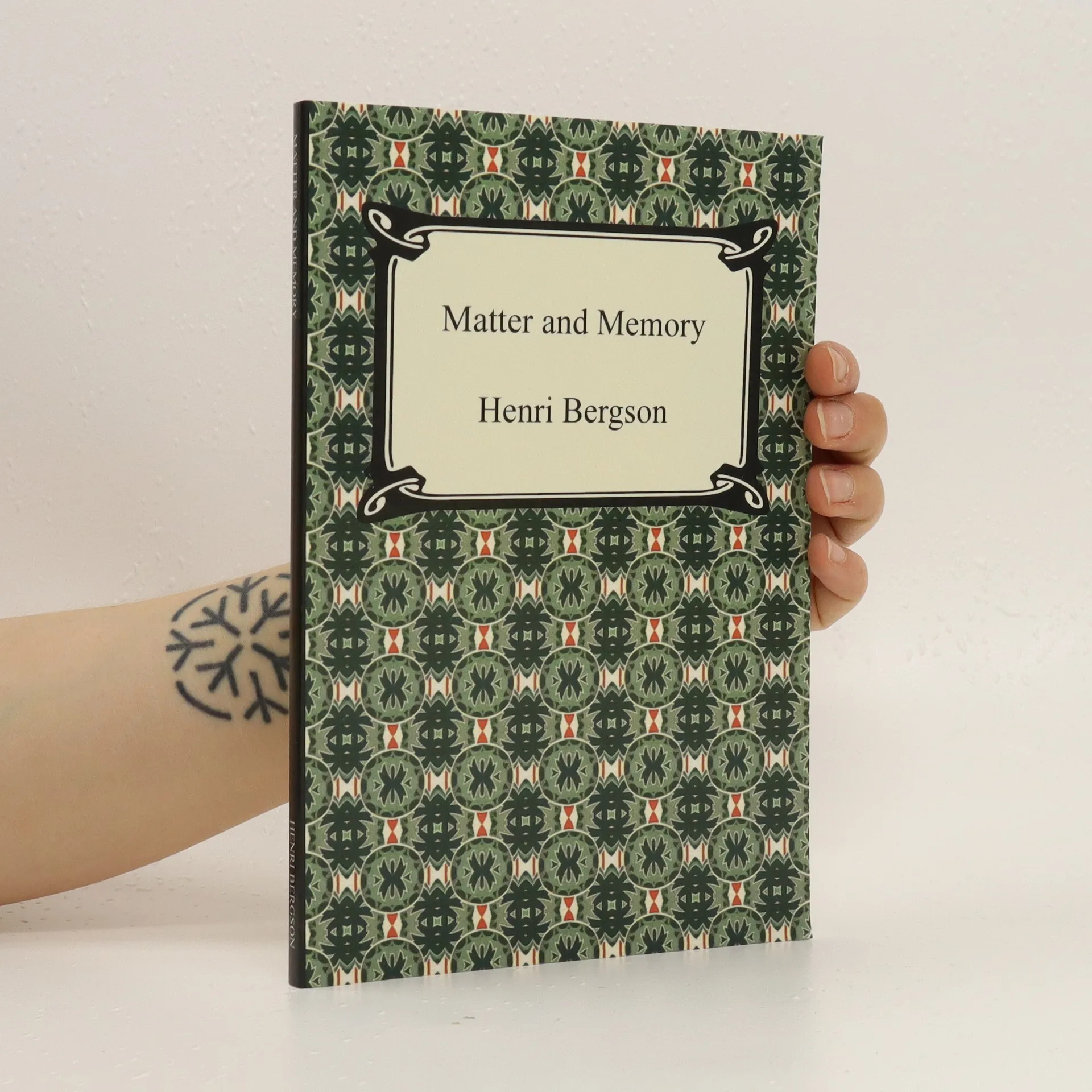
Matter and memory
- 136 pages
- 5 hours of reading
French philosopher Henri Bergson produced four major works in his lifetime, the second of which, "Matter and Memory", is a philosophical and complex nineteenth century exploration of human nature and the spirituality of memory. In this work, Bergson investigates the function of the brain, and opposes the idea of memory being of a material nature, lodged within a particular part of the nervous system. He makes a claim early in this essay that Matter and Memory "is frankly dualistic," leading to a careful consideration of the problems in the relation of body and mind. His theories on sense, dualism, pure perception, concept of virtuality and famous image of the memory cone often make Bergson's essay a confusing and challenging existentialist work. However, the years of research and extensive pathological investigations spent in preparation for this and other essays have gained Bergson great distinction as a brilliant, though unjustly neglected, theorist and philosopher.
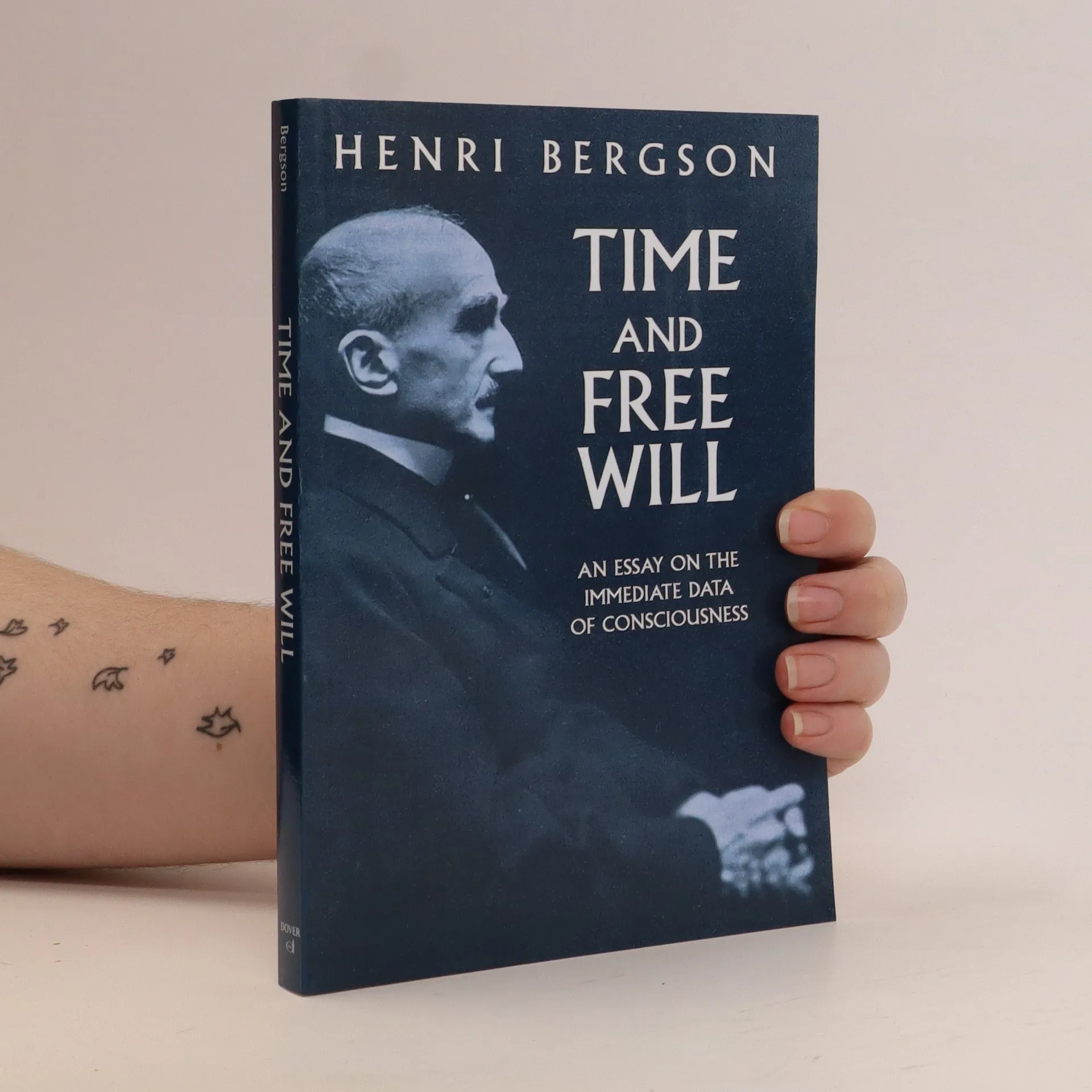
Bergson argues for free will by showing that the arguments against it come from a confusion of different conceptions of time. As opposed to physicists' idea of measurable time, in human experience life is perceived as a continuous and unmeasurable flow rather than as a succession of marked-off states of consciousness-something that can be measured not quantitatively, but only qualitatively. His conclusion is that free will is an observable fact.
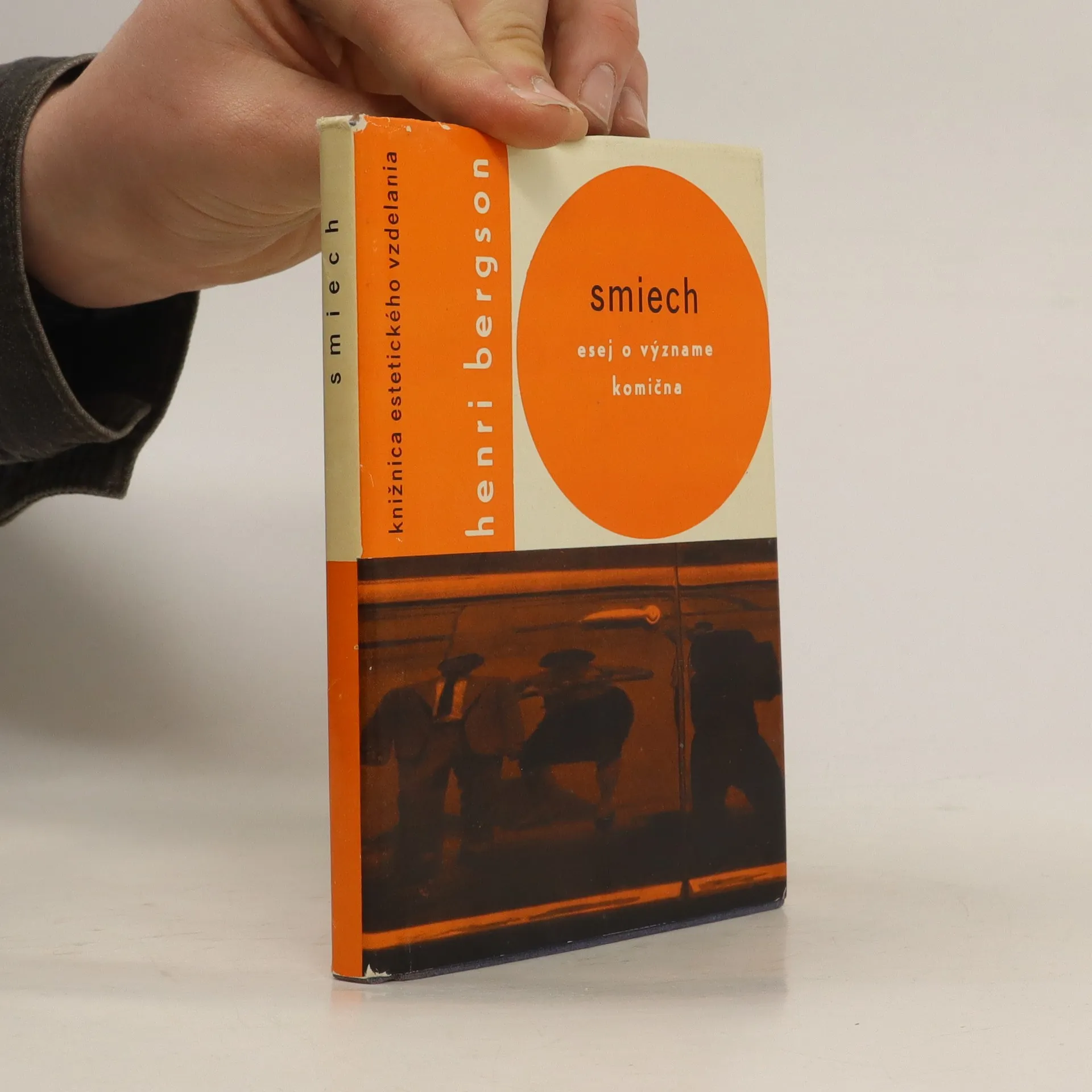
Laughter: An Essay on the Meaning of the Comic
- 84 pages
- 3 hours of reading
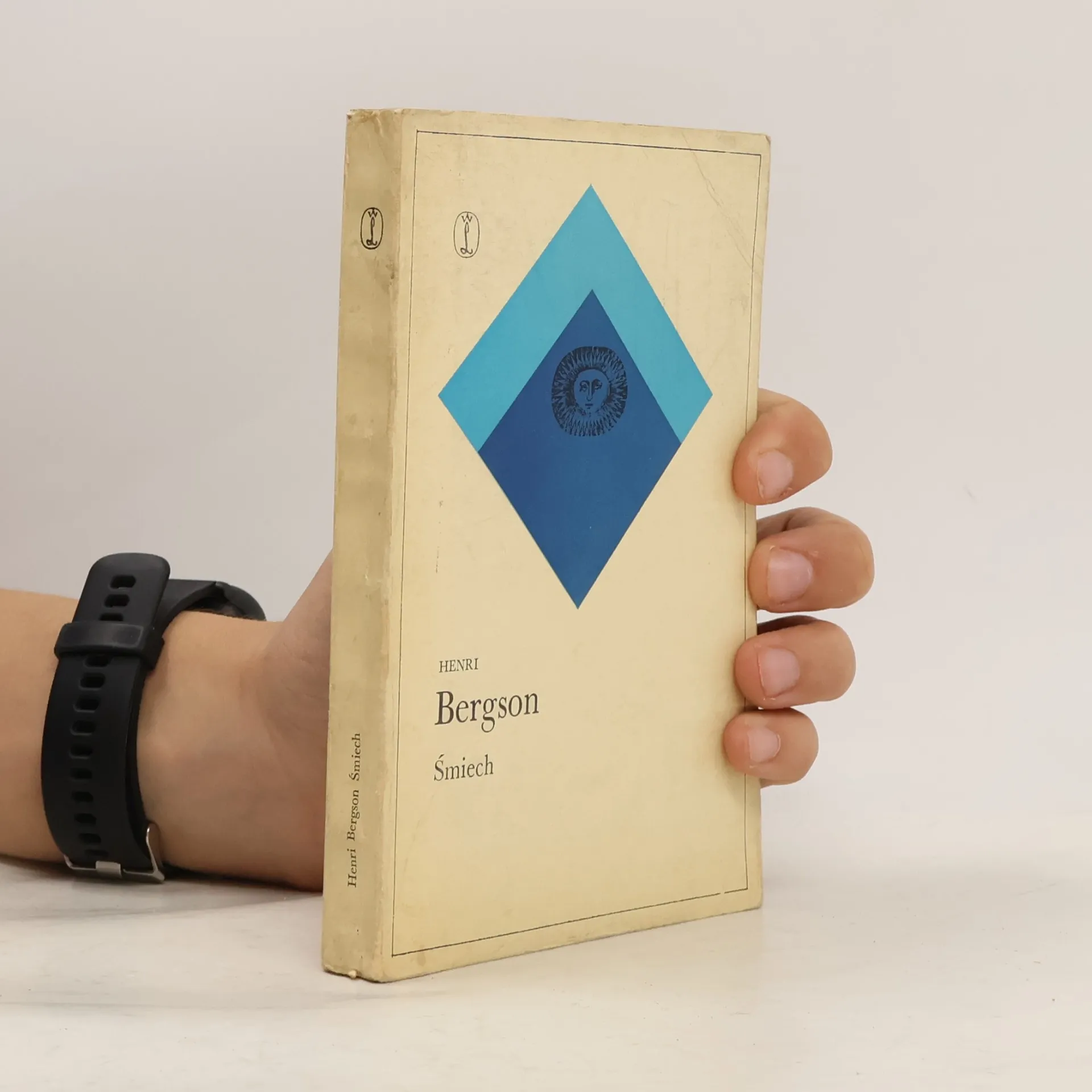
Exploring the nature of laughter, Henri Bergson's treatise delves into its essential role in human society. He argues that comedy serves as a caricature of human behavior, necessitating emotional detachment for laughter to occur. Additionally, laughter fosters social bonds while also distinguishing individuals. This insightful examination offers valuable perspectives for comedians and humor writers, as well as anyone seeking to understand humor's significance in social interactions. This edition features premium acid-free paper and follows a respected translation.
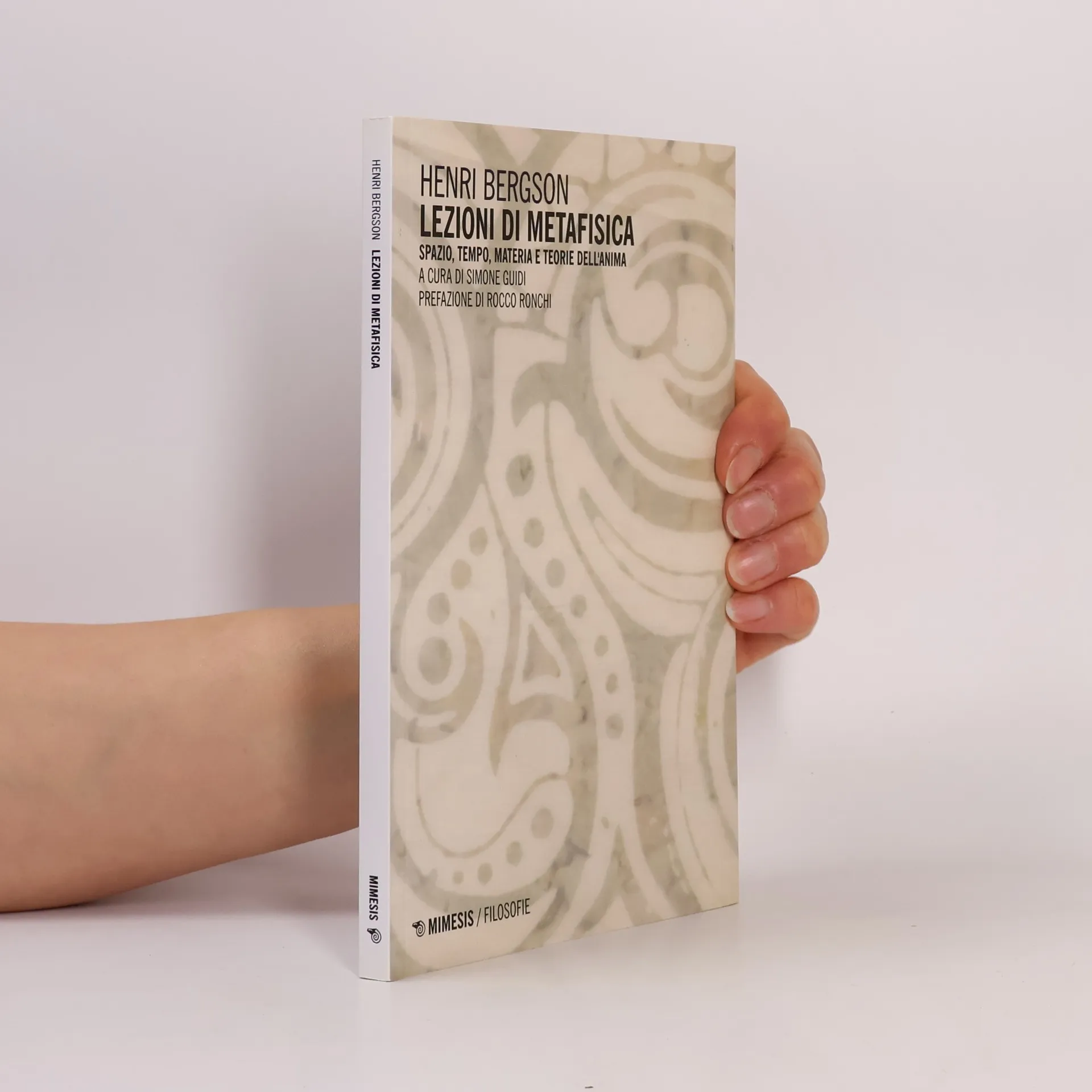
Lezioni di metafisica. Spazio, tempo, materia e teorie dell'anima
- 140 pages
- 5 hours of reading
Lezioni di metafisica presenta due cicli di lezioni tenuti da Henri Bergson presso la classe di khâgne del Lycée Henri-IV, tra il 1893 e il 1894. Queste lezioni risultano di straordinario interesse per gli studi sul filosofo francese, che vi sviluppa un serrato confronto con la storia della metafisica moderna e della psicologia. Aristotele, Descartes, Malebranche, Spinoza, Leibniz, Kant, Spencer sono presentati e discussi da Bergson, che riflette – con loro e attraverso di loro – sui grandi temi dello spazio, del tempo, della materia, della memoria e dell’individualità. Bergson mette a punto un vero e proprio studio preparatorio per la sua originale critica al pensiero classico.
Gilles Deleuze beschäftigte sich früh mit Henri Bergson, der vor Sartre eine zentrale Figur der französischen Philosophie war. Seine Monographie »Le bergsonisme« (1966) gilt in Frankreich als Standardwerk und erschließt zentrale Begriffe Bergsons, während sie dessen kritische Auseinandersetzung mit den exakten Wissenschaften fortführt. Bereits 1957 stellte Deleuze einen Band mit Textauszügen aus Bergsons wichtigsten Werken zusammen, der hier unter dem Titel »Philosophie der Dauer« erstmals auf Deutsch erscheint. Dieser Band bildet die Materialsammlung zu »Bergsonisme« und markiert die Wiederentdeckung Bergsons in Frankreich nach dem Zweiten Weltkrieg. Deleuze’ geschickte Aneinanderreihung von Textpassagen aus »Zeit und Freiheit«, »Materie und Gedächtnis« sowie der »Schöpferischen Evolution« bietet einen umfassenden Überblick über Bergsons Denken. Im Fokus steht die Dauer, die nicht als starre zeitliche Abfolge, sondern als kontinuierlicher Wandel verstanden wird. Dauer ist das zentrale Konzept, mit dem die Philosophie das »immerwährende Fließen der Dinge« erfasst, im Gegensatz zu den experimentellen Wissenschaften. Alle Texte wurden von Margarethe Drewsen einheitlich neu übersetzt, und der Band fungiert als kompakte Einführung in Bergsons Philosophie.
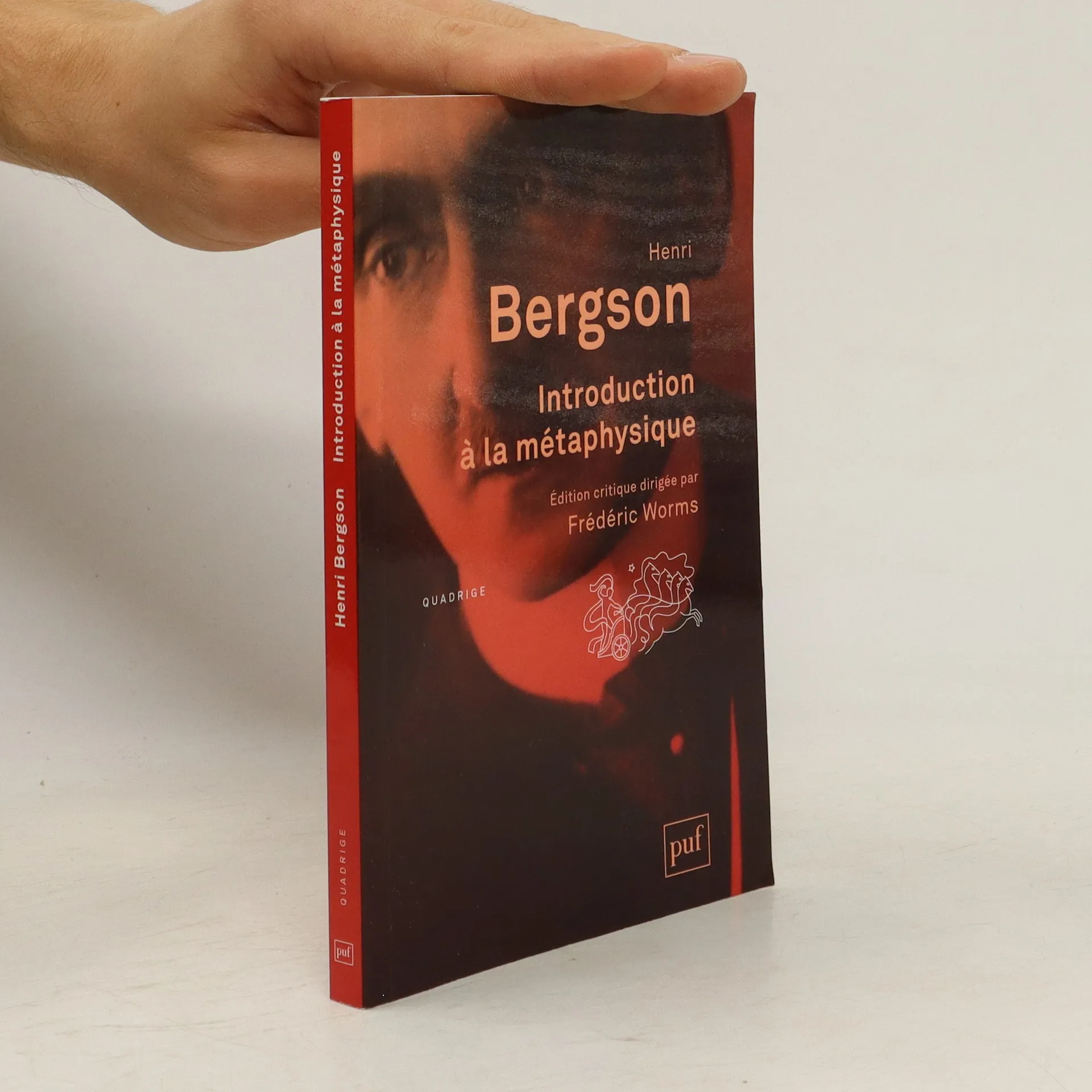
Bergson a marqué l'importance de certains de ses " essais en conférences ", en les rassemblant dans deux recueils : L'énergie spirituelle en 1919, La pensée et le mouvant en 1934. Il faut donc tout à la fois replacer ces écrits dans ses recueils (et dans l'ensemble de son œuvre), et les lire pour eux-mêmes. Dans l'Introduction à la métaphysique (1903), il propose une méthode pour dépasser l'écart qui nous sépare du réel et de nous-mêmes. Texte décisif en lui-même, à la charnière de sa vie et de son œuvre, étincelle qui enflamma la controverse du " bergsonisme " en Europe et au-delà, il importe plus que jamais de le redécouvrir.
Les deux sources de la morale et de la religion
- 340 pages
- 12 hours of reading
Les deux sources de la morale et de la religion : " humanité gémit, à demi écrasée sous le poids des progrès qu'elle a faits. Elle ne sait pas assez que son avenir dépend d'elle. A elle de voir d'abord si elle veut continuer à vivre. A elle de se demander ensuite si elle veut vivre seulement, ou fournir en outre l'effort nécessaire pour que s'accomplisse, jusque sur notre planète réfractaire, la fonction essentielle de l'univers qui est machine à faire des dieux. " Dans son dernier grand livre, Bergson s'efforce de " montrer " Dieu, en quelque sorte dans toutes ses dimensions. Il interroge ainsi les problèmes éthiques et religieux, en esquisse l'histoire, distingue morale close et morale ouverte ainsi que religion statique et dynamique. Figure tutélaire de la philosophie française moderne, Henri Bergson (1859-1941) a élaboré sa pensée via une analyse critique des méthodes et des résultats scientifiques de son époque. Spiritualiste, sa philosophie se veut " un retour conscient et réfléchi aux données de l'intuition ", qui seule nous permet de coïncider avec le mouvement libre et créateur de la vie et de l'esprit.
A nevetés
Világkönyvtár
Das Lachen
Dafür ist es zwanzig Meter bef!
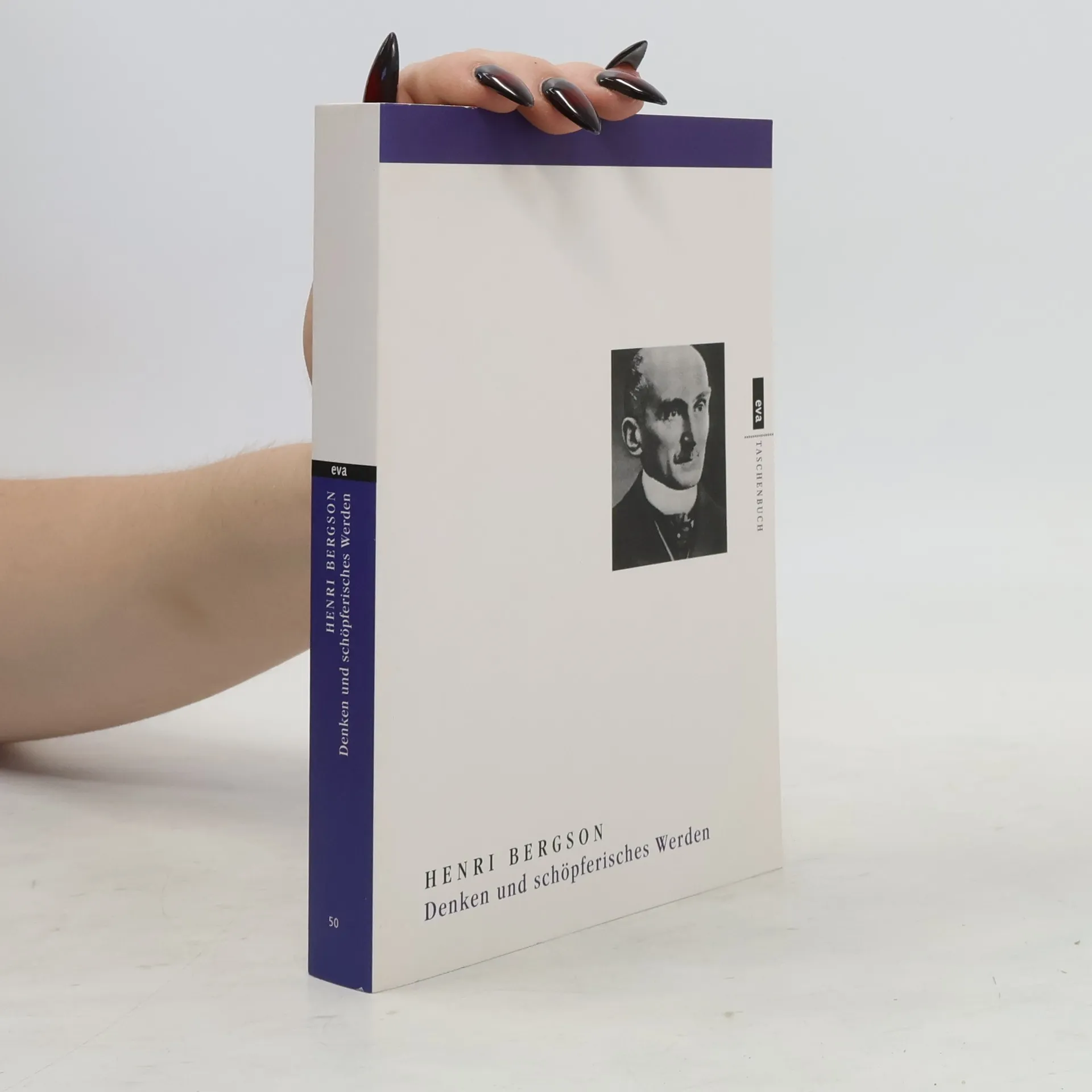
Denken und schöpferisches Werden
Aufsätze und Vorträge
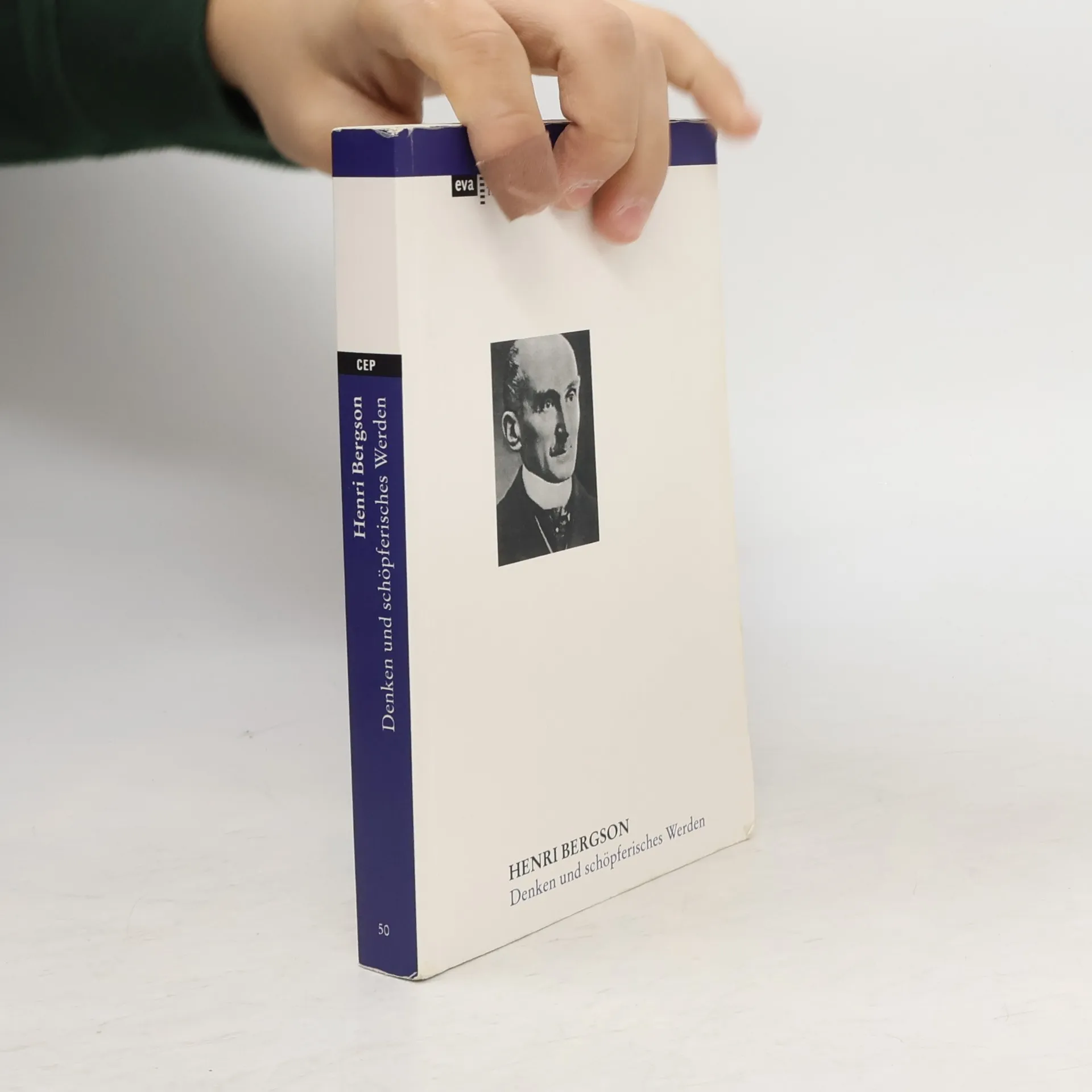
Bergson deutet die gesamte Wirklichkeit aus der metaphysischen Einheit des Lebens und entwirft auf dieser Grundlage eine neue intuitive Erkenntnistheorie, Psychologie, Naturphilosophie, Ethik und Religionsphilosophie. Bergsons Einfluss reicht über die Philosophie hinaus auf die Existenzphilosophie und die Literatur. 'Denken und schöpferisches Werden' erschien zuerst 1939 auf französisch, auf deutsch erstmals 1946. Es ist das letzte Buch Henri Bergsons, eine Bilanz seiner philosophischen Lebensarbeit, eine ausführliche Rechtfertigung seiner philosophischen Methode.
Warum wir lachen
Essays über die Bedeutung des Komischen
In diesem großartigen philosophischen Essay, der zu Beginn des 20. Jahrhunderts geschrieben wurde, stellt Henri Bergson die Frage, warum die Menschen lachen und was die Bedeutung ihres Lachens ist. Die drei Texte sind durch dieselben Fragen miteinander Was ist es in der Sprache, das einen Witz lustig macht und warum bringt uns das Lustige zum Lachen? Worin bestehen die Funktionen des Humors? Wann ist eine Situation komisch? Wie andere Philosophen, Schriftsteller und Humoristen seiner Zeit beschäftigte sich auch Bergson mit der Dualität von Mensch und Maschine. Mit einer prägnanten und provokanten Denkweise formuliert der Philosoph eine feine Reflexion über das Lachen als bedeutendes Element unserer Kultur, die diesem Werk seinen berechtigten Status als große These über die Prinzipien des Humors verleiht.
Einführung in die Metaphysik
- 70 pages
- 3 hours of reading
Denken und schöpferisches Werden
- 290 pages
- 11 hours of reading
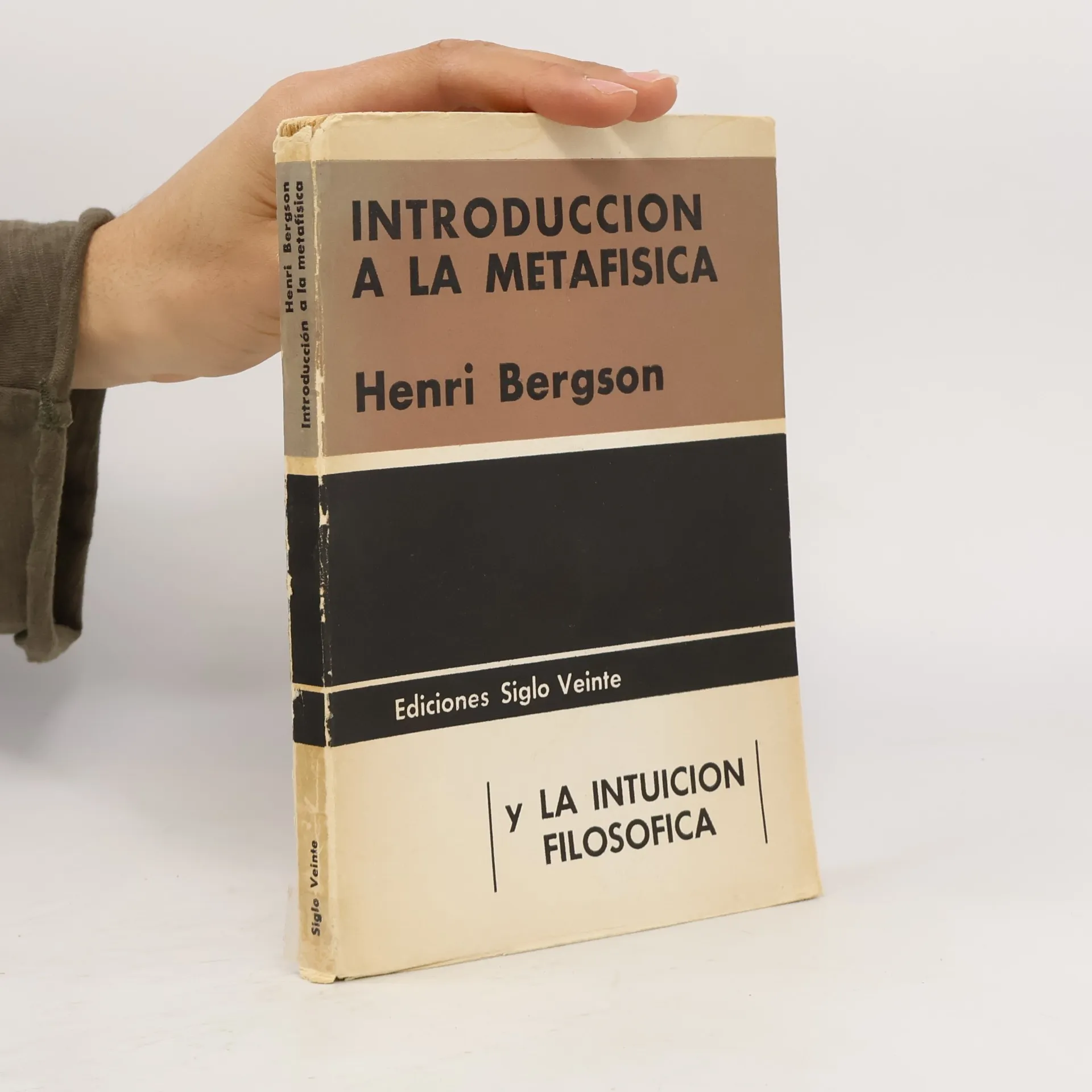
Introduccion a la Metafisica
y La Intuiicion Filosofica
Aventuriers, hommes politiques, enseignants, entrepreneurs ou meneurs d'hommes, ils s'adressent aux jeunes, souvent à des moments de crise. De conseils bienveillants en anecdotes, ils se remémorent leur propre jeunesse pour en tirer des exhortations à " jouer le jeu ", " chercher la joie la plus haute ", " subordonner l'intelligence au coeur ", " être fidèle à ses rêves ", et rester exigeant. Vigoureuses, leurs paroles sont un vibrant appel à vivre passionnément. Couverture : Thierry Fétiveau - Chapeau © Neyro - Fotolia.com © E.J.L., 2014 pour la présente anthologie
Philosophie 54
- 96 pages
- 4 hours of reading
L'énergie spirituelle
- 214 pages
- 8 hours of reading
Ce recueil, réunissant des conférences portant " sur des problèmes déterminés de psychologie et de philosophie ", montre comment Bergson élabore sa pensée à partir d'une analyse critique des méthodes et des résultats scientifiques de son époque. Spiritualiste, sa philosophie se veut " un retour conscient et réfléchi aux données de l'intuition ", qui, selon lui, permet de coïncider avec le mouvement libre et créateur de la vie et de l'esprit.
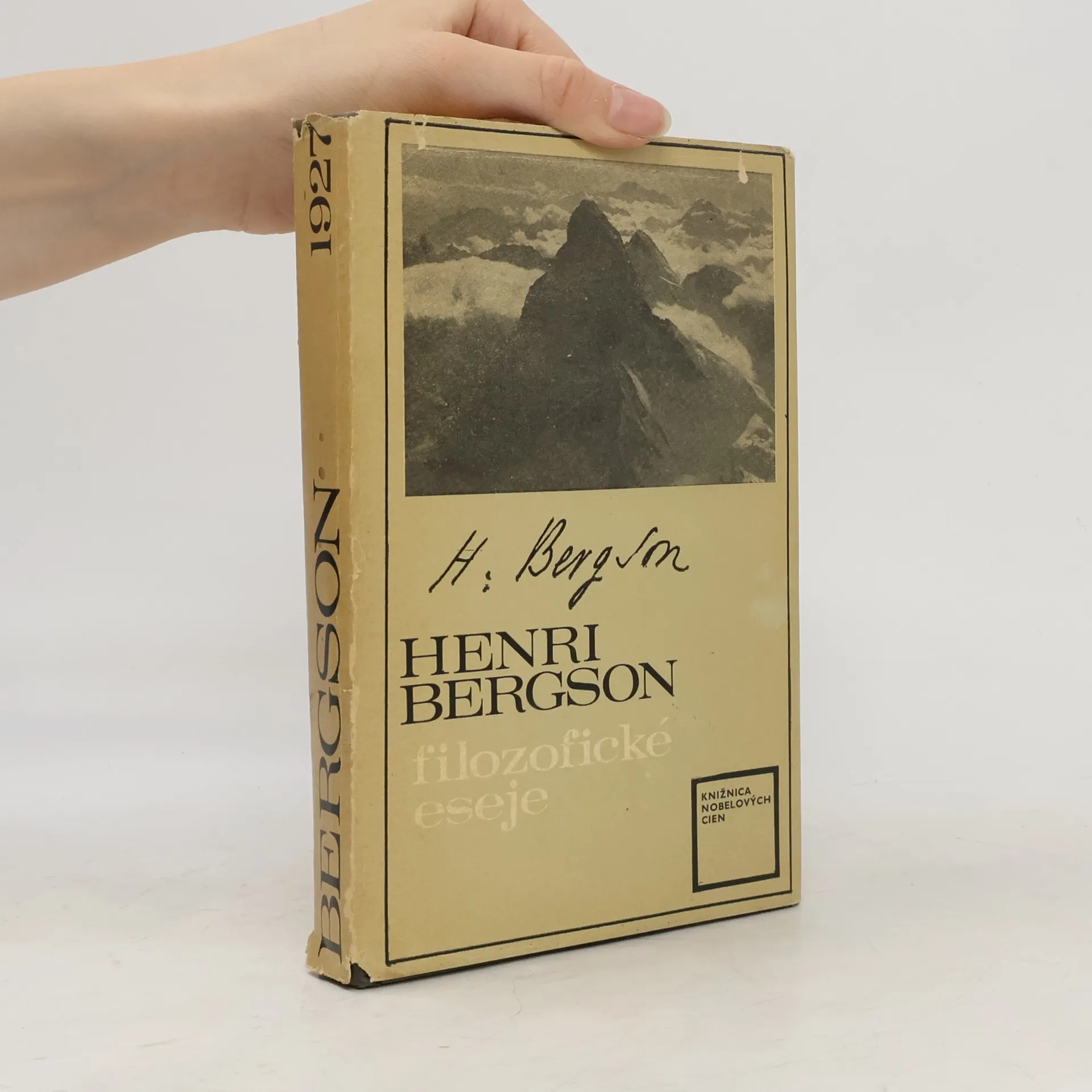
Filozofické dielo francúzskeho autora: Esej o bezprostredných danostiach vedomia, Dva pramene morálky a náboženstva, Vedomie a život. Obsahuje prejav H. Bergsona pri preberaní Nobelovej ceny za literatúru.
Pod názvem „Duchovní energie“ slavný francouzský filosof a nositel Nobelovy ceny za literaturu Henri Bergson shrnul na žádost přátel sedm svých psychologických a filosofických studií. Dotýká se v nich pozoruhodným způsobem témat, jako „Vědomí a život“, „Duše a tělo“, „Sen“, „Mozek a myšlení“ aj. Z těchto, zčásti přednáškových, textů je dobře patrný Bergsonův osobitý a svého času převratný způsob myšlenkové práce. V době zvýšeného zájmu o Bergsonovo dílo chce český překlad přispět k širší obeznámenosti s tvorbou tohoto inspirujícího autora.
Čas a svoboda: Esej o bezprostředních datech vědomí
- 224 pages
- 8 hours of reading
Kniha patří mezi klasická díla moderní francouzské filosofie. Henri Bergson předložil Esej v roce 1888 jako svou disertační práci a vydal jej tiskem v Paříži v roce 1889. Uvedl zde na scénu pojem „trvání“ („la durée“), jímž uchopuje vnitřní zkušenost jedince s časem, který – na rozdíl od času fyzikálního – není měřitelný, nýbrž kvalitativní. Uplývat dle Bergsona neznamená posouvat se na ose času, nýbrž procházet kvalitativní změnou, stávat se neustále jiným. Bergson z tohoto zjištění vyvozuje důsledky pro úvahy o společnosti, o individuálním „já“ a o svobodě. Nabízí zde nejen soustředěné analýzy času či originální postřehy k problému svobody, ale i úvahy o nemožnosti redukovat vědomí na fyzické stavy.
Duše a tělo
- 87 pages
- 4 hours of reading
Tato přednáška Henriho Bergsona (1859 - 1941) byla přednesena 28. 4. 1912 a pak publikována spolu s dalšími studiemi různých autorů ve svazku "Současný materialismus" v edici vědecké filosofie, vydávané redakcí Gustava Le Bon pařížským vydavatelstvím Flammarion.
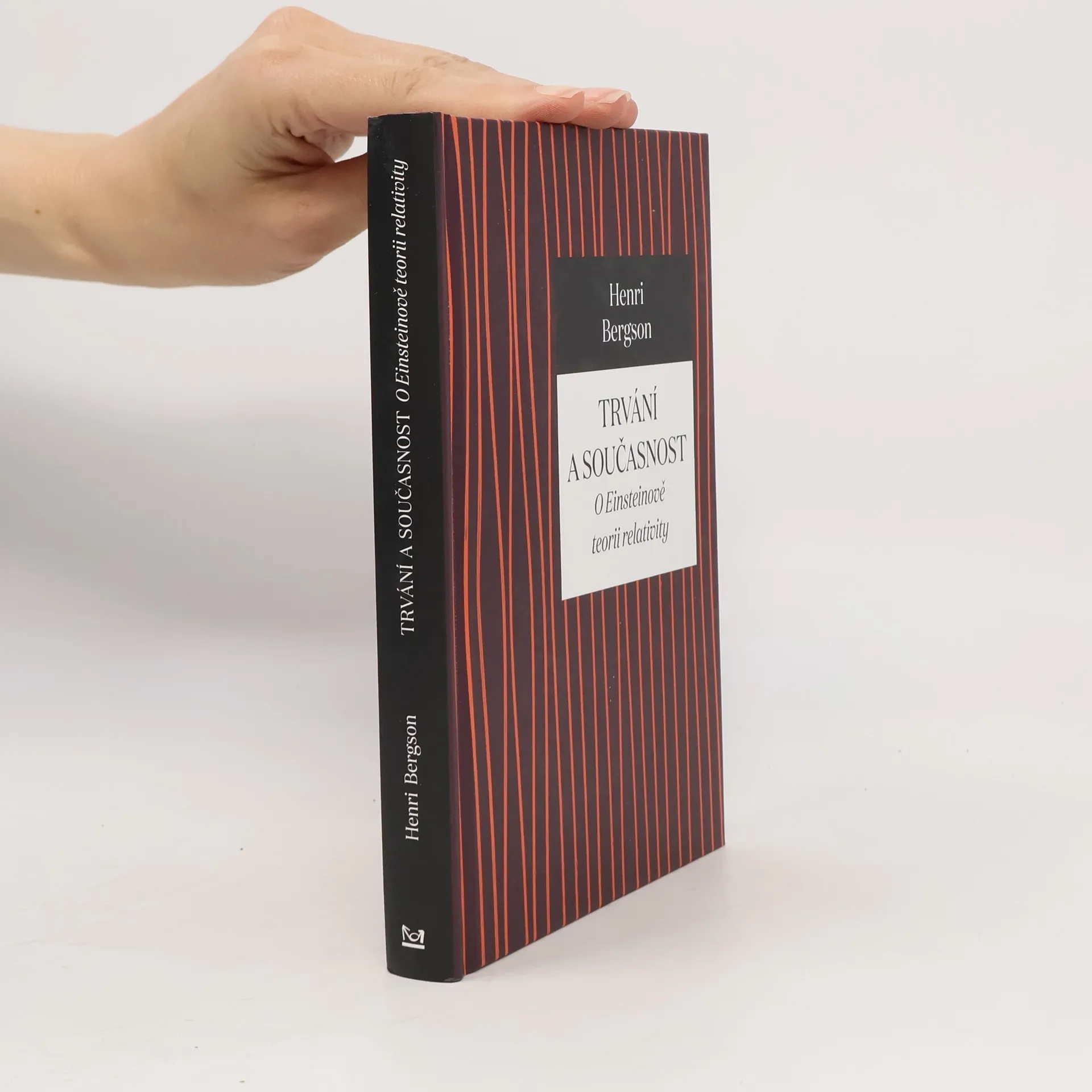
Trvání a současnost : o Einsteinově teorii relativity
- 251 pages
- 9 hours of reading
Trvání a současnost. O Einsteinově teorii relativity. Přeložili a úvodní studií opatřili Radka a Tomáš Vališkovi. V dubnu roku 1911 vystoupil na mezinárodním filosofickém kongresu v Bologni mladý fyzik Paul Langevin. V příspěvku, který vzbudil nevídaný ohlas, přednesl účastníkům konference tuto nabídku: Kdyby někdo toužil vidět budoucnost Země za 200 let, stačí jen nastoupit do obrovské dělové koule a nechat se vystřelit rychlostí, jež se blíží rychlosti světla, ke vzdálené hvězdě. Po roce cesty se může obrátit a začít se vracet zpět na Zemi. Zjistí, že zatímco on zestárl jen o dva roky, na Zemi běžel čas stokrát rychleji. Takové jsou podle Langevina důsledky Einsteinovy teorie relativity. Této překvapivé nabídce pozorně naslouchal také Henri Bergson. V následujících letech věnoval mnoho času studiu matematiky, fyziky a speciálně pak Einsteinovy teorie. Knihu věnovanou výhradně tomuto tématu, Trvání a současnost, dokončil v roce 1922. Dospěl zde k závěru, že existuje pouze jediný skutečný čas a mnohé Einsteinovy časy jsou jen matematickými entitami. Nemá tedy smysl podnikat cesty do vesmíru, protože cestovatel po svém návratu zjistí, že zestárl stejně jako jeho druhové na Zemi. Bergsonova kritika dlouho rezonovala odbornými kruhy a vzbudila rozsáhlou diskuzi, do níž se zapojili mnozí fyzici a filosofové.
Filozofické dielo francúzskeho autora: Esej o bezprostredných danostiach vedomia, Dva pramene morálky a náboženstva, Vedomie a život. Obsahuje prejav H. Bergsona pri preberaní Nobelovej ceny za literatúru.
Jeden z nejvýznamnějších a zároveň nejslavnějších textů francouzské filosofa, jehož literární tvorba byla oceněna Nobelovou cenou. Současný intenzivní zájem o Bergsonovu tvorbu svědčí o tom, že vzdor době, která nás od něj dělí, jeho myšlenky rozhodně nezmrtvěly. Nový překlad dočeštiny je veden mj. snahou kriticky se vyrovnat s překladem Václava Černého ze třicátých let, jehož jazyk i pojmosloví dnes již poněkud zastaraly, navíc Bergsonově terminologii není vždy nejvěrnější. Překlad je doplněn zevrubnou studií Tomáše Chudého.