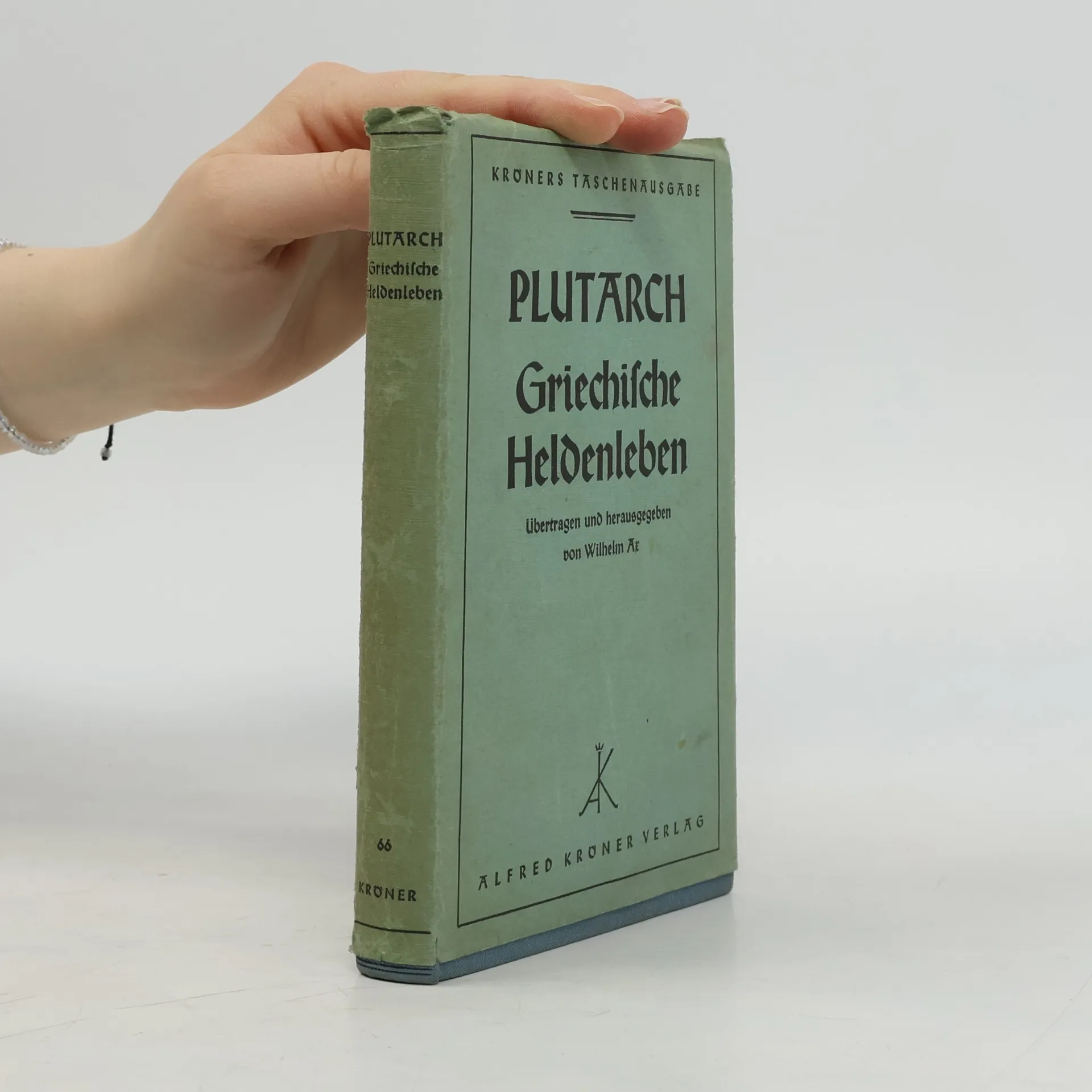
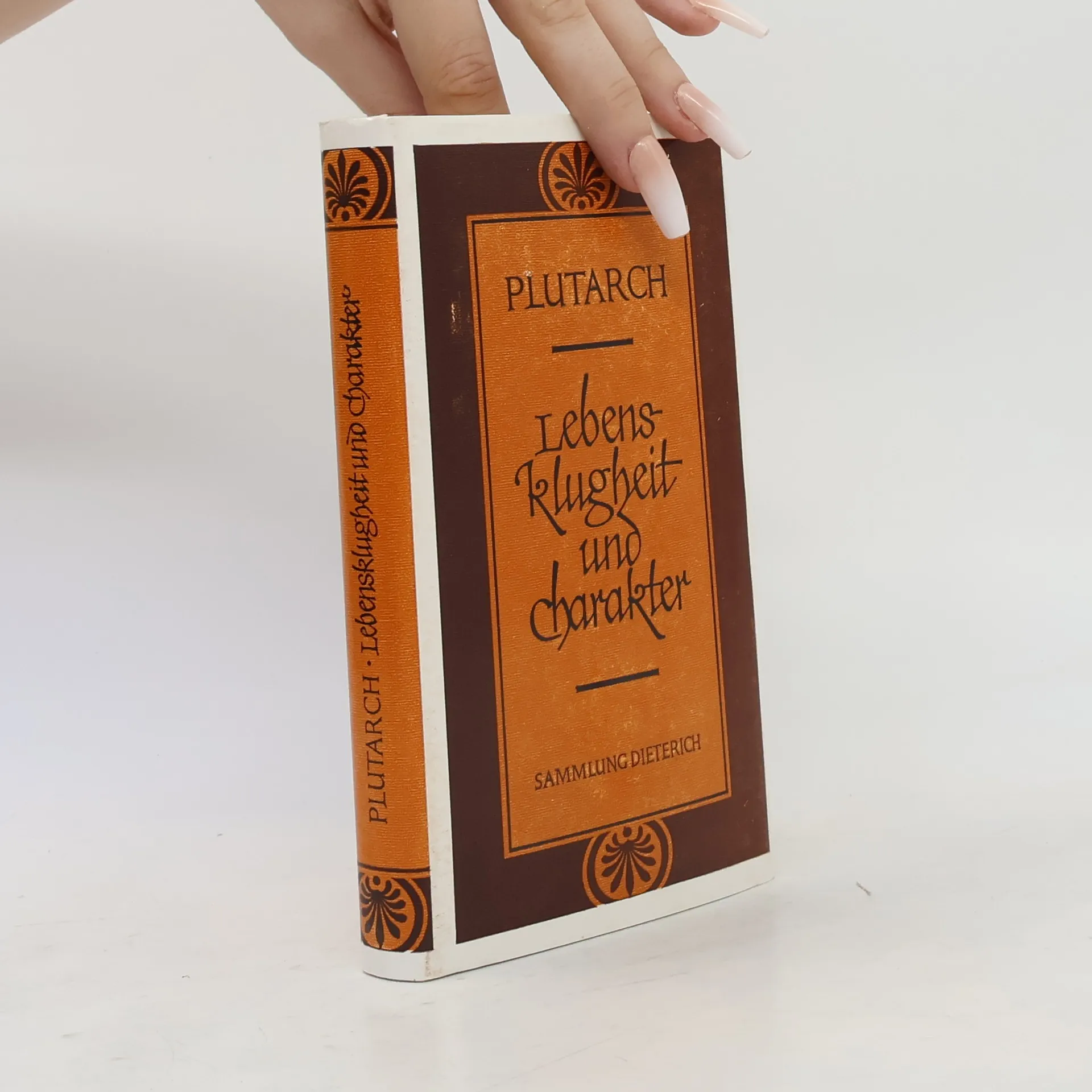
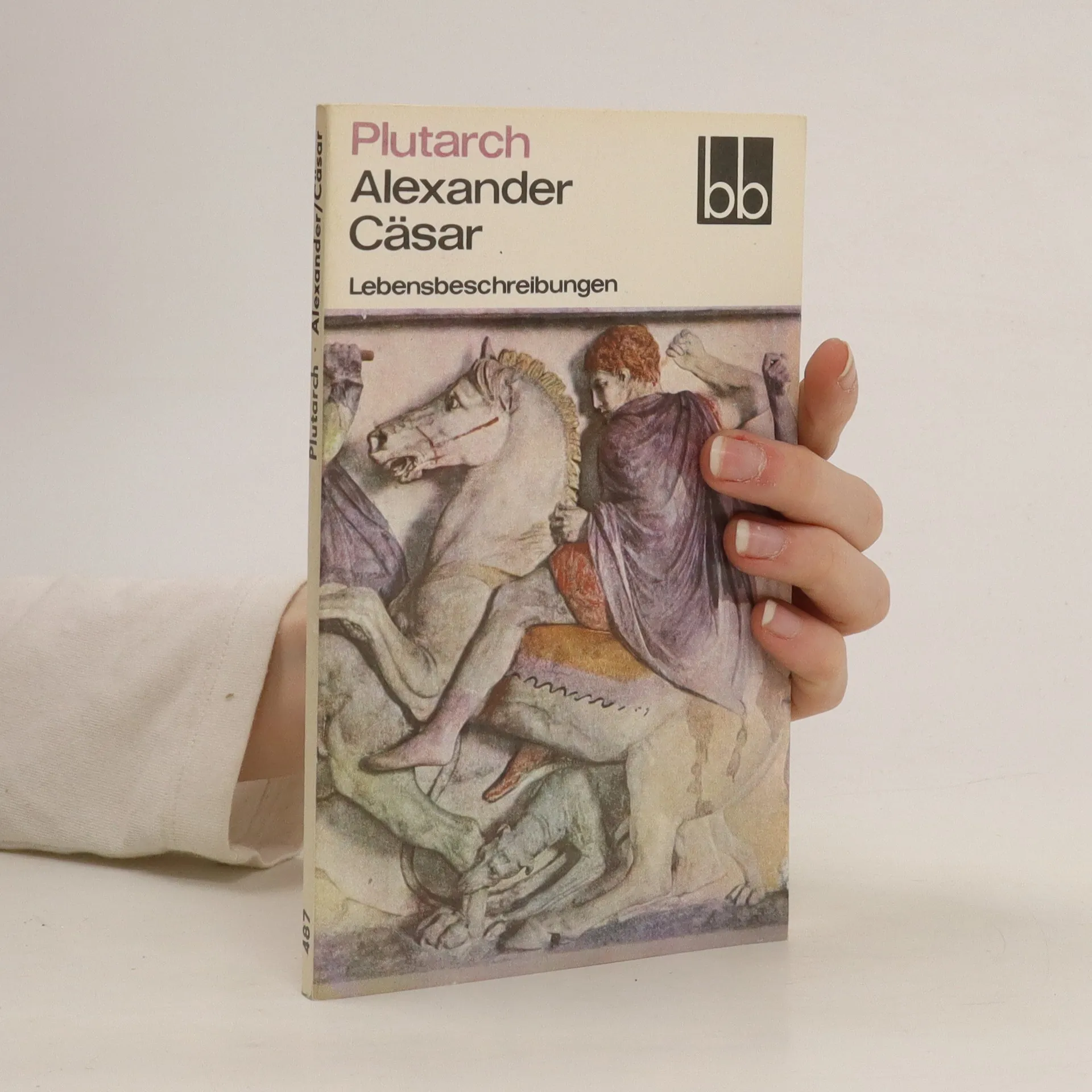
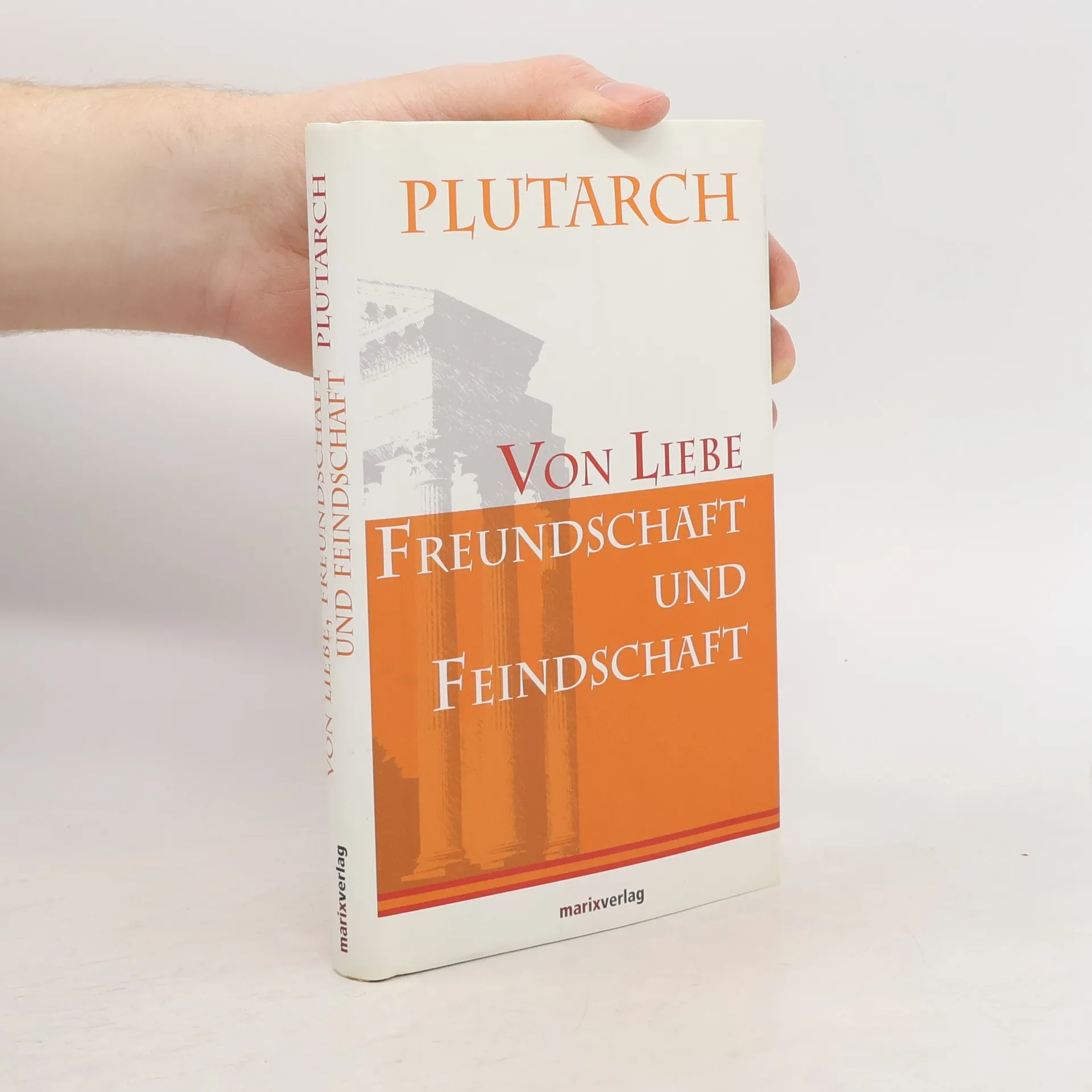
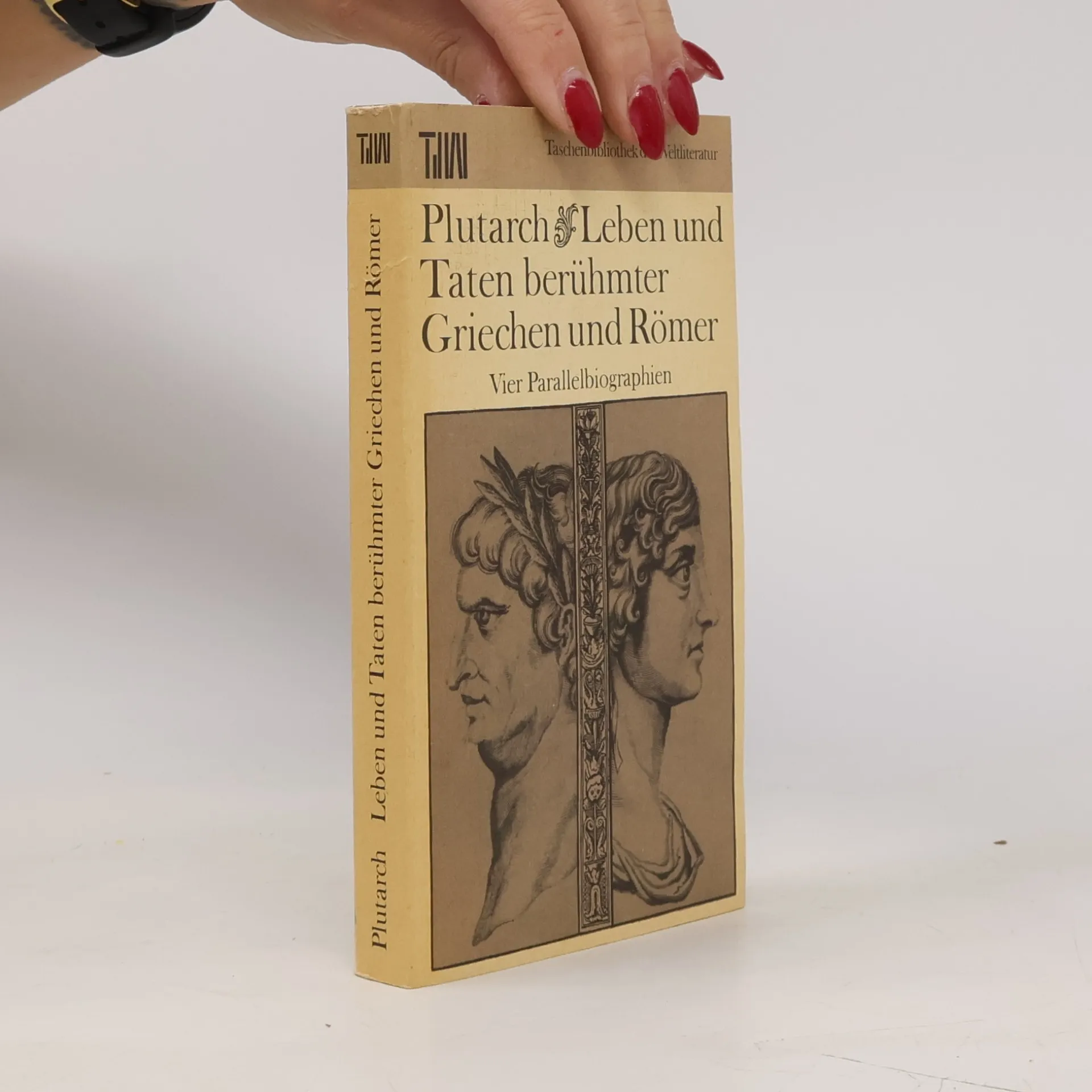
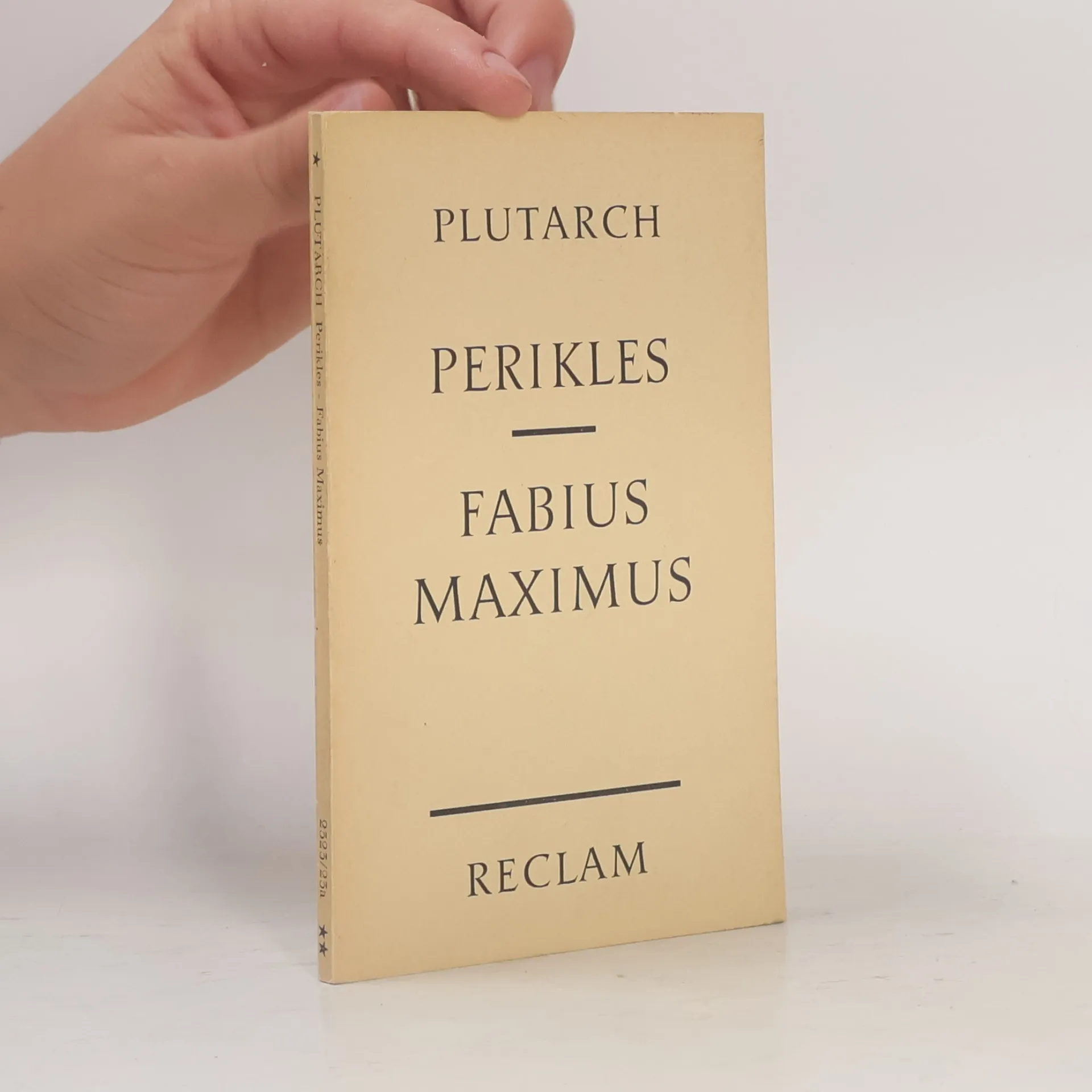
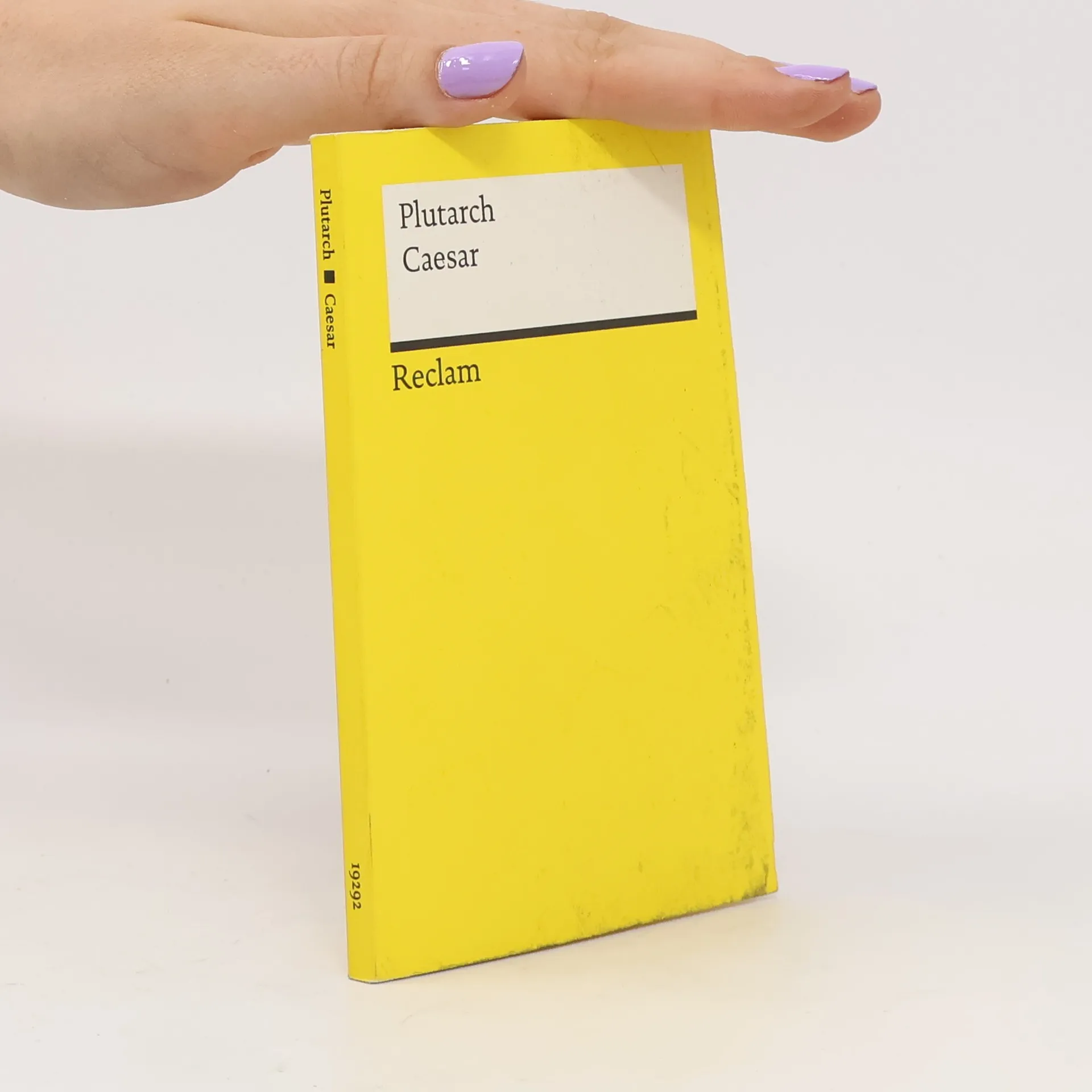
Plutarch was a Greek historian and essayist, renowned for his biographical works and philosophical explorations. His writings, crafted in Greek, aimed to resonate with both Greek and Roman audiences. Plutarch is recognized for his classification as a Middle Platonist, and his works often delve into moral and ethical considerations. His distinctive approach involves intertwining historical figures and philosophical concepts, offering readers profound insights into the ancient world.
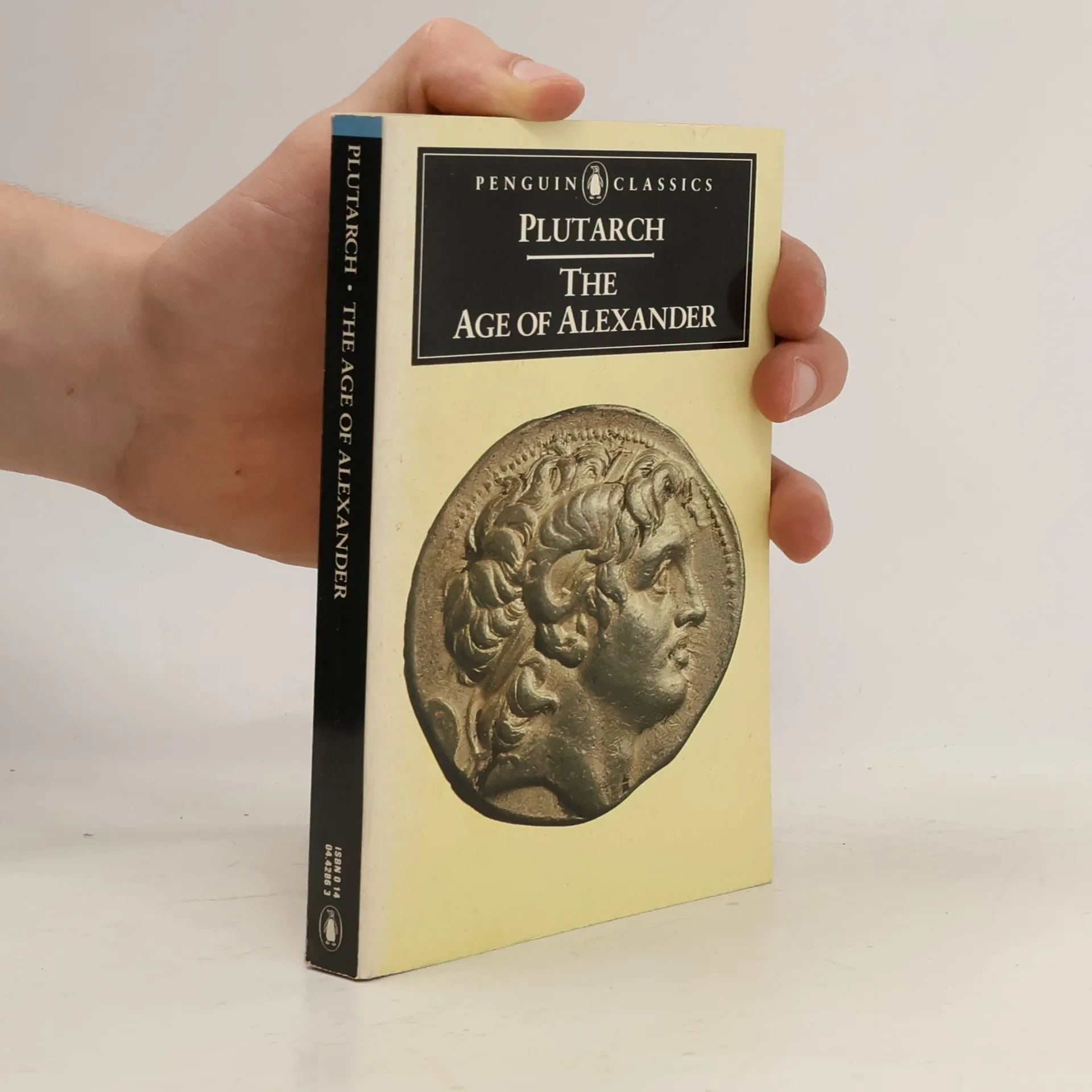
This selection of ten Lives traces the history of Hellenistic Greece from the rise of Macedon and Alexander's conquest of the Persian empire to the arrival of the Romans. Plutarch's biographies of eminent politicians, rulers, and soldiers combine vivid portraits of their subjects with a wealth of historical information; they constitute a uniquely important source for the period
Plutarch (c. 45 120 CE) wrote on many subjects. His forty-six Parallel Lives
are biographies planned to be ethical examples in pairs, one Greek figure and
one similar Roman, though the last four lives are single. They not only record
careers and illustrious deeds but also offer rounded portraits of statesmen,
orators, and military leaders.
Plutarch wrote a large number of essays on ethical, scientific, philosophical,
ephemeral, historical and literary topics. Even when dealing with technical
subjects, the essays reflect the author's particular style - with anecdotes
and quotations included.
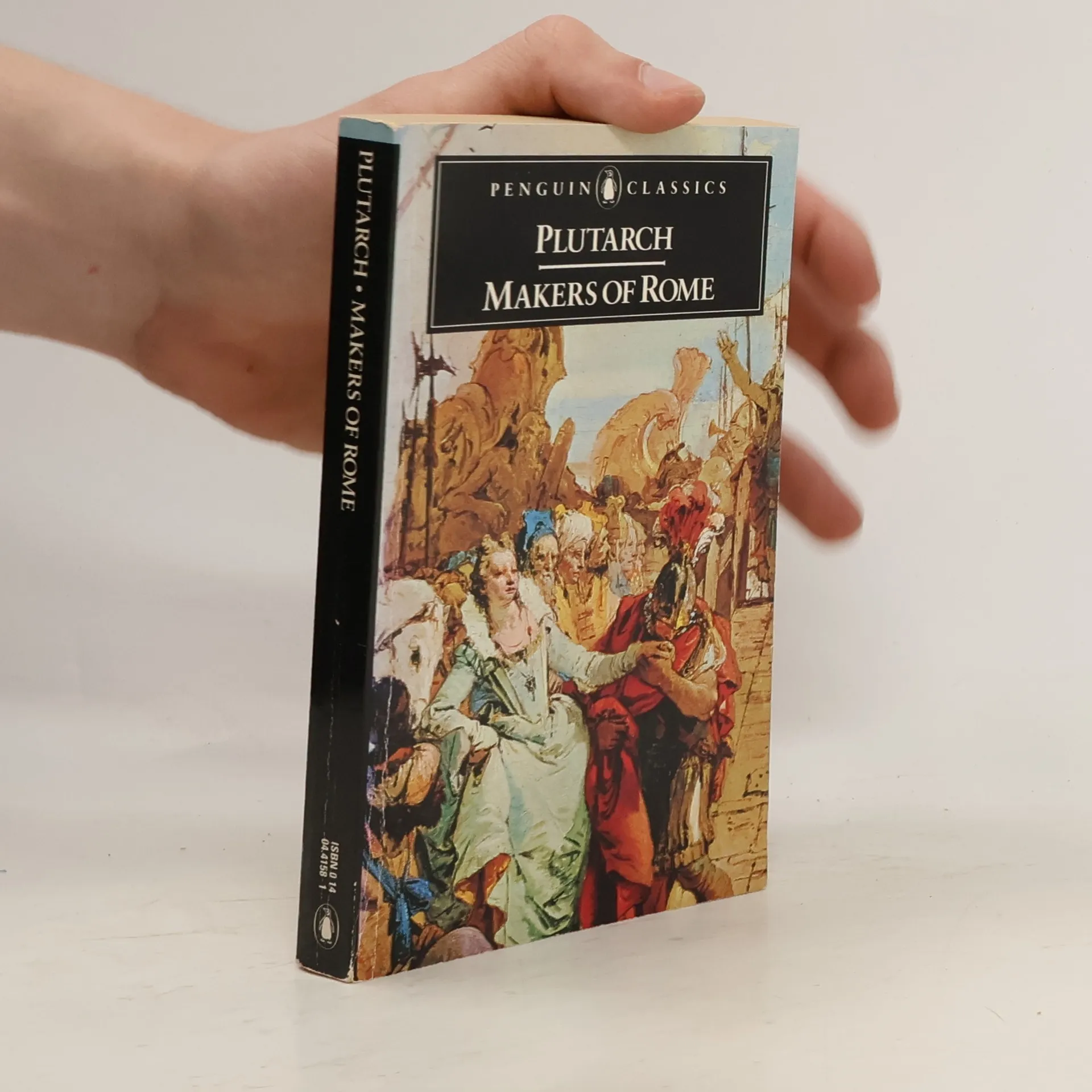
Presents nine biographies that illuminate the careers, personalities and
military campaigns of some of Rome's greatest statesmen, whose lives span the
earliest days of the Republic to the establishment of the Empire. This title
includes prominent figures who achieved fame for their pivotal roles in Roman
history.
Plutarch (c. 45-120 CE) wrote on many subjects. His forty-six Parallel Lives
are biographies planned to be ethical examples in pairs, one Greek figure and
one similar Roman, though the last four lives are single. They not only record
careers and illustrious deeds but also offer rounded portraits of statesmen,
orators, and military leaders.
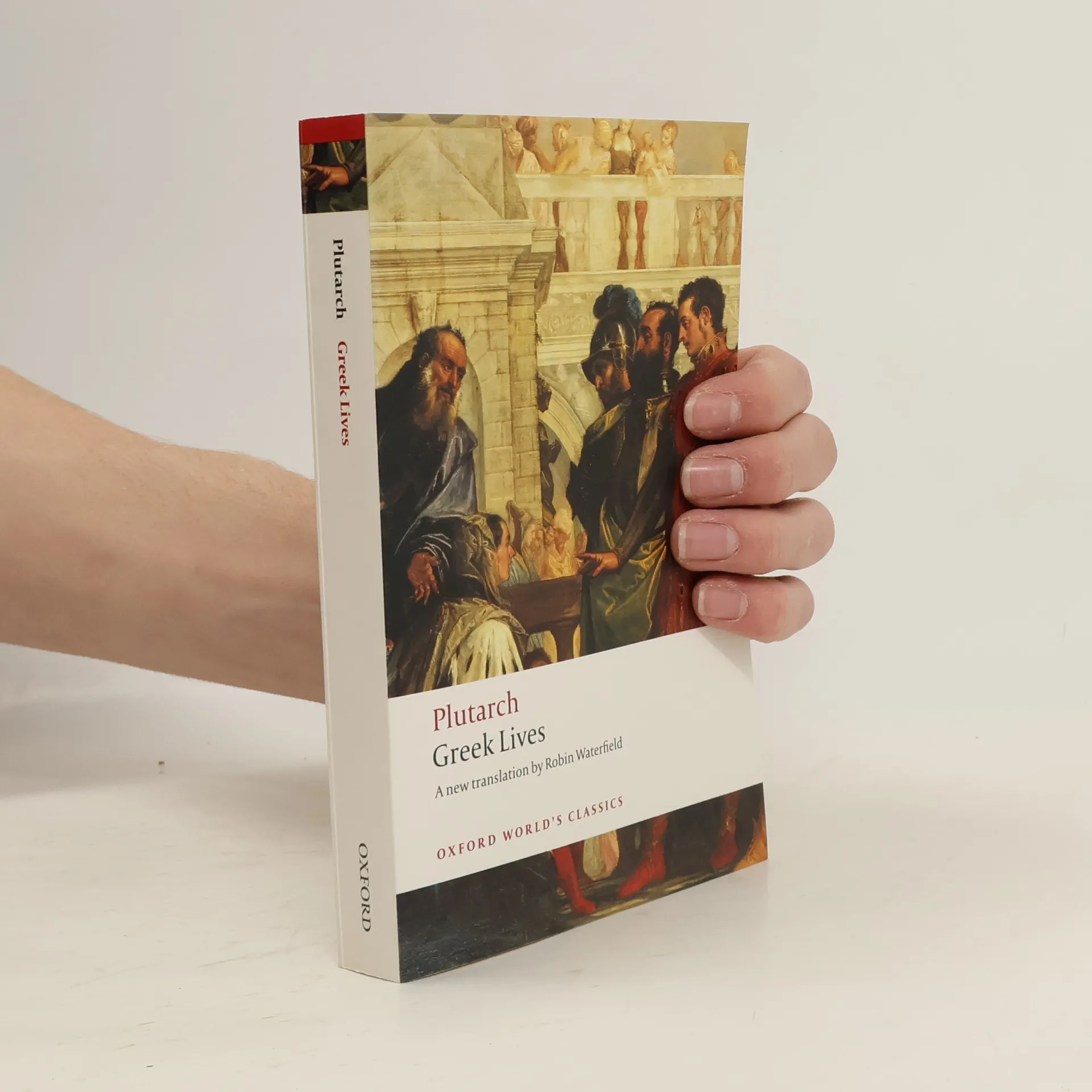
In this collection, Plutarch introduces readers to key figures and periods of classical Greece through the lens of their lives, serving as a mirror for reflection. He presents virtues to emulate and vices to avoid, aiming to educate and caution those in power during his time. His prose is rich and elegant, filled with learned references, as he delves into the intricate relationship between character and political action. While primarily relying on historical sources, Plutarch's storytelling flair brings anecdotes to life, enhancing the biographical narrative. Valued for both its historical significance and charm, this new translation aims to engage modern audiences with Plutarch's sophisticated insights. It offers the most comprehensive selection available, supplemented by a clear introduction, explanatory notes, bibliographies, maps, and indexes. This volume is part of a long-standing series that has provided a diverse range of literature for over a century, reflecting Oxford's dedication to scholarship. Each affordable edition includes the most accurate text alongside valuable features, such as expert introductions, clarifying notes, and updated bibliographies for further exploration.
Plutarch's Lives of the Noble Greeks and Romans, commonly called Parallel Lives or Plutarch's Lives, is a series of biographies of famous men, arranged in tandem to illuminate their common moral virtues or failings. The surviving Parallel Lives, contain twenty-three pairs of biographies, each pair consisting of one Greek and one Roman, as well as four unpaired, single lives. It is a work of considerable importance, not only as a source of information about the individuals biographized, but also about the times in which they lived.
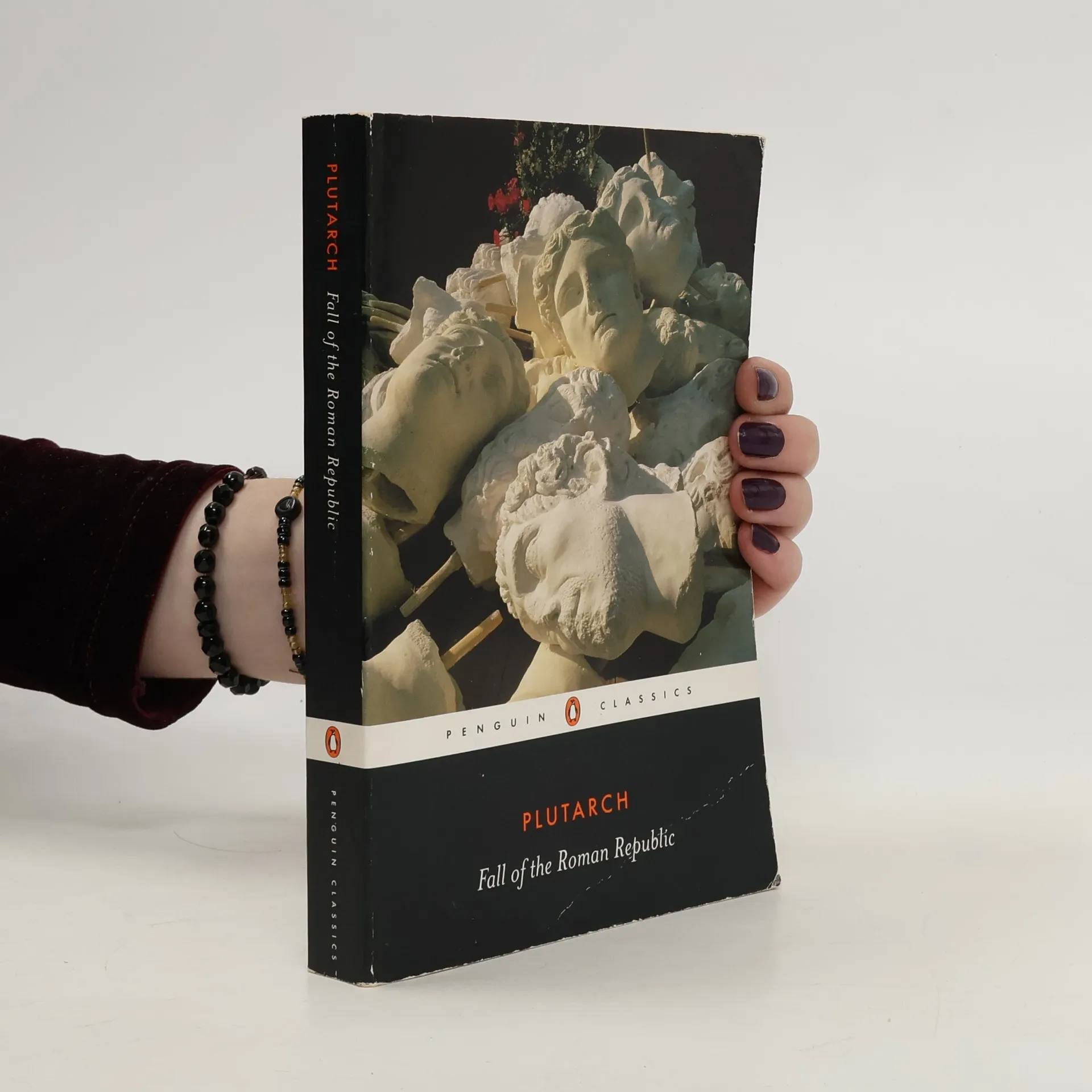
Taken from the Lives, a series of biographies spanning the Graeco-Roman age,
this collection describes the twilight of the old Roman Republic from 157-43
BC. Deeply influential on Shakespeare and many other later writers, the works
explore corruption, decadence, and the struggle for ultimate power.
Illustrates the rise and fall of Athens, from the legendary days of Theseus,
the city's founder, through Solon, Themistocles, Aristides, Cimon, Pericles,
Nicias, and Alcibiades, to the razing of its walls by Lysander.
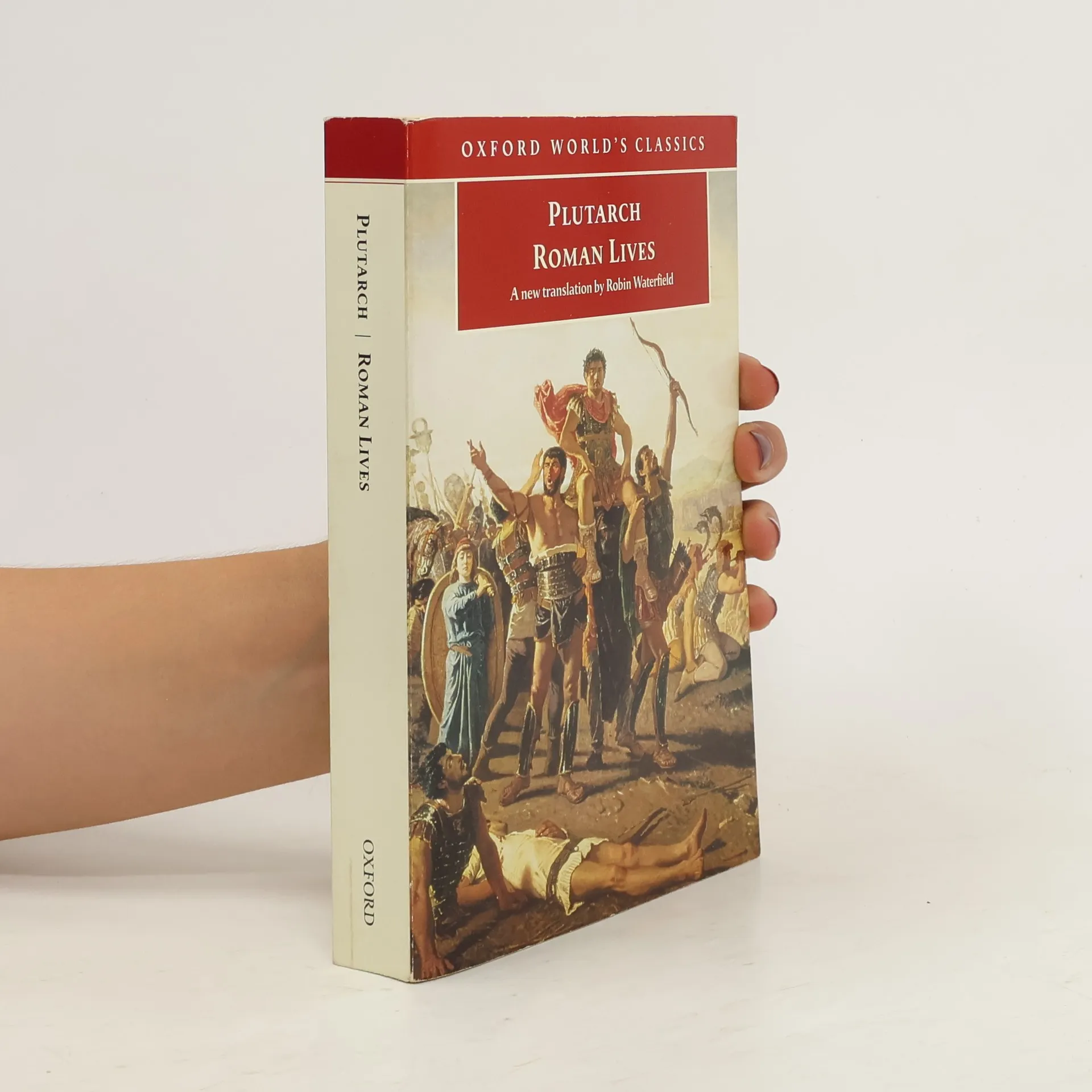
The companion volume to Plutarch's Greek Lives published in Oxford World's Classics in 1998, Roman Lives is a newly translated selection from Plutarch's rich, elegant and learned Lives, valued throughout the ages for their historical value and their charm. The lives included are those of Marcus Cato, Aemilius Paullus, The Gracchi, Marius, Sulla, Pompey, Julius Caesar and Anthony. Closely annotated with bibliographies, maps and an index, this is the ideal edition for all students of classical history.
"Esoteric Vegetarianism" is not an ordinary plead in favour of vegetarianism, but a collection of essays by authors ancient and modern on its most philosophical and esoteric aspects. Allow Iamblichus to introduce you to the company of the ancient vegetarian followers of Pythagoras; let yourself become imbued with the dialectical beauty and profound wisdom of Plutarch and Plato; follow Porphyry's extensive mystical disquisitions on the matter; hear the allegedly clairvoyant testimonies by Charles W. Leadbeater and Annie Besant on what the indiscriminate sacrifice of animals for food entails, and become acquainted with the theosophical elucidations of Helena P. Blavatsky on whether animals are endowed with souls. All this benefiting from the insightful annotations of the modern Neo-Platonic philosopher Thomas Taylor and an additional essay, introduction and further annotations by Sonchis Triacorda. The present volume contains: "On the Eating of Flesh I & II" by Plutarch. "Vegetarianism in the Light of Theosophy" by Annie Besant "Vegetarianism and Occultism" by Charles W. Leadbeater "The Influence of Alcohol" by Annie Besant "Have Animals Souls? (I-III)" by Helena P. Blavatsky An excerpt from "The Republic" of Plato Excerpts from "Life of Pythagoras" by Iamblichus "Abstinence from Animal Food (I-IV)" by Porphyry "Eating Meat made us None the Smarter" by Sonchis Triacorda
Quae Moralia Vulgo Vocantur, Ad Optimorum Librorum Fidem (1868)
456 pages
16 hours of reading
Exploring themes of virtue and vice, this collection features writings by the renowned philosopher Plutarch. It includes historical narratives, examples, and advice reflecting on human behavior. The 1868 facsimile reprint aims to preserve the cultural significance of Plutarch's work, ensuring it remains accessible in a modern format. With its insights into moral philosophy, this volume continues to resonate with readers today, showcasing Plutarch's enduring influence on literature and ethics.
The book is a reproduction of a historical work, produced by the publishing house Megali, which focuses on creating large print editions. This initiative aims to enhance accessibility for readers with impaired vision, ensuring that important historical texts are available to a wider audience.
The biographies in this collection highlight the moral virtues and failings of notable figures from ancient Greece and Rome. Comprising twenty-three paired lives, each featuring one Greek and one Roman, along with four standalone biographies, the work serves to compare and contrast these influential individuals. Its significant historical and ethical insights make it an essential read for understanding the moral landscape of classical antiquity.
Focusing on accessibility, this publication by Megali aims to enhance the reading experience for individuals with impaired vision by reproducing historical works in large print. The initiative highlights the importance of making literature more inclusive and emphasizes the commitment to preserving historical texts while ensuring they are readable for all.
The book is a reproduction of a historical work, specifically designed in large print to enhance readability for individuals with impaired vision. Published by Megali, a company dedicated to making historical texts accessible, it aims to preserve the original content while ensuring it is easy to read for those who may struggle with standard print sizes.
Qualsiasi discorso è nullo se non è ben inteso. L’ascolto, spesso sottovalutato, è infatti una metà fondamentale dell’atto della comunicazione. In questo manuale, tratto dai Moralia, Plutarco elargisce consigli di virtù, ma anche esempi di vizi che toccano uno degli aspetti più importanti della vita umana. Perché l'arroganza, l'odio, la presunzione e la smania di protagonismo inquinano la nostra disposizione verso l'altro e le sue ragioni. Dedicata a Nicandro, in occasione del suo ingresso nell’età virile, l'operetta si rivolge ai giovani, affinché sappiano maturare senza cedere al disordine delle emozioni, ma in ogni cosa cercando la pacatezza e la riflessione. Plutarco cita gli antichi filosofi, racconta aneddoti, riporta versi di Omero, mette in guardia contro le belle parole vuote, contro i discorsi apparentemente affascinanti ma privi di sostanza, usati per abbindolare gli ingenui e coloro, appunto, che non sanno ascoltare.
Der große griechische Geschichtsschreiber Plutarch hat mit seinen »Parallelbiographien«, entstanden Anfang des 2. Jahrhunderts n. Chr., eines der meistgelesenen Werke der Antike geschaffen. In den 22 überlieferten Paaren von Lebensbeschreibungen stellte er einem griechischen jeweils einen römischen Staatsmann oder Feldherrn gegenüber. Diese Auswahl präsentiert die eindrucksvollsten seiner Porträts: Sie enthält die Lebensbilder der Griechen Themistokles, Perikles, Alkibiades und Alexander sowie der Römer Tiberius und Gaius Gracchus, Julius Cäsar und Marcus Antonius.
Alexander der Große wurde kaum 33 Jahre alt, doch hat er in seinem kurzen Leben Weltgeschichte geschrieben. In einem ungeheueren Eroberungszug stieß er bis an die Grenzen des bekannten Erdkreises vor und wurde gar als Gott verehrt. Dem Griechen Plutarch, der eine Biographie dieses jugendlichen Heros verfasst hat, verdanken wir eine der eindrucksvollsten Lebensbeschreibungen, die wir von einem Menschen der Antike besitzen.
Plutarch, der als Grieche im römischen Kaiserreich lebte (46 bis 125 n. Chr.), sah sich als Mittler zwischen beiden Völkern und Kulturen. Er wollte mit seinen Essays, die als »Moralia« überliefert sind, auf die Sitten und Menschen einwirken, nicht von der hohen Warte eines Kathederphilosophen aus, sondern als Verkünder einer praktischen Lebenskunst, als Verfechter einer sittlichen Lebensführung, die allein auf Dauer zu Ruhe und Zufriedenheit führe.
Neben den berühmten Parallelbiographien ist von dem griechischen Autor Plutarch (um 45 – 120 n. Chr.) ein riesiges Konvolut von Schriften ganz unterschiedlichen Inhalts unter dem Sammeltitel »Moralia« überliefert. Darin gewährt uns der Autor einen guten Einblick u. a. in das philosophische und religiöse Bildungsgut seiner Zeit; hier zeigt sich aber auch seine vorbildliche ethische Gesinnung, seine Humanität und sein liebenswerter Charakter.
Der Mensch ist kein Fleischfresser: Schließlich muss er Fleisch erst künstlich zubereiten, damit es überhaupt bekömmlich ist. Vegetarier leben gesünder und fühlen sich leichter und freier. Zeilen aus dem Vorwort eines vegetarischen Kochbuchs? Nein: Schon Plutarch dachte so, vor beinahe 2000 Jahren. Dabei fragte er auch nach dem rechten Umgang mit Tieren: Schädliche Tiere dürfe man töten, unschädliche zähmen und sie ihrer natürlichen Eignung gemäß rücksichtsvoll zum eigenen Nutzen einsetzen. Aber man brauche keine Gänseleberpastete und schon gar keine mit Grausamkeit verbundenen Spektakel!
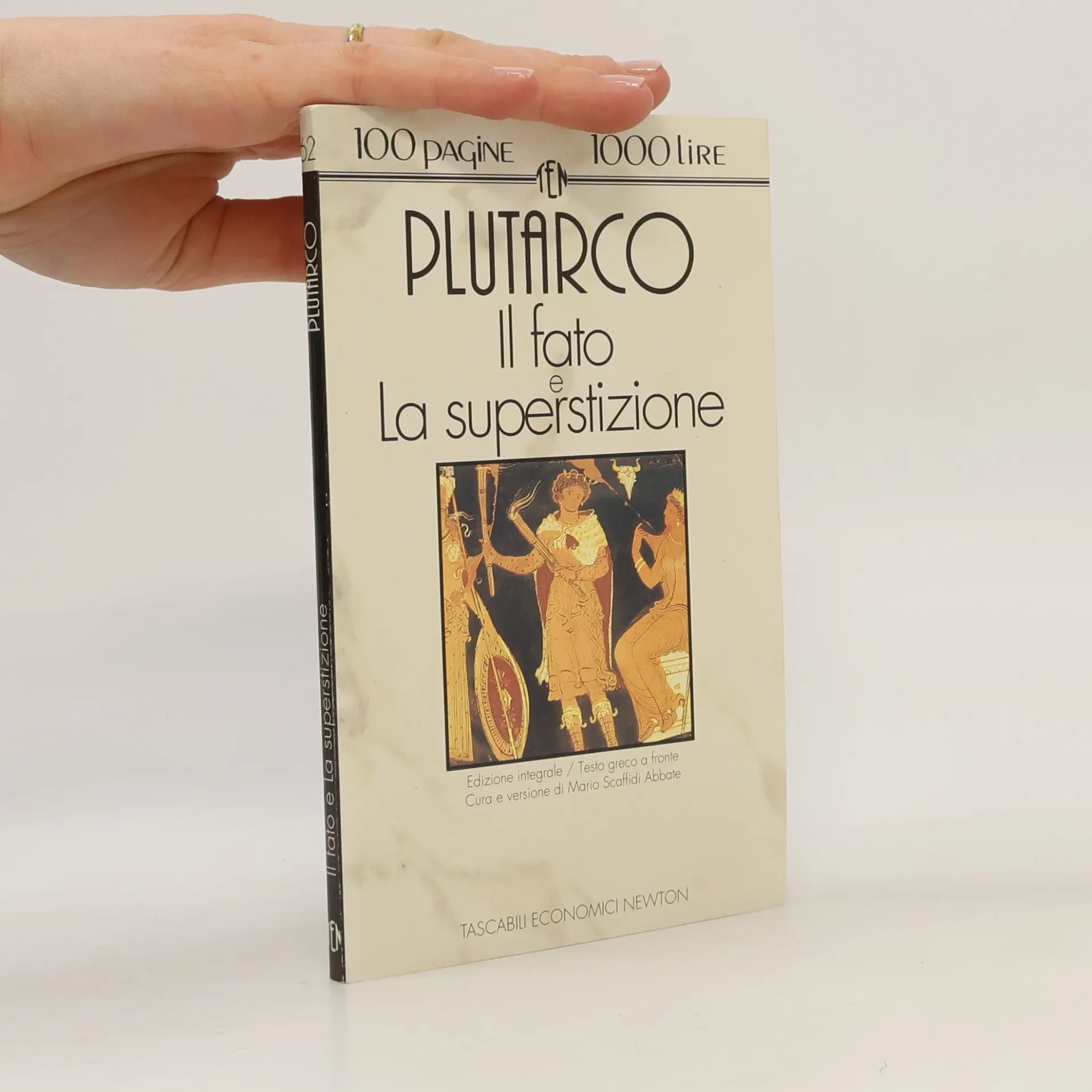
Cura e traduzione di Mario Scaffidi Abbate - Edizione integrale con testo greco a fronte
193 pages
7 hours of reading
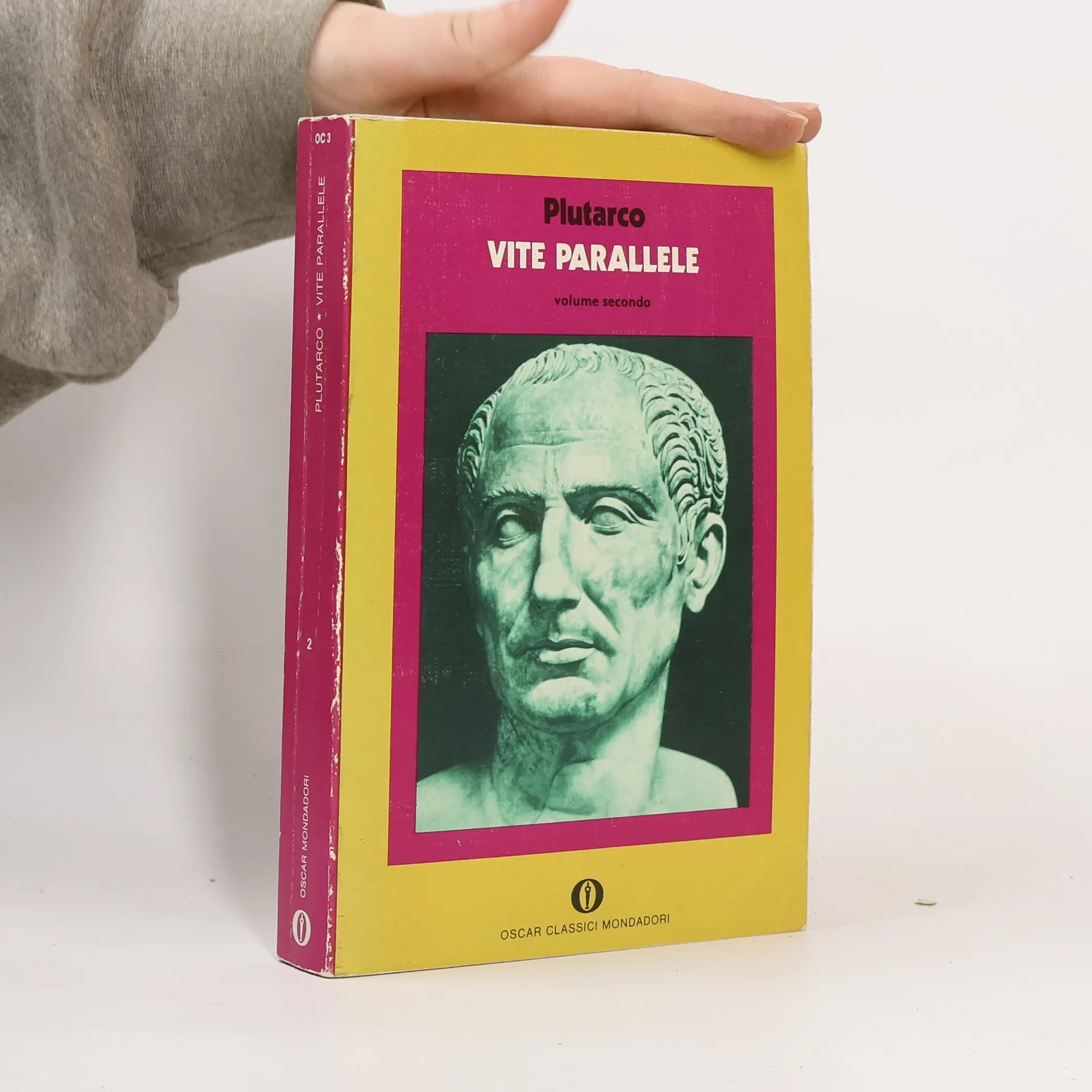
Le "Vite parallele" sono come una grande galleria di quadri che illustrano, attraverso ritratti dei più celebri protagonisti, quasi tutta la storia di Roma e della Grecia. Ma sono anche un'immagine della vita nella sua eterna lotta fra bene e male, in un alternarsi di luci e di ombre, di vizi e di virtù. Demostene e Cicerone ebbero in comune alcune doti naturali e analoghe vicende esteriori, ma furono anche molto diversi: Demostene, teso e severo, fu amante del denaro e dell'oro e trasse dalla sua attività anche guadagni illeciti; Cicerone, sereno e sorridente, dimostrò invece un grande disprezzo per il denaro e diede anche prova di bontà e di carità.
Le Vite parallele sono come una grande galleria di quadri, che illustrano quasi tutta la storia di Roma e della Grecia attraverso i ritratti dei loro più celebri protagonisti. Ma sono anche l’immagine dell’eterna lotta fra il bene e il male, in un alternarsi di luci e di ombre, di vizi e di virtù, di vittorie e di sconfitte. A questa legge non sfuggirono Alessandro e Cesare, due condottieri che dominarono il mondo ma non le proprie passioni, ondeggiando fra sentimenti contrapposti, fra generosità e crudeltà, fra rispetto della tradizione e innovazione, e aspirando ad un potere assoluto, il primo per realizzare una monarchia universale capace di unire popoli diversi in un grande organismo multirazziale, il secondo per poter operare il riscatto politico, militare, intellettuale e morale della sua patria.
Denkanstöße aus der Antike. [Was bedeutet das alles?]
80 pages
3 hours of reading
Was ist Glück? Für Plutarch bedeutet es innere Zufriedenheit. Jeder kann sie erlangen, durch Übung, Tugend und indem er sich von Einstellungen befreit, die ihn immer wieder aus dem Gleichgewicht bringen, wie Zukunftsangst, Neid oder Hab- und Besitzgier. Jeder mache das Beste aus seiner Veranlagung, sehe das Positive an seiner Situation: Suche den für dich richtigen Lebensweg – es gibt viele! Pack dich am Schopf und zieh dich aus deiner unglücklichen Situation! Dieser antike »Glückstrainer« hat nichts an Aktualität eingebüßt.
Freundschaft und Feindschaft sind der Gegenstand von drei Schriften des griechischen Gelehrten Plutarch von Chaironeia. Soll man viele Freunde haben? Es hebt das Selbstgefühl, von einer Vielzahl von Freunden umgeben zu sein. Doch was ist, wenn man auf einmal von allen Seiten um Hilfe gebeten wird? Wie man Nutzen zieht von seinen Feinden: In einer Wettbewerbs- oder Konkurrenzsituation kann man gegebenenfalls von der Strategie des Gegners profitieren. Wie man den Schmeichler vom Freund unterscheidet: Neben den üblichen Jasagern gibt es auch raffinierte Taktiker, die ihr Opfer so umgarnen, dass man ihnen nur durch eine Gegenstrategie das Handwerk legen kann.
Er kann einen gewaltigen Schaden anrichten: der Zorn. Schließlich schadet er nicht nur dem ›Empfänger‹, sondern ebenso dem Zornigen selbst, und auch gänzlich Unbeteiligte bekommen mitunter ihr Fett weg. Doch Choleriker und ihr Umfeld können beruhigt sein: Der griechische Philosoph Plutarch wusste bereits vor rund 2000 Jahren, wie man den Zorn besiegt – und lässt in seinem ›Ratgeber‹ einen Betroffenen selbst davon erzählen. Der positive Nebeneffekt dieser Therapie: mehr Achtsamkeit und Wohlwollen gegenüber anderen wie gegenüber sich selbst.
Die philosophischen Schriften des griechischen Universalgelehrten Plutarch von Chaeronea (45-125 n. Chr.), meist unter dem Namen Moralia zusammengefasst, stellen eines der letzten großen Dokumente der Philosophie der heidnischen Antike dar. Von Platon, aber in einigen Gedanken auch von der Stoa geprägt, äußert er sich in der hier vorliegenden Textauswahl zu den Extremformen menschlicher Beziehungen. Die Schriften sind in der Reihenfolge ihrer Überlieferung abgedruckt und ergeben so eine abwechslungsreiche Mischung von Betrachtungen zu Liebe, Freundschaft und Feindschaft, jeweils mit Einleitung und Erläuterungen.
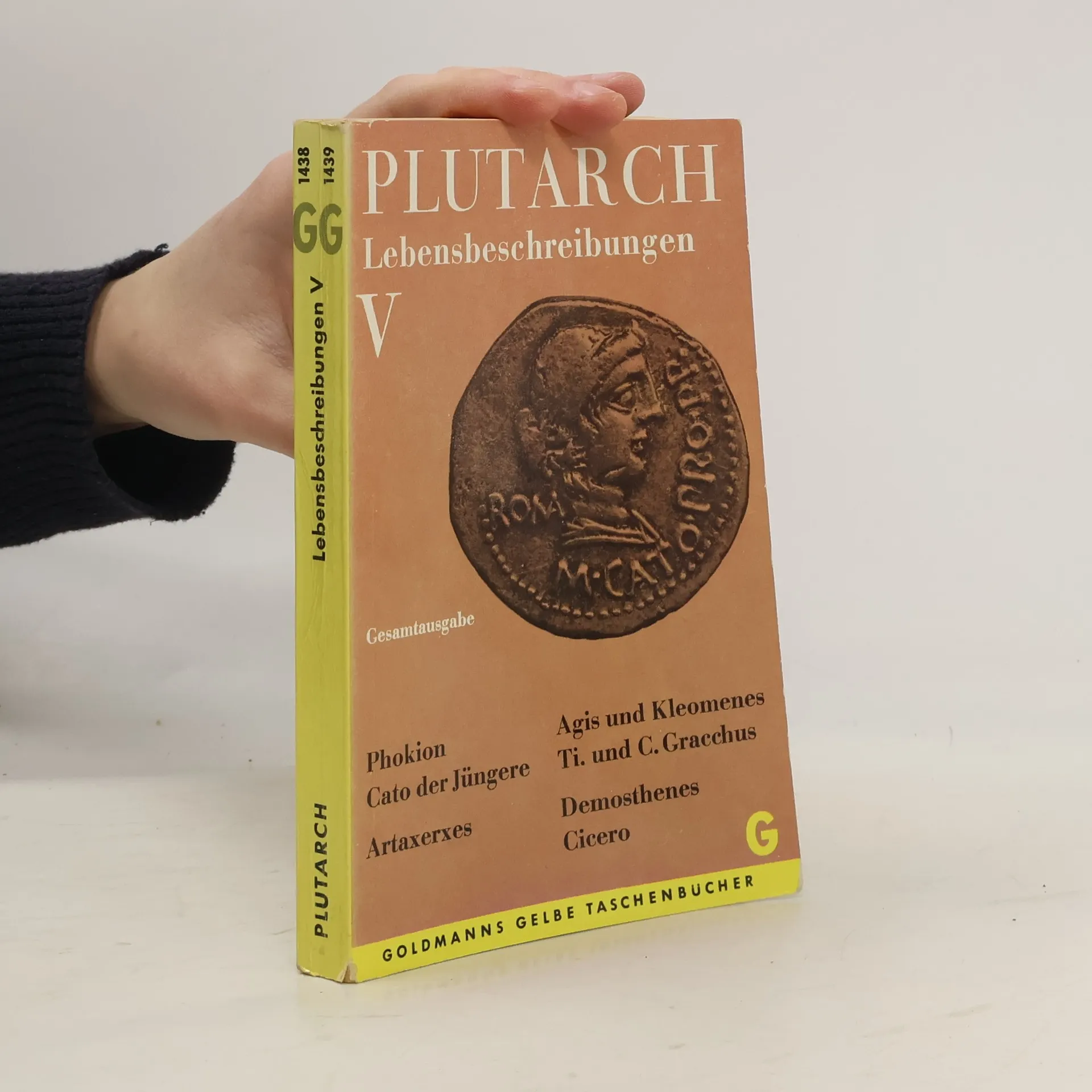
Plutarchs Doppelbiographien, die vitae parallelae, sind ein Höhepunkt der antiken Literatur und von überragender Bedeutung für die abendländische Geistes- und Literaturgeschichte. Zahllose Schriftsteller und Denker ließen sich von Plutarch inspirieren, darunter so illustre Namen wie Shakespeare und Montaigne, Schopenhauer, Jacob Burckhardt und Nietzsche. Indem Plutarch die Lebensläufe großer Griechen und Römer vergleichend gegenüberstellt, gelingt ihm etwas Einzigartiges: Die Synthese der beiden Ursprungskulturen des Abendlandes. Band I beginnt mit den sagenhaften Gründergestalten Athens und Roms, Theseus und Romulus, gefolgt von weiteren Lebensbeschreibungen der berühmtesten Griechen und Römer,
Montaigne, Bacon, Montesquieu, Rousseau, Shakespeare, Schiller, Goethe und Schopenhauer, sie alle verehrten Plutarch um seiner Liebenswürdigkeit und Humanität willen. Dieser Band enthält alle moralischen Schriften und philosophischen Abhandlungen Plutarchs, die uns seit dem Mittelalter überliefert sind - ein Fundus, der die abendländische Kultur geprägt hat.
Plutarch – Leben und Wirken des makedonischen Königs und Feldherrn
125 pages
5 hours of reading
Im Alter von nur 32 Jahren Herrscher über die Welt: Im Eiltempo hatte Alexander das riesige Perserreich unterworfen und war in Regionen vorgedrungen, in denen noch kein Grieche vor ihm war. Kein Wunder, dass ihn viele bewunderten und zum Vorbild nahmen: der Mythos Alexander wirkt bis heute. Lange nach Alexanders Tod, im 2. Jh. n. Chr., schrieb Plutarch über dessen Leben und Charakter und verglich ihn dabei mit dem römischen Feldherrn Caesar, der nicht minder ehrgeizig war als ersterer. Dieser Band umfasst den Text über Alexander den Großen, den einen Teil von Plutarchs Parallelbiographie.
Plutarch – Leben und Wirken des römischen Feldherrn und Herrschers – 19292
108 pages
4 hours of reading
Veni, vidi, vici. – Ich kam, ich sah, ich siegte. Diesen wohl berühmtesten Ausspruch Caesars überliefert kein geringerer als Plutarch (45-120 n. Chr.), allerdings auf Griechisch. Er vergleicht den Feldherrn in seinem Werk mit Alexander dem Großen: Beide waren sie unersättlich in ihrem ehrgeizigen Streben, ja in ihrer Sucht nach Macht und Ruhm. »Alexander hat in meinem Alter schon über so viele Völker geherrscht, aber ich habe noch keine Heldentaten vollbracht.« – so Caesar zu Beginn seiner Karriere, als Statthalter in Spanien: Er verfügte über keine Königsmacht, doch sollte er schließlich als Herr über das Römische Reich mit dem Makedonen gleichziehen. Dieser Band umfasst den zweiten Teil von Plutarchs Parallelbiographie, den Text über Caesar.