Bethany McLean is renowned for her incisive reporting on corporate malfeasance, most notably the Enron scandal. As a contributing editor and former columnist for prominent business publications, she brings a deep understanding of financial dealings to her writing. McLean's background in investment banking provides her with a unique perspective on the inner workings of the corporate world. Her work meticulously dissects complex financial narratives, offering readers clear insights into the machinations of modern business.
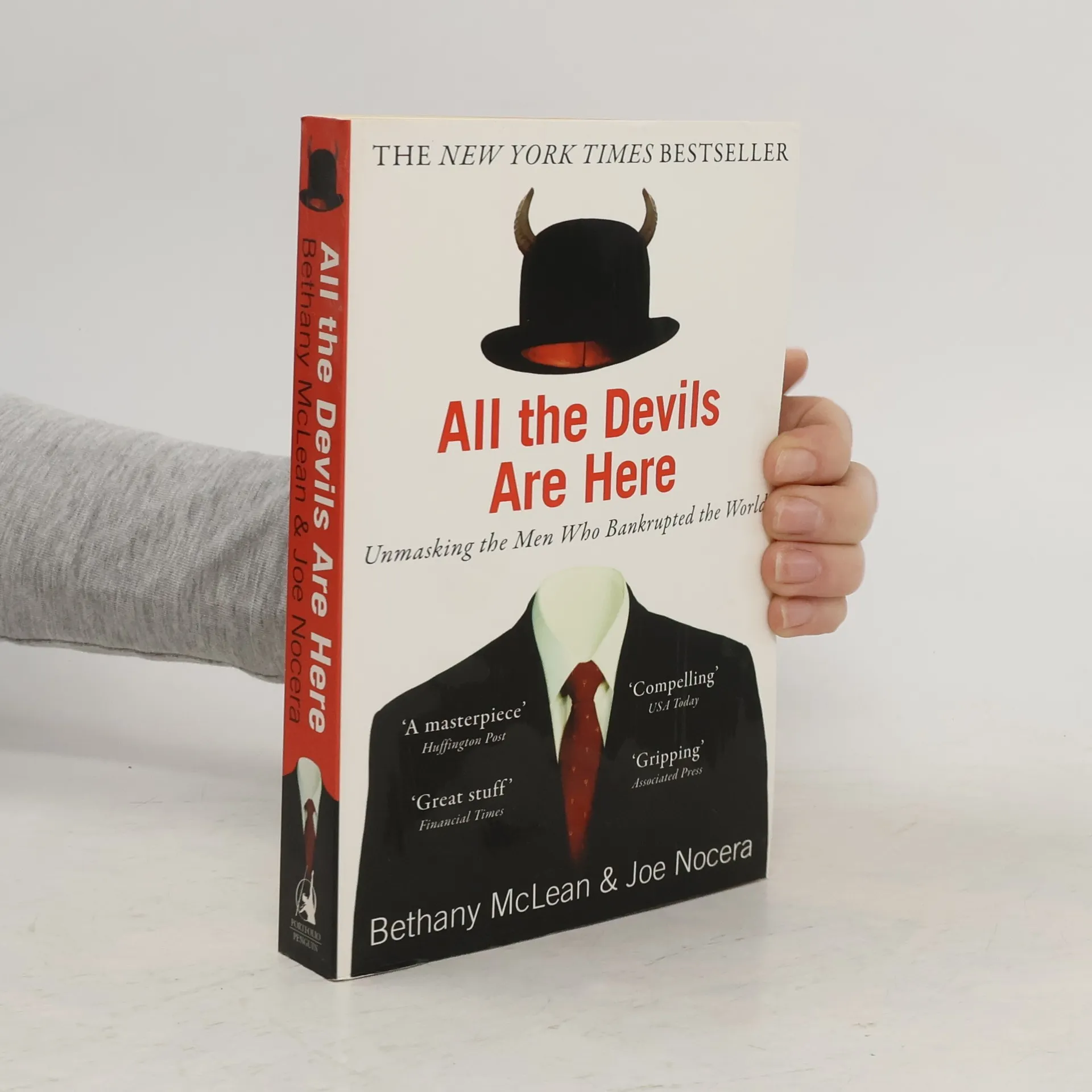
As soon as the financial crisis erupted, the finger-pointing began. Should the
blame fall on greedy traders, lazy regulators, or clueless home buyers? This
book states that the real answer is all of the above.
Named "one of the ten best business books of 2003" ("BusinessWeek"), this national bestseller is updated with new material on the amazing rise and scandalous fall of Enron. It includes a 16-page photo insert.
The book presents a critical examination of American capitalism's failures during the COVID-19 pandemic, highlighting the government's inability to protect citizens and the resulting devastation. It explores the blunders of officials, the complicity of economists, and the indifference of elites who profited from the crisis. Through detailed analysis, the authors investigate supply chain issues, the impact on healthcare systems, and contrasting responses from political leaders. This insightful account aims to uncover the systemic flaws in capitalism and their implications for the future.
Named one of Vanity Fair's 11 Nonfiction Books to Read this Fall 800-CEO Reads
Editor's Choice: McLean exposes the faulty foundation not only of our supposed
energy independence, but of the very desire for it....The sloganeering of
drill, baby, drill, and the false, geopolitically fraught hope of energy
independence it implies, ignores these basic business, economic, and
existential human realities. In exposing them, McLean offers hope for a more
reasonable discussion, a more sustainable and profitable industry, and,
perhaps, a more integrated energy policy. As journalist Bethany McLean
sketches with clarity and concision in this book, the shale revolution has had
profound effects on the US, creating jobs and cutting energy costs, but many
of the claims made for it have been overblown....Unlike some who have taken a
skeptical view of the shale industry, McLean is not trying to debunk it--those
who have tried have been made to look foolish by its success in recent years
-- but she does urge us to be cautious about being too trusting.-- Financial
Times Bethany McLean explores fracking's nuanced success, but also cautions
that this energy revolution is not the country's golden ticket to energy
independence.--NPR, Marketplace