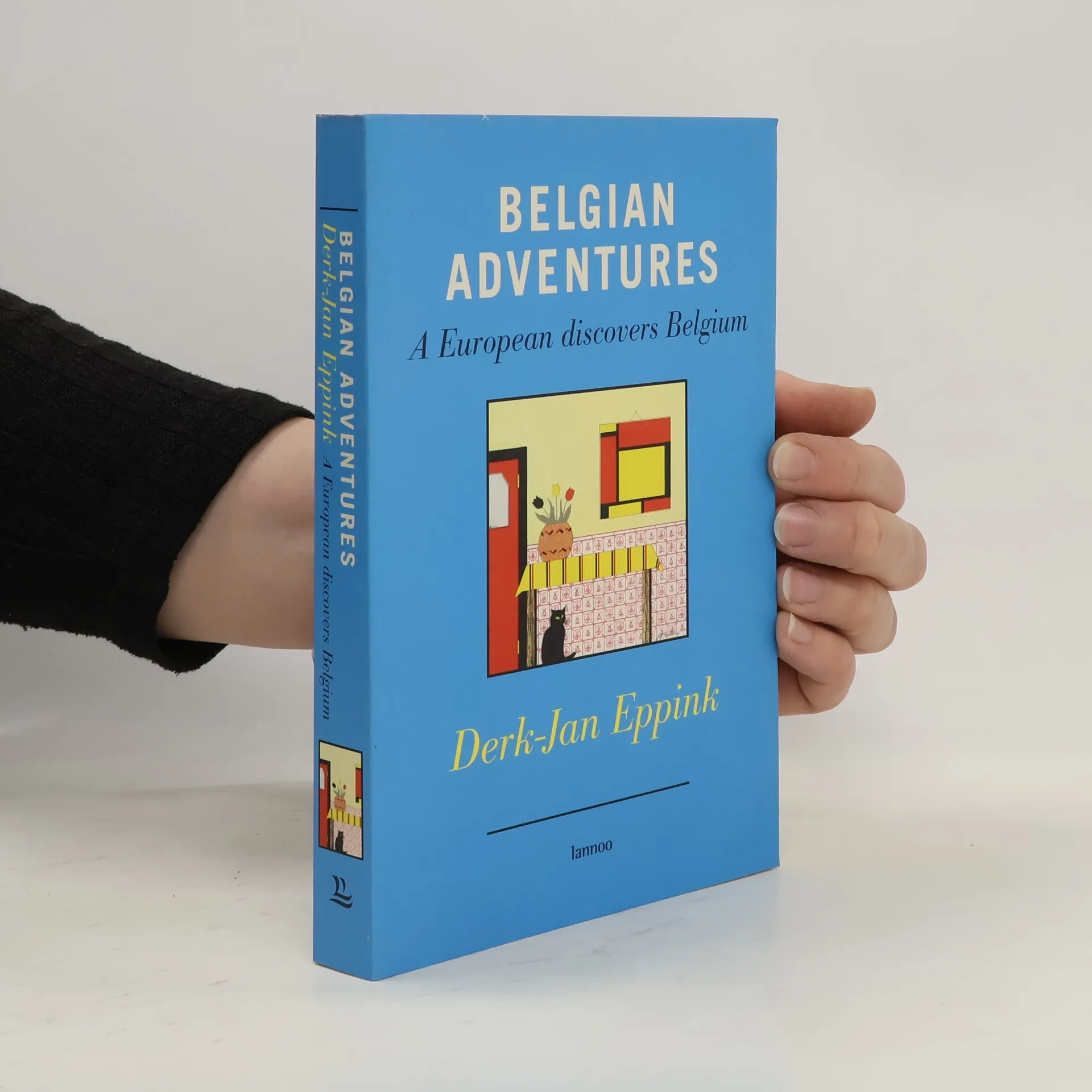
Almost forty years ago, the Flemish publisher Lannoo asked Godfried Bomans to write a book about Flanders. In 1967, "Denkend aan Vlaanderen" was published. Lannoo wanted to repeat this exercise and asked Derk Jan Eppink, a former journalist and collaborator of European Commissioner Frits Bolkestein, to describe his experiences in Belgium and Flanders with a wink and a nod. This resulted in the book "Adventures of a NetherBelgian," which was presented in Brussels at the end of May 2004. Eppink, a student of Professor I.A. Diepenhorst and having worked for eight years at NRC Handelsblad, recounts how he, as a Achterhoeker, first had to be accepted by the Dutch. The Dutch are direct and have an opinion on everything. They think they can do anything but often do not recognize their own limitations. He then moved to Belgium to describe Belgian politics from the inside for the Flemish newspaper De Standaard. He learned how the Belgians enjoy good food, live spaciously, and think in a Catholic manner. As the first Dutchman in Belgian politics since 1830, he inspected lands on horseback with parliamentary president Herman De Croo and held numerous reconciliation lunches with Guy Verhofstadt. He even attended receptions at the Belgian royal palace and was approached by both Freemasonry and Opus Dei to become a member. Rarely has a Dutchman become so entangled in Belgian scenes...
Derk Jan Eppink Books
This author explores the intersection of journalism, politics, and European policy through their multifaceted career. Their writing delves into the complexities of governance and public service, offering unique insights shaped by firsthand experience. With a background spanning governmental roles and political engagement, their work provides a distinctive perspective on the challenges and opportunities within the European landscape. Readers can expect a thoughtful examination of political structures and their impact.



Life of a European Mandarin
- 386 pages
- 14 hours of reading
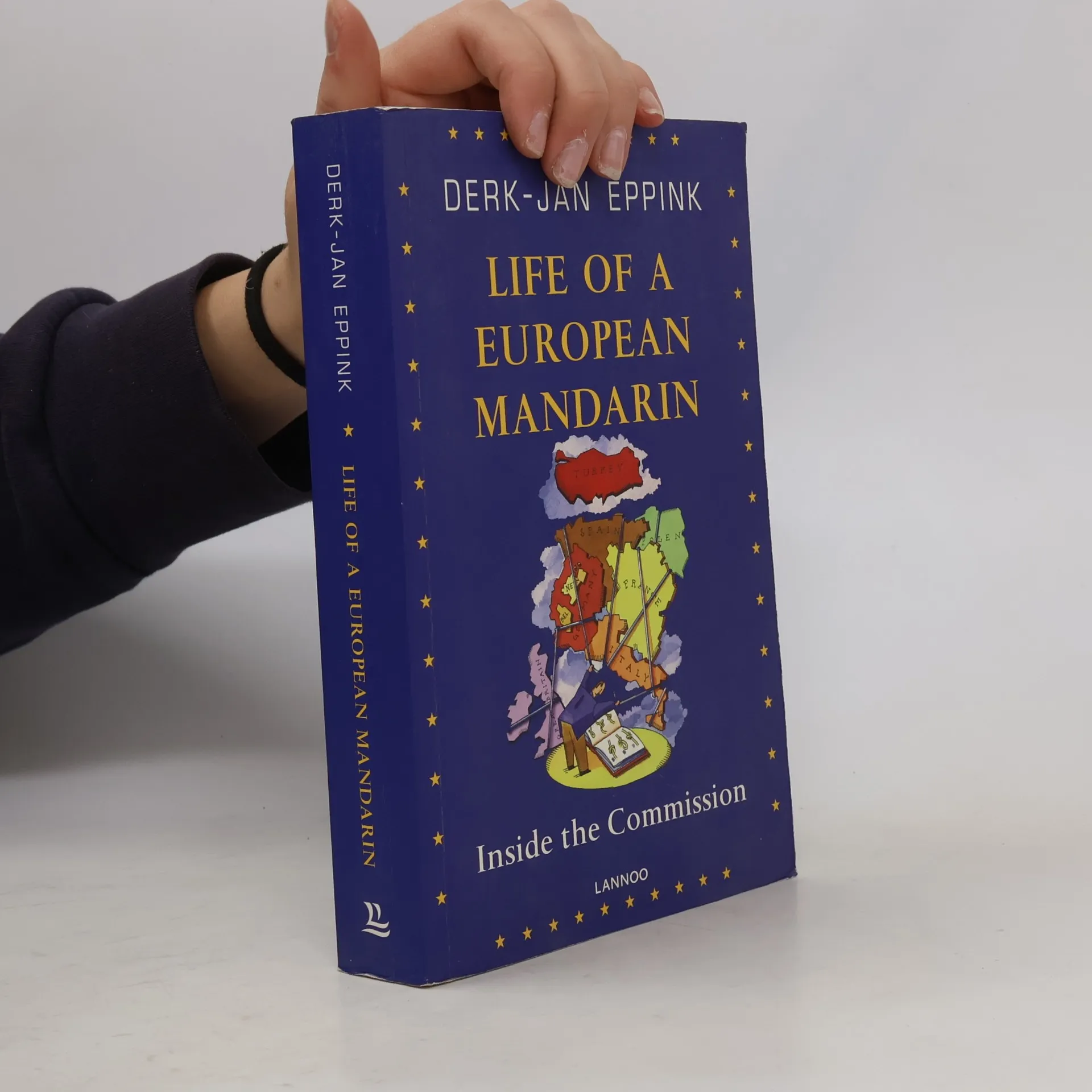
For more than seven years, Derk-Jan Eppink worked as a senior official behind the scenes in the European Commission. The Commission is not well-known to the general public, but makes decisions which affect the daily lives of almost half a billion Europeans. Now that he has left the Commission to take up a new job in New York, Eppink looks back on his time in Europe. Eppink's book gives the reader a rare and ironic glimpse of life in Europe's corridors of power. In his inimitable style, he sketches a portrait of the 'European Mandarins', the European Commission's senior administrators, of whom a German Euro-Commissioner recently said 'they have too much power and are too little controlled'.
Empire of Little Kings
- 293 pages
- 11 hours of reading
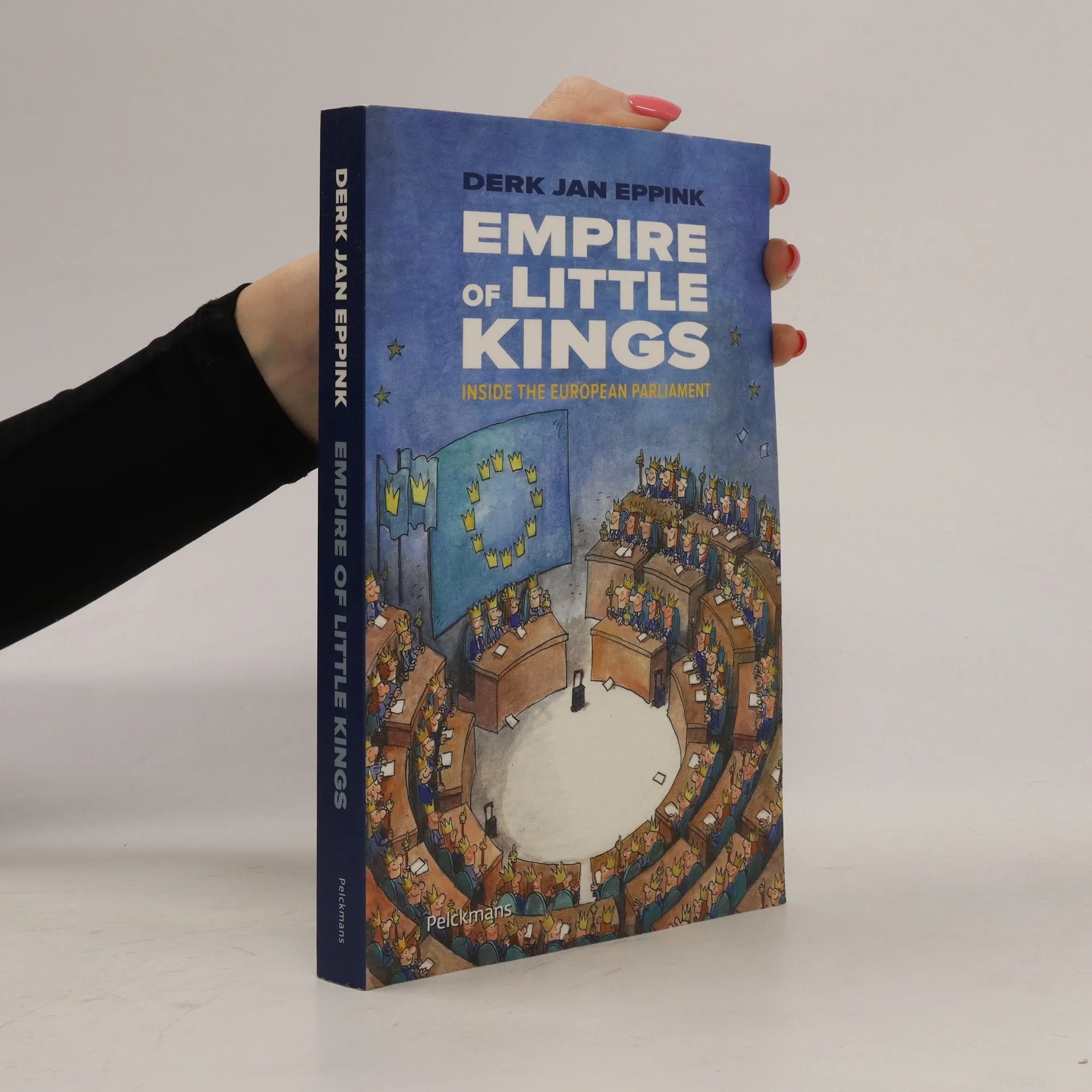
As a prominent expert on Europe, former Member of the European Parliament Derk Jan Eppink describes in detail the workings of European institutions. He analyzes the euro crisis and addresses the challenges facing the European Union in general and European democracy in particular. How representative is the European Parliament? For the first time, we learn why some European party leaders wanted to impose 'sanctions' against the Netherlands. The influence of mistresses, backroom dealings, and compensation are also discussed. This informative and revealing book covers every aspect of daily life in the European bubble.
De stille kracht van taal
Over de wederzijdse beïnvloeding van het Nederlands en het Indonesisch
- 132 pages
- 5 hours of reading
Dutch
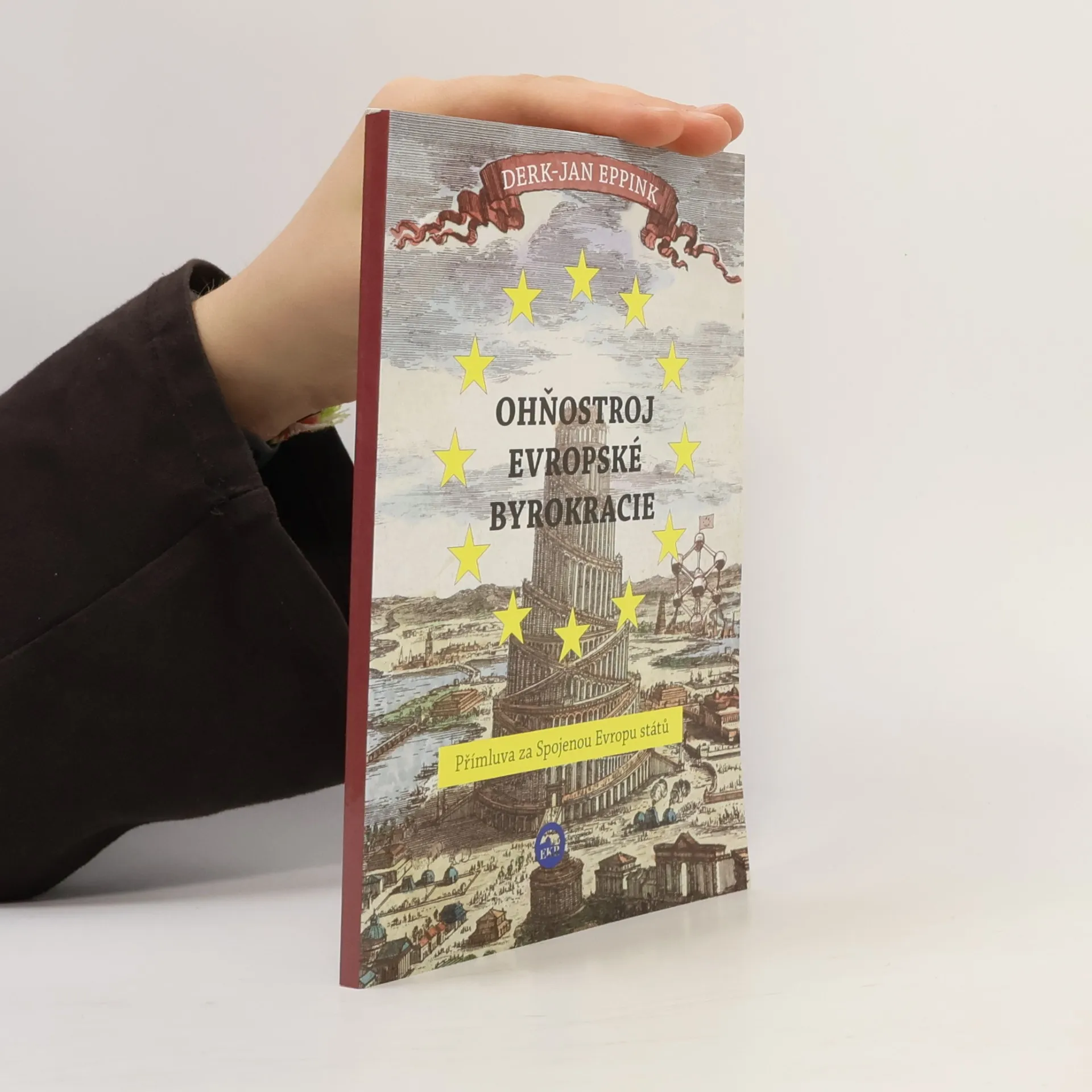
Život evropského mandarína
- 363 pages
- 13 hours of reading
Pokud se Vám líbí televizní seriál "Jistě pane ministře", tak si nemůžete nechat tuto knihu ujít. Autor podobným způsobem popisuje historky ze života institucí EU. V knize najdete například toto: "Úkolem úředníka v Evropské komisi je chránit komisaře před okolním světem a někdy před ním samým." Derk-Jan Eppink, autor této knihy, je snad největším znalcem všech zákoutí Evropské unie z celé naší frakce ECR. Pracoval léta v kabinetu hned dvou eurokomisařů, dnes je poslancem Evropského parlamentu. V knížkách, které o EU píše, se umí kriticky podívat do detailů soukolí celého evropského stroje, popsat jeho praktické fungování, včetně všech nedostatků. To je nesmírně důležité v době, kdy většina publikací o EU je opačného vyznění – je zatížena pouze teoretickým pohledem, protože vzniká zpravidla u „zeleného stolu“ různých kateder či ústavů evropských studií tam či onde.