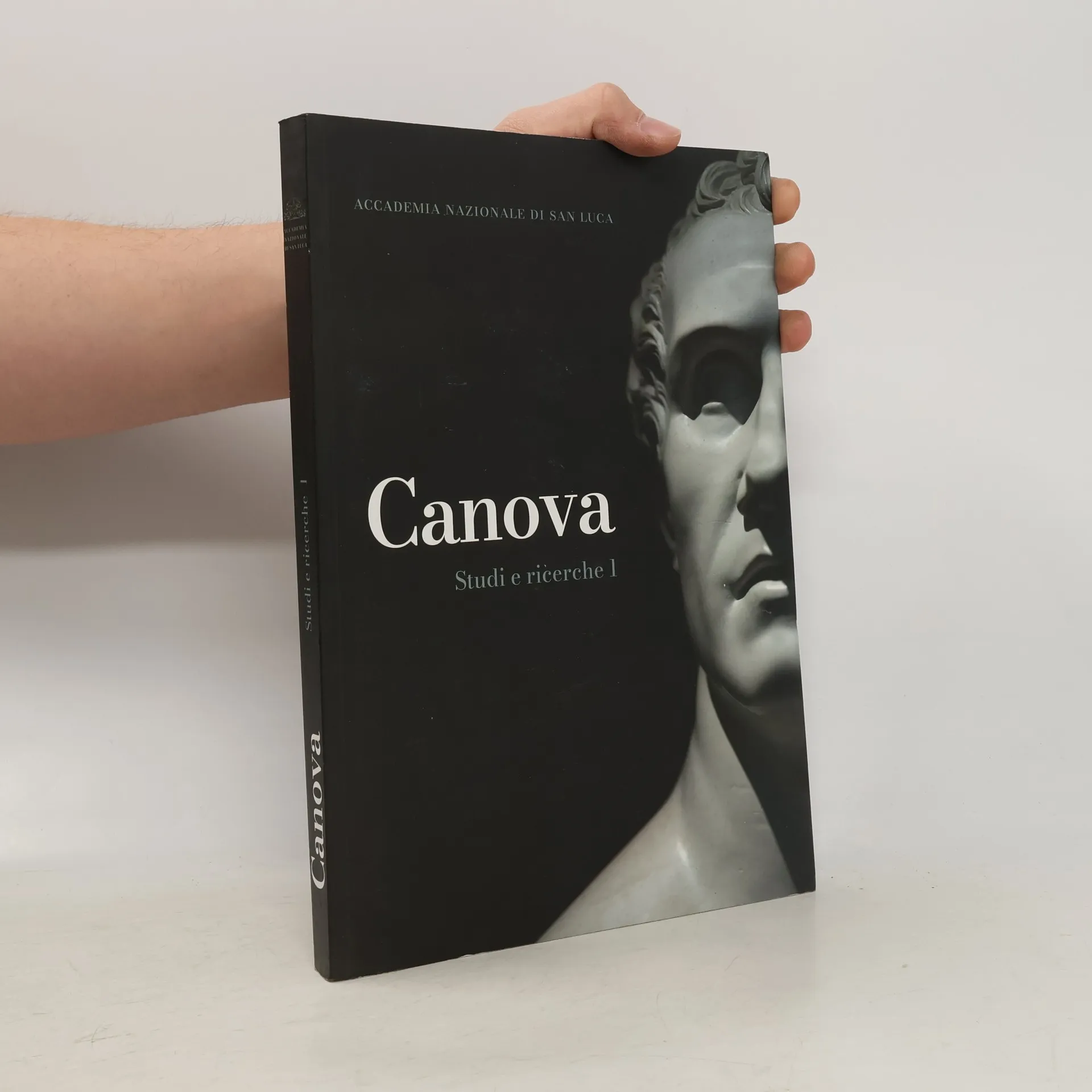
Accademia Nazionale di San Luca - 1: Canova
Studi e ricerche


Claudio Strinati is an Italian art historian and public administrator dedicated to the popularization of art history. His work focuses on fostering a deeper understanding of artworks and their historical contexts. Strinati delves into art to uncover its hidden meanings and connect it to contemporary society. His approach offers readers a fresh perspective on art and its enduring impact.
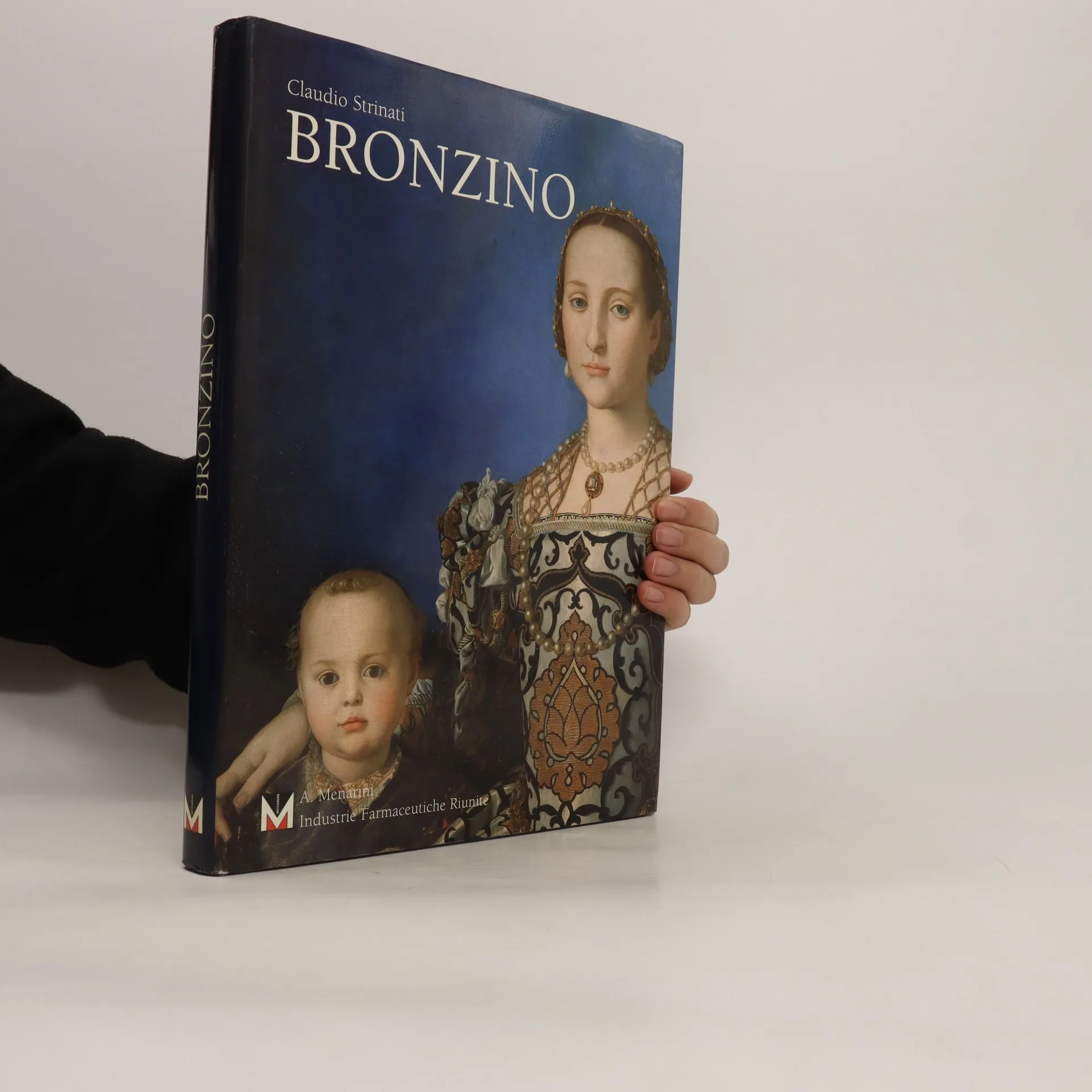
Studi e ricerche
Die Epoche der italienischen Renaissance hat die Jahrzehnte des 15. und 16. Jahrhunderts in der Kunst- und Menschheitsgeschichte bedeutend gemacht und Kunstwerke großer Schönheit hervorgebracht. Der großformatige Band bietet dem Leser die Möglichkeit, die Kunst von Leonardo da Vinci, Raffael und Michelangelo durch die in Italien erhaltenen Meisterwerke zu entdecken und entführt so auf eine spannende Reise durch das Land. Das Buch bietet mit großformatigen Fotografien einen eindringlichen und einfühlsamen Blick auf die vielfältige und für Europa so bedeutsame Kunst der italienischen Renaissance, die in Italien, in seinen Kirchen und Museen bewahrt wird – mitunter auch an Orten, die weniger berühmt und bekannt sind.
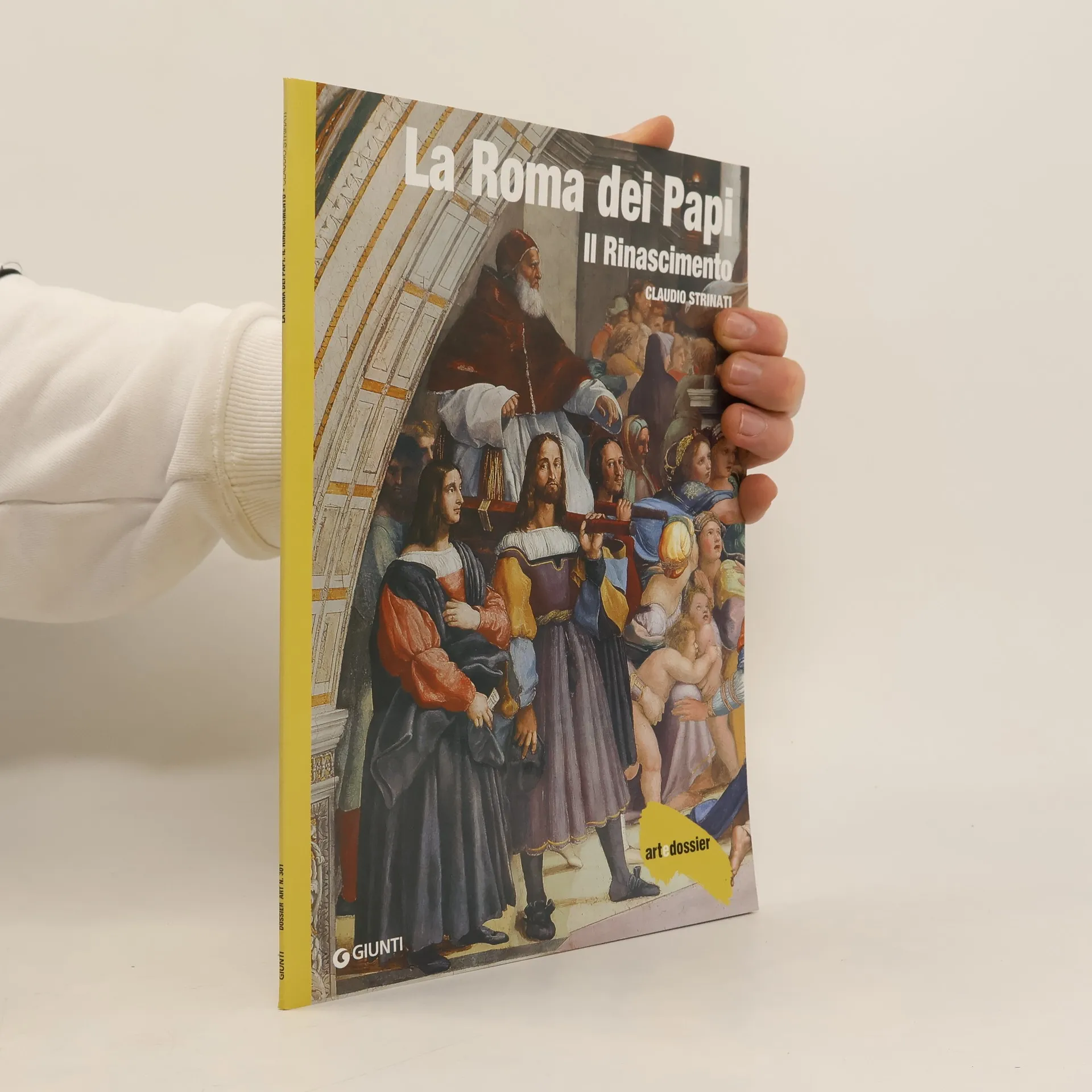
Un dossier dedicato alla Roma dei Papi nel Rinascimento. In sommario: La rinascita della città papale; L'impresa della Cappella Sistina; Michelangelo e i suoi papi; Raffaello, il perfetto ''cortigiano''. Come tutte le monografie della collana Dossier d'art, una pubblicazione agile, ricca di belle riproduzioni a colori, completa di un utilissimo quadro cronologico e di una ricca bibliografia.
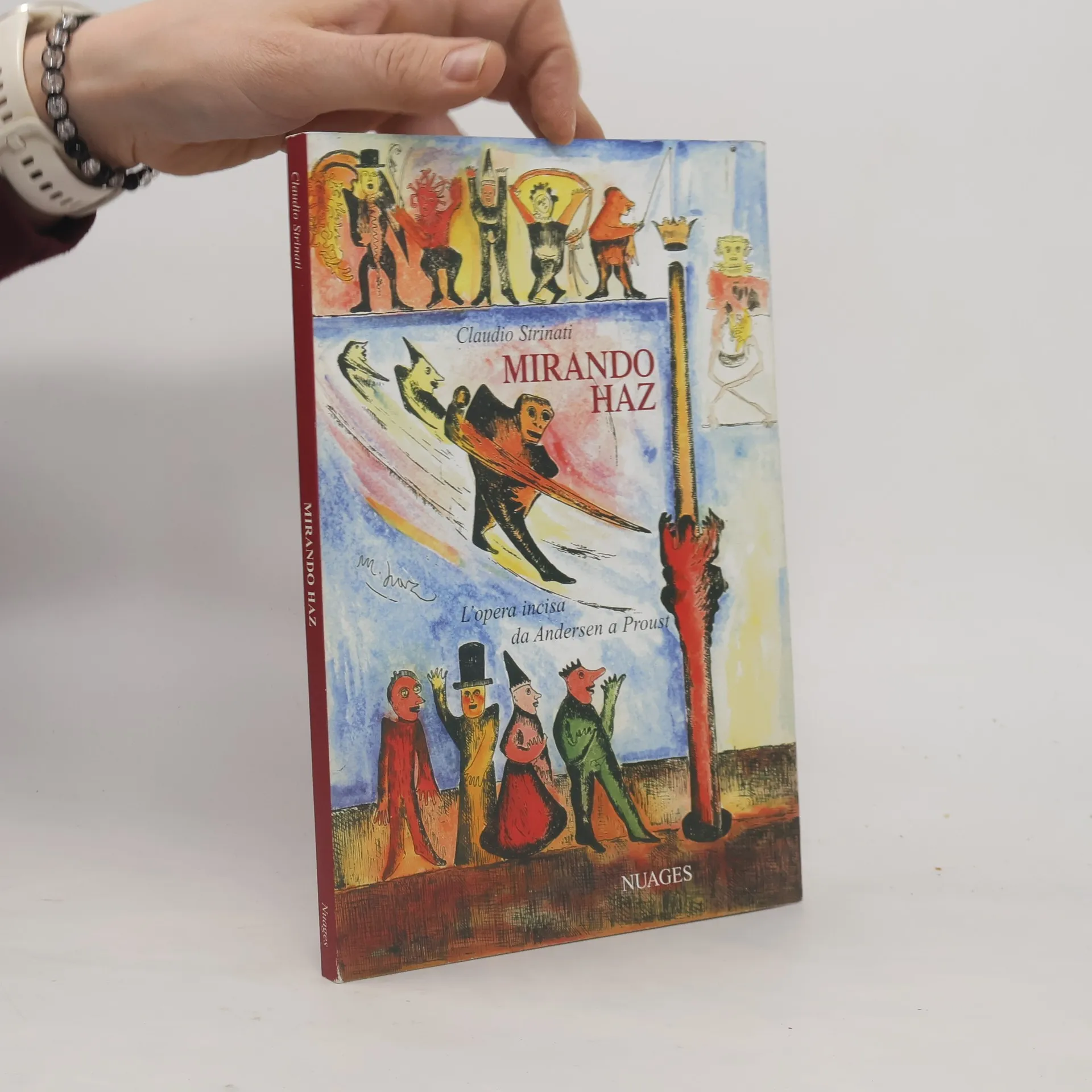
L'opera incisa da Andersen a Proust disegni, acquerelli
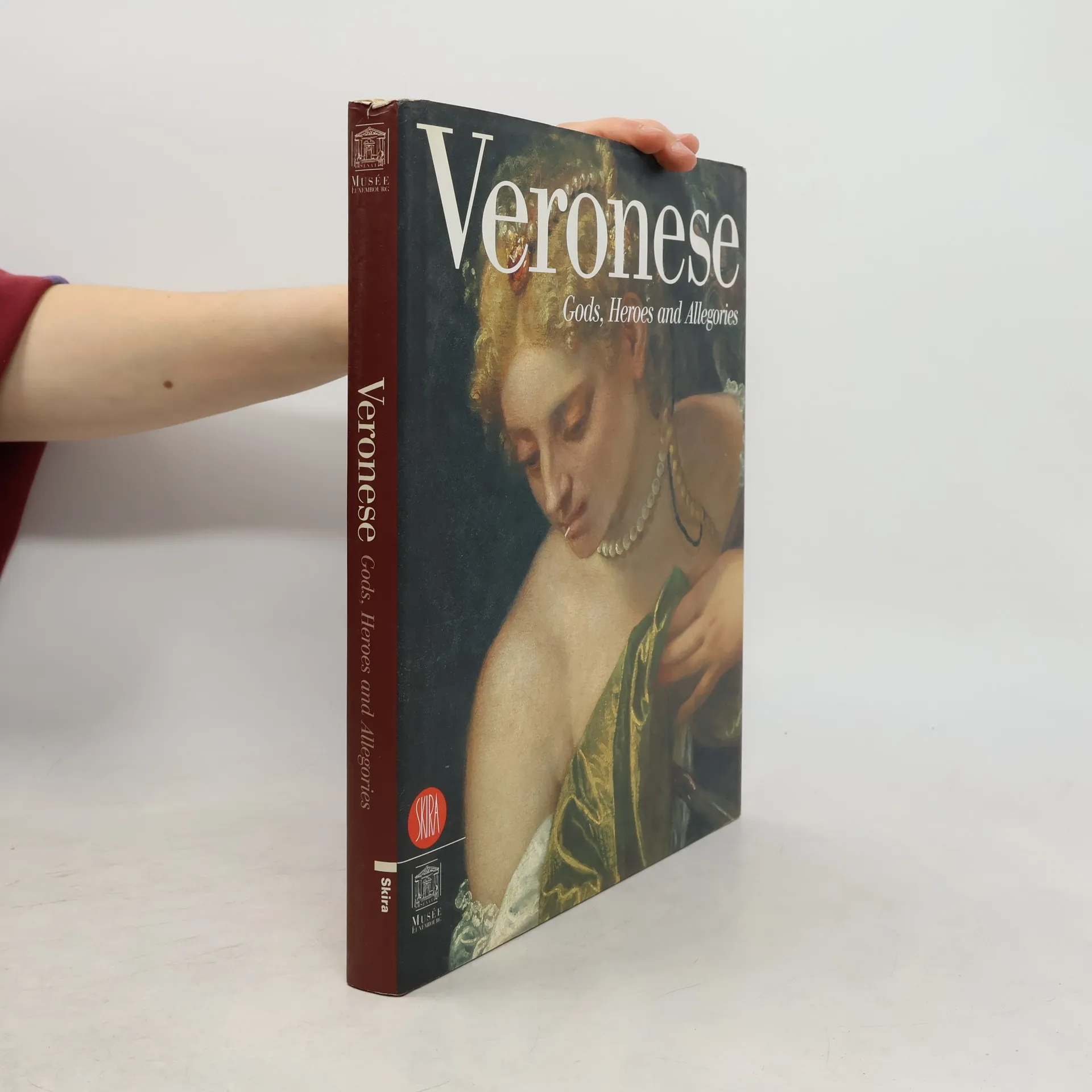
Paolo Caliari-better known as Veronese-is the "profane" painter par excellence. Veronese gave expression to a secular and progressive vision that brought him into direct collision with the Church hierarchy, prefiguring the collision of the academy and modern art. This catalog brings together a series of paintings by the 16th-century Italian artist emphasizing the spectacular in Veronese's work which in turn reveals multiple facets of Venetian life.This sumptuous catalogue from the Musée du Luxembourg exhibition aims to underline the profane aspect of the artist, leaving aside religious works and altarpieces. His paintings of Biblical subjects are not actually excluded, for Veronese approached Holy Scripture and mythology in the same spirit, bringing out the emotional aspects of the Bible rather than the symbolic and didactic as other Venetian artists of his time did.In this richly illustrated volume, Veronese can be seen as the quintessence of the classicism that exalted drawing and color, magnificence and quality, that aimed to organize the episodes from mythology and the Bible in a grandiose manner, and to bring out the profound self-awareness of the subjects of his portraits.
From the Collections of the Galleria Nazionale d'Arte Antica in Palazzo Barberini, Rome. Catalogo della mostra
English, Italian