Roger Luckhurst Book order (chronological)


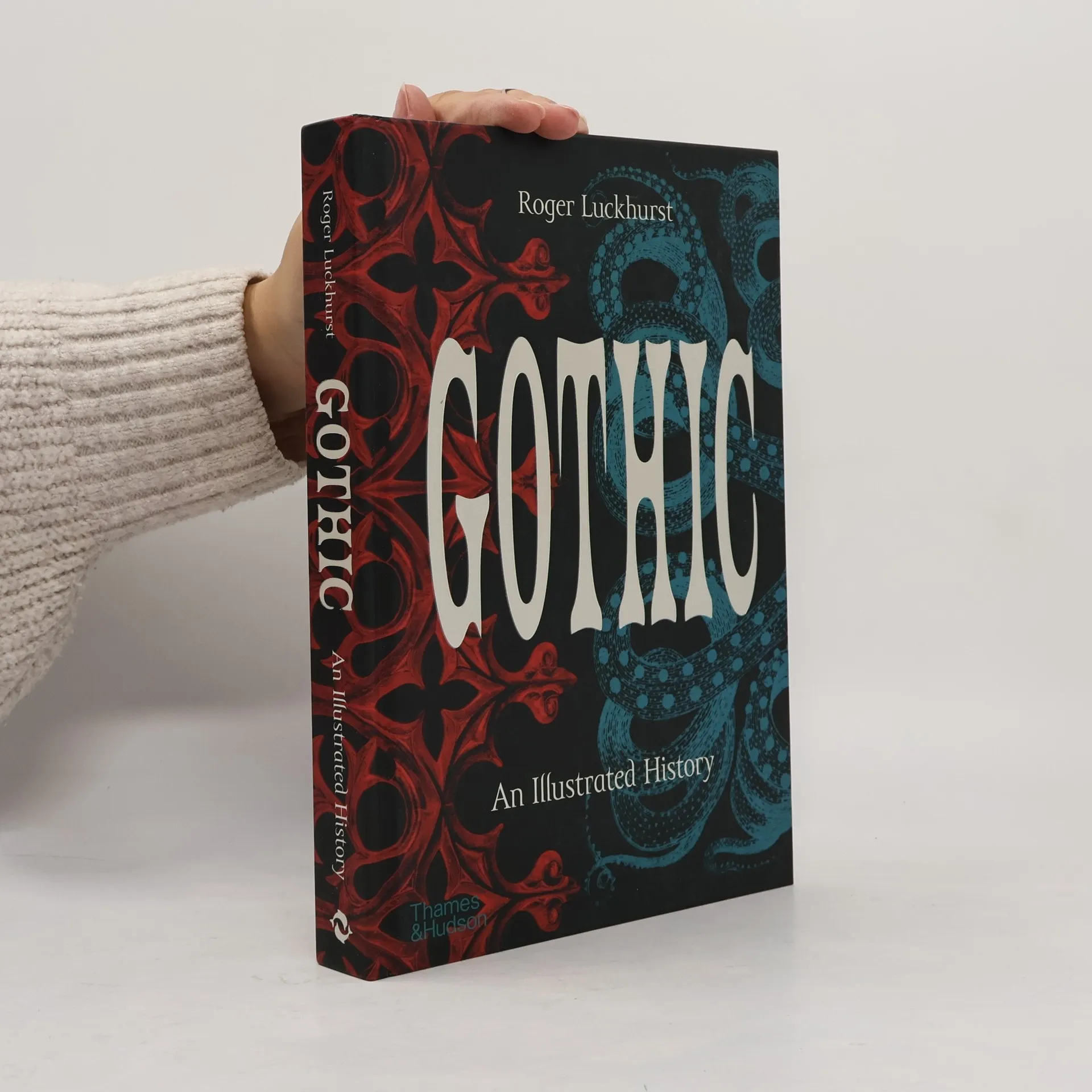
Gothic. An illustrated history
- 288 pages
- 11 hours of reading
Crumbling ruins, undead fiends, dark alleys and forests teeming with horrors seen and unseen: the tendrils of the Gothic have crept out of the architecture of churches, mosques and grand houses and into suburban malls, overcrowded cities, the deserted corners of the world and beyond, taking the shape of monsters from Beowulf to Gojira, Cthulhu or the wendigo to our own terrifying, warped reflections. Across time, form and media, this book traces the weaving path of the Gothic from the shadows of history to the very heart of popular culture today. With over 350 illustrations
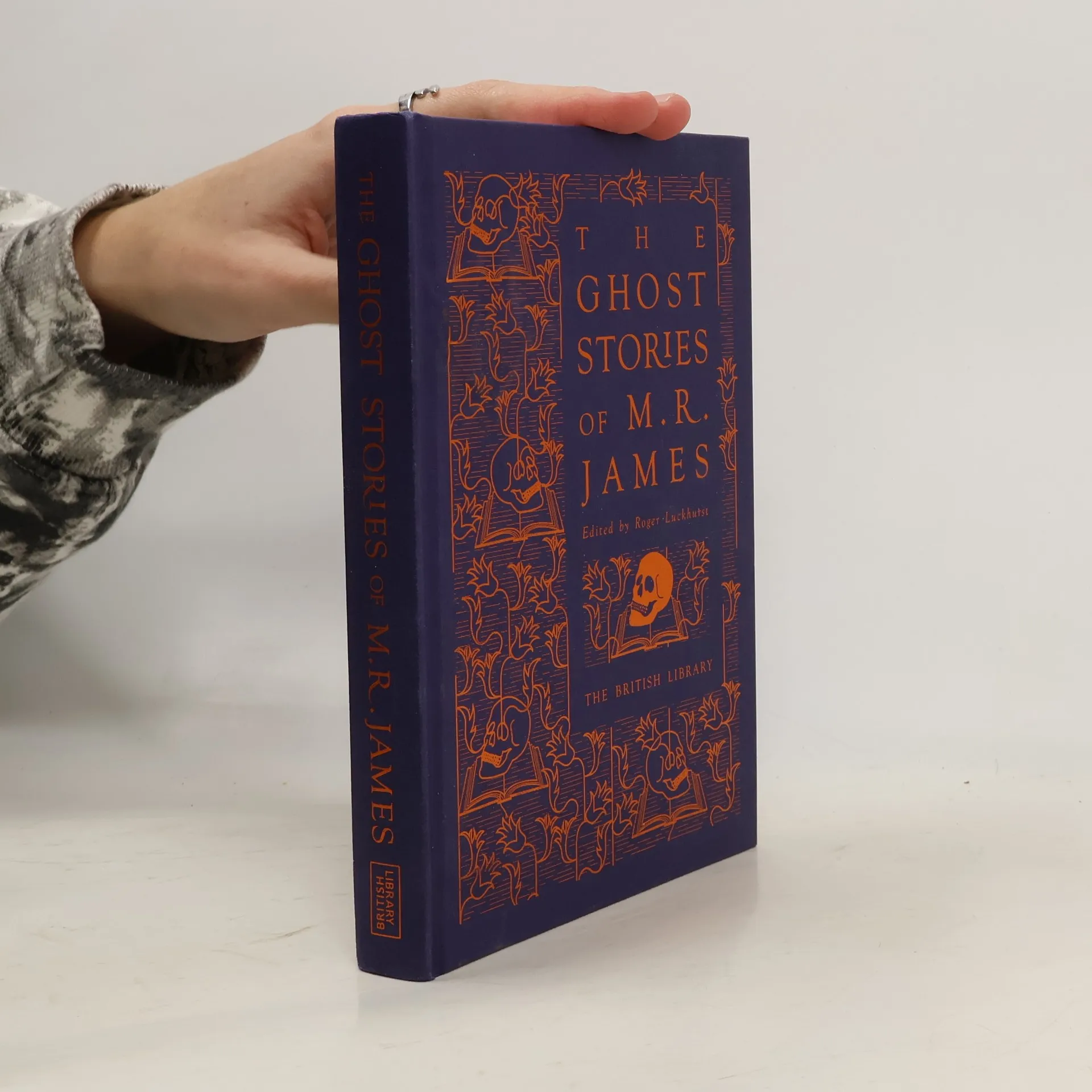
The Ghost Stories of M. R. James
- 208 pages
- 8 hours of reading
The second in a series of republished classic literature, The Ghost Stories of M. R. James collects the tales that best illustrate his quiet mastery of the ghost story form.
Alien
- 96 pages
- 4 hours of reading
Alien, that legendary fusion of science fiction and horror, was born out of a terrible monster movie script called Star Beast. Tracing the constellation of talents that came together to produce the film, this book explores how and why this interstellar slasher movie, this old dark house in space, came to coil itself around our darkest imaginings.
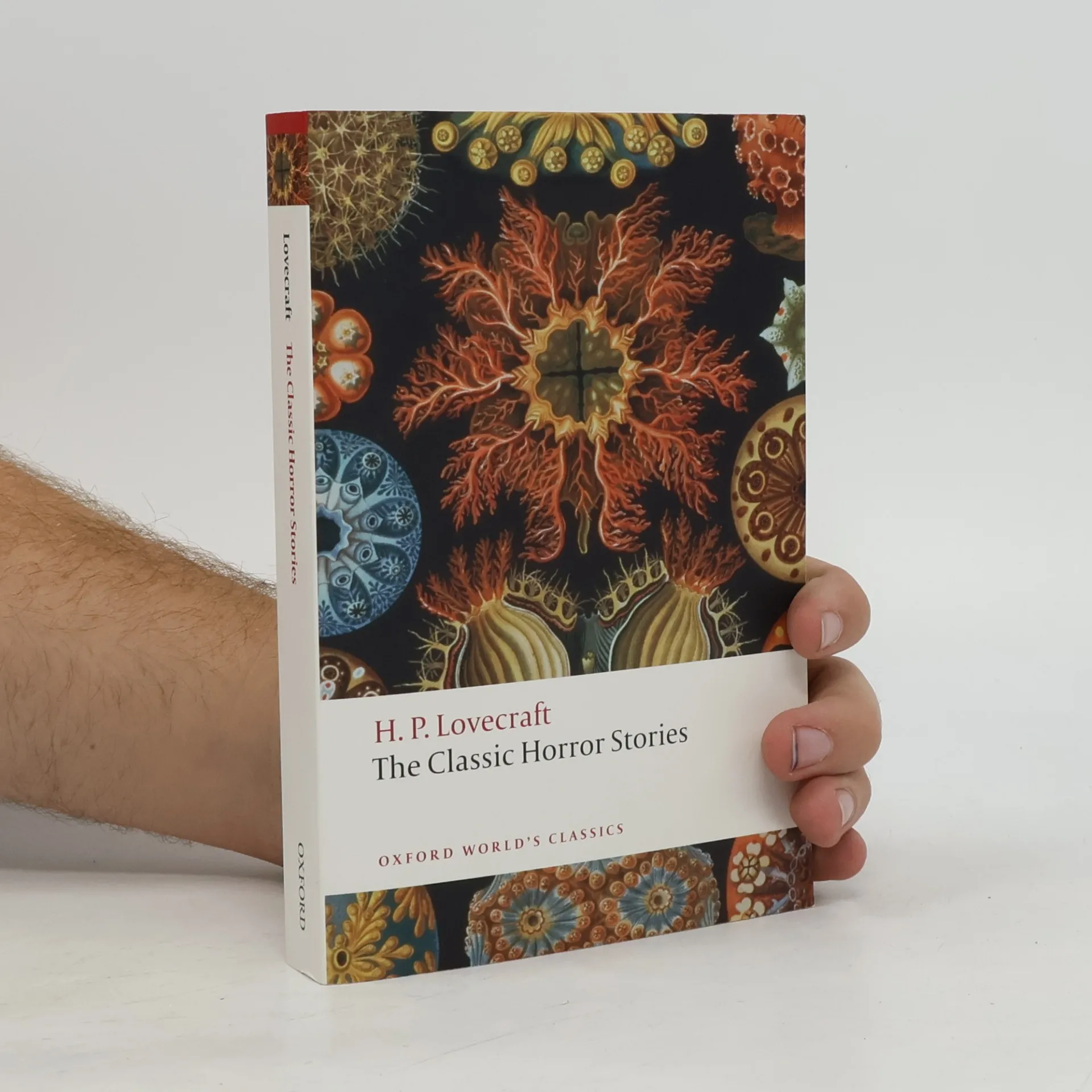
The Classic Horror Stories
- 528 pages
- 19 hours of reading
H. P. Lovecraft (1890-1937) was a reclusive scribbler of horror stories for the American pulp magazines that specialized in Gothic and science fiction in the interwar years. He often published in Weird Tales and has since become the key figure in the slippery genre of "weird fiction." Lovecraft developed an extraordinary vision of feeble men driven to the edge of sanity by glimpses of malign beings that have survived from human prehistory or by malevolent extra-terrestrial visitations. The ornate language of his stories builds towards grotesque moments of revelation, quite unlike any other writer. This new selection brings together nine of his classic tales, focusing on the "Cthulhu Mythos," a cycle of stories that develops the mythology of the Old Ones, the monstrous creatures who predate human life on earth. It includes the Introduction from Lovecraft's critical essay, "Supernatural Horror in Literature," in which he gave his own important definition of "weird fiction." In a fascinating contextual introduction, Roger Luckhurst gives Lovecraft the attention he deserves as a writer who used pulp fiction to explore a remarkable philosophy that shockingly dethrones the mastery of man.
Dracula has been attributed to many literary genres including vampire literature, horror fiction, the gothic novel and invasion literature. Structurally it is an epistolary novel, that is, told as a series of diary entries and letters. Literary critics have examined many themes in the novel, such as the role of Victorian culture, conventional and conservative women sexuality, immigration, colonialism, postcolonialism and folklore. Although Stoker did not invent the vampire, the novel's influence on the popularity of vampires has been singularly responsible for many theatrical and film interpretations throughout the 20th and 21st centuries.
The Trauma Question
- 246 pages
- 9 hours of reading
This book explores the interconnected fields of cultural memory and trauma studies, delving into how collective memories shape identities and influence societal narratives. It examines the impact of trauma on communities and individuals, offering insights into the ways memories are preserved, transformed, and communicated across generations. Through a multidisciplinary approach, it addresses the implications of cultural memory in understanding historical events and their lasting effects on society.
Dr Jekyll and Mr Hyde
- 80 pages
- 3 hours of reading
"Strange Case of Dr Jekyll and Mr Hyde is the original title of a novella written by the famous Scottish author Robert Louis Stevenson that was first published in 1886. The work is commonly known today as The Strange Case of Dr Jekyll and Mr Hyde, Dr Jekyll and Mr Hyde, or simply Jekyll & Hyde. It is about a London lawyer named John Gabriel Utterson who investigates strange occurrences between his old friend, Dr Henry Jekyll, and the evil Edward Hyde."--Amazon.com viewed Feb. 6, 2024.