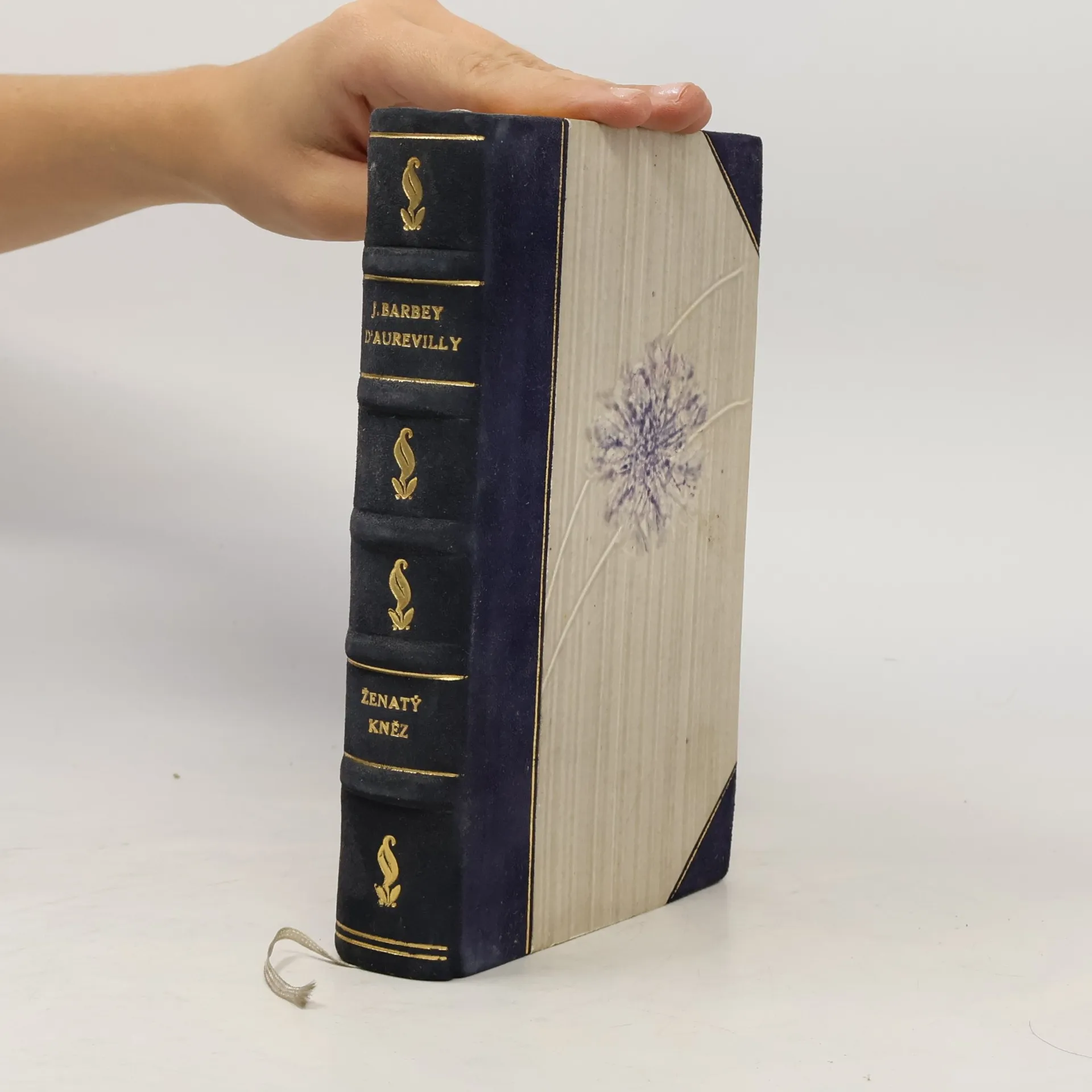
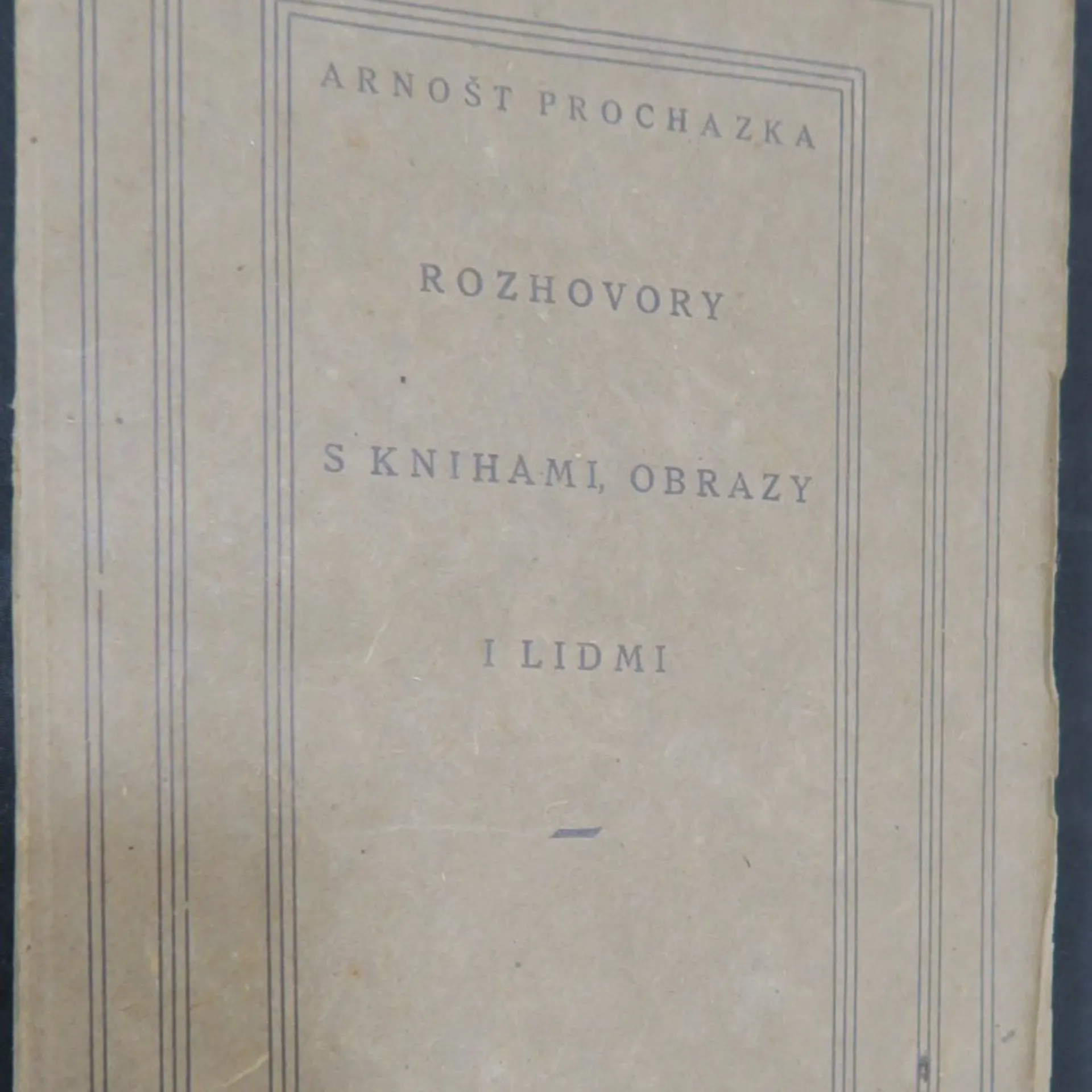
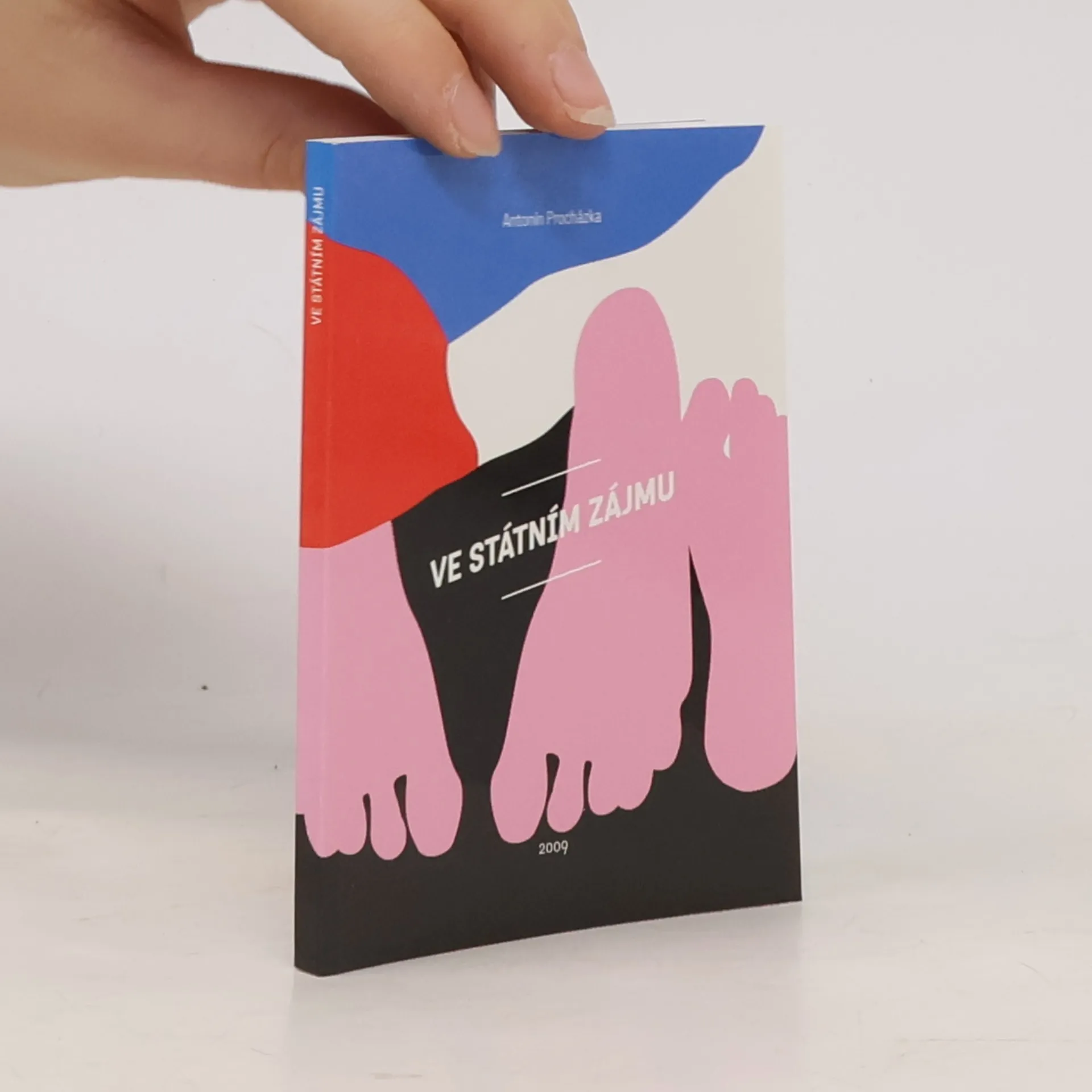
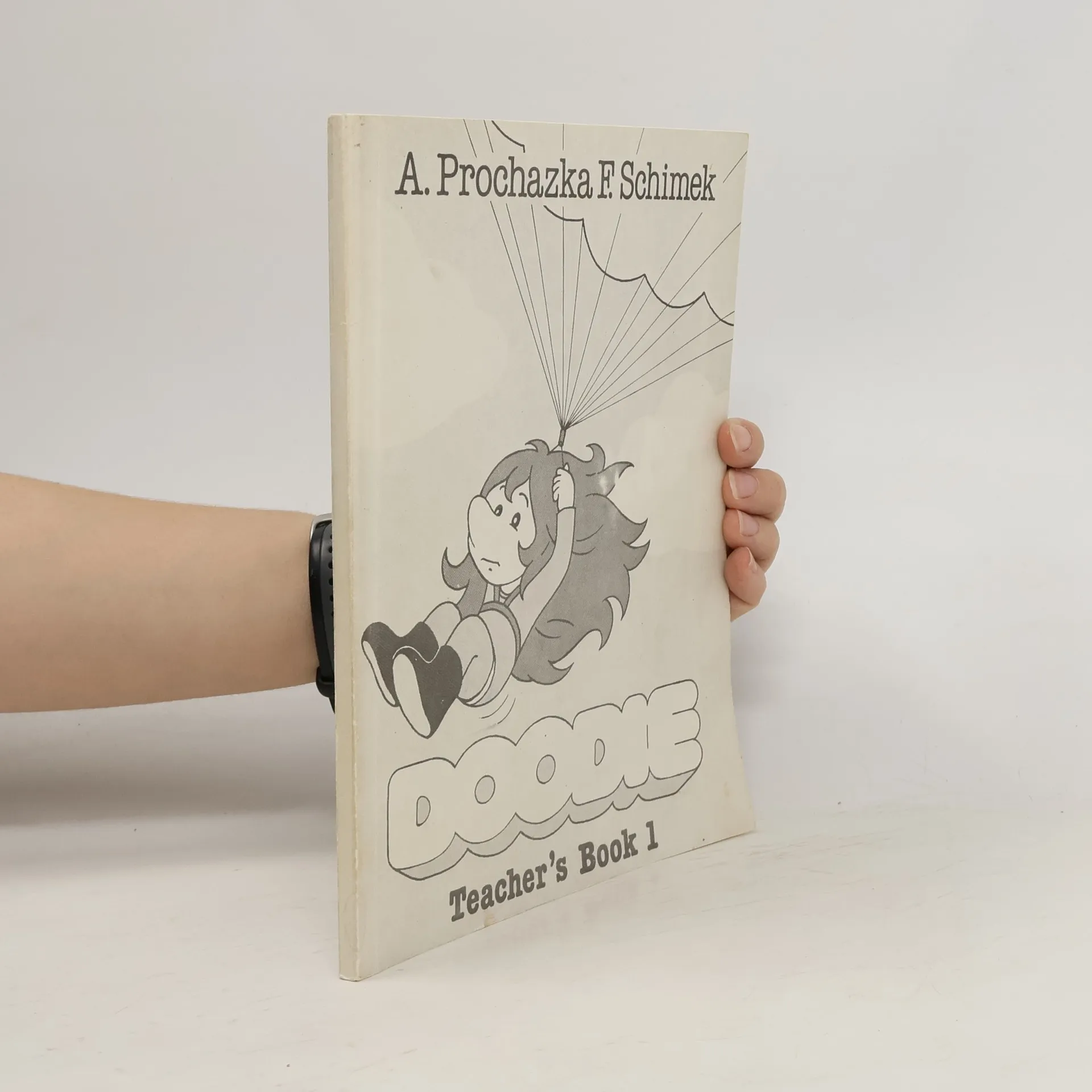
Arnošt Procházka Books
- Rudolf Bláha
- T. A.
- Alois Navrátil
- Alap
- Leopold Pudlač
- Norbert Fomeš


Twilight of the Idols
- 124 pages
- 5 hours of reading
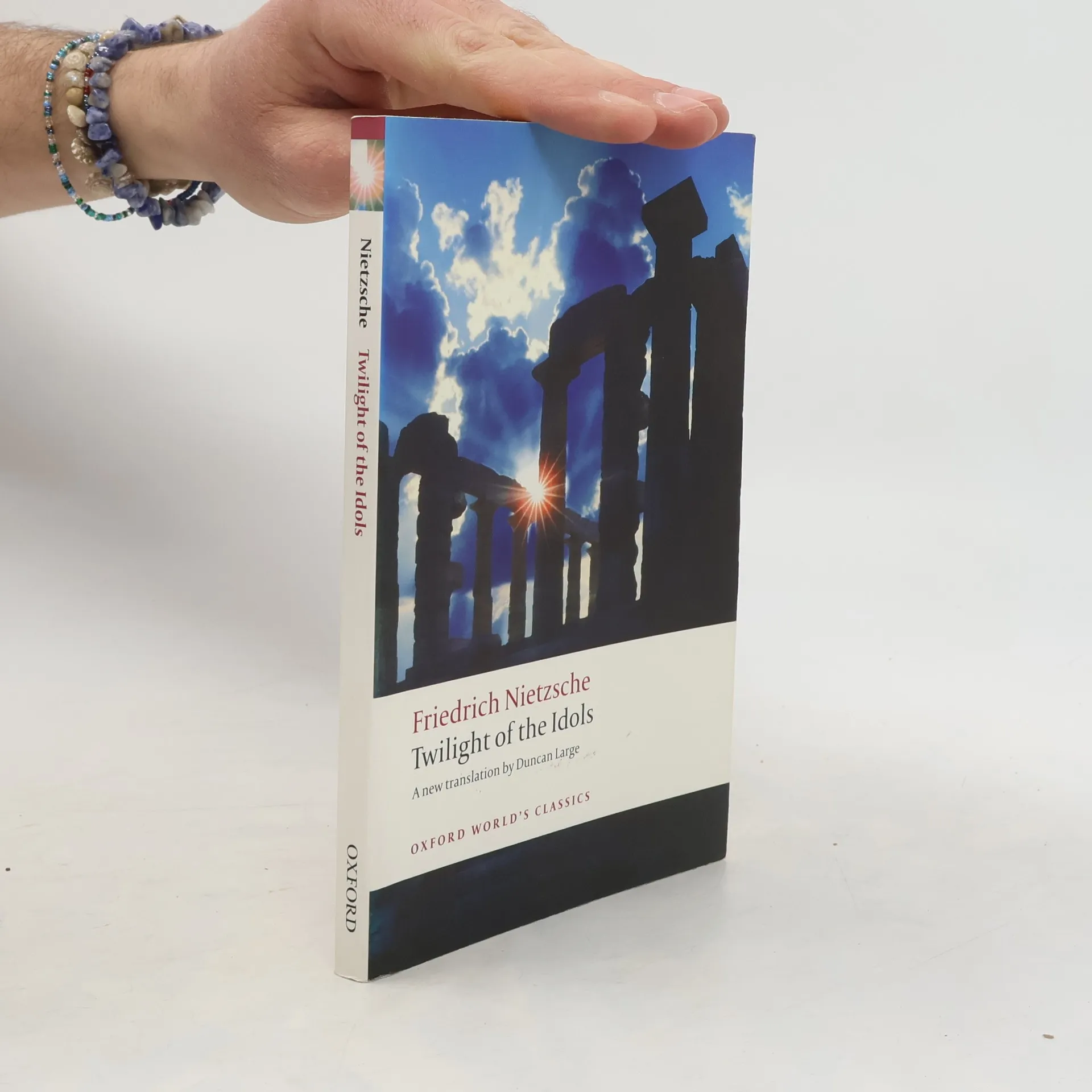
'Twilight of the Gods' was to serve as a short introduction to the whole of Nietzsche's philosophy and its aim was to attack eternal idols as he put it. These included socratic rationality, Christian morality and their contemporary counterparts.
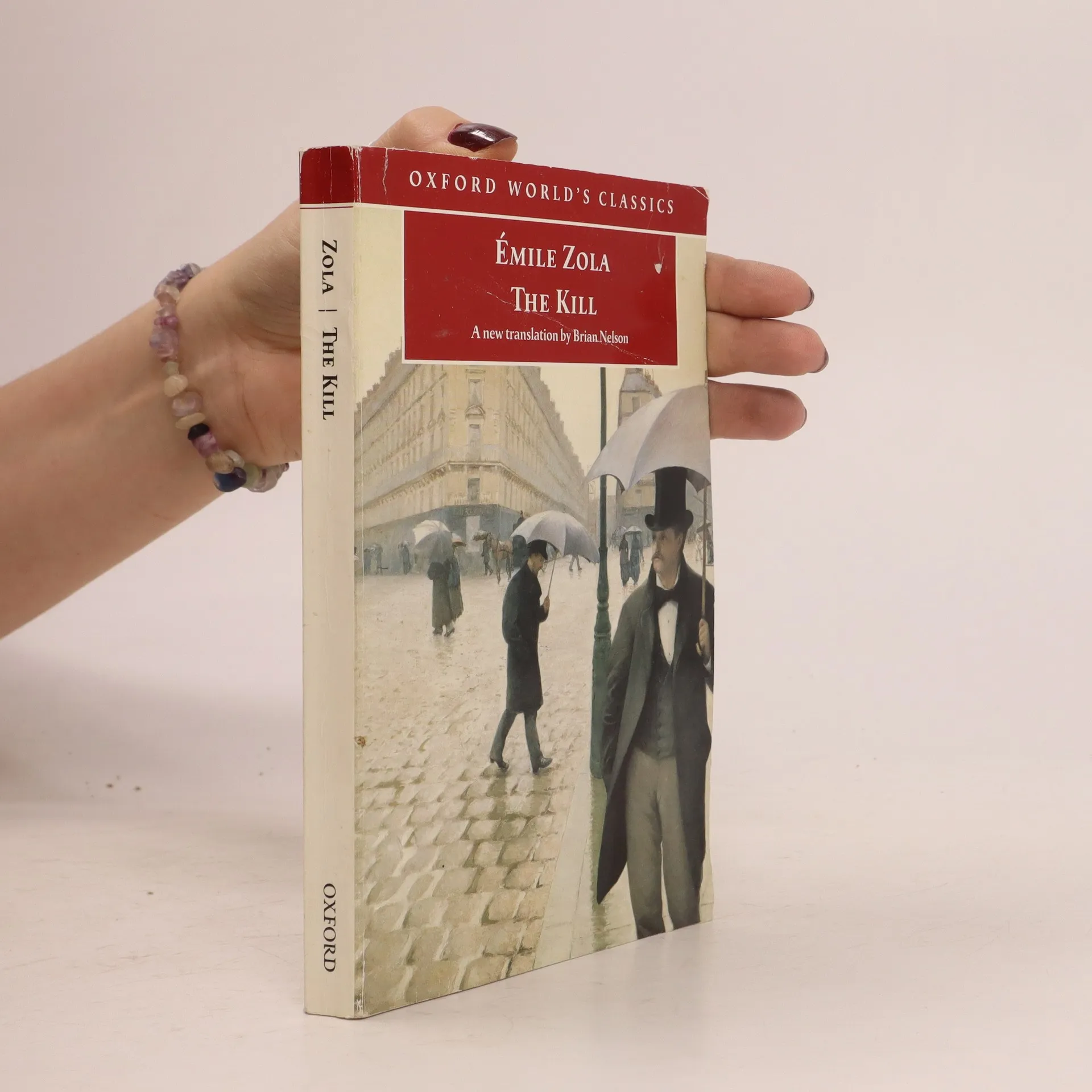
The Kill (La Curée) is the second volume in Zola's great cycle of twenty novels, Les Rougon-Macquart, and the first to establish Paris - the capital of modernity - as the centre of Zola's narrative world. Conceived as a representation of the uncontrollable 'appetites' unleashed by the Second Empire (1852-70) and the transformation of the city by Baron Haussmann, the novel combines into a single, powerful vision the twin themes of lust for money and lust for pleasure. The all-pervading promiscuity of the new Paris is reflected in the dissolute and frenetic lives of an unscrupulous property speculator, Saccard, his neurotic wife Renée, and her dandified lover, Saccard's son Maxime.
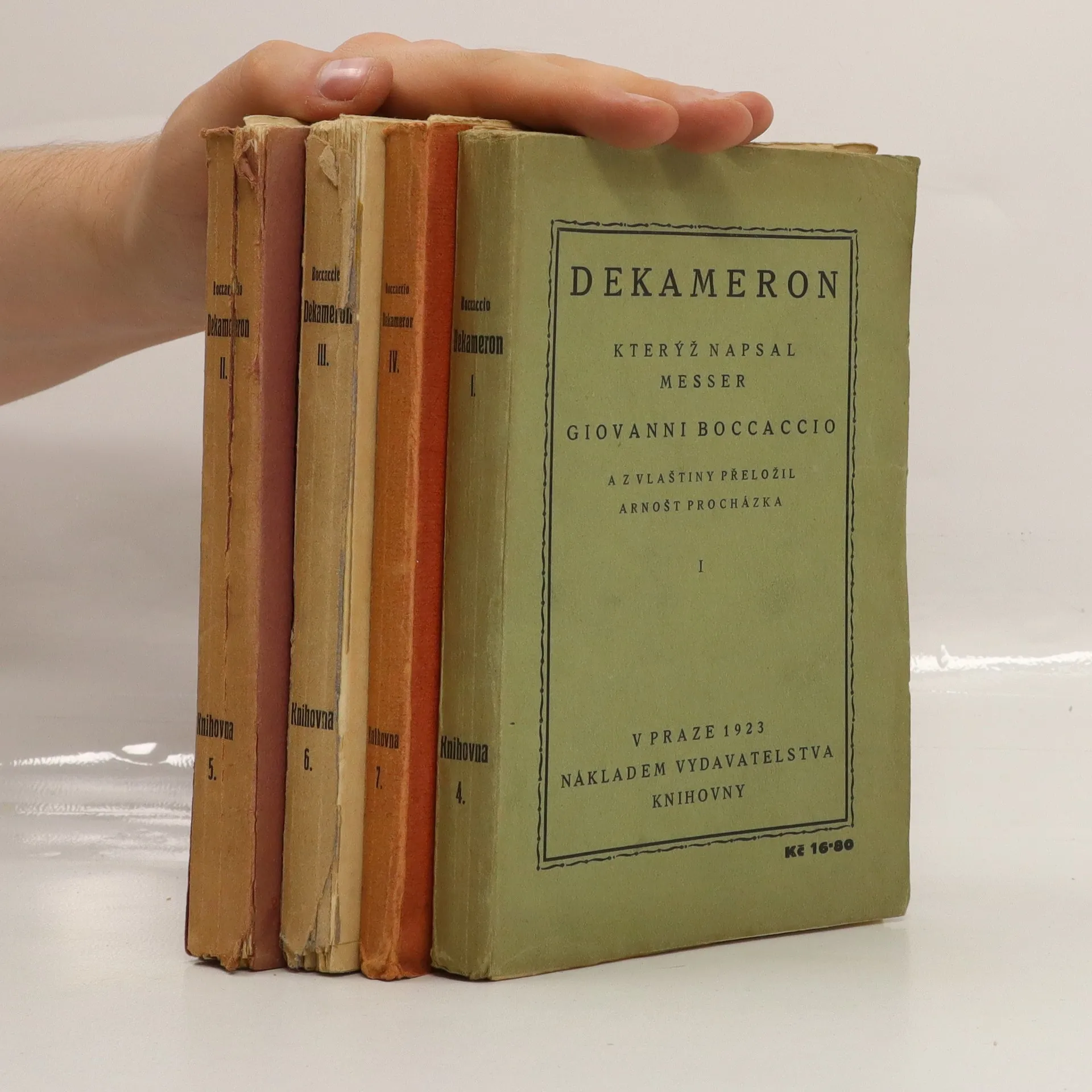
Naughty, bawdy and newly repackaged, this medieval masterpiece is set against the background of the Black Death of 1348. The hundred linked tales in Boccaccio's masterpiece are peopled by nobles, knights, nuns, pilgrims, thieves and lovers - both faithful and faithless.
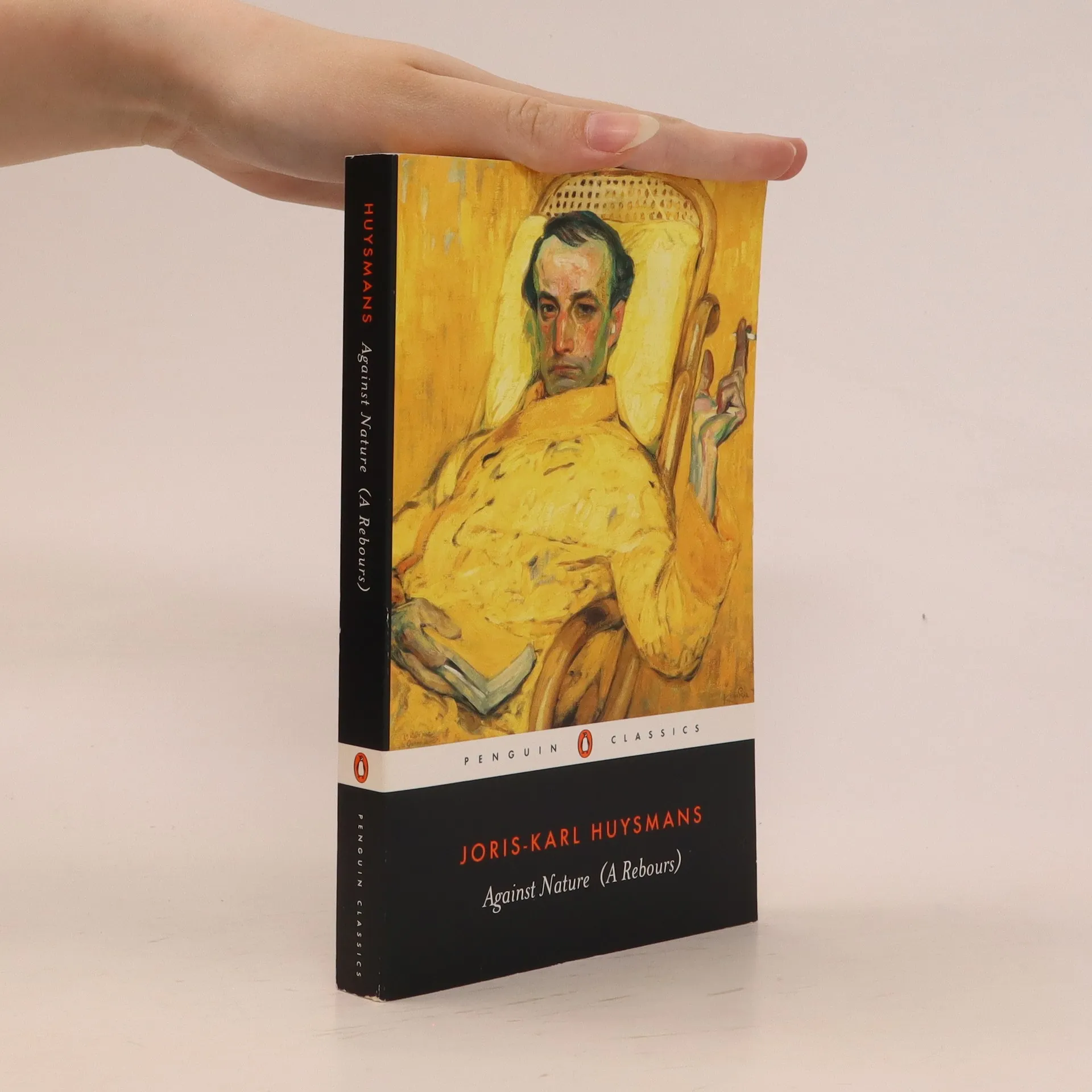
Against Nature (A Rebours)
- 288 pages
- 11 hours of reading
With a title translated either as Against Nature or as Against The Grain, this wildly original fin-de-siècle novel follows its sole character, Des Esseintes, a decadent, ailing aristocrat who retreats to an isolated villa where he indulges his taste for luxury and excess. Veering between nervous excitability and debilitating ennui, he gluts his aesthetic appetites with classical literature and art, exotic jewels (with which he fatally encrusts the shell of his tortoise), rich perfumes, and a kaleidoscope of sensual experiences. The original handbook of decadence, Against Nature exploded like a grenade (in the words of Huysmans) and has enjoyed a cult readership from its publication to the present day.
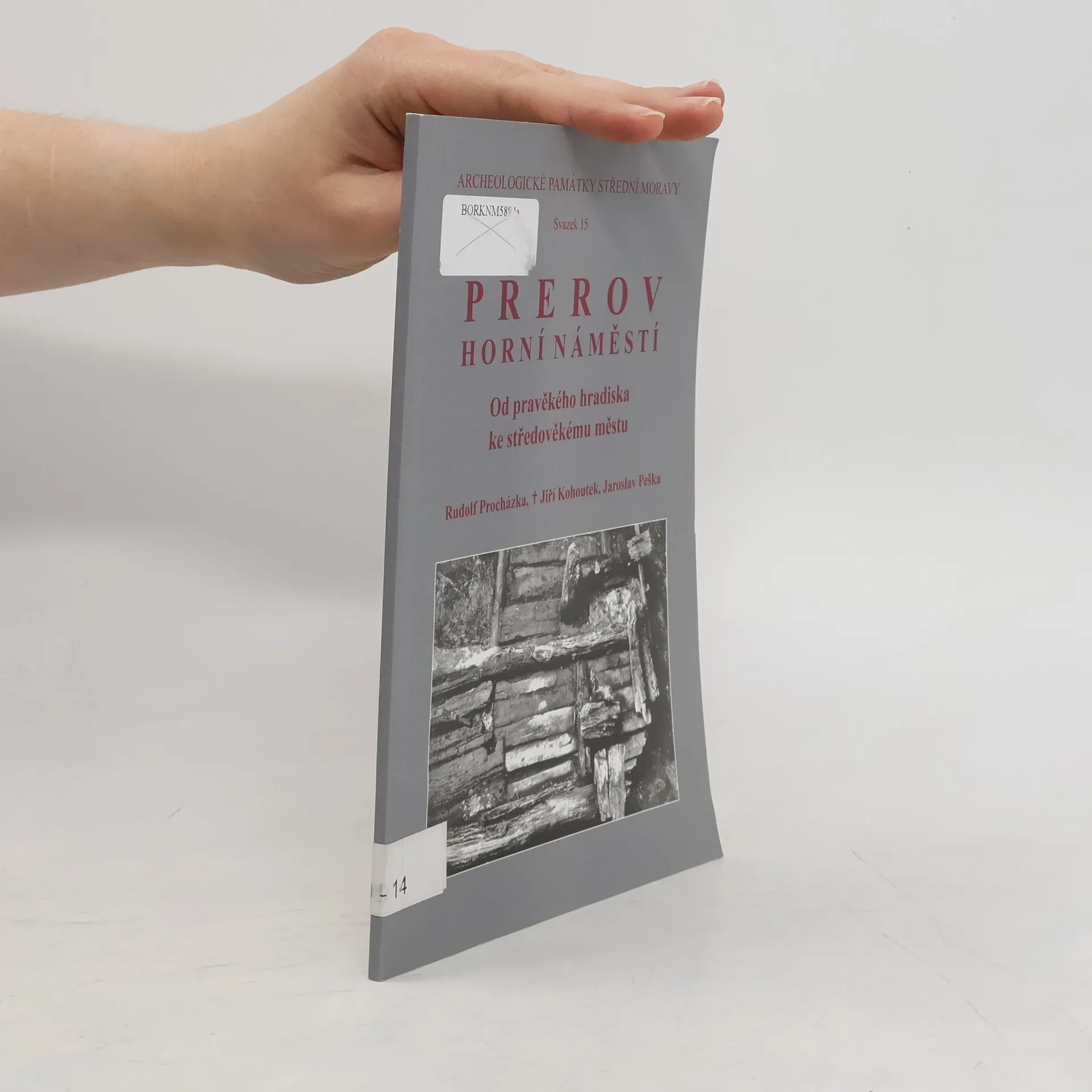
Engl. Zsfassung u.d.T.: Přerov - Upper Square : from a prehistoric Hillfort to a Medieval Town.
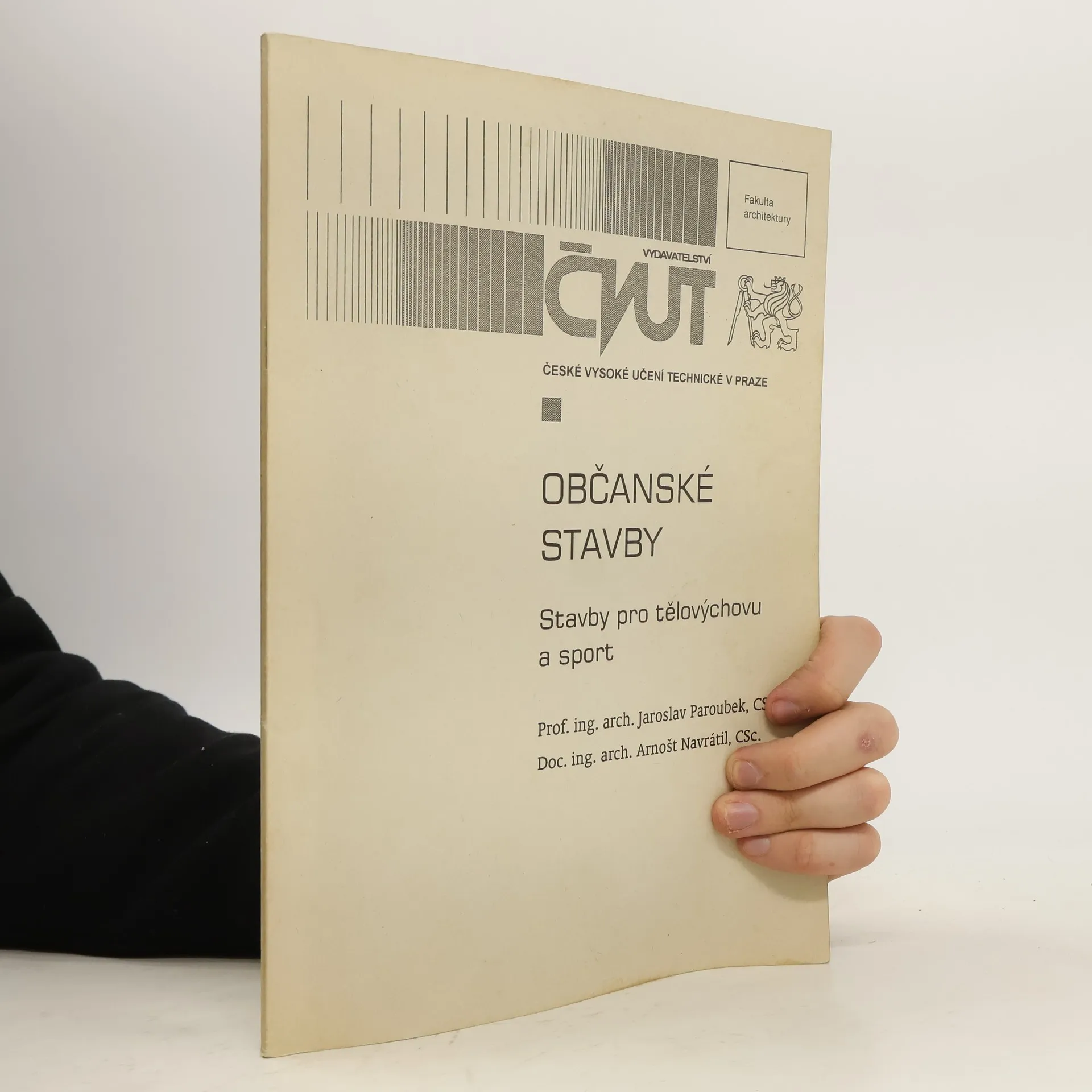
Občanské stavby. Stavby pro tělovýchovu a sport
- 92 pages
- 4 hours of reading
Prostibolo duše (číslovaný výtisk)
- 94 pages
- 4 hours of reading
Souborné vydání básnické sbírky Arnošta Procházky a stejnojmenného cyklu kreseb Karla Havlíčka, doprovázené odborným komentářem L. Merhauta a O. M. Urbana.
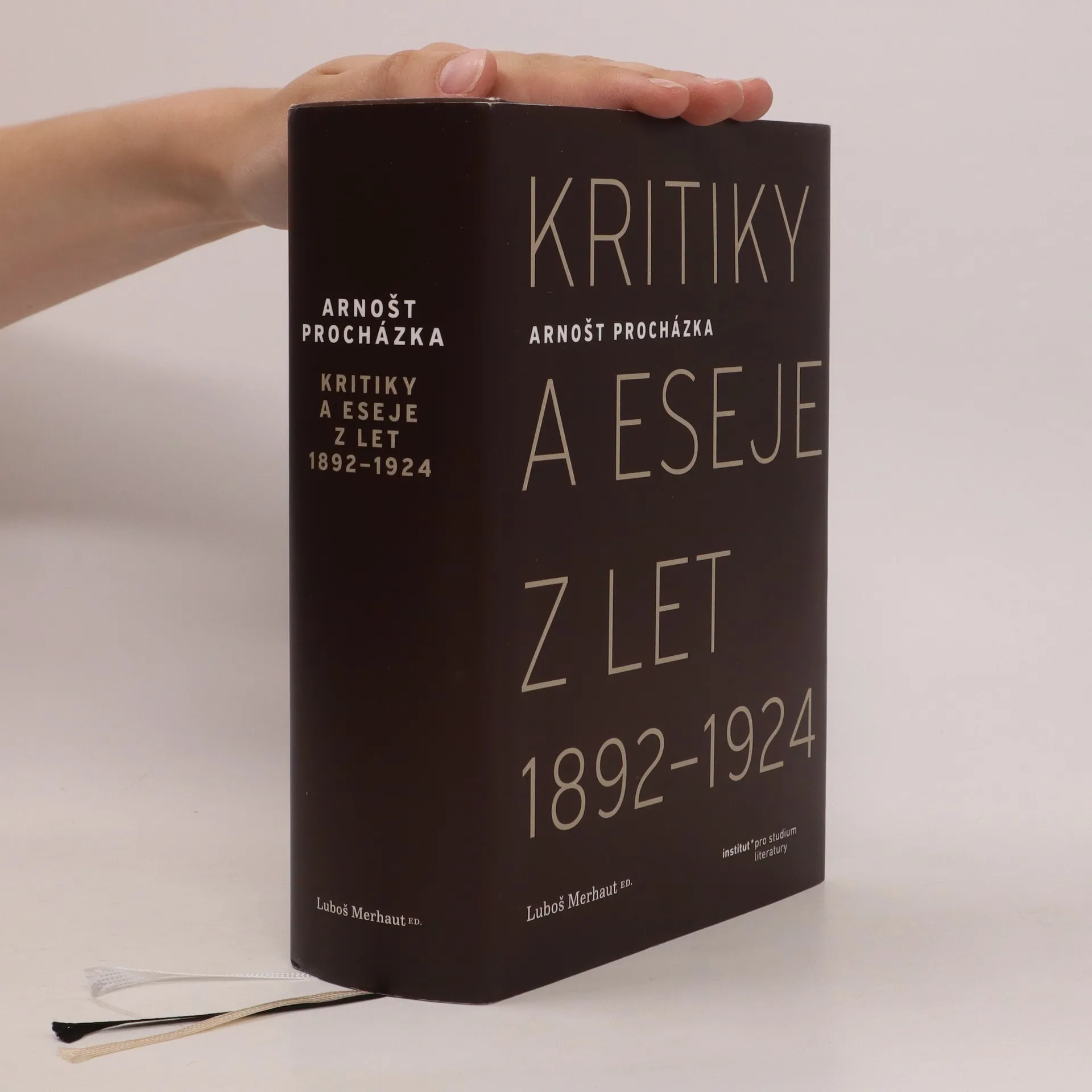
Arnošt Procházka: Kritiky a eseje z let 1892–1924
- 1142 pages
- 40 hours of reading
Kniha Kritiky a eseje z let 1892–1924 přináší široký přehled kritického a esejistického díla Arnošta Procházky, klíčové postavy českého dekadentního symbolismu a individualistického estetismu. Cílem je prohloubit poznání českého modernismu na přelomu devatenáctého a dvacátého století, a to prostřednictvím vrstevnatého literárněhistorického obrazu Procházkova díla. Publikace zahrnuje téměř dvě stovky textů, které zachycují konstanty a proměny autorovy kritiky a esejistiky, včetně programových esejí, portrétů modernistických literátů a výtvarníků, literárních a výtvarných kritik a společensko-politických glos. Texty jsou chronologicky uspořádány do čtyř oddílů, které reflektují etapy autorovy tvorby: I. 1892–1894, II. 1894–1900, III. 1901–1914, IV. 1915–1924. Tematické a žánrové čtení usnadňuje Soupis tematický a žánrový. Dále je k dispozici anotovaná Bibliografie Arnošta Procházky, která poskytuje kontext vybraných prací. Doslov nabízí portrét Procházkovy osobnosti a celistvý přehled jeho díla v širších souvislostech, doplněný výběrovým soupisem sekundární literatury. Publikace tak znovu zpřístupňuje a oživuje důležitý, avšak nedostatečně reflektovaný literárněhistorický materiál.
Klíče na neděli
- 85 pages
- 3 hours of reading
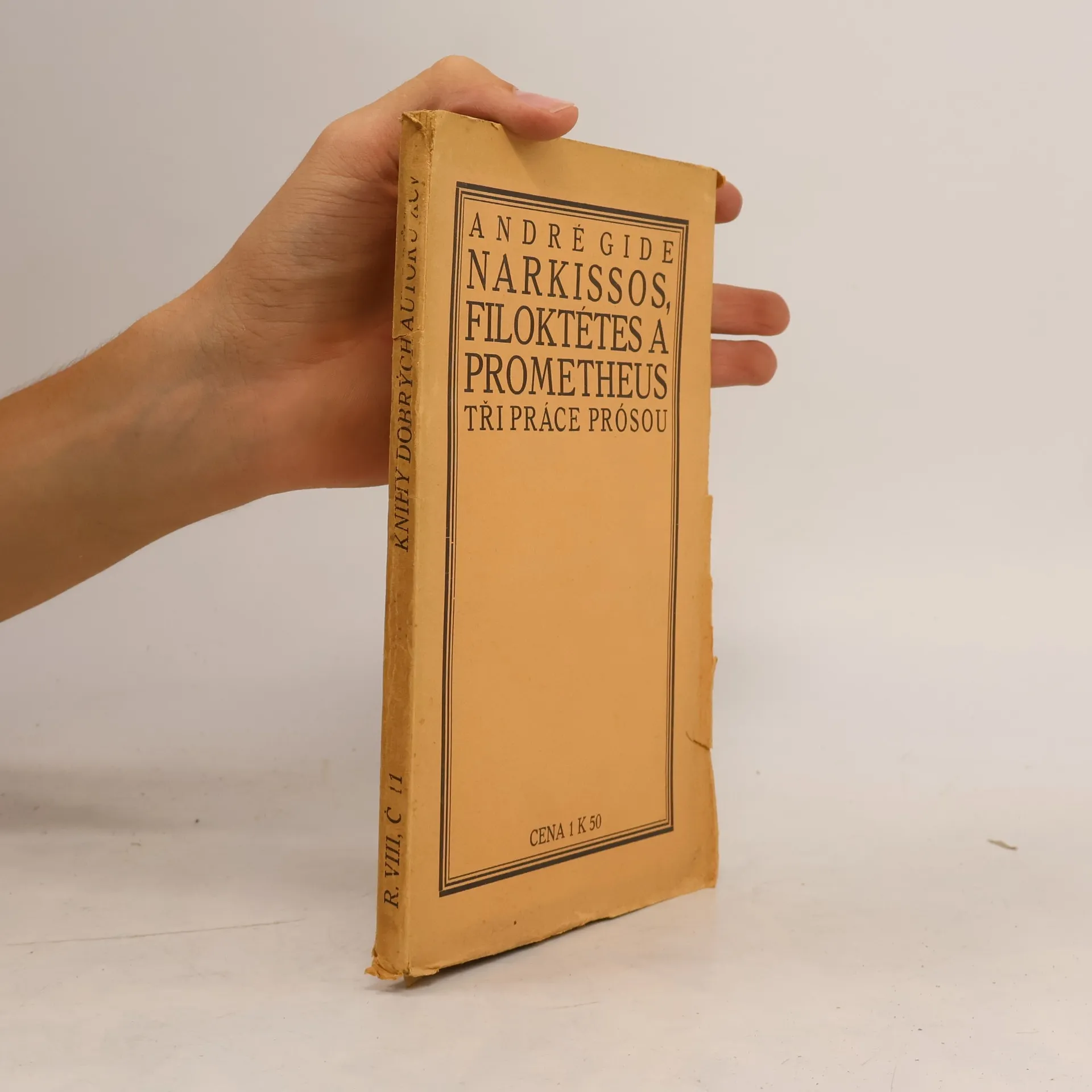
Narkissos, Filoktétes a Prometheus
Tři práce prósou
Doodie: Učebnice angličtiny pro začátečníky (raný začátek angličtiny) ve dvou svazcích. Teacher's Book 1
- 104 pages
- 4 hours of reading