

Explore the latest books of this year!
Bookbot

Jean Lorrain

    Jean Lorrain, born Paul Duval, was a French poet and novelist associated with the Symbolist school. A dedicated proponent of dandyism and an openly gay writer, Lorrain explored themes through his collections of verse and his decadent novels and short stories. His work is characterized by a distinct literary voice that captured the sensibilities of his era. He is remembered for his unique stylistic approach and thematic explorations within the Symbolist movement.

    Jean Lorrain
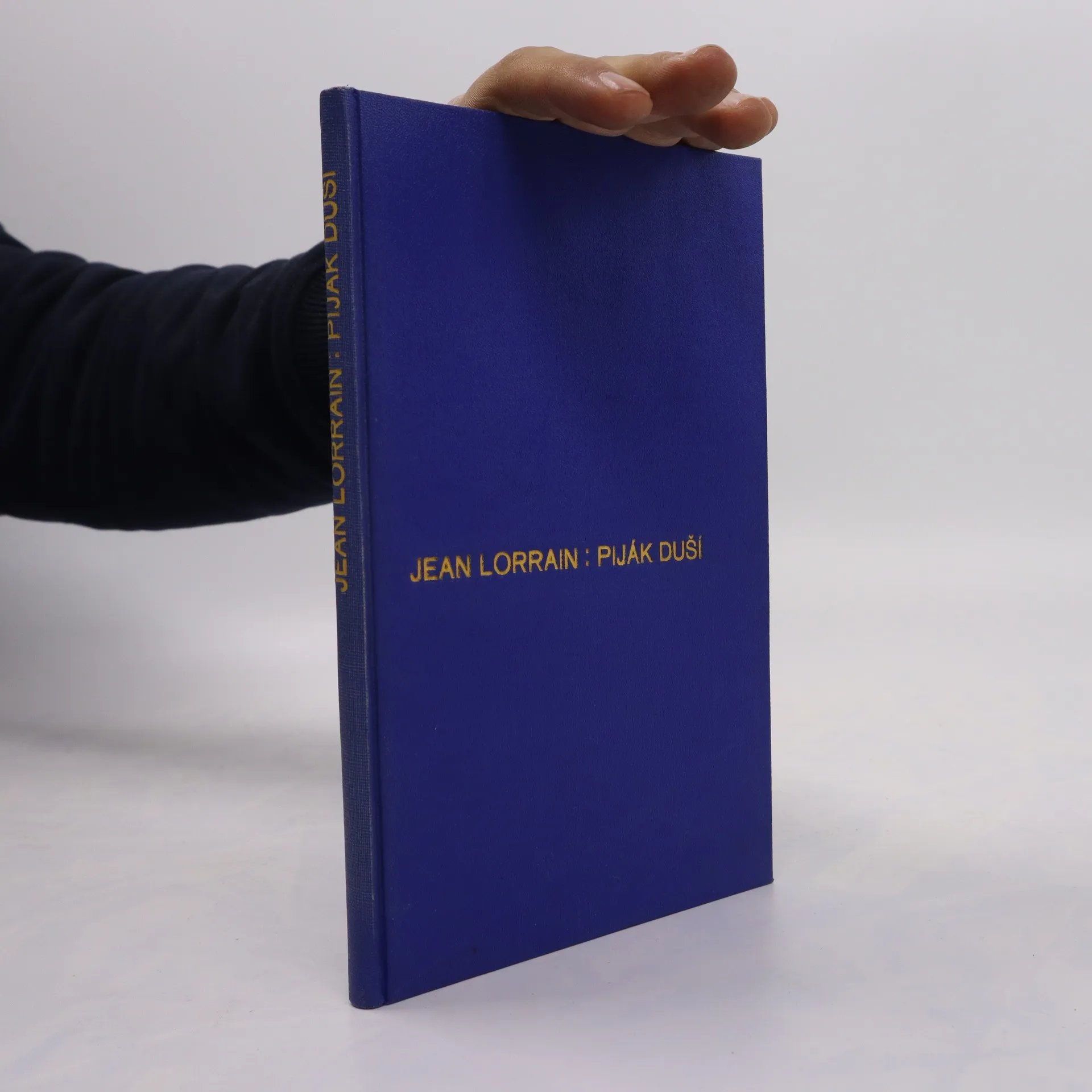
    Piják duší
    Monsieur de Phocas
    Princesses of Darkness and Other Exotica
    The Blood of the Gods
    The Turkish Lady and Other Writings
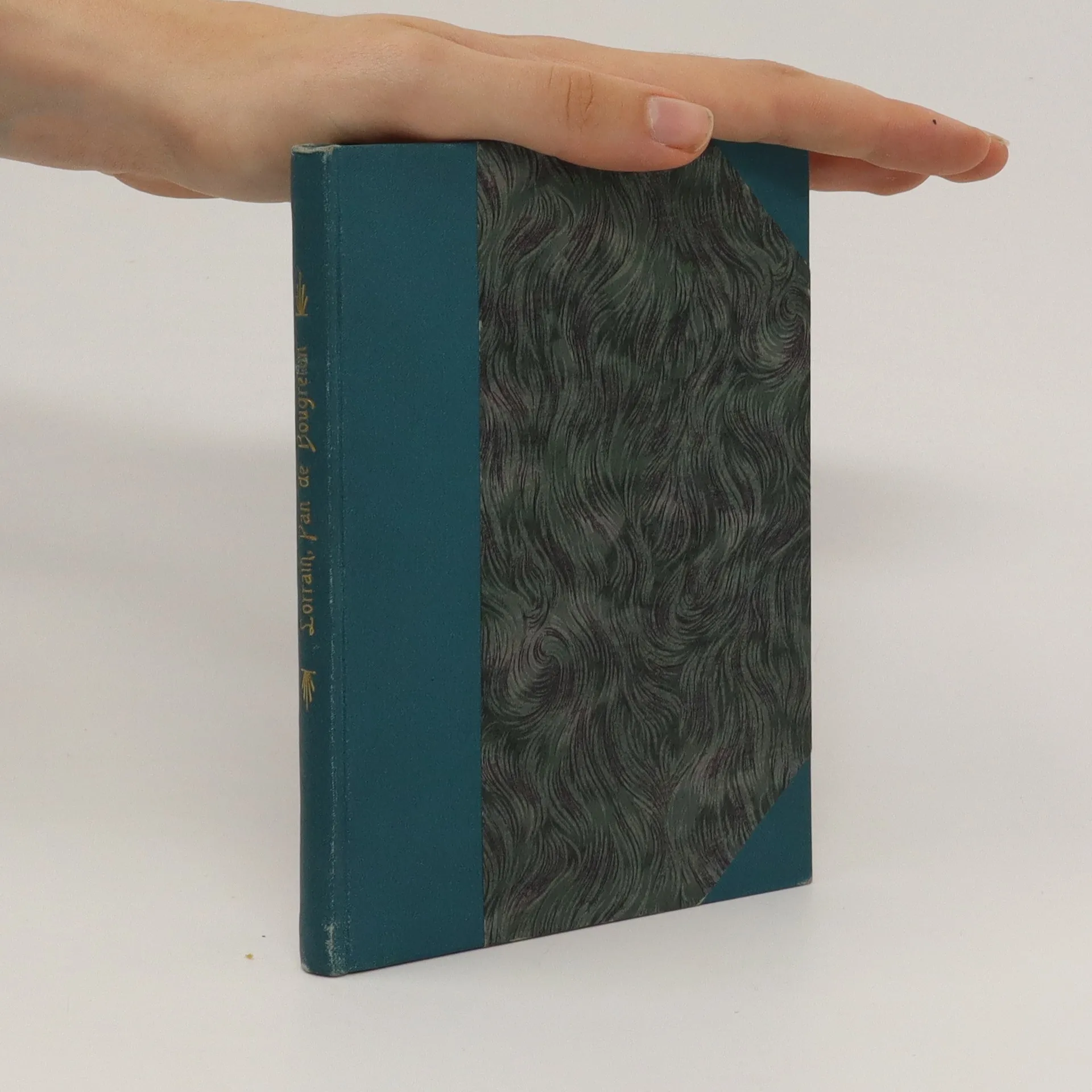
    Monsieur de Bougrelon and Other Stories
    • Monsieur de Bougrelon and Other Stories

      • 222 pages
      • 8 hours of reading
      4.3(11)Add rating

      The character of Monsieur de Bougrelon stands out as a unique and exotic creation, reflecting the intense interest in abnormal psychologies during the neo-Naturalist and Symbolist Movements. This literary work, originally serialized in 1897, combines calculated eccentricity with poignant themes, leaving a lasting impression on both the author and readers. Brian Stableford's fully annotated English translation brings this remarkable tale to contemporary audiences, ensuring its relevance and emotional depth resonate even today.

      Monsieur de Bougrelon and Other Stories
    • The Turkish Lady and Other Writings

      • 74 pages
      • 3 hours of reading

      Set in the late 19th century, this collection features a semi-fictional travel narrative that explores cultural experiences through the lens of Jean Lorrain. Alongside "The Turkish Lady," readers will find "The Last Days of Venice," offering insights into the city's decline, and "The Princess of the Geese," a whimsical fairy tale that showcases Lorrain's flair for the decadent and fantastical. Together, these works highlight Lorrain's unique perspective on travel and storytelling during a transformative era.

      The Turkish Lady and Other Writings
    • The Blood of the Gods

      • 160 pages
      • 6 hours of reading

      The book marks Jean Lorrain's literary debut in 1882, showcasing his early talent for evoking a sense of sophistication and intrigue. Through a collection of poems, he captures the essence of the Decadent movement, stirring reactions in the vibrant cafés of Montmartre. Lorrain's work lays the groundwork for his later masterpieces, hinting at themes of excess and existential exploration that would define his career.

      The Blood of the Gods
    • When Jean Lorrain (1855-1906) was recruited to the stable of writers assembled by Catulle Mendès to supply L'Écho de Paris with material on a weekly basis, in July 1890, he joined in readily with the experimental spirit of that enterprise, exploring various narrative strategies that could be employed in fitting work to slots that varied in length between 1,000 and 2,000 words. The contributions to the paper that he signed with his own name were soon outnumbered by the items that he signed "Raitif de la Bretonne," in honor of the prolifically innovative Nicolas-Edmé Restif de la Bretonne (1734-1806), most of whose publications had appeared without the royal warrant necessary prior to the 1789 Revolution for works to be printed and sold legally. Presented here, for the first time in English or any other language, are sixteen of the pieces Lorrain wrote under the "Raitif de la Bretonne," by-line, collected and translated by Brian Stableford, the contents of the present volume partaking in the same meticulously perverse point of view that were the author's unique literary hallmark, thus performing the valuable function of offering readers an eccentric sampling of the his heretofore "lost" work.

      Princesses of Darkness and Other Exotica
    • Jean Lorrain, durch jahrzehntelange journalistische Arbeit im Beobachten der zeitgenössischen Moden geschult, war der »unerbittliche Protokollant des Seelentyphus« seiner Epoche, wie ihn Joris-Karl Huysmans nannte. In seinem Hauptwerk Monsieur de Phocas , dem letzten großen Roman des Fin de Siècle, schildert er malerisch die grotesken Auswüchse einer als dekadent empfundenen Zivilisation. Die Geschichte des exzentrischen Duc de Fréneuse, der getrieben von einer Obsession für den geheimnisvollen, meergrün schillernden Blick der Göttin Astarte immer tiefer in die Spirale der Verkommenheit und Perversion gerät, ist die Geschichte einer Sehnsucht nach wahren Empfindungen in einer entfremdeten Welt. »Der Wahnsinn der Augen, das ist die Anziehungskraft des Abgrunds. Es gibt Sirenen in der Tiefe der Pupillen wie in den Tiefen des Meeres, das weiß ich, aber ... ich bin ihnen niemals begegnet, und ich suche noch immer die Blicke tiefen und klagenden Wassers, in dem ich, wie der erlöste Hamlet, die Ophelia meines Verlangens werde ertränken können.«

      Monsieur de Phocas
    • Vyprávění o panu de Bougrelon: tento francouzský dandy provádí turisty po Amsterodamu a jeho vykřičených místech, vypráví jim o bizarních zážitcích ze svého života a o intimním přátelství s jiným pozoruhodným aristokratem, panem de Mortimer.

      Pan de Bougrelon