Beschreibung Griechenlands
- 729 pages
- 26 hours of reading
Pausanias' Description of Greece includes all 10 volumes.


Pausanias was a 2nd-century Greek traveler and geographer whose firsthand observations mapped ancient Greece. His extensive work serves as a vital link between classical literature and modern archaeology, offering invaluable insights into the ancient world.



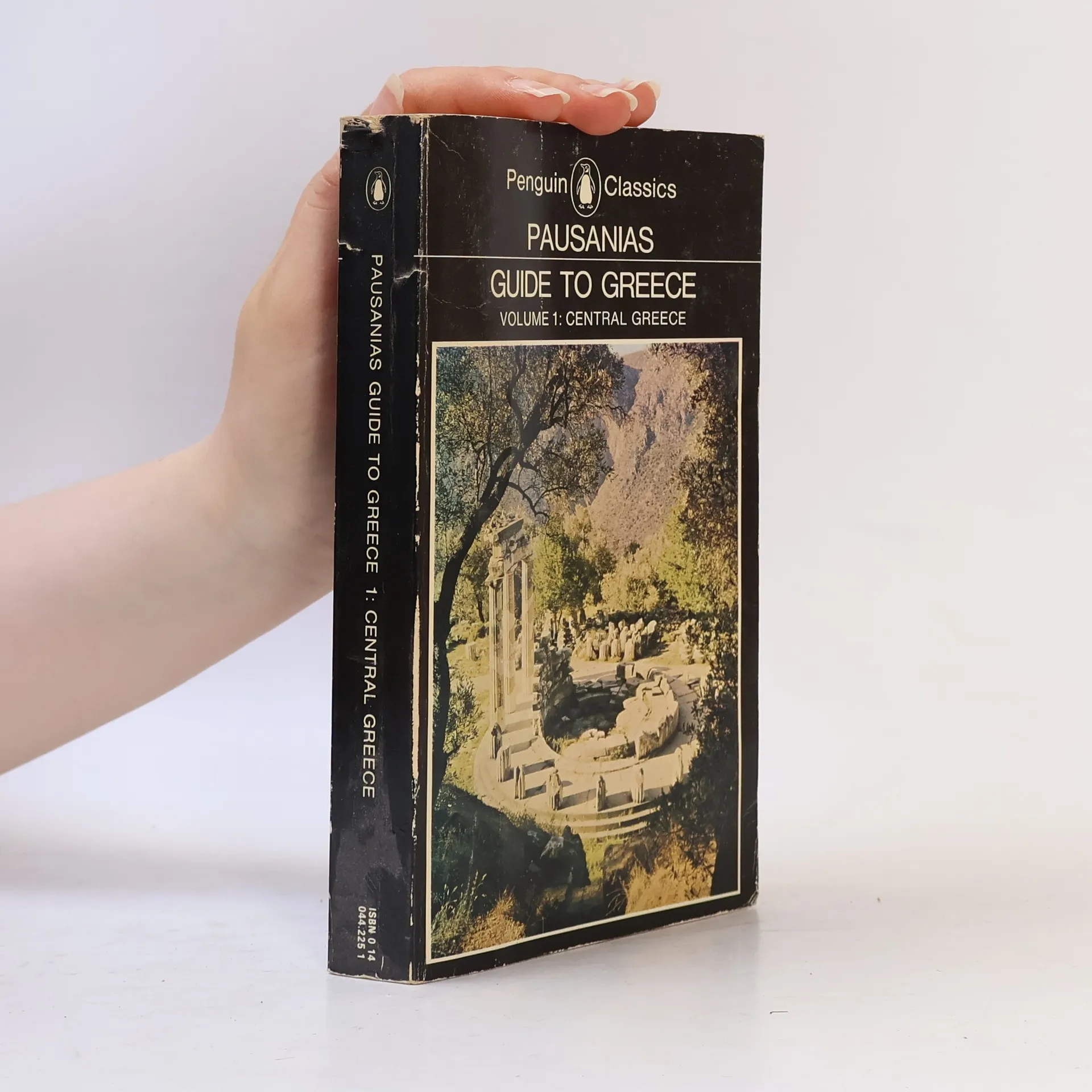
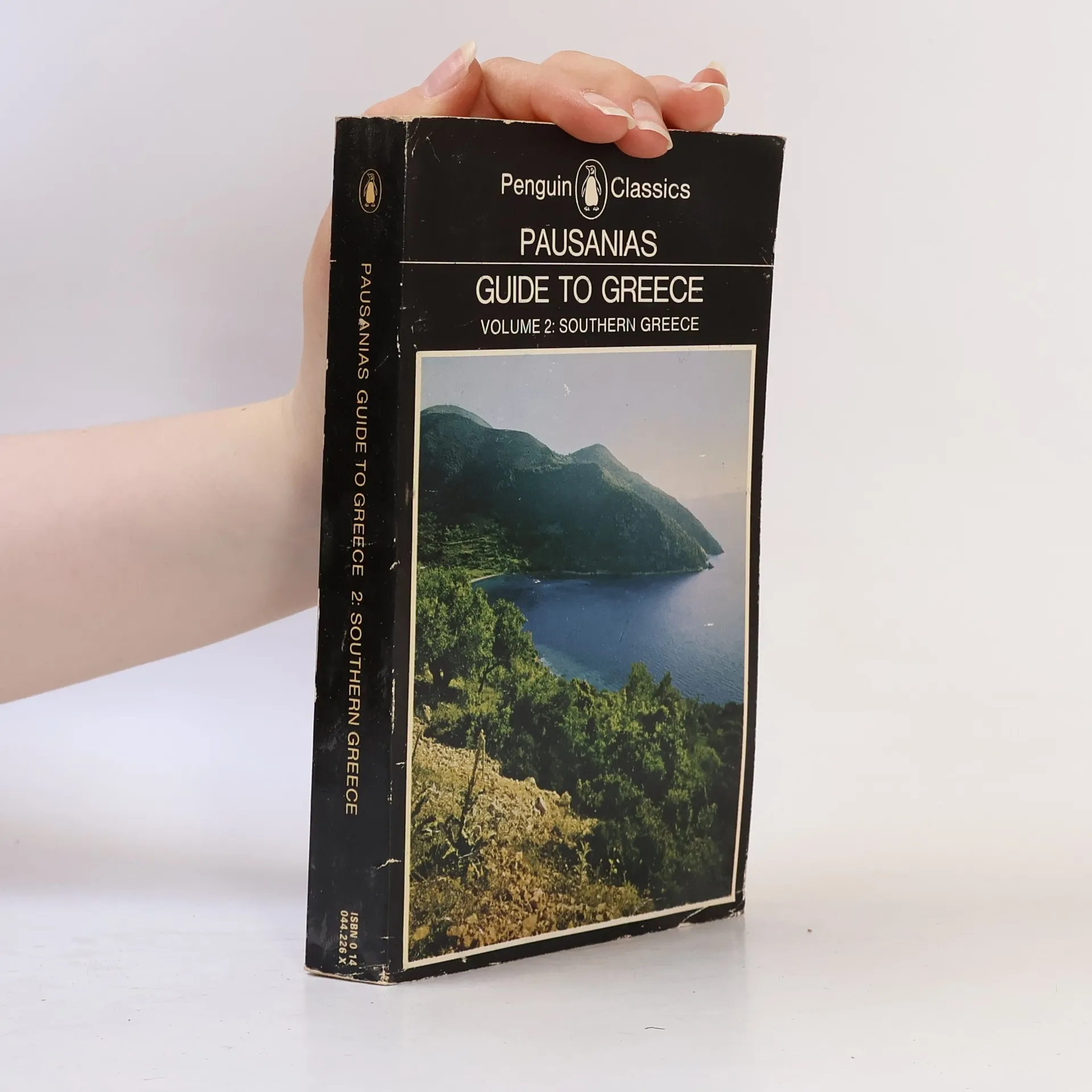

Pausanias' Description of Greece includes all 10 volumes.
Guida della Grecia. Libro IV. La Messenia. Testo e traduzione a cura di Domenico Musti. Commento e cura di D. Musti e Mario Torelli . Testo greco a fronte. Volume pubblicato a cura della Fondazione Lorenzo Valla 16mo. pp. 304. . Ottimo (Fine). . . .
A cura di Domenico Musti e Mario Torelli. Testo greco a fronte. Volume pubblicato a cura della fondazione Lorenzo Valla . 16mo pp. 286 Rilegato, sovracoperta (hard cover, dust jacket) Ottimo (Fine)
Written by a Greek traveller in the second century for a principally Roman audience, Pausanias' Guide to Greece is a comprehensive guidebook concentrating on buildings, tombs and statues. It describes the myths, religious beliefs and historical background behind the monuments considered. This,... číst celé
Offering a study of buildings, traditions and myth, this title describes the glory of Greece shortly before its ultimate decline in the third century.
Druhá část slavného starořeckého cestopisu, Pausaniova Cesta po Řecku II, zavede čtenáře, který s autorem prošel v první části takřka krok za krokem Attikou, Megarií, Korinthií, Argolidou, Messénií a Élidou, opět do jiných míst starověkého Řecka ve 2. stol. n. l. Tentokrát to bude Achaia, Arkadie, Boiótie a Fókida. Pausaniás prochází těmito kraji jako citlivý a vnímavý poutník i pozorovatel, který barvitě líčí všechno, co ho cestou zaujme, ať jsou to kulturní památky či legendy a báje, jež se k nim vztahují (k těm zaujímá mnohdy velmi kritické stanovisko), nebo místní fauna a flóra. Vypravuje i o význačných osobnostech řeckého světa, o básnících, vojevůdcích a státnících, kteří se nějakým způsobem do historie popisované krajiny vepsali.
Pausanias (fl. 150 CE), one of the Roman world's great travelers, sketches in Description of Greece the history, geography, landmarks, legends, and religious cults of all the important Greek cities. He shares his enthusiasm for great sites, describing them with care and an accuracy confirmed by comparison with monuments that still stand today.