

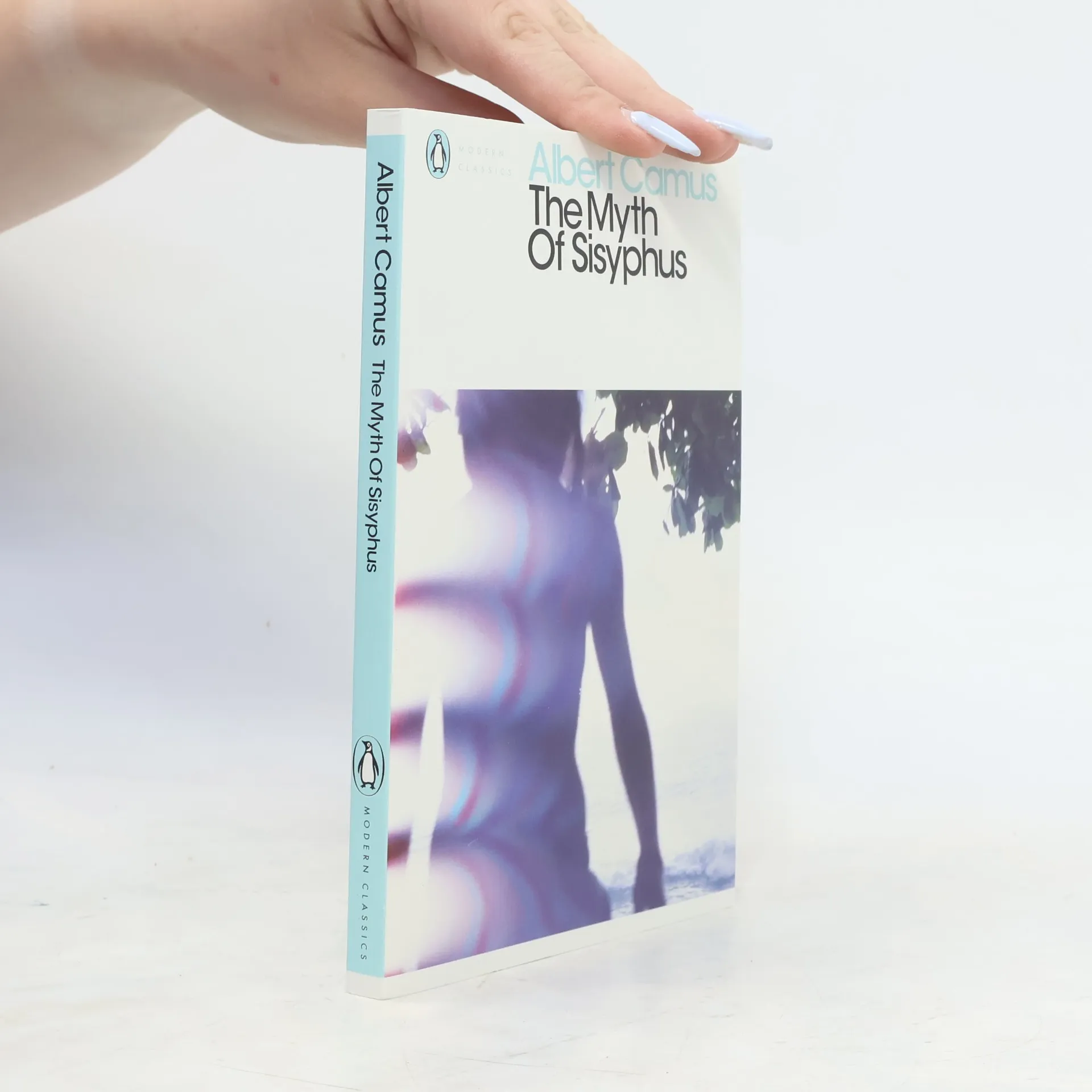
'What I touch, what resists me-that is what I understand' The writings in this volume are all, in their own way, hymns to the physical world and the elemental pleasures of living. Through the story of a man condemned forever to roll a rock up a hill, The Myth of Sisyphus argues that, in a meaningless world, freedom and happiness can be gained through an awareness of pure existence. The other essays here include a lyrical evocation of the skies, shadows and silences of summer in Algiers, memories of street life in Oran and an exploration of beauty as our salvation.
Justin O. Brien Book order (chronological)
This author specializes in the politics of corruption, examining malfeasance in capital markets. Their works delve into the complexities of Irish politics, offering profound insights into themes of power abuse and political corruption. Their writing critically analyzes the intersection of governance and illicit financial activities.
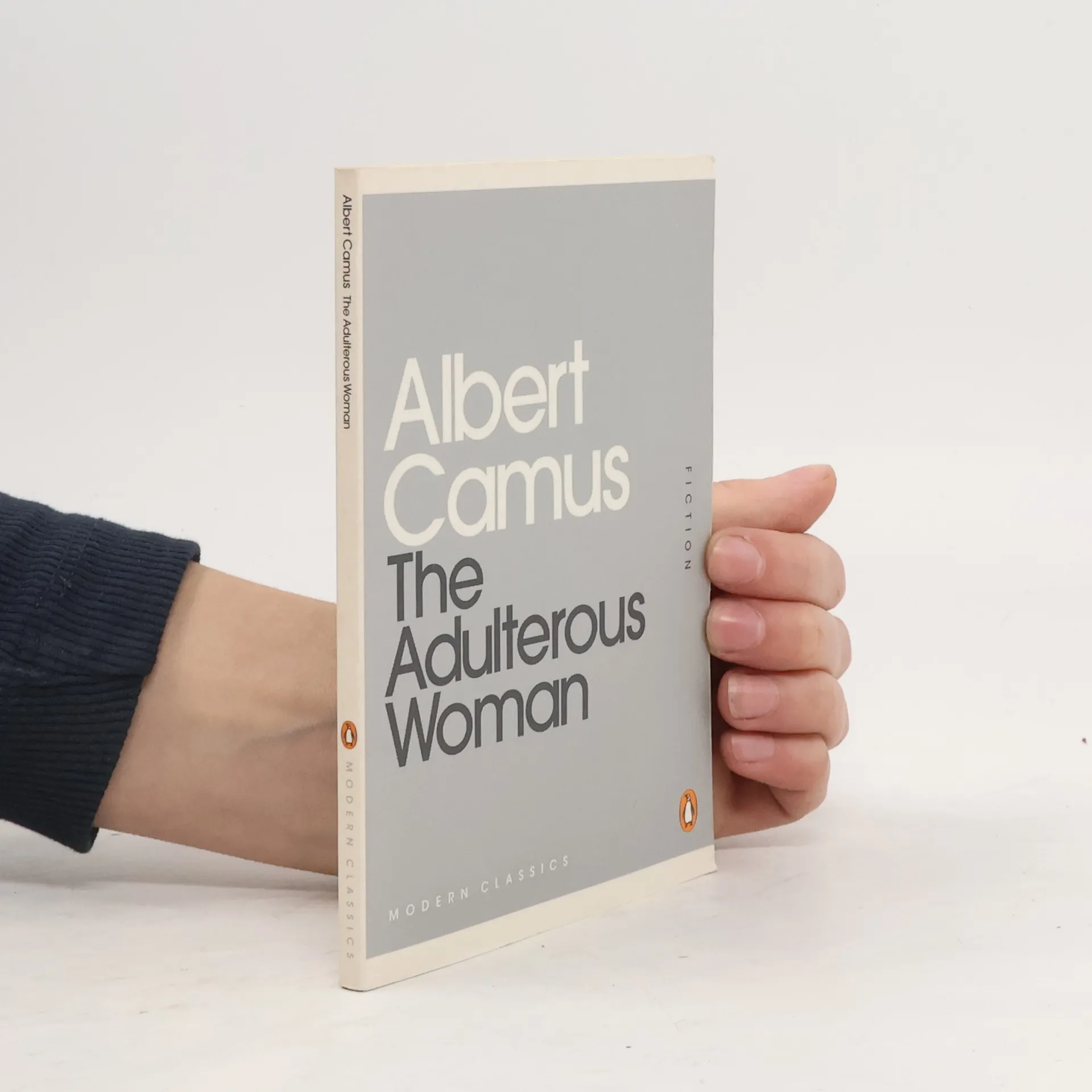
The adulterous woman
- 82 pages
- 3 hours of reading
Camus's writing confronts the great philosophical dilemmas of our time with piercing clarity. These three powerful and evocative stories are heavy with the weight of the human condition, and rich with atmosphere. In them, an ageing labourer, a woman travelling in North Africa with her husband, and a schoolteacher tasked with transporting a prisoner each face their own moral crises.
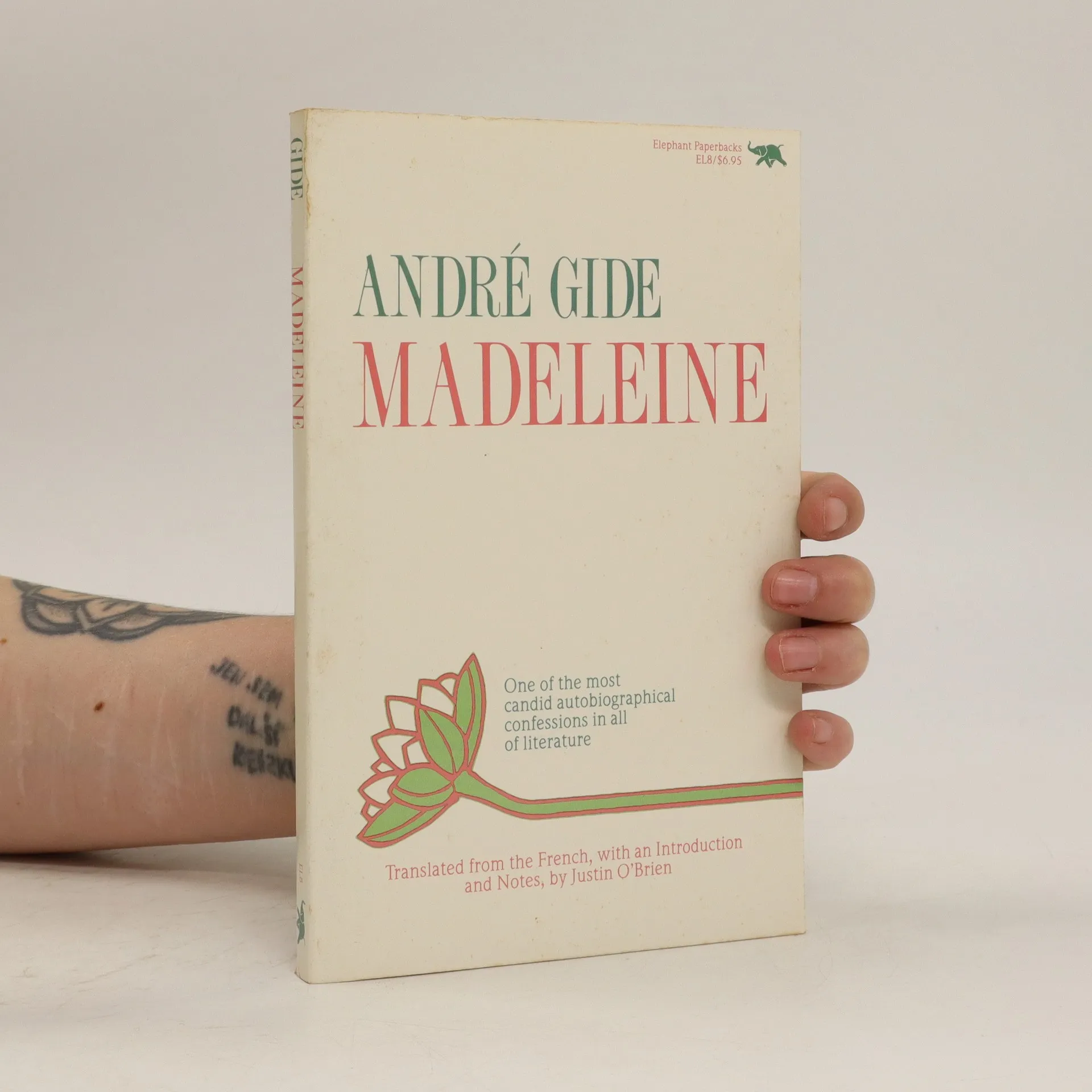
Madeleine
- 124 pages
- 5 hours of reading
Madeleine is the story of a great writer's marriage, a deeply disturbing account of André Gide's feelings towards his beloved and long-suffering wife. It was a relationship which Gide exalted―he termed it the central drama of his existence―yet deliberately shrouded in mystery. This was no ordinary marriage. Madeleine Rondeaux, two years older than her cousin André Gide, became his wife after Gide's first visit to Algeria. In his Journal, Gide refers to her as Emmanuèle or as Em. Only in this book, published a few months after his death, does Gide call her by her real name and painfully reveal the nature of their life together. All of Gide's vast work may be viewed as a confession, impelled by his need to write what he believed to be true about himself. In Madeleine this act of confession reaches a crowning point. It is a complex tale by a complex man about a complex relationship. “Ranks among the masterpieces of Gide's vibrating prose. It is also the most tragic personal document to have emanated from Gide's pen.”― New York Times .