Douglas Brinkley is a distinguished historian whose work delves into the very heart of the American narrative. His writing is characterized by a keen insight into the pivotal moments and figures that have shaped the nation. Brinkley masterfully brings history to life, offering readers not just facts, but a profound understanding of the complex forces and ideals that underpin the American experiment. His literary contribution lies in his ability to make American history accessible and compelling with both vigor and intellectual rigor.
John F. Kennedy, Rachel Carson, Lyndon Johnson, Richard Nixon, and the Great Environmental Awakening
896 pages
32 hours of reading
Courageous activists ignited an environmental revolution that inspired legislative action from three distinct presidents, showcasing the potential for bipartisan cooperation in ecological efforts. Douglas Brinkley presents a comprehensive narrative that not only chronicles these pivotal moments in American history but also emphasizes the urgency of addressing environmental challenges. His work serves as both a call to action and a reminder of the collaborative spirit needed to safeguard the planet's future.
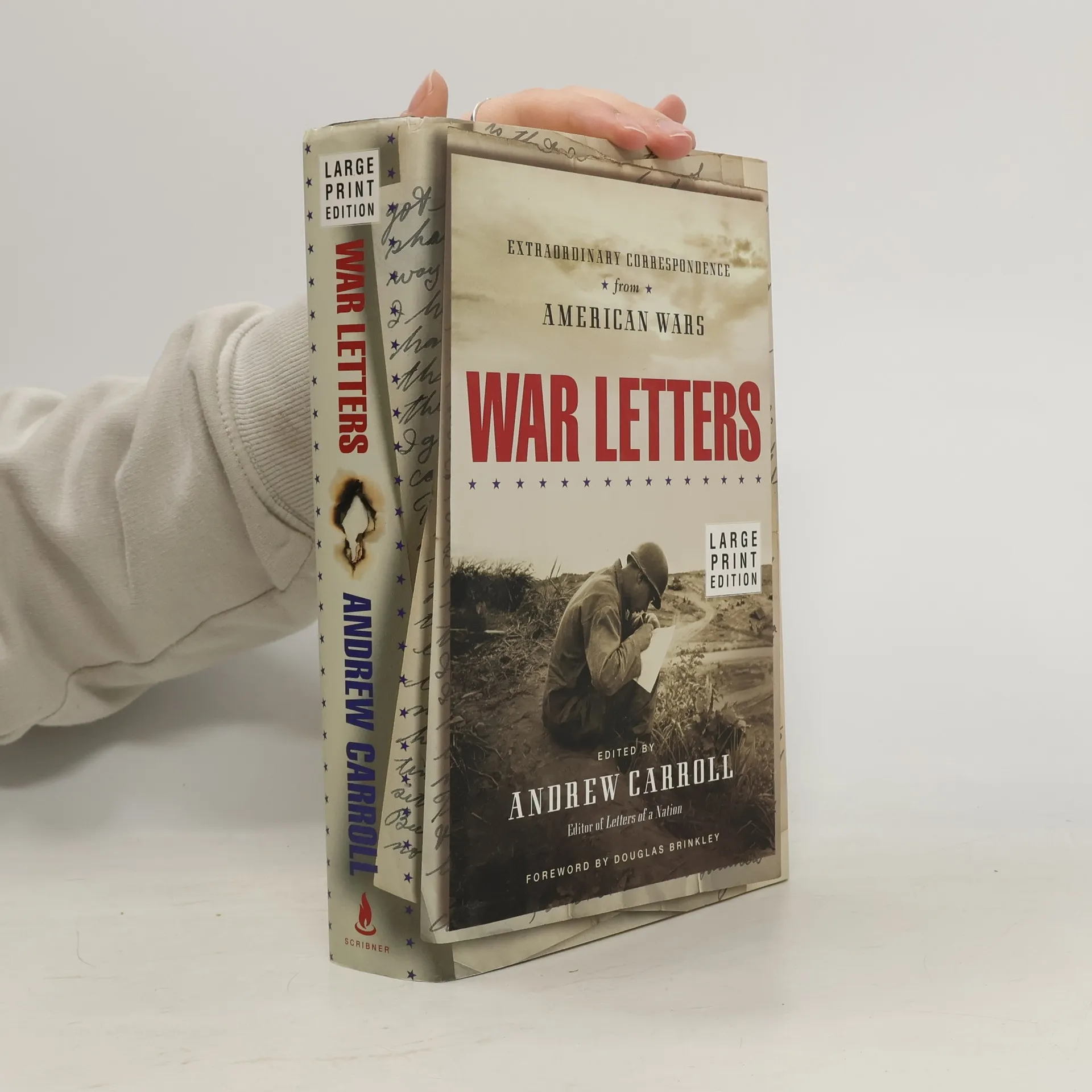
Extraordinary Correspondence from American Wars - Large Print Edition
912 pages
32 hours of reading
In 1998, Andrew Carroll established the Legacy Project to honor veterans by preserving their letters for future generations. Since then, over 50,000 war letters have been collected from various sources across the nation. This extraordinary compilation provides deep insights into conflicts ranging from the Civil War to the Persian Gulf and beyond. The collection features gripping accounts of combat written right after intense battles, heartfelt expressions of love from homesick soldiers, humorous tales about difficult conditions, and profound reflections on warfare. Among the most poignant are last letters—emotional messages written just hours before the sender's death. This anthology showcases the remarkable contributions and literary talents of ordinary soldiers, marines, airmen, sailors, as well as war nurses, journalists, spies, and chaplains. It also includes unpublished letters from notable figures like William T. Sherman, Clara Barton, Theodore Roosevelt, and Norman Schwarzkopf. This work stands as a tribute to those who have served the country and celebrates the enduring impact and beauty of personal letters.
Ed Abbey called The Monkey Wrench Gang, his 1975 novel, a "comic extravaganza." Some readers have remarked that the book is more a comic book than a real novel, and it's true that reading this incendiary call to protect the American wilderness requires more than a little of the old willing suspension of disbelief.The story centers on Vietnam veteran George Washington Hayduke III, who returns to the desert to find his beloved canyons and rivers threatened by industrial development. On a rafting trip down the Colorado River, Hayduke joins forces with feminist saboteur Bonnie Abbzug, wilderness guide Seldom Seen Smith, and billboard torcher Doc Sarvis, M.D., and together they wander off to wage war on the big yellow machines, on dam builders and road builders and strip miners. As they do, his characters voice Abbey's concerns about wilderness preservation ("Hell of a place to lose a cow," Smith thinks to himself while roaming through the canyonlands of southern Utah. "Hell of a place to lose your heart. Hell of a place... to lose. Period").Moving from one improbable situation to the next, packing more adventure into the space of a few weeks than most real people do in a lifetime, the motley gang puts fear into the hearts of their enemies, laughing all the while. It's comic, yes, and required reading for anyone who has come to love the desert.
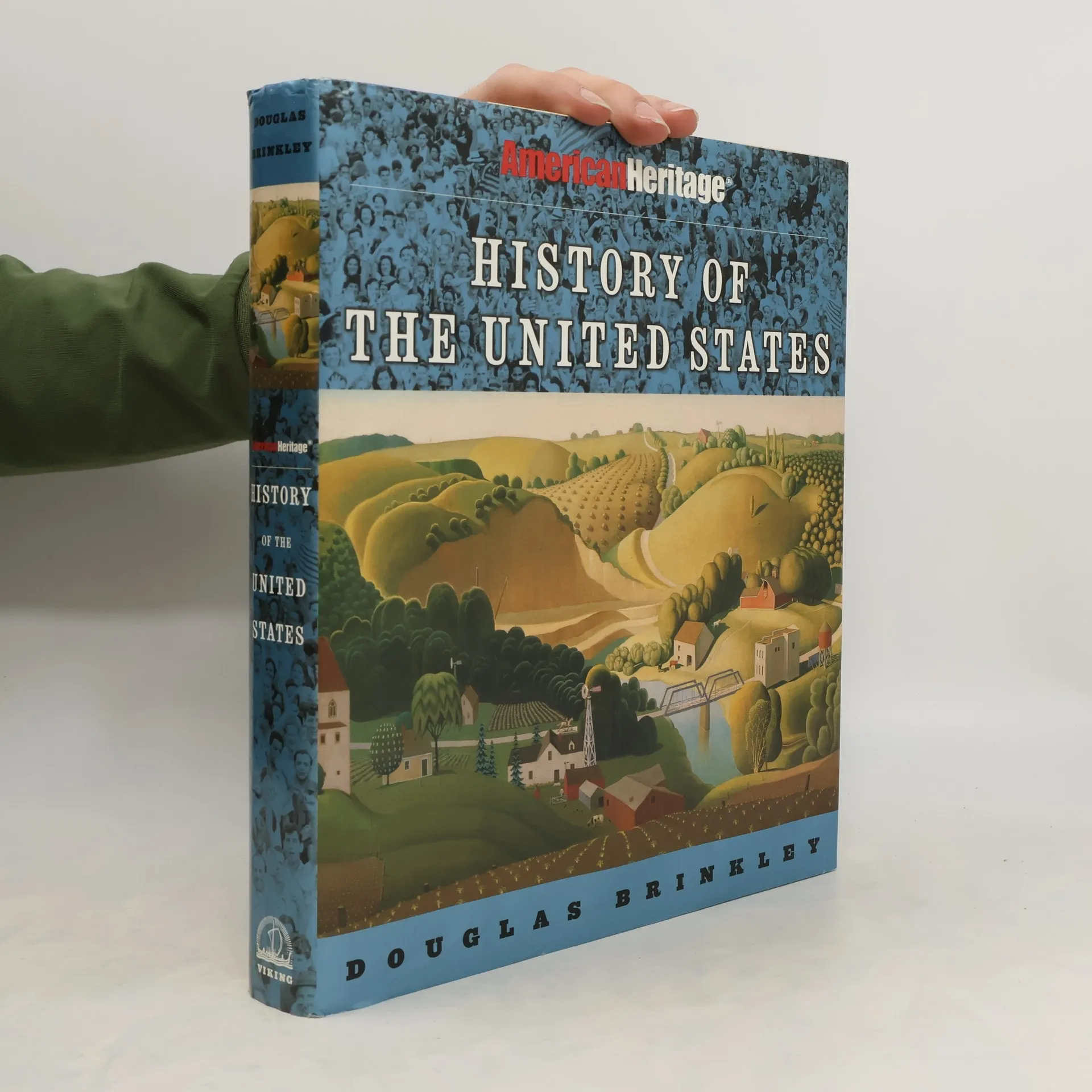
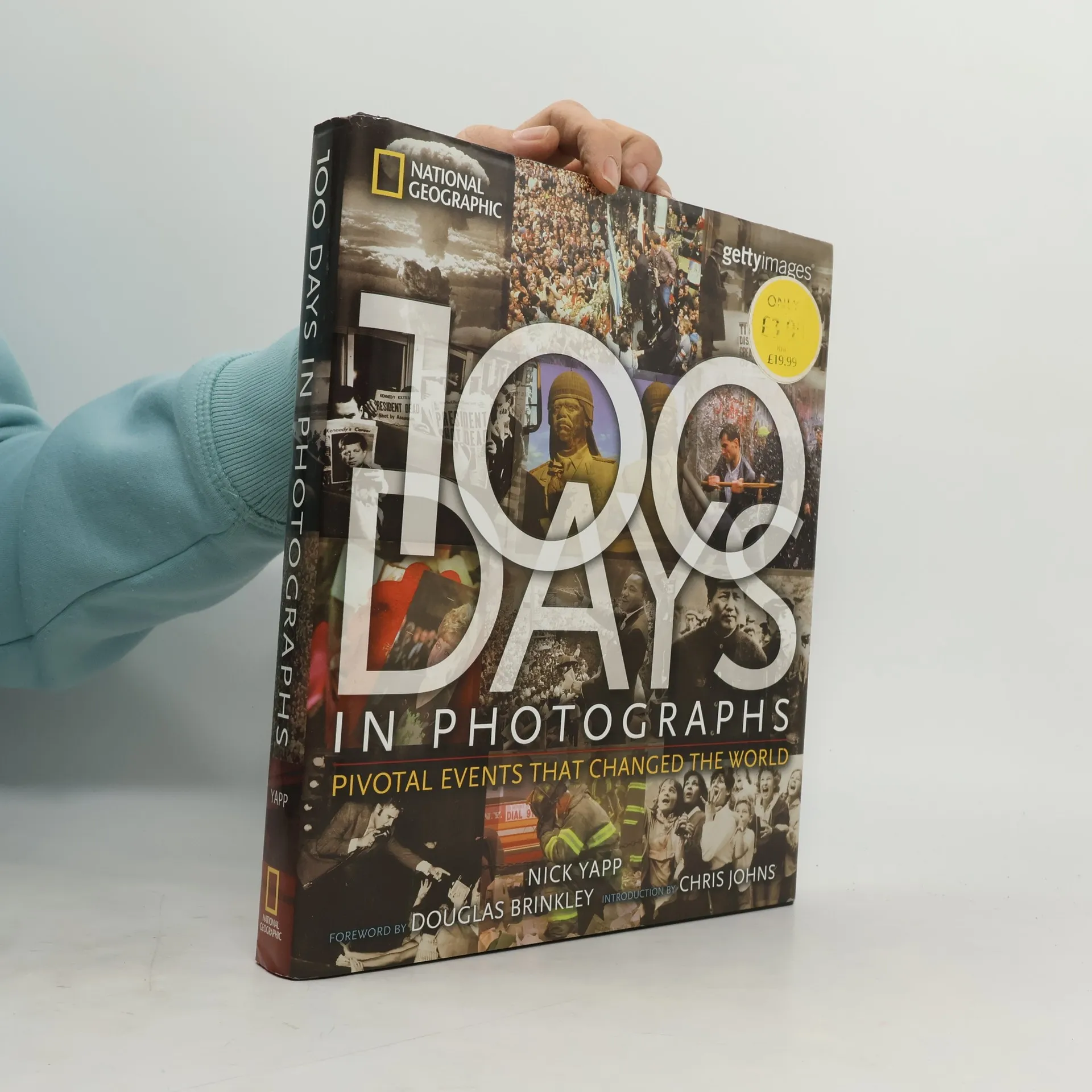
Douglas Brinkley takes us on the incredible journey of the United States - a nation formed from a vast countryside on whose fringes a few small colonies made a bold cast at freedom, then burgeoned into an expanding democracy, and ultimately flourished as a world power. From the first primitive maps outlining a New World to the faded daguerreotypes of young men in uniforms standing beside Confederate flags; to pictures of hopeful immigrant families arriving at Ellis Island; to the stirring photographs of civil rights marchers; to the terrible images of the Oklahoma City Alfred P. Murrah Federal Building bombing - the history of America offers a stunning album of people and events.
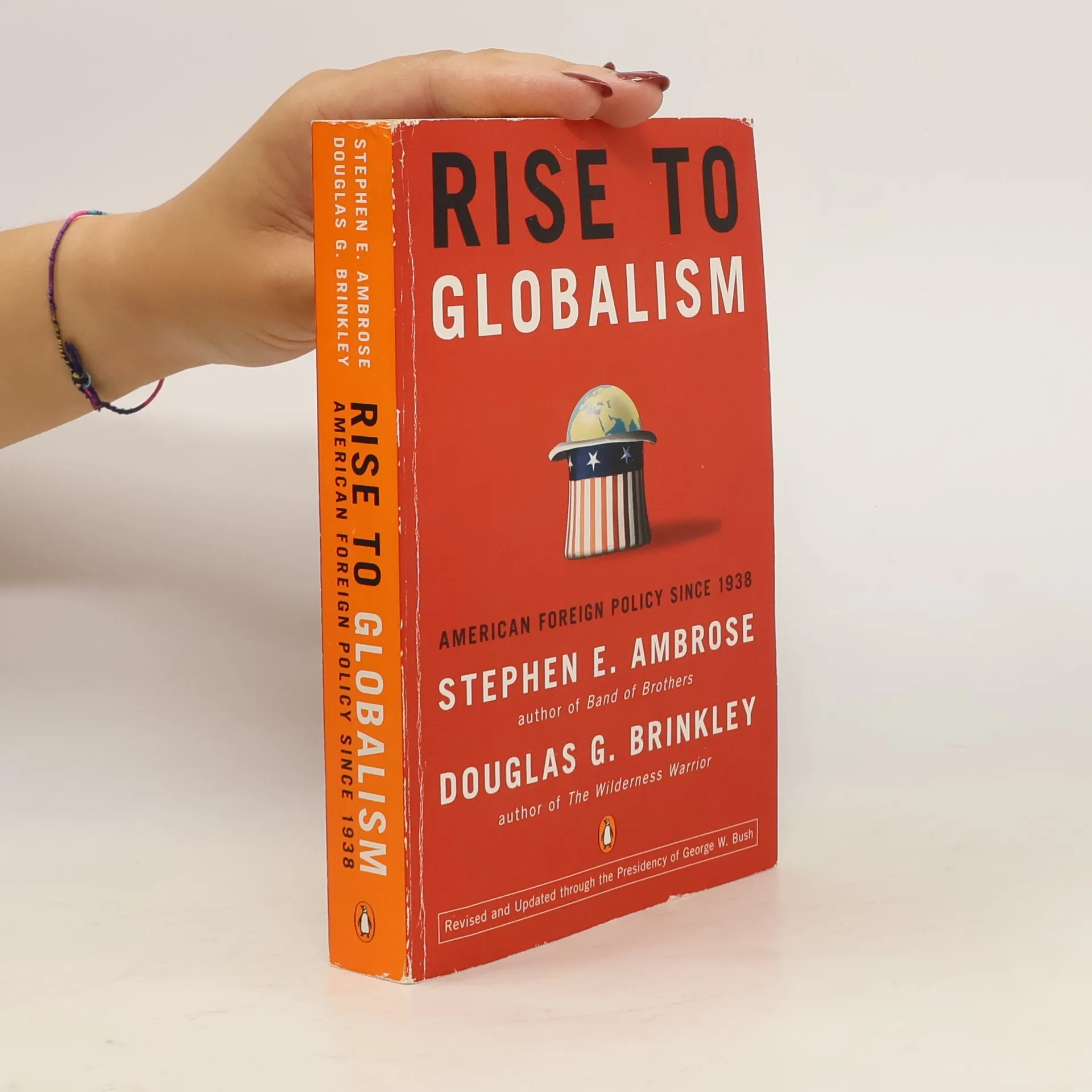
Offers an informative overview of the evolution of American foreign policy
from 1938 to the present, focusing on such pivotal events as World War II, the
Cuban Missile Crisis, Vietnam, and 9/11. This title examines how American
economic aggressiveness, racism, and fear of Communism have shaped the
nation's evolving foreign policy.
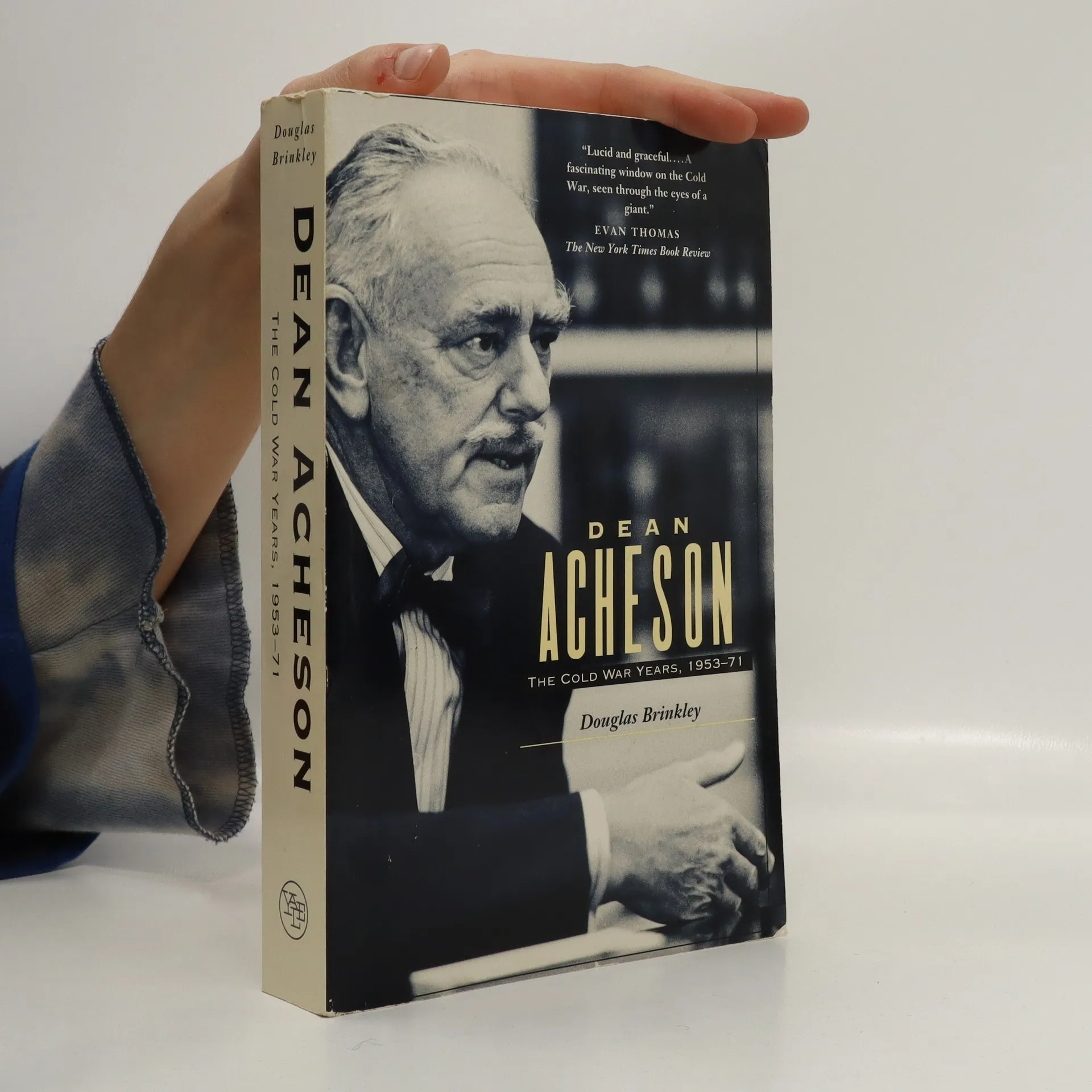
Acheson was President Harry Truman's secretary of state, the American father of NATO and active in US foreign policy after World War II. He was also a Democratic Party activist in Eisenhower's presidency and an advisor in the Kennedy, Johnson and Nixon eras. This charts his post-secretarial career.
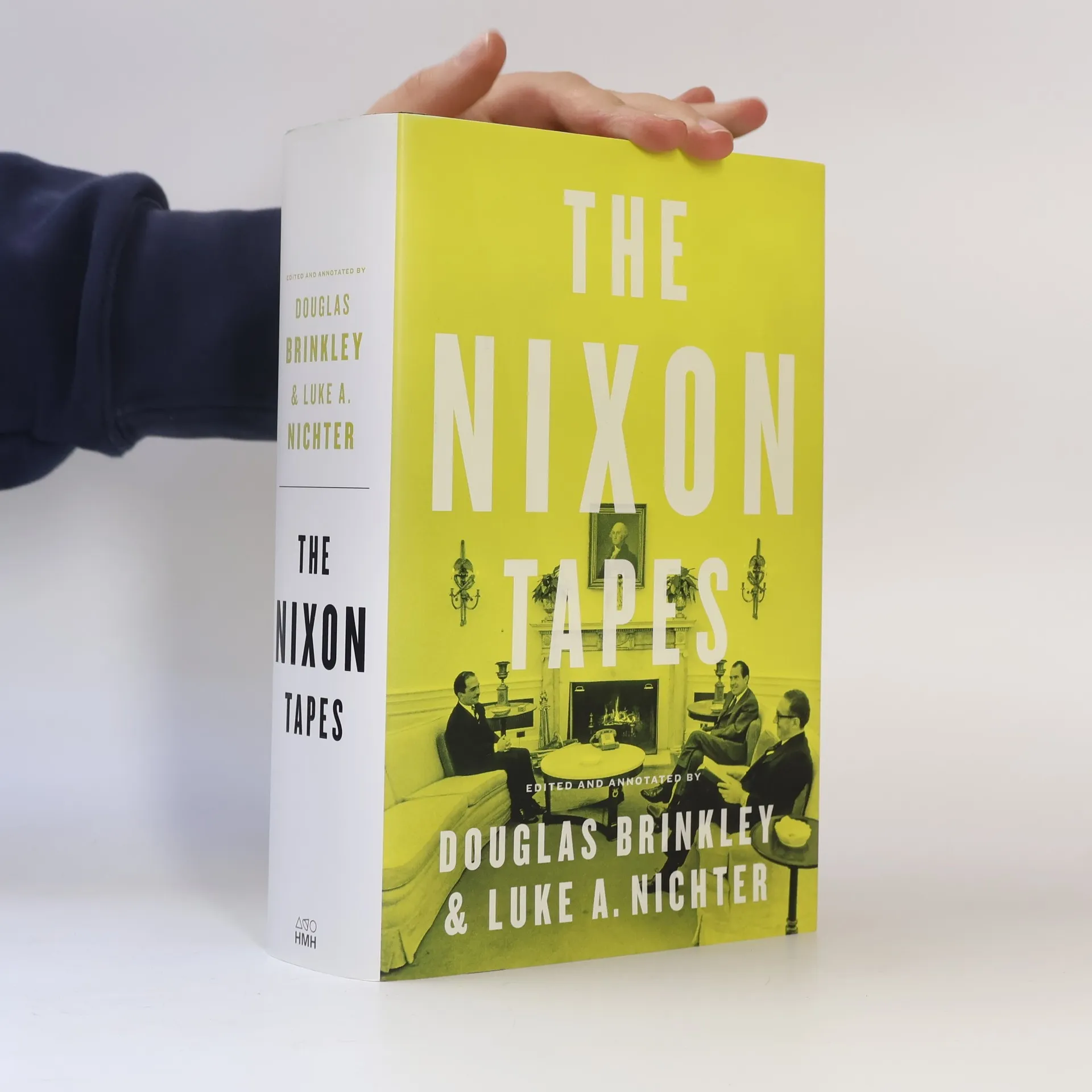
The famous -- and infamous -- Nixon White House tapes that reveal forthe first time President Richard Nixon uncensored, unfiltered, and in hisown wordsPresident Nixon's voice-activated taping system captured every wordspoken in the Oval Office, Cabinet Room, and other key locations in theWhite House, and at Camp David -- 3,700 hours of recordings between1971 and 1973. Yet less than 5 percent of those conversations have everbeen transcribed and published. Now, thanks to professor Luke Nichter'smassive effort to digitize and transcribe the tapes, the world can finallyread an unprecedented account of one of the most important andcontroversial presidencies in U.S. history.The Nixon Tapes offers a selection of fascinating scenes from theyear Nixon opened relations with China, negotiated the SALT I armsagreement with the Soviet Union, and won a landslide reelection victory.All the while, the growing shadow of Watergate and Nixon's politicaldownfall crept ever closer. The Nixon Tapes provides a never-before-seenglimpse into a flawed president's hubris, paranoia, and political genius.
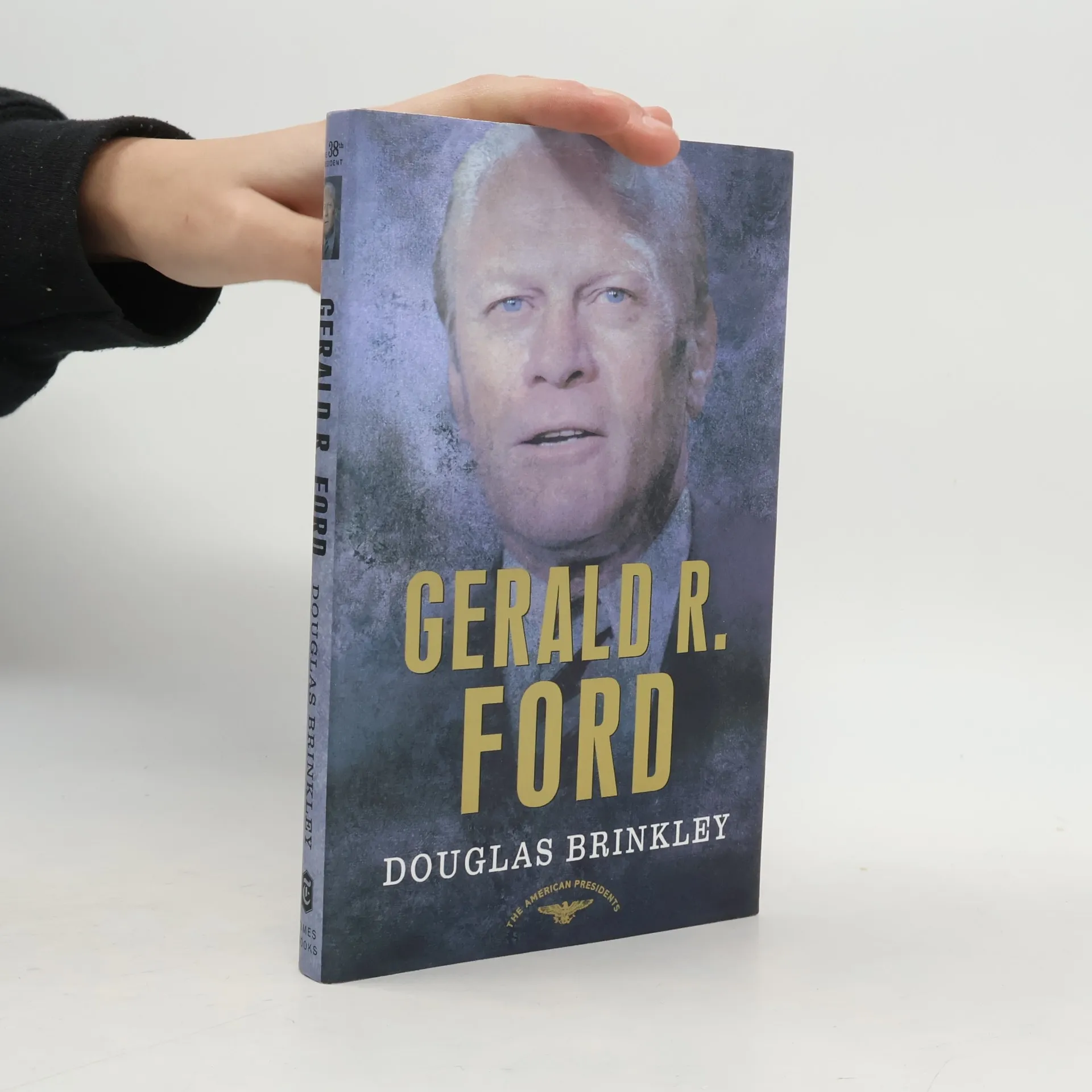
Focusing on the life of an unexpected leader, this book explores how a president, characterized by innate decency and resilience, navigated the nation through its most significant crisis. It delves into the challenges faced, the decisions made, and the moral compass that guided his actions. Through personal anecdotes and historical context, the narrative highlights the impact of his leadership on the presidency and the nation, showcasing a journey of recovery and restoration during turbulent times.
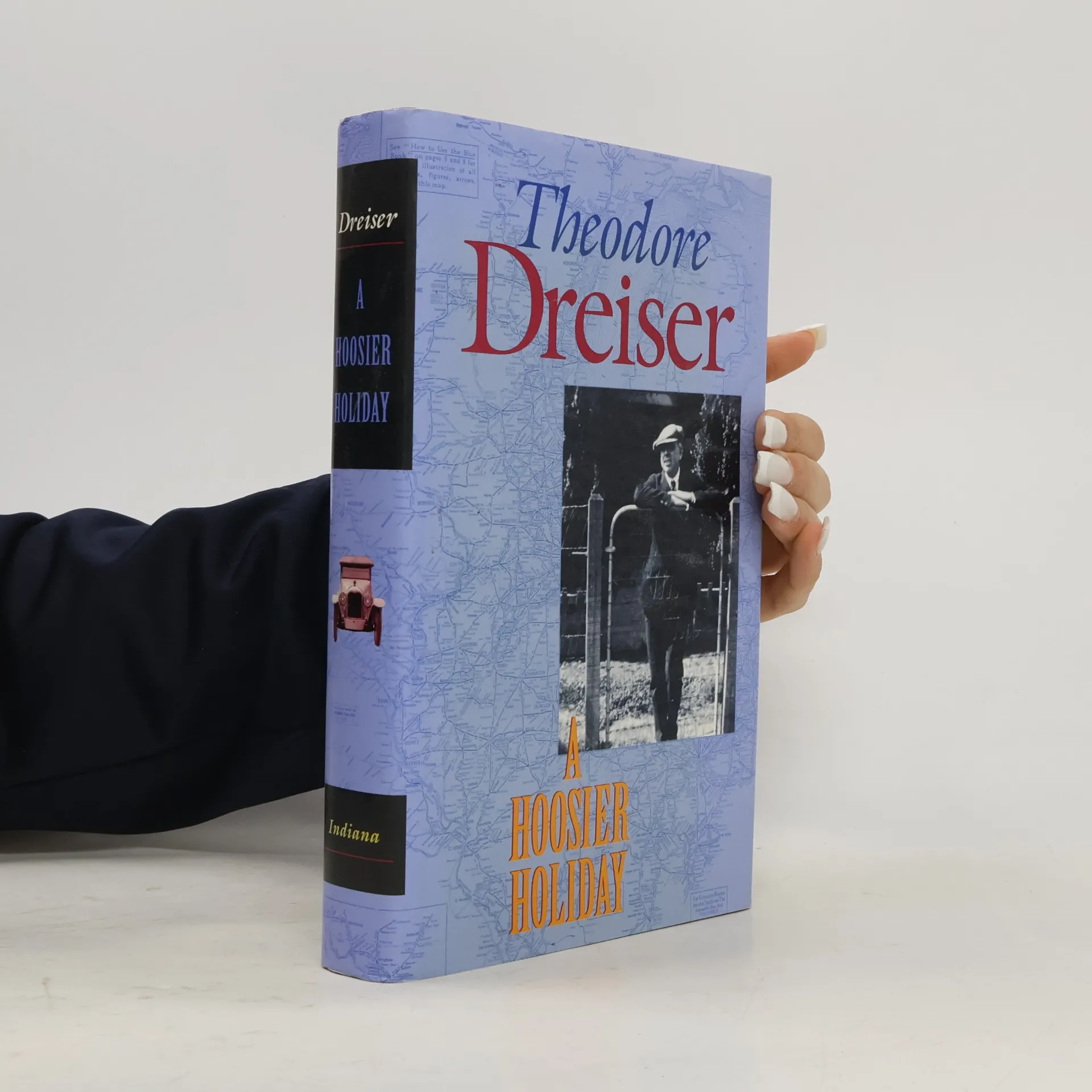
Set in 1914, the narrative follows Theodore Dreiser, a renowned writer, as he embarks on a long-overdue trip to Indiana with his friend, artist Franklin Booth. This journey, taken by automobile, marks a pivotal moment in American literature, showcasing the exhilarating sense of freedom that comes with driving. The book serves as a rich tapestry of details, blending personal reflection with the spirit of adventure, and stands as a landmark in the genre of American road literature.
Jack Kerouac is best known through the image he put forth in his autobiographical novels. Yet it is only his private journals, in which he set down the raw material of his life and thinking, that reveal to us the real Kerouac. In Windblown World , distinguished Americanist Douglas Brinkley has gathered a selection of journal entries from the most pivotal period of Kerouac’s life, 1947 to 1954. Here is Kerouac as a hungry young writer finishing his first novel while forging crucial friendships with Allen Ginsberg, William S. Burroughs, and Neal Cassady. Truly a self-portrait of the artist as a young man, this unique and indispensable volume is sure to become an integral element of the Beat oeuvre.
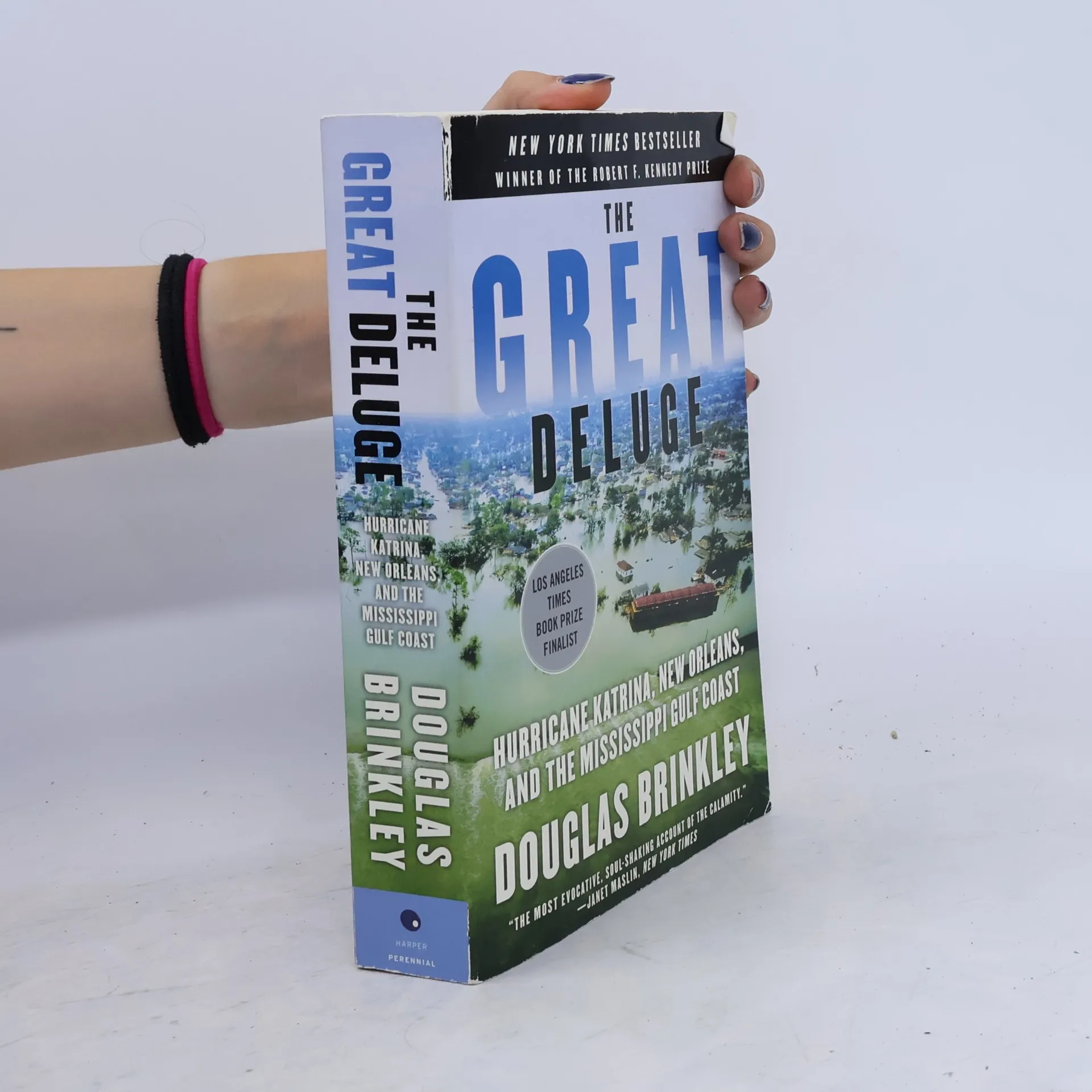
Hurricane Katrina, New Orleans, and the Mississippi Gulf Coast
784 pages
28 hours of reading
The narrative unfolds during the catastrophic events of Hurricane Katrina on August 29, 2005, detailing the immediate destruction of Gulf Coast cities and the subsequent storm-surge flooding that submerged countless homes. It highlights the devastating impact of government mismanagement in the aftermath, revealing how human failures compounded the natural disaster's effects. This account captures the complex interplay of nature's fury and societal response, emphasizing the profound human tragedy that ensued beyond the hurricane's winds and waters.