A magisterial and profoundly perceptive survey of Britain's post-war role on
the global stage, from Suez to Brexit. 'The fullest long-run political and
diplomatic narrative yet of Britain's fateful, tragi-comic road to Brexit.'
DAVID KYNASTON'An instant classic .
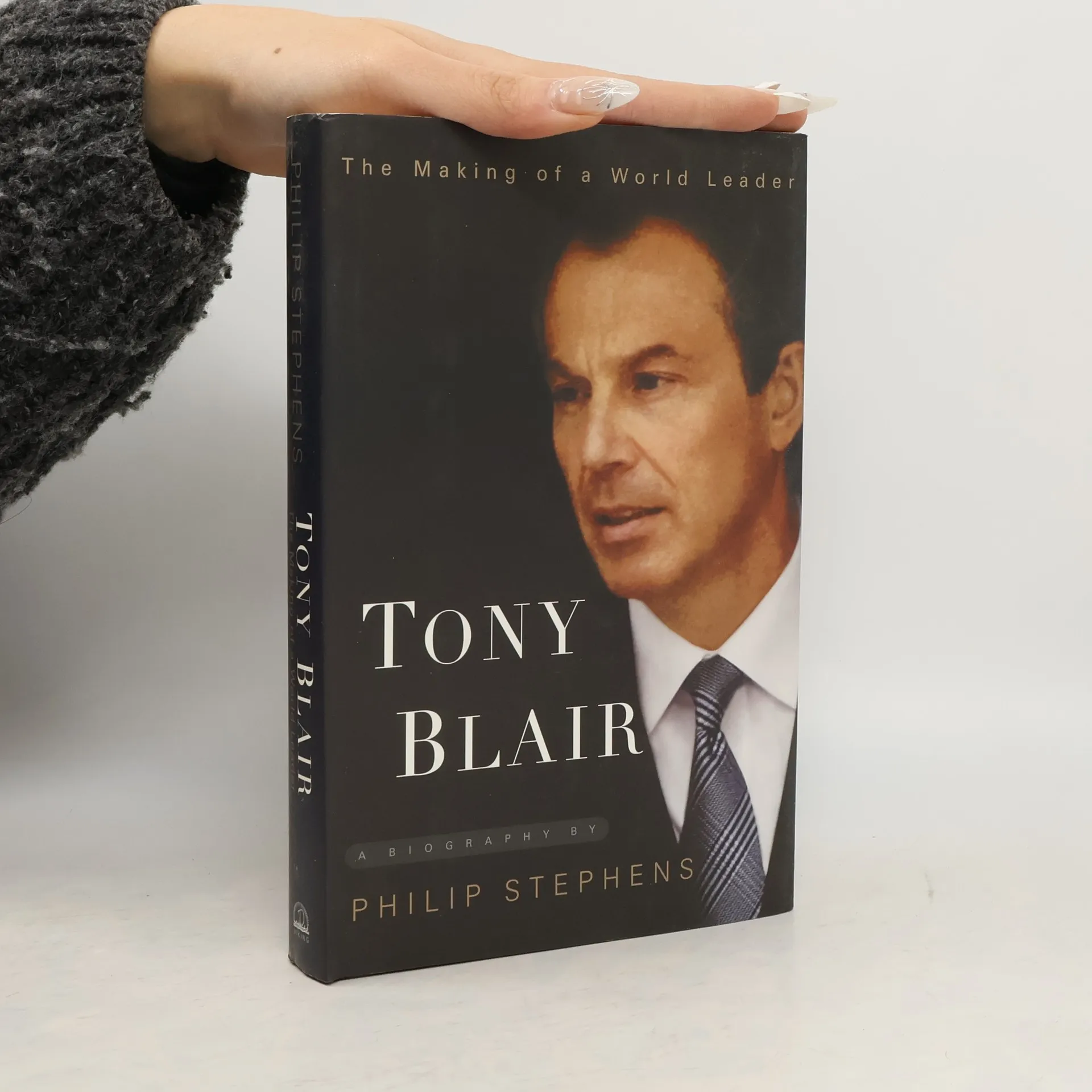
On March 27, 2003, President George W. Bush said, “America has learned a lot about Tony Blair over the last weeks . . . and we’re proud to have him as a friend.” Despite the President’s assertion, the average American knows little about Tony Blair except that he remained one of America’s strongest allies in the war on terror and, ultimately, in the war against Iraq. But why? What is Blair’s agenda? Is he just trying to further England’s cause or his own? And how has this man, the youngest British prime minister in centuries, kept strong ties with such fundamentally different presidents as Clinton and Bush? Philip Stephens—editor of the UK edition of the Financial Times and a man who has known Blair since the beginning of his career—answers for the first time these questions for the American public. Stephens follows the emerging world leader from his boyhood to his leadership of the Labor party and, along the way, exposes his beliefs, his personality, his shortcomings and contradictions, and his role in shaping a new international order.
This is a witty and authoritative account of this explosive mix between politics and economics and gives a rare insight into how economic policy is made in modern Britain and into the continuing political struggle over Britain's place in Europe.