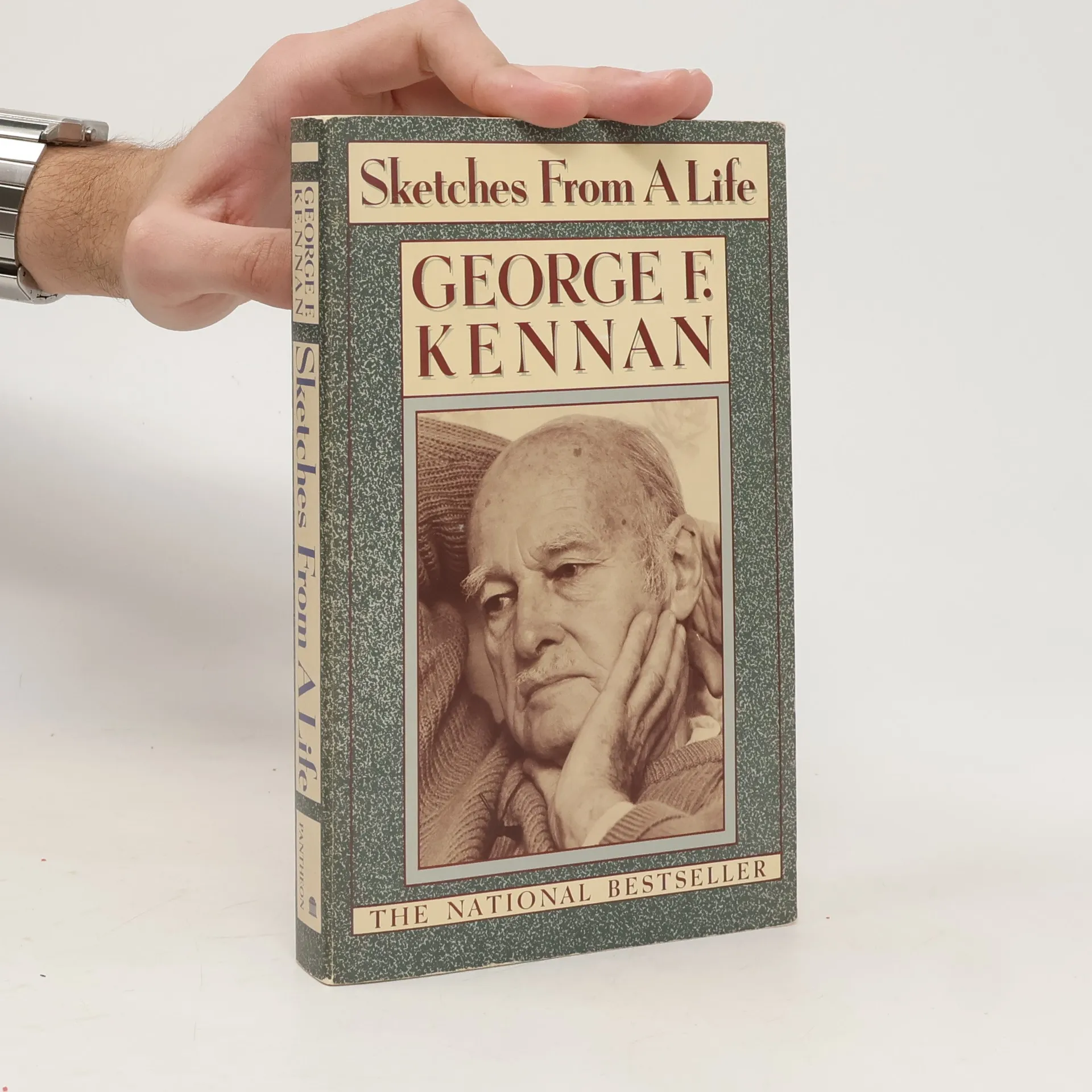
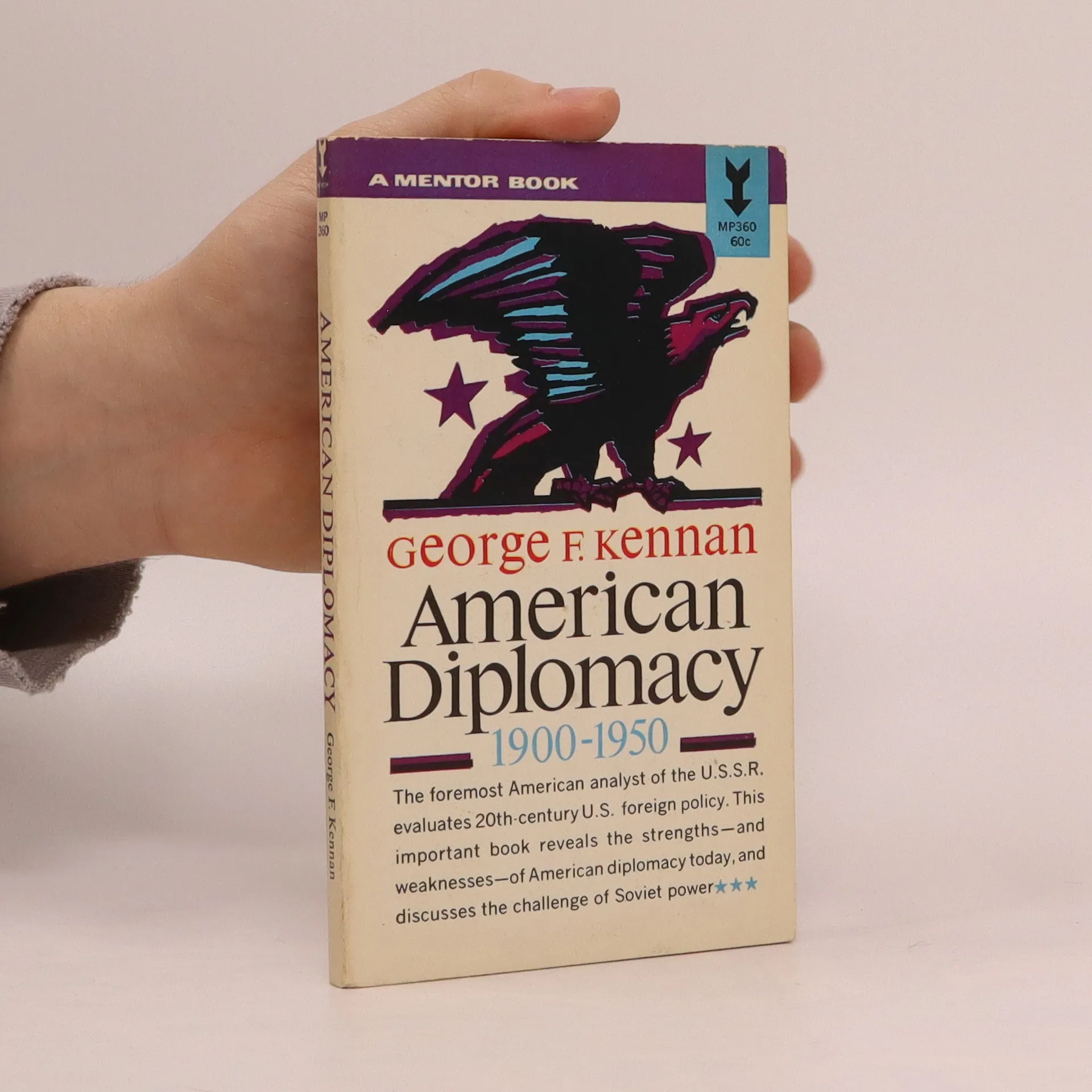
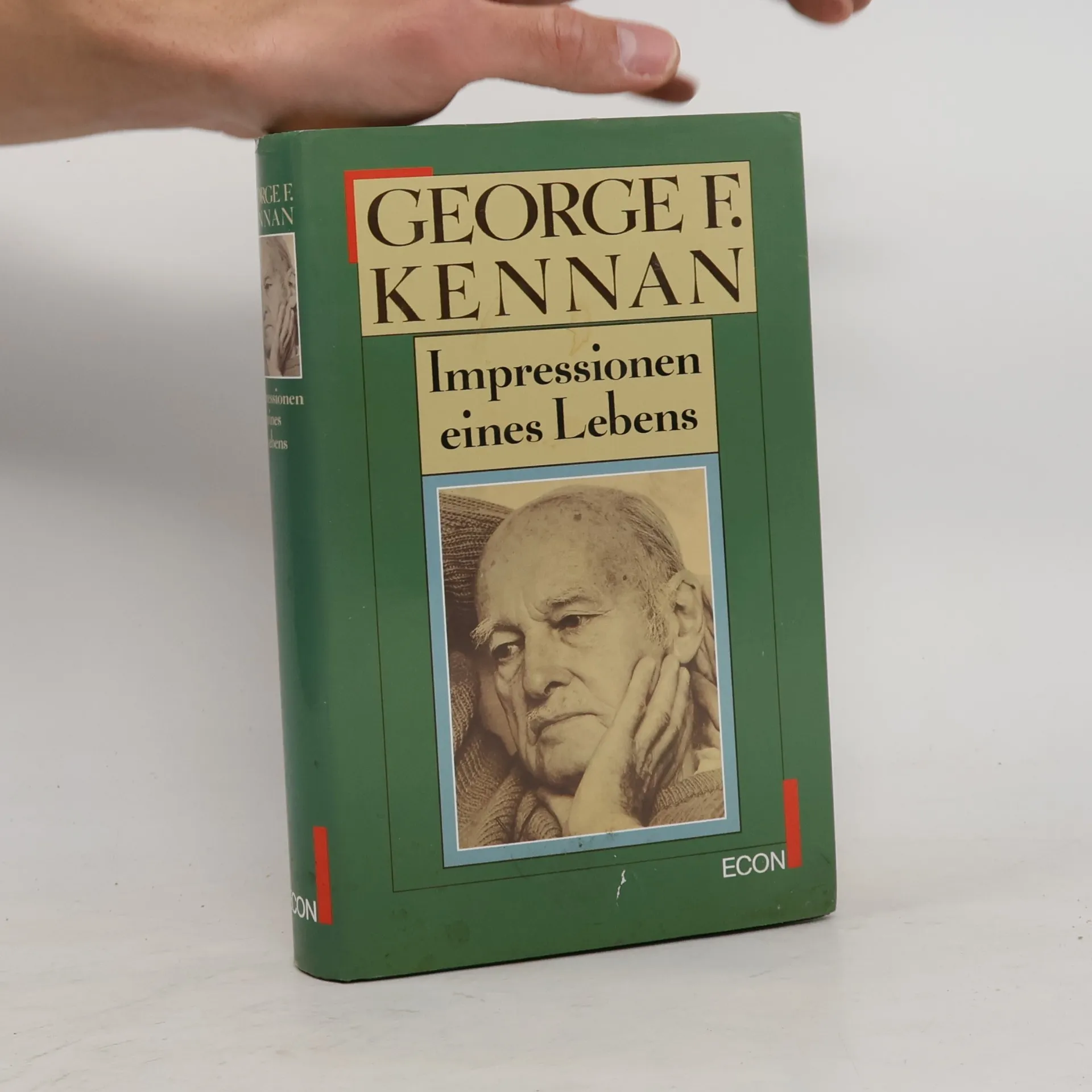
Beginning with his first foreign service post in 1927 and ending seven decades later, Kennan's account is rich with the insight of a major historical participant. Whether relating the perils of Hitler's Germany or revisiting Kennan's days as ambassador to the Soviet Union, Sketches from a Life is as riveting as great literature, and one of the most invaluable documents of our time.
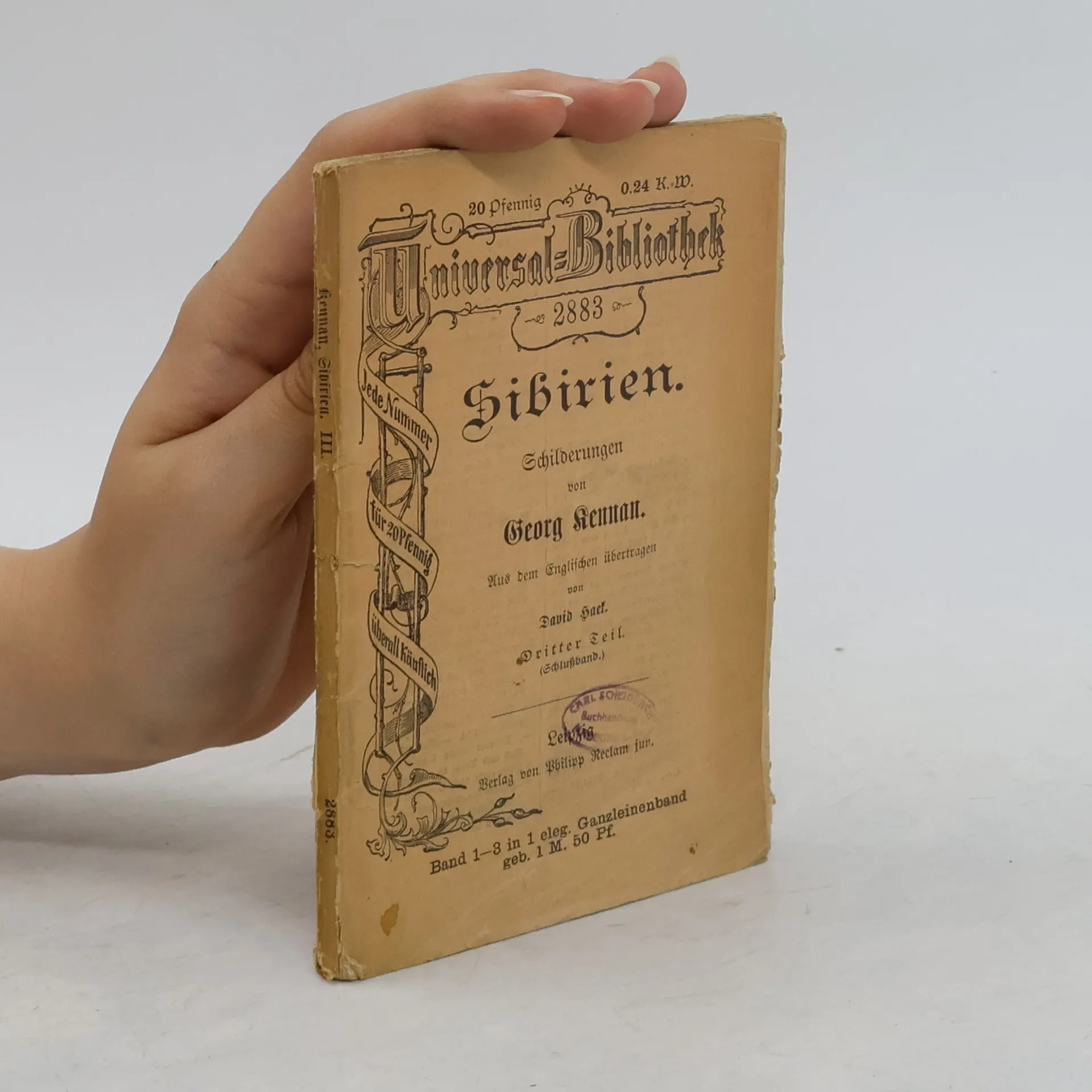
In the 1860s, a Russian-American company sponsored a survey for a proposed telegraph line extending from Siberia and the Bering Strait to the United States and Europe. Although the mission failed, it was one of the first explorations of the Siberian wilderness -- and provided the rich material for Kennan's entertaining vignettes about the expedition. He weaves a colorful travelogue that ranges from tales of seven weeks aboard a Russian ship to accounts of a Cossack wedding and the celestial wonders of the North.
Winner of the Pulitzer Prize, the National Book Award, the Bancroft Prize, and the Parkman Prize From acclaimed diplomat and historian George Kennan, a landmark history of the crucial months in 1917–1918 that forged the pattern of Soviet-American relations When the Bolsheviks seized power in November 1917, American diplomats in St. Petersburg and Moscow were thrown into a bewildering situation. Should the new regime be recognized? What was its true nature? And was there any way to keep Russia fighting against Germany in the Great War? In vivid detail, George Kennan’s classic history tells the gripping story of the Americans’ furious, and ultimately failed, efforts to strike a deal to keep the Soviets in the war—and how these events set the pattern of future relations between the two emerging superpowers. In a new foreword, Kennan biographer Frank Costigliola puts the book in the context of its Cold War publication and Kennan’s life.
The narrative explores Finland's remarkable journey through the tumultuous events of the twentieth century, highlighting its successful defiance against Soviet domination during World War II. It delves into the country's adept navigation of the Cold War, showcasing how Finns maintained their independence and democratic governance. Uniquely, Finland stands out as one of the few European nations with a continuous legacy of democratic rule since the early 1900s, underscoring its resilience and strategic diplomacy.
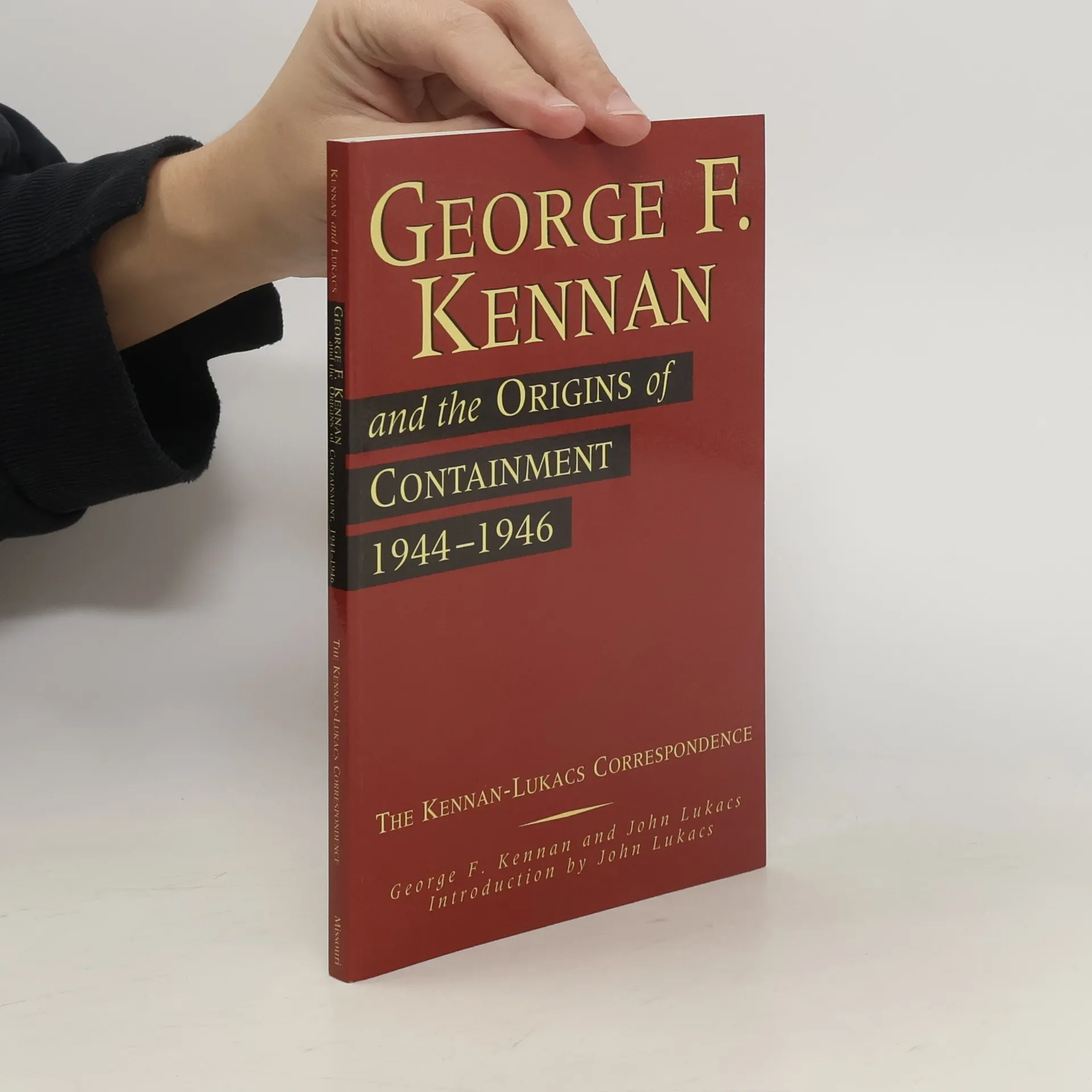
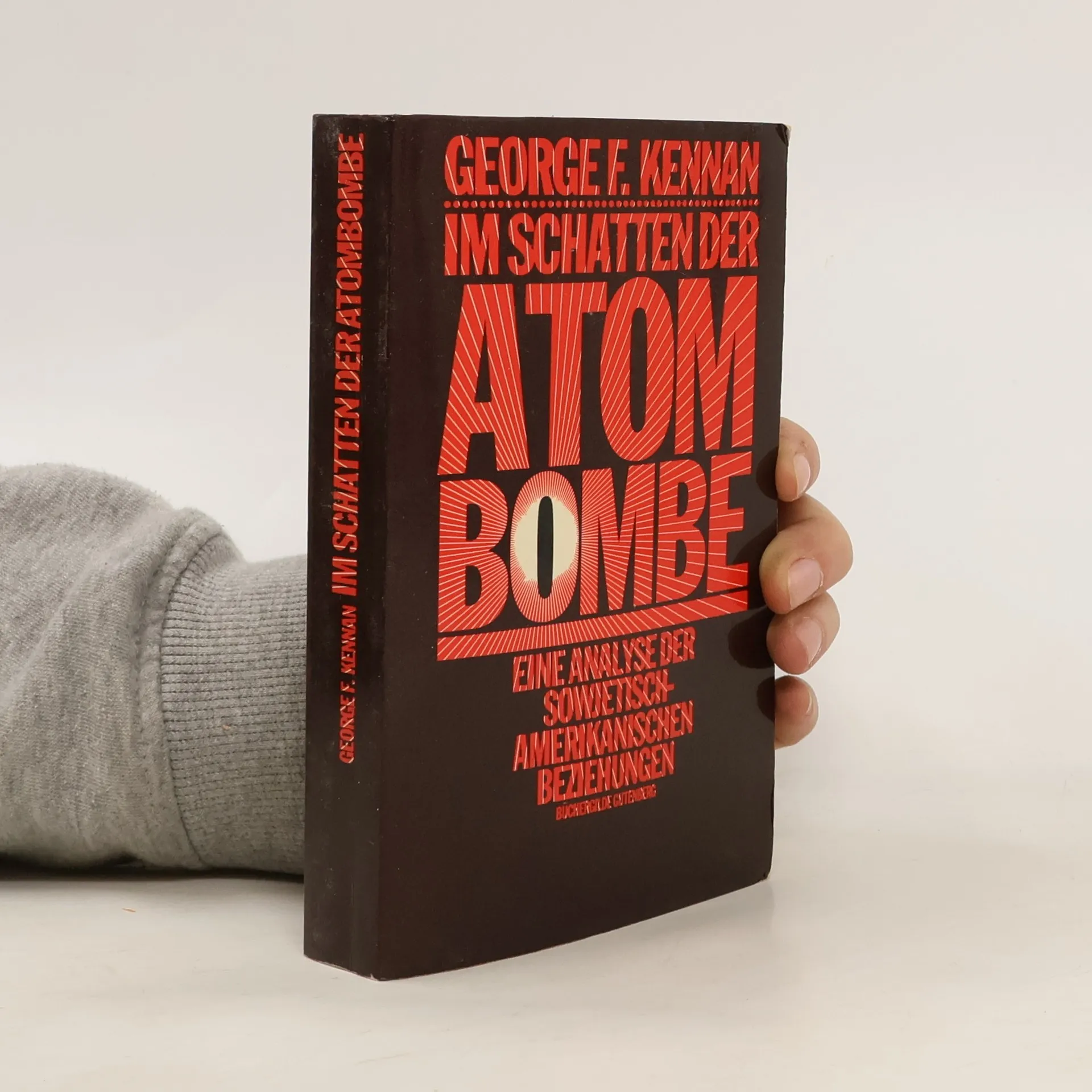
These letters show Kennan's fear of the extent to which the United States misunderstood the Soviet regime. Especially in 1944, at the time of the Russians' betrayal of the Warsaw Uprising, it became evident that the Soviets were interested in establishing their rigid domination of Eastern and Central Europe and dividing the continent.
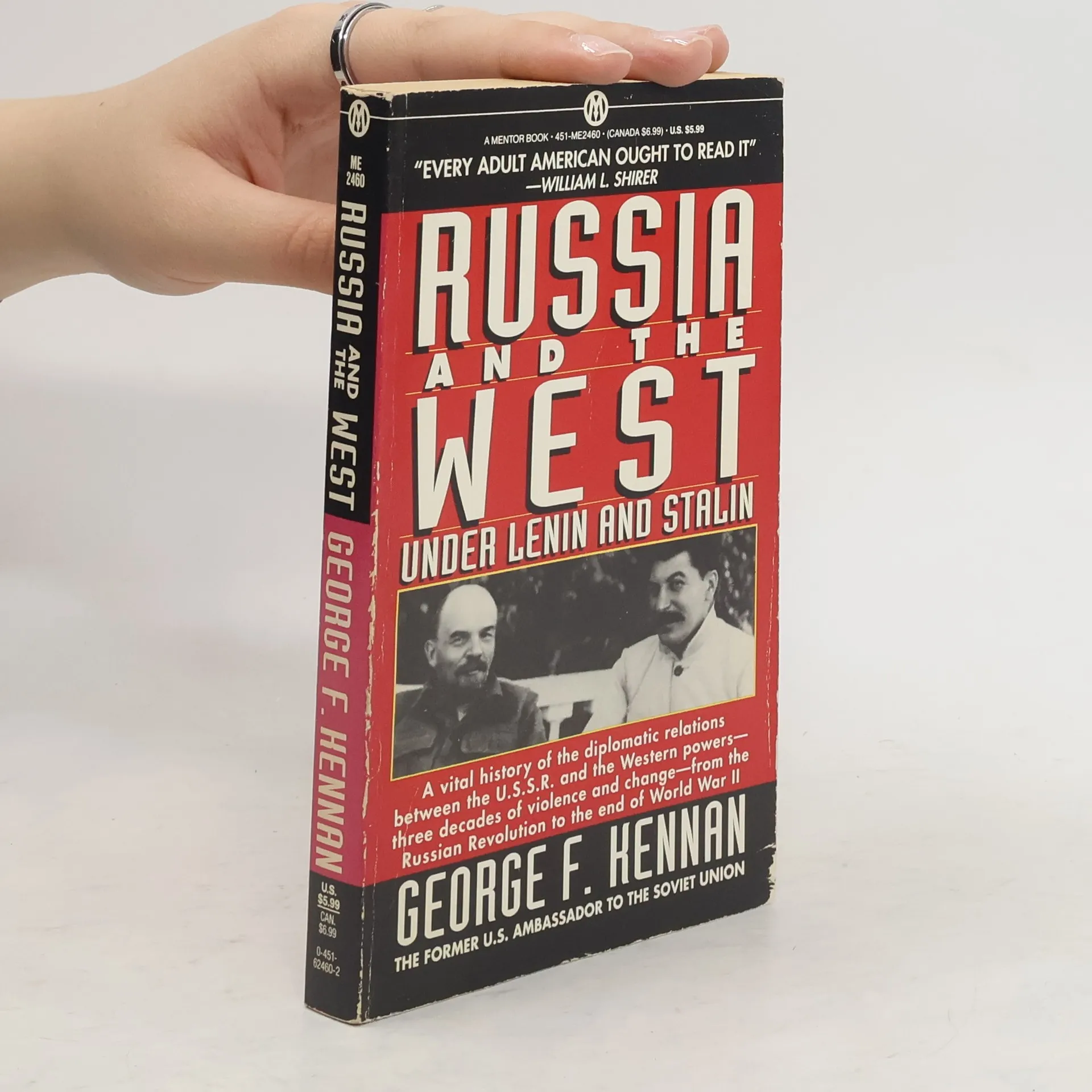
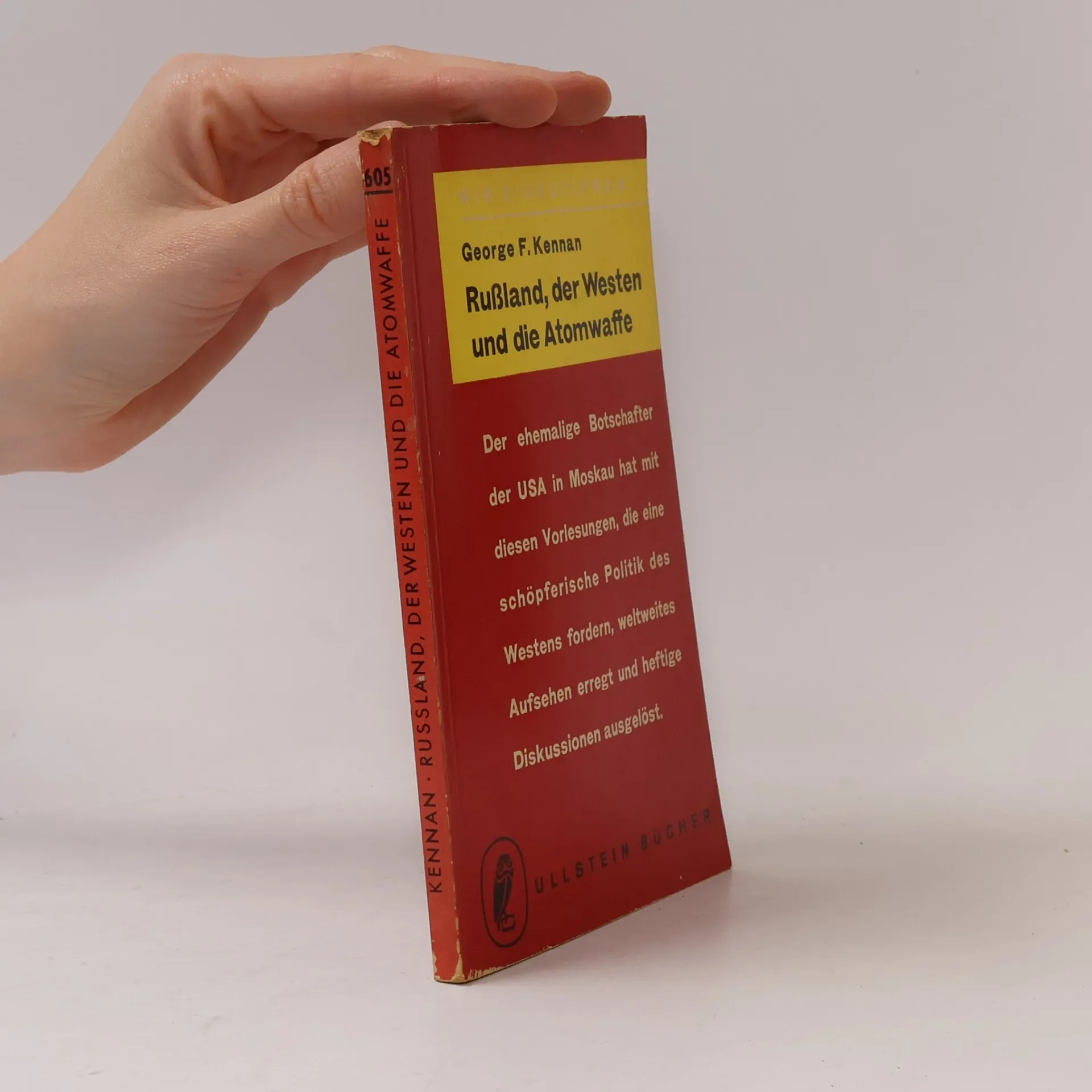
CONTENTS: Preface; Conflict of the Two Worlds; The Provisional Government; Brest-Litovsk; Unofficial Allied Agents; The North Russian Intervention; Collapse in the North; The Siberian Intervention; The Allies in Siberia; Russia and the Peace Conference I; Russia and the Peace Conference II; Germany and the Founding of the Comintern; 1920 - The Year of Transition; The Approach to Normal Relations; Western Reaction to the Soviet Bid; Rapallo; Britain, the Soviet Target; Stalin as a Statesman; Stalin and China; The Rise of Hitler; The Struggle against Hitler, and the Purges; The Nonaggression Pact; Before Germany Struck; Russia and the West as Allies; Russia and the War in Asia; Keeping a World Intact; Notes; Index.
This landmark collection features the unpublished diaries of George F. Kennan, a prominent U.S. diplomat, covering ninety years of American history. It offers unique insights into his thoughts and experiences, shedding light on significant historical events.
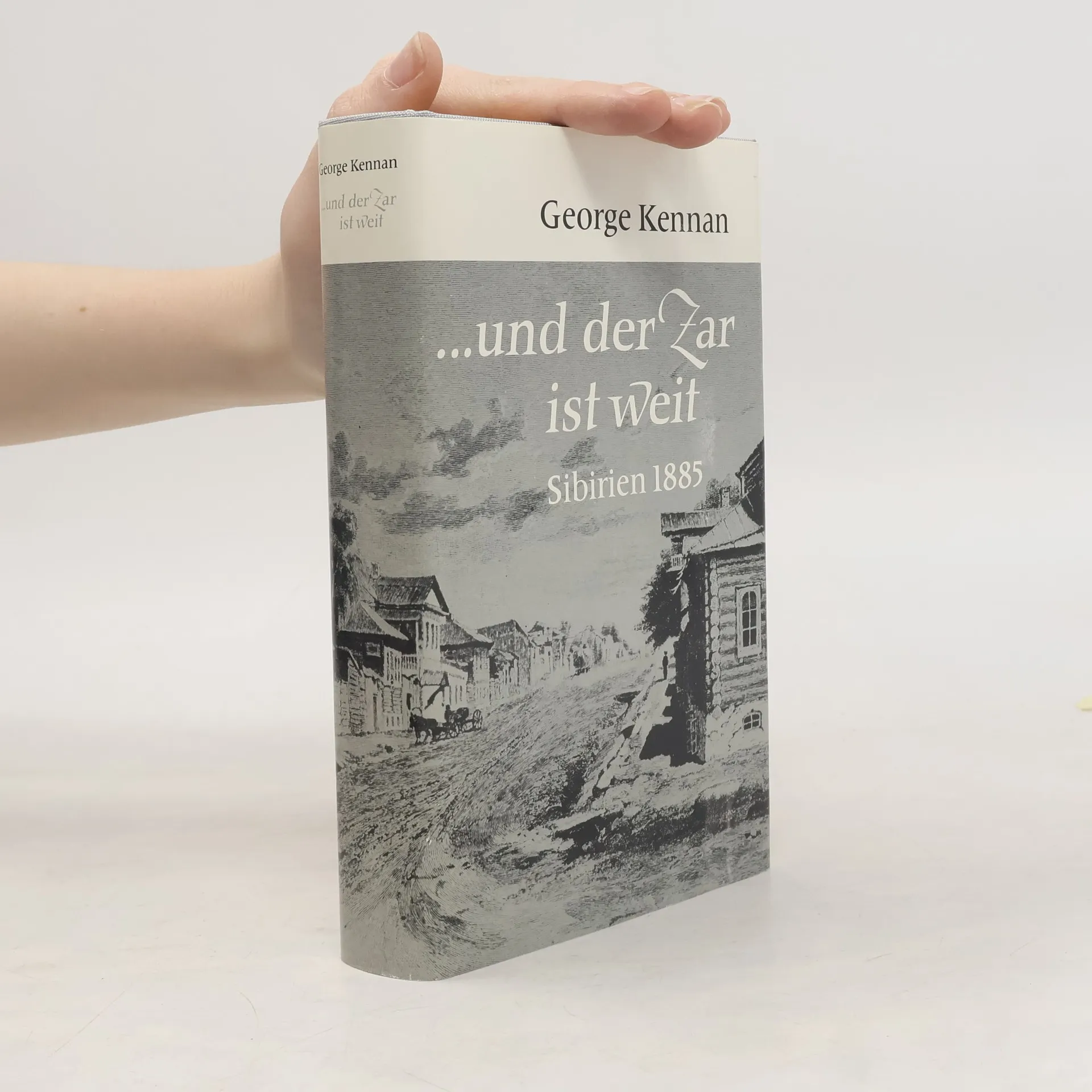
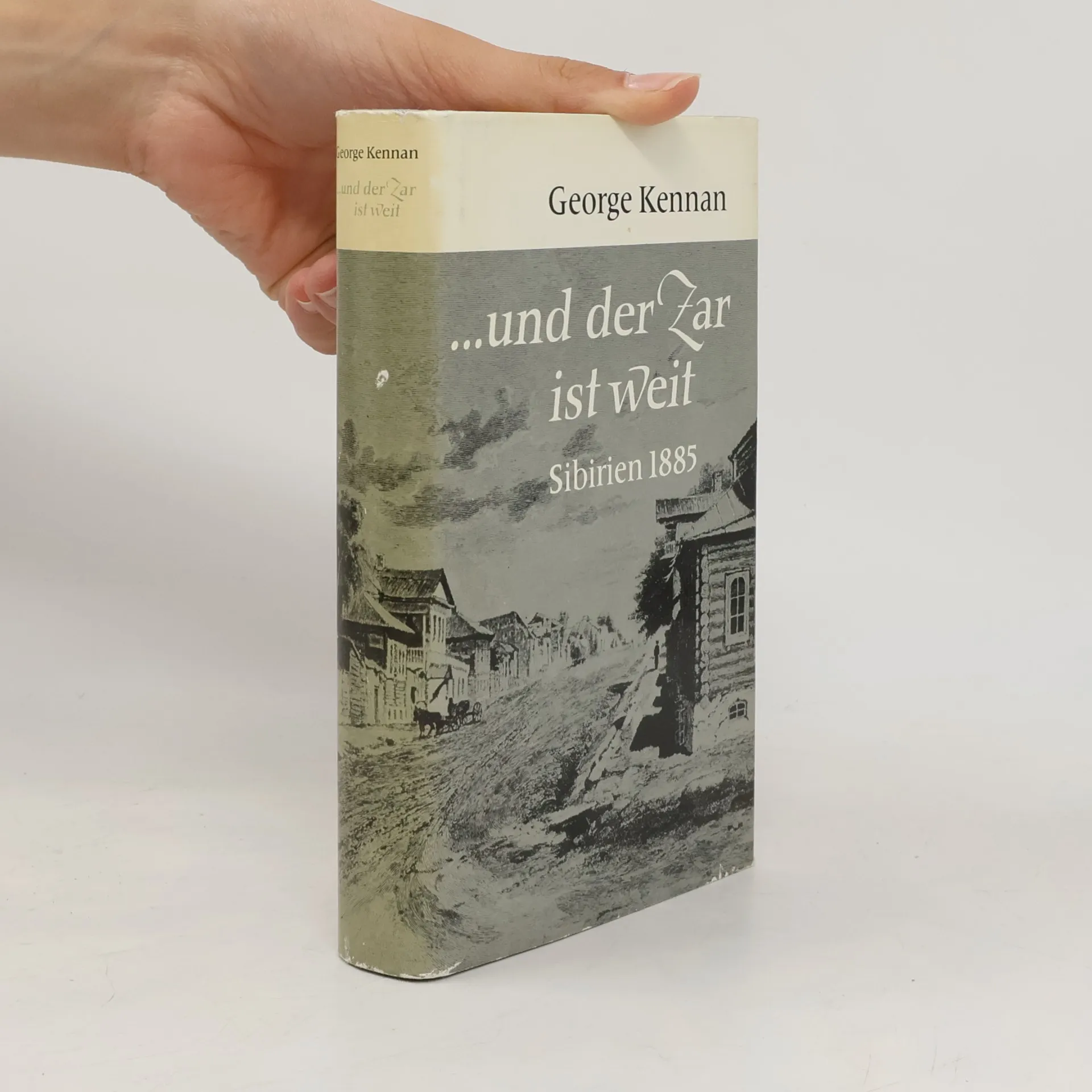
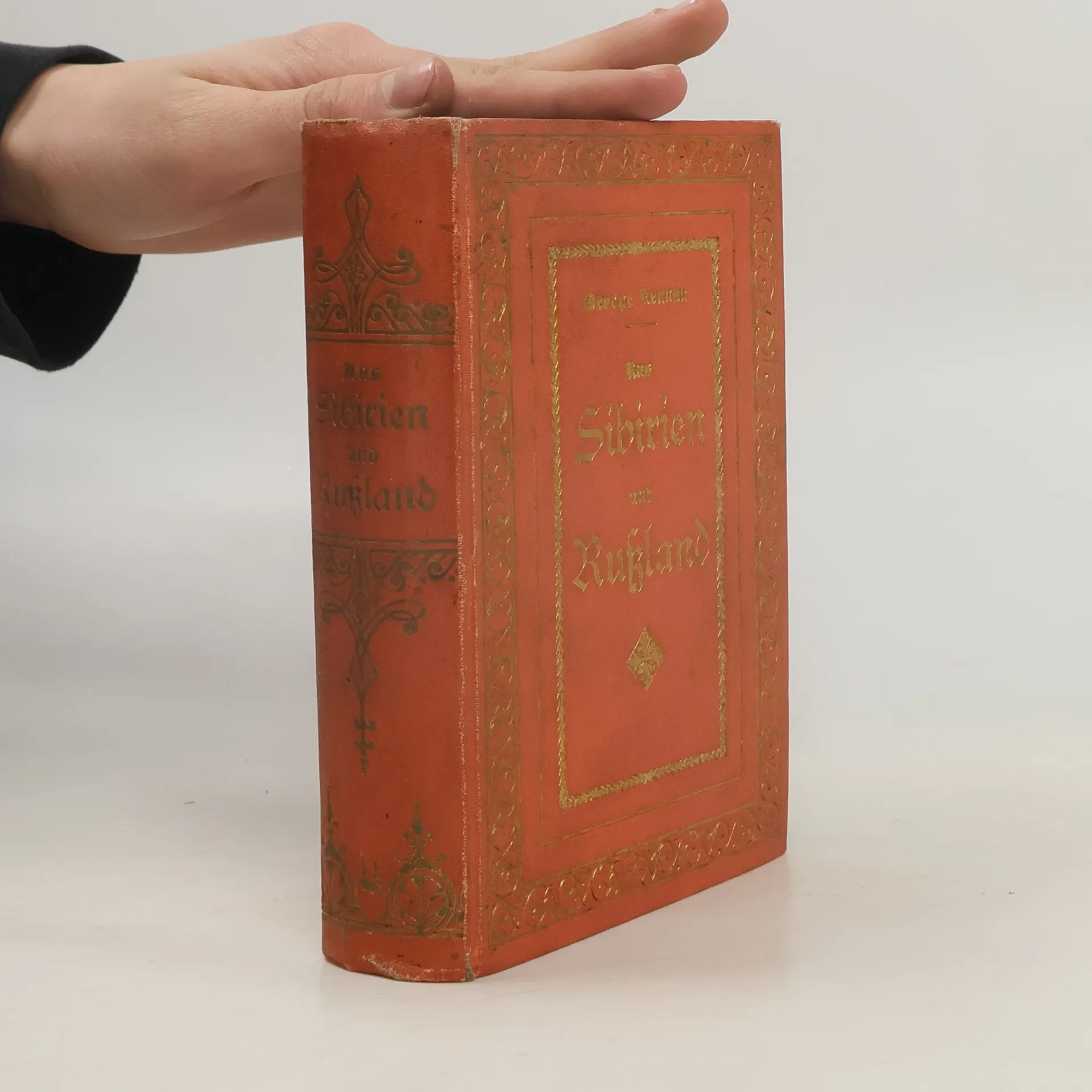
The second volume explores the historical context and intricacies of Siberia and its exile system, providing a detailed examination of the penal practices and societal implications during the late 19th century. This reprint maintains the authenticity of the original 1891 edition, offering readers a glimpse into the harsh realities faced by exiles and the broader impact on Russian society.
Exploring the adventures among the Koraks and other tribes in Kamchatka and Northern Asia, this classic account offers a unique glimpse into tent life in Siberia. The book has been meticulously reformatted and redesigned for clarity, ensuring that its historical significance is preserved for future generations. It falls within the genres of history and Eastern Hemisphere studies, providing valuable insights into the cultures and experiences of the region.
Set during the Cuban War of Independence, this historical narrative offers a firsthand account of the conflict's dynamics and its effects on those involved. George Kennan vividly portrays the struggles of both Cuban rebels and Spanish forces while exploring the military strategies and the broader cultural, social, and political contexts of the war. His eloquent yet accessible writing provides deep insights into the complexities of warfare and the human experience, making this work a significant historical document that sheds light on Cuba's fight for sovereignty.
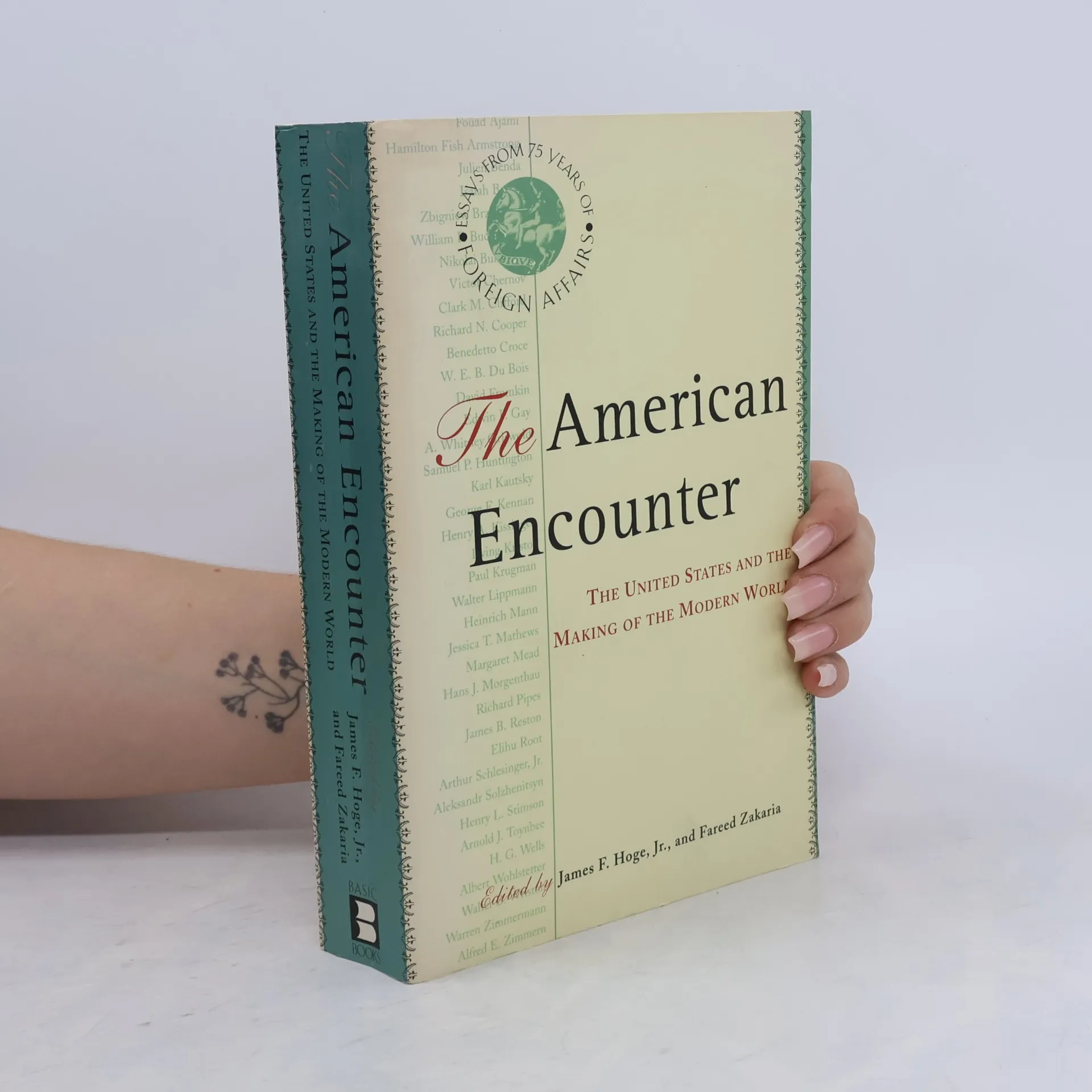
The United States and the Making of the Modern World: Essays from 75 Years of Foreign Affairs
672 pages
24 hours of reading
Since its founding in 1922, Foreign Affairs has established itself as the premier journal of international relations, offering profound commentary on global politics and economic policy. America's significant role in world events—military, political, economic, and ideological—has been central to discussions within its pages. Notably, it was here that George Kennan introduced the containment policy, shaping U.S. Cold War strategy. The journal has hosted debates among statesmen-scholars like Henry Kissinger and Arthur Schlesinger on critical issues such as nuclear weapons and human rights, while journalists like Walter Lippmann and James Reston have provided insightful analyses of American foreign policy. Thinkers like Isaiah Berlin and Samuel Huntington have explored the evolving dynamics of the world. In The American Encounter , readers will discover landmark essays that reflect a unique intellectual history of the past century and America's extraordinary influence within it. This collection stands apart, as there is no other publication like Foreign Affairs . The American Encounter serves as a vital connection to historical giants—visionaries whose insights and warnings resonate today, enhancing our understanding of America's role on the global stage.
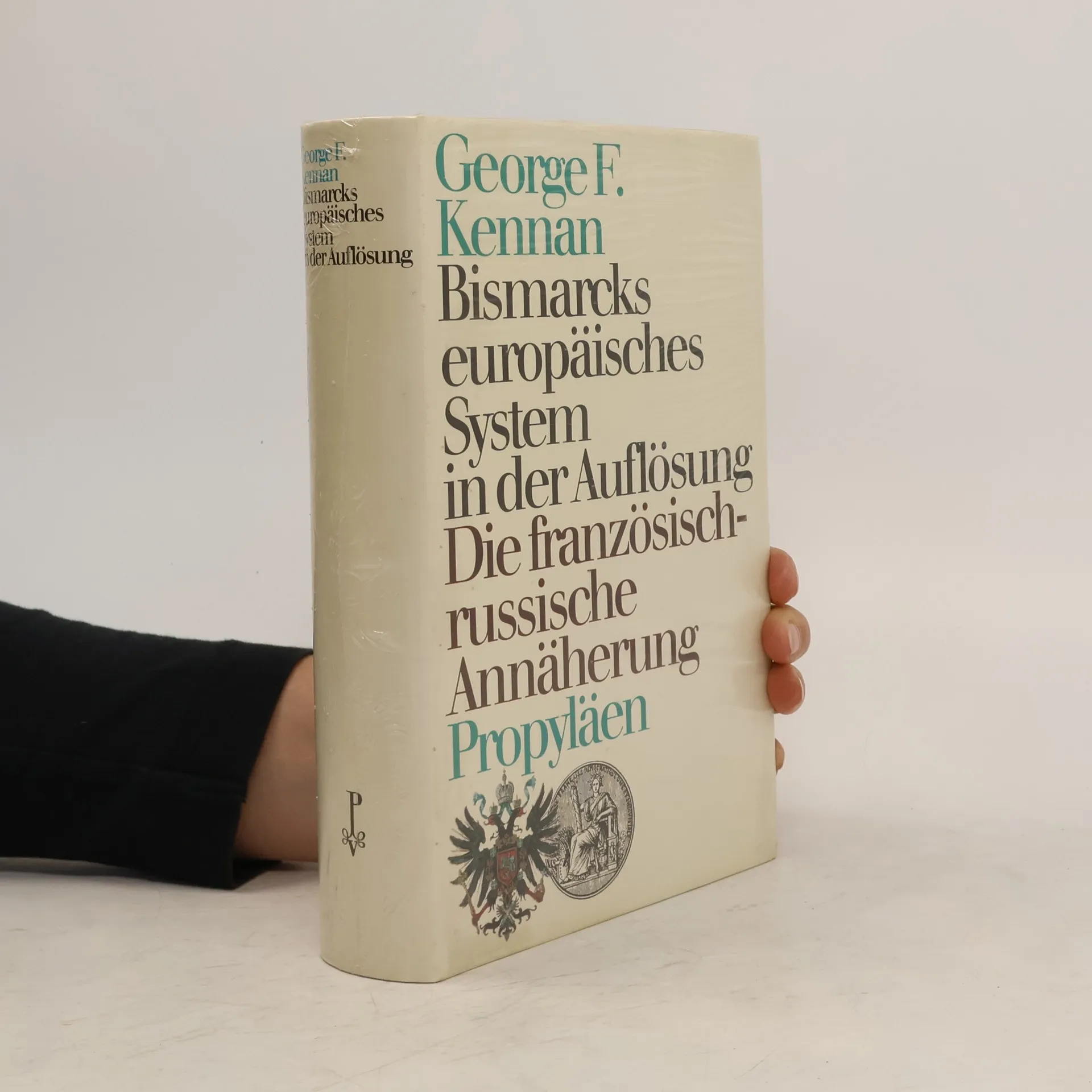
In dem Versuch, einige der zugrunde liegenden Ursprünge des Ersten Weltkriegs zu entdecken, konzentriert sich der bedeutende Diplomat und Schriftsteller George Kennan auf einen kleinen Bereich von Ereignissen im Hintergrund, um zu zeigen, wie sie das große Drama lange vor dem Krieg beeinflussten. In der Einleitung seines Buches erklärt George Kennan, dass er den Ersten Weltkrieg als die große grundlegende Katastrophe dieses Jahrhunderts sieht – das Ereignis, das im Herzen des Scheiterns und des Niedergangs dieser westlichen Zivilisation liegt. Aber er fragt sich, wer nicht von dem Kontrast zwischen diesem apokalyptischen Ergebnis und der "delirierenden Euphorie" der Menschen auf den Straßen Europas beim Ausbruch des Krieges 1914 betroffen sein könnte. "Waren wir nicht," schlägt er vor, "angesichts einer monströsen Fehleinschätzung – eines weit verbreiteten Versagens, die äußeren Indikatoren der eigenen Situation korrekt zu lesen?" Aus dieser Perspektive heraus startet Herr Kennan eine "Mikrogeschichte" der franco-russischen Beziehungen, die bis in die 1870er Jahre zurückreicht, um die Motive zu bestimmen, die die Menschen dazu führten, "so blind" in die Schrecken des Ersten Weltkriegs zu wandern.
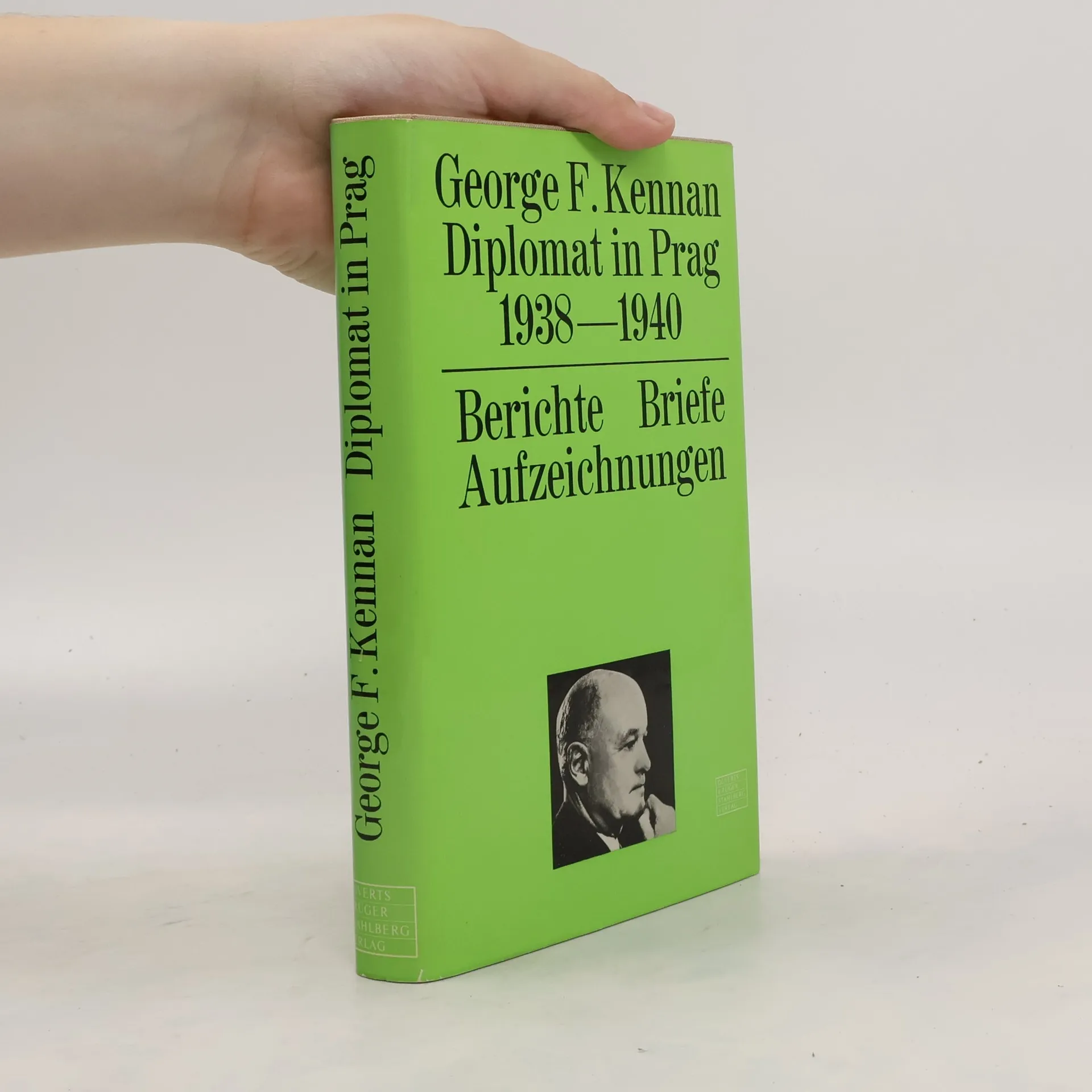
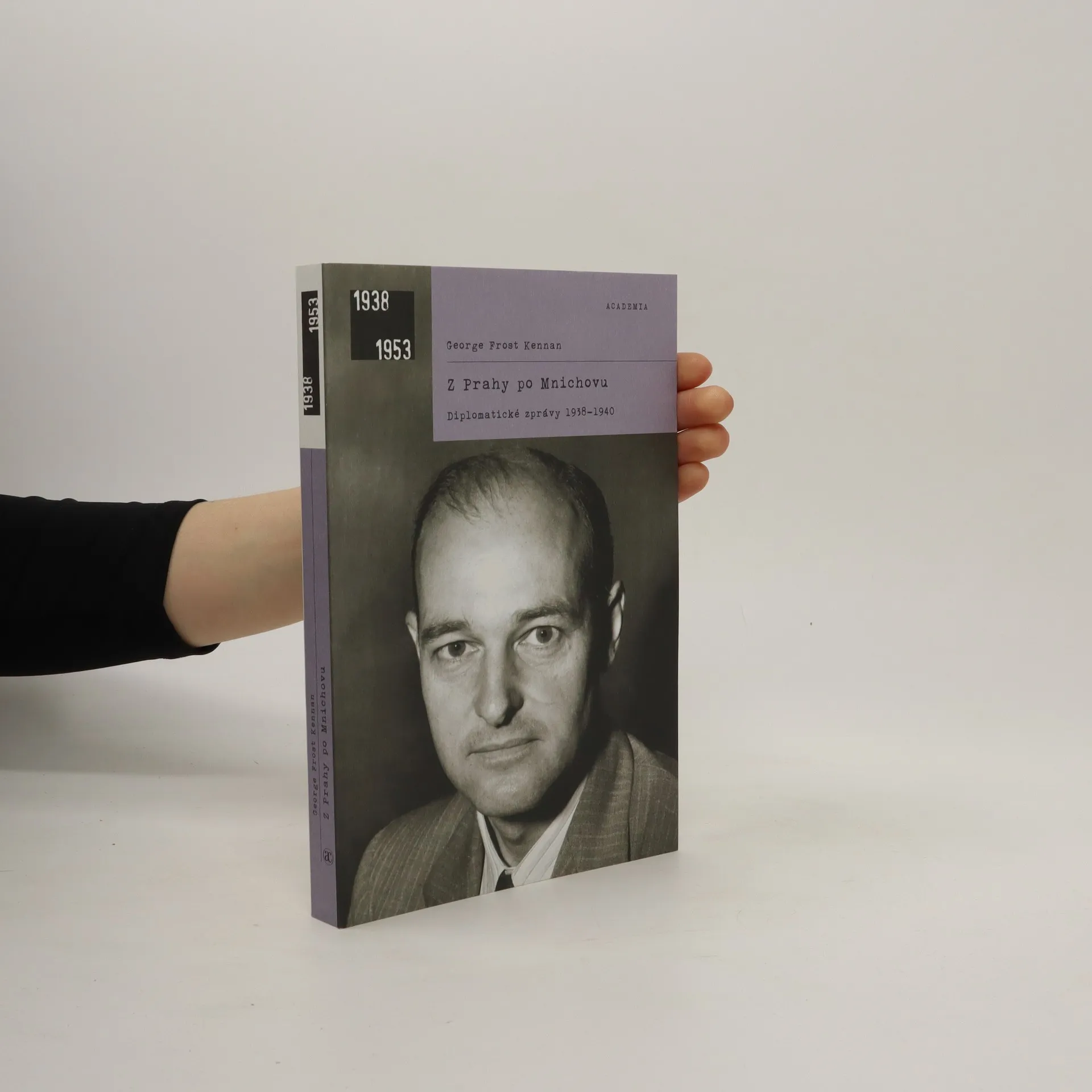
Výběr z Kennanovy diplomatické i osobní korespondence od října 1938 do září 1939, kdy působil jako tajemník amerického vyslanectví a později generálního konzulátu v Praze. Depeše a zprávy určené většinou americkému ministerstvu zahraničních věcí analyticky rozebírají např. události sudetské krize, Mnichova, okupace českých zemí a vznik Slovenského státu. Analyzují česko-německé a česko-slovenské vztahy, sledují postupně se rozvíjející antisemitskou politiku, rozebírají situaci na Podkarpatské Rusi a začlenění bývalého Československa do středoevropského prostoru a jeho vztahy s Polskem a Maďarskem. S fotografickou přesností popisují 15. březen 1939 v Praze, jakož i příjezd říšského protektora do Prahy a celkovou atmosféru těchto ponurých dní. Všímají si i ozbrojených střetů podél slovensko-maďarské a česko-polské hranice.
Analyzují ekonomickou situaci Protektorátu i samostatného Slovenského státu a vývoj české a slovenské měny. Většina depeší sleduje všeobecné trendy v obou částech bývalého Československa, činnost protektorátní vlády a nálady obyvatelstva. Soubor depeší doplňuje jedna souhrnná zpráva z října 1940, která sumarizuje rok a půl trvání Protektorátu Čechy a Morava. Kladem Kennanových zpráv je objektivnost, nezaujatost, faktografická přesnost a schopnost důkladné analýzy a následné pronikavé syntézy.