The author's aim in writing is to share ideas, experiences, and the lessons learned, hoping to evoke a range of emotions and critical thought in readers. The core aspiration is to create a profound connection, a moment of shared understanding across time and space, which the author views as the true marvel of the written word. Ultimately, the author emphasizes that their work is incomplete and meaningless without the reader's engagement and interpretation.
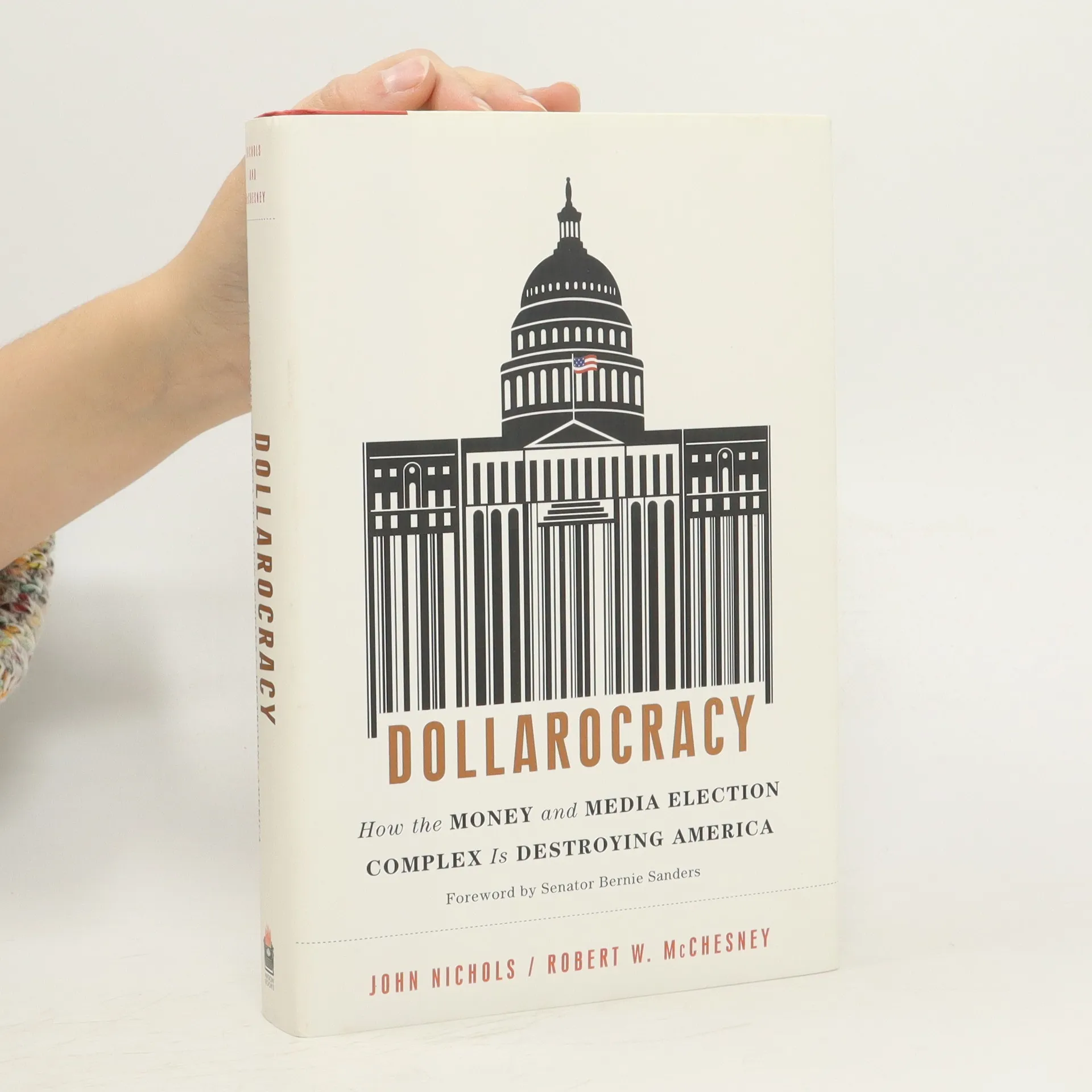
Argues that the infusion of more and more cash into election campaigns is leading to predictable results, reducing political elections to little more than a numbers game and allowing the powers that be to practically buy an election.
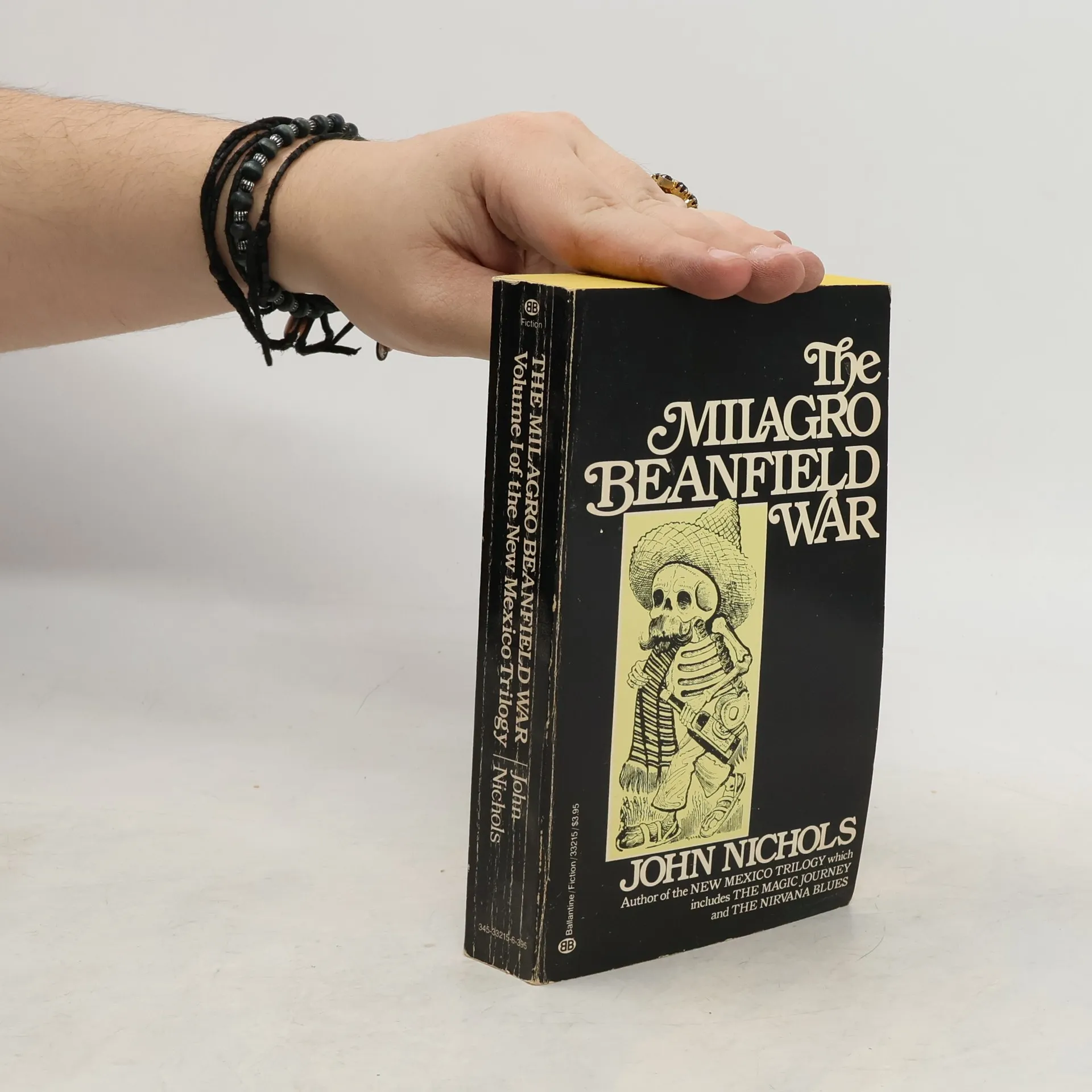
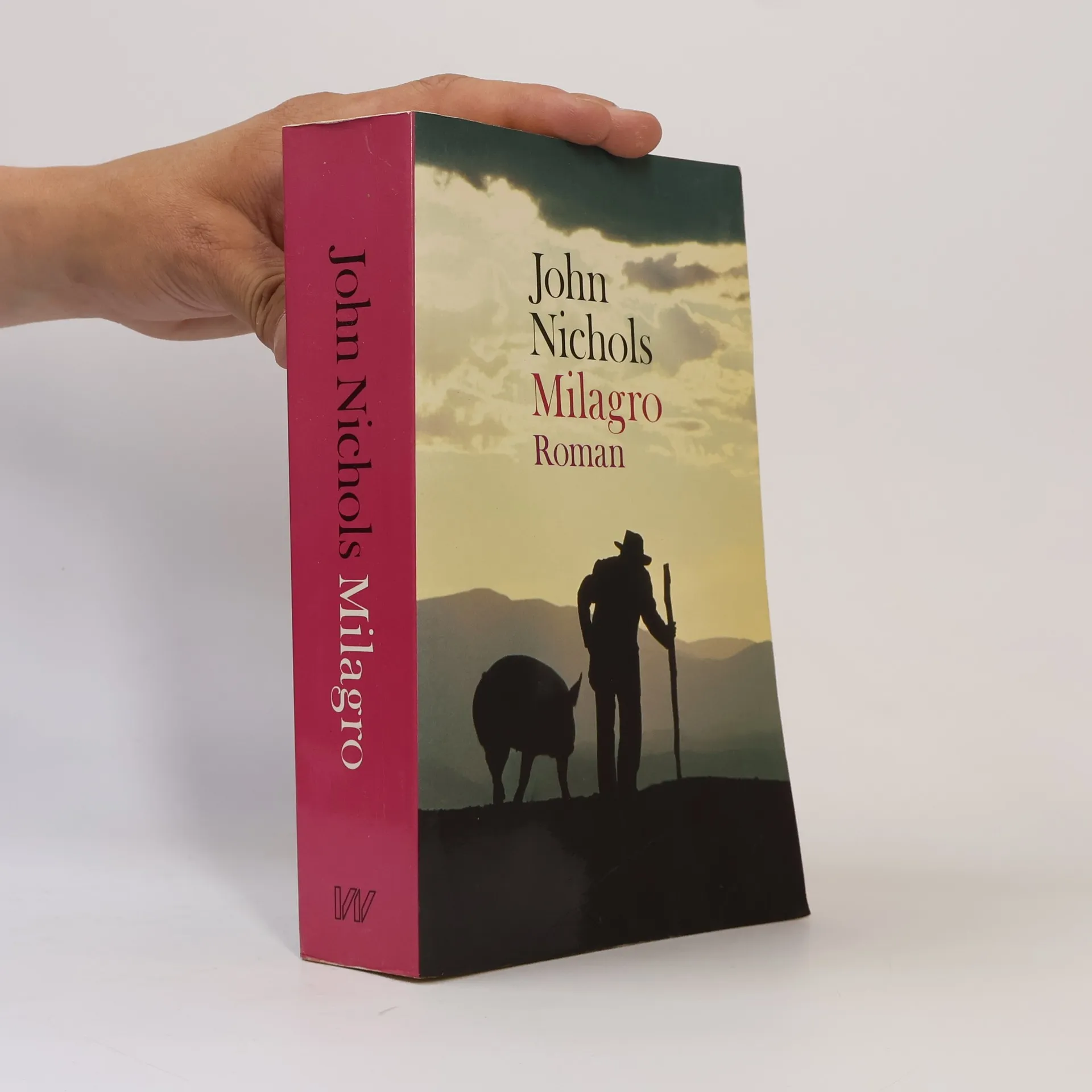
Joe Mondragon, a spirited hustler with a knack for trouble, stops his battered pickup and heads into a dry patch of land. Illegally tapping into the main irrigation channel, he ignites what would come to be known as the Milagro beanfield war. This conflict, however, is not marked by traditional victories but rather by tactical retreats. As the small farmers and sheepmen rally around Joe's beanfield, it becomes a powerful symbol of their lost rights and lands. Meanwhile, in the capital, the Anglo water barons and power brokers convene, intent on quashing this symbol before it threatens their lucrative land-development plans. The story of Milagro's rise is both wildly comic and deeply tender, portraying a town that stumbles toward its own salvation. Critics praise the author for his gifts akin to Steinbeck's, highlighting his compassion, humor, and celebration of human dignity. The narrative is described as insightful and entertaining, capturing a sense of wonder reminiscent of "One Hundred Years of Solitude." Overall, it is a gentle, funny, and transcendent tale that resonates with readers.
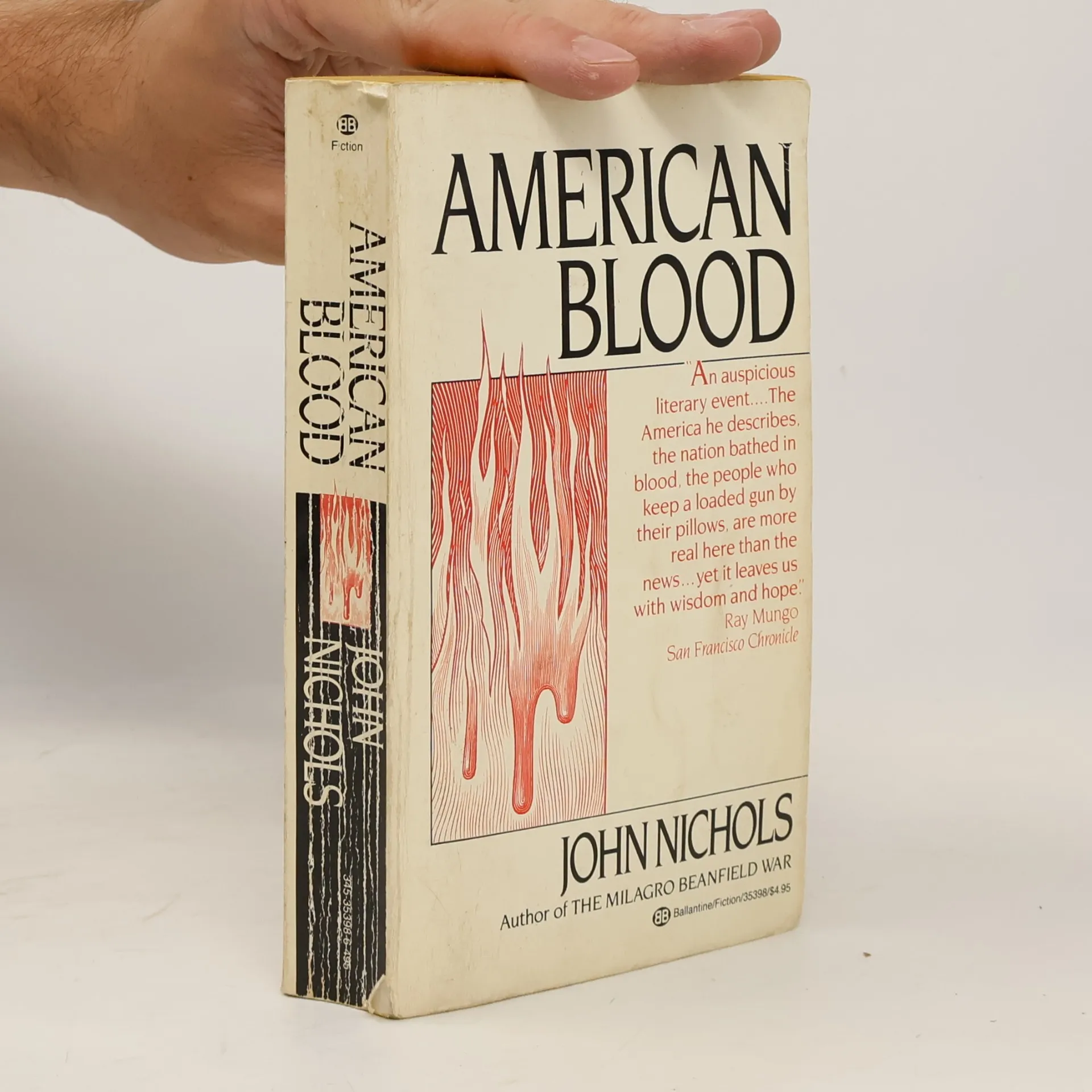
Though Michael Smith cannot forget the pornographic atrocities he witnessed abroad during the Vietnam war, it is the pervasive brutality of civilian life that threatens to destroy him. American Blood is a timely and fiercely moral statement on violence and loss.
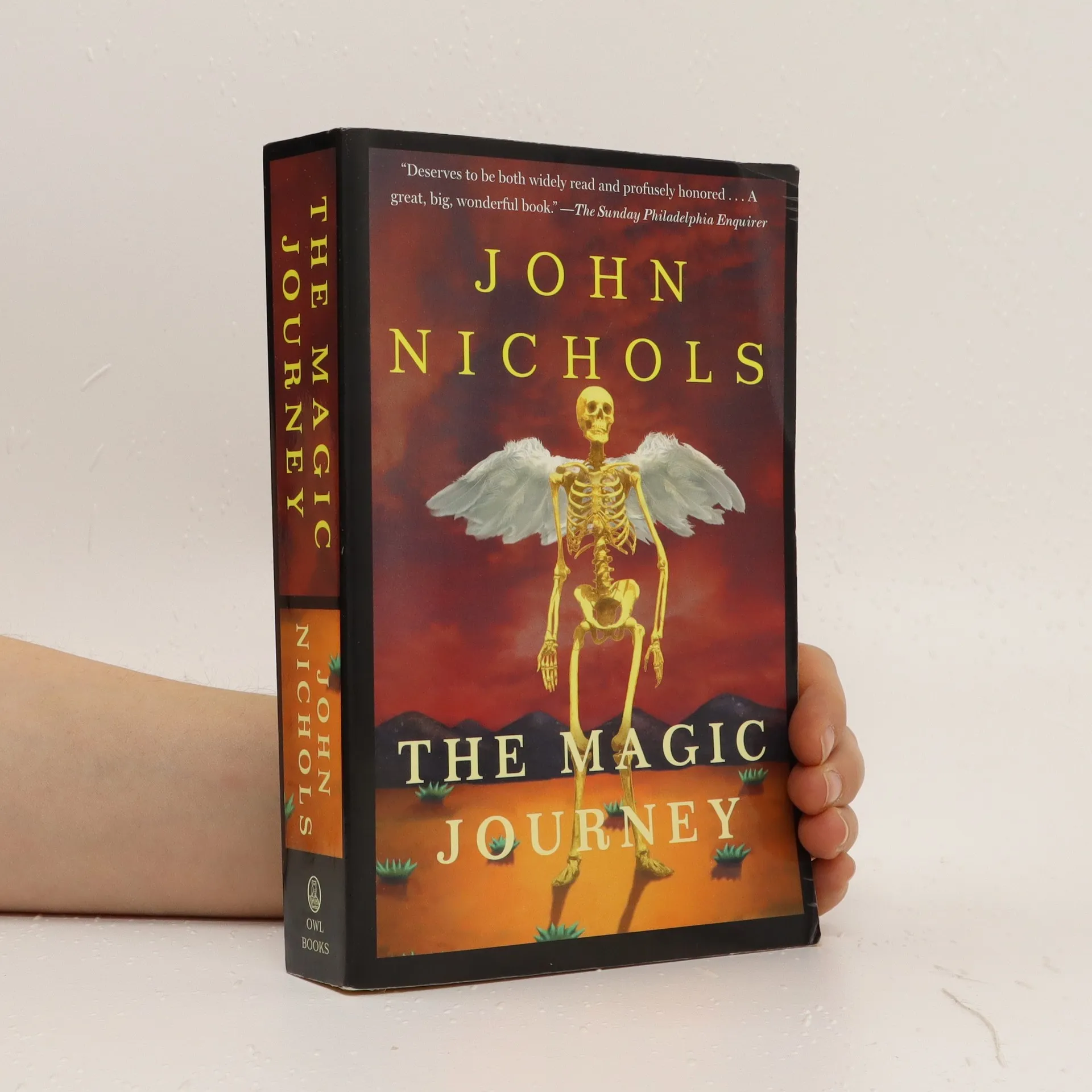
Boom times came to the forgotten little southwestern town of Chamisaville just as the rest of America was in the Great Depression. They came when a rattletrap bus loaded with stolen dynamite blew sky-high, leaving behind a giant gushing hot spring. Within minutes, the town's wheeler-dealers had organized, and within a year, Chamisaville was flooded with tourists and pilgrims, and the wheeler-dealers were rich.Spanning forty years, The Magic Journey tells the tale of how progress transformed a rural backwater into a boomtown. At first, it was a magic time for Chamisaville—almost as if every day were a holiday. But the euphoria gradually dissipated, and the land-hungry developers, speculators, and interlopers moved in. Finally, the day came when Chamisaville's people found themselves all but displaced, their children no longer heirs to their land or their tradition. With mounting intensity, The Magic Journey reaches a climax that is tragically foreordained. A sensitive, vital, and honest chronicle of life in America's Southwest, it is also an incisive commentary on what America has become on its road to progress.The Magic Journey is part of the New Mexico Trilogy, which includes The Milagro Beanfield War and The Nirvana Blues.
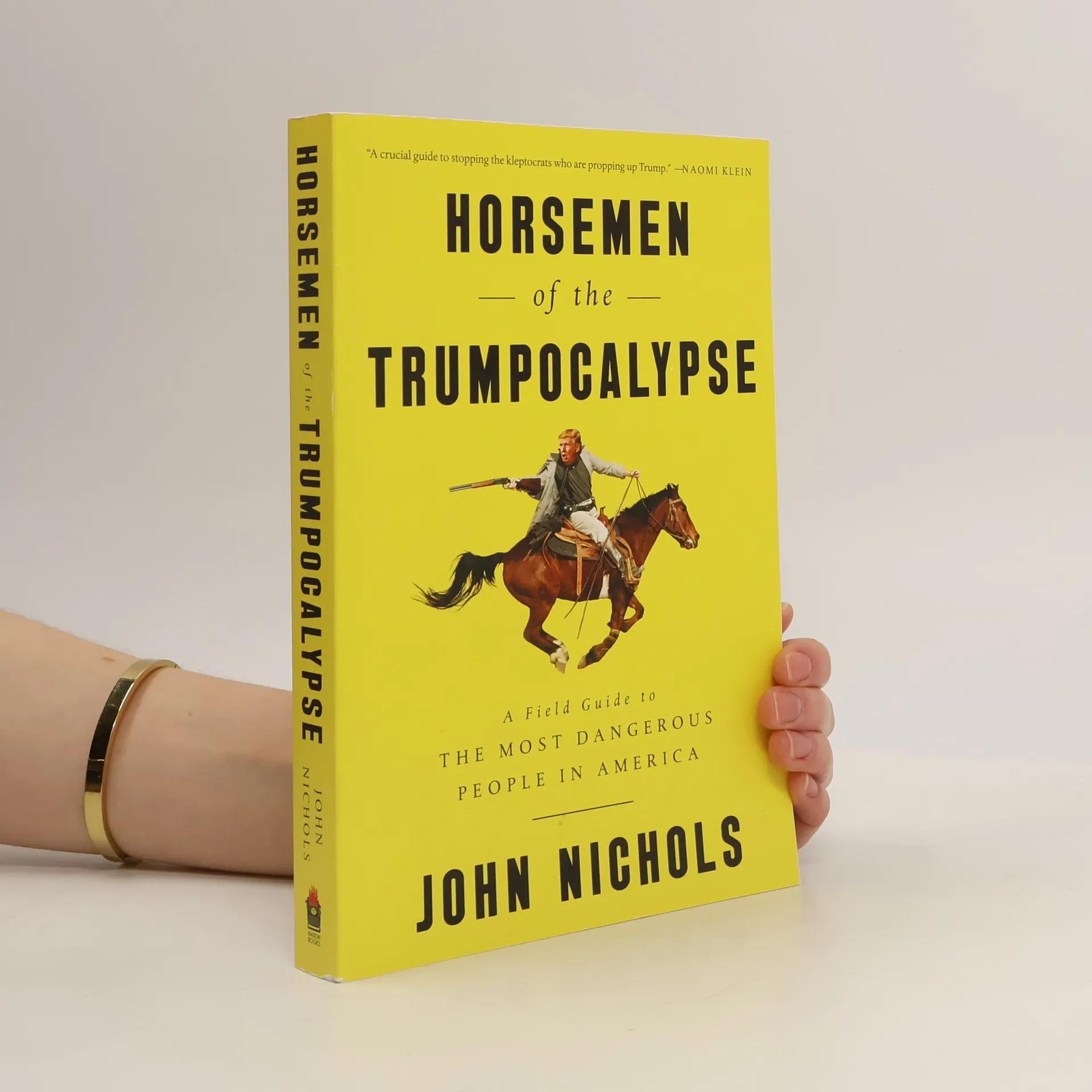
A Field Guide to the Most Dangerous People in America
366 pages
13 hours of reading
In the vein of Bernard Goldberg's 100 PEOPLE WHO ARE SCREWING UP AMERICA, John Nichols delivers an urgent and necessary guide to the people who will have the power to really screw up America in the next four years.
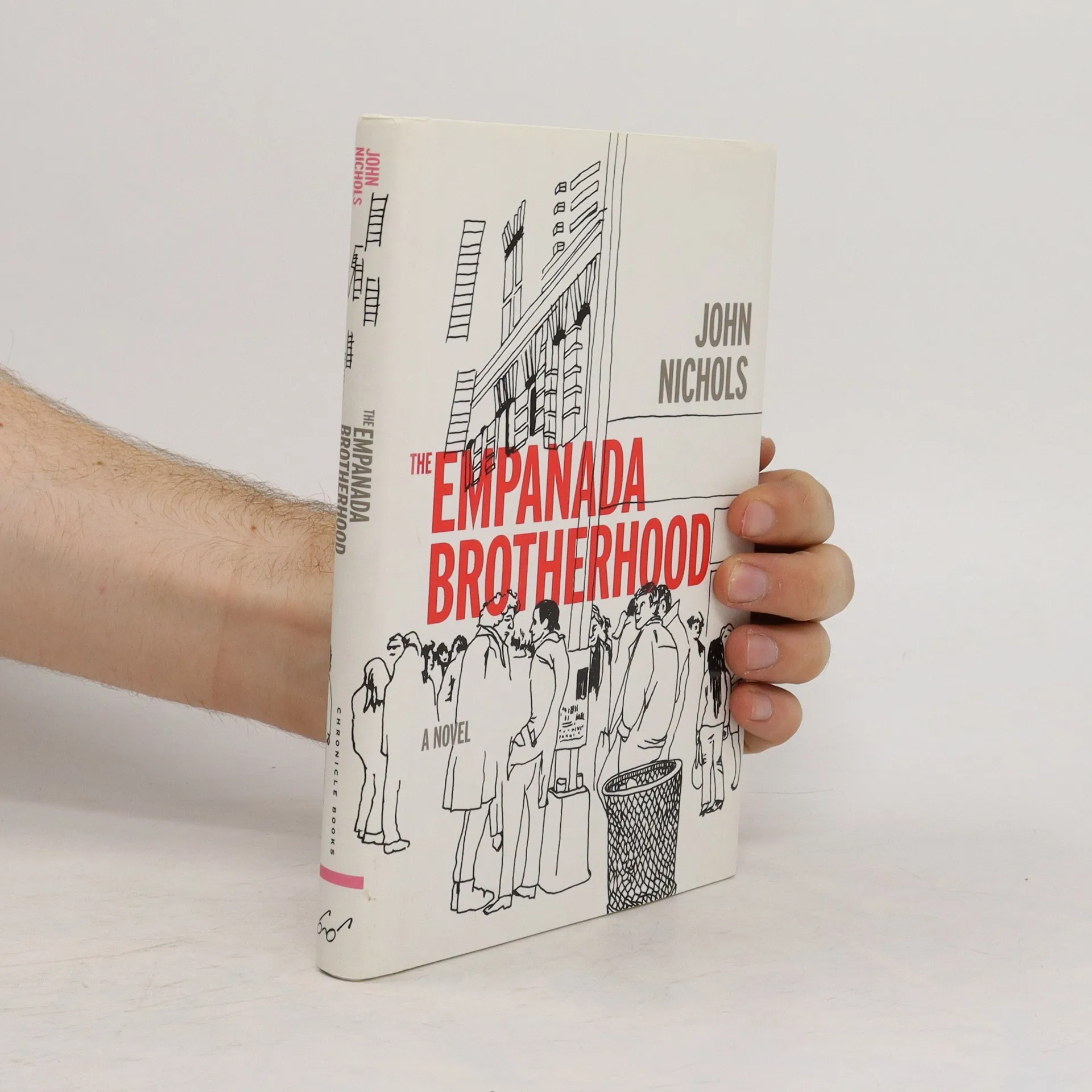
It's Greenwich Village in the early 1960s, when ex-patriots, artists, and colorful bums are kings. A tiny stand selling empanadas near the corner of Bleecker and MacDougal streets is the center of the action for the shy narrator, an aspiring writer just out of college. At the stand he falls in with a crowd of kooky outcasts from Argentina who introduce him to their raucous adventures, melodramatic dreamsand women, particularly a tough little flamenco dancer from Buenos Aires. Charming and insightful, this deceptively simple novel is a tale told by a master. It is a wise coming-of-age story, full of joyand touched by heartbreak, that captures a special time and place with extraordinary empathy and humor.
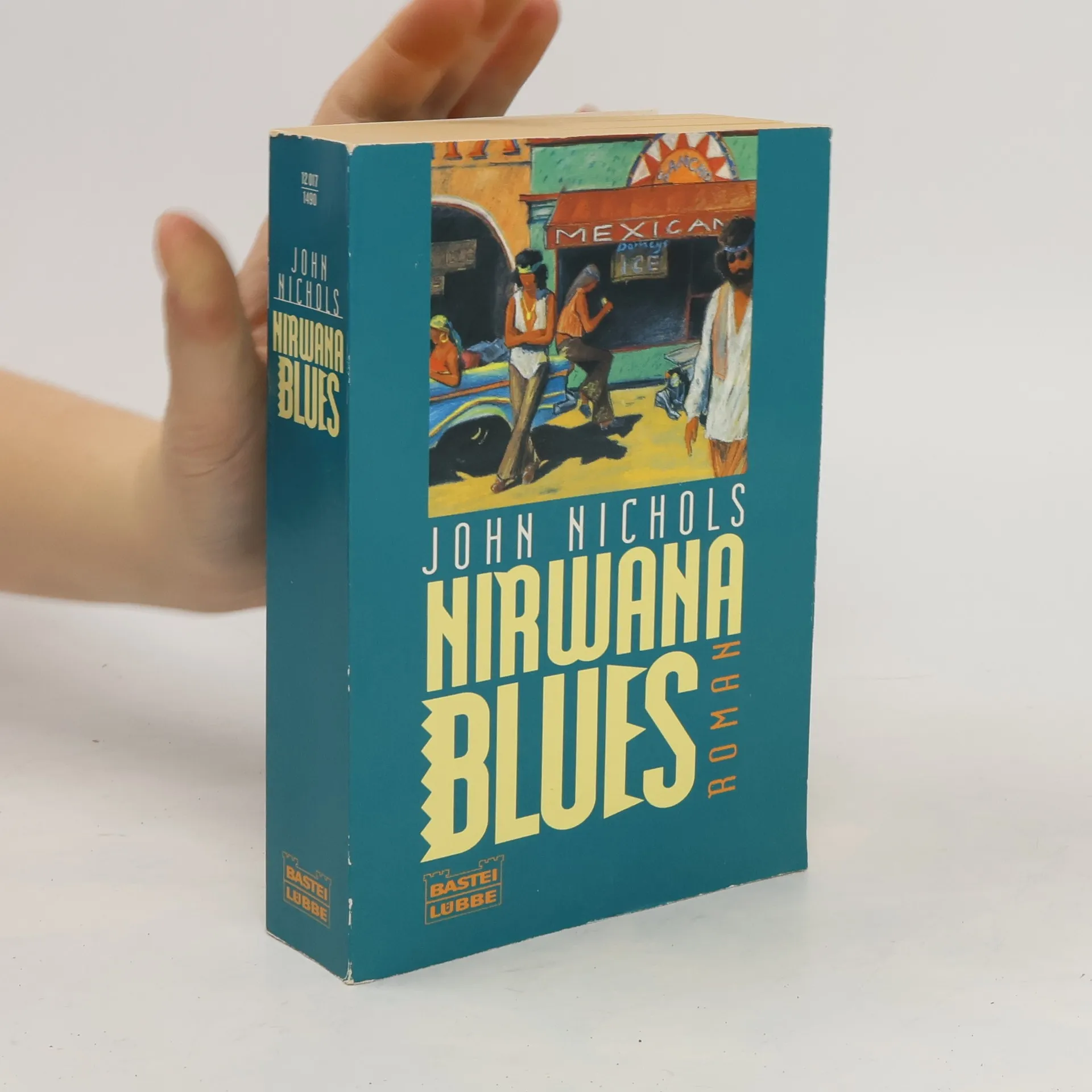
The seventies are over. All across America, the overgrown kids of the middle class are getting their acts together -- and getting older. The once-tight Chicano community of Chamisaville is long gone, and the Anglo power-brokers control almost everything. Joe Miniver - faithful husband, loving father, and all-around good guy - is about to sink roots. To buy the land he wants, he embarks on a coke scam and ends up in erotic adventures with three headstrong women . . . "A work of genius... hilarious... it will be a .scandal if this book is not declared the year's best novel. In any event, you won't find one that's more fun" --Newsday "Transcendentally profound, also achingly funny... like a wonderful poem, or a great restaurant." --Los Angeles Times Book Review "John Nichols has all of Steinbeck's gifts, the same overwhelming compassion for people, plus an even finer sense of humor, and the need to celebrate the cause and dignity of man... he has left us with a classic American trilogy for our time." --Chicago Tribune
In de onderlinge strijd tussen arme en rijke bewoners van een dorpje in Oklahoma tekenen zich de minder flatteuze en karikaturale trekjes van de Amerikaanse volksaard af.
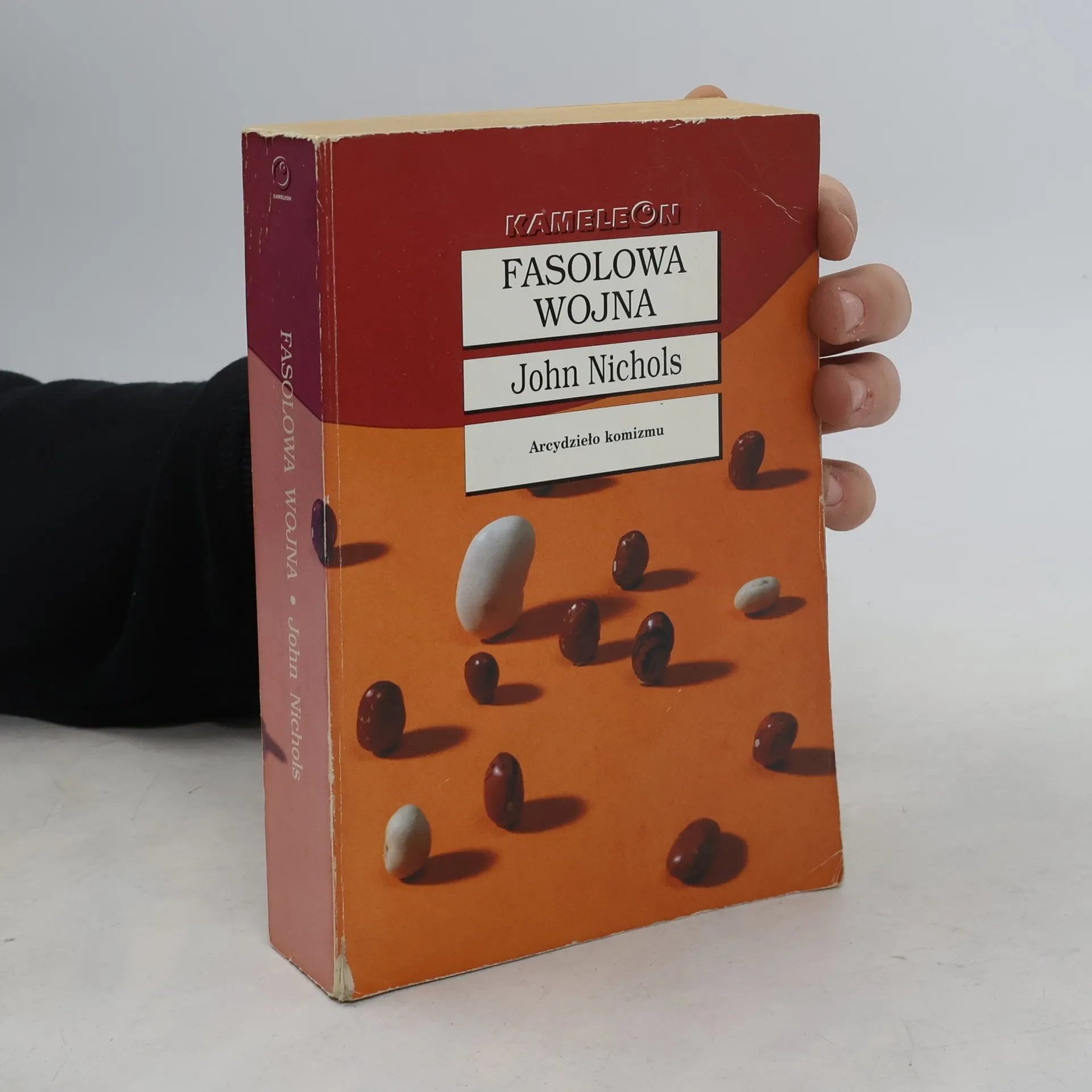
Książka jak rzadko która przypomina nastrojem i magią "Sto lat samotności" G.G. Marqueza. Autor natomiast, według krytyki literackiej, talentem dorównuje J.Steinbeckowi. Posiada tę samą wielką wrażliwość na ludzkie losy, głęboką potrzebę zaświadczenia o godności człowieka i chyba bardziej jeszcze subtelne poczucie humoru. Jest to komiczna historia jankeskiego sprytu, zabarwiona hiszpanskim akcentem.