In the annals of world history there are few more striking tales than those of Princely India. The Maharajas became bywords for excess, for lifetimes spent in extravagant expenditure and splendour on an almost unparalleled scale. The Princes, their palaces and feudal loyalties live on, and the full gorgeous spectacle of their life-style is captured for perhaps the last time in the pages of this book. This is very much a visual story, full of dazzling colours: a story of throne rooms with gilded and painted ceilings, crystal fountains and peacocks in terraced gardens, gold and silver treasures, of weddings, celebrations and festivals, and of the Maharajas themselves and their families, in public and in private.
Andrew Robinson Books
February 14, 1942
W. Andrew Robinson is a British author and former newspaper editor whose deep engagement with Indian culture, particularly the works of Rabindranath Tagore and Satyajit Ray, informs his writing. As a former literary editor and now a full-time writer, Robinson explores cultural and literary themes with a precision reflecting his academic and journalistic background. His work is characterized by a devotion to understanding and conveying the richness of India's cultural heritage. He brings a unique perspective shaped by extensive travel and dedicated study.
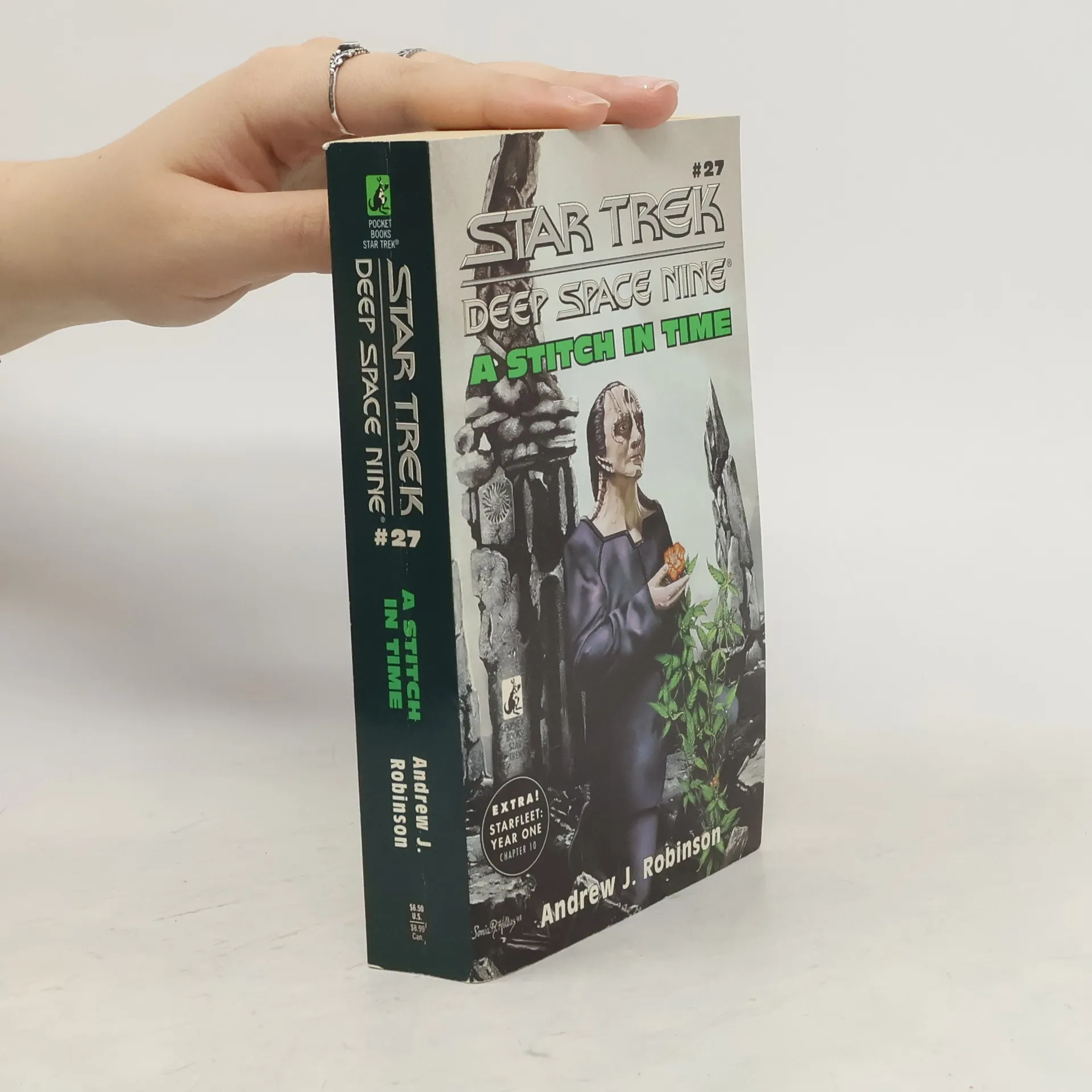

A stitch in time
- 396 pages
- 14 hours of reading
The enigmatic Garak—Cardassian-in-exile on space station Deep Space Nine—refers to himself as just a simple tailor, but everyone knows that there's more to him than that. Why was he banished from his home planet? And why does he choose exile on Deep Space Nine?
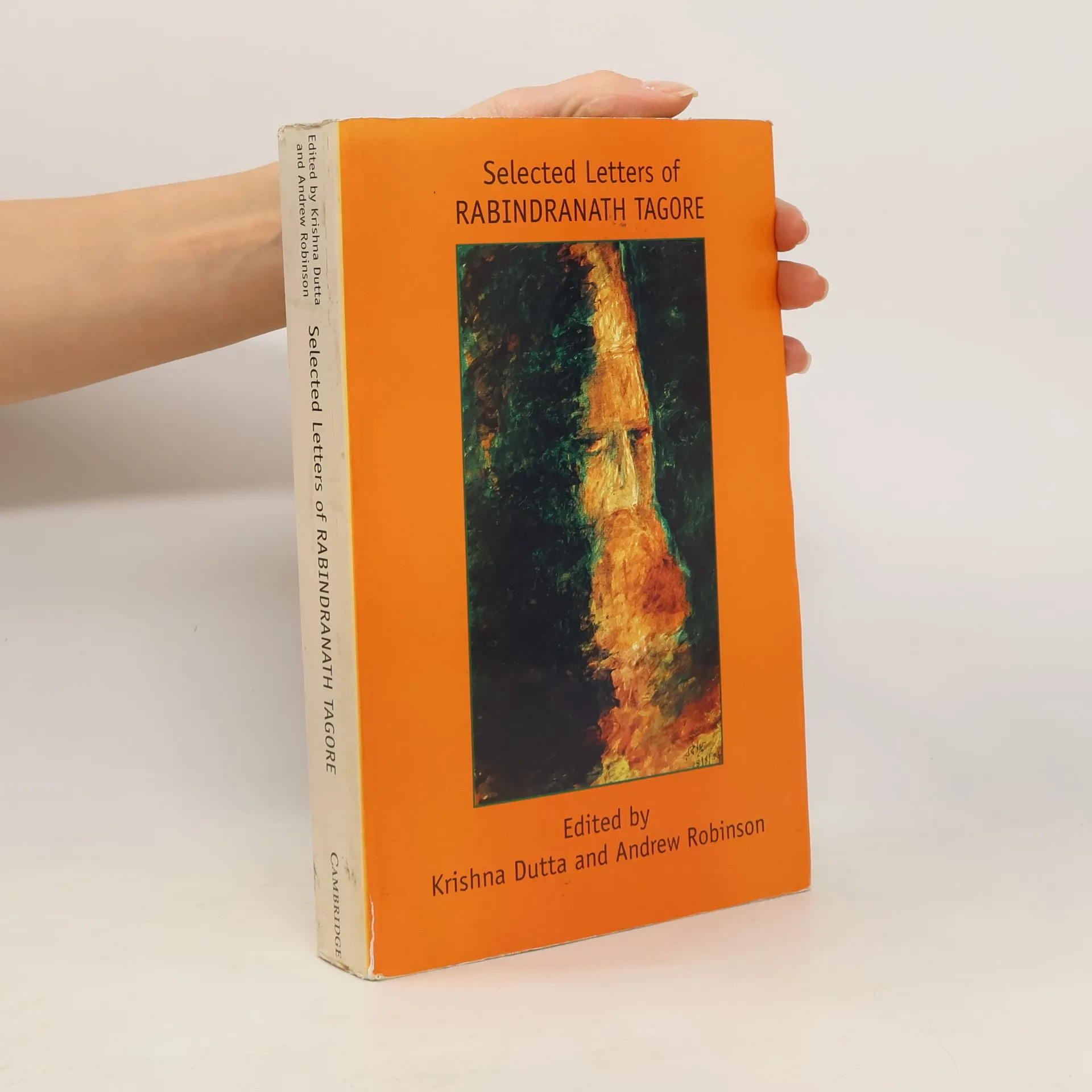
Selected Letters of Rabindranath Tagore
- 593 pages
- 21 hours of reading
Interest in the life and work of the Nobel-Prize-winning writer, Rabindranath Tagore, is now enjoying a revival after many years of neglect outside India. This selection of some 350 letters spanning Tagore's entire life is the first to be available to English readers. The letters are intended to show as many facets of his experience, interests and ideas as possible, and will be a valuable source of information, not only for the understanding of the complexity of Tagore's personality, but also of the times in which he lived.
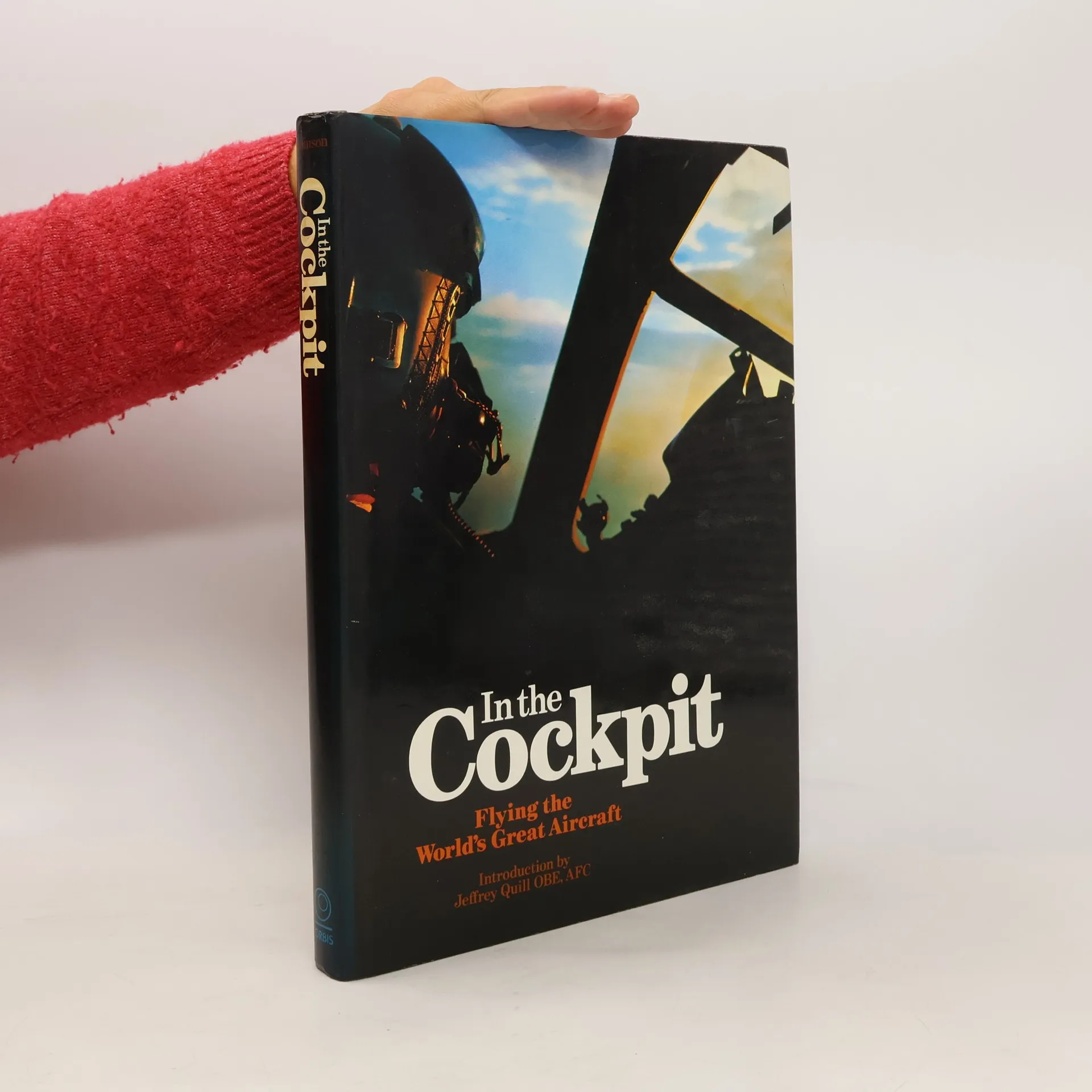
In the Cockpit
Flying the World's Great Aircraft
Handling the controls of an aircraft has set hearts racing since the days of the earliest open cockpits in the pioneering era of flight. This book recreates the experiences of many distinguished aviators, using detailed diagrams and color illustrations, and the words of the pilots themselves, to capture the excitement of flight. Includes the F117A Lockheed Stealth Fighter and the Space Shuttle. Over 350 color and 100 black-and-white illustrations.
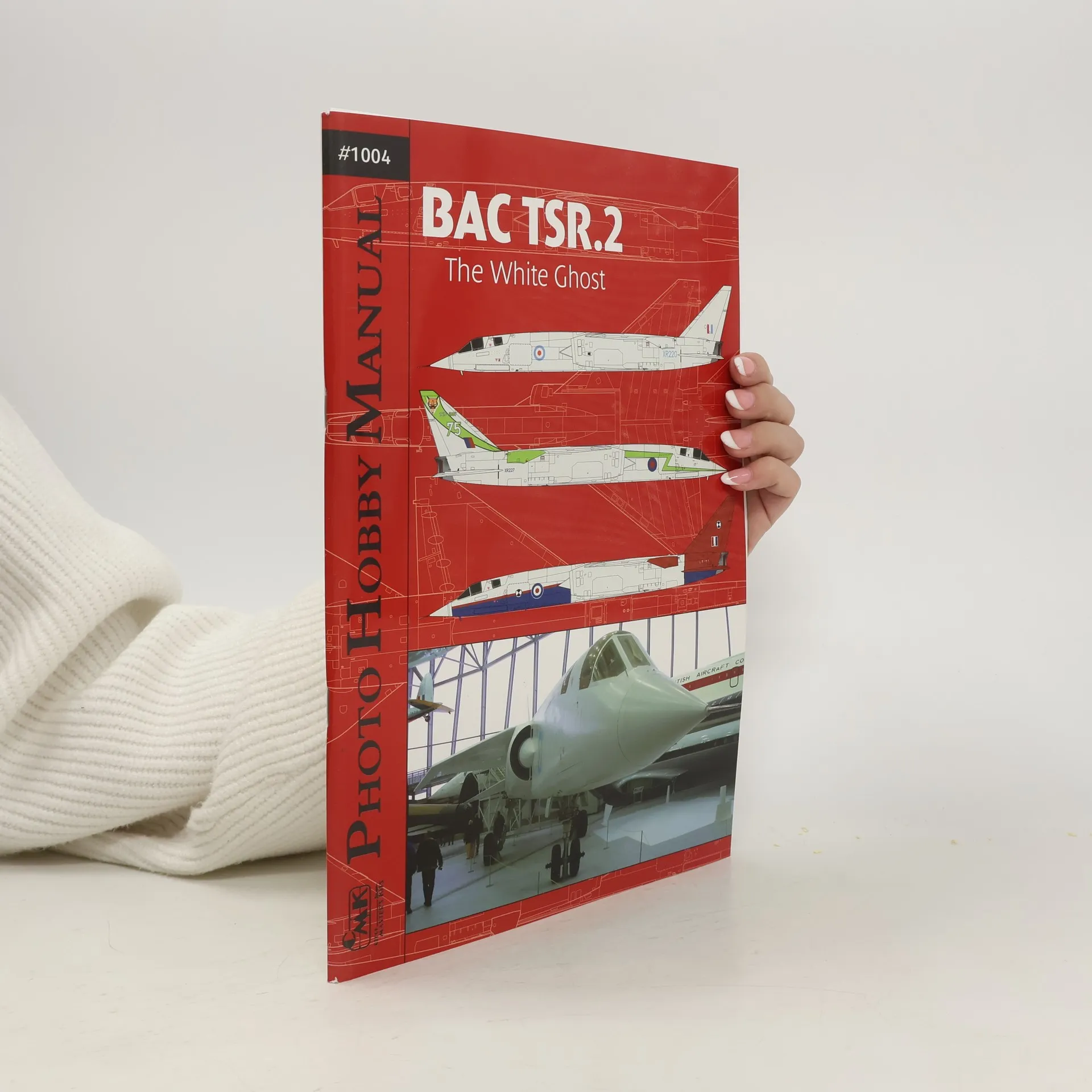
BAC TSR.2. The White Ghost
- 87 pages
- 4 hours of reading
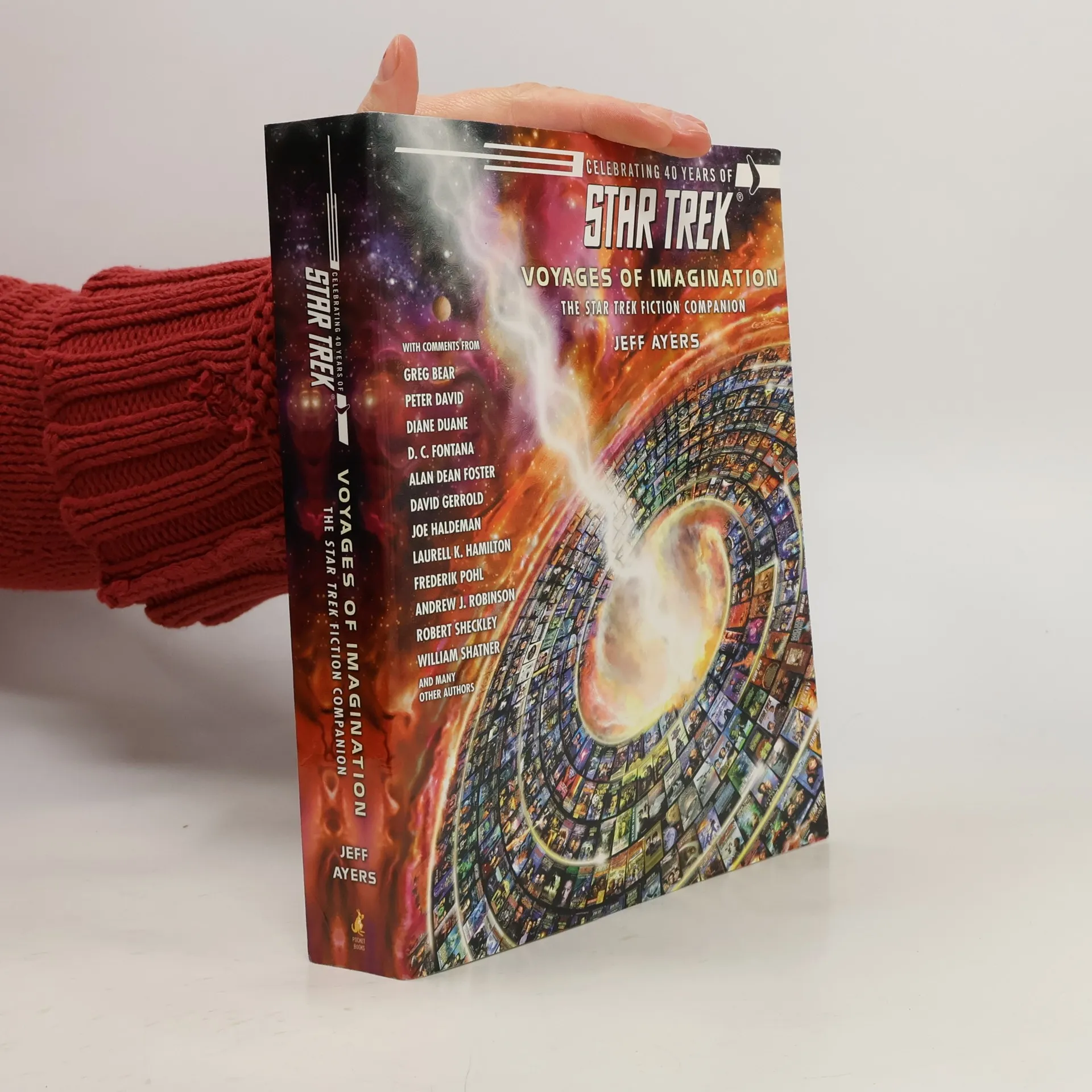
For over four decades, the demand for Star Trek stories has led to five television series, over seven hundred episodes, ten feature films, and an animated series. From the early short-story adaptations by James Blish in the 1960s to the original novels of the 1970s and beyond, fiction has significantly expanded the Star Trek universe. This exploration delves into why these books serve as a powerful creative outlet for some and a fresh way to engage with the Star Trek mythos for others. The work reflects on the first forty years of professionally published Star Trek fiction, showcasing the personalities and creative sensibilities of its contributors. It provides an insightful look into the creative processes, challenges, innovations, and progress within this literary landscape. Author Jeff Ayers has engaged with nearly six hundred books and interviewed over three hundred authors and editors to create a comprehensive guide to this unique publishing phenomenon. Fully illustrated with book covers, the work includes an index by title and author, as well as a detailed timeline, making it an essential resource for every fan.
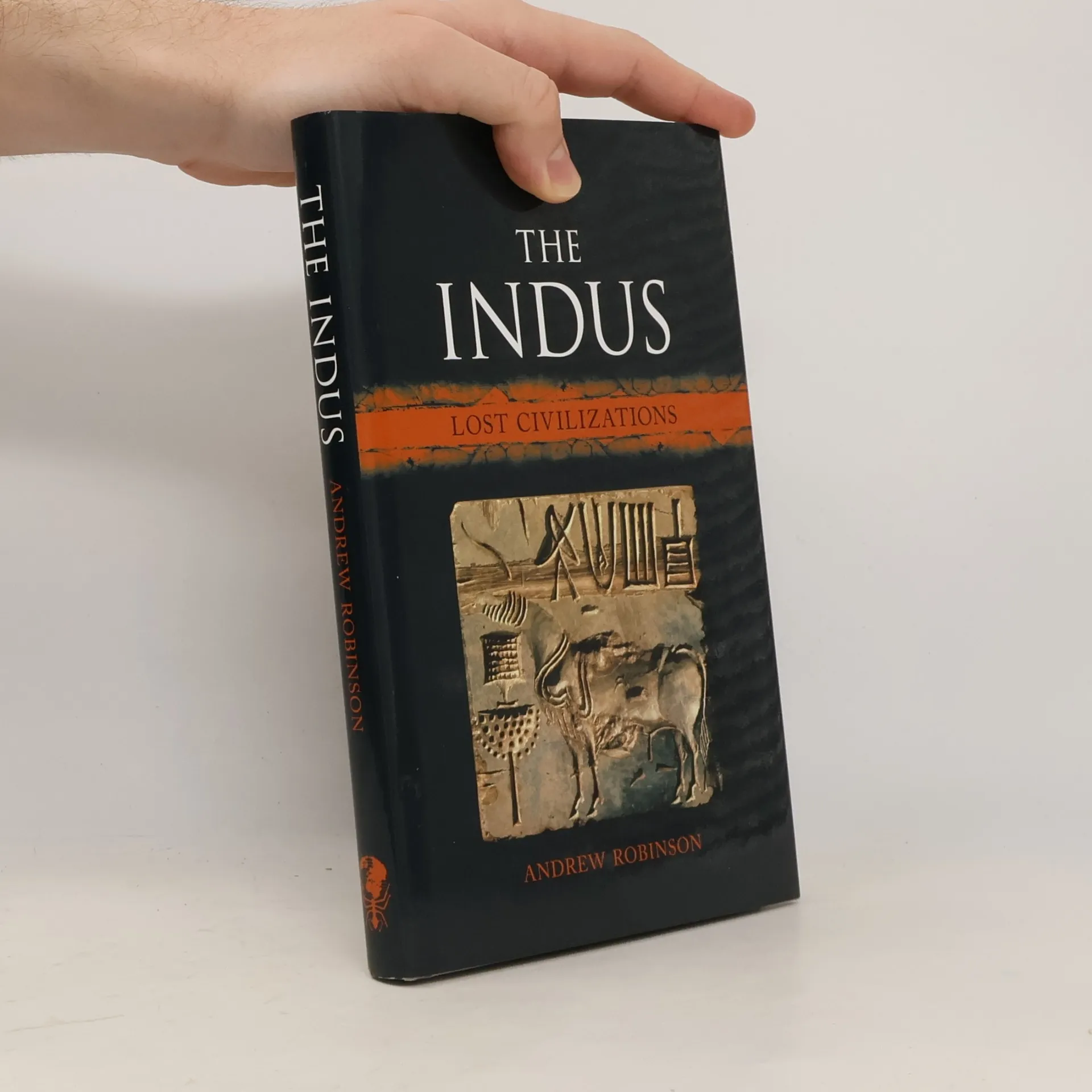
The Indus
- 192 pages
- 7 hours of reading
This book is an introduction to every aspect of a civilization, which combined artistic excellence, technological sophistication and economic vigour with social egalitarianism, political freedom and religious moderation
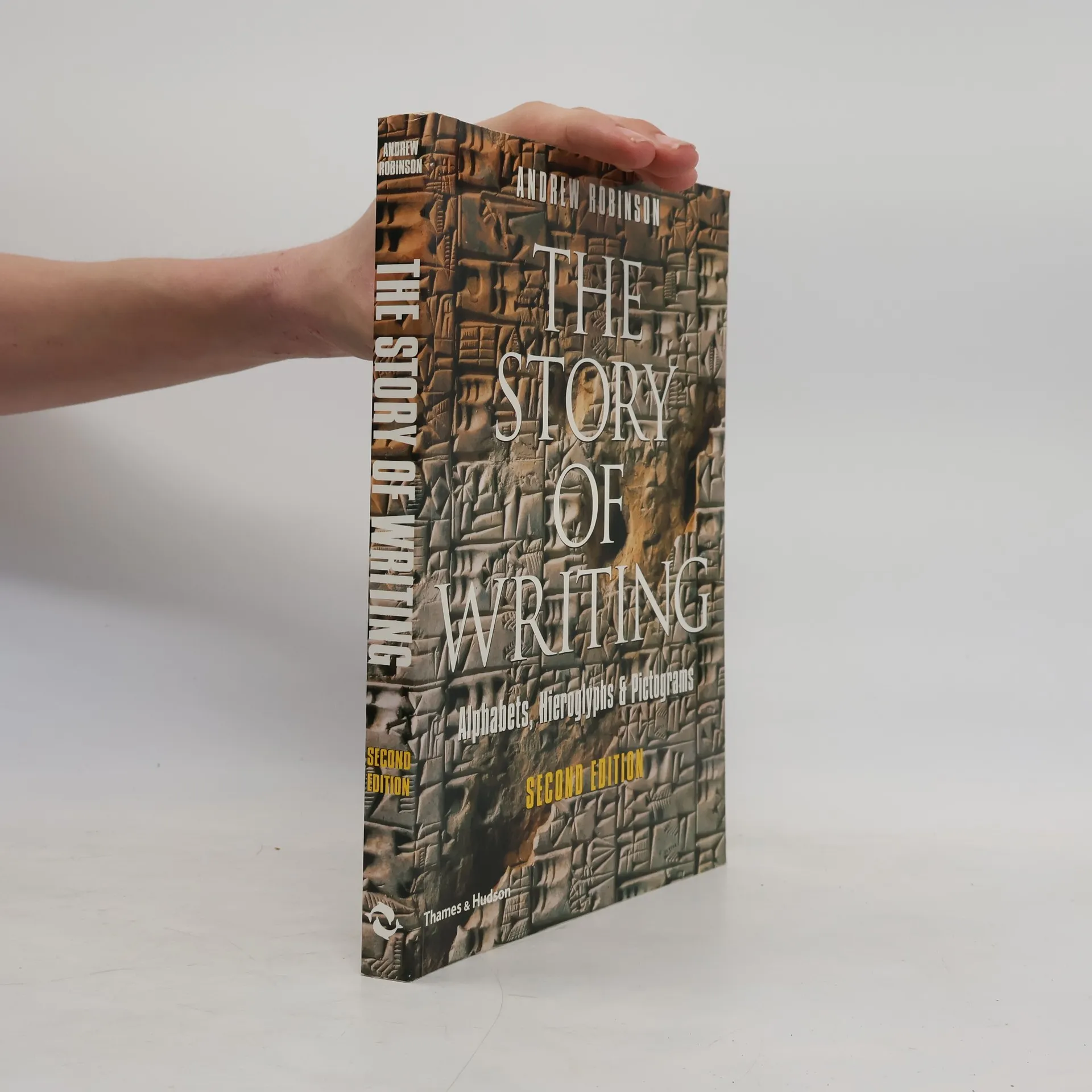
Writing is one of humanity's greatest inventions. Without it there would be no history and no civilization as we know it. But how, when and where did writing evolve? This book discusses the history of decipherment and major writing systems, from cuneiform and Egyptian and Mayan hieroglyphs to alphabets and the scripts of China and Japan.
Superman, red son
- 160 pages
- 6 hours of reading
Strange visitor from another world who can change the course of mighty rivers, bend steel in his bare hands ... and who, as the champion of the common worker, fights a never-ending battle for Stalin, Socialism, and the international expansion of the Warsaw Pact.In this Elseworlds tale, a familiar rocketship crash-lands on Earth carrying an infant who will one day become the most powerful being on the planet. But his ship doesn't land in America. He is not raised in Smallville, Kansas. Instead, he makes his new home on a collective in the Soviet Union!Collecting SUPERMAN: RED SON #1-3.
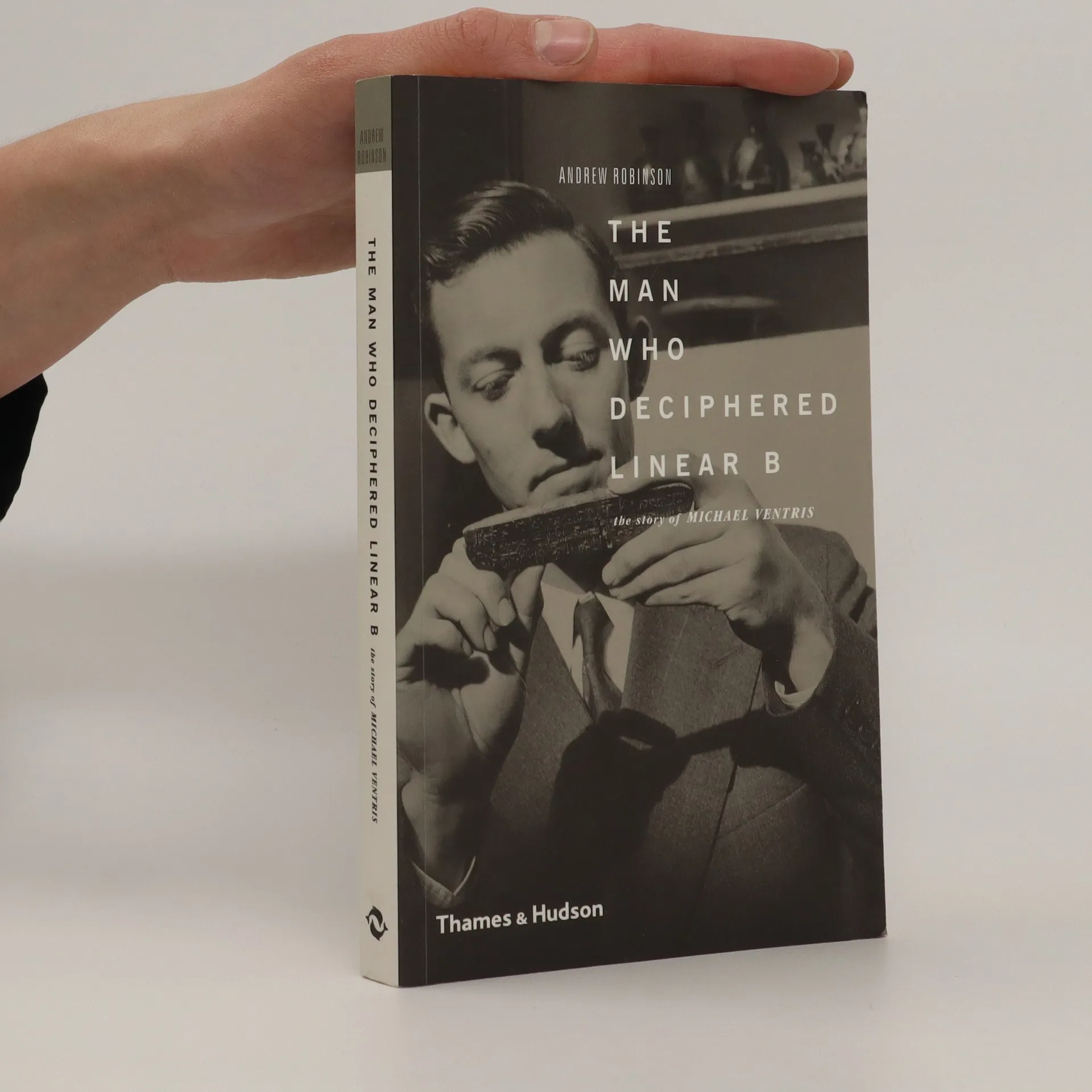
The Man Who Deciphered Linear B
- 168 pages
- 6 hours of reading
“Highly readable . . . a fitting tribute to the quiet outsider who taught the professionals their business and increased our knowledge of the human past.”—Archaeology Odyssey More than a century ago, in 1900, one of the great archaeological finds of all time was made in Crete. Arthur Evans discovered what he believed was the palace of King Minos, with its notorious labyrinth, home of the Minotaur. As a result, Evans became obsessed with one of the epic intellectual stories of the modern era: the search for the meaning of Linear B, the mysterious script found on clay tablets in the ruined palace. Evans died without achieving his objective, and it was left to the enigmatic Michael Ventris to crack the code in 1952. This is the first book to tell not just the story of Linear B but also that of the young man who deciphered it. Based on hundreds of unpublished letters, interviews with survivors, and other primary sources, Andrew Robinson’s riveting account takes the reader through the life of this intriguing and contradictory man. Stage by stage, we see how Ventris finally achieved the breakthrough that revealed Linear B as the earliest comprehensible European writing system.
An updated edition of this acclaimed book, now with a new preface and published to tie in with the bicentenary of Champollion's breakthrough in 1822. Cracking the Egyptian Code is the first biography in English of Jean-François Champollion, the impoverished, arrogant and brilliant child of the French Revolution who made the vital breakthrough in deciphering the Egyptian hieroglyphs. This account charts Champollion's dramatic life and achievements: by turns a teenage professor, a supporter of Napoleon, an exile, a fanatical decipherer and a curator at the Louvre, he lived life to the full but drove himself into an early grave. Andrew Robinson's full-blooded account brings the man, his setbacks and his ultimate triumphs vividly to life.
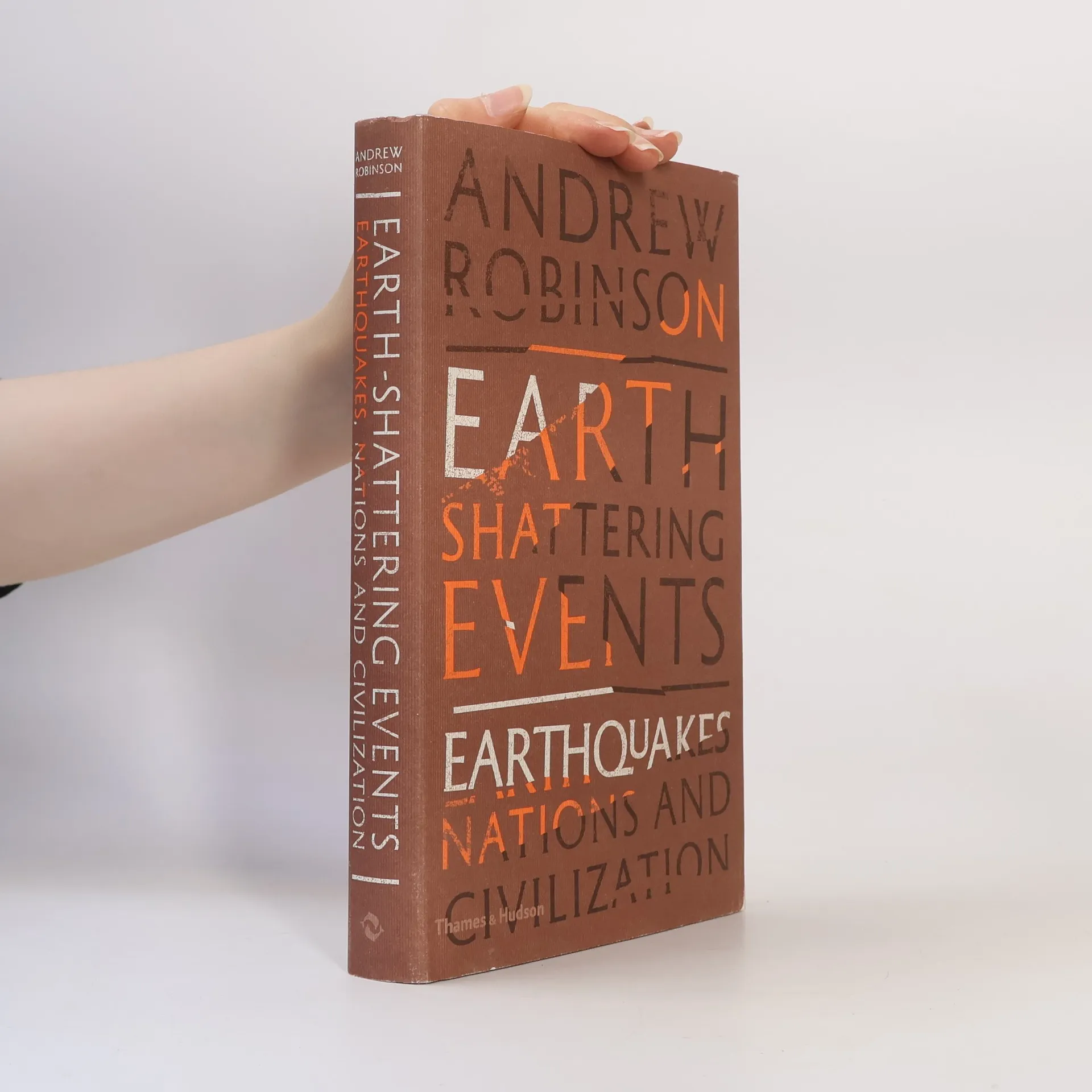
Earth-Shattering Events: Earthquakes, Nations and Civilization
- 256 pages
- 9 hours of reading
Since antiquity, on every continent, human beings in search of attractive landscapes and economic prosperity have made a Faustian bargain with the risk of devastation by an earthquake. Today, around half of the world's largest cities - as many as sixty - lie in areas of major seismic activity. This book presents a scientific study of earthquakes.
Einstein
- 256 pages
- 9 hours of reading
With contributions from Freeman Dyson, Stephen Hawking, João Magueijo, Steven Weinberg, Philip Anderson, Robert Schulmann, Philip Glass, Max Jammer, Sir Joseph Rotblat, I. Bernard Cohen, and Sir Arthur C. ClarkeThis definitive illustrated study of one of the foremost icons of the 20th century commemorates the centenary of Albert Einstein's annus mirabilis of 1905, the same year when Einstein, at age 26, published his groundbreaking Special Theory of Relativity, and when the most famous equation in science, E = mc2, was introduced to the world. Here author Andrew Robinson and 11 essayists, including three Nobel laureates, explore every facet of the life and achievements of the great physicist and humanitarian, honored by Time magazine in its Millennium issue as "Person of the Century."As the book explains clearly, Einstein's dramatic papers of 1905 overthrew the Newtonian worldview and revolutionized our understanding of space, time, energy, matter, and light. His work had impact far beyond the field of physics, playing a leading role in the century's technological advances and influencing modernism in every field. Except for his last interview that was previously published, all the essays here are original works written especially for this book. The photographs draw on an exceptional archive Einstein bequeathed to Hebrew University in Jerusalem.
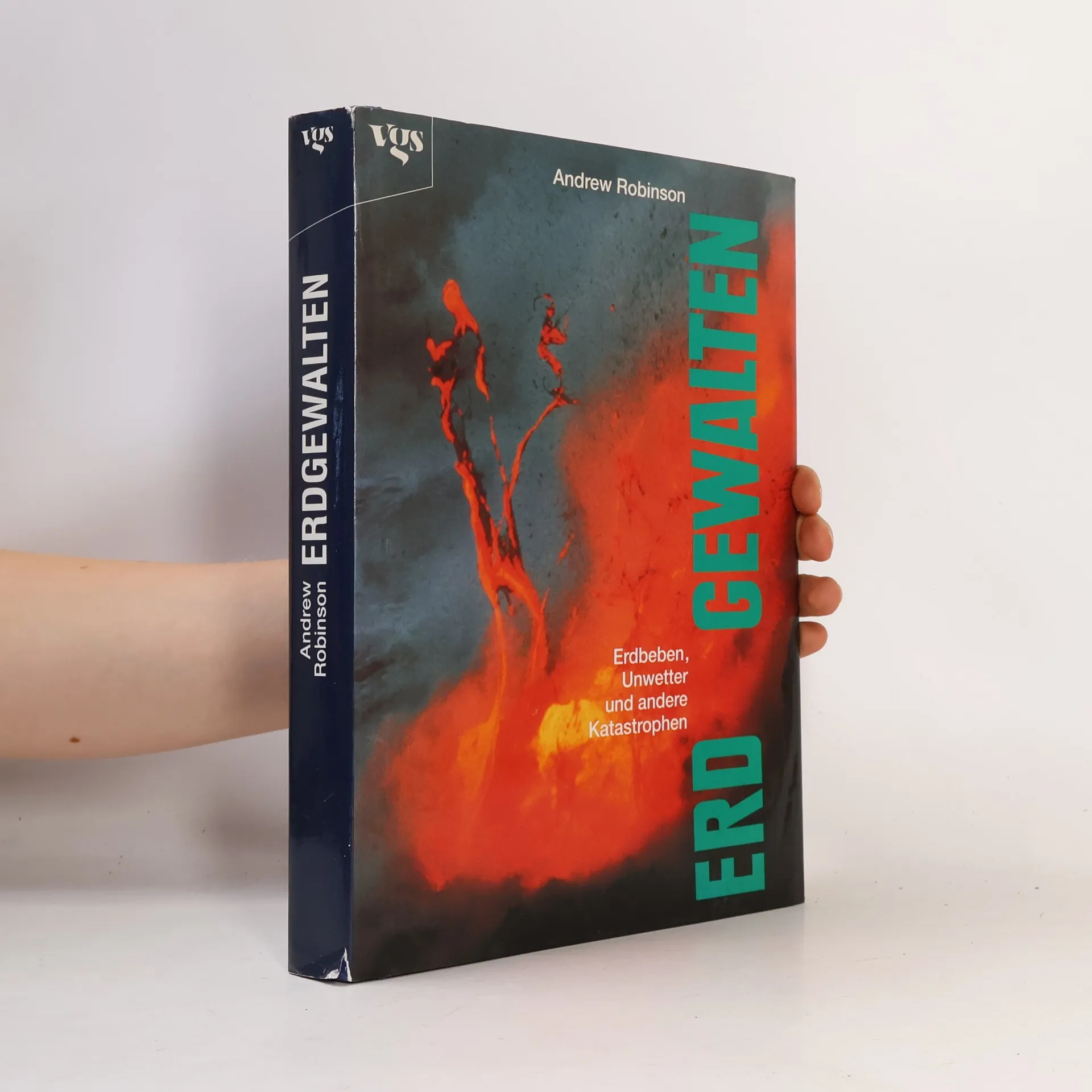
A nontechnical survey of some natural phenomena that impact humans in spectacular ways. The 1993 edition was the Association of Earth Science Editors' Outstanding Publication Award. Large color photographs are the outstanding feature. Annotation c. Book News, Inc., Portland, OR (booknews.com)
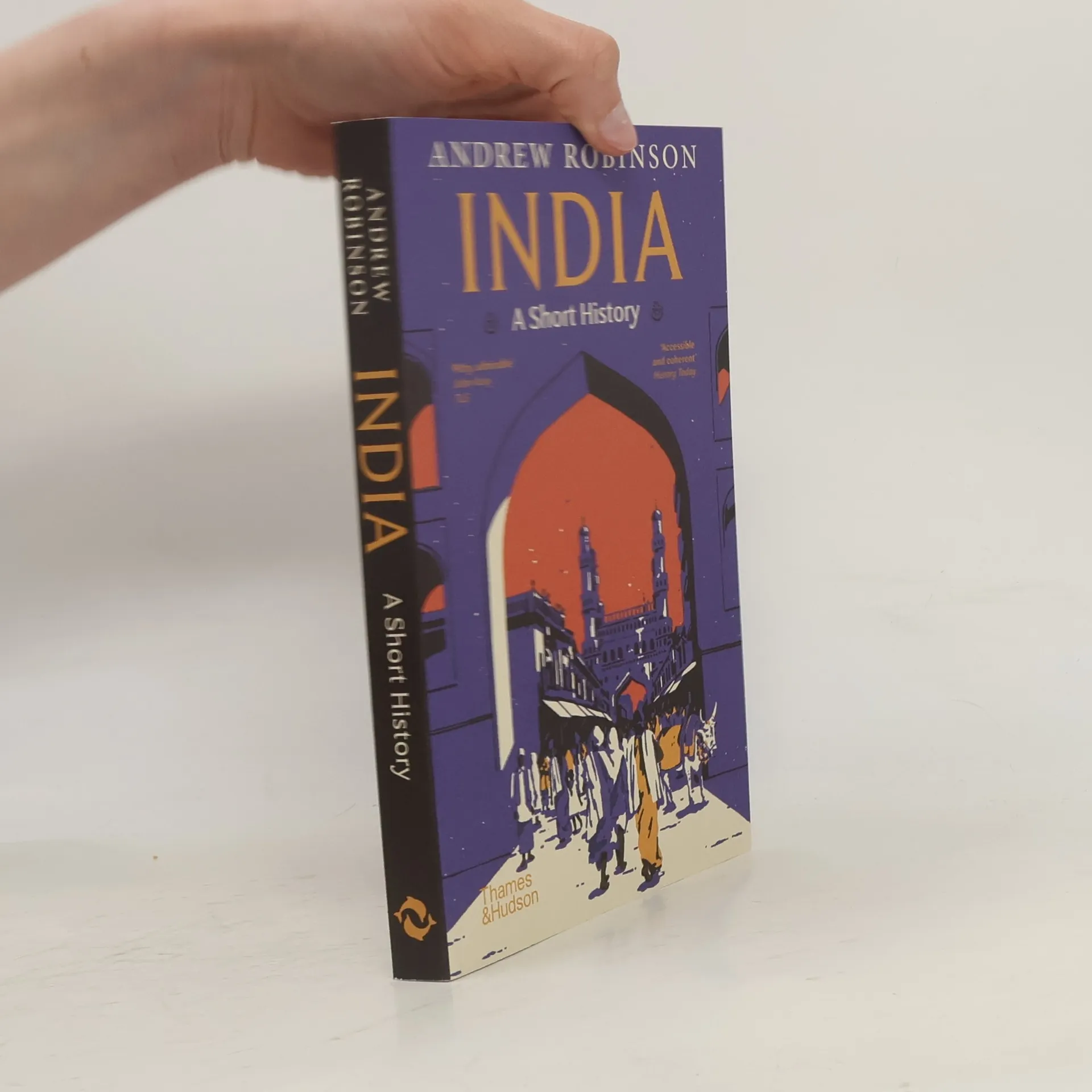
This concise history tells India's unfolding story, from the ancient Hindu dynasties to the coming of Islam, from the Mughal Empire to the present day, with a new preface and postscript.
World of Warcraft: The Voices Within (Short Story Collection)
- 244 pages
- 9 hours of reading
Delve into an immersive short story anthology that complements The War Within, the inaugural expansion of World of Warcraft's World Soul Saga. Featuring an impressive lineup of bestselling and award-winning authors, this collection enriches the game's narrative, offering fans deeper insights into its characters and themes.
The biography presents Thomas Young as a remarkable polymath who made significant contributions across various fields despite facing ridicule and rejection. Andrew Robinson delves into Young's life, highlighting his relentless pursuit of knowledge and his ability to solve complex mysteries without seeking fame. This comprehensive examination sheds light on Young's enduring legacy and the impact of his work.
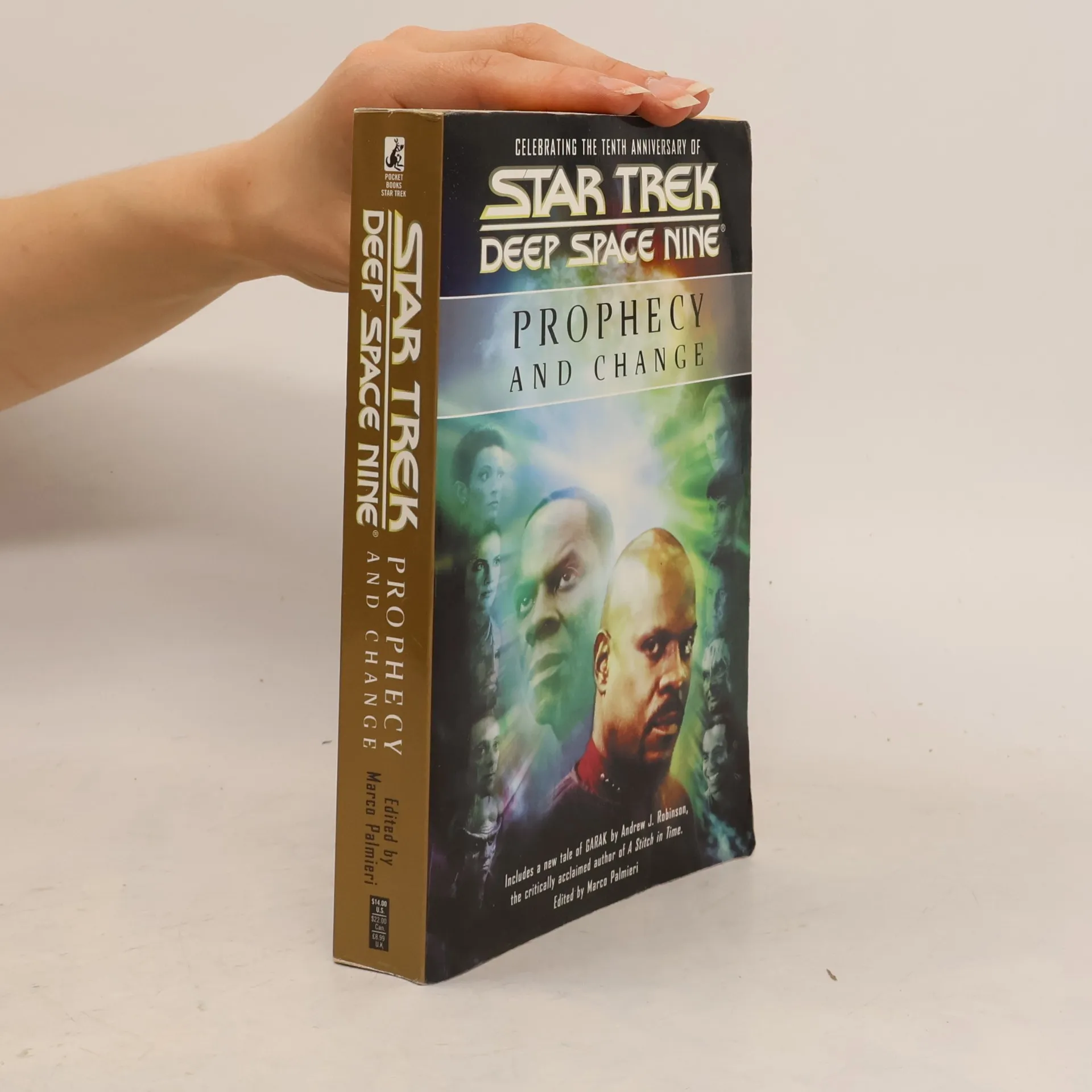
Star Trek: Deep Space Nine: Prophecy and Change
- 434 pages
- 16 hours of reading
Love and Hate. Faith and Doubt. Guilt and Innocence. Peace and War. Few television series have embraced this symphony of contradictions on the epic scale of Star Trek: Deep Space Nine. From the vastness of space to the darkest depths of the soul, from the clash of empires to the struggles of conscience, from the crossroads of a galaxy to the convergence of hearts -- that seven-year journey was both universal and personal, challenging its audience with stories and characters that redefined Star Trek's Human Adventure for all time. PATHWAYS TRAVELED...The widowed father struggling to rebuild his shattered life, reborn as a religious icon to millions of believers. CHALLENGES CONQUERED...The resistance fighter who aided her former oppressors in their struggle for liberation and emerged as the leader she never imagined herself becoming. TRUTHS REVEALED...The orphaned alien whose quest for his own identity became the salvation of a quadrant. Rediscover this extraordinary saga in a landmark collection of tales that confronts assumptions, divulges secrets, and asks as many questions as it answers. These stories, entwined with familiar episodes, reveal the world of Deep Space Nine anew as told by Christopher L. Bennett * Keith R.A. DeCandido * Heather Jarman * Jeffrey Lang * Michael A. Martin and Andy Mangels * Una McCormack * Terri Osborne * Andrew J. Robinson * Kevin G. Summers * Geoffrey Thorne
Specialism
- 164 pages
- 6 hours of reading
It is widely assumed that everyone is "interdisciplinary" nowadays, that everyone works at the intersections of conventional disciplines. But if being flexible, multiskilled and polymathic are the prerequisites of survival in today's world, why do educators and art marketeers tend to maintain conditions that advocate and encourage specialist outcomes? The aim of this new anthology in the Occasional Table series is to critically reflect upon the role of specialism in art and society. Why do some seek to transcend the parameters of specialization, and others maintain that deep levels of achievement can only be attained with highly focused methods and forms?Edited by David Blamey, Specialism includes texts by Matthew Cornford, Neil Cummings, Dan Fox, Anouchka Grose, Mingyuan Hu, Stephen Knott, Frances Loeffler, Nina Power, Rick Poynor, Alistair Rider, Andrew Robinson, Irit Rogoff and Ruth Sonderegger, Chris Watson, Jon Wozencroft and Ian Whittlesea.
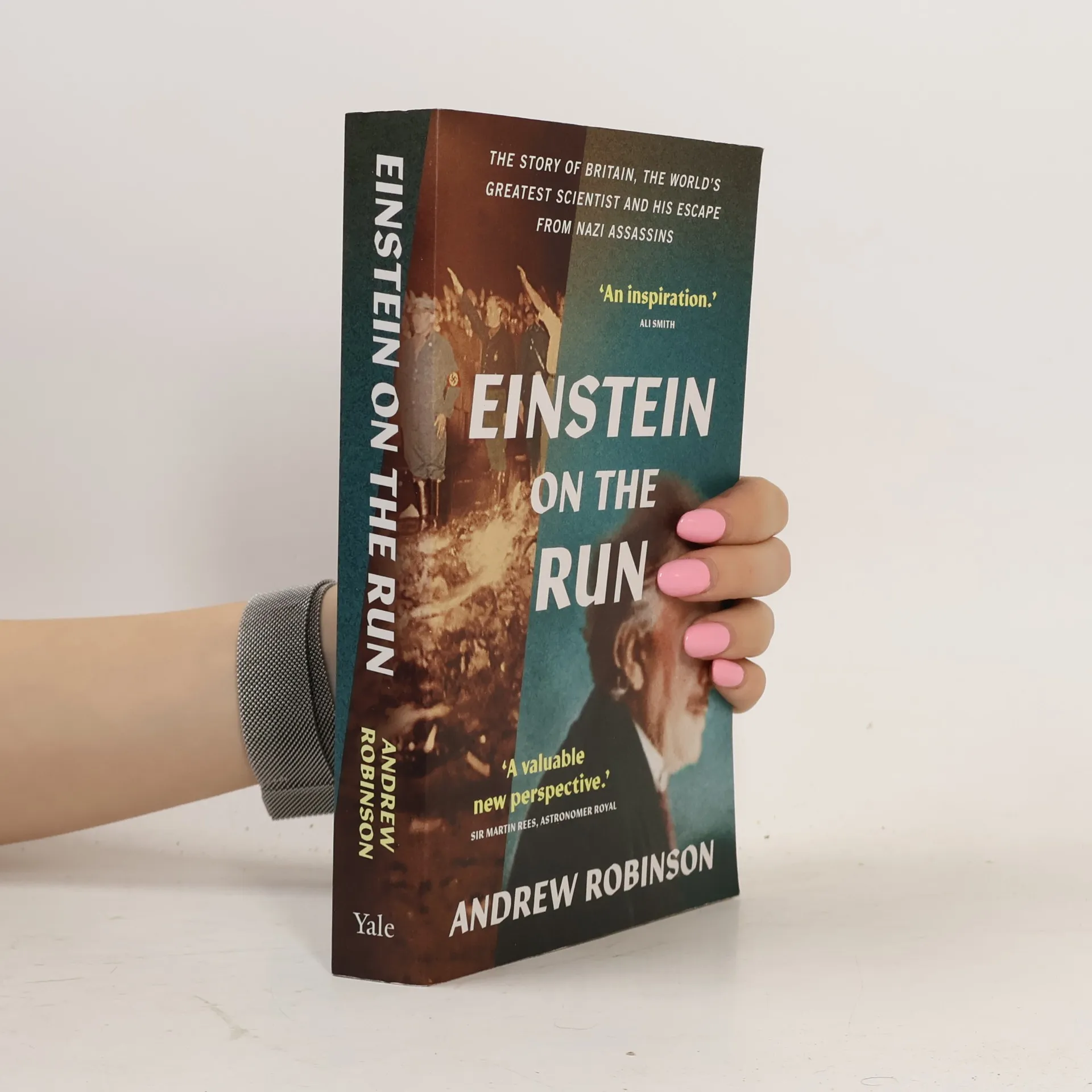
Einstein on the Run
- 376 pages
- 14 hours of reading
The first account of the role Britain played in Einstein's life-first by inspiring his teenage passion for physics, then by providing refuge from the Nazis
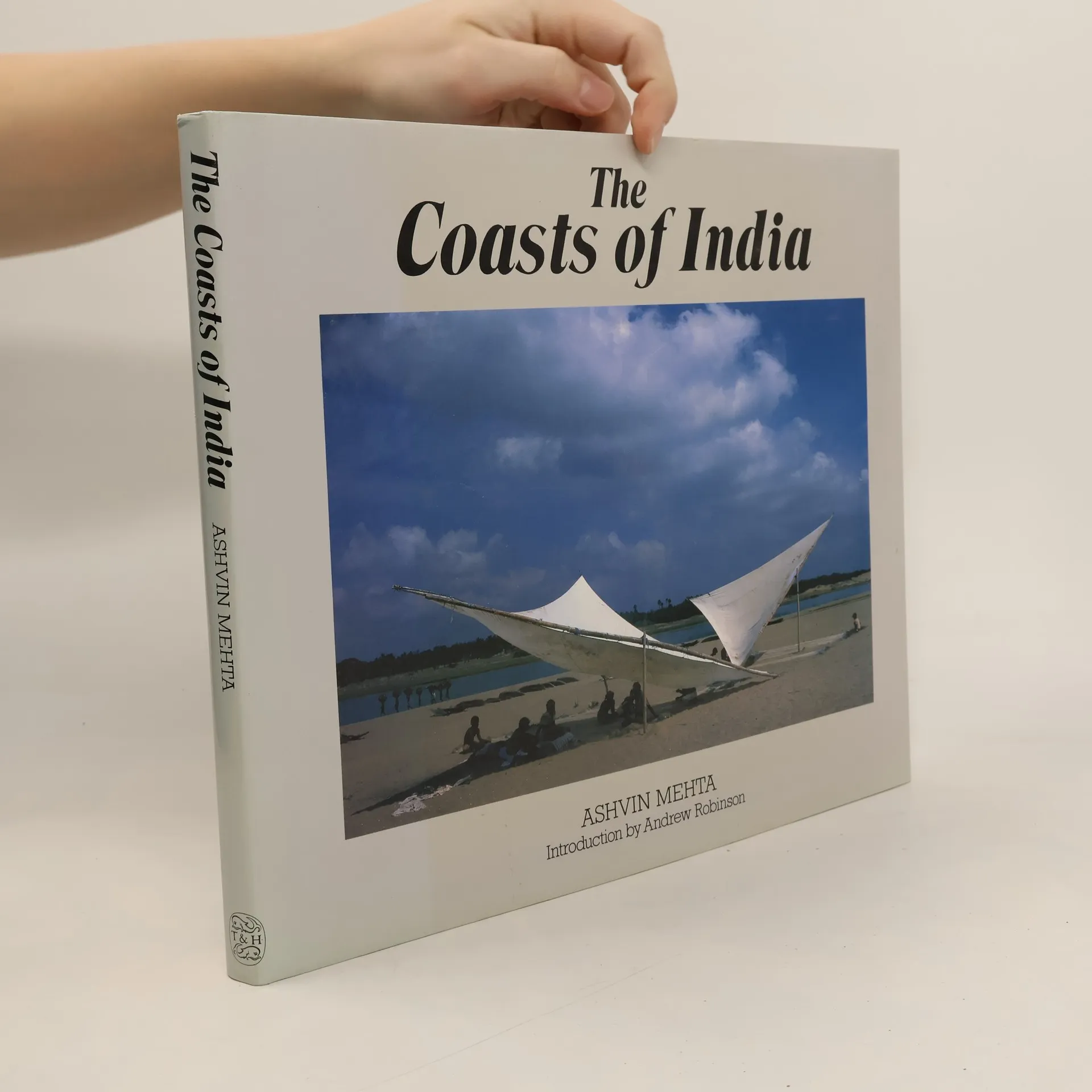
The Coasts of India
- 80 pages
- 3 hours of reading
1987, Large Hardcover, No dust jacket, 80 pages
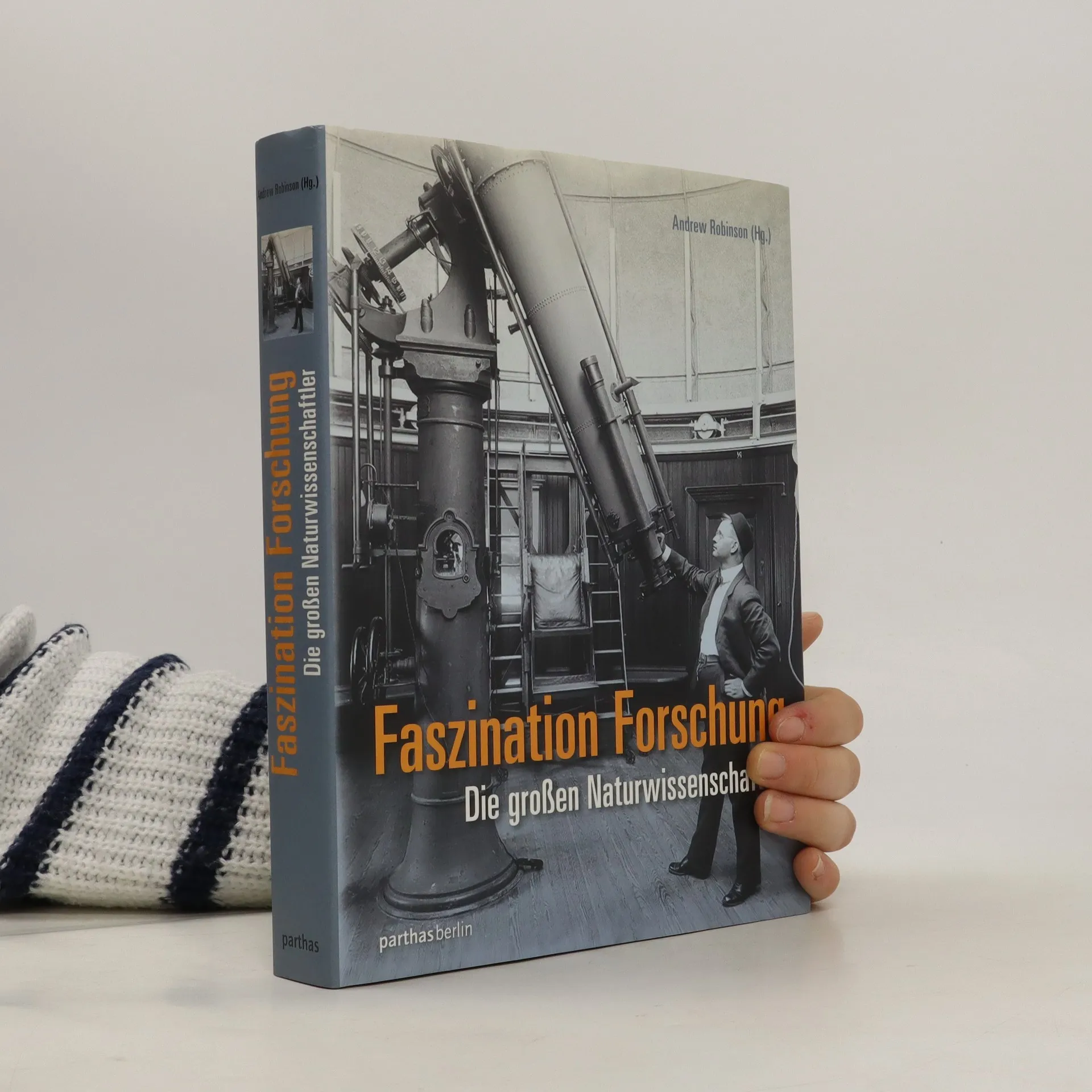
Faszination Forschung
- 304 pages
- 11 hours of reading
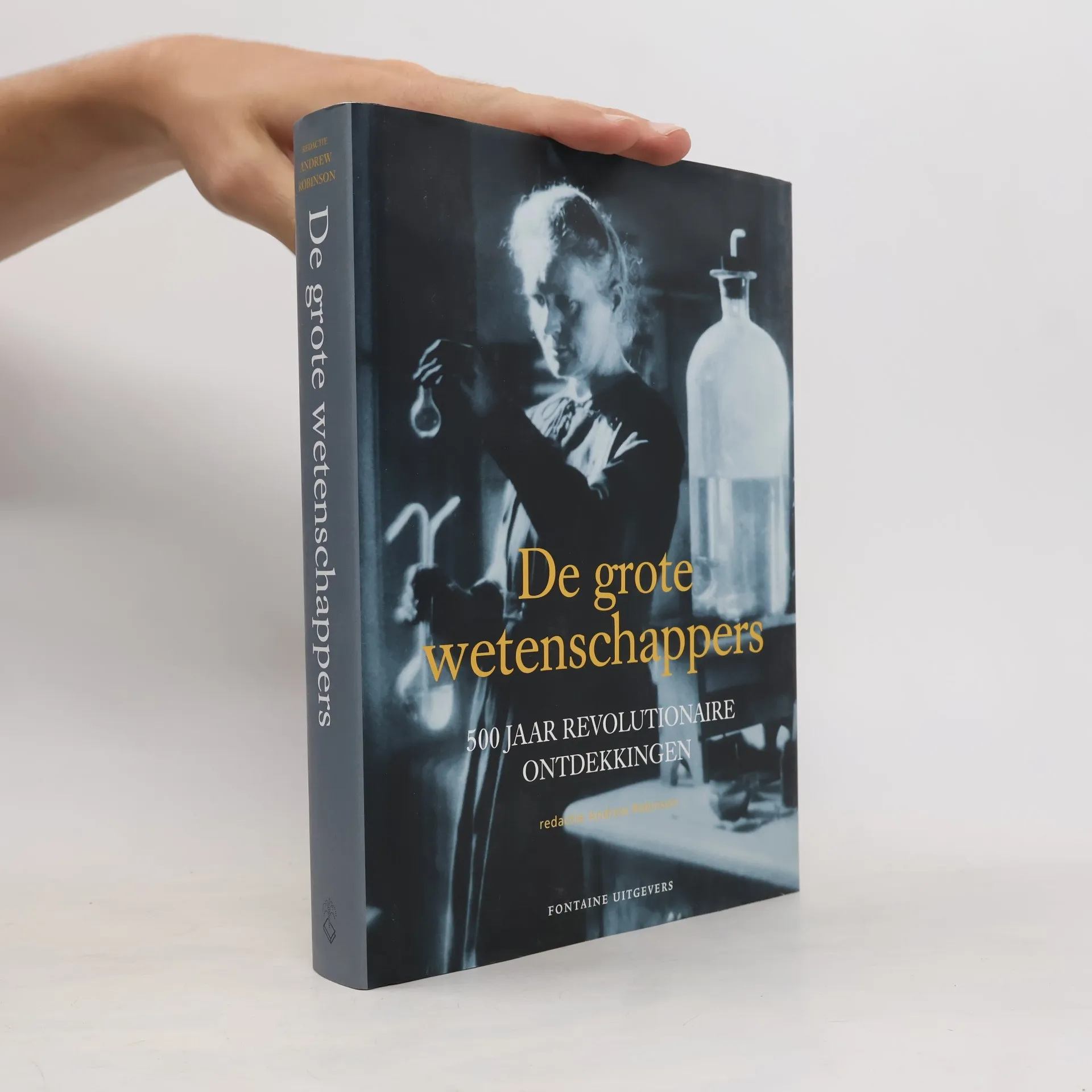
Dieser mit zahlreichen historischen und zeitgenössischen Abbildungen hervorragend ausgestattete Bildband gibt dem wissenschaftlichen Fortschritt ein Gesicht. Er präsentiert Wissenschaftlerinnen und Wissenschaftler, die unser Bild von der Welt verändert haben: Galilei und Newton, Darwin und Mendel, Marie Curie, Einstein oder Watson und Crick. Zahlreiche Abbildungen von Personen, technischen Geräten und Originaldokumenten veranschaulichen die Umstände ihrer herausragenden Entdeckungen. Thematisch geordnet, bietet das Buch einen Überblick über die wichtigsten wissenschaftlichen Leistungen der letzten 500 Jahre von den Weiten des Weltalls bis ins Innere des Atoms, vom Körper und Geist des Menschen bis zur künstlichen Intelligenz. Die Porträts, von renommierten Wissenschaftsautoren verständlich und unterhaltsam verfasst, fügen sich zu einem Bild, das auch dem Laien eine Vorstellung davon vermittelt, welches Wissen wir bis heute über die Welt gewonnen haben – und wie aufregend sich der Weg zur Erkenntnis gestaltet.
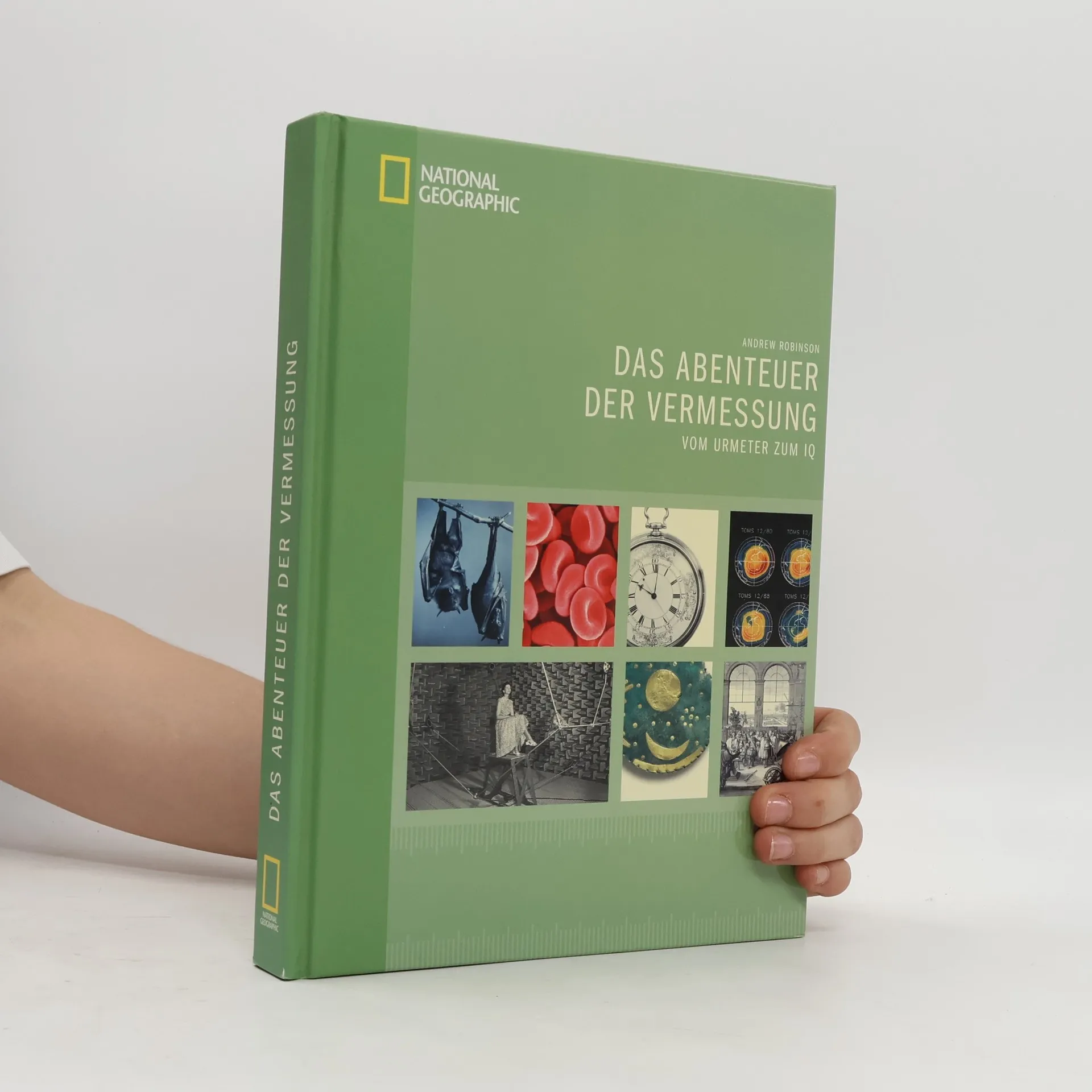
Das Abenteuer der Vermessung. Vom Urmeter bis zum IQ
- 224 pages
- 8 hours of reading
„Das Abenteuer der Vermessung“ entführt die Leser auf eine faszinierende Reise durch die Geschichte der Vermessung. Von den alten Griechen bis zu modernen Atomphysikern werden eindrucksvolle Methoden und deren Bedeutung für die Zivilisation verständlich erklärt, unterstützt durch anschauliche Texte und Illustrationen.
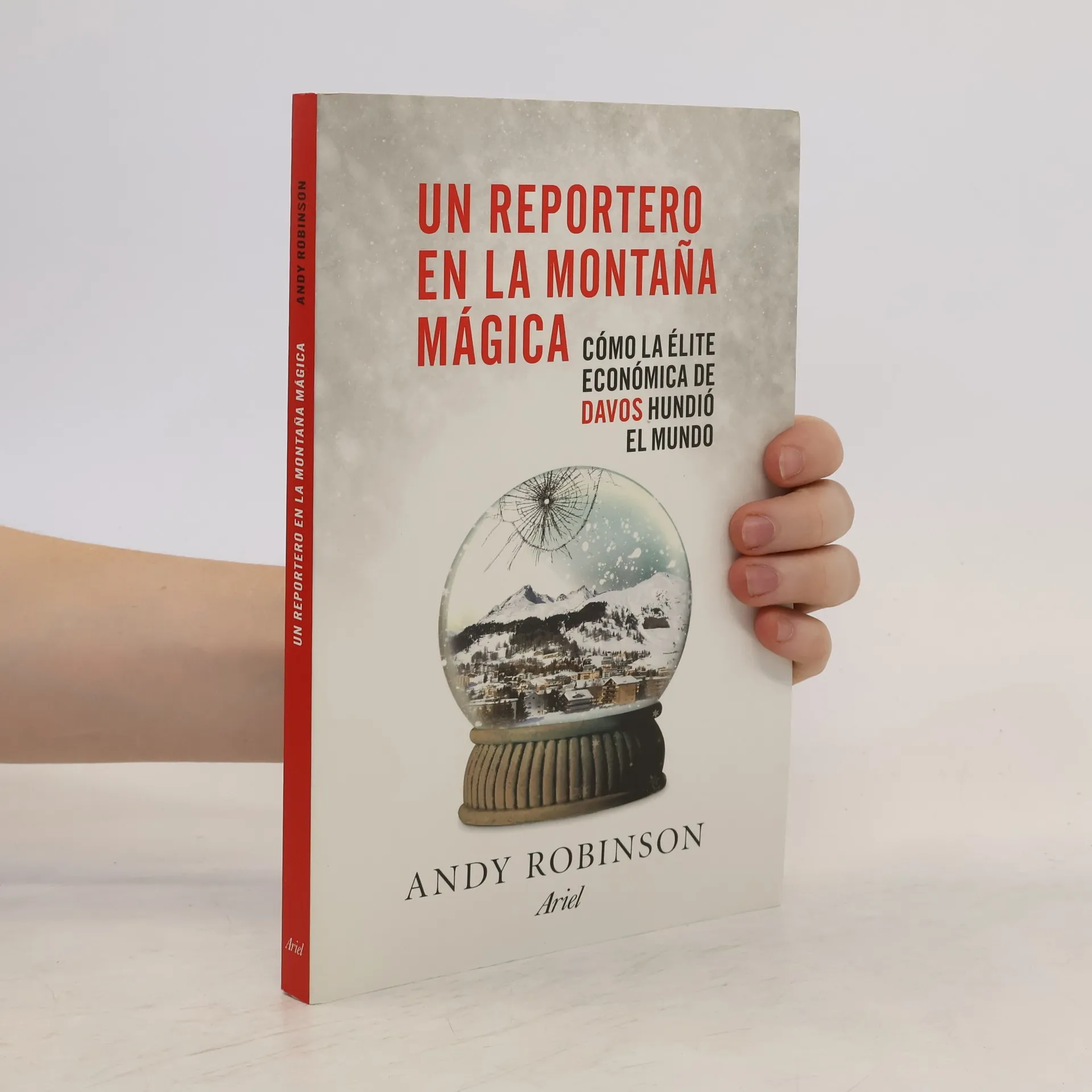
Un reportero en la montaña mágica
Cómo la élite económica de Davos hundió el mundo
- 224 pages
- 8 hours of reading
Los encuentros del Foro Económico Mundial en la diminuta población suiza que inspiró a Thomas Mann son la constatación de los males endémicos del sistema que nos gobierna. O al menos de sus incongruencias. Un ágora en la que el cinismo se viste de filantropía y el pensamiento único de debate abierto. Un lugar en el que Bono y Clinton se erigen en profetas, las estrellas del periodismo olvidan su compromiso con el público y los académicos aleccionan al personal sobre los beneficios del sistema capitalista y los males del intervencionismo ante banqueros y empresarios venidos de todo el mundo. El reportero Andy Robinson se desplaza por el laberíntico centro de congresos, por los bares de la estación de esquí y los atascos de limusinas para averiguar cómo la élite, ese 1% más rico, se garantiza el porvenir a costa del ciudadano, apoyando medidas que sigan incrementando la polarización de las rentas y el crecimiento de su propia riqueza. Un reportero en la montaña mágica recorre la historia de Davos, los paraísos fiscales y la farsa de la filantropía y denuncia con ironía cómo los plutócratas empujan al mundo ladera abajo mientras hacen alarde de opulencia desde la privilegiada estación alpina.
Bilder, Zeichen, Alphabete
- 176 pages
- 7 hours of reading
Schrift und Schreiben gehören zu den Grundlagen unseres täglichen Lebens. Ohne sie gäbe es keine Bücher, Zeitungen und Zeitschriften, aber auch keine geschichtliche Überlieferung, keine Wissenschaften, ja wohl überhaupt keine moderne Kultur. Aber wann, wo und warum haben die Menschen begonnen zu schreiben? Woher stammt unsere eigene, die lateinische Schrift? Auf diese und viele weitere Fragen gibt Andrew Robinson kompetent Antwort. Lebendig und anschaulich beschreibt er die Herkunft zahlreicher Schriftarten, ihre Entstehung und Verbreitung, ihren Untergang oder die oft abenteuerliche Geschichte ihrer Entzifferung. Dabei bezieht er auch die kultischen, spirituellen, ökonomischen und politischen Bedingungen ein, die eine Zeit überdauernde Kommunikation notwendig machen. Seine überaus inhaltsreiche Darstellung mündet in die überraschende Feststellung, dass unsere modernen Schriftsysteme den uralten Schriften viel mehr ähneln, als wir ahnen.
Erdgewalten
- 304 pages
- 11 hours of reading
De grote wetenschappers: 500 jaar revolutionaire ontdekkingen
- 304 pages
- 11 hours of reading
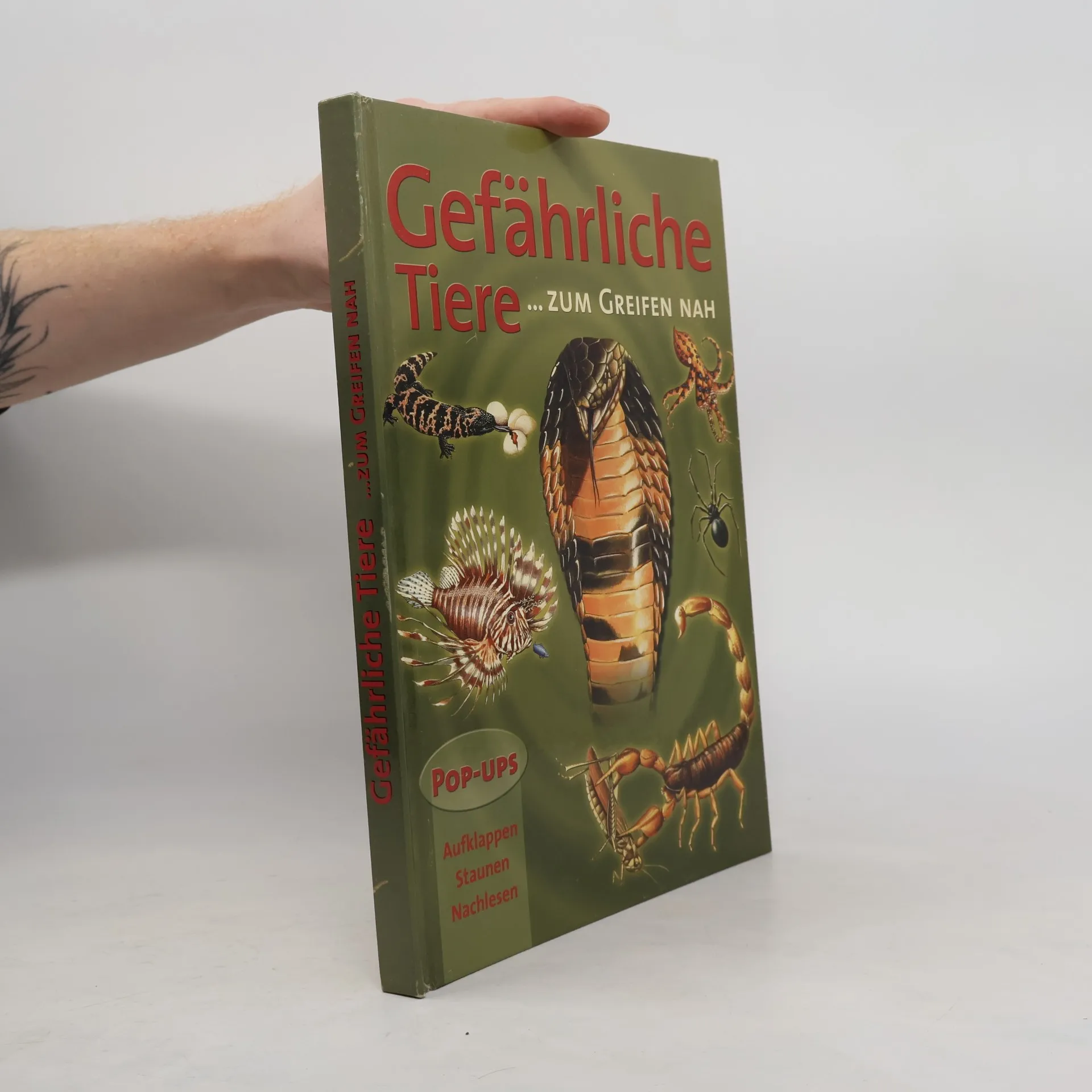
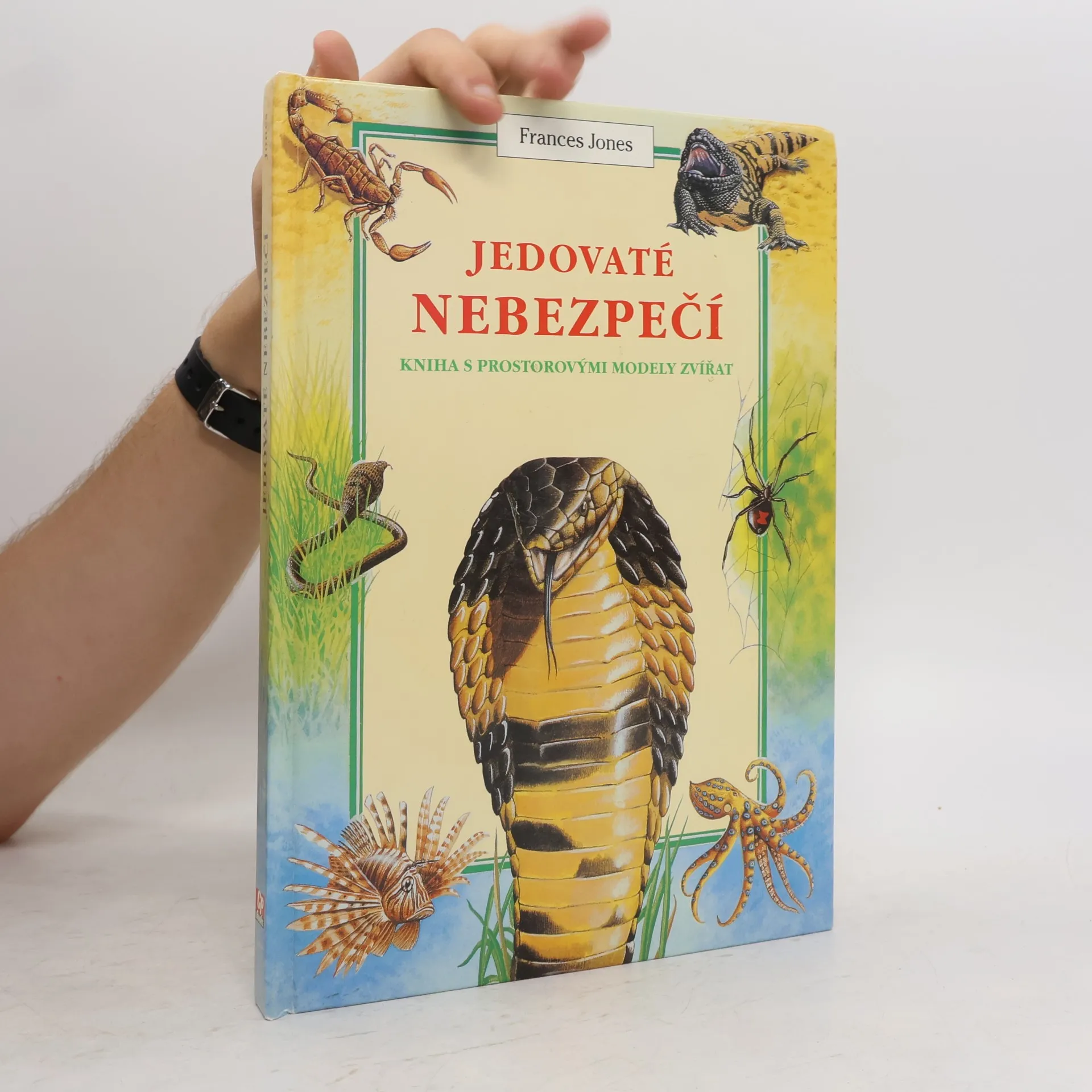
Jedovaté nebezpečí. Kniha s prostorovými modely zvířat
- 12 pages
- 1 hour of reading
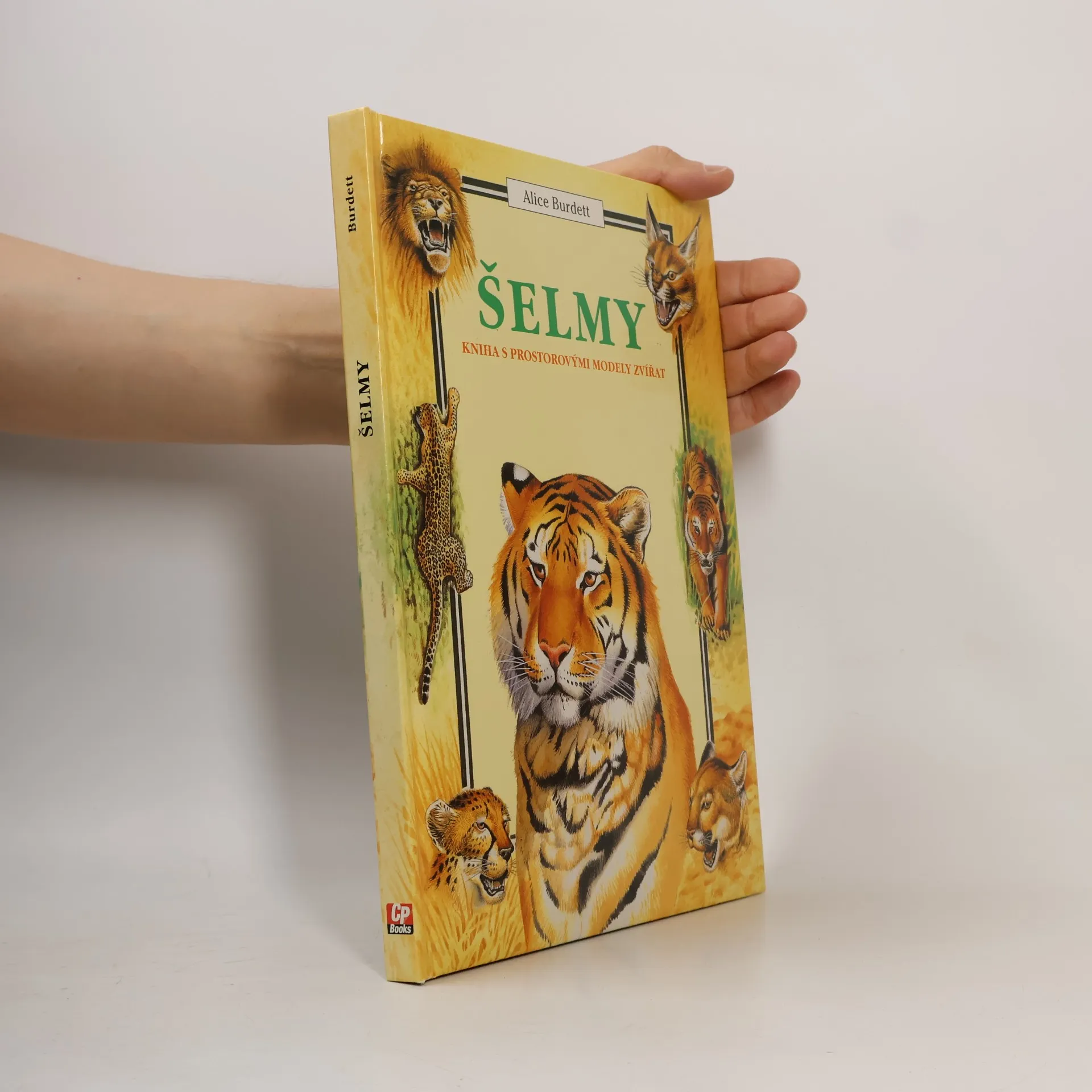
Šelmy. Kniha s prostorovými modely zvířat
- 13 pages
- 1 hour of reading
KNIHA S PROSTOROVÝMI MODELY ZVÍŘAT. Vydej se na lov s mohutným tygři, hitem karakalem, lstivým levhartem a pumou, která skvěle skáče. Zjisti, kdo dokáže běžet čtyřikrát rychleji než olympijský vítěz, kdo sežere každou noc až 30 kg masa a kdo za jedinou sekundu uloví celé hejno ptáků!
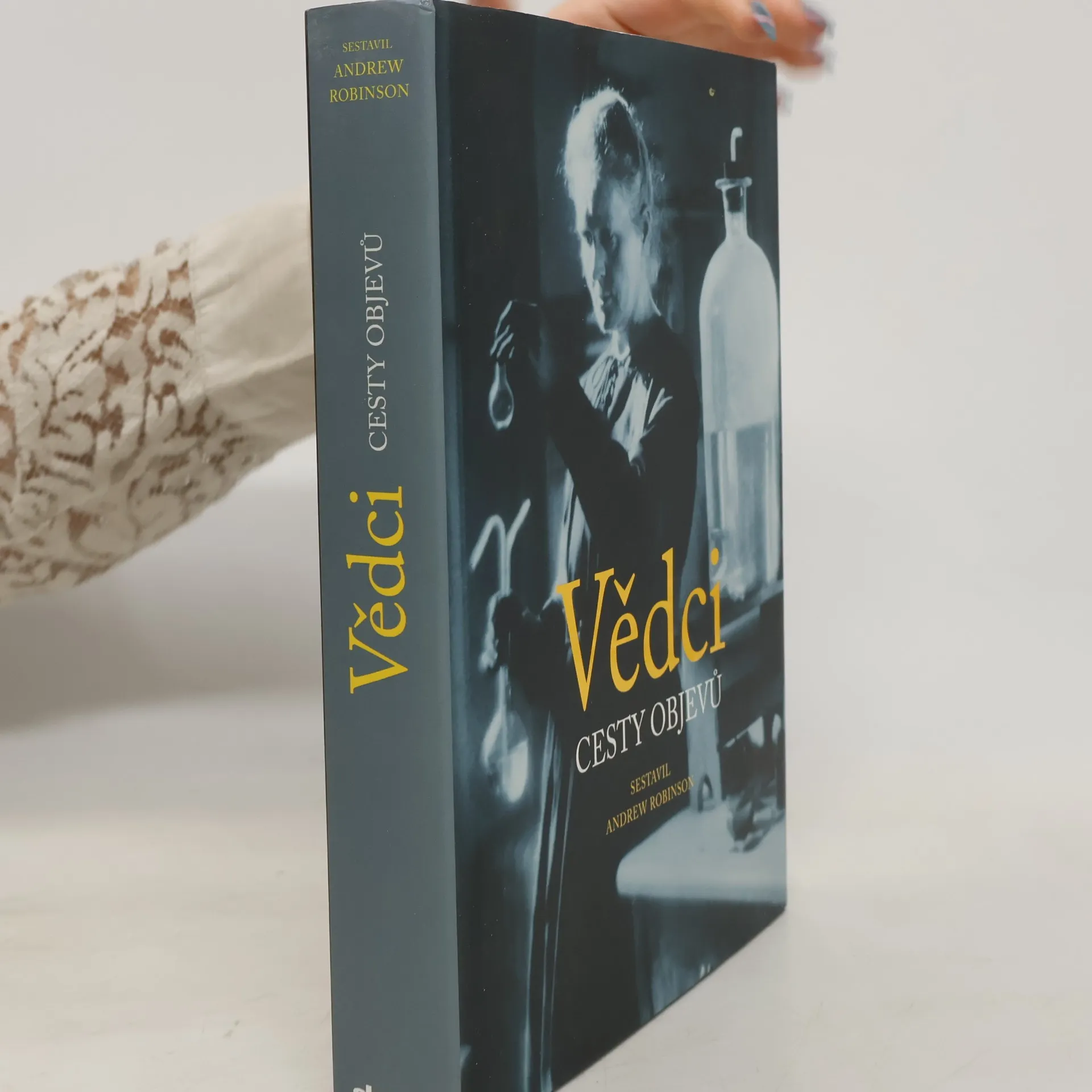
Vědci: Cesty objevů
- 304 pages
- 11 hours of reading
Knihu, kterou připravil mezinárodní tým autorů, sestavil Andrew Robinson. Popisuje život a dílo 43 osobností, jež se proslavily na poli vědy. Pokrývá všechny hlavní vědecké obory, od astronomie po psychologii. Každá z těchto třiačtyřiceti vynikajících osobností vědy zde má svůj portrét, ať už rytinu, malbu, fotografii či sochu. Navíc jsou v knize reprodukce jejich vlastních poznámek, nákresů a diagramů, případně i osobních dopisů, které umožňují blíže nahlédnout do jejich životů a projít cestami, jež je vedly k objevům. Vydání 1.