

A single line of code offers a way to understand the cultural context of computing. This book takes a single line of code—the extremely concise BASIC program for the Commodore 64 inscribed in the title—and uses it as a lens through which to consider the phenomenon of creative computing and the way computer programs exist in culture. The authors of this collaboratively written book treat code not as merely functional but as a text—in the case of 10 PRINT, a text that appeared in many different printed sources—that yields a story about its making, its purpose, its assumptions, and more. They consider randomness and regularity in computing and art, the maze in culture, the popular BASIC programming language, and the highly influential Commodore 64 computer.
Casey Reas Book order (chronological)
Casey Reas is a Professor of Design Media Arts at UCLA. He is also the coauthor of Processing: A Programming Handbook for Visual Designers and Artists. His work bridges the disciplines of visual art and programming. He is recognized for his contributions to the fields of computational creativity and new media art.


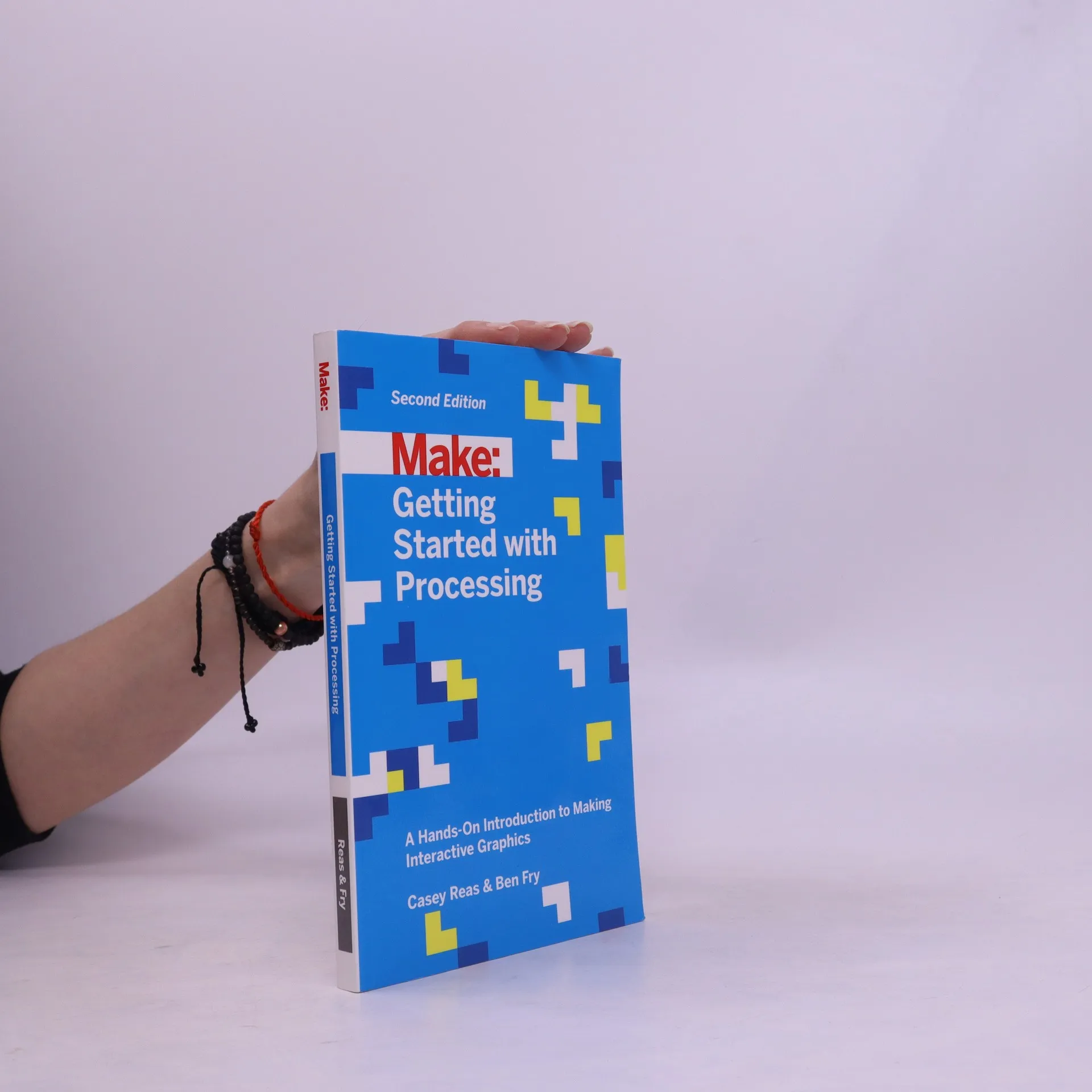
Getting Started with Processing
- 218 pages
- 8 hours of reading
"Updated for Processing 3.0"--Page 4 of cover.
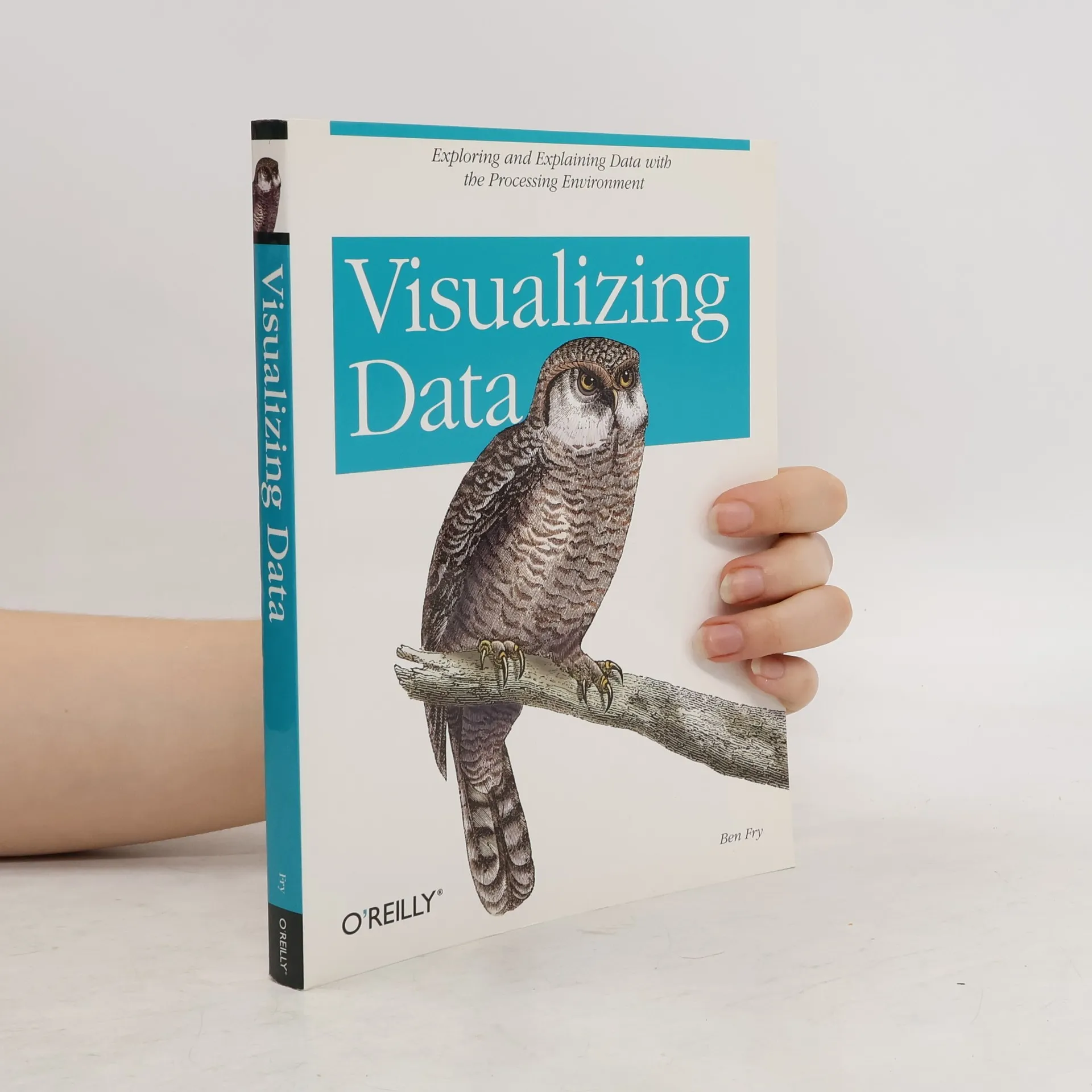
Visualizing Data
- 382 pages
- 14 hours of reading
Enormous quantities of data go unused or underused, simply because people can't visualize the quantities and relationships in it. Using a downloadable programming environment, this book demonstrates methods for representing data on the Web and elsewhere, complete with user interaction, animation, and more.
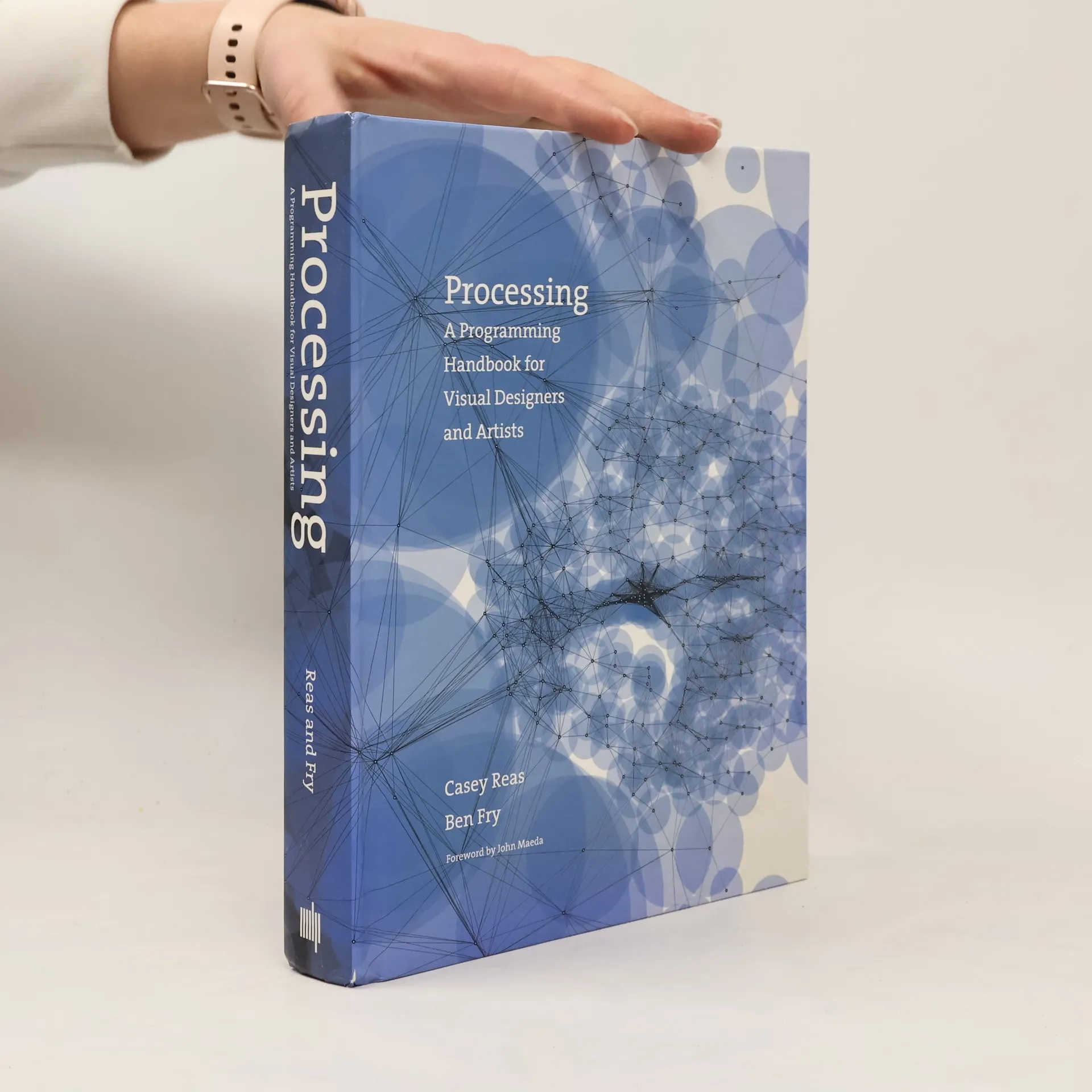
Processing : a programming handbook for visual designers and artists
- 768 pages
- 27 hours of reading
An introduction to the ideas of computer programming within the context of the visual arts that also serves as a reference and text for Processing, an open-source programming language designed for creating images, animation, and interactivity.