

In 1905, after suffering a relapse and spending a few months at The Hartford Retreat, Clifford Whittingham Beers elected to write a book about his experiences living with mental illness and being subject to cruel treatment and physical abuse while being institutionalized. Titled, A Mind That Found Itself, the 1908 autobiography told the story of a young man who had suffered a life full of personal tragedy, leading to feelings of intense anxiety, paranoia and depression. Slowly being engulfed by intrusive thoughts and hallucinations, Beers found himself struggling with suicidal ideation and commitment by his well-intentioned family to a series of mental health institutions, each one seemingly worse than the last. Unique in its presentation of both self-awareness and the difficult reality of working towards recovery; the book paved the way for the American mental hygiene movement and removed the stigma of mental illness among the general public.
Clifford Whittingham Beers Books
This author spearheaded one of the earliest client-advocate health reform movements in the United States. A former patient who experienced institutionalization, they dedicated their work to improving care within institutions, challenging the stigma surrounding mental illness, and promoting mental well-being. Their efforts significantly shifted public attitudes and influenced legal and educational reforms, introducing guidance counselors in schools and consideration of psychological states in legal contexts. Drawing from personal experience, their writing offers profound empathy and a compelling call for a more humane and informed approach to mental health.
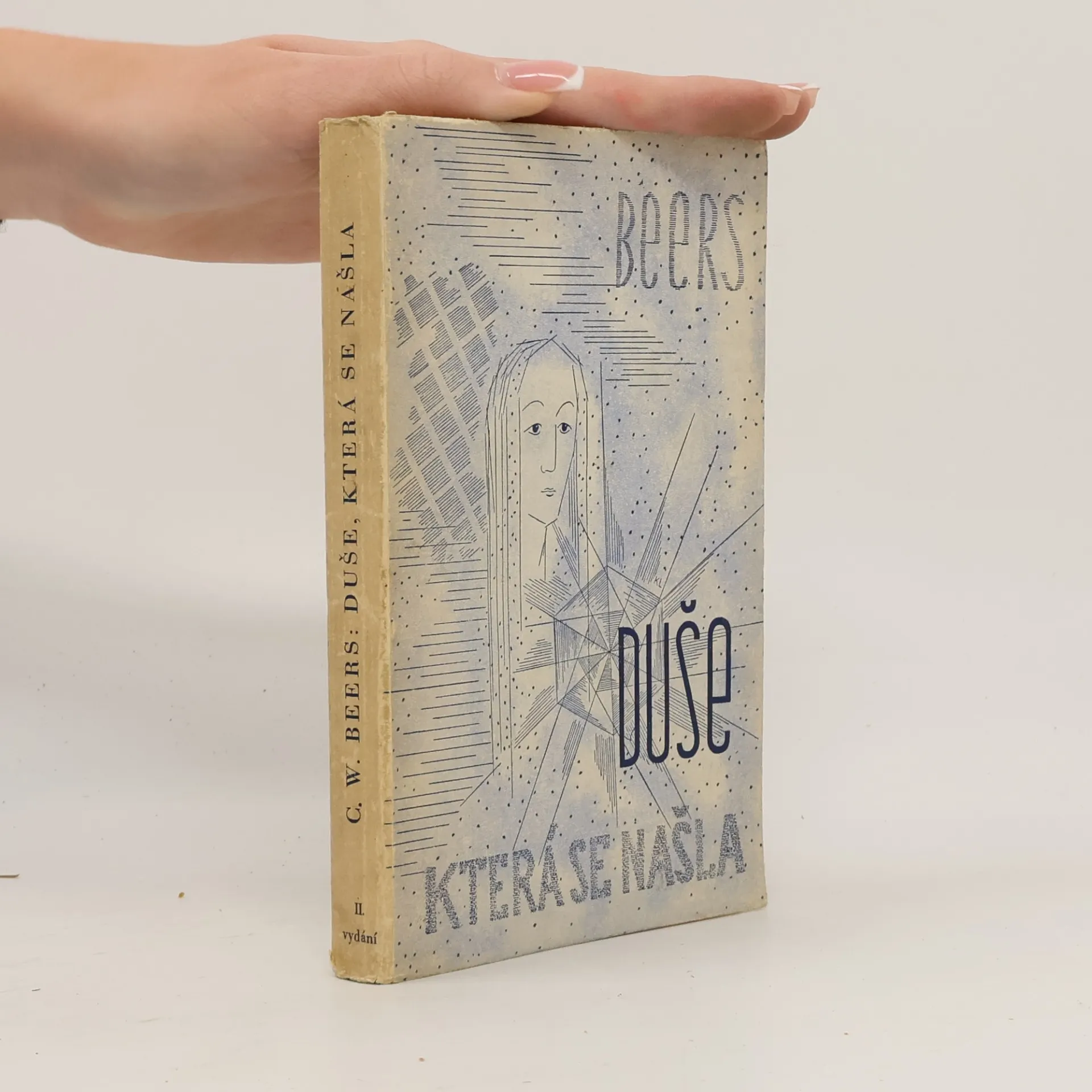

V knize píše autor historii svých mladých let, z nichž tři zvláštně trudná prožil v ústavech pro duševně nemocné. Líčí život a poměry v amerických blázincích, jak se jevily zrakům nemocného a rekonvalescenta. Nic nepřidává, nepřehání - nic neokrašluje, nezamlčuje.