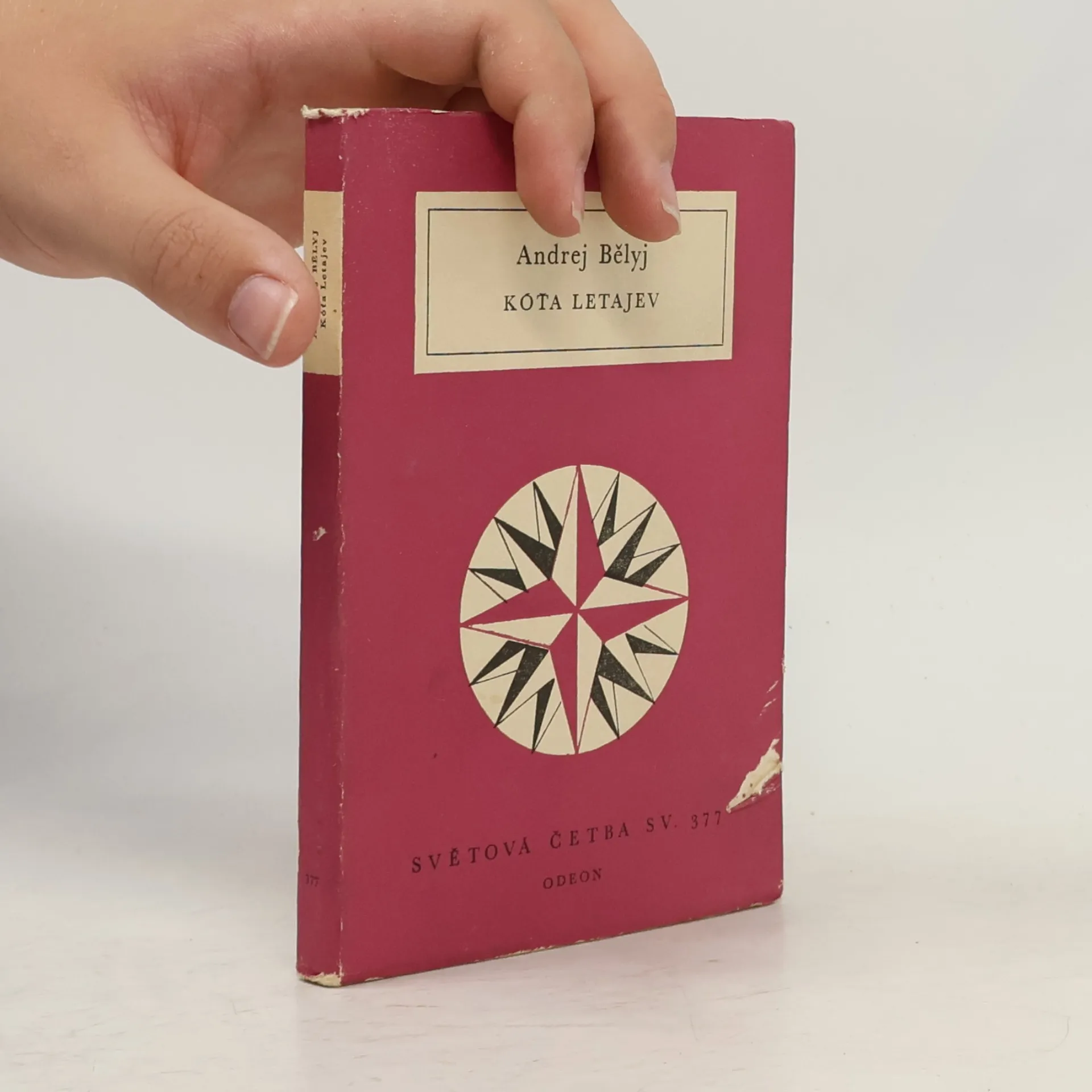
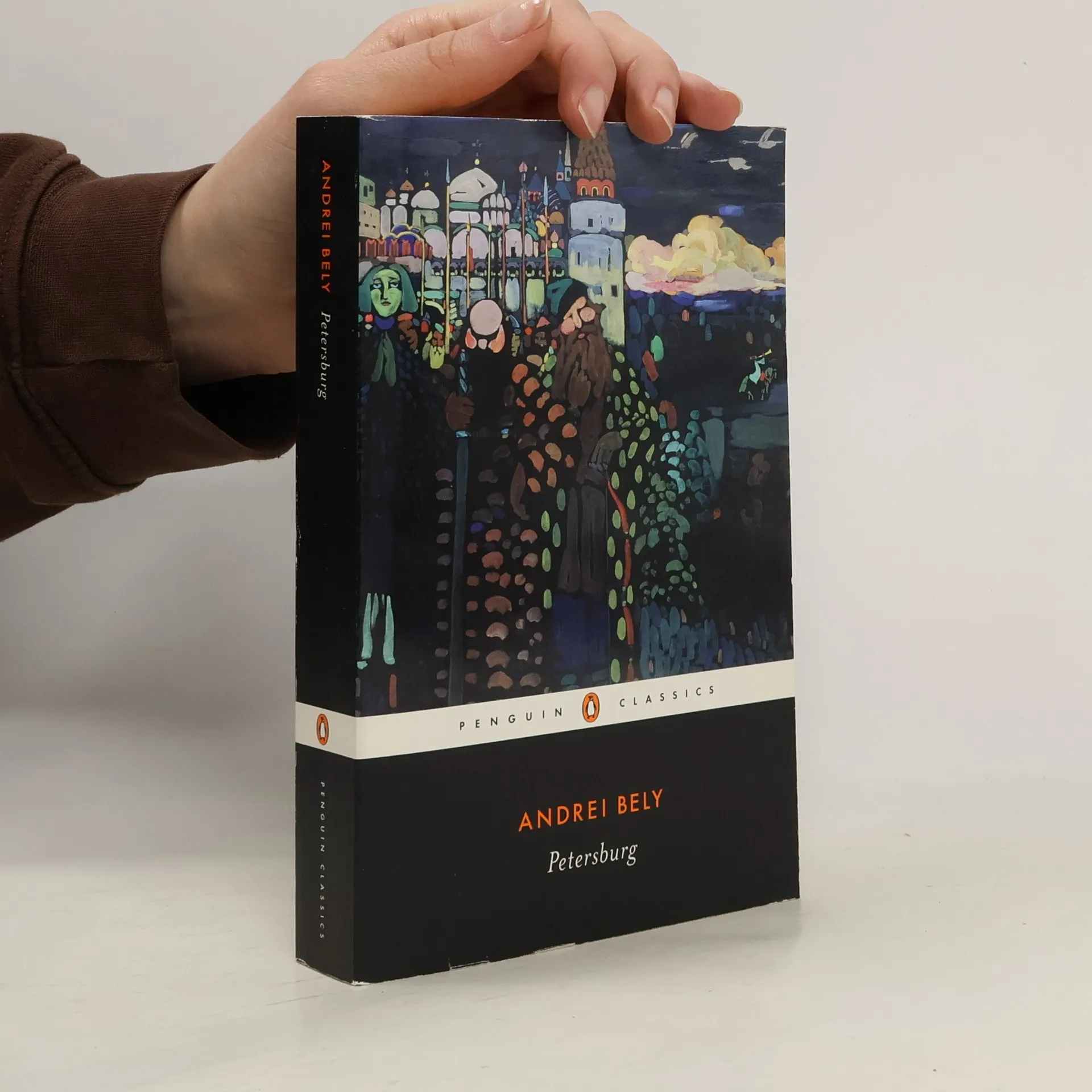

Andrei Bely was a pivotal figure in Russian symbolism, whose works are characterized by mysticism and a musical prose style. His approach, employing sonic effects that often evoke colors, profoundly influenced a generation of Russian writers and musicians alike. Bely's novels, particularly his masterpiece Petersburg, delve into complex psychological states against the backdrop of turbulent historical moments. His innovative literary techniques position him among the most significant modern authors.
Andrei Bely's four Symphonies—"Dramatic Symphony," "Northern Symphony," "The Return," and "Goblet of Blizzards"—showcase fantastical narratives that exemplify modernist innovation. Each work offers a unique exploration of complex themes and vivid imagery, reflecting the author's distinctive style and artistic vision. These stories not only push the boundaries of literary form but also invite readers into a richly imaginative world, making them essential for understanding the evolution of modern literature.
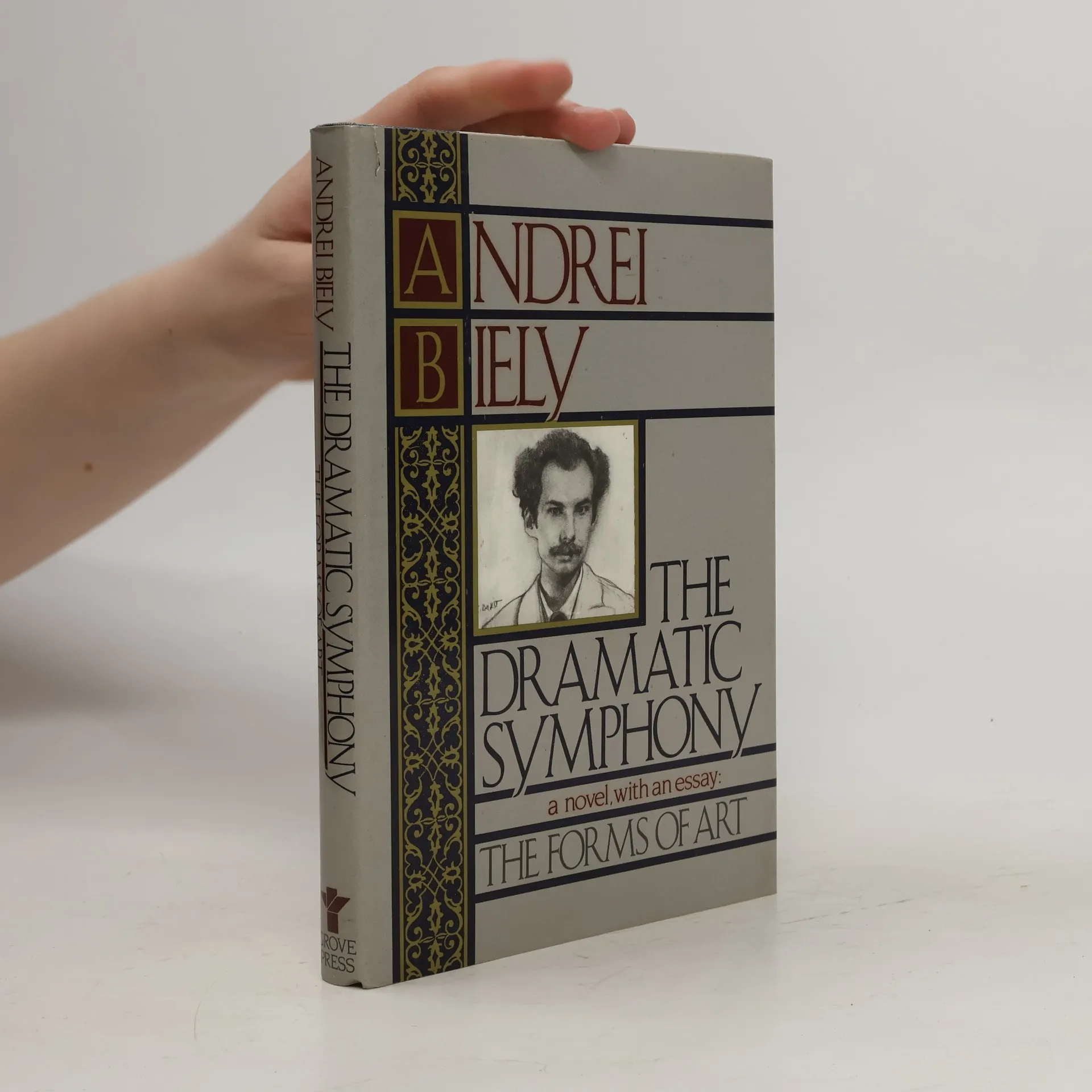
This volume contains a 15-page Introduction on Andrey Bely's work, followed by a the first published translation of The Dramatic Symphony (by Roger and Angela Keys), its hero struggling against philosophical nihilism. To dramatize the split between the world of matter and the world of the spirit, Bely utilizes musical formal structures and motif variation/development. The remainder of the volume consists of Bely's essay The Forms of Art (translated with an introduction and notes by John Elsworth); 183 pages.
St Petersburg, 1905. An impressionable young university student, Nikolai,
becomes involved with a revolutionary terror organization, which plans to
assassinate a high government official with a time bomb. But the official is
Nikolai's cold, unyielding father, Apollon, and in twenty-four hours the bomb
will explode.
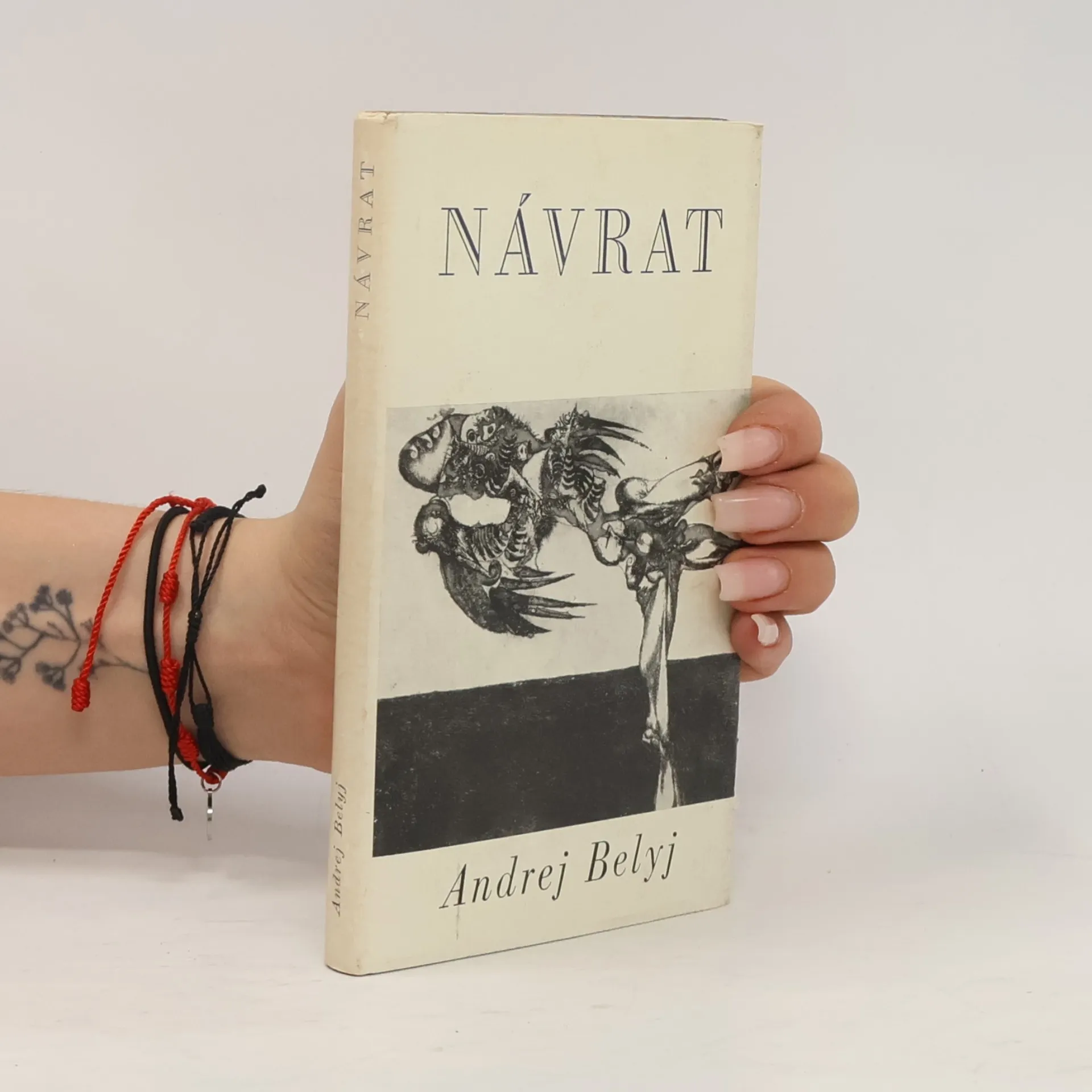
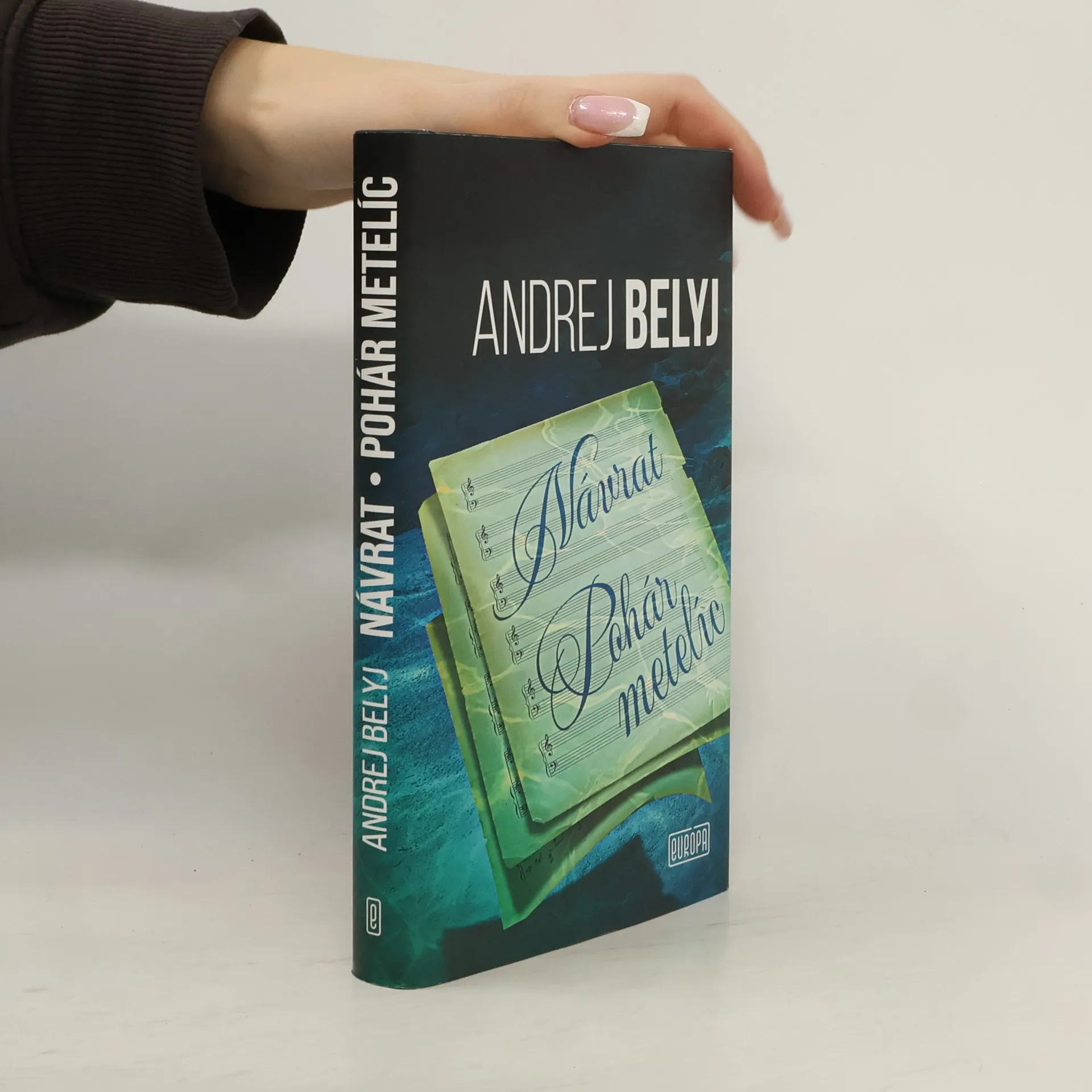
Kniha obsahuje dve zo štyroch Symfónií ruského básnika, spisovateľa-
symbolistu Andreja Belého (1880 - 1934), v poradí tretiu - Návrat a štvrtú
Pohár metelíc. Experimentálne prózy na pomedzí s poéziou boli vytvorené podľa
hudobných zákonitostí. Vznikali v kontexte tvorivých výbojov epochy od r. 1900
po 1907-8 a svojmu autorovi priniesli povesť odvážneho tvorcu nového umenia.
Belyj ako prívrženec koncepcií filozofov - Immanuela Kanta o fenomenálnom a
noumenálnom svete, Arthura Schopenhauera s jeho chápaním prvenstva hudby medzi
umeniami i Friedricha Nietzscheho, ktorého dielo Tak vravel Zarathustra sa
preňho stalo hlavnou inšpiráciou, napísal svoje symfónie tak, aby každá bola
iná, odlíšená svojím „vnútorným“ rytmom. Spája ich téma zápasu Večnosti s
neúprosne uplývajúcim časom, ktorý autor chápe fatalisticky ako nezvratnosť
osudu. Konkrétne je však ukotvenie Symfónií v čase a priestore, kde žijú
postavy súdobých mladých intelektuálov a umelcov. Kým Návrat vypovedá o
moskovskom živote tých čias, dej symbolisticky zašifrovaného Poháru metelíc sa
odohráva v Sankt-Peterburgu a v kláštore medzi lesmi. Spisovateľove originálne
pokusy o novú prózu nenašli pokračovateľov. Symfónie, týka sa to hlavne
štvrtej, sa pre svoju zložitosť a artistnosť pokladali za nepreložiteľné.