This American journalist focuses on defense topics, offering deep insights into military affairs. His work is characterized by detailed reporting and analysis of military operations and command structures. Through his writings, he explores the complexities of military endeavors and strategic decision-making. His prose is valued for its informed perspective, contributing to a nuanced understanding of the military world.
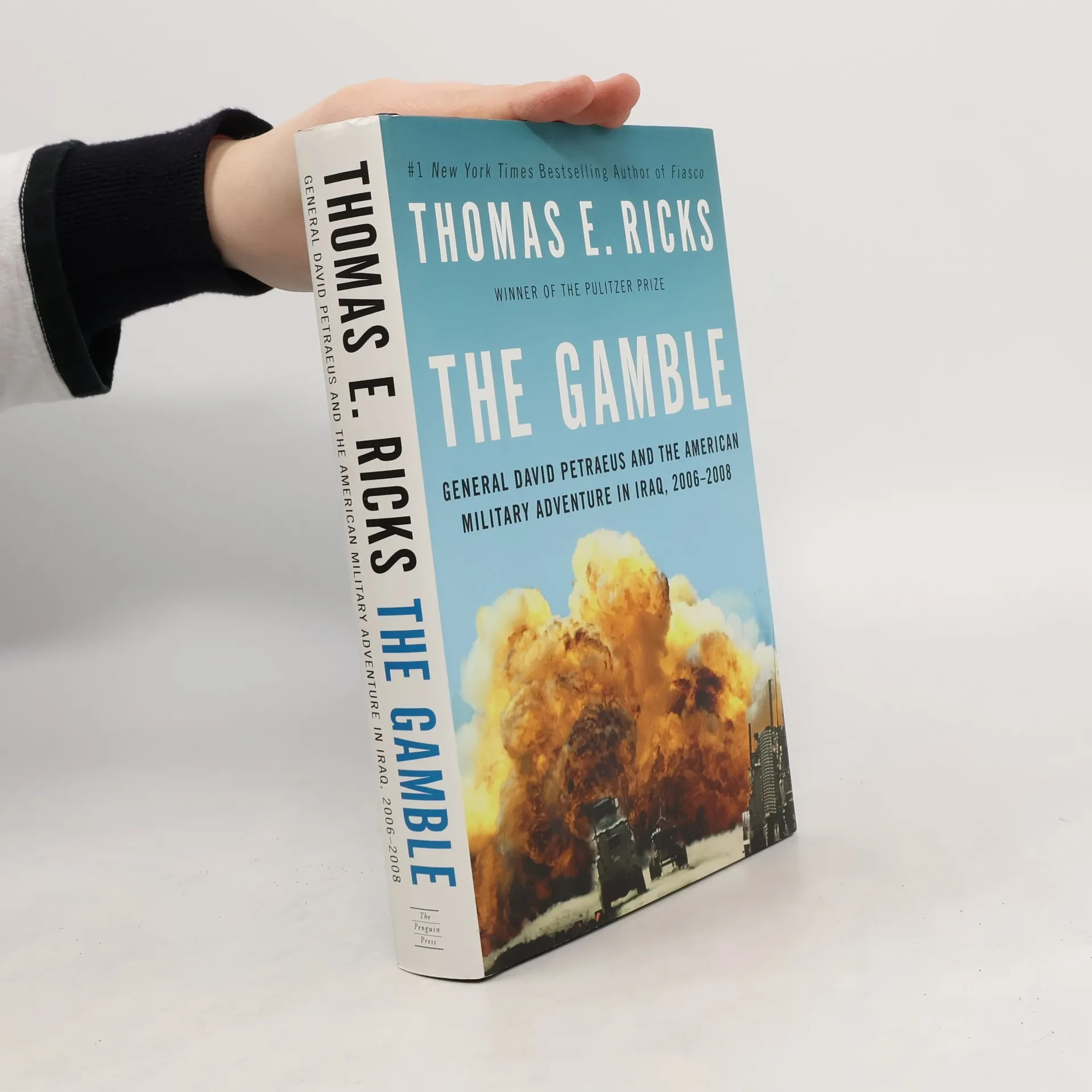
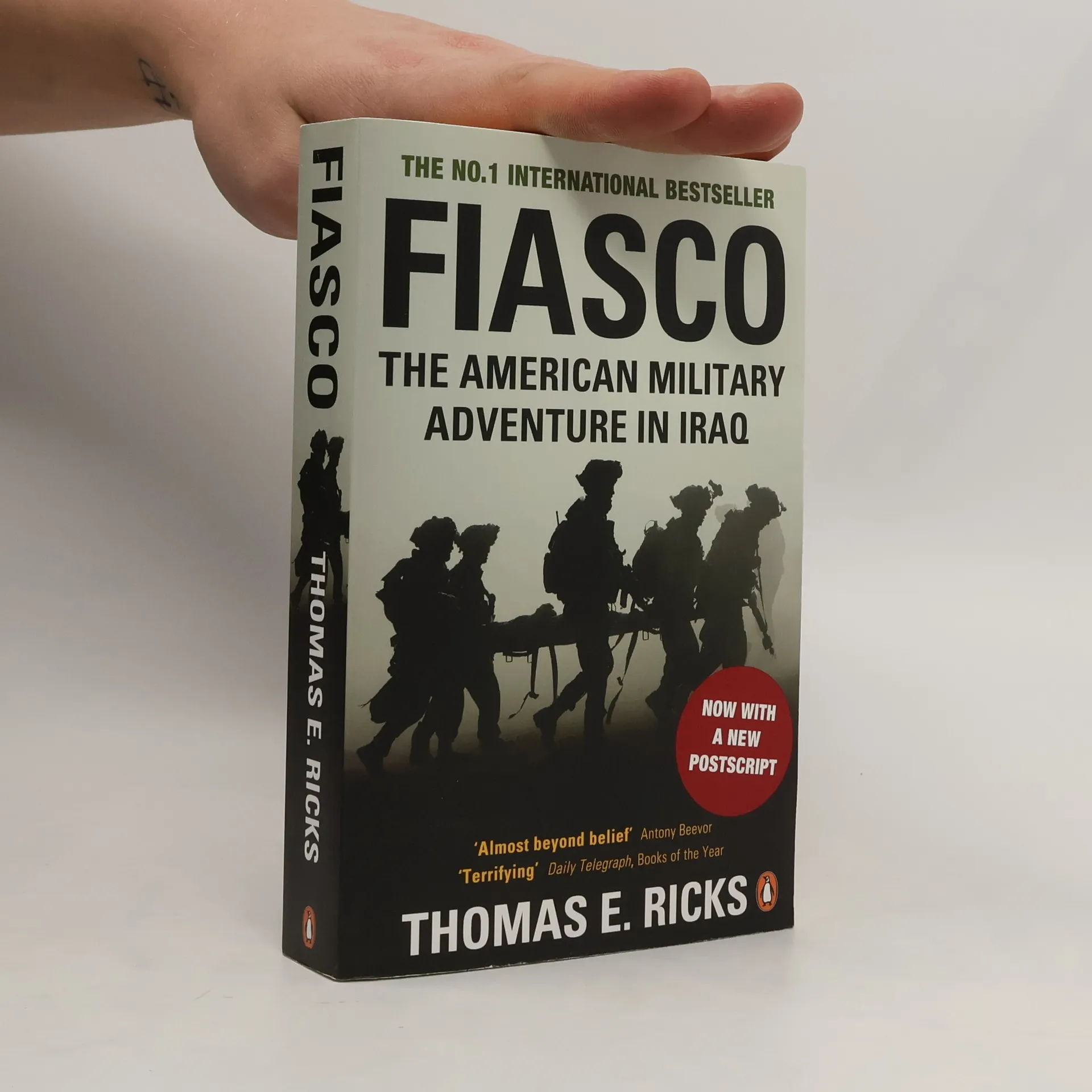
The definitive military chronicle of the Iraq war--and a searing judgment on the strategic blindness with which America has conducted it--draws on the accounts of senior military officers giving voice to their anger for the first time.
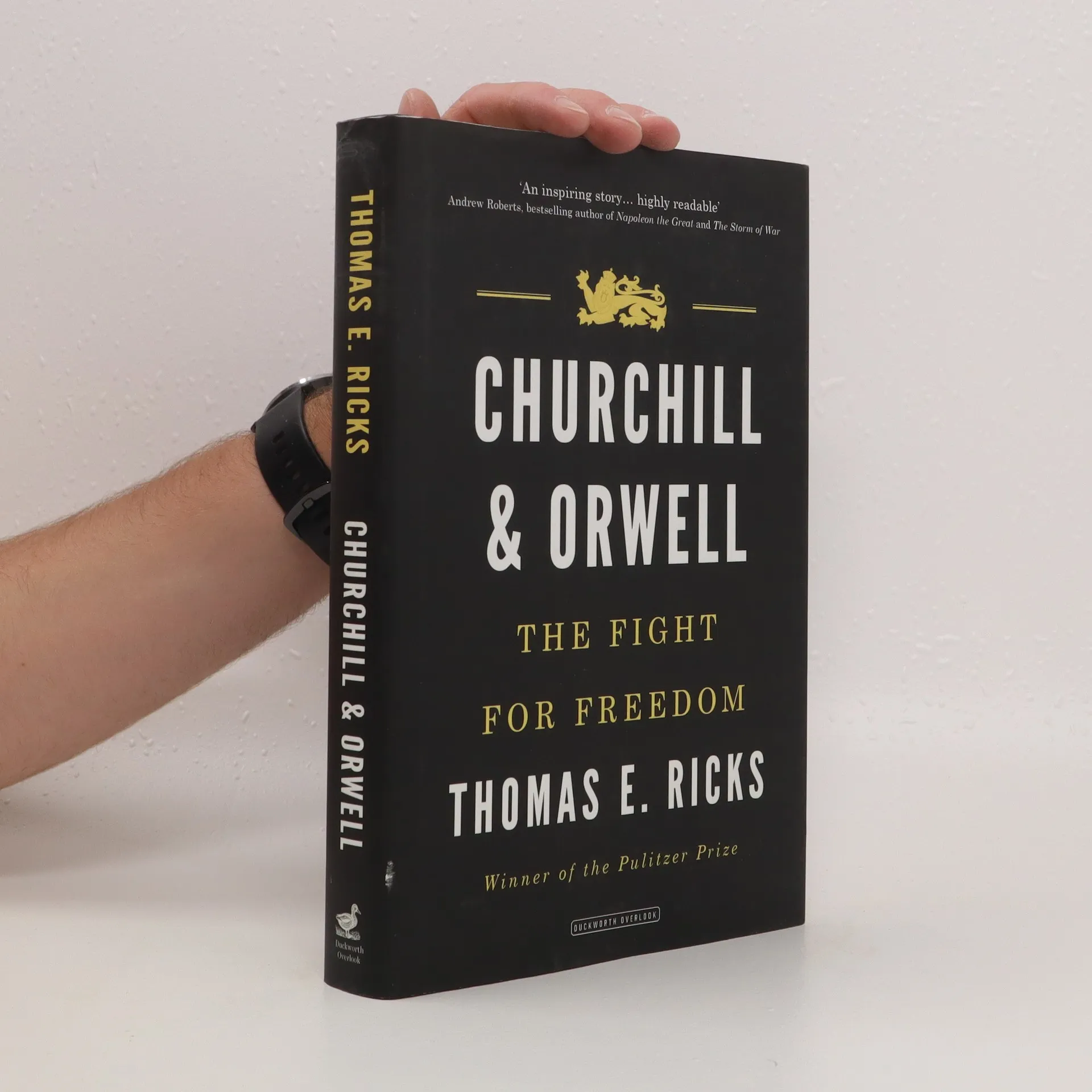
Today, as liberty and truth are increasingly challenged, the figures of Churchill and Orwell loom large. Exemplars of Britishness, they preserved individual freedom and democracy for the world through their far-sighted vision and inspired action, and cast a long shadow across our culture and politics. In Churchill & Orwell, the Pulitzer Prize-winning author Thomas E. Ricks masterfully argues that these extraordinary men are as important today as they ever were. Churchill and Orwell stood in political opposition to each other, but were both committed to the preservation of freedom. However, in the late 1930s they occupied a lonely position: democracy was much discredited, and authoritarian rulers, fascist and communist, were everywhere in the ascent. Unlike others, they had the wisdom to see that the most salient issue was human liberty – and that any government that denies its people basic rights is a totalitarian menace to be resisted. Churchill and Orwell proved their age’s necessary men, and this book reveals how they rose from a precarious position to triumph over the enemies of freedom. Churchill may have played the larger role in Hitler’s defeat, but Orwell’s reckoning with the threat of authoritarian rule in 1984 and Animal Farm defined the stakes of the Cold War and continues to inspire to this day. Their lives are an eloquent testament to the power of moral conviction, and to the courage it takes to stay true to it.
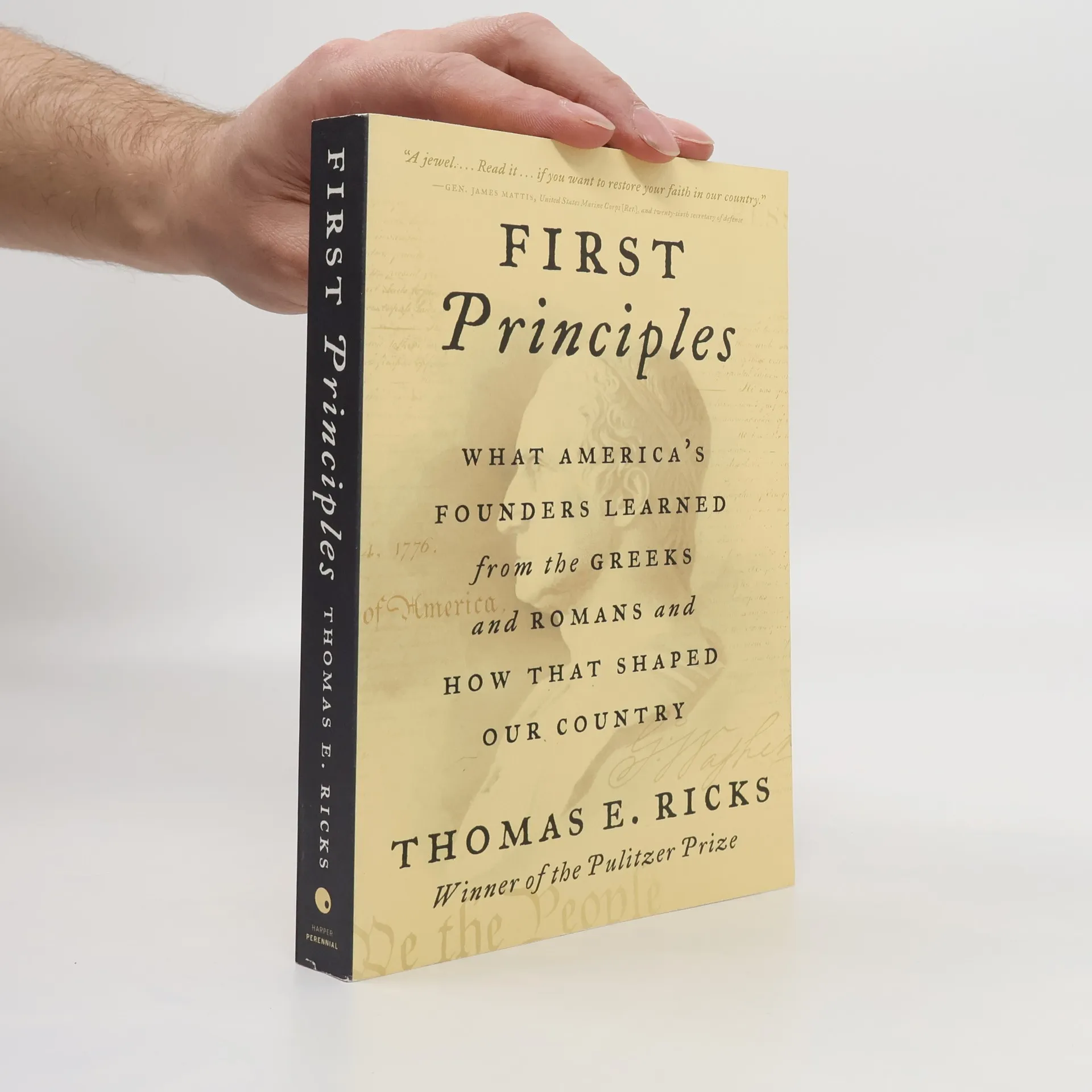
Examines how the educations of America's first four presidents, and in particular their scholarly devotion to ancient Greek and Roman classics, informed the beliefs and ideals that shaped the nation's constitution and government
General David Petraeus and the American Military Adventure in Iraq, 2006-2008
394 pages
14 hours of reading
The Gamble tells the gripping story of how, in the Iraq War's darkest hour, an unlikely collection of dissident generals, scholars and foreign experts pulled the country back from the edge of the abyss and saved countless lives. This was 'the surge', and at its helm was General David Petraeus, now acknowledged as one of the greatest military tacticians in US history. Based on unprecedented access to the entire chain of army command - at the top and fighting on the ground - this is the definitive account of one of America's biggest ever military gambles, and what it means for the future of Iraq.
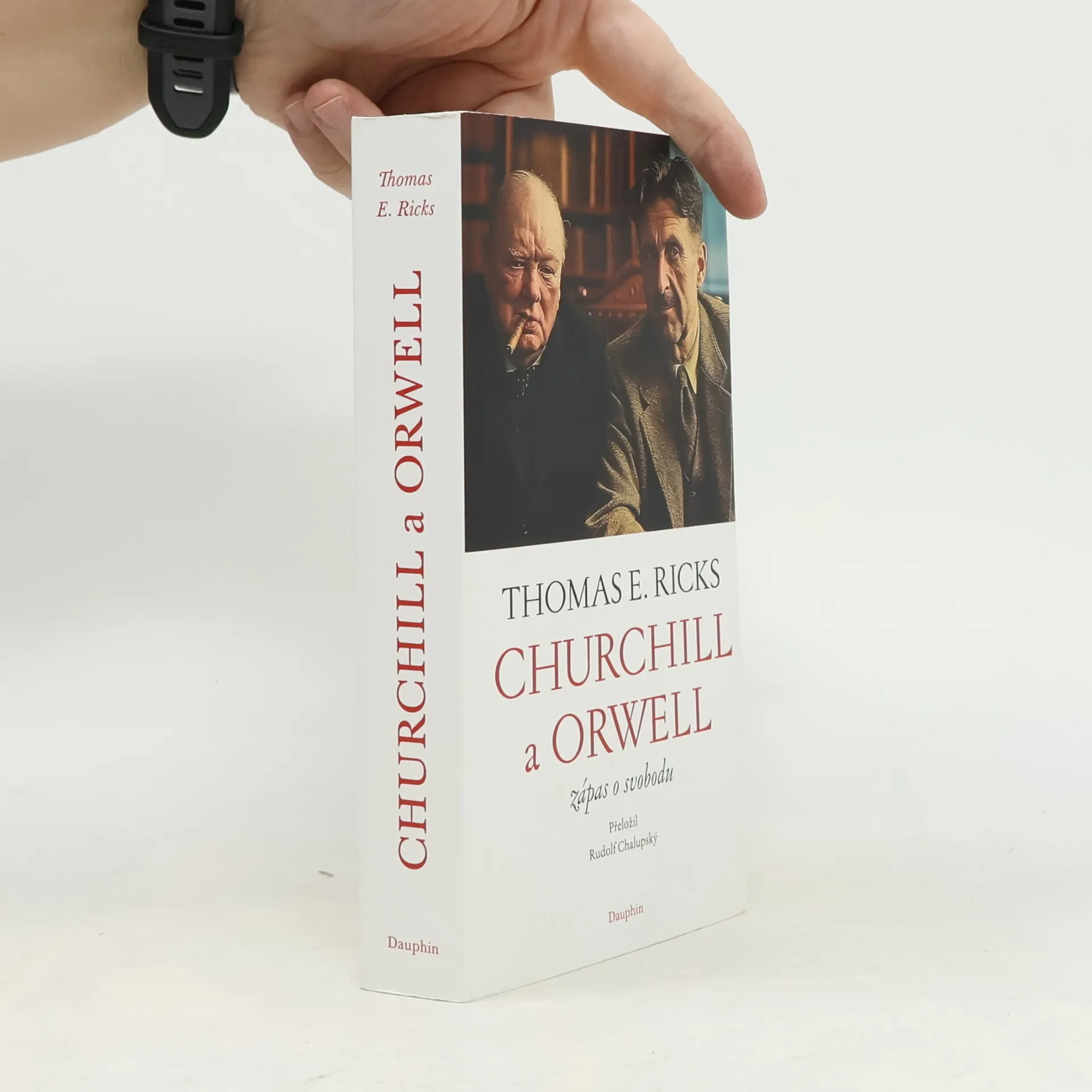
Paralelní životopisy dvou velikánů minulého století přinášejí nekonvenční pohled na boj proti totalitě vedený ze zcela odlišných ideových pozic, konzervativní a výrazně levicové.
Churchill a Orwell se z nepříliš známých postav tehdejšího dění záhy stali jedni z určujících aktérů západního myšení. Jejich díla jsou živá i platná dodnes a o jejich vzniku i aktuálnosti se můžete přesvědčit v této brilantní knize. George Orwell i Winston Churchill byli bezesporu jedněmi z nejdůležitějších mužů své doby. Churchill sehrál v porážce Hitlera a Osy výraznou roli a Orwellovo zobrazení autoritářské vlády ve Zvířecí farmě a v 1984 dodnes inspiruje bojovníky za svobodu.
Jejich životy jsou důkazem síly morálního přesvědčení, odvahy a předvídavosti, že vláda, ať už je zabarvena jakkoli, která upírá lidem základní svobody, je totalitní hrozbou a je třeba se ji bránit, lhostejno zdali zprava či zleva.