

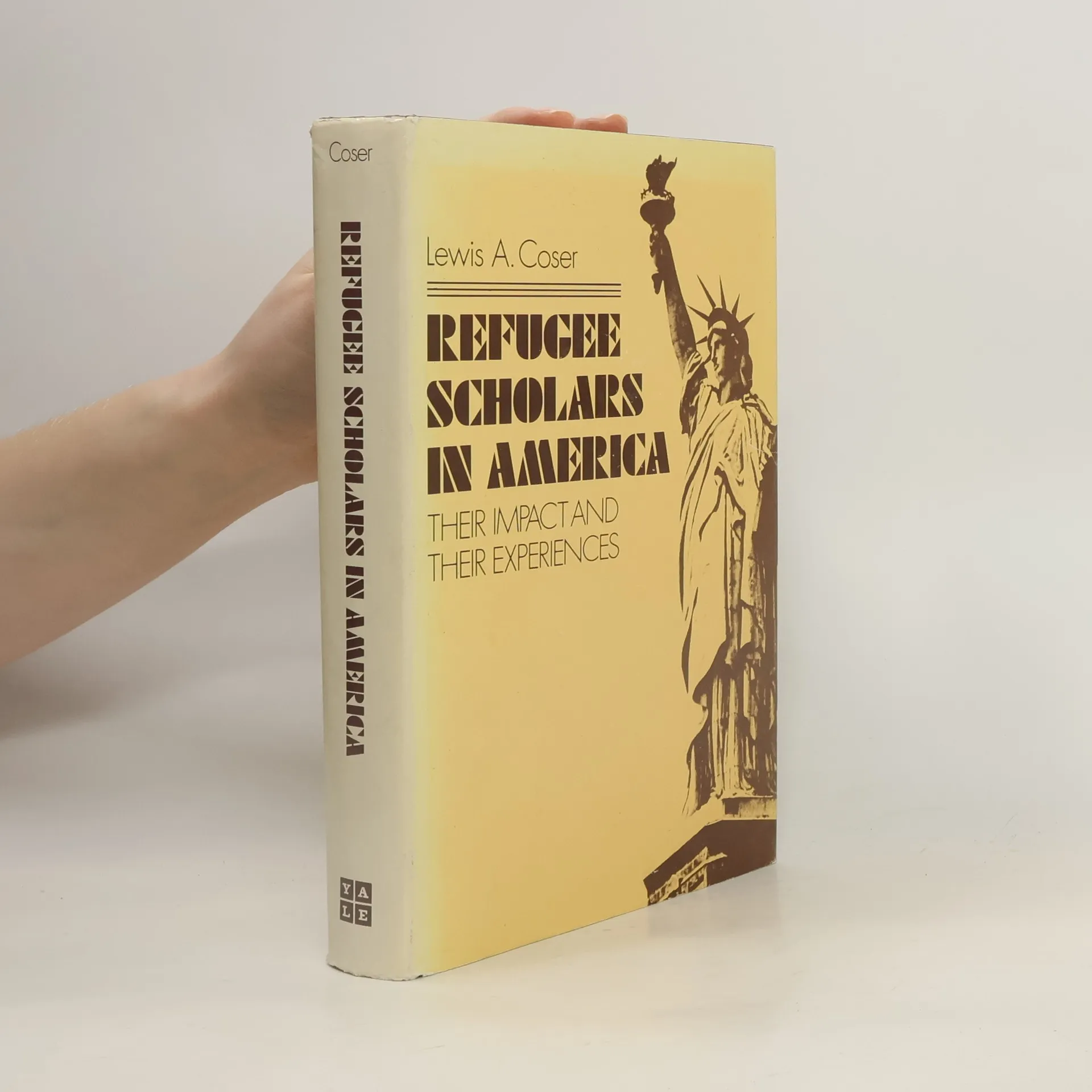
What contributions did European refugees from Nazi persecution make to American scholarship and culture? How did these émigrés respond to their experiences as outsiders in their new homeland? In this engrossing exploration, Lewis Coser delves into the influence of refugee intellectuals on American social sciences and humanities, offering a collective portrait that highlights both their achievements and the evolution of various disciplines that either embraced or excluded them. Coser analyzes why émigrés had a greater impact in psychoanalysis than psychology, why Austrian economists thrived while their German counterparts struggled, and why few European sociologists made notable contributions in the U.S. He discusses prominent figures like Bruno Bettelheim, Jacob Marshak, Hannah Arendt, Thomas Mann, Vladimir Nabokov, Roman Jacobson, Erwin Panofsky, and Paul Tillich, detailing their backgrounds and careers in America through engaging anecdotes. The contrast between those who were celebrated in their home countries but struggled for recognition in America adds depth to the narrative. Coser concludes that these intellectuals were most effective in areas where they addressed unmet needs or built upon existing traditions, providing a compelling analysis of how European-born scholars reshaped American intellectual history.
Lewis Coser Book order (chronological)
November 27, 1913 – July 8, 2003
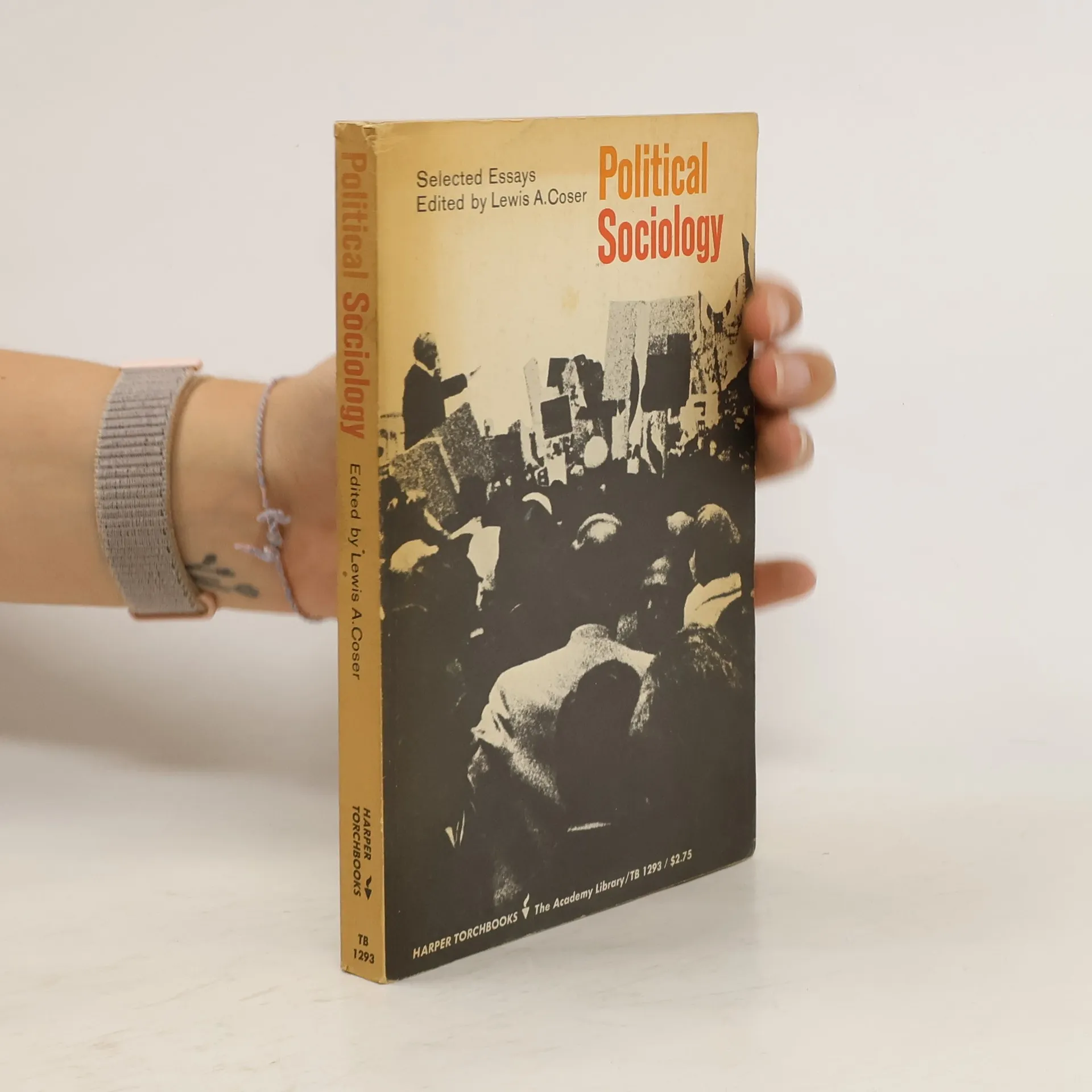
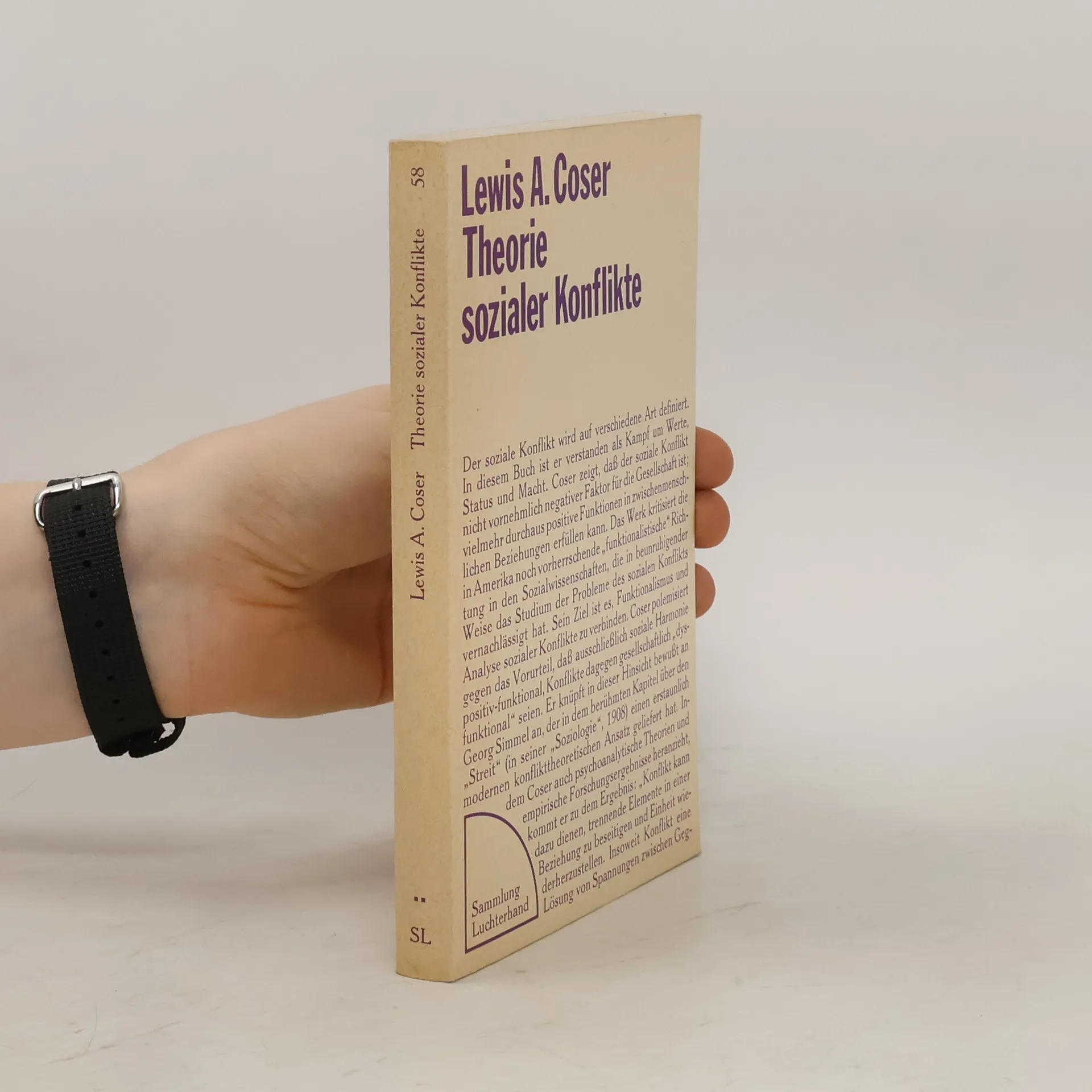
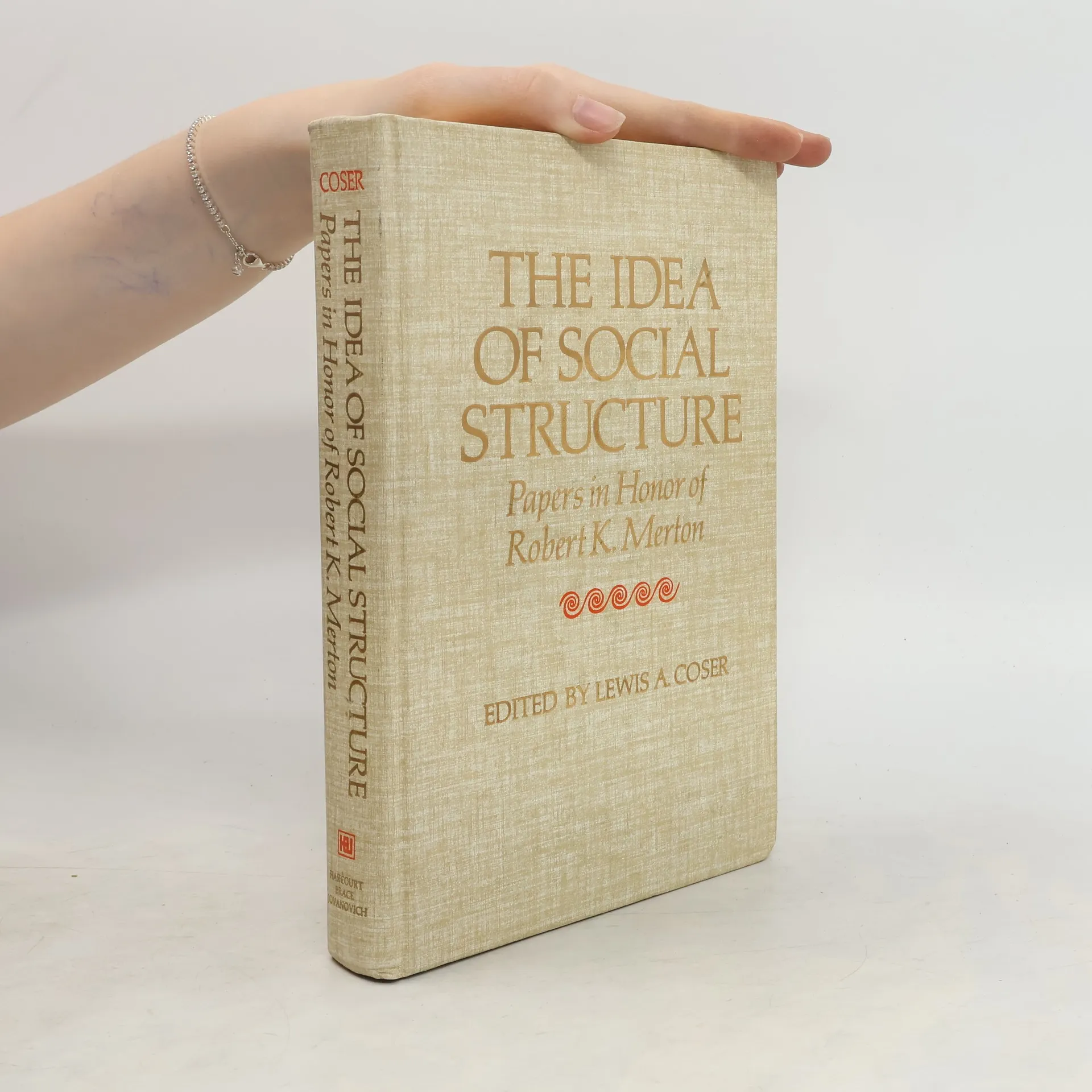
Lewis A. Coser versucht in diesem Klassiker der modernen Sozialwissenschaften im Anschluß an Georg Simmels berühmter Untersuchung über den „Streit“ den Begriff des sozialen Konfliktes zu klären und dessen empirische Anwendungsmöglichkeiten aufzuzeigen. Als eines der wichtigsten Bücher der neueren Konfliktforschung hat es in der zweiten Hälfte des 20. Jahrhunderts die in diesem Zusammenhang geführten theoretischen Kontroversen maßgeblich bestimmt und eine Vielzahl von empirischen Untersuchungen angeregt.