
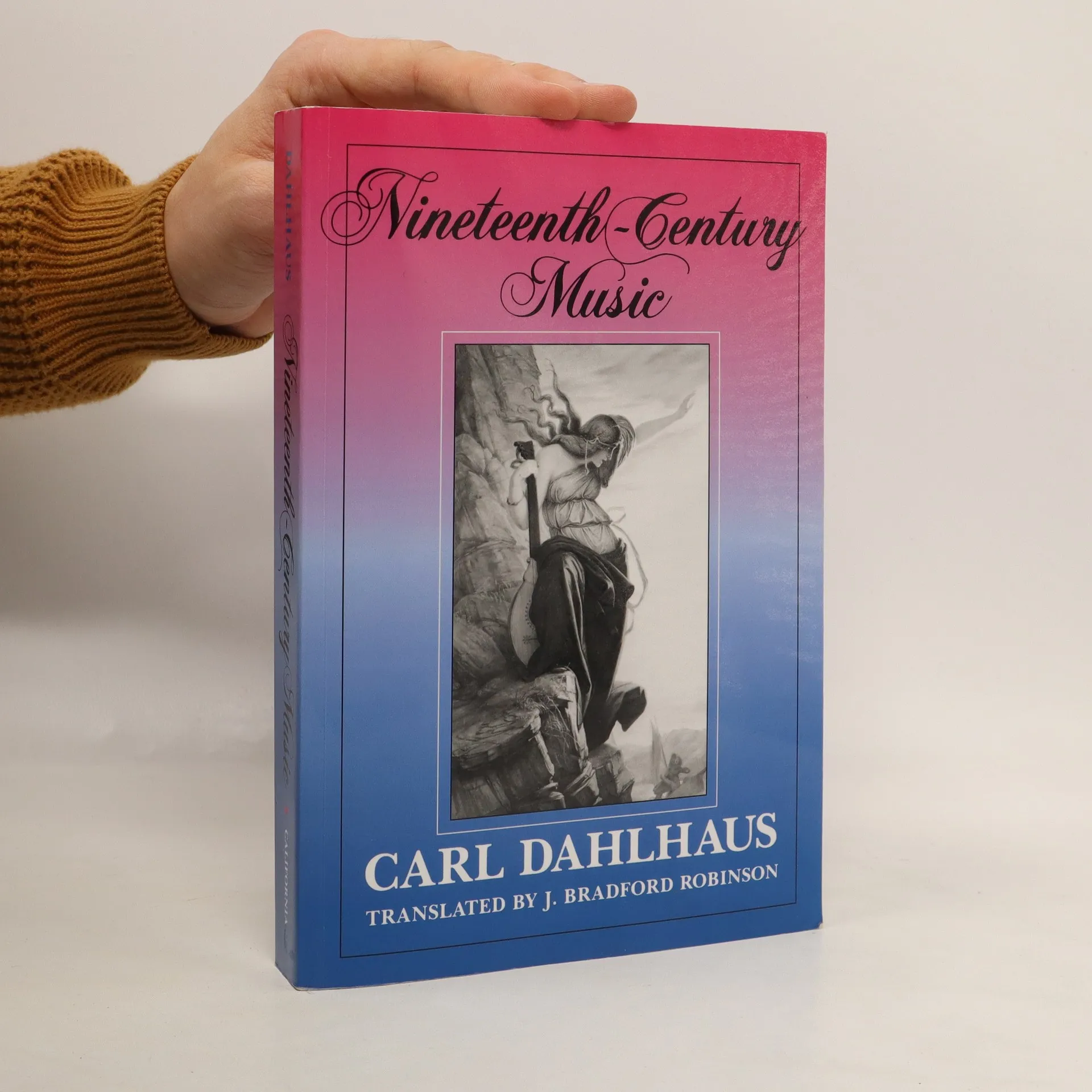
A survey of the most popular period in music history details many of the socio-historical influences on music of this period, the impact of Beethoven's death, and the rise of grand opera.
Carl Dahlhaus Books


Nineteenth-century music
- 427 pages
- 15 hours of reading
This magnificent survey of the most popular period in music history is an extended essay embracing music, aesthetics, social history, and politics, by one of the keenest minds writing on music in the world today. Dahlhaus organizes his book around "watershed" years--for example, 1830, the year of the July Revolution in France, and around which coalesce the "demise of the age of art" proclaimed by Heine, the musical consequences of the deaths of Beethoven and Schubert, the simultaneous and dramatic appearance of Chopin and Liszt, Berlioz and Meyerbeer, and Schumann and Mendelssohn. But he keeps us constantly on guard against generalization and clich . Cherished concepts like Romanticism, tradition, nationalism vs. universality, the musical culture of the bourgeoisie, are put to pointed reevaluation. Always demonstrating the interest in socio-historical influences that is the hallmark of his work, Dahlhaus reminds us of the contradictions, interrelationships, psychological nuances, and riches of musical character and musical life. Nineteenth-Century Music contains 90 illustrations, the collected captions of which come close to providing a summary of the work and the author's methods. Technical language is kept to a minimum, but while remaining accessible, Dahlhaus challenges, braces, and excites. This is a landmark study that no one seriously interested in music and nineteenth-century European culture will be able to ignore.
With a characteristically broad and provocative treatment, Dahlhaus examines a single music-aesthetical idea from various historical and philosophical viewpoints. "Essential reading for anyone interested in the larger intellectual framework in which Romantic music found its place, a framework that to a remarkable degree has continued to shape our image of music."—Robert P. Morgan, Yale University Carl Dahlhaus (1928-1989) is the author of a highly influential body of works on the foundations of music history and aesthetics.
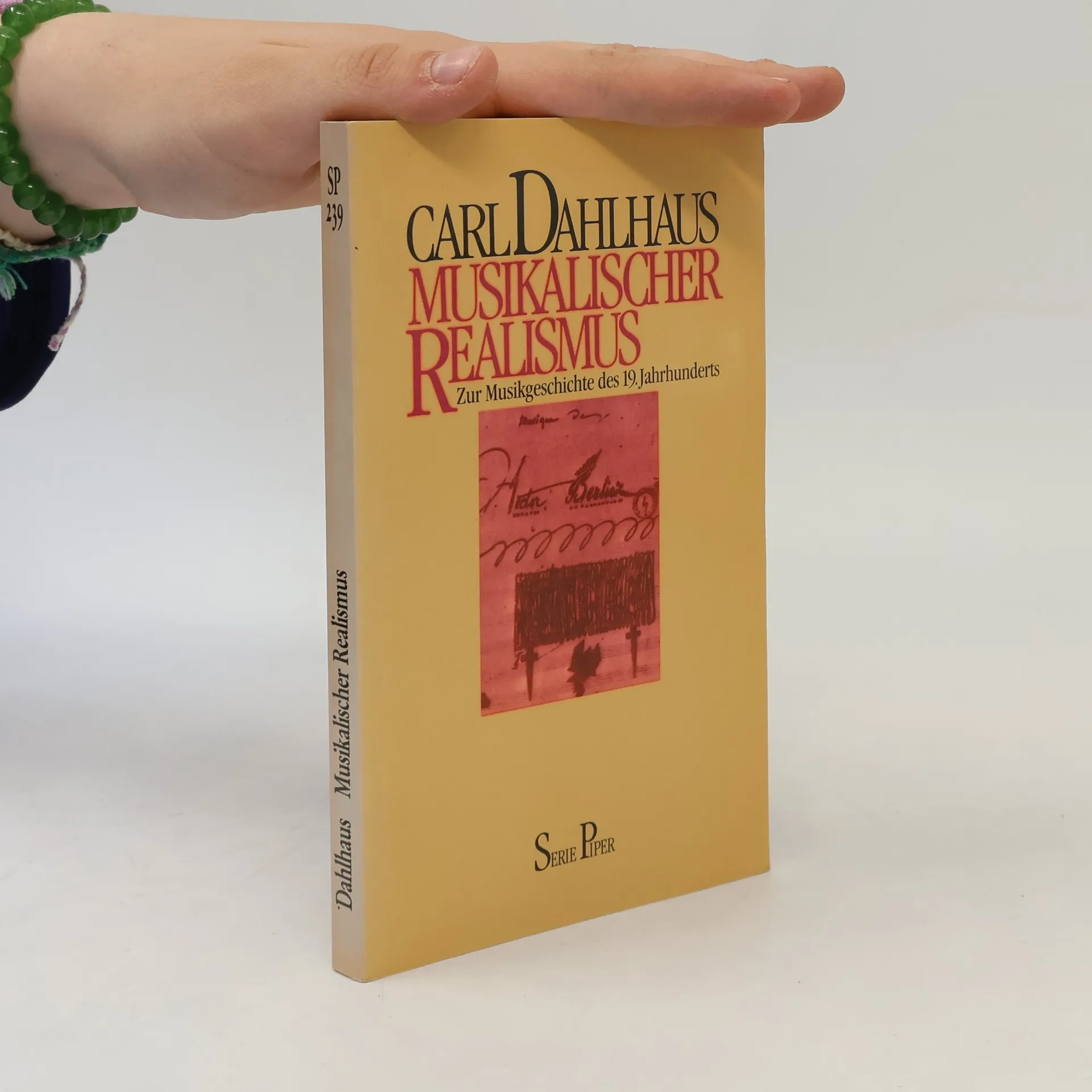
Realism in Nineteenth-Century Music
- 140 pages
- 5 hours of reading
Revised notes cater specifically to the needs of English-speaking readers, ensuring clarity and accessibility. This adaptation enhances understanding and engagement with the material, making it suitable for a wider audience.
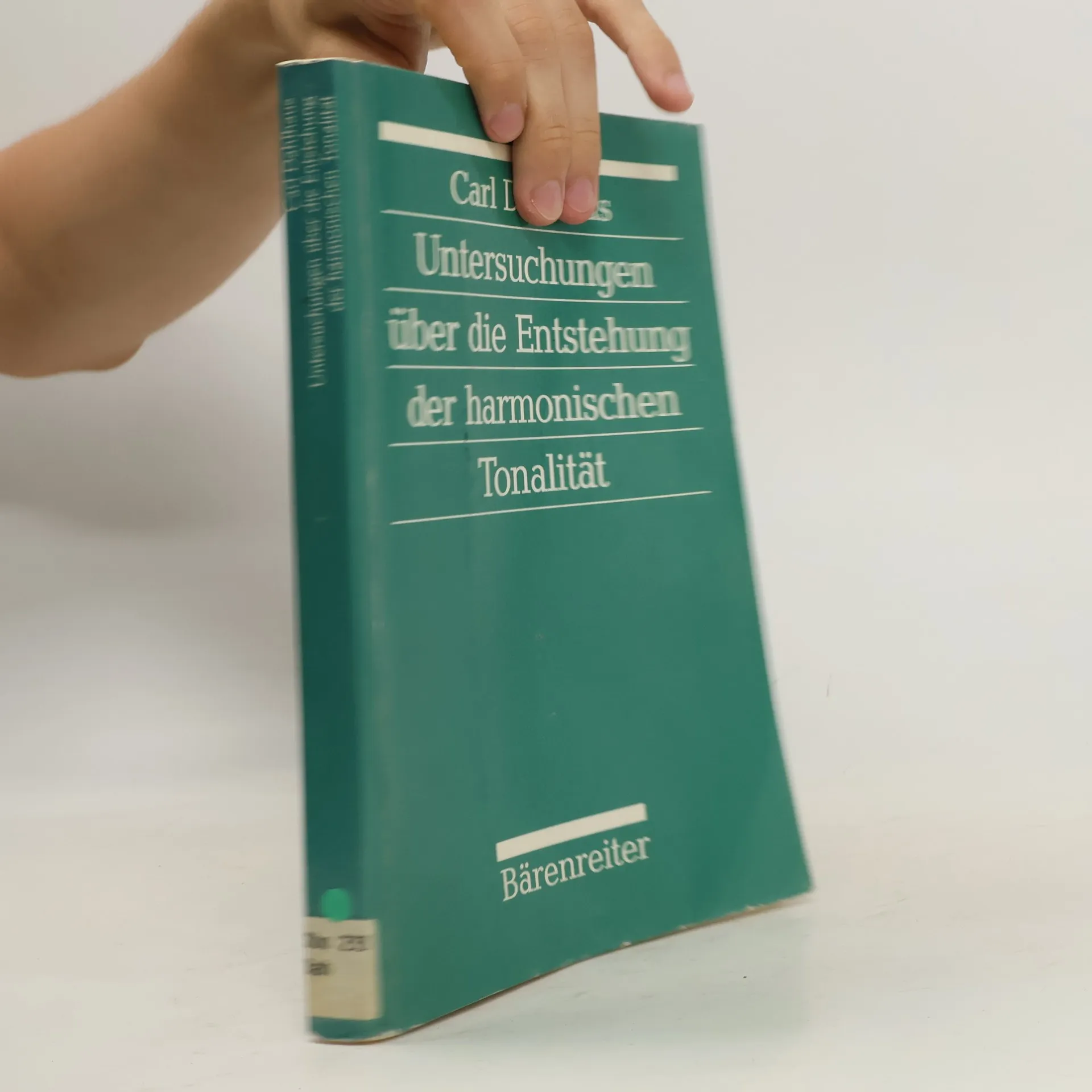
Carl Dahlhaus, a leading musicologist of the postwar era, has left an indelible mark on the field, as reflected in this newly translated work on tonality's development. Demonstrating his mastery of harmony theory, Dahlhaus reviews key concepts and theories from influential figures such as Rameau, Sechter, Ftis, Riemann, and Schenker. He contrasts chordal composition with the lesser-known intervallic composition, which underpinned polyphonic music during the late Middle Ages and Renaissance. Through numerous quotations from theoretical treatises, he illustrates how early music evolved not through chord progressions but through simple interval progressions. Dahlhaus explores pivotal questions regarding the transformation from intervallic to chordal composition and from modality to tonality. His analyses of works by Josquin, Cara, Tromboncino, and Monteverdi shed light on these transitions. With bold speculations and comprehensive summaries, Dahlhaus showcases his command over eight centuries of music and writings, alongside a profound understanding of European history and culture. This significant work, originally published in 1990, is now available through the Princeton Legacy Library, which aims to enhance access to the scholarly heritage of Princeton University Press's extensive backlist.
Carl Dahlhaus here treats Nietzsche's youthful analysis of the contradictions in Wagner's doctrine (and, more generally, in romantic musical aesthetics); the question of periodicization in romantic and neo-romantic music; the underlying kinship between Brahms's and Wagner's responses to the central musical problems of their time; and the true significance of musical nationalism. Included in this volume is Walter Kauffman's translation of the previously unpublished fragment, "On Music and Words," by the young Nietzsche.
Heute gelten die Grundlagen der Musikgeschichte als »Klassiker der Musikwissenschaft« (Michele Calella). Entstanden sind sie jedoch aus den umfassenden methodologischen Reflexionen von Carl Dahlhaus im Zusammenhang mit seiner gleichfalls epochalen Musikgeschichte des 19. Jahrhunderts. Wie aktuell die Grundlagen der Musikgeschichte nach wie vor sind, hat die vor allem in den letzten Jahren intensivierte Erforschung von Dahlhaus‘ musikhistoriographischem Konzept deutlich gezeigt. Umso wichtiger ist es, dass dieses Buchs nun wieder vorliegt. Eine kommentierende Einleitung von Michele Calella ergänzt den Band und beschreibt seine Bedeutung für die Musikwissenschaft.
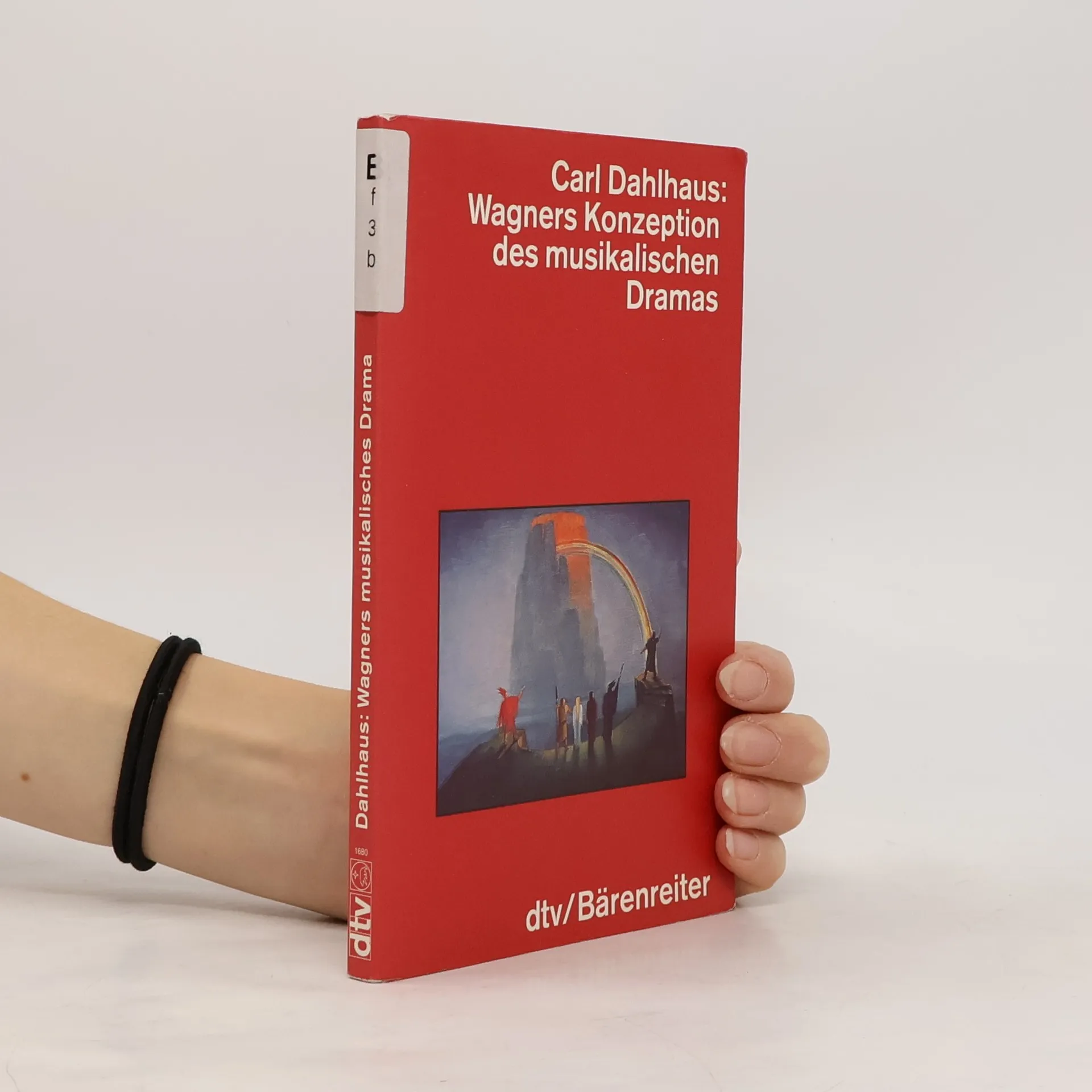
Die klassische Einführung in das musikdramatische Schaffen Richard Wagners von Carl Dahlhaus (1928-1989) behandelt folgende Werke: Der fliegende Holländer, Tannhäuser, Lohengrin, Tristan und Isolde, Die Meistersinger von Nürnberg, Der Ring des Nibelungen (Das Rheingold, Die Walküre Siegfried, Götterdämmerung) und Parsifal.