

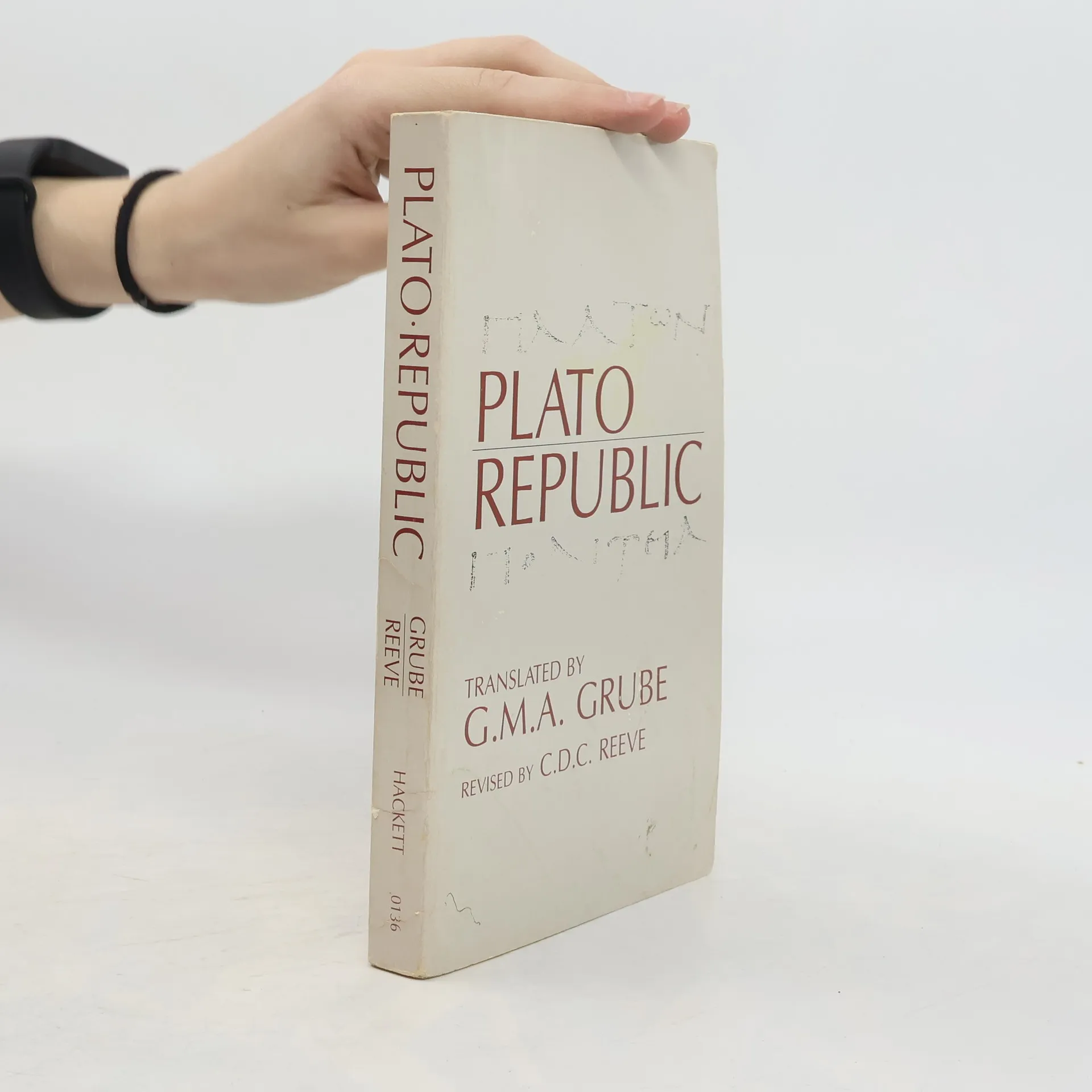
Since its publication in 1974, scholars throughout the humanities have adopted G M A Grube's masterful translation of the Republic as the edition of choice for their study and teaching of Plato's most influential work. In this brilliant revision, C D C Reeve furthers Grube's success both in preserving the subtlety of Plato's philosophical argument and in rendering the dialogue in lively, fluent English, that remains faithful to the original Greek. This revision includes a new introduction, index, and bibliography by Reeve.
Allan Bloom Books
September 14, 1930 – October 7, 1992
Allan Bloom was an American philosopher and essayist, celebrated for his advocacy of "Great Books" education. He gained renown for his critique of contemporary American higher education, articulating his views in his bestselling book.

How higher education has failed democracy and impoverished the souls of today's students.
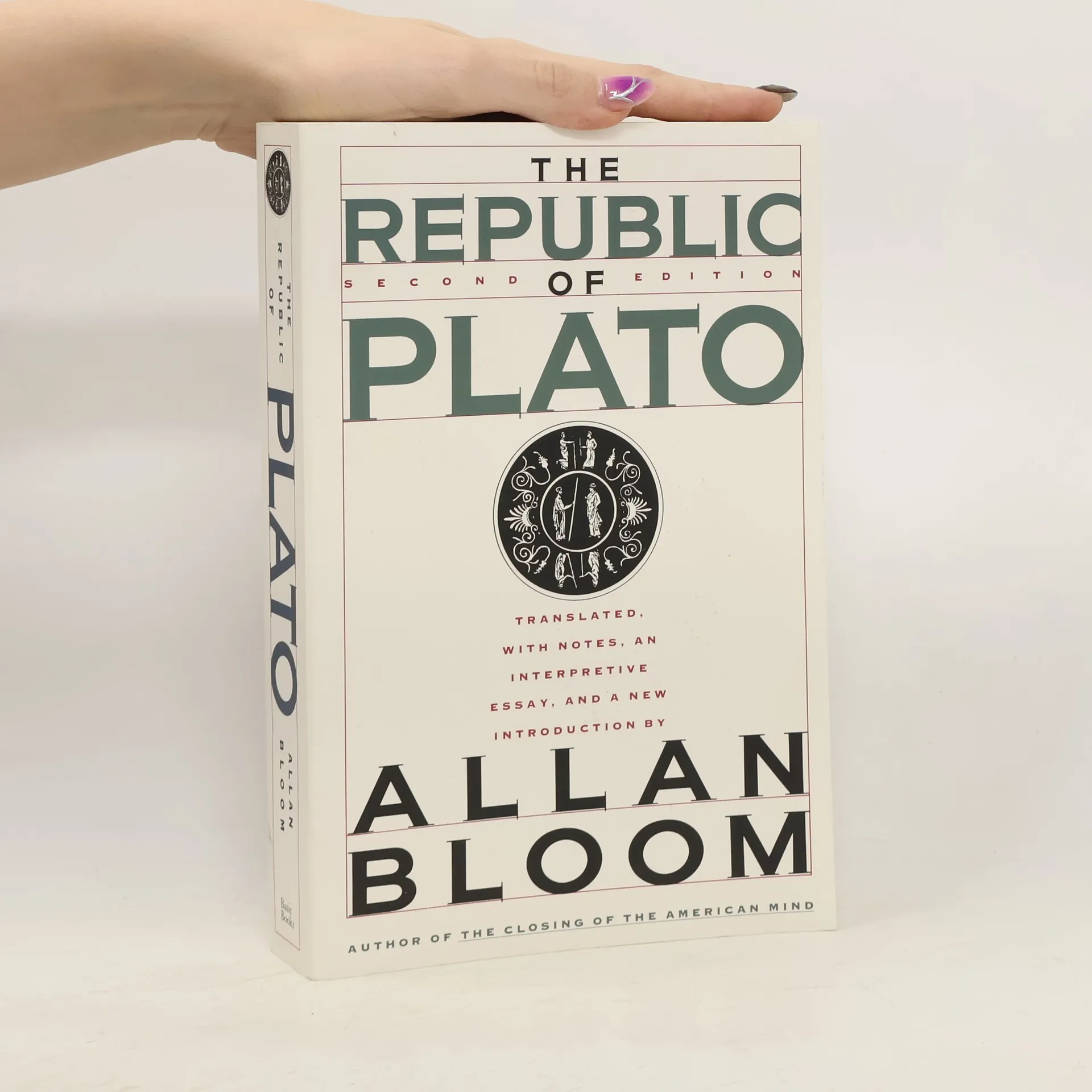
Long regarded as the most accurate rendering of Plato's Republic that has yet been published, this widely acclaimed work is the first strictly literal translation of a timeless classic. This second edition includes a new introduction by Professor Bloom, whose careful translation and interpretation of The Republic was first published in 1968. In addition to the corrected text itself there is also a rich and valuable essay—as well as indexes—which will better enable the reader to approach the heart of Plato's intention.