

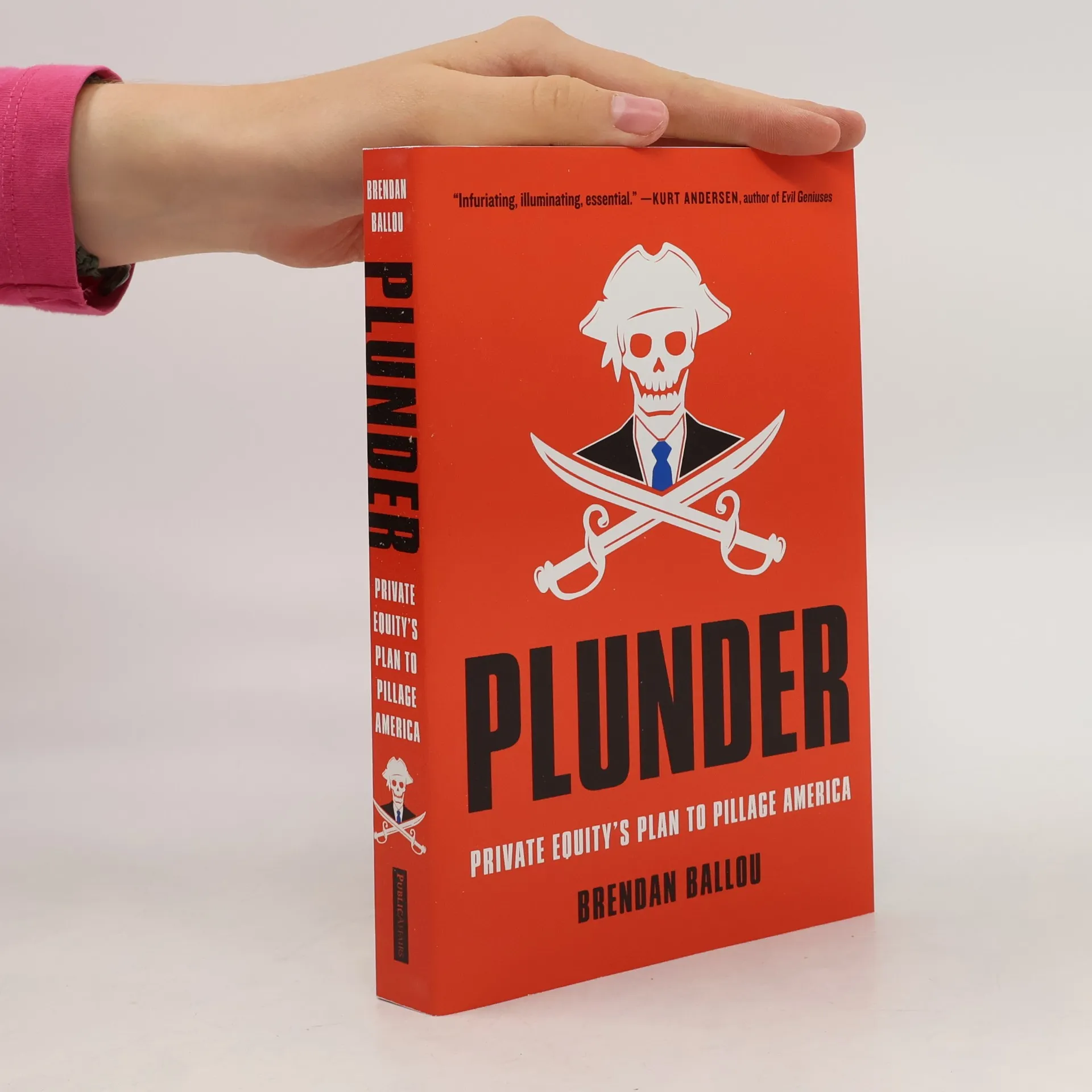
"A damning indictment of private equity" (New York Review of Books), this authoritative exposé shows what it is, how it kills businesses and jobs, how the government helps, and how we stop it. Private equity surrounds us. Firms like Blackstone, Carlyle, and KKR are among the largest employers in America and hold assets that rival those of small countries. Yet few understand what these firms are or how they work. In Plunder, Brendan Ballou explains how private equity has reshaped American business by raising prices, reducing quality, cutting jobs, and shifting resources from productive to unproductive parts of the economy. Ballou vividly illustrates how private equity firms buy up retailers, medical practices, prison services, nursing-home chains, and mobile-home parks, among other businesses, using little of their own money to do it and avoiding debt and liability for their actions. Forced to take on huge debts and pay extractive fees, companies purchased by private equity firms are often left bankrupt or as shells of their former selves, with consequences for the communities that long depended on them. Perhaps most startling is Ballou's insight into how this is happening with the active support of various arms of the government. But, as Ballou reveals in an agenda for reining in the industry, private equity can be stopped from wreaking further havoc.
Kurt Andersen Book order (chronological)
Kurt Andersen's writing delves into the complexities of American culture and society, exploring themes of identity, reality, and societal shifts with sharp insight and ironic humor. Through his novels and non-fiction, he examines how individual narratives intersect with broader historical and cultural currents. Andersen's distinctive style, marked by incisive social commentary and imaginative storytelling, makes his work a compelling read for those seeking a deeper understanding of the contemporary world.




Evil Geniuses
- 464 pages
- 17 hours of reading
Americans have disabled the government's ability to solve even basic problems, making us vulnerable to the most dangerous demagogue ever to pretend to the White House. Kurt Andersen shows how the masterminds of the economic right rode an unprecedented wave of nostalgia by dressing up their harsh new rich-get-richer system in patriotic old-time drag, making it their mission to take over the government for their purposes alone and convincing the country that the mid-century consensus about the function of the American government was all wrong. Only a writer with Andersen's crackling energy, deep intelligence, and ability to see complex systems with clarity could make such a vital book both intellectually formidable and completely entertaining. In his diagnosis of what happened and what it means for us today, Andersen spares no one, committing to a pinpointing of his own boomer generation as accessories to the great dismantling of the American experiment
Fantasyland
- 480 pages
- 17 hours of reading
That do-your-own-thing freedom - run amok since the individualism and relativism of the 1960s and later the unprecedented free-for-all world of the Internet, is the driving credo of America's current transformation where the difference between opinion and fact is rapidly crumbling.
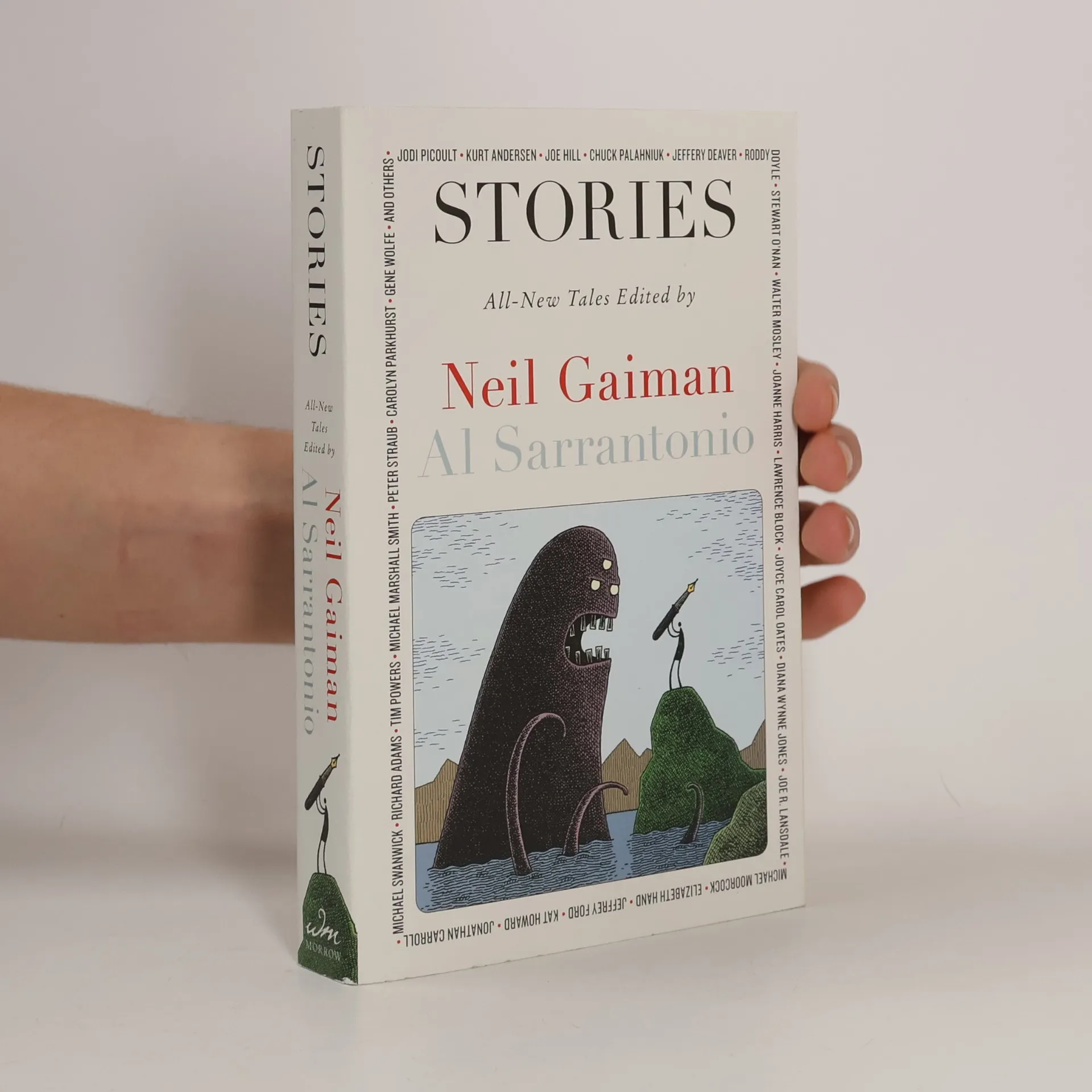
Stories
- 448 pages
- 16 hours of reading
Edited by Neil Gaiman and Al Sarrantonio, "Stories" is a groundbreaking collection that features diverse tales from renowned authors. This anthology expands the boundaries of imaginative fiction, challenging misconceptions and showcasing the power of storytelling to transform perspectives and ignite appreciation for exceptional literature.
Englishman Benjamin Knowles heads for America to build a new life and joins up with three young Americans--journalist Timothy Skaggs, war veteran Duff Lucking, and Duff's actress sister, Polly--to seek their fortunes in the gold fields of California.
Tollhaus der Möglichkeiten
- 734 pages
- 26 hours of reading
Turn of the Century. Tollhaus der Möglichkeiten, engl. Ausgabe
- 736 pages
- 26 hours of reading
Kurt Andersen's Millennium novel mirrors Tom Wolfe's "Bonfire of the Vanities," depicting a year in the life of a New York family while offering a satirical glimpse into America's potential future, focusing on media and big business.
