


This author delves into the intricate relationship between media and culture, exploring its manifestations across film, television, and emerging digital landscapes. Their work critically examines the intersections of class, gender, and race, investigating how these social constructs shape our understanding of citizenship and political theory. With a foundation in cultural studies and social theory, the author's approach is marked by a rigorous, interdisciplinary lens. Through extensive editorial roles and academic contributions, they shape discourse on cultural labor and policy.
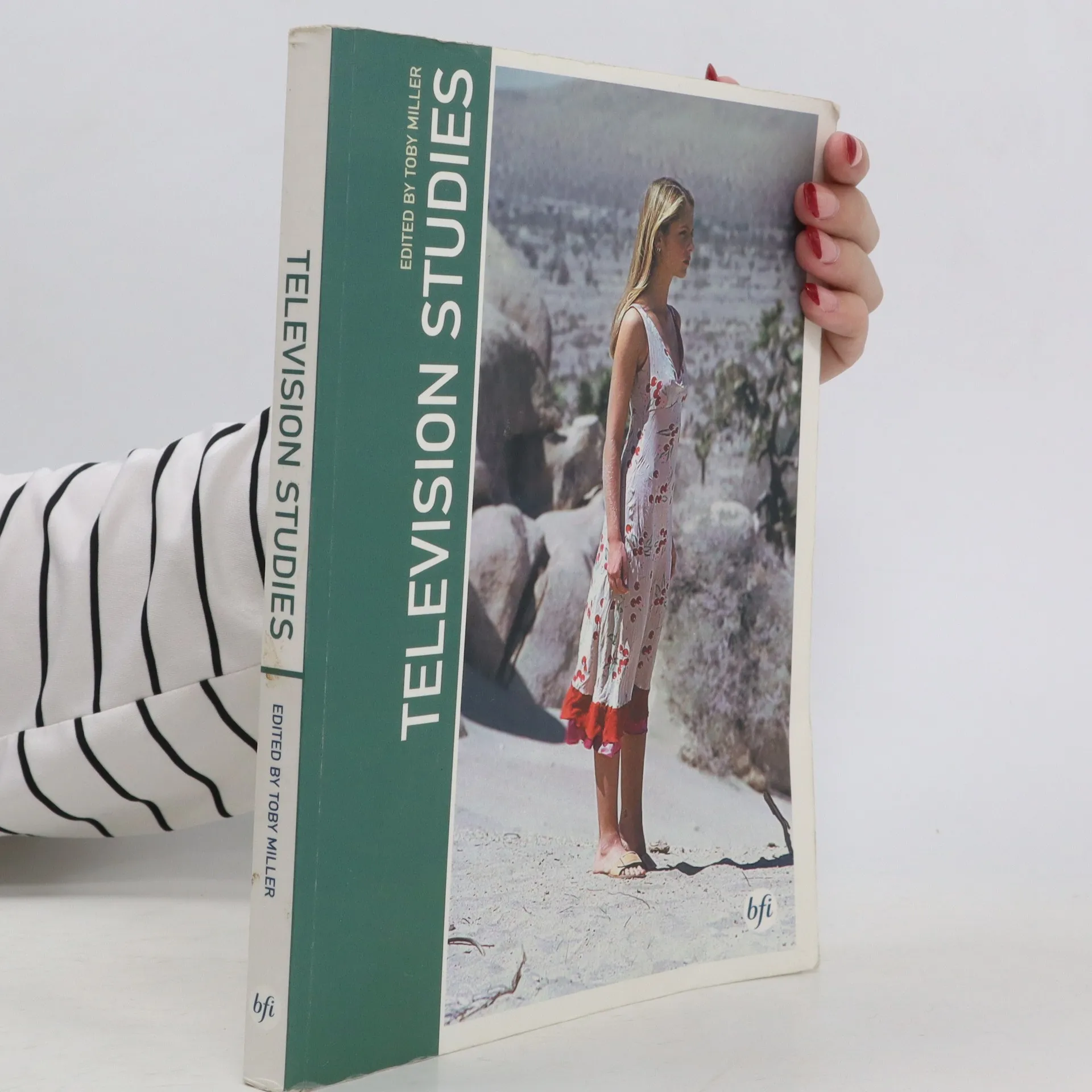
This work outlines the theories and approaches to the study of television in an accessible form for students. It is divided into four sections - forms of knowledge, audiences, gender and race. It discusses many television texts including "Star Trek", "Kung Fu" and "Sesame Street".
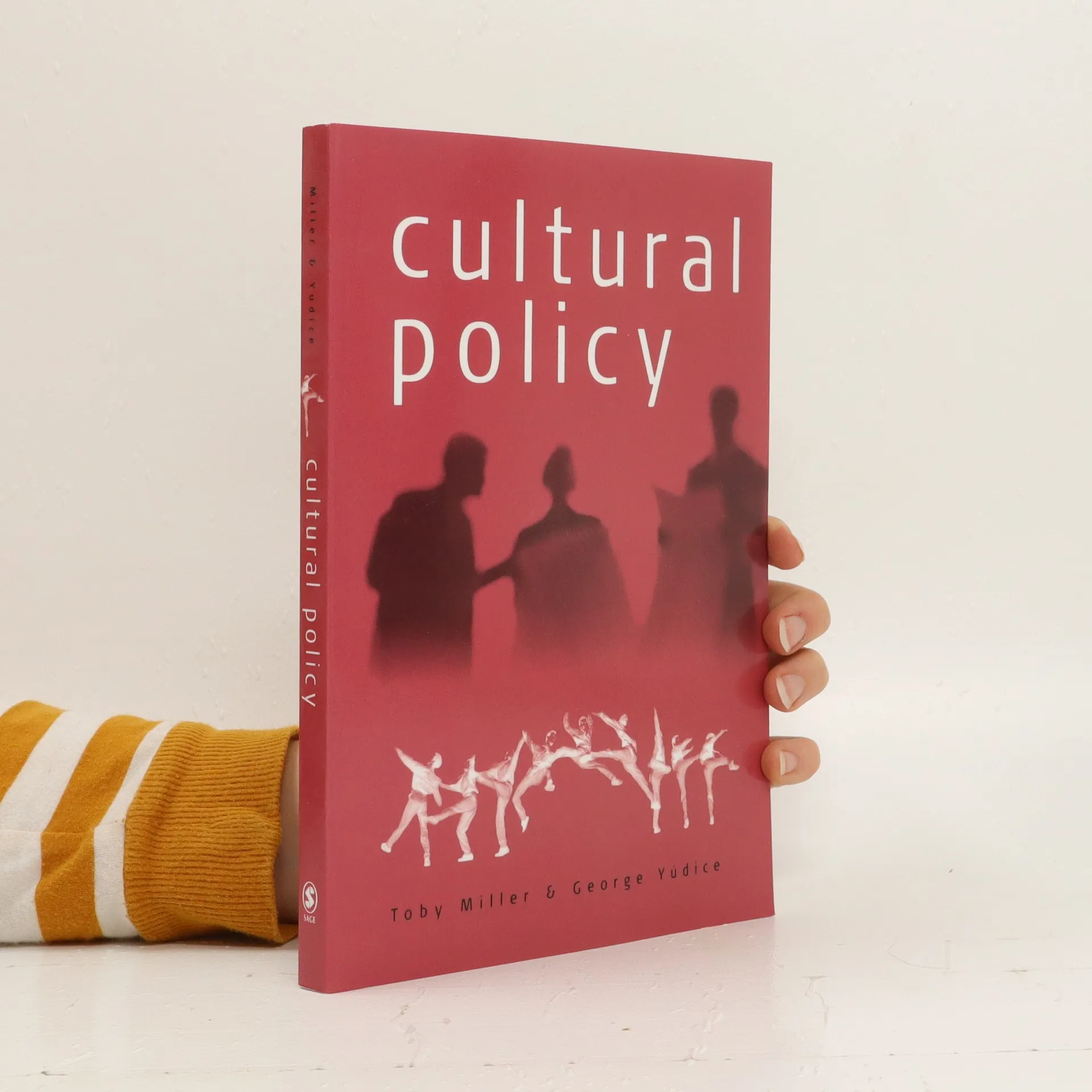
Offering the first comprehensive and international work on cultural policy, Toby Miller and George Yudice have produced a landmark work in the emerging field of cultural policy. Rigorous in its field of survey and astute in its critical commentary it enables students to gain a global grounding in cultural policy.
Engaging with journalism through the lens of cultural studies, this book explores essential claims about the profession while tackling its most pressing contemporary issues, including critiques of journalistic practices, the quest for objectivity, and the insecurity faced by journalists today.
This book spans an array of contemporary topics and issues not normally
tackled by a single writer – the media, genetic engineering, fast food,
environmental pollution, climate change, economic inequality, political
manipulations, sports, and religion.
We stand at a pivotal moment in history, reminiscent of the transformative impacts of plague, slavery, imperialism, capitalism, and climate change. The current pandemic highlights the deep inequalities dividing the world, revealing the limitations of our health systems. COVID-19 serves as a critical emergency that prompts us to rethink how we reconstruct our societies, environments, cultures, and economies in its aftermath. To address this, we must scrutinize public policy, particularly in healthcare. The author emphasizes the need for a COVID Charter, drawing on case studies from the US, Britain, Mexico, and Colombia to illustrate how different nations are responding to the pandemic while also considering global dynamics. The book critiques neoliberalism, advocating for a shift away from market-based healthcare towards viewing health as a universal public good. The crisis of COVID-19 is portrayed as a further indictment of neoliberal reasoning. The chapters culminate in the proposal of the COVID Charter, which is informed by various international human rights documents, aiming to expand and deepen human rights as part of a broader movement against neoliberalism.
Using discourses from across the conceptual and geographical board, Toby
Miller argues for a different way of understanding violence, one that goes
beyond supposedly universal human traits to focus instead on the specificities
of history, place, and population as explanations for it.