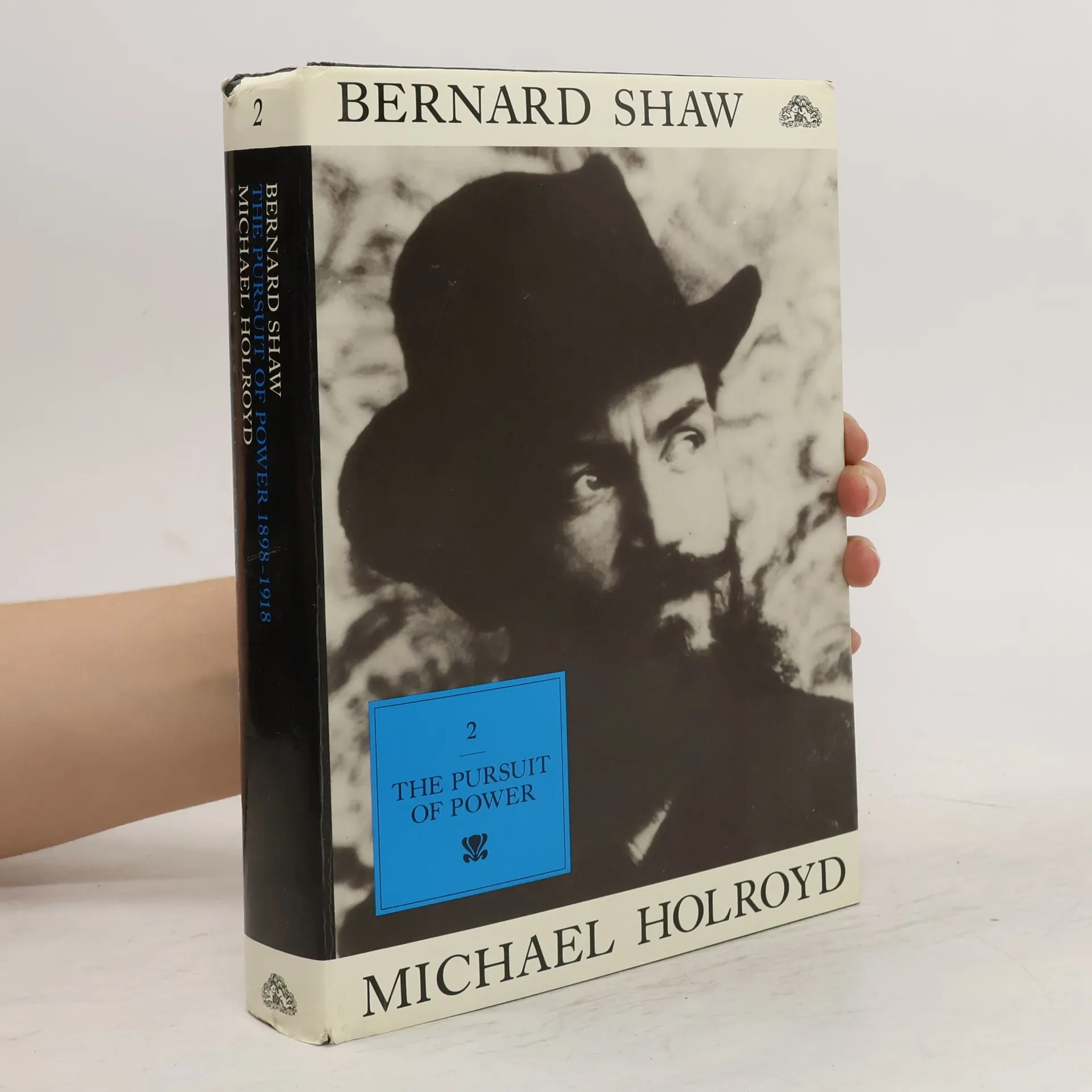
This is the second volume of a set of three on the life of Bernard Shaw which starts at the beginning of Shaw's marriage in 1898 and finishes at the end of the First World War.
Michael Holroyd Books
August 27, 1935
Michael Holroyd is an acclaimed author whose work delves into the lives and minds of notable literary and artistic figures. He masterfully crafts biographies and memoirs, revealing the complex motivations and creative processes of his subjects. Holroyd's writing is characterized by its meticulous research and engaging narrative, breathing life into historical personalities for contemporary readers. His dedication to literature and his ability to capture the essence of human experience have solidified his reputation as a distinguished voice in non-fiction.
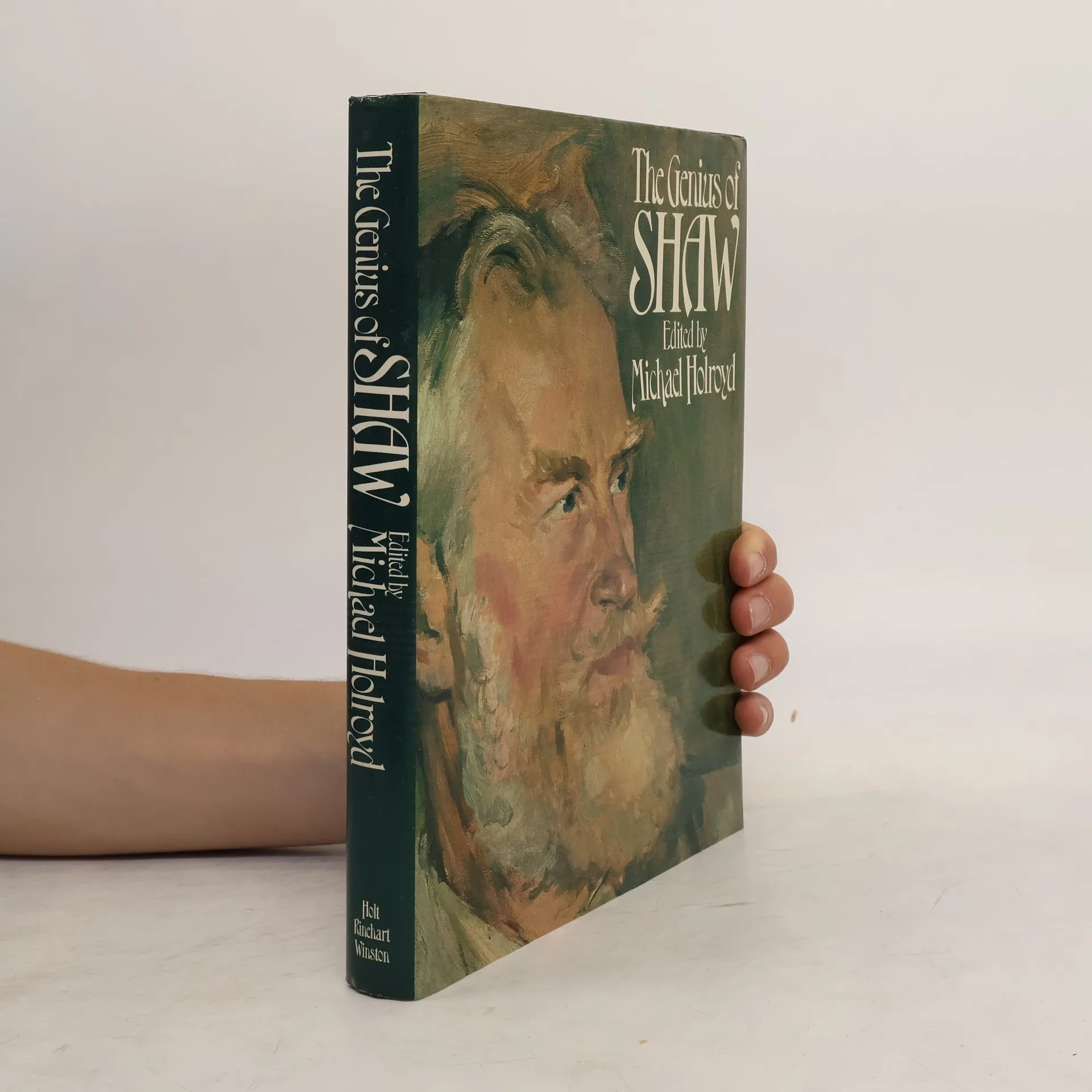
The Genius of Shaw
- 238 pages
- 9 hours of reading
238 pages. Book and Jacket appear to have hardly been read and are both in Fine condition throughout.
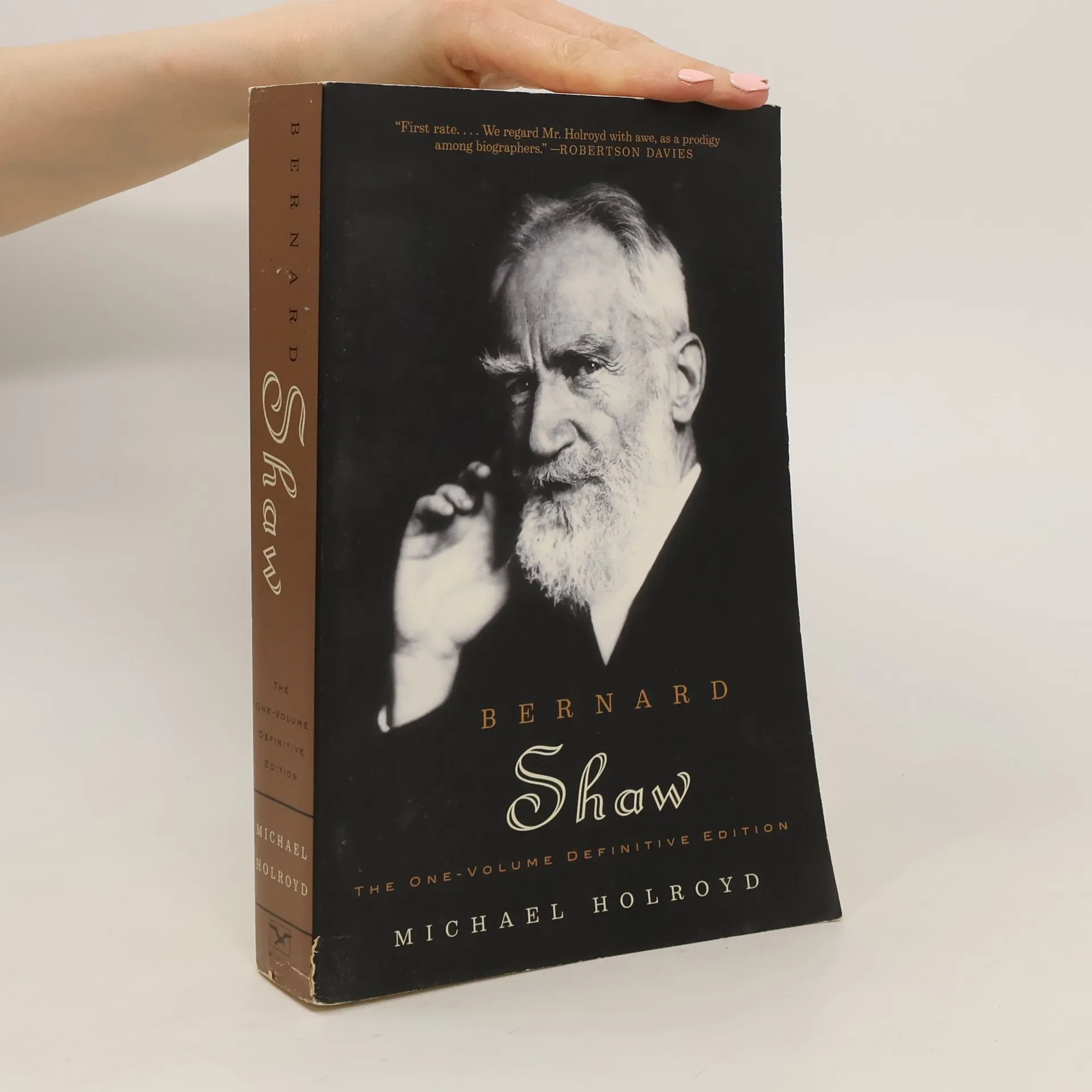
Bernard Shaw: The One-Volume Definitive Edition
- 864 pages
- 31 hours of reading
The biography presents a dynamic portrayal of George Bernard Shaw, skillfully contrasting his private life with his public persona. Michael Holroyd's insightful scholarship brings fresh energy to Shaw's narrative, revealing the complexities of his character and contributions. This single-volume format enhances the dramatic exploration of Shaw's world, making it an engaging read for those interested in both the man and his impact on society.
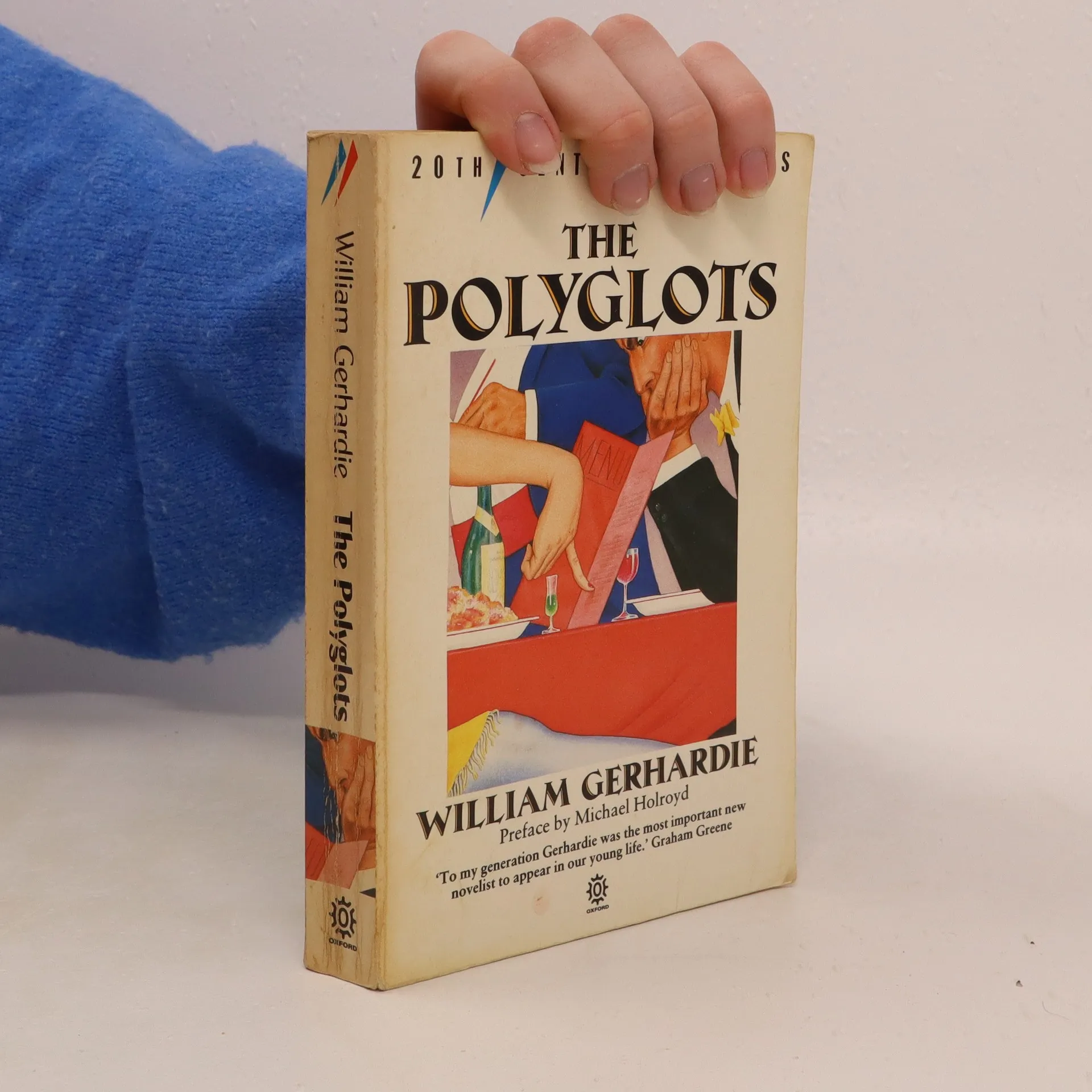
The polyglots
- 336 pages
- 12 hours of reading
Evelyn Waugh and Graham Greene both acknowledged the influence of this remarkable autobiographical novel.
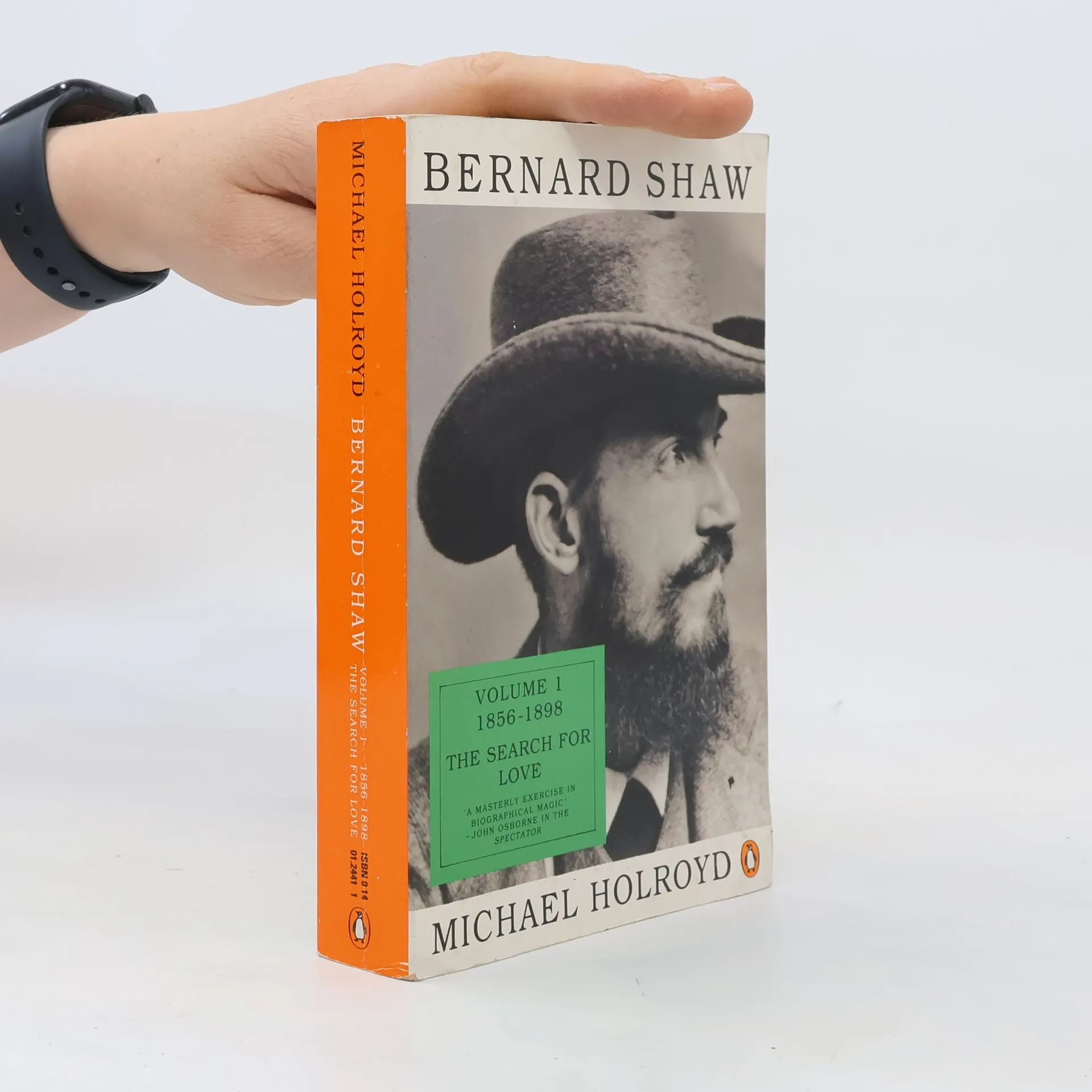
Bernard Shaw. Volume 1, 1856-1898, The search for Love
- 496 pages
- 18 hours of reading
In The Search for Love biographer Michael Holroyd takes Shaw from his birth in 1856, through a series of poignant and tantalizing love affairs, to his marriage in 1898. Holroyd counterpoints the private and public Shaw with humor, compassion and originality. Listening to the subtle mind behind Shaw's laughter and divesting Shaw of his pantomime clothing, he reveals the man who orphaned himself from his parents to become the child of his own writings.
Early in this gem of a book, Michael Holroyd points out that it marks the last volume in his confessions of an elusive biographer, a trilogy that began with his memoir Basil Street Blues and then, in Mosaic, moved sideways to explore two enigmatic women interlaced in the family tapestry. Here, the links with earlier volumes are all thematic and the elusiveness is hardly the biographer's alone. Life itself, this consummate writer of lives shows us, is slippery and mysterious. ... Reading this book is a little like walking through a hall of mirrors into the final party of Proust's great opus. -- Lisa Appignanesi, The Observer, 31 October 2010On a hill above the Italian village of Ravello stands the Villa Cimbrone a place of fantasy and make-believe. The characters that move through Michael Holroyd's book are destined never to meet as they lived through different eras and reside in different countries. Yet the Villa Cimbrone unites them all.
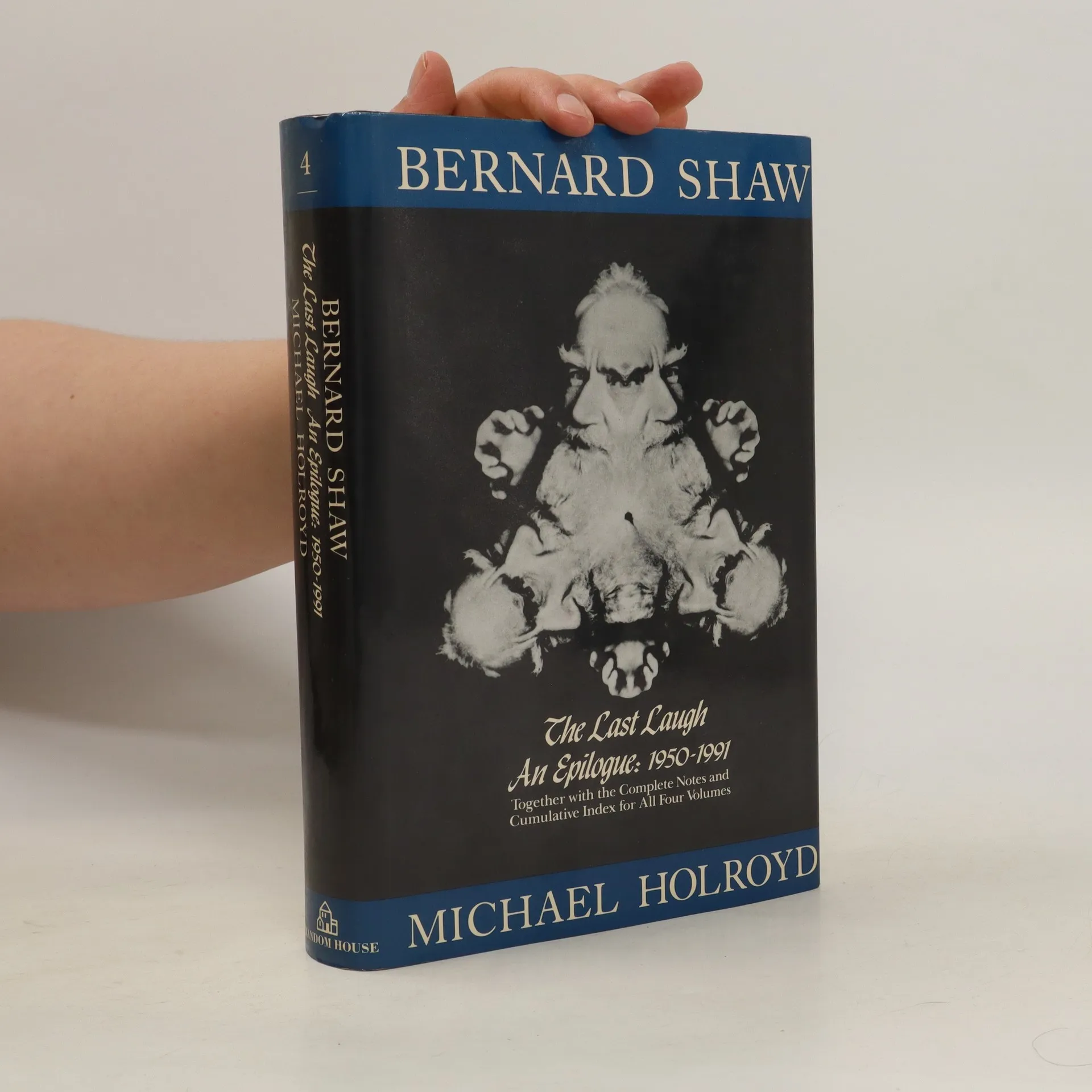
Bernard Shaw. The Last Laugh, An Epilogue: 1950-1991
- 490 pages
- 18 hours of reading
"Together with the Complete Notes and Cumulative Index for All Four Volumes": This volume combines the epilogue to Michael Holroyd's three-volume biography, Bernard Shaw, with the documentation for all four volumes.
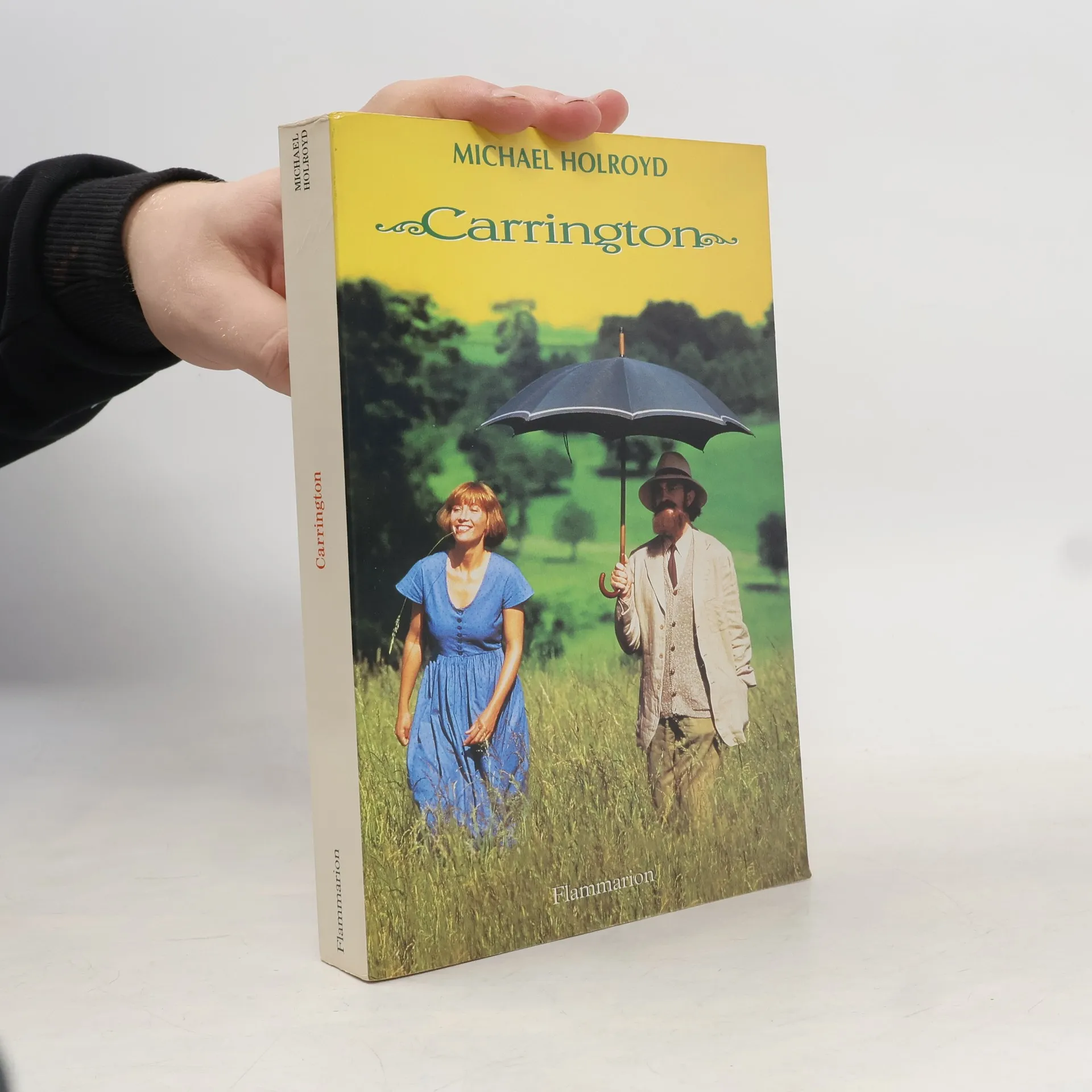
Carrington
- 482 pages
- 17 hours of reading
Ed. originale 1967. Edition revue et augmentée 1994. La traduction française propose la seconde moitié de la biographie de Lytton Strachey (les 350 premières pages sont résumées, p. 11-19). Elle commence avec l'entrée en scène de Dora Carrington, peintre de 22 ans et "sauvageonne pudibonde" qui fera de Lytton - écrivain et biographe, homosexuel, francophile, figure importante du groupe de Bloomsbury - son idole. Annexe bibliographique (11 pages) et 22 pages de notes. M. Holroyd a été associé au script du film ##Carrington## (metteur en scène: Christopher Hampton) d'où le titre du présent volume.