

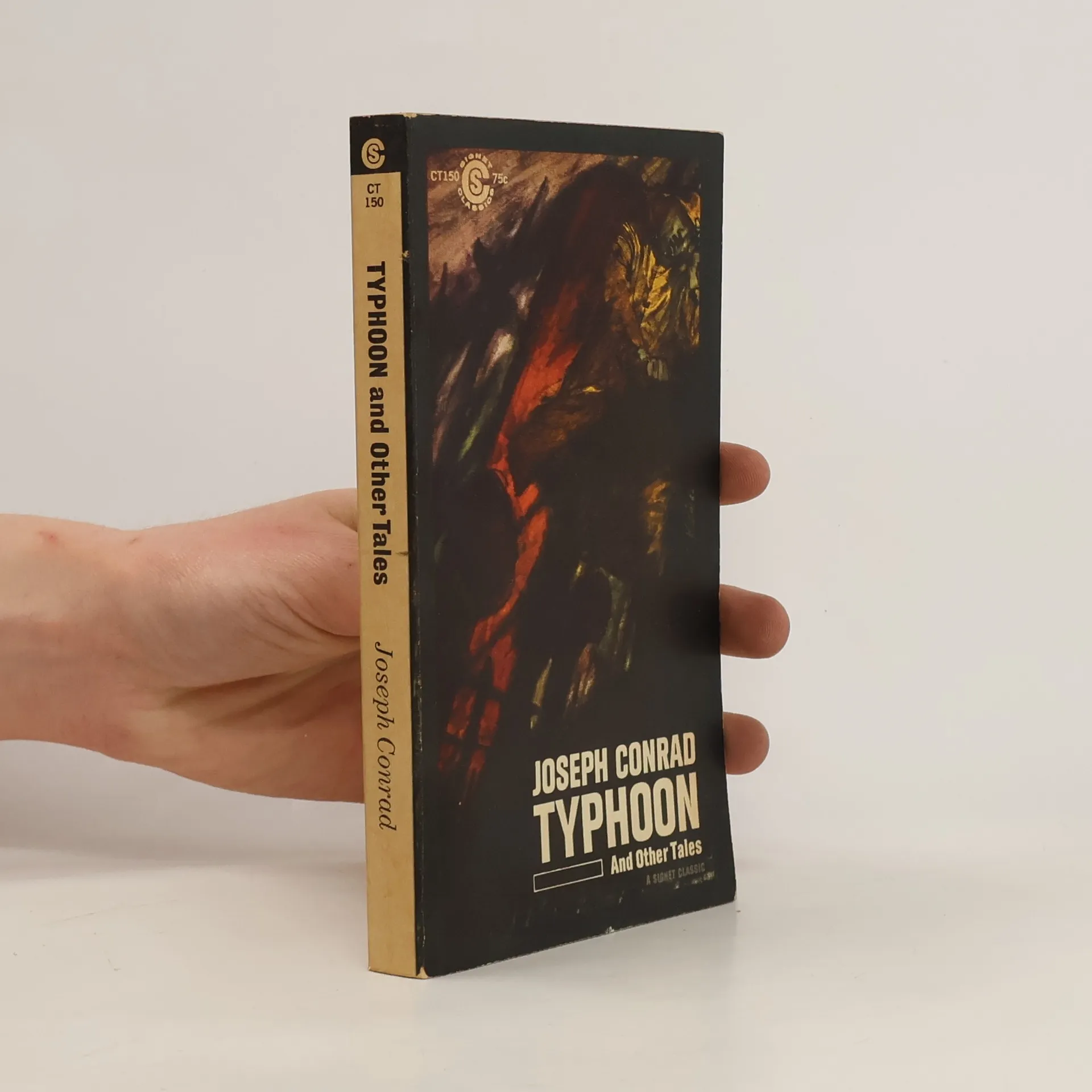
Contains four stories, written between 1900 and 1902. One of them reveals the differences between instinct and intelligence in a partnership vital to human survival; and the other contains 'land-stories' that explore the utter isolation of an East European emigrant in England and in the other, the plight of a woman.
Cedric Watts Books
Cedric Watts, Emeritus Professor of English at Sussex University, is a distinguished scholar whose extensive critical and scholarly works delve into the depths of literary expression. His profound engagement with literary tradition is particularly evident in his comprehensive editing of Shakespeare's plays. Watts's analytical approach uncovers the subtle layers of meaning within texts, offering readers illuminating perspectives on both classic works and contemporary concerns. His own creative endeavors have achieved notable acclaim.
Romeo and Juliet
- 140 pages
- 5 hours of reading
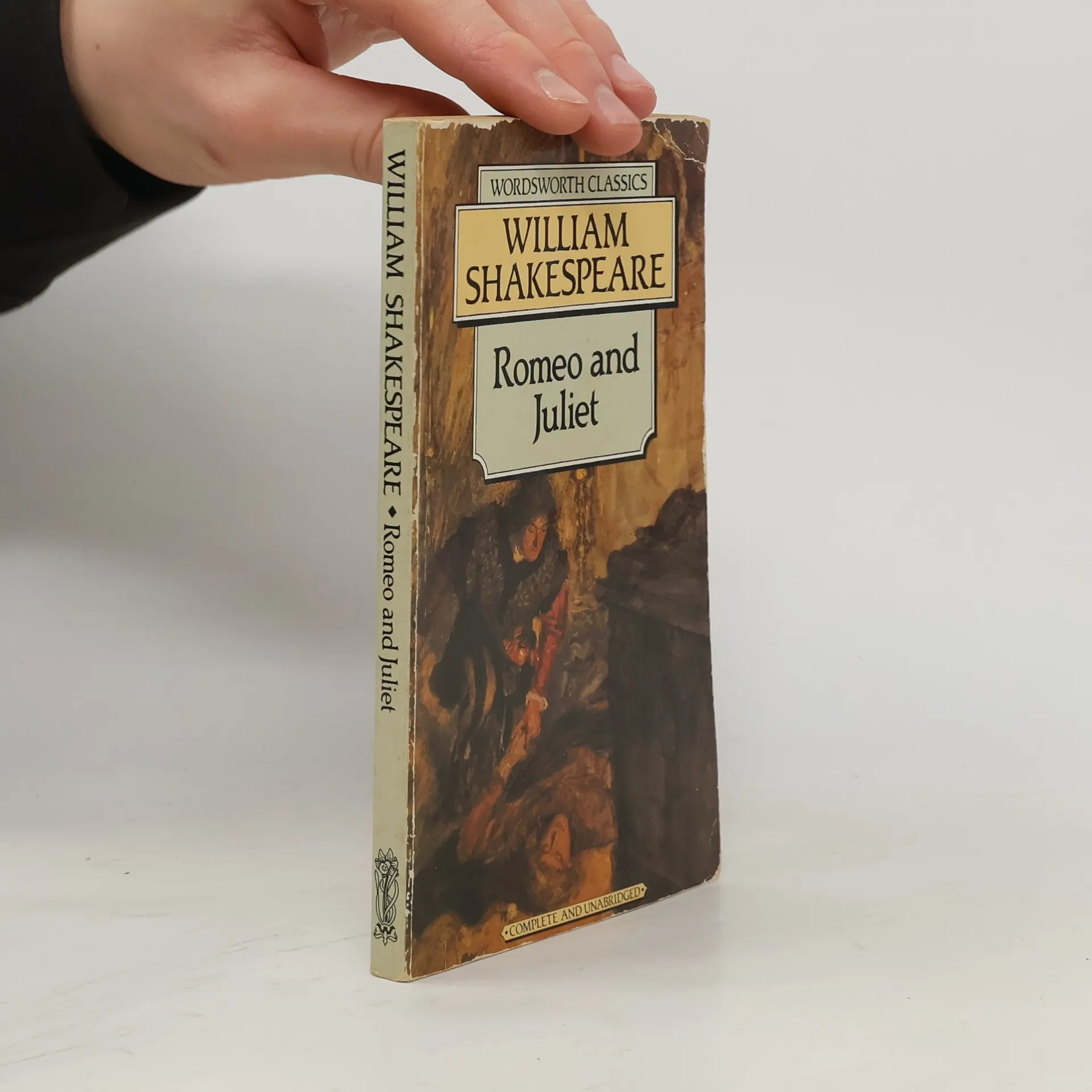
This tragedy of doomed lovers from warring families has inspired poetic expression from young lovers the world over. The 300-year-old drama is perhaps Shakespeare's best-known work. The CliffsComplete Romeo and Juliet is a revised and expanded study edition. It contains Shakespeare's original play, a glossary, and expert commentary in a unique, 2-column format. To enhance your learning, notes and definitions appear directly opposite the line in which they occur, and a review section follows the play. This edition also introduces you to the life, works, and times of William Shakespeare.
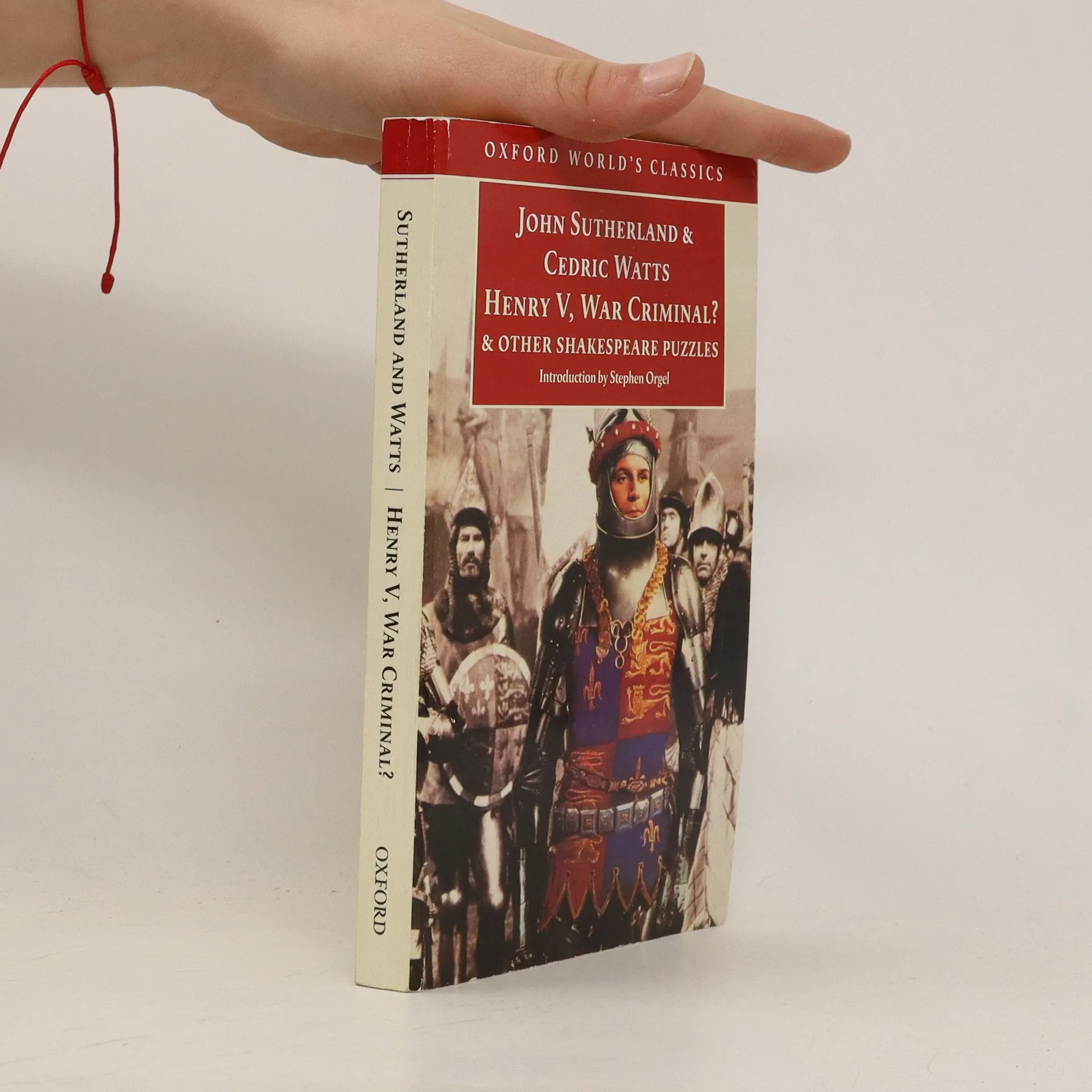
Loose ends and red herrings are the stuff of detective fiction, and under the scrutiny of master sleuths John Sutherland and Cedric Watts Shakespeare's plays reveal themselves to be as full of mysteries as any Agatha Christie novel. Is it summer or winter in Elsinore? Do Bottom and Titania make love? Does Lady Macbeth faint, or is she just pretending? How does a man putrefy within minutes of his death? Is Cleopatra a deadbeat Mum? And why doesn't Juliet ask 'O Romeo Montague, wherefore art thou Montague?' As Watts and Sutherland explore these and other puzzles Shakespeare's genuius becomes ever more apparent. Speculative, critical, good-humoured and provocative, their discussions shed light on apparent anachronisms, performance and stagecraft, linguistics, Star Trek and much else. Shrewd and entertaining, these essays add a new dimension to the pleasure of reading or watching Shakespeare.