Exploring the philosophy of Epicureanism, this collection features six essential works that delve into the pursuit of pleasure, the nature of the universe, and the contrast between Stoicism and Epicurean thought. Key texts include Epicurus's letters and doctrines, Cicero's examination of good and evil, Lucretius's insights on nature, and essays by Temple and Hicks that further illuminate Epicurean beliefs. Together, these writings provide a comprehensive understanding of Epicurean philosophy and its significance in the broader context of ancient thought.
Epikúros Books


A Guide to Happiness
- 64 pages
- 3 hours of reading
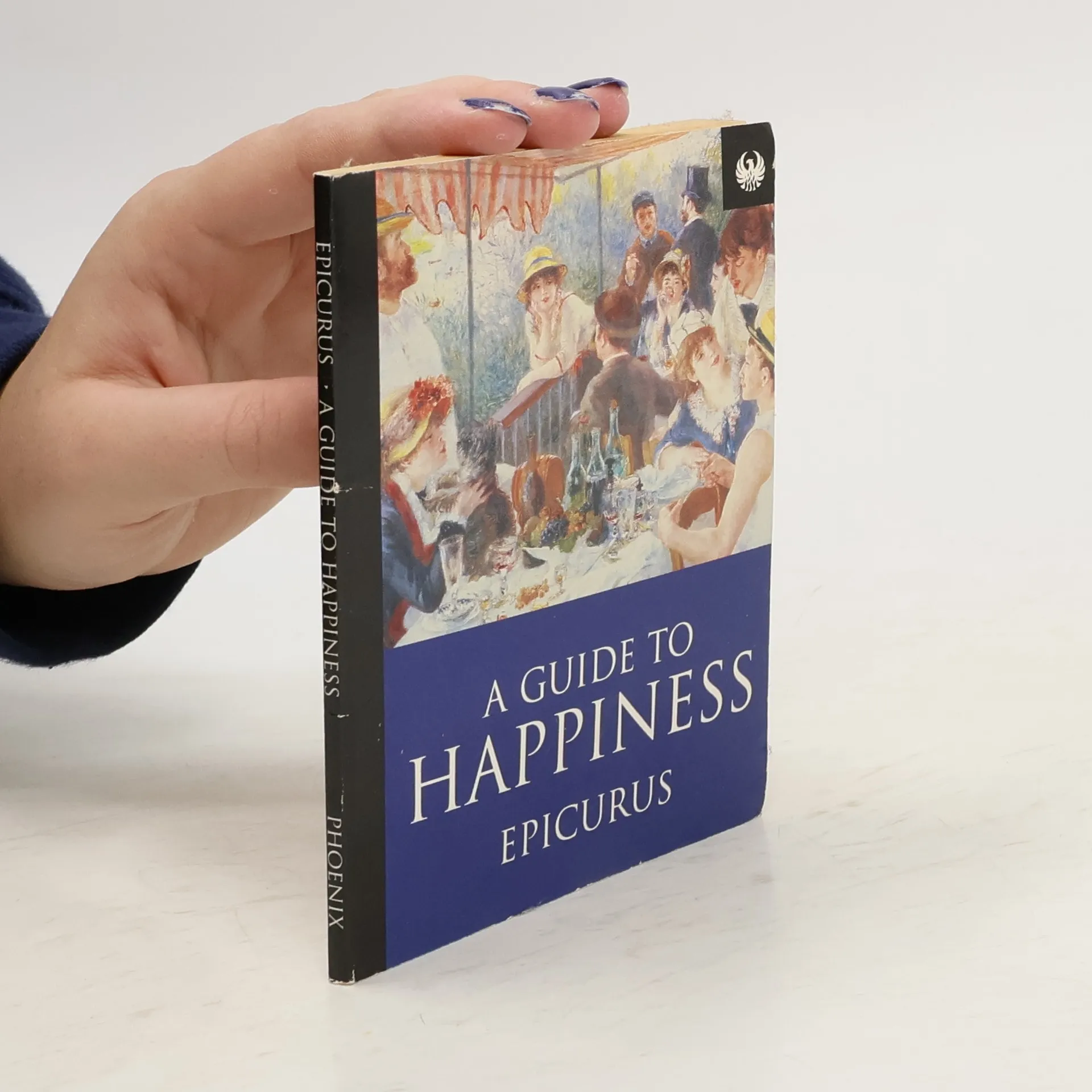
This is a collection of lessons on the art of leading a happy life from the Greek philosopher Epicurus. The book includes his letter "The Happy Life".
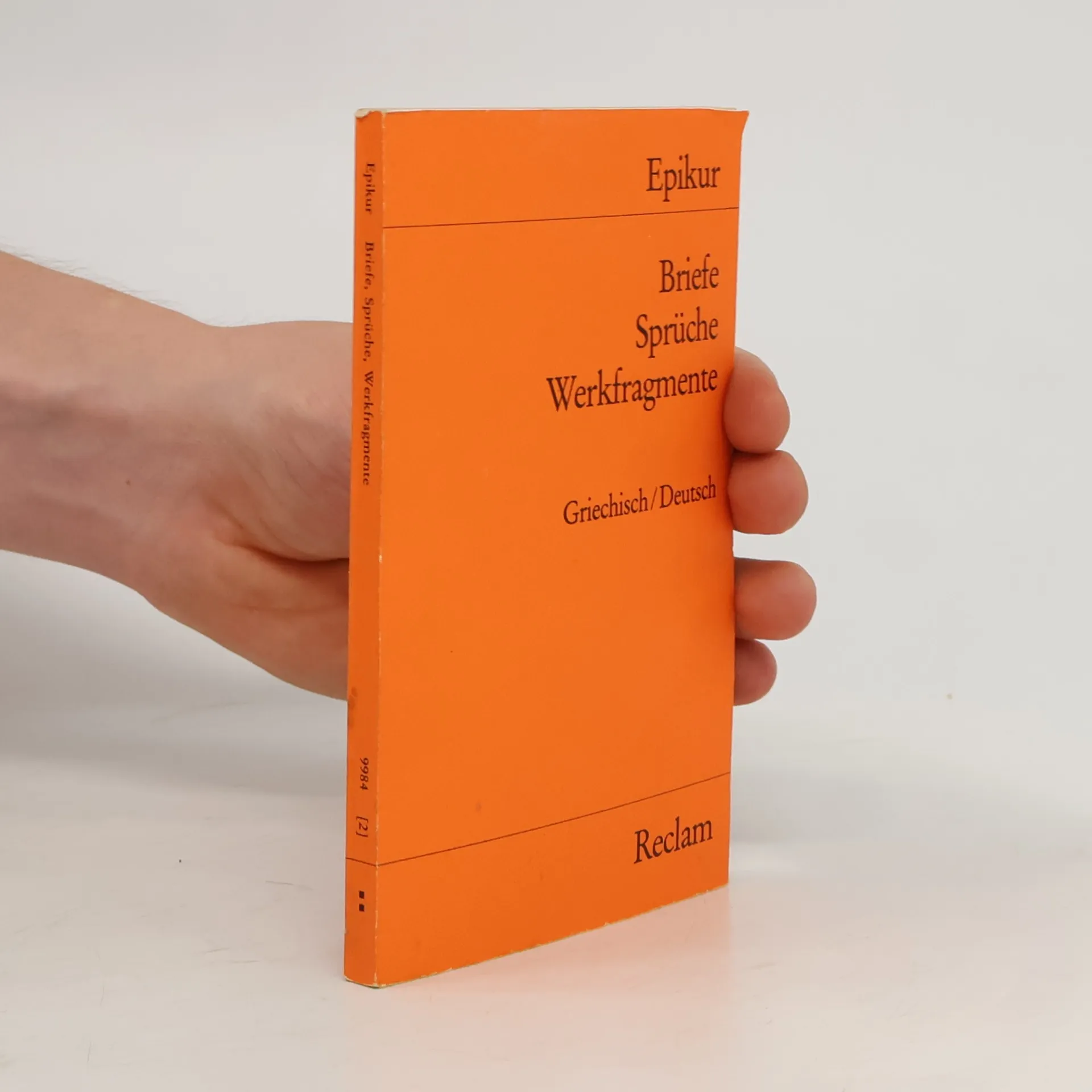
Briefe, Sprüche, Werkfragmente
- 170 pages
- 6 hours of reading
Die Lehre des Epikur, des Gründers einer der bedeutendsten philosophischen Schulen der hellenistischen und römischen Zeit, verbreitete sich vom 4. Jahrhundert v. Chr. bis zum 2. Jahrhundert n. Chr. Von ihm sind drei vollständige Lehrbriefe und verschiedene Sammlungen von Fragmenten, meist Zitate und Sprüche, erhalten geblieben.
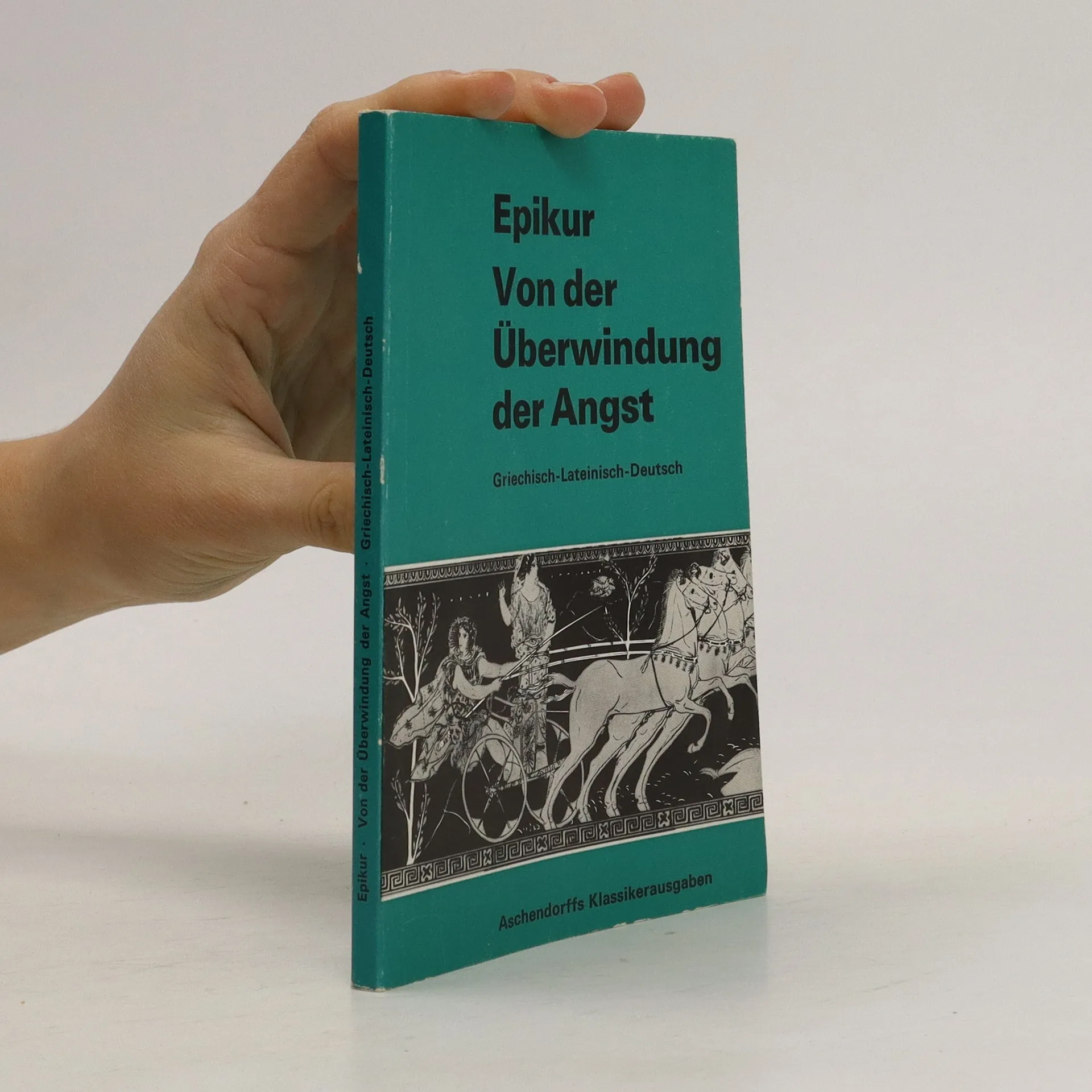
Von der Überwindung der Angst
- 177 pages
- 7 hours of reading
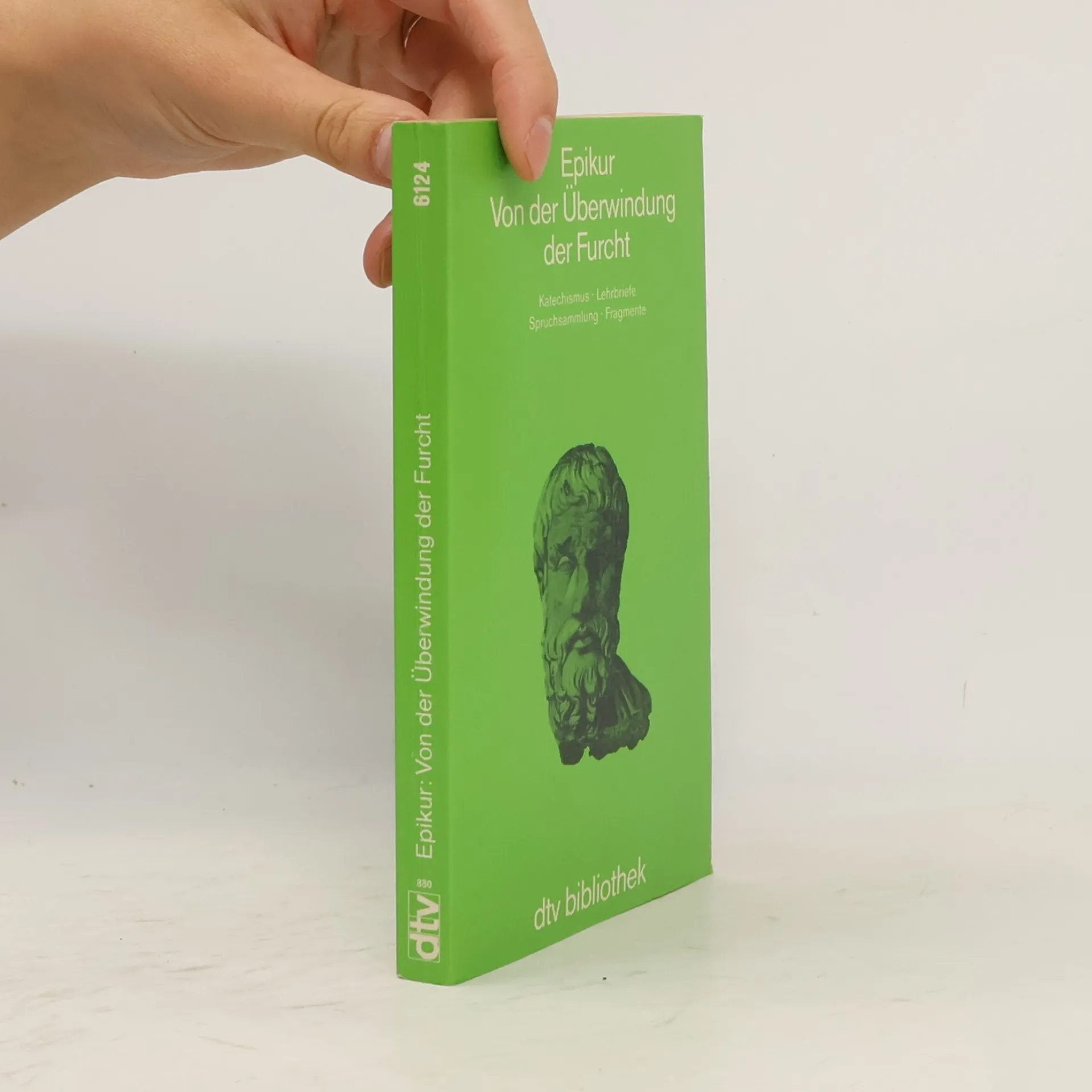
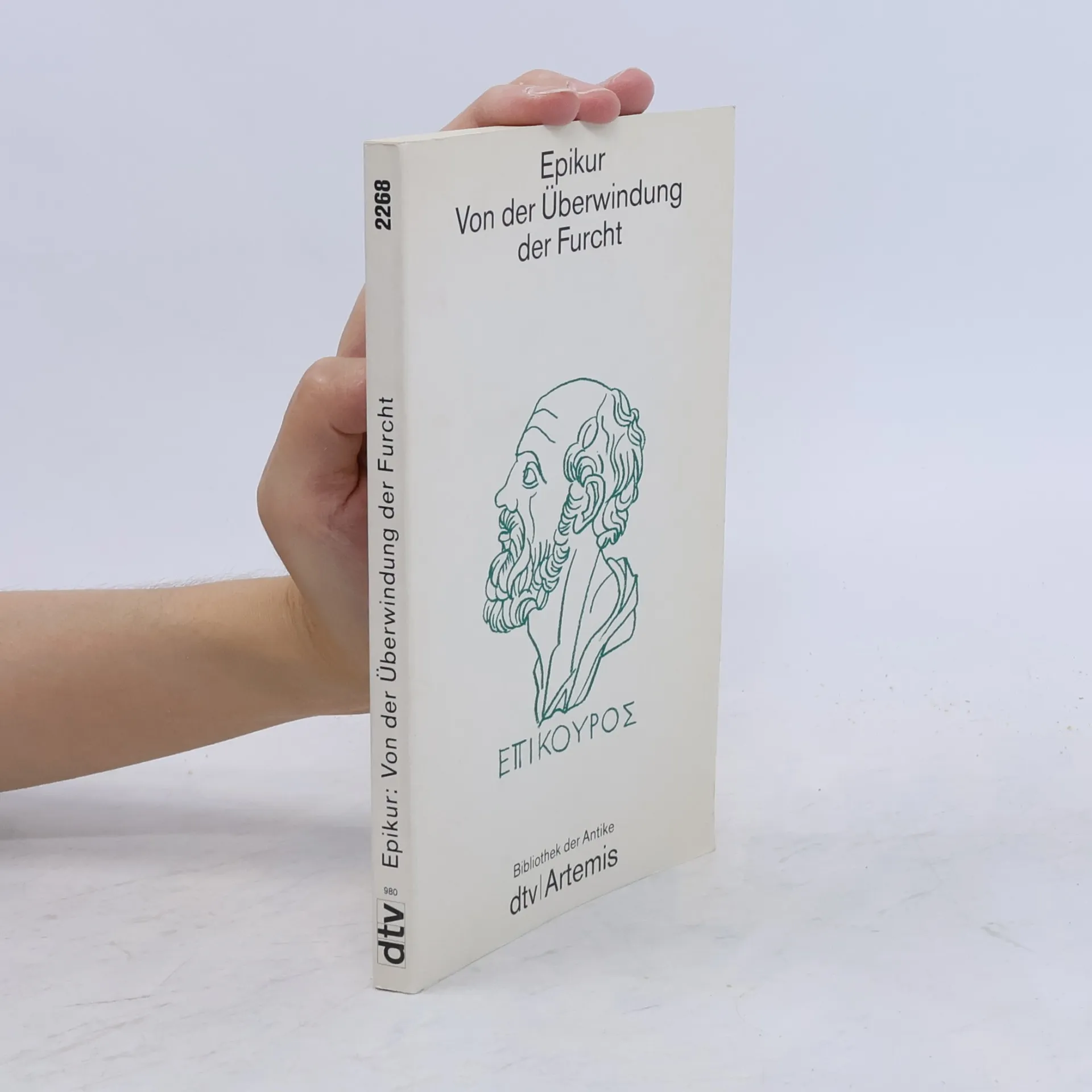
Von der Überwindung der Furcht
- 189 pages
- 7 hours of reading
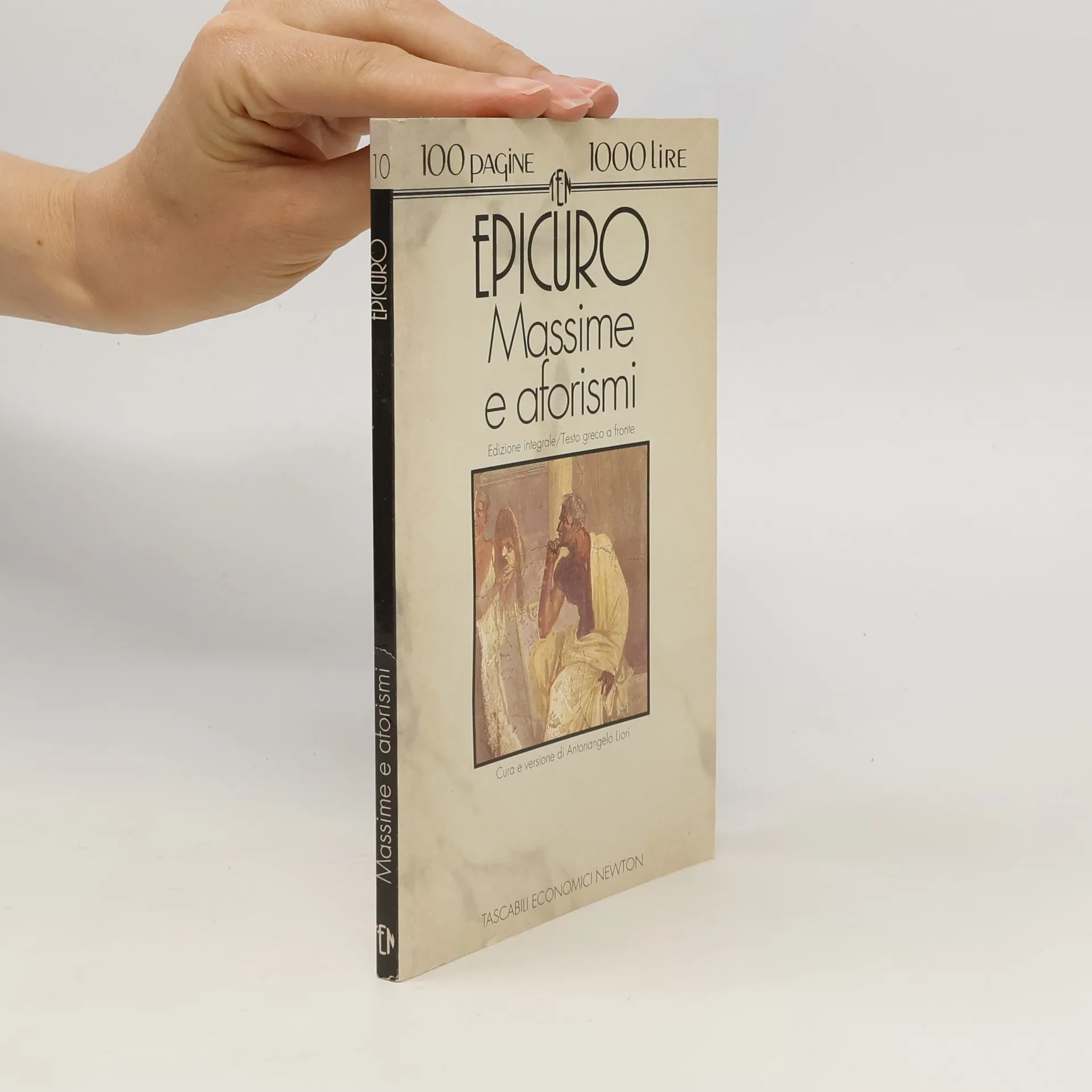
Massime e aforismi
- 90 pages
- 4 hours of reading
Wege zum Glück. Griechisch-lateinisch-deutsch
- 319 pages
- 12 hours of reading
Die Sammlung Tusculum veröffentlicht seit 1923 autoritative Ausgaben griechischer und lateinischer Werke mit deutscher Übersetzung. Die neuen Bände bieten umfassende Anmerkungen und Essays, die historische Kontexte beleuchten. Ideal für Studierende, Wissenschaftler und interessierte Laien, umfasst die Reihe über 270 Titel in Print- und eBook-Formaten. Anlässlich des 90-jährigen Jubiläums wird Tusculum Online angeboten, das alle Titel von 1923 bis 2013 enthält.
Übersetzung und mit einer Einführung sowie Erläuterungen versehen von Olof Gigon, 189 Seiten.
Lettres
- 111 pages
- 4 hours of reading
Philosophie der Lust
- 68 pages
- 3 hours of reading
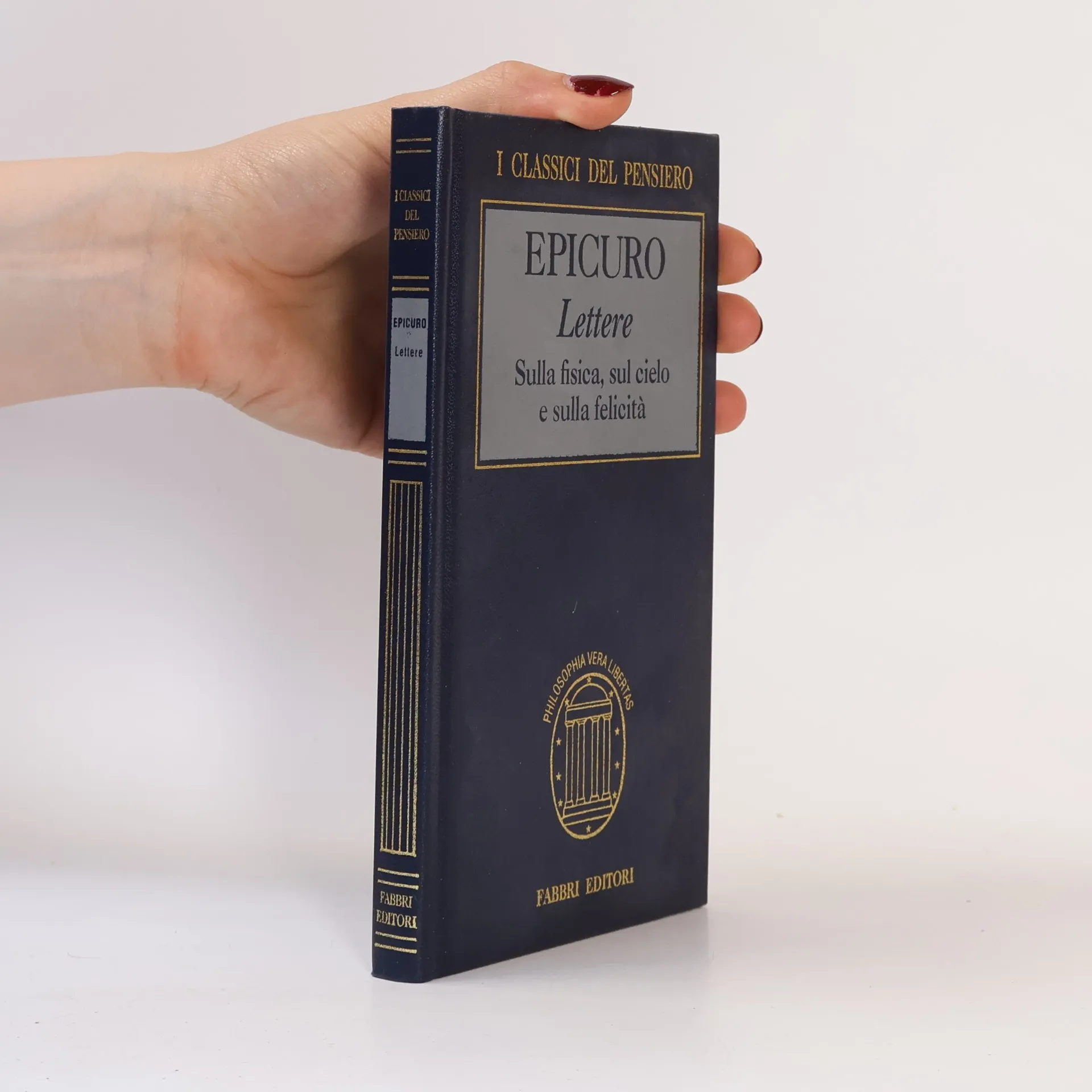
Epikur (341-270 v. Chr.) war ein griechischer Philosoph und Begründer des Epikureismus, der durch seine hedonistische Lehre polarisiert. Seine Schule, auch Kepos genannt, sammelte sich im Garten. Von seinen zahlreichen Werken sind drei Lehrbriefe und zwei Sammlungen von Lehrsätzen vollständig erhalten, die in diesem Buch präsentiert werden.
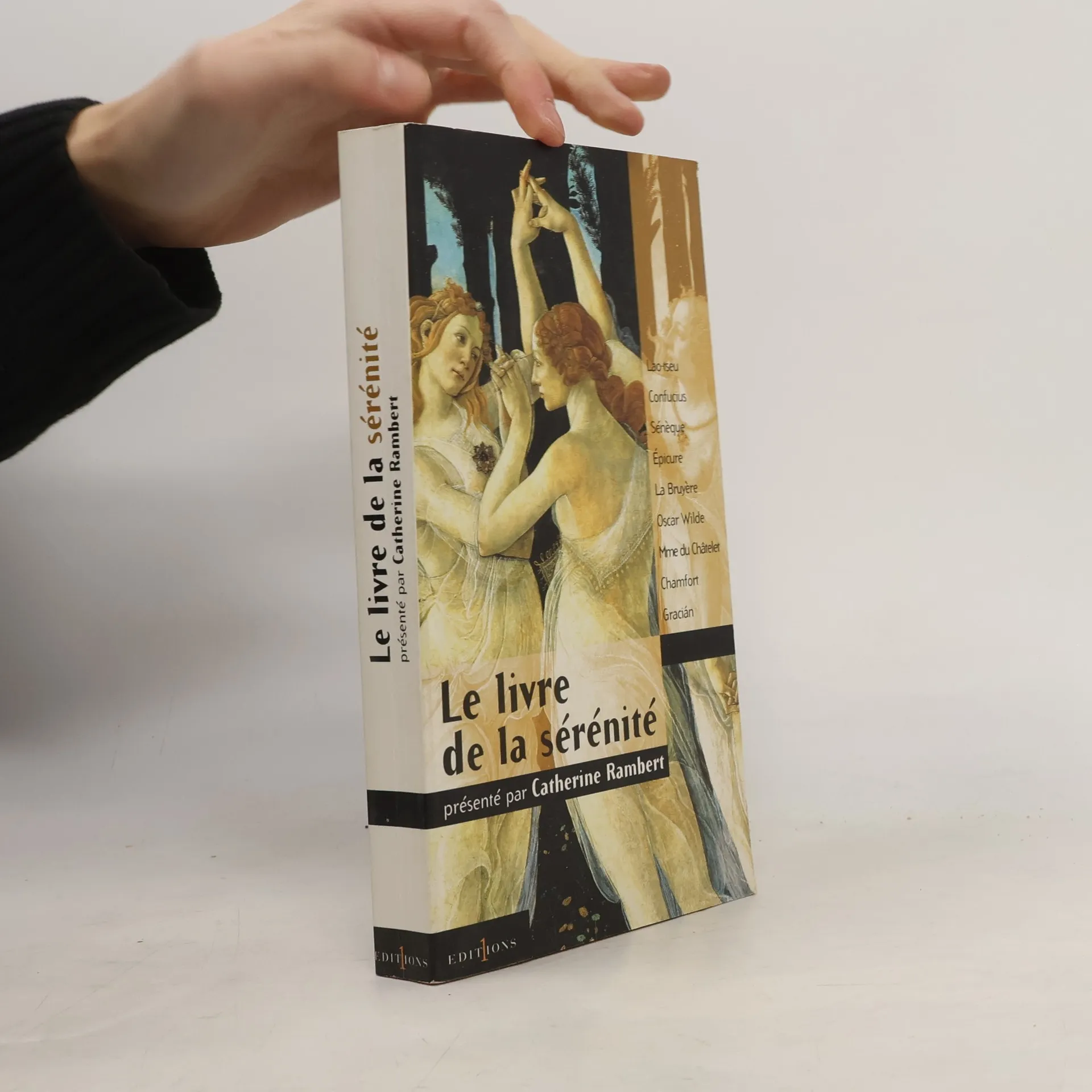
Le livre de la sérénité
- 280 pages
- 10 hours of reading
Vivre en accord avec soi-même, être calme, apprendre à relativiser, chercher le bonheur en toute chose... au fil des textes rassemblés dans ce livre on découvre que la sérénité est une quête intemporelle. Depuis l'Antiquité jusqu'à nos jours, les penseurs et les philosophes n'ont cessé de réfléchir à son propos. Dans la sagesse chinoise, la sérénité découle d'une existence simple, en conformité avec la nature. Chez les Stoïciens grecs, elle passe par le renoncement et l'acceptation des choses. Les Epicuriens la lient davantage à la douceur de vivre et au plaisir. Au XVIIIe siècle, Madame du Châtelet l'associait à la connaissance de soi, tandis qu'au XIXe, Rilke affirmait qu'il fallait la chercher dans la solitude... Autant de préceptes philosophiques que chacun est libre d'appliquer pour devenir plus serein, et plus heureux...
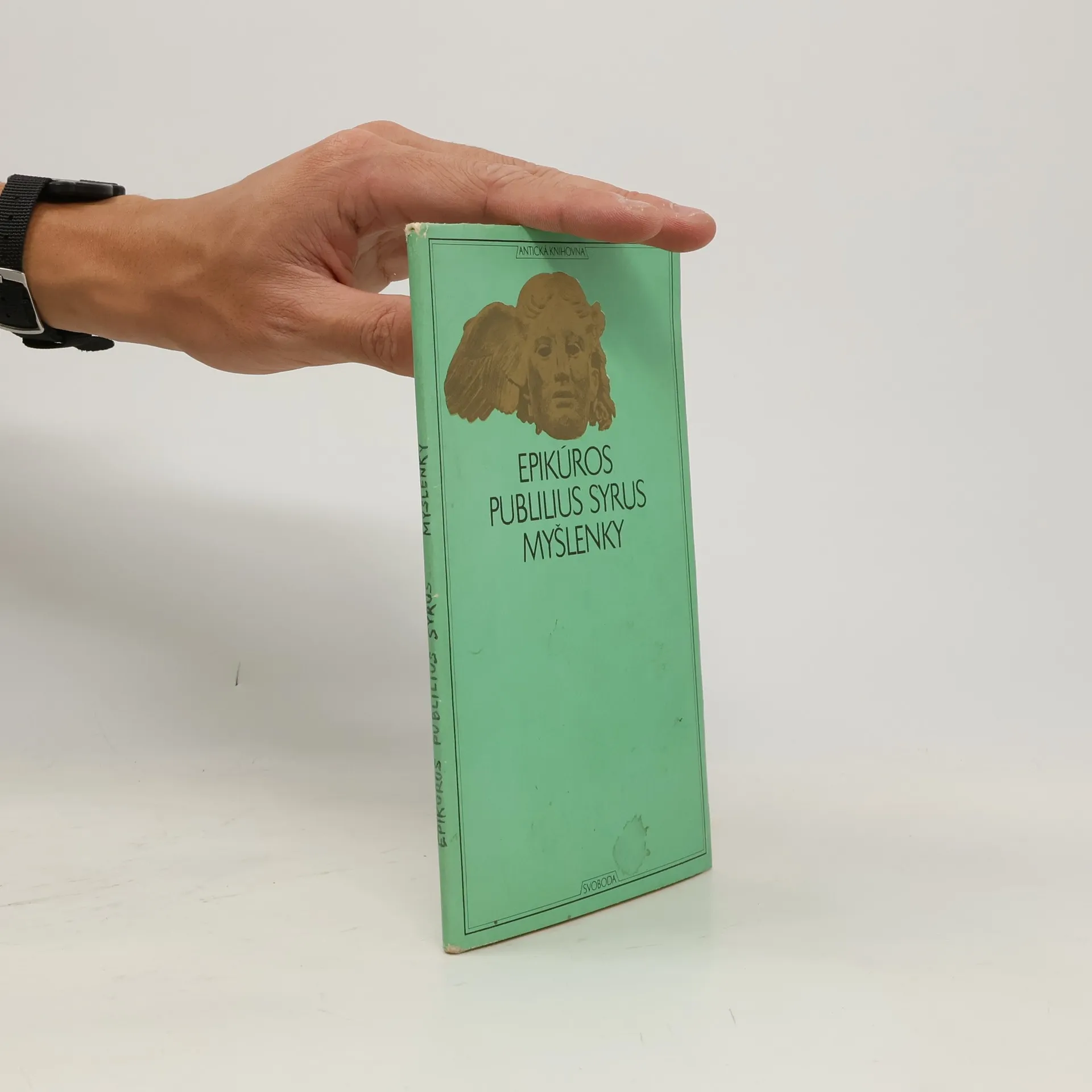
Ze tří set svazků, jež prý čítala literární pozůstalost Epikúrova, se zachovaly nepatrné zbytky. Nepřímých pramenů pro poznání epikúreismu máme však dost. Je to především slavná báseň T. Lucretia Cara De rerum natura, pak spisy Ciceronovy, Senekovy, Plútarchovy, církevních otců a jiných autorů. Nejdůležitějším pramenem pro přímé poznání nauky Epikúrovy je Řek Diogenes Láertios, jenž komplioval asi v první polovici 3. stol. n. l. dílo O životech, učení a výrocích slavných filosofů. Poslední, desátá kniha těchto dějin je věnována Epikúrovi. Tato útlá kniha je tedy kompilací, která vychází především z Diogena Láertia. U Diogena jsou sebrány bez ladu a skladu, tady jsou sestaveny přibližně podle obsahu. Spisek Myšlenky z životní etiky to Publiliovo celoživotní dílo, na kterém pracoval od svého propuštění na svobodu. Je v něm shrnuto mnoho autorových myšlenek a citátů o životě, pravdě a o smrti, z nichž čerpali mnozí další antičtí filosofové. Tím nejznámějším byl bezesporu Seneca. prémiové svazky 1970
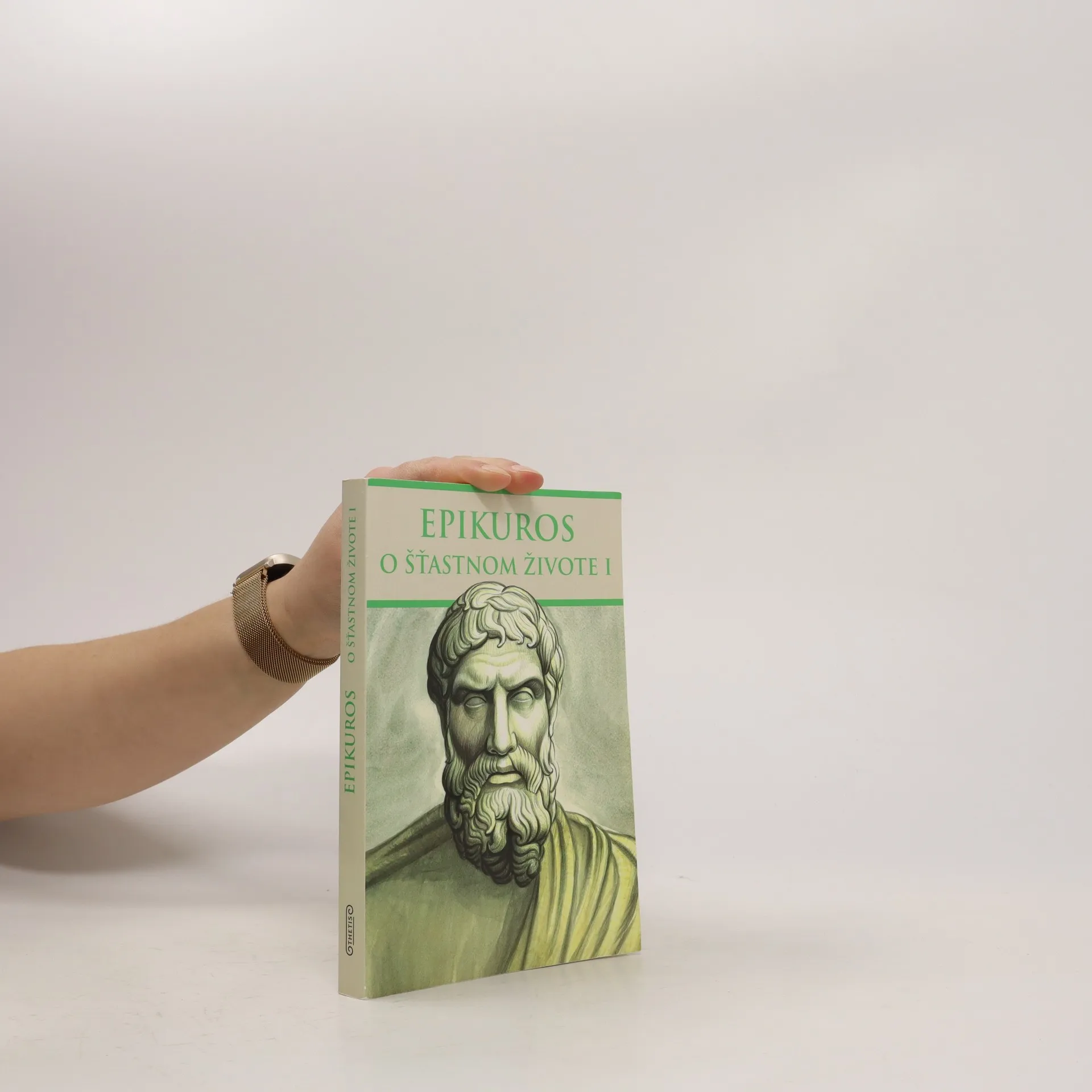
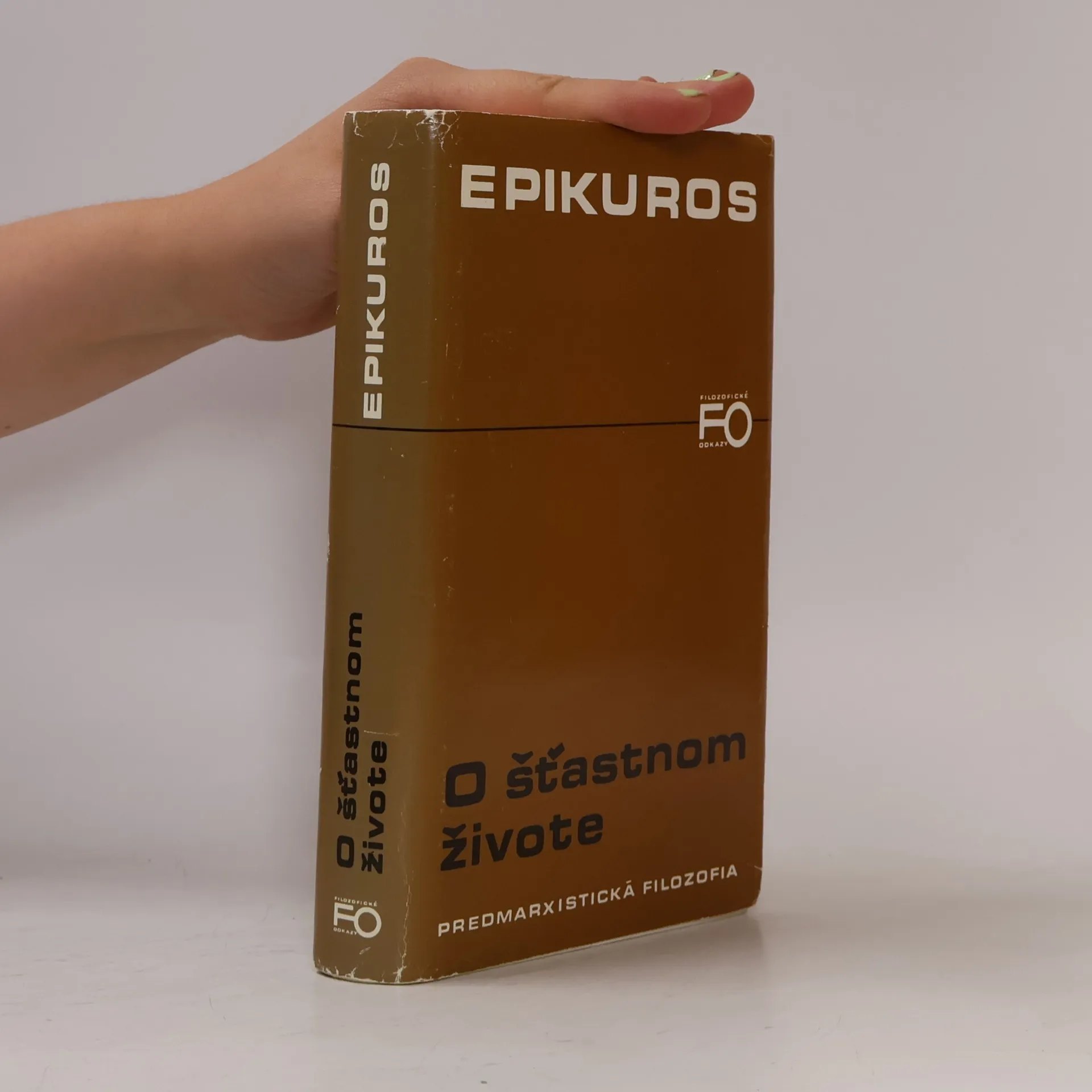
O šťastnom živote I
- 216 pages
- 8 hours of reading
Naše vydanie Epikurovho filozofického učenia je rozdelené do dvoch častí. Prvá kniha obsahuje všetky zachované Epikurove diela, zlomky z iných Epikurových kníh a fragmenty z jeho filozofie o kanonike a fyzike. Kniha je doplnená dvoma štúdiami Miloslava Okála Atómy a prázdny priestor a Predkozmický pohyb atómov, ktoré sa zaoberajú atomistickým filozofickým učením.
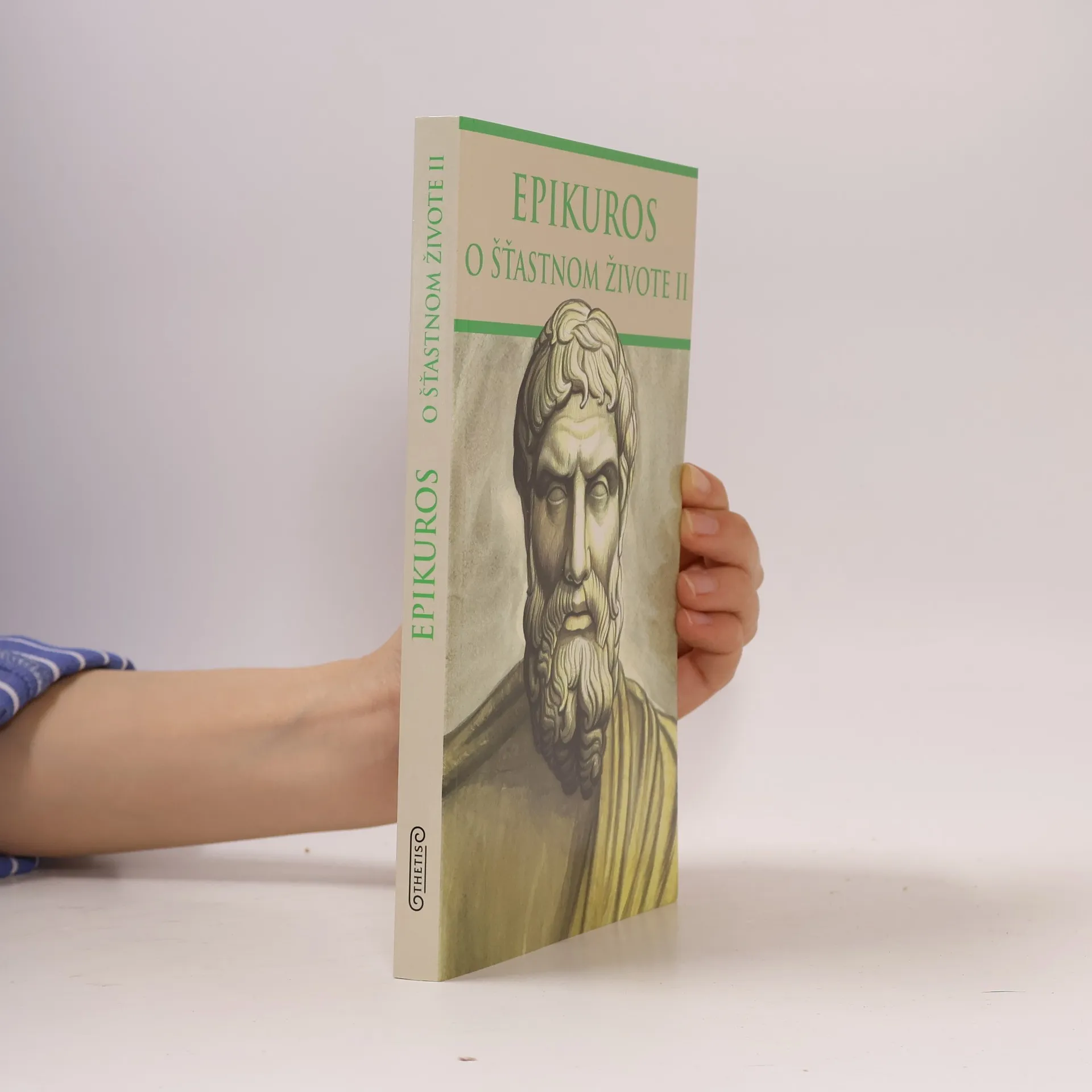
O šťastnom živote II
- 216 pages
- 8 hours of reading
Druhá kniha približujúca Epikurovo filozofické učenie obsahuje fragmenty z jeho etiky, zachované životopisy o Epikurovi a zlomky, fragmenty z diel Epikurových žiakov a stúpencov. Kniha je doplnená štúdiou Miloslava Okála Vír a kozmogónia.
O šťastnom živote
- 445 pages
- 16 hours of reading
Dielo významného gréckeho filozofa, zakladateľa epikurovskej školy. Aj epikurovci, rovnako ako akademici a stoici delili filozofiu na tri časti: logiku, fyziku a etiku. Vlastným predmetom filozofického skúmania mu však bola problematika praktického života a konania, čo si treba v živote voliť a čomu sa vyhýbať, aby sme dosiahli šťastie...