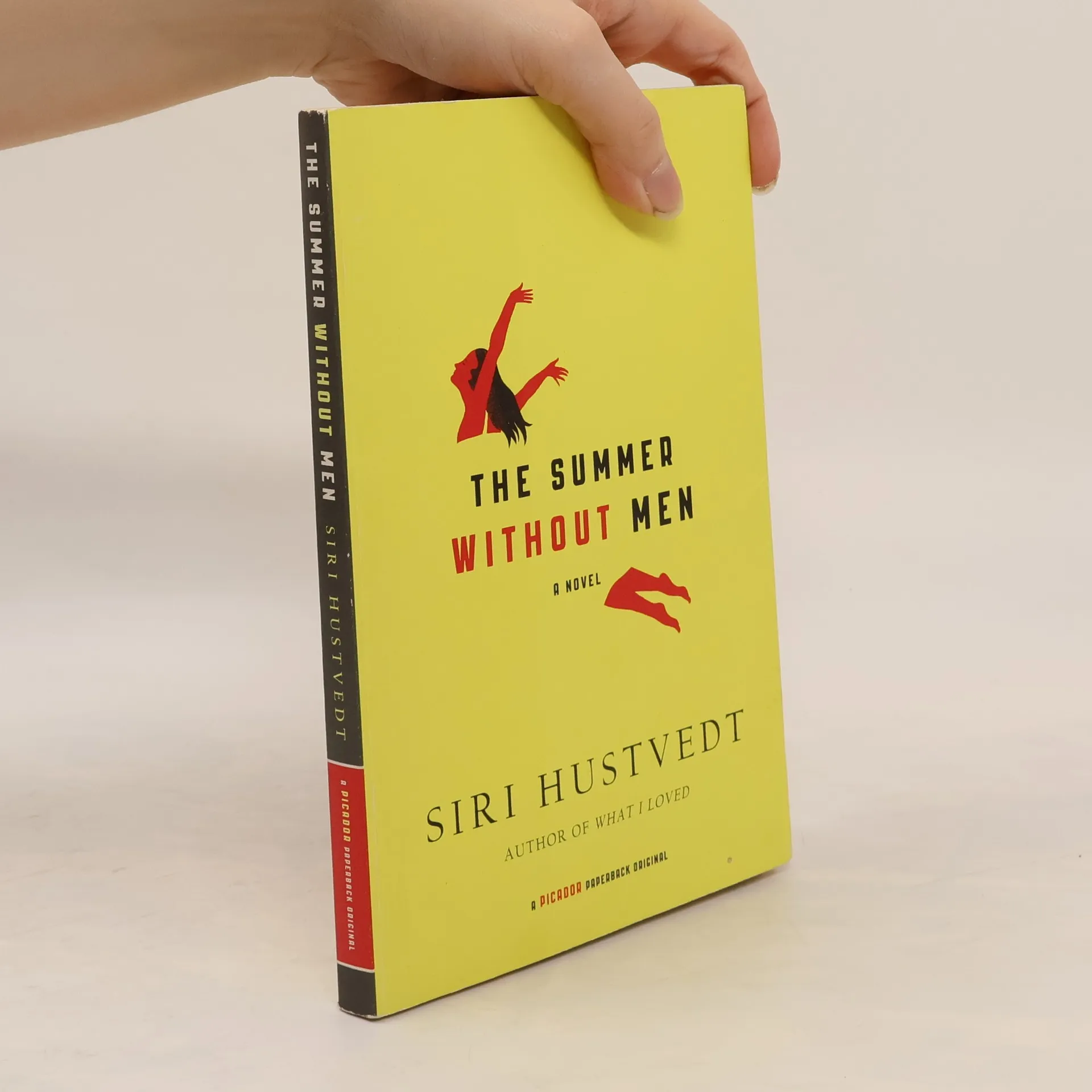
Mia is forced to reexamine her life when her husband puts their marriage on "pause" after thirty years. She returns to the prairie town of her childhood, and is drawn into the lives of those around her.
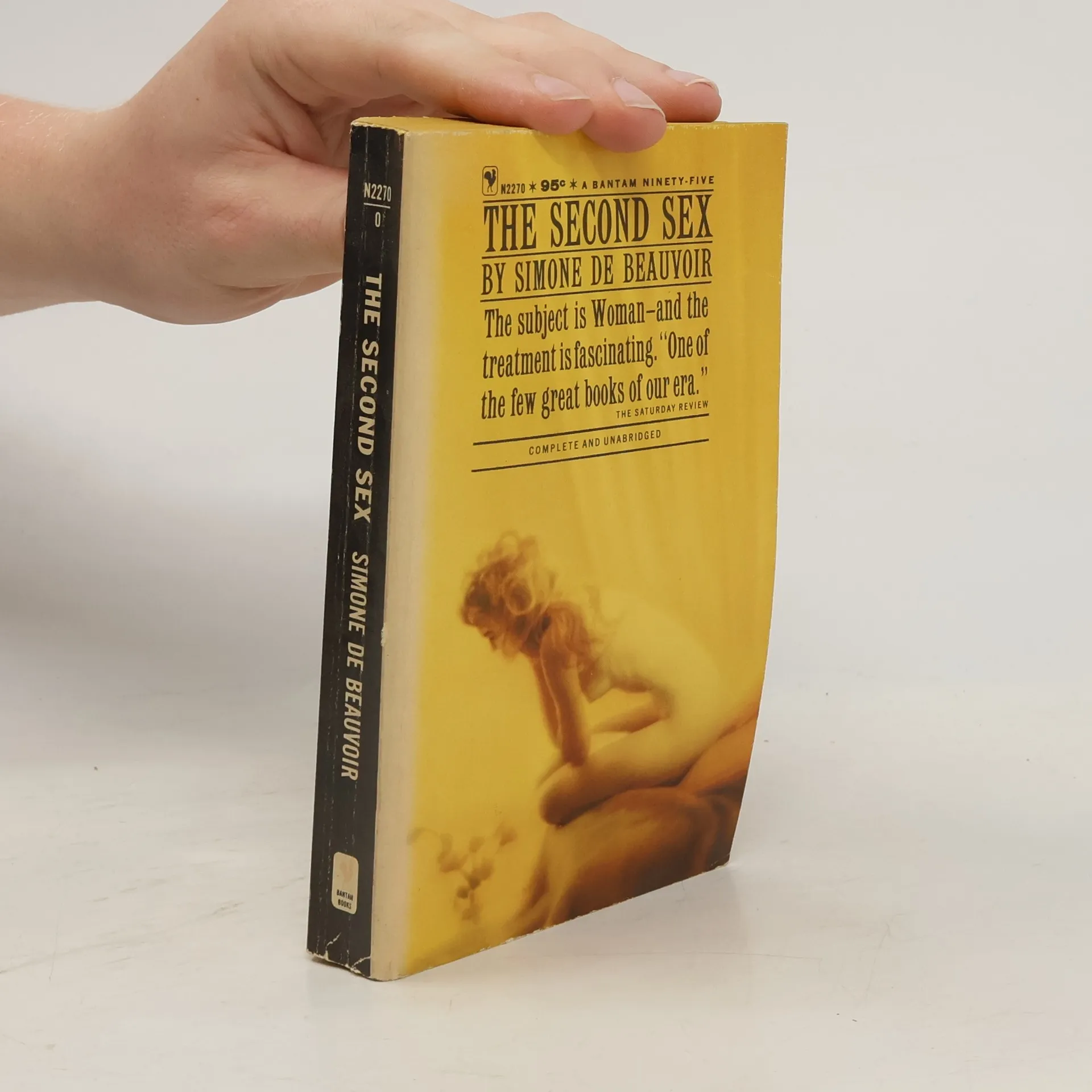
'Everyone who cares about freedom and justice for women should read The Second Sex' Guardian Simone de Beauvoir famously wrote, 'One is not born, but rather becomes, a woman'. In this groundbreaking work of feminism she examines the limits of female freedom and explodes our deeply ingrained beliefs about femininity. Liberation, she argues, entails challenging traditional perceptions of the social relationship between the sexes and, crucially, in achieving economic independence. Drawing on sociology, anthropology and biology, The Second Sex is as important and relevant today as when it was first published in 1949.
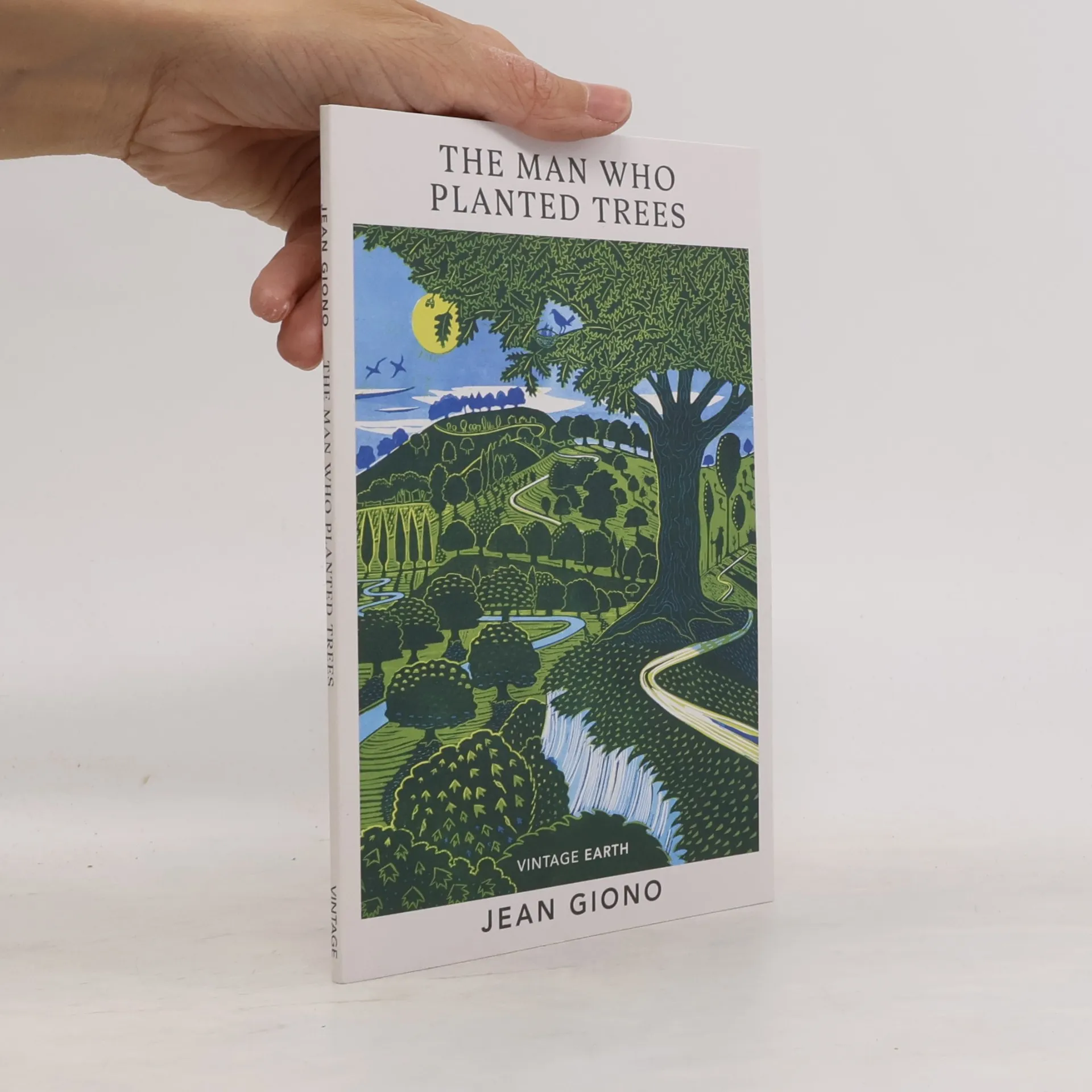
A beautiful gift edition of this classic fable about one man's quest to create a forest. In 1910, while hiking through the wild lavender in a wind-swept, desolate valley in Provence, a man comes across a shepherd called Elzéard Bouffier. Staying with him, he watches Elzéard sorting and then planting hundreds of acorns as he walks through the wilderness. Ten years later, after the war, he visits the shepherd again and sees the young forest he has created spreading slowly over the valley. Elzéard's solitary, silent work continues and the narrator returns year after year to see the miracle he is gradually creating: a verdant, green landscape that is a testament to one man's creative instinct.
"A magic curtain, woven of legends, hung before the world," writes Milan Kundera in The Curtain, his fascinating new book on the art of the novel. "Cervantes sent Don Quixote journeying and tore through the curtain. The world opened before the knight-errant in all the comical nakedness of its prose." For Kundera, that curtain represents a ready-made perception of the world that each of us has—a pre-interpreted world. The job of the novelist, he argues, is to rip through the curtain and reveal what it hides. In this entertaining and always stimulating essay, Kundera cleverly sketches out his personal view of the history and value of the novel in Western civilization. Too often, he suggests, a novel is thought about only within the confines of the language and nation of its origin, when in fact the novel's development has always occurred across borders: Laurence Sterne learned from Rabelais, Henry Fielding from Cervantes, Joyce from Flaubert, García Márquez from Kafka. The real work of a novel is not bound up in the specifics of any one language: what makes a novel matter is its ability to reveal some previously unknown aspect of our existence. In The Curtain, Kundera skillfully describes how the best novels do just that.
A novel by the author of The Unbearable Lightness of Being. A moment of confusion sets in motion a complex chain of events which crosses and recrosses the divide between fantasy and reality.
Roman. Mit einem Anhang, der die in der ersten französischen Ausgabe vom Autor gestrichene Passagen enthält
249 pages
9 hours of reading
Für Antoine Roquentin, Einzelgänger und Außenseiter in einer Provinzstadt, verliert das Leben plötzlich seine Selbstverständlichkeit. Unnachsichtig um Selbsterforschung bemüht, versucht er seinem immer stärkeren Ekel vor Dingen und Menschen auf den Grund zu gehen. Die Erfahrungen, Empfindungen und Visionen des Helden dieses ersten und bedeutendsten Romans des Existentialismus gaben Anstöße zu einer neuen Lebensphilosophie, die bis heute nichts von ihrer Brisanz eingebüßt hat.
Paris, Hotel Gallia, ein festlich geschmückter Saal. André Poitou, ein erfolgreicher Schuhfabrikant im Ruhestand, träumt von einem triumphalen Einzug, bei dem ihm das Kreuz der Ehrenlegion verliehen wird. Er möchte sein bisheriges Leben hinter sich lassen und eine neue Jugend im Zeichen von Freundschaft, Sport und Lebensfreude erleben. Doch anstelle der erhofften Feierlichkeit erwartet ihn eine schonungslose Entlarvung und allgemeine Peinlichkeit. Masken fallen, und die Menschen um ihn herum, getrieben von kleinlichen Begierden und Rivalitäten, werden sichtbar. Bove lässt seine Figuren wie chemische Elemente miteinander reagieren; wenn Poitous engste Freunde aufeinandertreffen, sprühen die Funken boshaften Esprits. Sie nennen ihren Freund spöttisch „die Klette“ oder „Kokotte im Ruhestand“. Diese deli- und maliziöse Kostbarkeit hinterlässt beim Leser einen scharfen Verdacht: Der Mensch benötigt keine Feinde, solange er Kollegen, Verwandte und Freunde hat.
From the author of "The Enchantment of Lily Dahl" comes a powerful and heartbreaking novel that chronicles the epic story of two families, two sons, and two marriages.
A man and a woman meet by chance while returning to their homeland, which they had abandoned twenty years earlier when they chose to become exiles. Will they manage to pick up the thread of their strange love story, interrupted almost as soon as it began and then lost in the tides of history? The truth is that after such a long absence 'their memories no longer match'. We always believe that our memories coincide with those of the person we loved, that we experienced the same thing. But this is just an illusion. Then again, what can we expect of our weak memory? It records only 'an insignificant, minuscule particle' of the past, 'and no-one knows why it's this bit and not any other bit'. We live our lives sunk in a vast forgetting, a fact we refuse to recognise. Only those who return after twenty years, like Odysseus returning to his native Ithaca, can be dazzled and astounded by observing the goddess of ignorance first-hand.
Chaos prevails when the bubonic plague strikes the Algerian coastal city of Oran. A haunting tale of human resilience in the face of unrelieved horror, Camus' novel about a bubonic plague ravaging the people of a North African coastal town is a classic of twentieth-century literature