Stefan Collini delves into the intricate relationship between literature and intellectual history, with a particular focus on the 20th-century British context. His work critically examines the cultural role of literary criticism and the underlying historical assumptions that shaped it. He explores the position of intellectuals, the dynamic between academic critics and 'men of letters,' and the broader function of cultural critique. Collini's scholarship offers profound insights into the evolution and public discourse surrounding universities and their societal impact.
In the book born from his Oxford Ford Lectures, Stefan Collini challenges the
historical assumptions at work in twentieth-century English literary
criticism, showing how the work of critics was bound up with claims about the
nature and direction of historical change, the interpretation of the national
past, and the work of earlier scholars.
A devastating analysis of what is happening to our universities Does 'marketization' threaten to destroy what we most value about education? Will this new era of 'accountability' distort what it purports to measure? What do we mean by a 'public' system of higher education and how should we defend it?Globalization has transformed the economic horizon. At the same time governments have systematically imposed new regulations for funding, governance, and assessment. Increasingly, universities behave more like business enterprises in a commercial marketplace than centers of learning. In recent decades there has been an immense global surge in the number of universities and the size of the student population. Technology has created new ways of learning and teaching.In Speaking of Universities, historian and critic Stefan Collini analyses these changes and challenges the assumptions of policymakers and commentators. This is an urgent call to 'focus on what is actually happening and the cliches behind which it hides; an incitement to think again, think more clearly, and then to press for something better.'
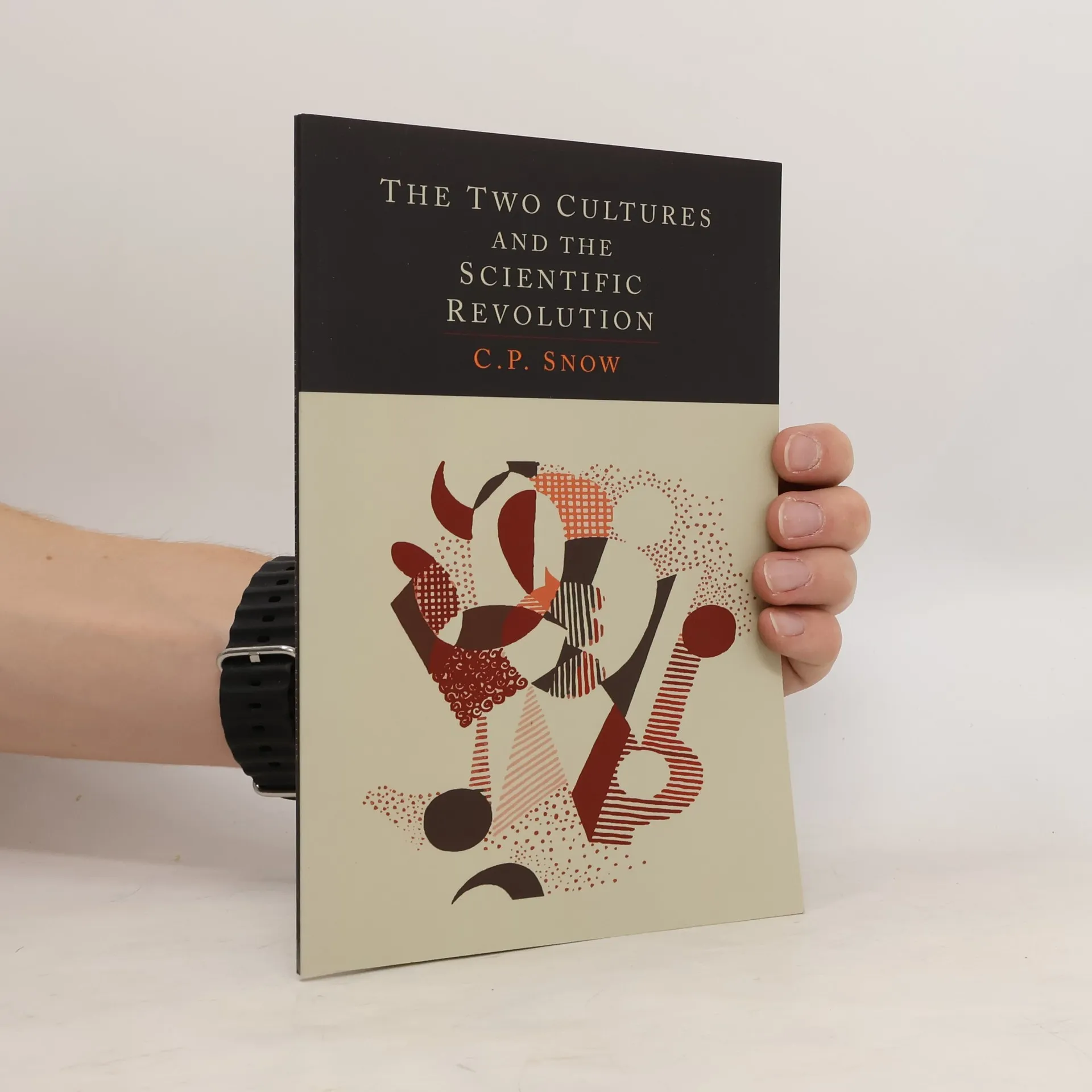
Exploring the divide between the sciences and the humanities, this influential lecture by C. P. Snow argues that this separation hinders societal progress and problem-solving. Originally delivered in 1959, the lecture sparked significant discussion and debate in both the UK and the US, highlighting the need for interdisciplinary understanding. This reprint preserves the original text, allowing contemporary readers to engage with Snow's critical insights into the intellectual landscape of Western society.
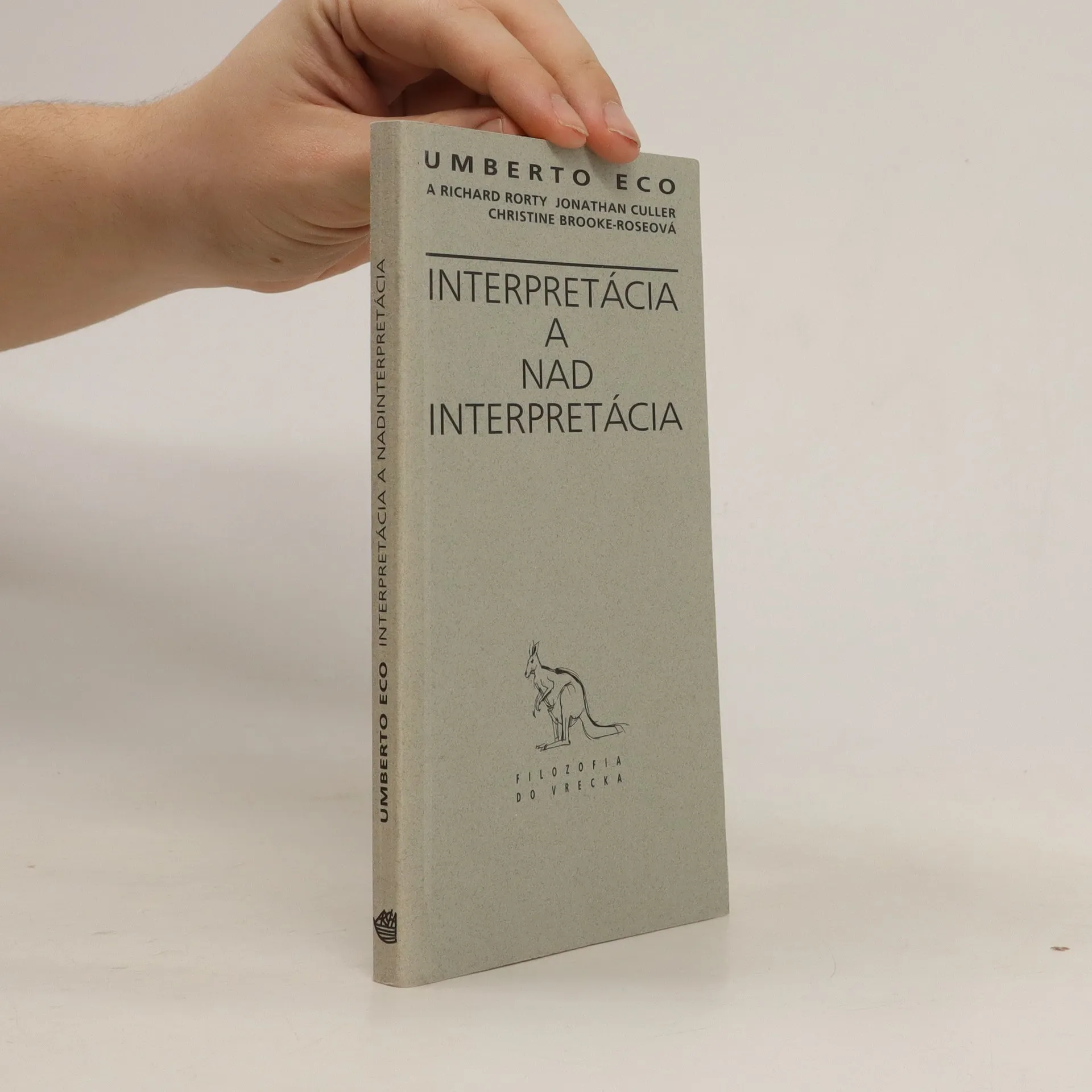
Přednášky významného italského myslitele Umberta Eca o podstatě interpretace a polemické příspěvky současných filozofů k těmto textům. Z obálky knihy: Text je nástroj, vynájdený na to, aby utvoril svojho modelového čitateľa. Opakujem: tento čitateľ nie je autorom „jedinej správnej“ domnienky. Text môže rátať aj s takým modelovým čitateľom, ktorý má právo pokúsiť sa o nekonečný počet domnienok. Empirický čitateľ je len aktérom, vyslovujúcim domnienky o povahe modelového čitateľa, ktorého postuluje text. Keďže zámerom textu je v podstate vytvárať modelového čitateľa, schopného vyslovovať o ňom domnienky, vynachádzavosť modelového čitateľa spočíva v nájdení modelového, teda nie empirického, autora, ktorý v konečnom dôsledku splýva so zámerom textu. Text je teda viac než len parametrom, použitým na zhodnotenie interpretácie, je objektom, ktorý vytvára interpretácia v procese kruhového úsilia o potvrdenie svojej právoplatnosti na základe toho, čo podáva ako svoj výsledok. Nehanbím sa priznať, že tak definujem starý a stále platný „hermeneutický kruh“.