Explore the latest books of this year!
Bookbot

Charles Spence

    Professor Charles Spence is an experimental psychologist at the University of Oxford, leading the Crossmodal Research group. His work focuses on the integration of information across different sensory modalities. He explores how our senses collaborate and influence our perception of the world. His research offers a fascinating look into the complexity of human sensory perception.

    Gastrologik
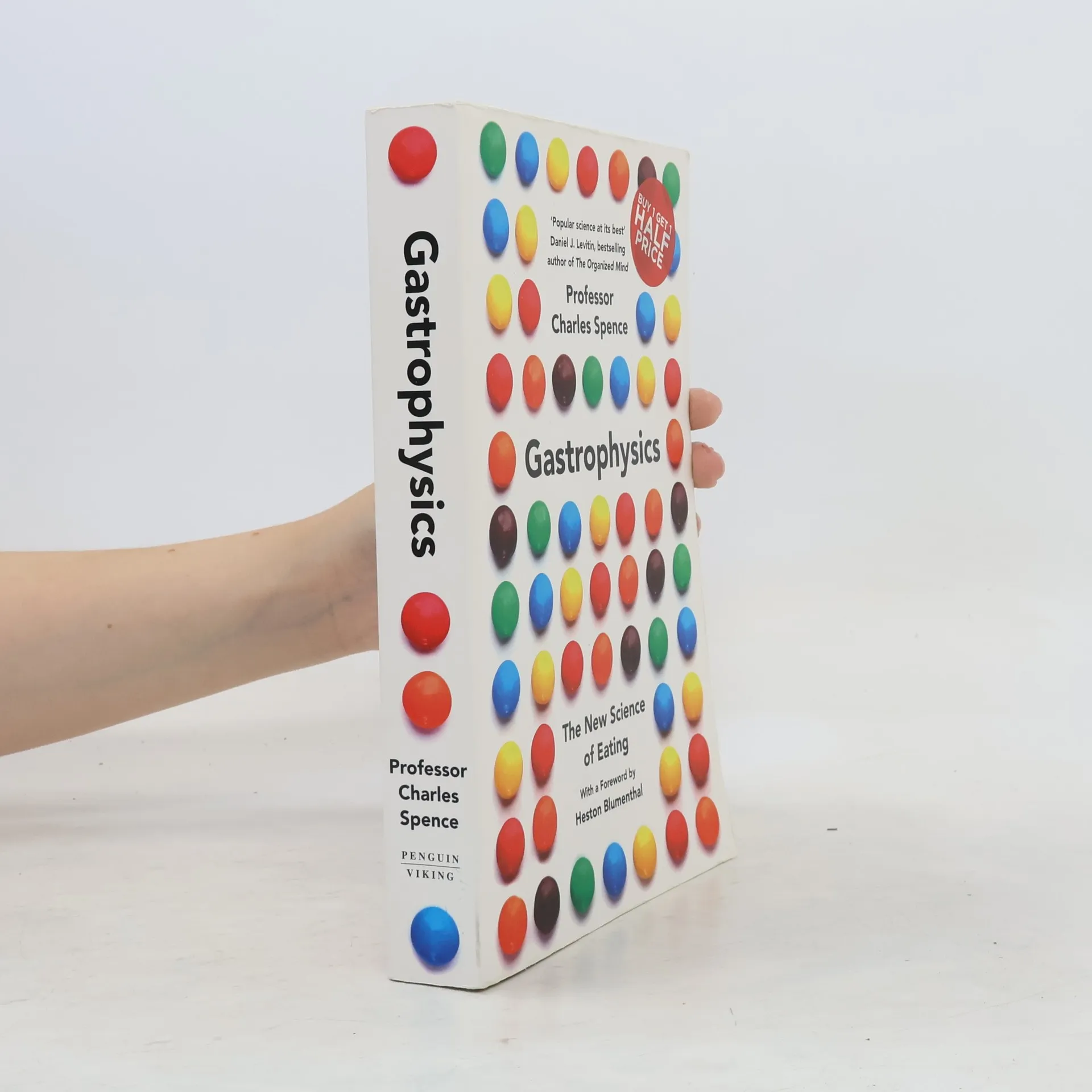
    Gastrophysics
    Crossmodal Attention Applied
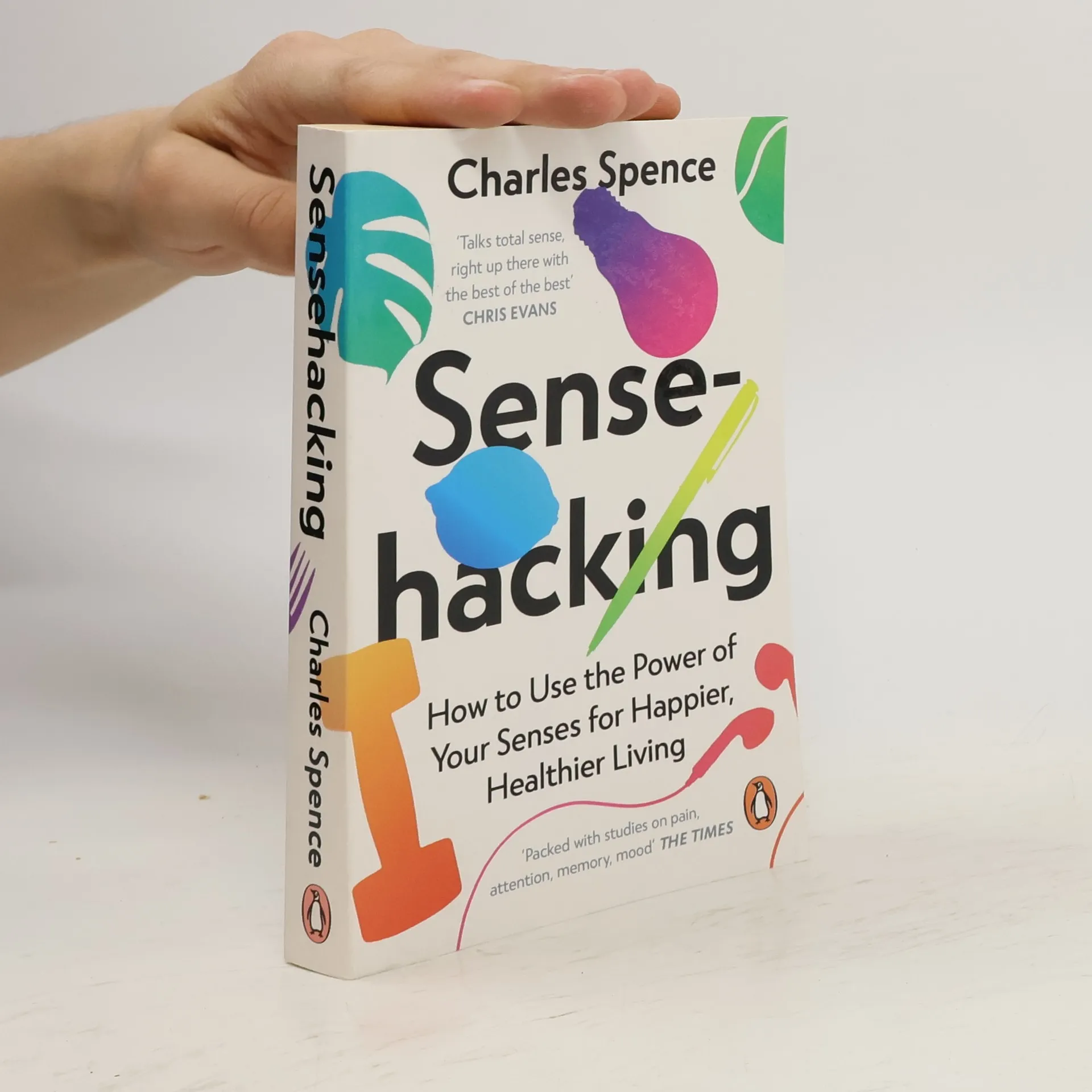
    Sensehacking
    Gastrophysics: The Science of Dining
    Gastrophysics: The New Science of Eating
    • Gastrophysics: The New Science of Eating

      • 336 pages
      • 12 hours of reading
      3.8(47)Add rating

      Why do we prefer to drink tomato juice on flights? Why do we eat less when food is served on red plates? Does the crunch really change the taste of crisps? In Gastrophysicspioneering researcher Professor Charles Spence explores the extraordinary, mind-bending science of food. Whether it's uncovering the importance of smell, sight, touch and sound to taste or why cutlery, company and background noise change our experience of eating, he shows us how neuroscience, psychology and design are changing not only what we put on our plates but also how we experience it.

      Gastrophysics: The New Science of Eating
    • Gastrophysics: The Science of Dining

      • 464 pages
      • 17 hours of reading
      3.4(43)Add rating

      Truly accessible, entertaining and informative. On every page there are ideas to set you thinking and widen your horizons Heston Blumenthal, OBE

      Gastrophysics: The Science of Dining
    • Sensehacking

      • 400 pages
      • 14 hours of reading
      3.3(57)Add rating

      The world expert in multisensory perception on the remarkable ways we can use our senses to lead richer lives.How can the furniture in your home affect your wellbeing? What color clothing will help you play sports better? And what simple trick will calm you after a tense day at work?In this revelatory book, pioneering and entertaining Oxford professor Charles Spence shows how our senses change how we think and feel, and how by 'hacking' them we can reduce stress, become more productive and be happier.We like to think of ourselves as rational beings, and yet it's the scent of expensive face cream that removes wrinkles (temporarily), the noise of the crowd really does affect the referee's decision, and food not only tastes 10 per cent better if you use a tablecloth, you'll also eat 50 per cent more of it. By understanding our senses, we can take greater control of our lives.Sensehacking explores how the senses are stimulated in nature, at home, in the workplace and at play. In a world where we're suffering from the sensory overload of 24-hour news cycles and also prioritizing physical distance from one another, Spence explains 'touch hunger' and shows how we can overcome it. Understanding how our senses interact can produce incredible results. This is popular science at its unbelievable best.

      Sensehacking
    • In this Element laboratory studies on crossmodal attention are situated within the applied context of driving. The conditions favoured by laboratory research, typically using a few paradigms involving simplified experimental conditions, is contrasted with multisensory, real-world environments filled with complex, intrinsically-meaningful stimuli.

      Crossmodal Attention Applied
    • Gastrophysics

      The Science of Dining from Restaurant to Party Tricks

      • 464 pages
      • 17 hours of reading

      A ground-breaking book by the world-leading expert in sensory science: Freakonomics for food Why do we consume 35% more food when eating with one more person, and 75% more when with three? Why are 27% of drinks bought on aeroplanes tomato juice? How are chefs and companies planning to transform our dining experiences, and what can we learn from their cutting-edge insights to make memorable meals at home? These are just some of the ingredients of Gastrophysics , in which the pioneering Oxford professor Charles Spence shows how our senses link up in the most extraordinary ways, and reveals the importance of all the "off-the-plate" elements of a meal: the weight of cutlery, the colour of the plate (his lab showed that red is associated with sweetness - we perceive salty popcorn as tasting sweet when served in a red bowl), the background music and much more. Whether dining alone or at a dinner party, on a plane or in front of the TV, he reveals how to understand what we're tasting and influence what others experience. Meal-times will genuinely never be the same again.

      Gastrophysics
    • Gastrologik

      Die erstaunliche Wissenschaft der kulinarischen Verführung

      Wie wird ein Essen zu einem unvergesslichen Erlebnis? Kann man Formen schmecken? Weshalb isst man von roten Tellern weniger als von weißen? Charles Spence geht diesen und vielen weiteren Fragen kenntnisreich und humorvoll auf den Grund. Seine oft überraschenden Experimente beweisen, dass beim Essen alle fünf Sinne beteiligt sind: das kulinarische Vergnügen entsteht im Kopf, nicht im Mund. So spielen für das Erleben eines perfekten Dinners das Gewicht des Bestecks, die Farbe und Form des Geschirrs sowie die Art der Hintergrundmusik eine entscheidende Rolle. Das vorliegende Buch weckt unser Bewusstsein dafür, wie dieses Zusammenspiel von Farben, Formen, Gerüchen und Klängen auf uns wirkt und wie stark wir durch diese Faktoren manipulierbar sind – Erkenntnisse, die sich die Lebensmittelindustrie schon lange zunutze macht.

      Gastrologik