
An exploration of how Jihadist forces are responsible for instigating and escalating conflicts in countries across Africa.
Al J Venter Book order
Al J Venter is a war correspondent and documentary filmmaker whose extensive career has taken him to the heart of numerous global conflicts. His reporting from Africa's and the Middle East's most harrowing wars, from the Nigerian Civil War to the turmoil in Lebanon, demonstrates an unflinching commitment to chronicling the brutal realities of combat. Venter's work is marked by its raw realism and a keen insight into human resilience and brutality in the face of violence. Through his books and documentaries, he offers essential testimony on pivotal moments in modern history.


- 2025
- 2023
From a small town in Mpumalanga to dodging bullets in war-torn Al J. Venter, the oldest war correspondent still active, bore witness to some of humanity’s biggest atrocities – and has lived to tell the tale. In the 1960s, with little money, a sense of adventure and a healthy dollop of chutzpah, Venter set out overland from Cape Town to London. Since then, Venter has reported from 25 conflict zones. In his memoir, Venter masterfully recounts his experiences.
- 2018
Biafra Genocide
- 128 pages
- 5 hours of reading
Latest edition to the Cold War series, this time focussing on The Biafra War.
- 2017
Al-Qaeda, through its surrogate insurgent force al-Shabaab remains a major player in Somalia, receiving its support from Iran, today a close ally of the Russians
- 2017
Lebanon
- 136 pages
- 5 hours of reading
Al Venter was rarely conventional in his approach to problems encountered in the Middle East. číst celé
- 2017
The El Salvador conflict remains a classic example of how a communist insurgency or any other popular large-scale revolution, including those launched by al-Qaeda or ISIS can be defeated.
- 2015
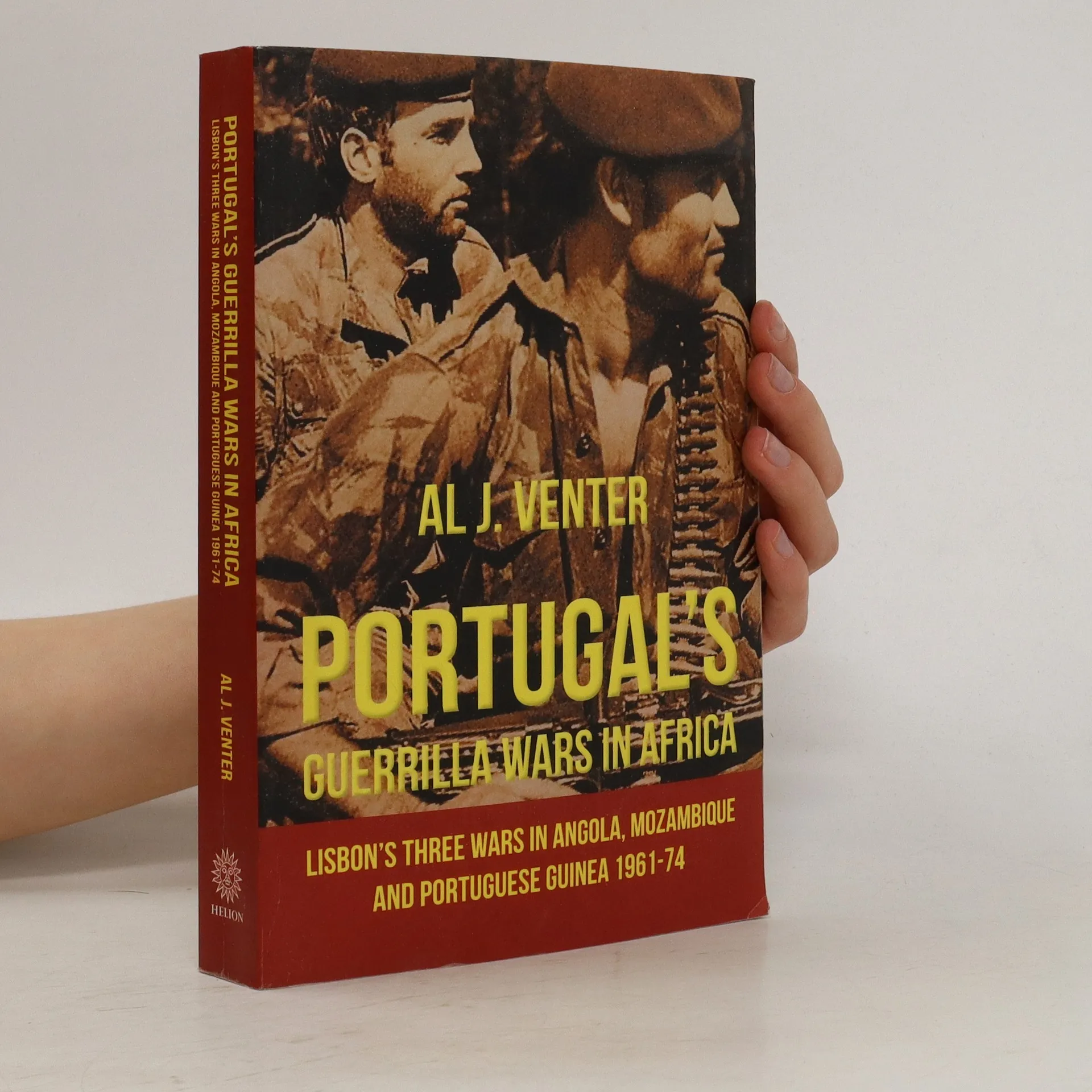
Portugal's Guerilla Wars in Africa
- 544 pages
- 20 hours of reading
"Portugal's three wars in Africa in Angola, Mozambique and Portuguese Guinea (Guiné-Bissau today) lasted almost 13 years - longer than the United States Army fought in Vietnam. Yet they are among the most underreported conflicts of the modern era. Commonly referred to as Lisbon's Overseas War (Guerra do Ultramar) or in the former colonies, the War of Liberation (Guerra de Libertação), these struggles played a seminal role in ending white rule in Southern Africa. Though hardly on the scale of hostilities being fought in South East Asia, the casualty count by the time a military coup d'état took place in Lisbon in April 1974 was significant. It was certainly enough to cause Portugal to call a halt to violence and pull all its troops back to the Metropolis. Ultimately, Lisbon was to move out of Africa altogether, when hundreds of thousands of Portuguese nationals returned to Europe, the majority having left everything they owned behind. Independence for all the former colonies, including the Atlantic islands, followed soon afterwards. Lisbon ruled its African territories for more than five centuries, not always undisputed by its black and mestizo subjects, but effectively enough to create a lasting Lusitanian tradition. That imprint is indelible and remains engraved in language, social mores and cultural traditions that sometimes have more in common with Europe than with Africa."--Publisher's description
- 2007
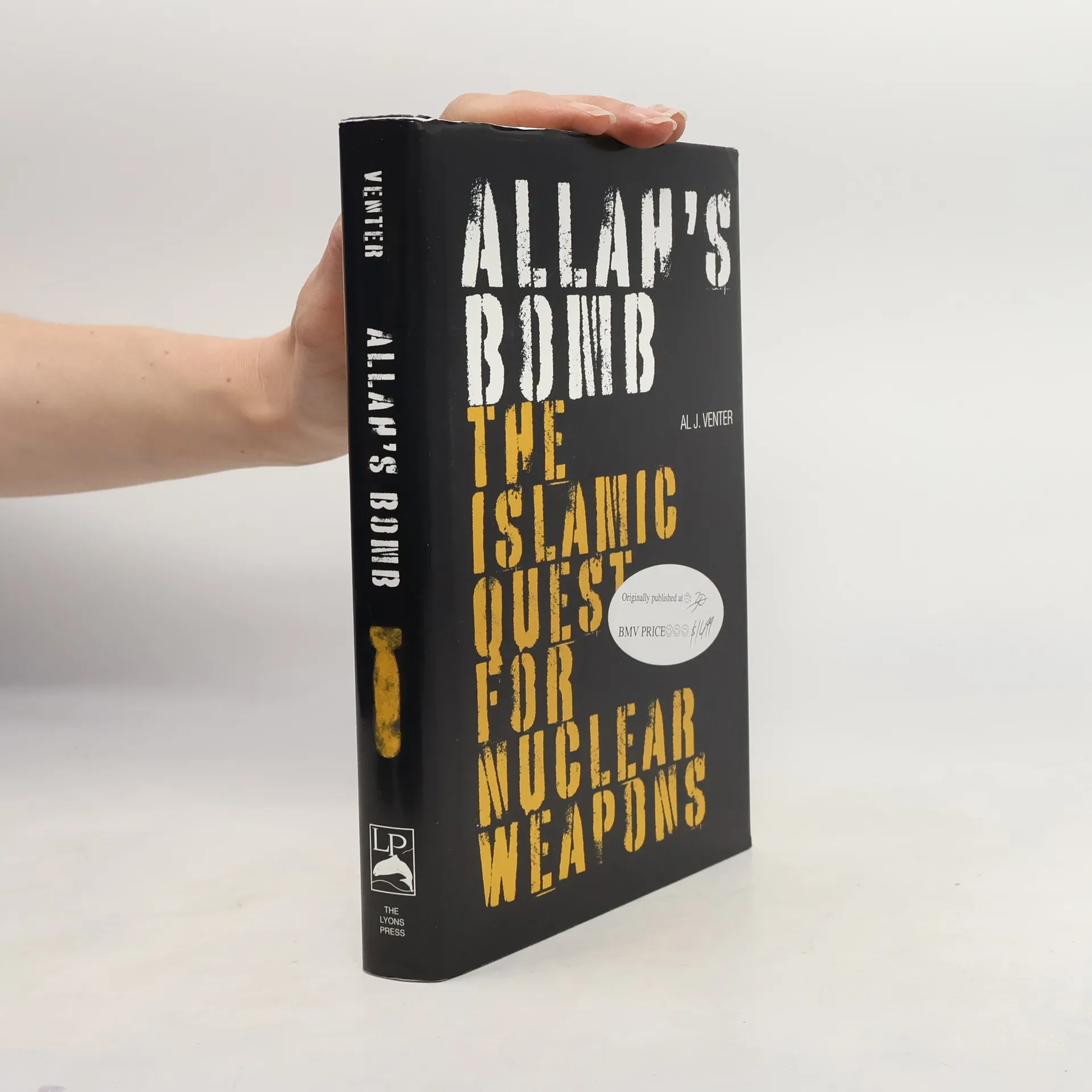
According to various intelligence agencies around the world, there are thirty-three international states or entities that have either started the process of building nuclear devices or have expressed an interest in building them. Many, including Pakistan, Saudi Arabia, Egypt, and various former Soviet Republics, have been linked to extreme Islamic militant groups. "Allah's Bomb" is a thoroughly researched and accessible volume that examines the progress of these countries towards full nuclear capability, and the repercussions the situation may have on global society. This timely and important volume will become essential reading for anyone with an interest in the true state of global affairs.