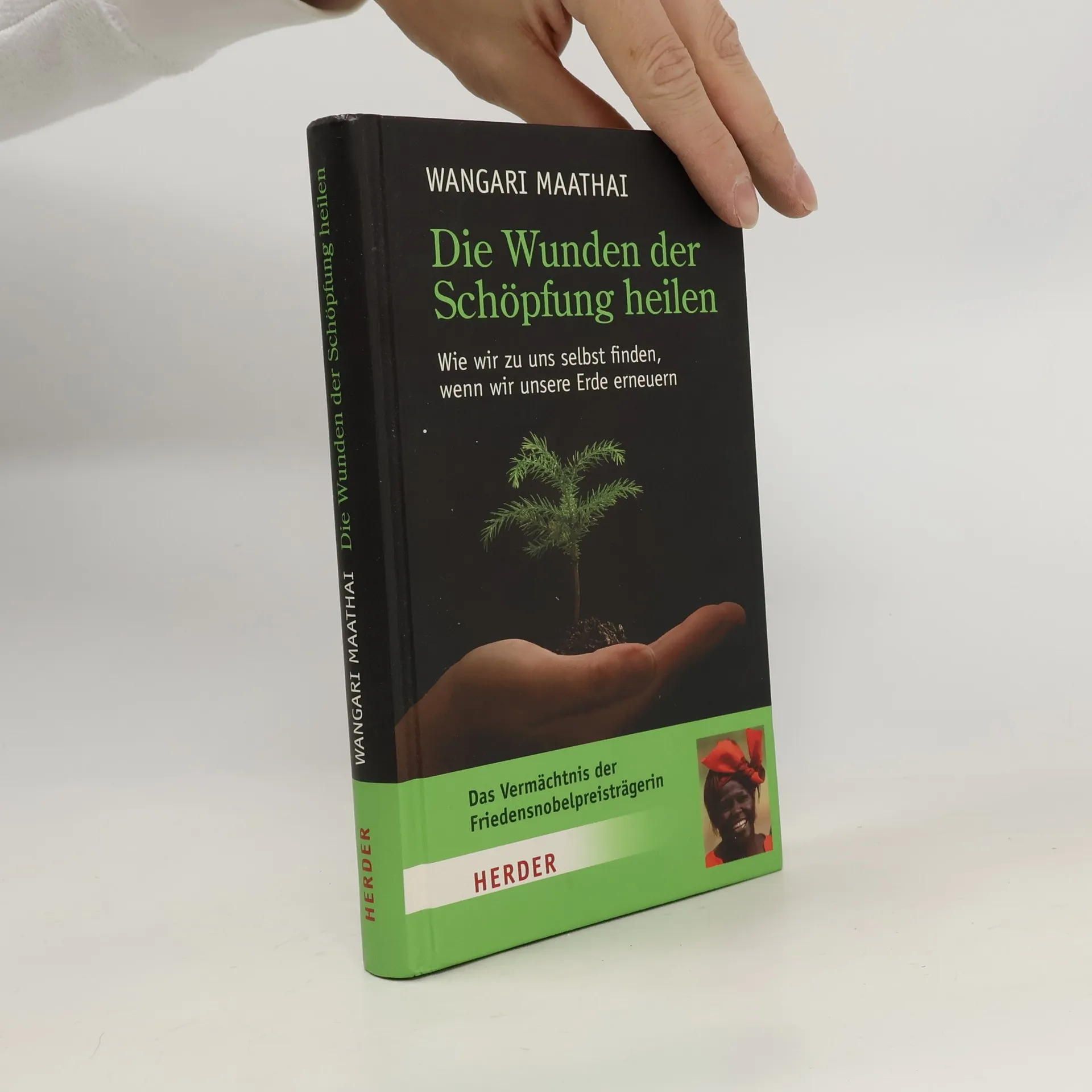
Die Wunden der Schöpfung heilen
- 240 pages
- 9 hours of reading


Wangari Maathai was a Kenyan environmental and political activist whose work illuminated the intricate connections between ecological health, democracy, and peace. Through her persistent advocacy, she championed the empowerment of women and communities by focusing on environmental conservation and sustainable development. Maathai's vision called for individuals to actively care for their surroundings, inspiring a global movement towards planetary responsibility and stewardship.

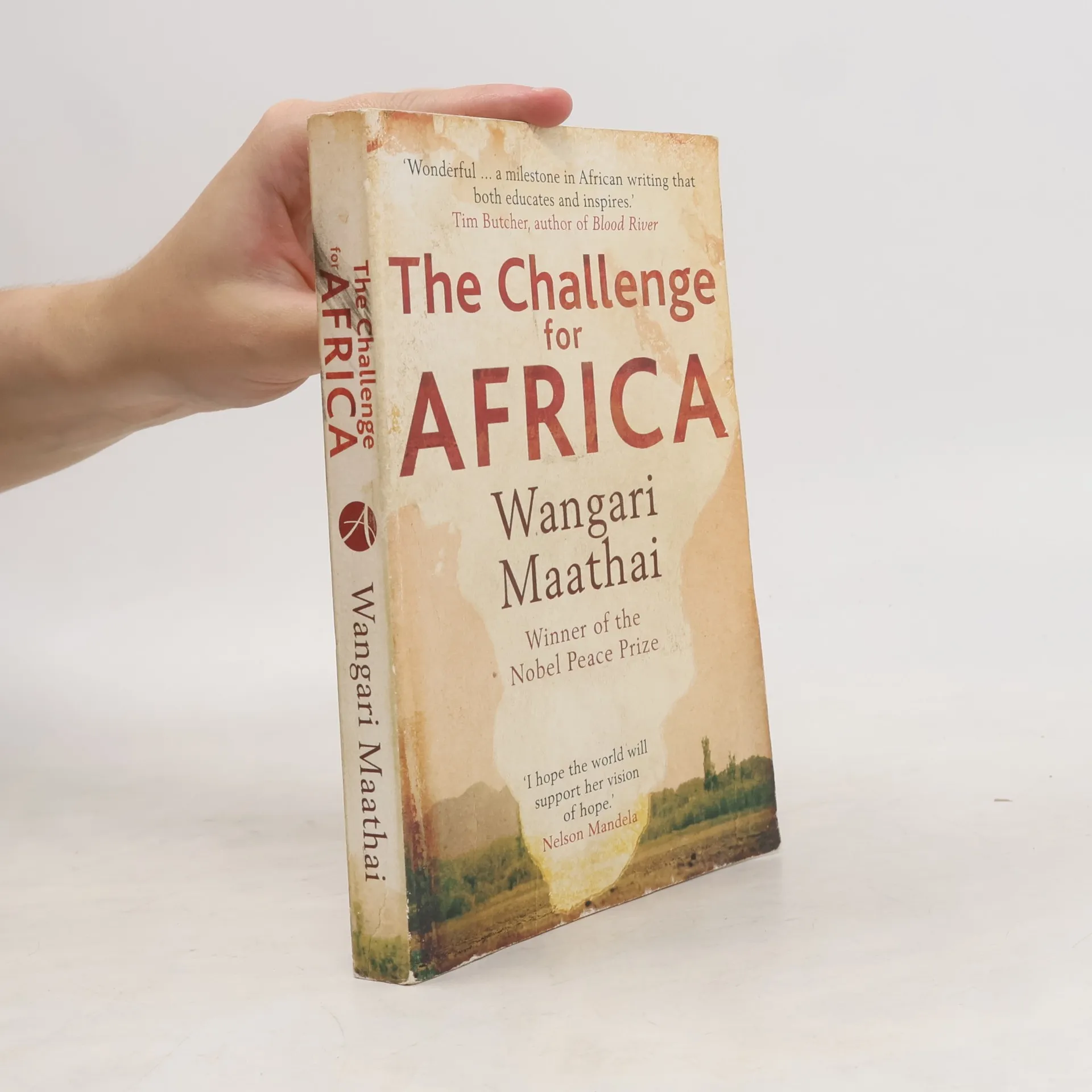
The troubles of Africa today are severe and wide-ranging. Yet, too often, they are portrayed by the media in extreme terms connoting poverty, dependence, and desperation. Here Wangari Maathai, Nobel Peace Prize laureate and founder of the Green Belt Movement, offers a refreshingly unique perspective on these challenges, even as she calls for a moral revolution among Africans themselves. Illuminating the complex and dynamic nature of the continent, Maathai offers "hardheaded hope" and "realistic options" for change and improvement. She deftly describes what Africans can and need to do for themselves, stressing all the while responsibility and accountability. Impassioned and empathetic, "The Challenge for Africa" is a book of immense importance.
Wangari Maathai retrace trente ans de combat avec les femmes kenyanes contre la déforestation, au sein du mouvement Green Belt créé en 1977. Lutte écologique, mais aussi lutte démocratique, qui l'amènera de nombreuses fois à s'opposer au régime. Derrière le destin hors du commun de la petite paysanne devenue Prix Nobel, c'est un message d'espoir ainsi que, selon Bill Clinton, "un témoignage poignant des défis et des réussites de l'Afrique moderne".
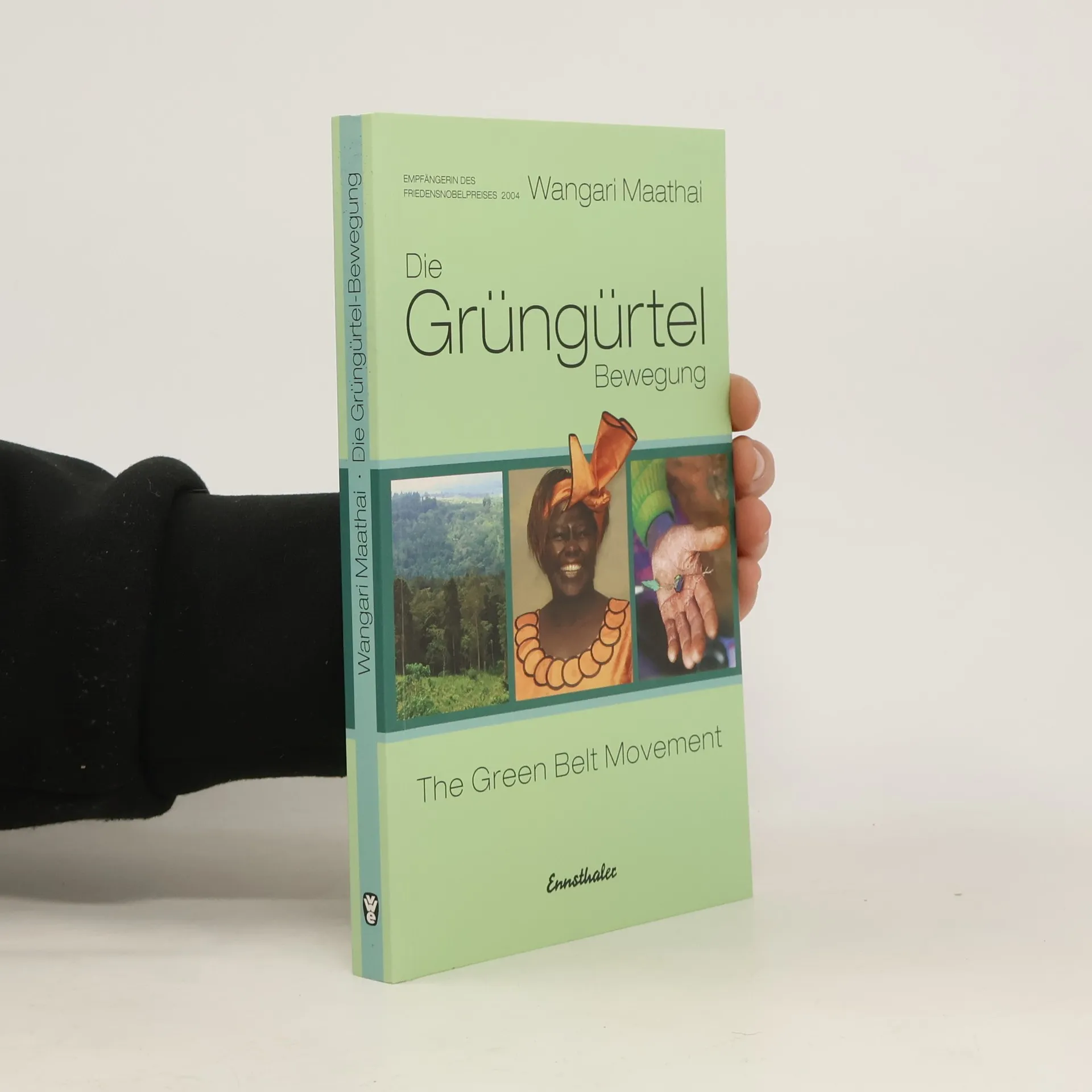
Friedensnobelpreisträgerin 2004, Wangari Maathai, erzählt die Geschichte des „Green Belt Movement“ (GBM), das sie 1977 gründete, um der Umweltzerstörung in Kenia entgegenzuwirken. Als erste afrikanische Frau, die den Nobelpreis erhielt, setzte sie sich nicht nur für Umweltschutz, sondern auch für Demokratie ein. Das GBM motivierte insbesondere Frauen, Bäume zu pflanzen, um die Nahrungsmittelversorgung und Brennholzressourcen zu verbessern und gleichzeitig Bodenerosion und Wüstenbildung zu bekämpfen. Über 27 Jahre hinweg wuchs das GBM zu einer bedeutenden Bewegung, die maßgeblich zur Einführung demokratischer Wahlen in Kenia beitrug, bei denen Maathai ins Parlament gewählt und zur stellvertretenden Umweltministerin ernannt wurde. In ihrem Buch schildert Maathai die Herausforderungen und Erfolge dieser Initiative, die fast 30 Millionen Bäume pflanzte und zehntausenden Menschen half, eine Lebensgrundlage zu schaffen. Ihre Erzählung ist eine inspirierende Botschaft über das Engagement der Menschen vor Ort, ihre Umwelt und ihr Land zu verbessern, und bietet Ideen für eine hoffnungsvolle Zukunft für Afrika und darüber hinaus.
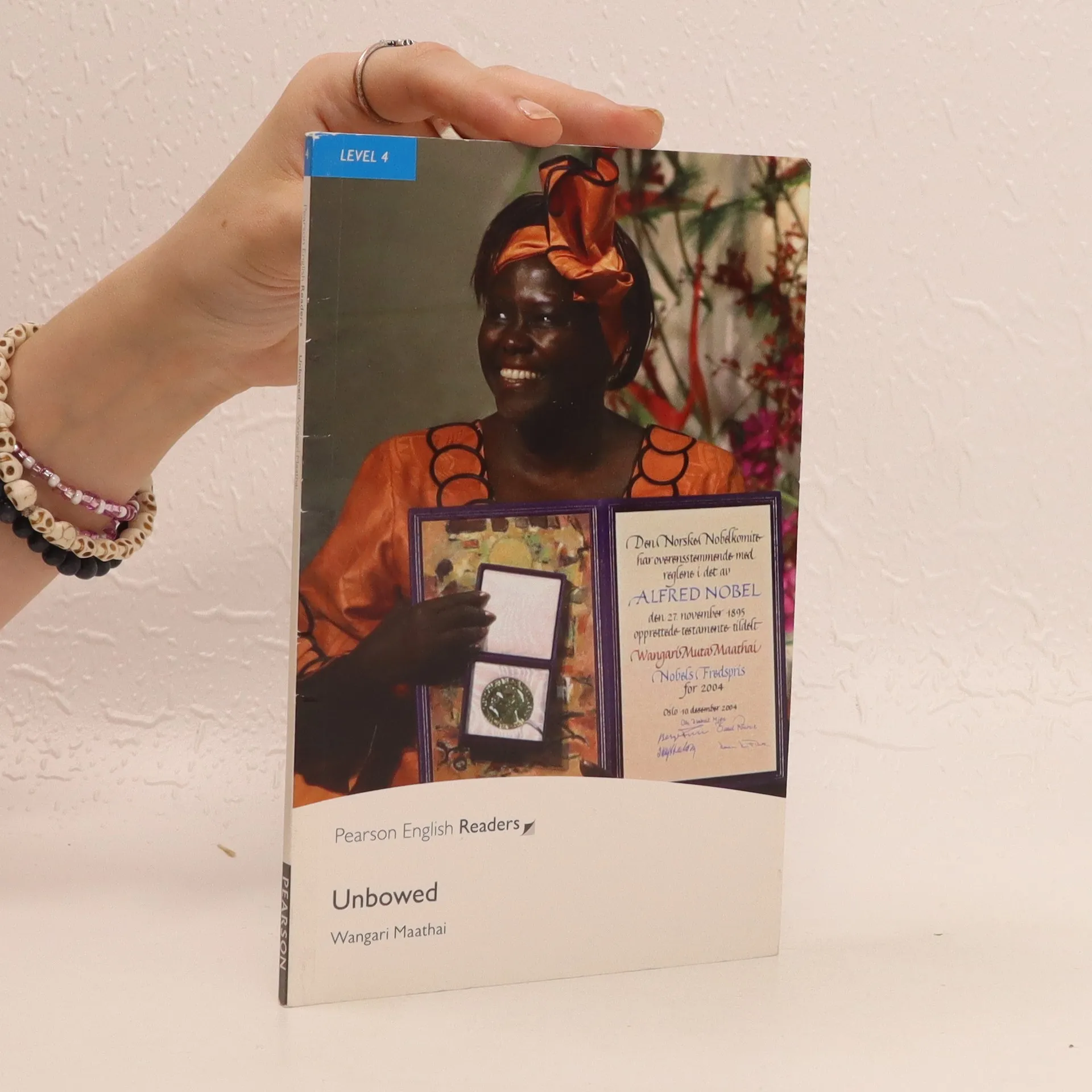
Born in the Kenyan Highlands, Wangari Maathai never lost her connection with the land. She started the Green Belt Movement, which planted trees where forests were being destroyed. Maathai became an elected politician and this is her story.