
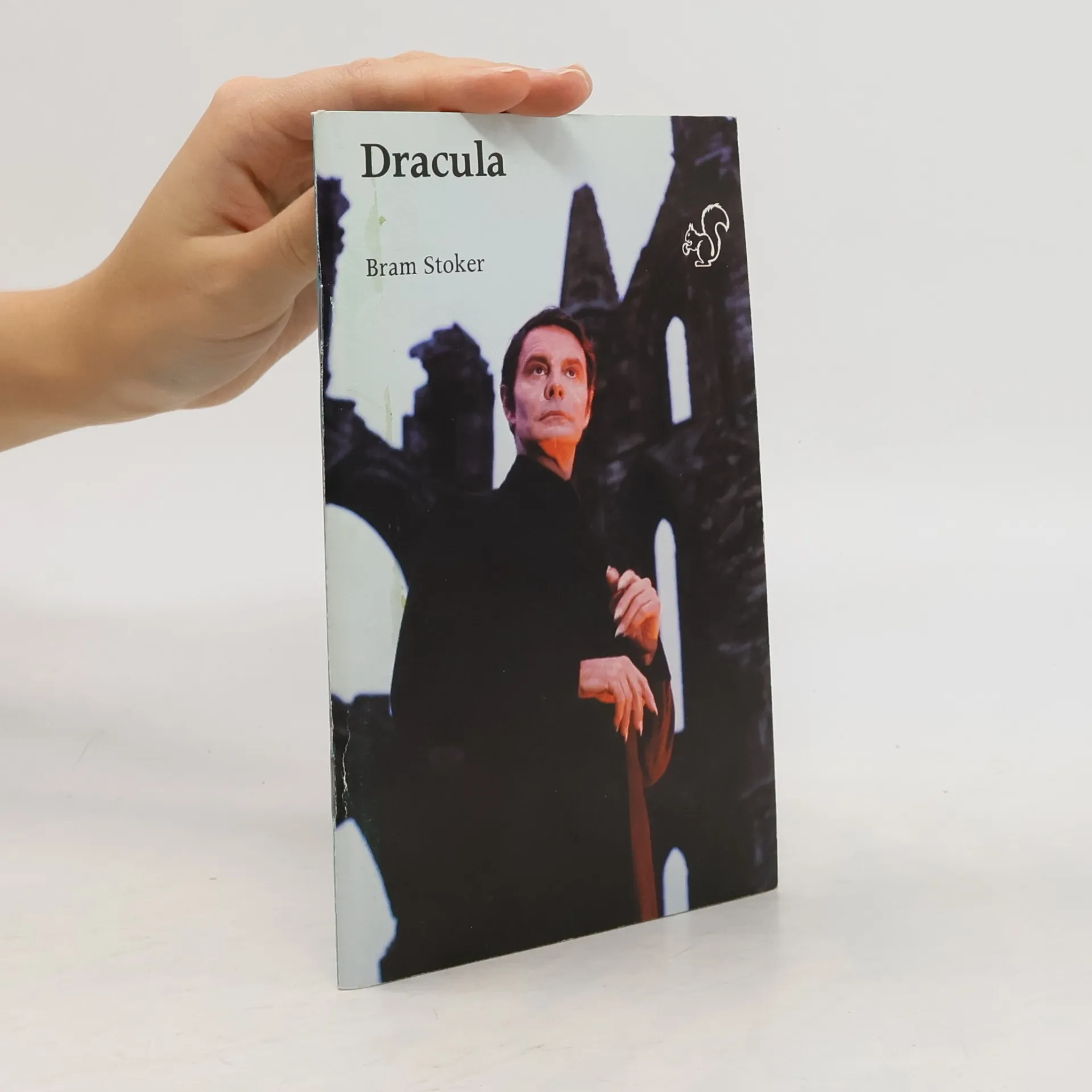
Dracula has been attributed to many literary genres including vampire literature, horror fiction, the gothic novel and invasion literature. Structurally it is an epistolary novel, that is, told as a series of diary entries and letters. Literary critics have examined many themes in the novel, such as the role of Victorian culture, conventional and conservative women sexuality, immigration, colonialism, postcolonialism and folklore. Although Stoker did not invent the vampire, the novel's influence on the popularity of vampires has been singularly responsible for many theatrical and film interpretations throughout the 20th and 21st centuries.
Nigel Warwick Book order (chronological)


Robinson Crusoe - Complete and Unabridged
- 352 pages
- 13 hours of reading
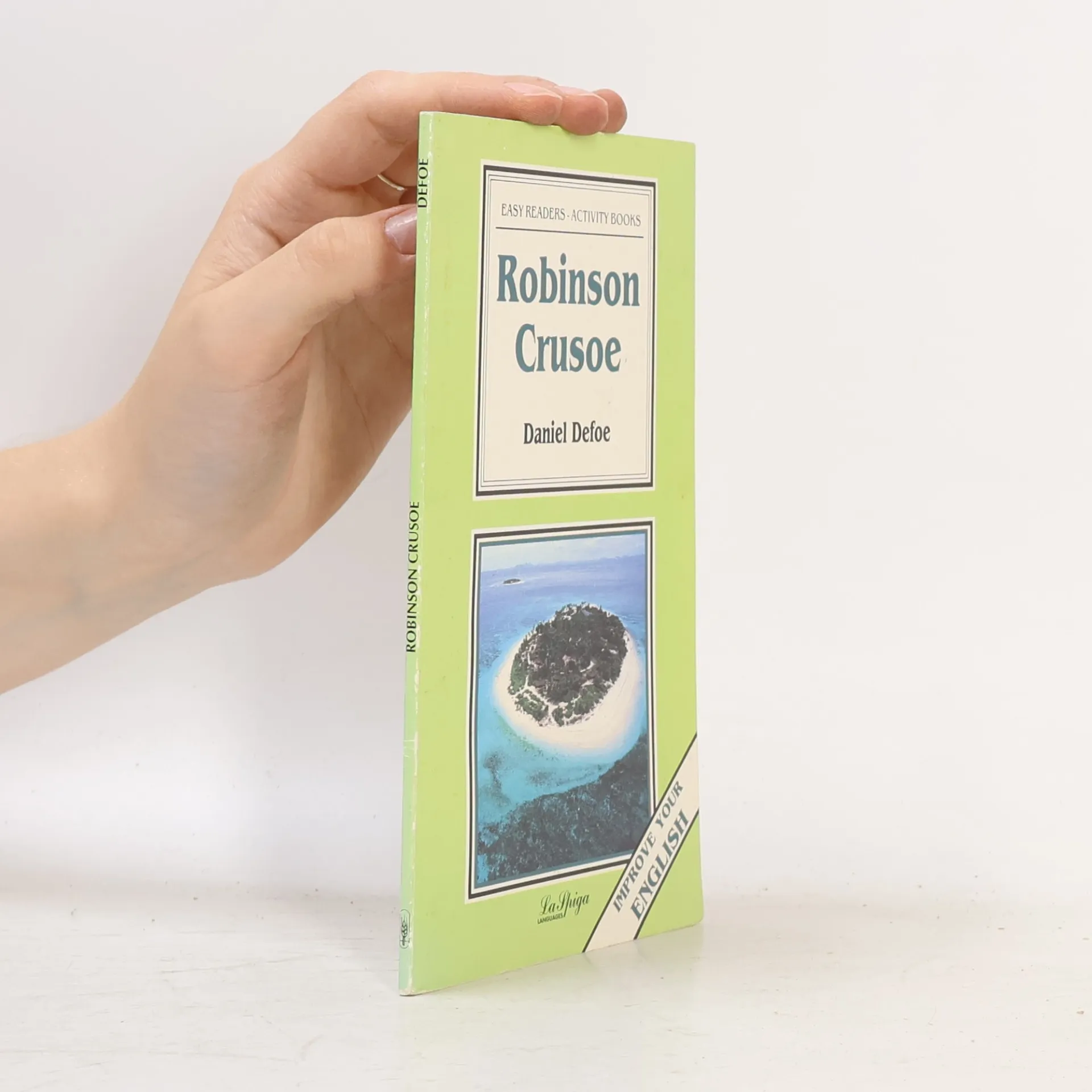
Tor Classics are affordably-priced editions designed to attract the young reader. Original dynamic cover art enthusiastically represents the excitement of each story. Appropriate "reader friendly" type sizes have been chosen for each title—offering clear, accurate, and readable text. All editions are complete and unabridged, and feature Introductions and Afterwords. This edition of Robinson Crusoe includes a Foreword, Biographical Note, and Afterword by R. L. Fisher. Caught in the howling turmoil of hurricane and tidal wave, a young gentleman merchant named Robinson Crusoe was flung onto the shore of a deserted tropical island. His ship--destroyed. His crew--dead. His location--unknown. The only human across the ocean--were savage cannibal tribes. Crusoe was without food, without shelter, without supplies--and had never trained to live apart from the luxuries of civilization. But somehow, using only wreckage and his wit, Robison Crusoe would have to learn to survive. Without help. Without hope of rescue. Alone.